
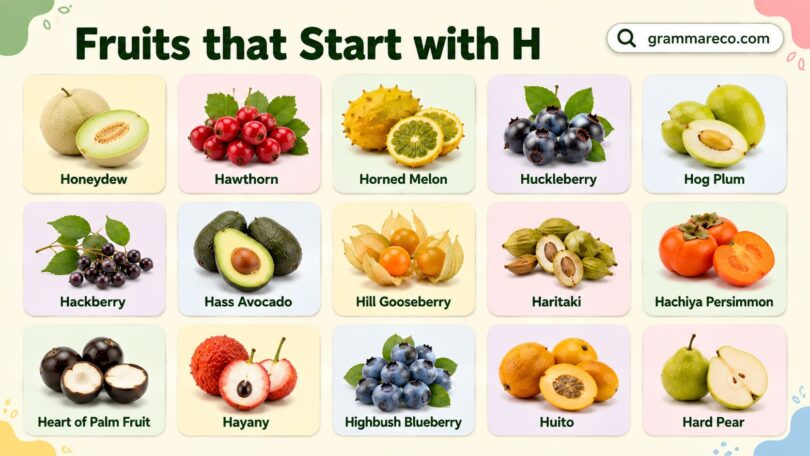
Fruits that Start with H include familiar melons, berries, apples, and several tropical fruits. Their names come from different plants and regions, so their sizes, colors, flavors, and uses can vary. Some grow on vines, while others develop on trees or shrubs. Learning fruits that starting with h helps readers recognize fruit names used in food, nature, and classroom activities. Pictures also make these names easier to understand.
Why We Write This Information About Fruits from H?
Learning fruit names from one letter can make alphabet-based study more focused and useful. The letter H includes common fruits, berry names, citrus varieties, and regional fruits from different parts of the world.
What Is a Fruit That Starts with H?
A fruit that starts with H is any fruit commonly known by an English name beginning with H. The group includes berries, melons, apples, citrus fruits, and fruits with less common regional names.
Some names describe a fruit directly, while others identify a variety or local name. For accuracy, closely related names are not counted twice when they refer to the same fruit.
A Complete List of Fruits Starting with H
Below is a complete practical list of established fruit names beginning with H, including common and less familiar varieties.
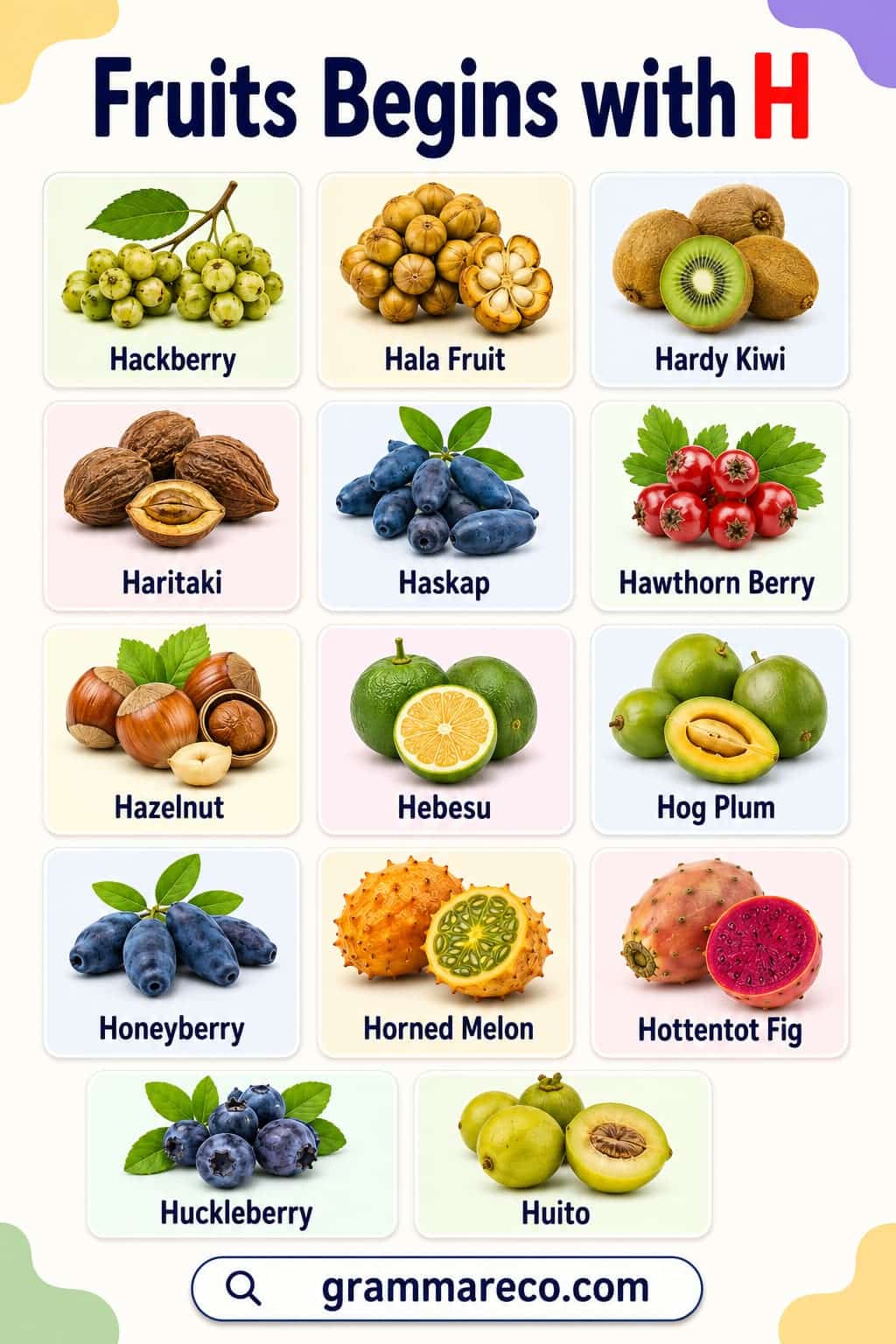
- Hackberry
- Hairless Rambutan
- Hala Fruit
- Hardy Kiwi
- Haritaki
- Haskap
- Hawaiian Mountain Apple
- Hawaiian Raspberry
- Hawthorn Berry
- Hazelnut
- Hebesu
- Highbush Blueberry
- Highbush Cranberry
- Himalayan Bird Cherry
- Himalayan Mulberry
- Hog Plum
- Hollyleaf Cherry
- Honey Locust Fruit
- Honeyberry
- Honeydew Melon
- Honeysuckle Berry
- Horned Melon
- Hottentot Fig
- Huckleberry
- Huito
- Hydnora Fruit
- Hyuganatsu
Fruits that Start with H with Pictures and Fun Facts
Hackberry
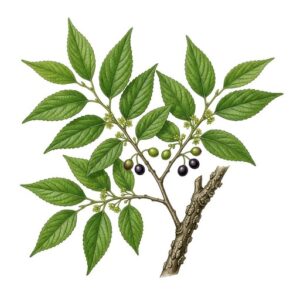
Hackberry is a small edible fruit produced by trees in the Celtis genus. It typically has a thin layer of sweet, slightly nutty flesh surrounding a hard seed. Hackberries can be eaten fresh or dried and are also an important natural food source for birds and wildlife.
Hairless Rambutan
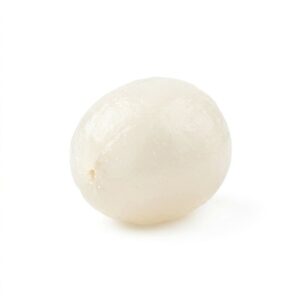
Hairless rambutan is a tropical fruit related to the common rambutan but has smooth or nearly spineless skin. Its translucent flesh is juicy and mildly sweet, surrounding a single seed. The fruit grows in warm climates and is generally eaten fresh when fully ripe.
Hala Fruit
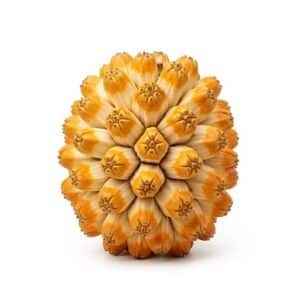
Hala fruit comes from pandanus trees and has a striking appearance made of numerous tightly packed sections. Depending on the variety, the edible portions may be juicy or fibrous with a mildly sweet flavor. Hala is traditionally eaten fresh and used in foods in Pacific Island regions.
Hardy Kiwi
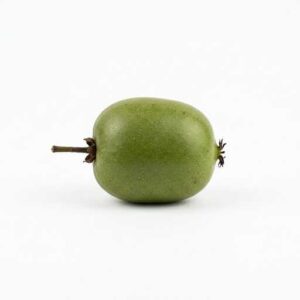
Hardy kiwi is a small kiwi fruit with smooth, edible skin and green, juicy flesh. It has a sweet-tart flavor and tiny black seeds. Unlike common kiwifruit, it does not need to be peeled before eating. Hardy kiwi grows on vigorous vines in temperate climates.
Haritaki
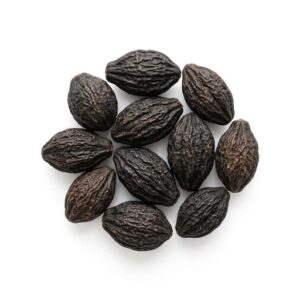
Haritaki is a small, oval fruit from the Terminalia chebula tree, native to South and Southeast Asia. The fruit changes from green to yellow or brown as it matures. It has a notably bitter and astringent taste and is traditionally dried for use in regional preparations.
Haskap
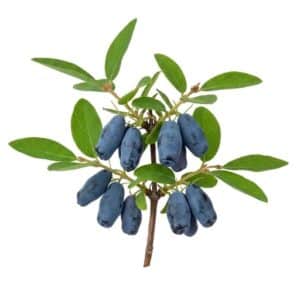
Haskap is an elongated blue berry produced by edible honeysuckle plants. It has thin blue-purple skin and juicy flesh with a sweet, tart, berry-like flavor. Haskap grows particularly well in cold climates and is enjoyed fresh or made into jams, sauces, juices, pies, and desserts.
Hawaiian Mountain Apple
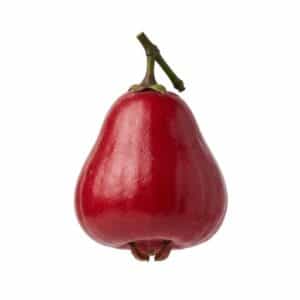
Hawaiian mountain apple is a tropical fruit also known as mountain apple or ʻŌhiʻa ʻai. It has smooth red or pink skin and crisp, juicy flesh with a mildly sweet flavor. The fruit is strongly associated with Hawaii and is usually eaten fresh when ripe.
Hawaiian Raspberry
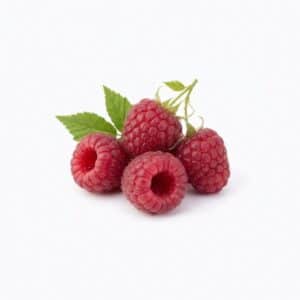
Hawaiian raspberry refers to raspberry species associated with Hawaii and its tropical or subtropical environments. The berries are generally soft, red, and pleasantly sweet-tart. They may be eaten fresh or used in desserts, preserves, and beverages, although Hawaiian raspberries are less widely cultivated than commercial raspberry varieties.
Hawthorn Berry
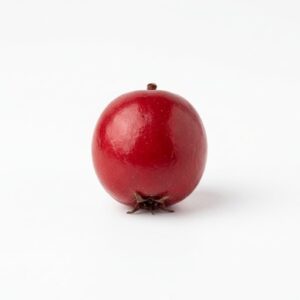
Hawthorn berry is the small fruit of trees and shrubs belonging to the Crataegus genus. The berries are commonly red but may vary by species. They have a tart, slightly sweet flavor and are used in some traditional foods, jellies, sauces, teas, and fruit preparations.
Hazelnut
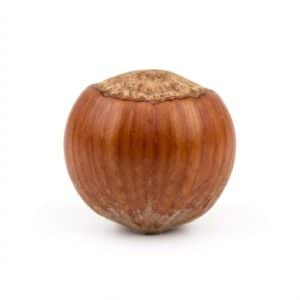
Hazelnut is the edible nut produced by hazel trees and is botanically considered a type of fruit. It has a hard outer shell and a creamy kernel with a rich, slightly sweet flavor. Hazelnuts are eaten raw or roasted and are widely used in chocolate, baking, spreads, and desserts.
Hebesu
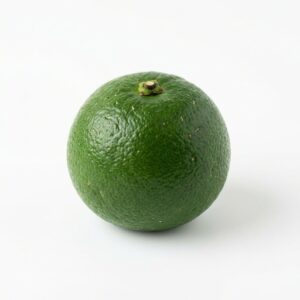
Hebesu is a small Japanese citrus fruit traditionally associated with Miyazaki Prefecture. It has green skin, fragrant juice, and a refreshing acidic flavor. Hebesu is commonly used to add citrus flavor to fish, noodles, soups, sauces, and drinks, making it a distinctive ingredient in Japanese cuisine.
Highbush Blueberry
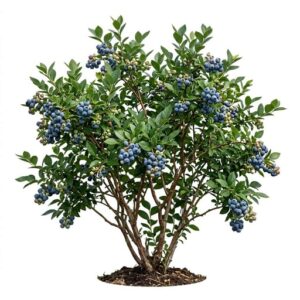
Highbush blueberry is one of the most widely cultivated blueberry types, producing round berries with blue to purple skin. The juicy fruit has a sweet-tart flavor and is commonly eaten fresh. Highbush blueberries are also popular in muffins, pancakes, cereals, smoothies, jams, pies, and desserts.
Himalayan Bird Cherry
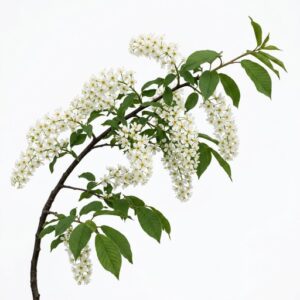
Himalayan bird cherry refers to cherry species found in the Himalayan region and surrounding areas. The small fruits may become dark when mature and can have a sweet, sour, or mildly astringent taste. These trees are valued for their ecological role and, in some regions, their edible fruit.
Himalayan Mulberry
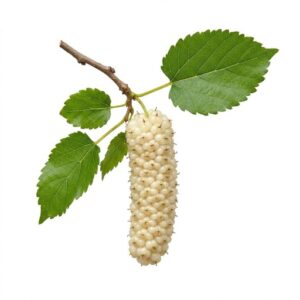
Himalayan mulberry is a fruit produced by mulberry trees growing in Himalayan and nearby regions. The elongated berries can become dark purple or nearly black when ripe. They are juicy and sweet and may be eaten fresh or used to make jams, syrups, juices, and desserts.
Highbush Cranberry
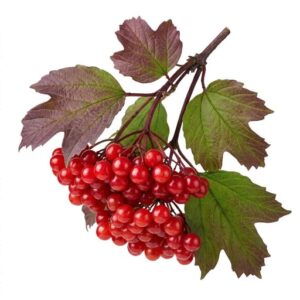
Highbush cranberry is a red, berry-like fruit produced by Viburnum species. Despite its name, it is not a true cranberry. The bright fruits have a strong tart flavor and are traditionally used for jellies, sauces, preserves, and other cooked preparations after appropriate processing.
Hog Plum
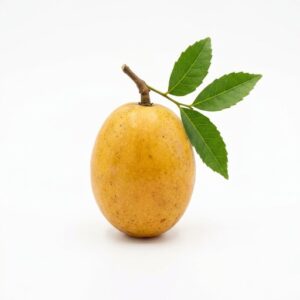
Hog plum is a common name for several tropical fruits produced by Spondias species. The fruits are generally oval or rounded and develop green, yellow, or orange skin. Their juicy flesh can be sour or sweet-tart and is eaten fresh or used in sauces, drinks, pickles, and preserves.
Hollyleaf Cherry
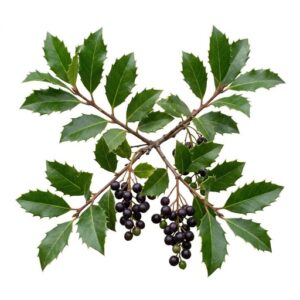
Hollyleaf cherry is a small fruit produced by the hollyleaf cherry shrub, native to parts of western North America. Its fruits are usually red to dark purple when mature. The plant provides food for wildlife, while the fruit itself is not commonly sold as a commercial food.
Honey Locust Fruit
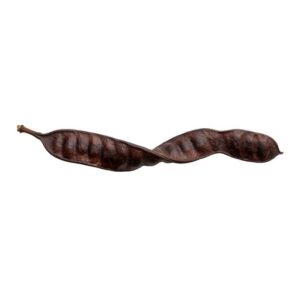
Honey locust fruit develops inside long, flat pods produced by the honey locust tree. Mature pods contain seeds surrounded by sweet, sticky pulp. Although uncommon in modern grocery stores, honey locust pods have historical food uses and provide an important food source for wildlife.
Honeyberry
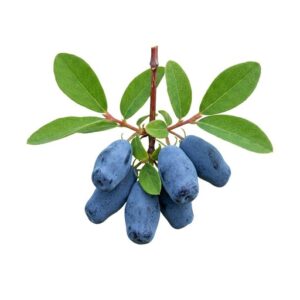
Honeyberry is the edible fruit of Lonicera caerulea, a cold-hardy honeysuckle species also known as haskap. The elongated berries have deep blue skin and juicy flesh with a sweet-tart flavor. They are eaten fresh and commonly used in jams, pies, sauces, smoothies, and other berry products.
Honeydew Melon
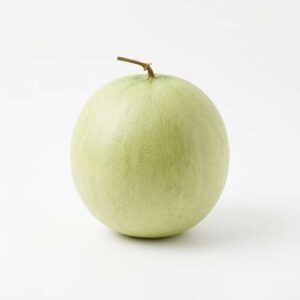
Honeydew melon is a popular sweet melon with smooth skin and pale green to yellowish flesh. Its juicy texture and mild, refreshing sweetness make it a common fresh fruit. Honeydew is often served in fruit salads, eaten as a snack, blended into smoothies, or paired with other melons.
Honeysuckle Berry
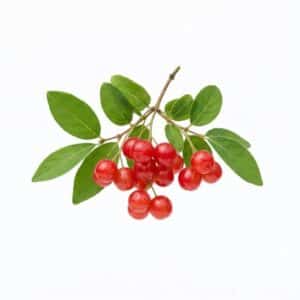
Honeysuckle berry is a general name for fruits produced by different honeysuckle species. Their appearance, flavor, and safety vary considerably between plants. Some species, such as edible blue honeysuckle, produce berries suitable for food, while other honeysuckle fruits should not be eaten.
Horned Melon

Horned melon, also called kiwano, is an unusual African fruit recognized by its orange skin and horn-like projections. Inside, it contains green, jelly-like flesh filled with edible seeds. Its flavor is mildly sweet and refreshing, with notes often compared with cucumber, melon, lime, and banana.
Hottentot Fig
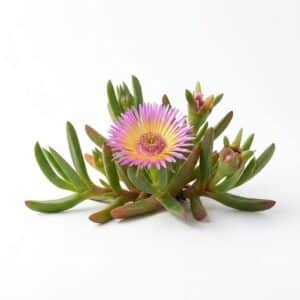
Hottentot fig is a succulent plant that produces edible, fig-like fruits. The ripe fruits develop a purplish or reddish color and contain soft, slightly sour pulp. Native to southern Africa, the plant has also become naturalized in other regions. Its fruits can be eaten fresh or used in preserves.
Huckleberry
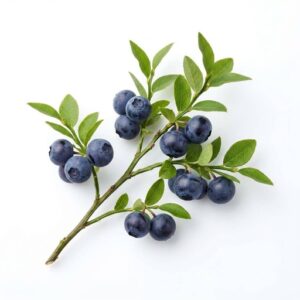
Huckleberry is a common name for several small berry-producing plants, including species in the Vaccinium and Gaylussacia genera. Depending on the species, the berries may be red, purple, or nearly black. They have a sweet-tart flavor and are popular in pies, jams, syrups, sauces, and desserts.
Huito

Huito is a tropical fruit produced by the Genipa americana tree, which grows across parts of tropical Central and South America. The round fruit develops dark brown skin when mature and contains aromatic pulp. It is traditionally used in regional beverages, foods, and cultural practices.
Hydnora Fruit
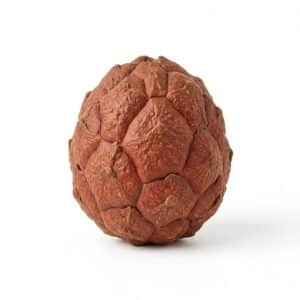
Hydnora fruit is produced by unusual parasitic plants in the Hydnora genus, native mainly to southern and eastern Africa. The underground fruits can develop beneath the soil and contain numerous seeds in a fleshy interior. Some species have traditional food uses, although they are not common commercial fruits.
Hyuganatsu
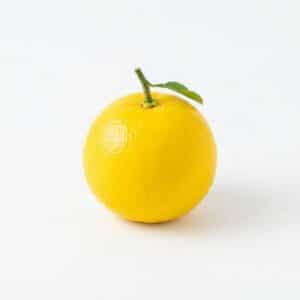
Hyuganatsu is a Japanese citrus fruit known for its yellow skin, fragrant flesh, and refreshing sweet-tart flavor. It originated in Miyazaki Prefecture and is especially popular in Japan. Unlike many citrus fruits, its mild white pith is often eaten along with the juicy flesh.
Fruit Names That Begin with H for Kids
Kids can start with familiar names before moving toward less common fruits. The names below include everyday fruits that start with h and a few unusual choices that make alphabet learning more varied.
- Hackberry — A small, sweet fruit from hackberry trees, with thin flesh surrounding a hard, edible seed.
- Hairless Rambutan — A rambutan relative with smooth skin, producing small, sweet fruits without the usual hairy spines.
- Hala Fruit — A large, segmented fruit from pandanus trees, turning yellow, orange, or red when mature.
- Hardy Kiwi — A small, smooth-skinned kiwi with green flesh, edible skin, and a sweet-tart flavor.
- Haritaki — A small, ribbed fruit from the haritaki tree, traditionally used in South Asian herbal preparations.
- Haskap — An elongated, dark-blue berry with juicy flesh and a distinctive sweet-tart flavor.
- Hawaiian Mountain Apple — A bright red, pear-shaped tropical fruit with crisp, juicy flesh and a mildly sweet flavor.
- Hawaiian Raspberry — A Hawaiian raspberry producing small red fruits that resemble familiar raspberries in appearance and taste.
For younger learners, Honeydew, Honeycrisp Apple, Huckleberry, Horned Melon, and Hardy Kiwi are useful starting names because their names are easy to connect with familiar fruits.
FAQs About H for Fruits
Honeydew melon is one of the most commonly recognized fruits that starts with H. It has smooth skin and sweet, juicy green flesh.
Honeydew, huckleberry, hackberry, hardy kiwi, horned melon, and honeycrisp apple are good fruit names beginning with H for kids.
Yes. Honeyberry and haskap commonly refer to the same species, Lonicera caerulea, although different cultivated varieties can have different fruit qualities.
Yes. Horned melon is a fruit in the cucumber and melon family. It is also commonly called kiwano and has edible green flesh.
Other H fruits include huckleberry, hackberry, hardy kiwi, hala fruit, hog plum, hawthorn, hyuganatsu, and Hawaiian mountain apple.
Takeaway
The letter H includes many fruit names, from Honeydew Melon and Honeycrisp Apple to Haskap, Huito, Hala Fruit, and Hyuganatsu. Some are common, while others are regional or less widely known. Pictures can make unusual shapes, colors, and fruit structures easier to recognize. Keeping related names together also prevents the same fruit from being counted twice.
Read more