

![46 Fruits that Start with K with Pictures [Full List with Names]](https://grammareco.com/wp-content/uploads/2026/08/46-Fruits-that-Start-with-K-with-Pictures-Full-List-with-Names-810x456.jpg)
Learning fruits that start with k helps you recognize both common and uncommon fruit names that begin with the letter K. Some grow in grocery stores around the world, while others are native to tropical forests or specific countries and may be new to many readers. By the end of this article, you’ll know fruits that starts with K, recognize many of them with pictures, and understand their basic characteristics, flavors, and growing regions.
What Fruits That Start with K in English?
Fruits that start with K are fruits whose English names begin with the letter K. They include citrus fruits, berries, tropical fruits, and stone fruits from different parts of the world. Well-known examples include Kiwi, Kumquat, Kiwano, Kakadu Plum, Kabosu, and Kaki.
List of Fruits That Start with K (Worldwide)
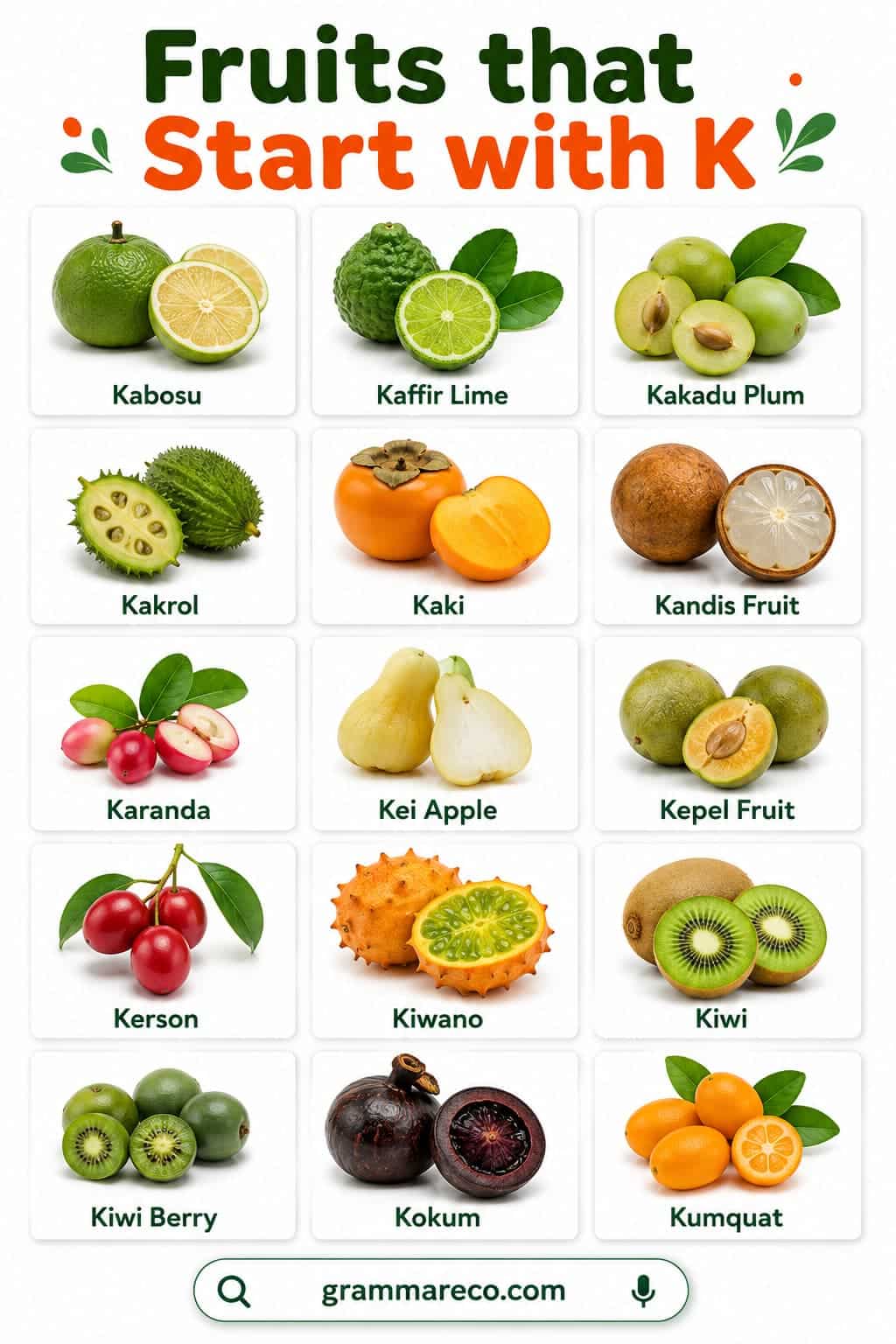
Many fruits beginning with K come from Asia, Australia, Africa, and tropical regions. Some are easy to buy in supermarkets, while others are rare and mainly grown in their native countries. Below is a comprehensive list of fruits that start with K.
- Kabosu
- Kaffir Lime (Makrut Lime)
- Kahikatea Berry
- Kakadu Plum
- Kakrol (Spiny Gourd)
- Kaki (Japanese Persimmon)
- Kandis Fruit
- Karanda (Carissa carandas)
- Kei Apple
- Kepel Fruit
- Kerson (Jamaican Cherry)
- Kiwano (Horned Melon)
- Kiwi (Kiwifruit)
- Kiwi Berry
- Kokum
- Korlan
- Kousa Dogwood Fruit
- Kumquat
- Kundang (Marian Plum)
- Kutjera (Bush Tomato)
- Kwai Muk
- Korean Melon
- Karkalla (Pigface Fruit)
- Keule Fruit
- Kelubi (Wild Palm Fruit)
- Keluak Fruit
- Knobthorn Fruit
Popular Fruits Beginning with K with Pictures and Facts
Some fruits that begin with K are widely grown and easy to recognize, while others are regional favorites with unique flavors. Learning their appearance and key facts makes it easier to tell them apart. The pictures will help you identify each fruit more confidently.
Kabosu
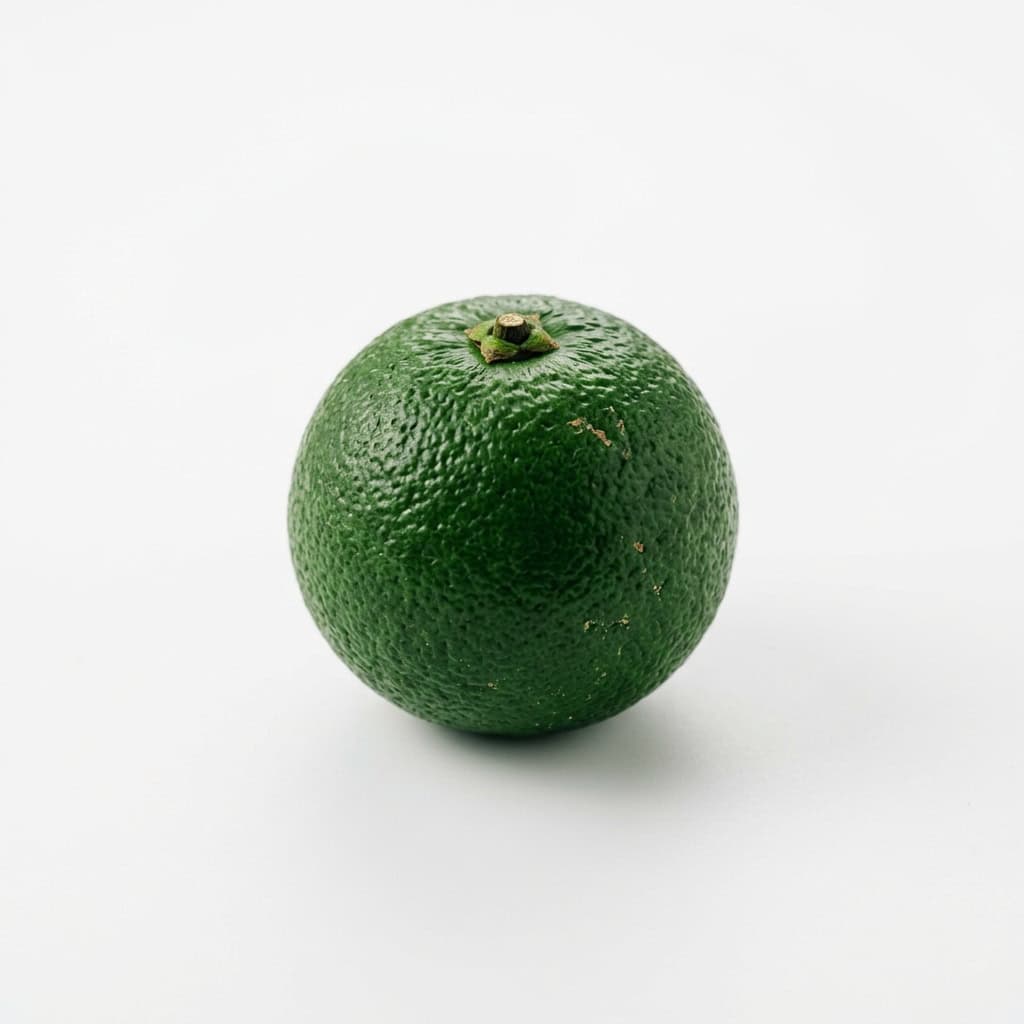
Kabosu is a fragrant Japanese citrus fruit known for its bright green skin and refreshing sour juice. It is widely used to flavor seafood, noodles, sauces, and drinks instead of being eaten fresh. The fruit has a mild citrus aroma with less bitterness than many other sour fruits. Kabosu is also valued for its vitamin C content and fresh, zesty flavor.
- Scientific Name: Citrus sphaerocarpa
Kaffir Lime (Makrut Lime)
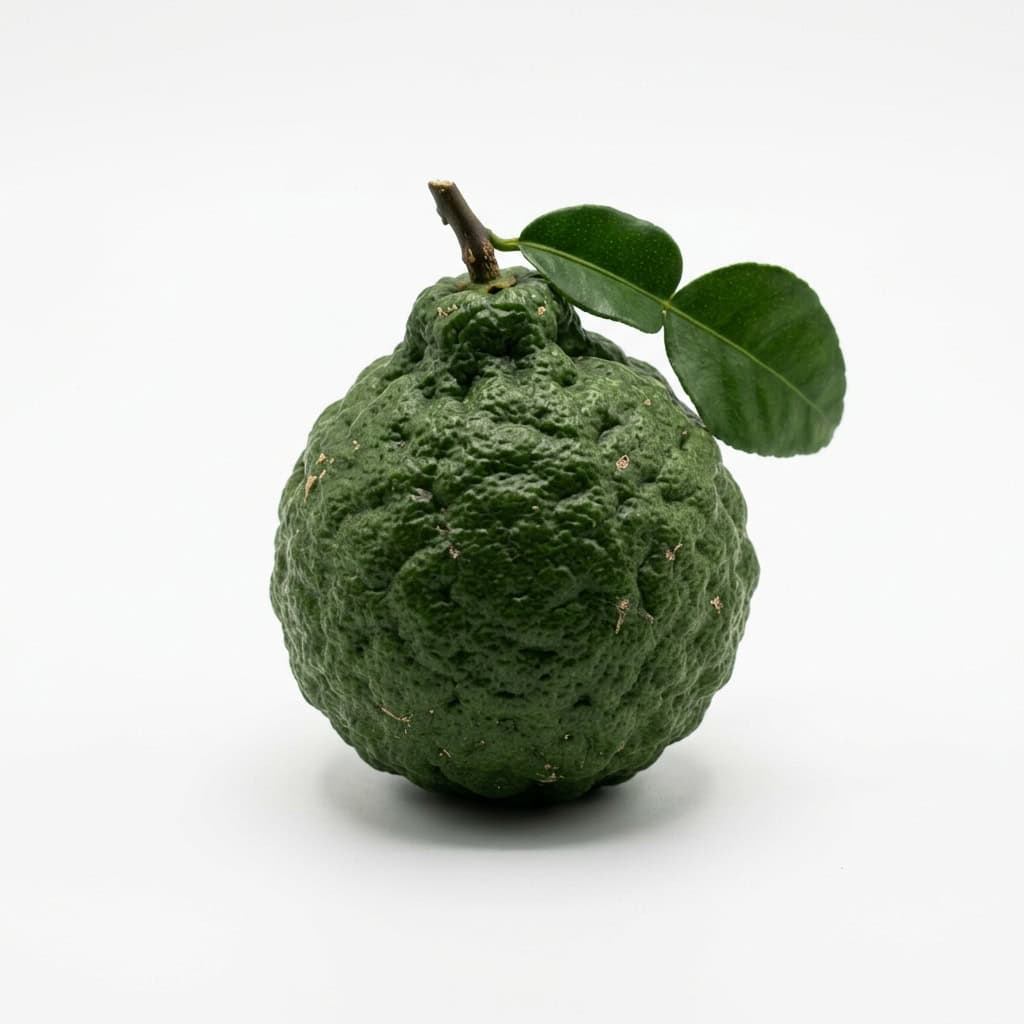
Kaffir Lime, also called Makrut Lime, is a tropical citrus fruit famous for its highly aromatic leaves and bumpy green fruit. The leaves are a popular ingredient in Southeast Asian cooking, while the zest adds strong citrus flavor to many dishes. The fruit itself is very sour and is rarely eaten fresh. It also provides vitamin C and fragrant natural oils.
- Scientific Name: Citrus hystrix
Kahikatea Berry

Kahikatea Berry grows on New Zealand’s tallest native tree, the Kahikatea. The small orange berries have a mild, sweet taste and have traditionally been eaten by Māori communities. They also provide food for many native birds. Although not commonly sold in markets, these berries are an important part of New Zealand’s natural forests and native wildlife.
- Scientific Name: Dacrycarpus dacrydioides
Kakadu Plum
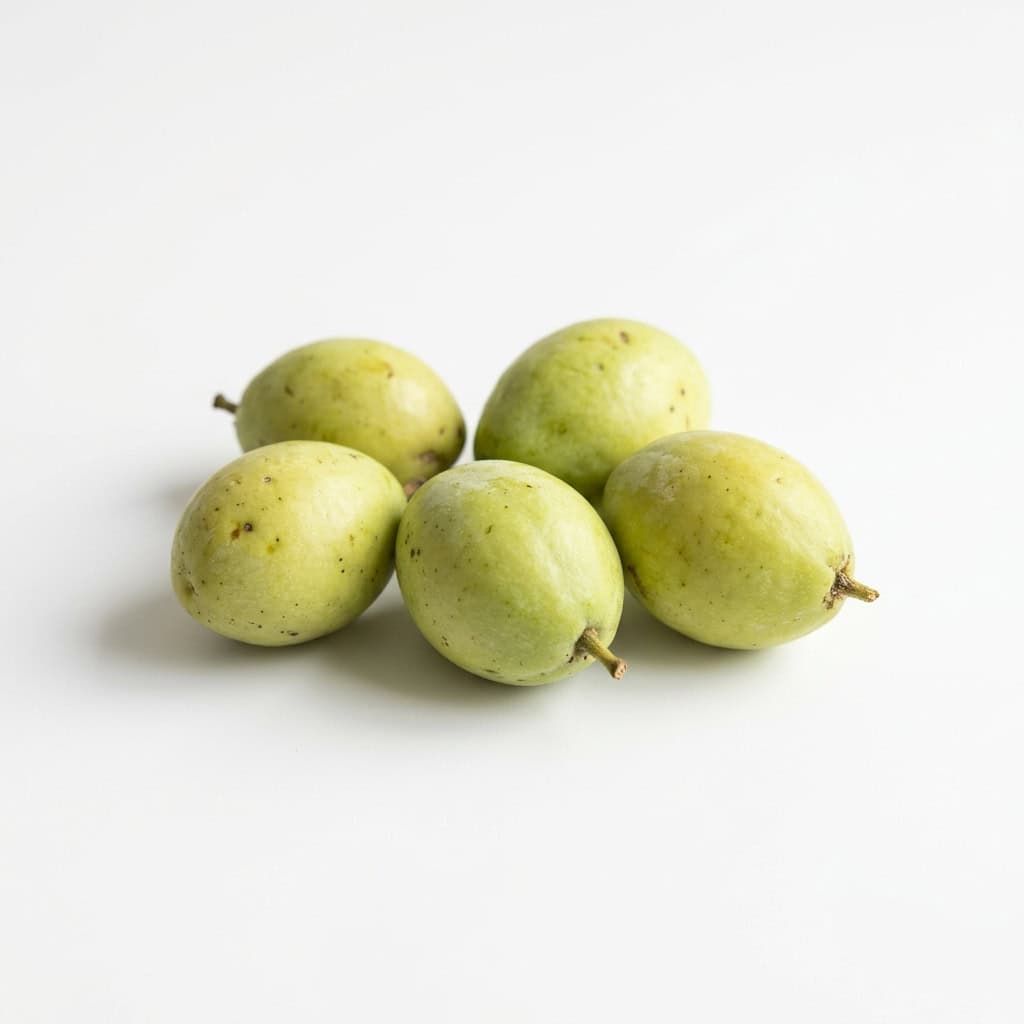
Kakadu Plum is a native Australian fruit recognized as one of the richest natural sources of vitamin C. It is small, green, and has a tart flavor that works well in sauces, jams, juices, and health products. Indigenous Australians have valued this fruit for generations. It also contains antioxidants and beneficial plant compounds that support a balanced diet.
- Scientific Name: Terminalia ferdinandiana
Kakrol (Spiny Gourd)
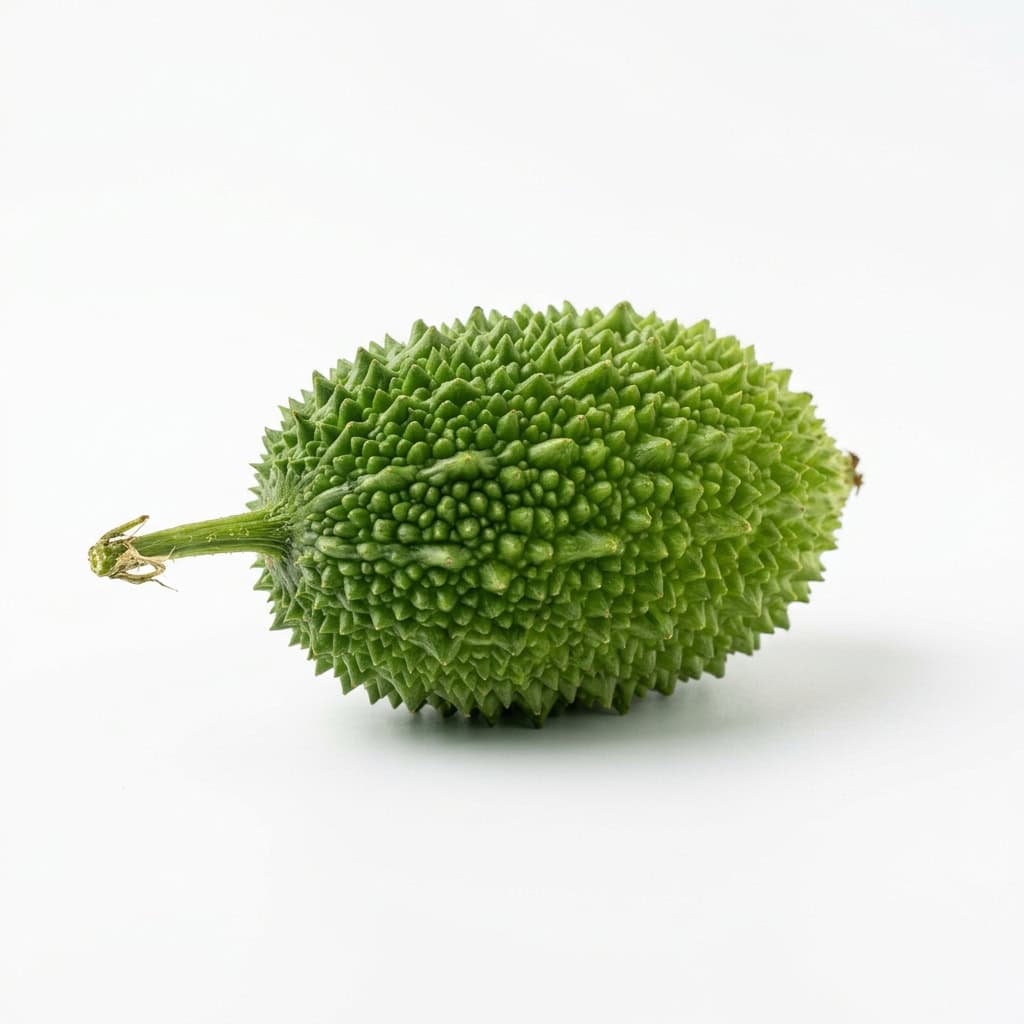
Kakrol, also known as Spiny Gourd, is a small green fruit commonly cooked as a vegetable in South Asia. Its spiny outer skin protects soft flesh with a mild flavor. It is often stuffed, fried, or added to curries. Kakrol provides fiber, vitamins, and minerals, making it a nutritious ingredient in many traditional meals.
- Scientific Name: Momordica dioica
Kaki (Japanese Persimmon)
Kaki, also called Japanese Persimmon, is a sweet orange fruit with smooth skin and soft flesh when fully ripe. It is enjoyed fresh, dried, or used in desserts and baked foods. The fruit has a honey-like sweetness and contains fiber, vitamin A, and vitamin C. Kaki is one of the most widely grown persimmon varieties.
- Scientific Name: Diospyros kaki
Kandis Fruit
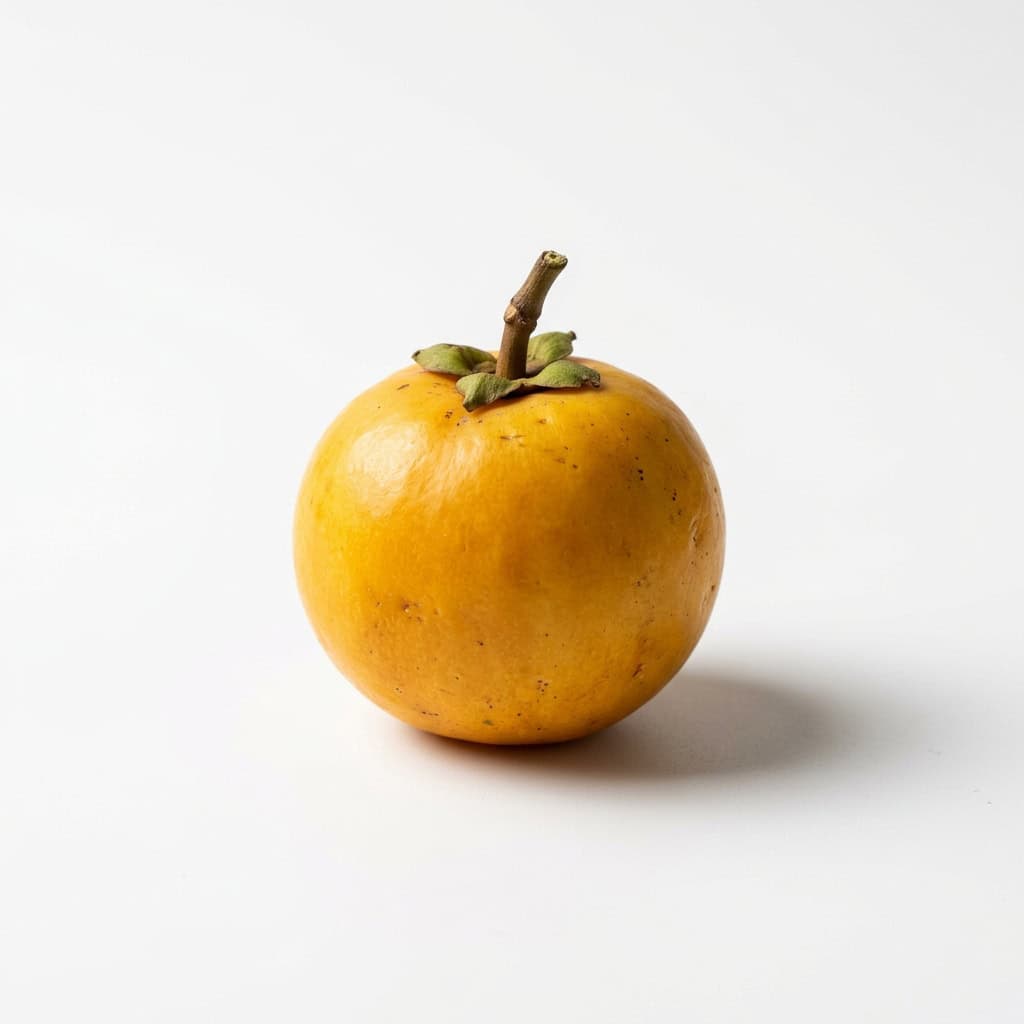
Kandis Fruit is a tropical fruit native to Southeast Asia and is best known for its pleasantly sour flavor. It is commonly added to soups, curries, and traditional dishes as a natural souring ingredient. The fruit grows on evergreen trees and is also appreciated for its natural antioxidants and refreshing taste.
- Scientific Name: Garcinia xanthochymus
Karanda (Carissa carandas)
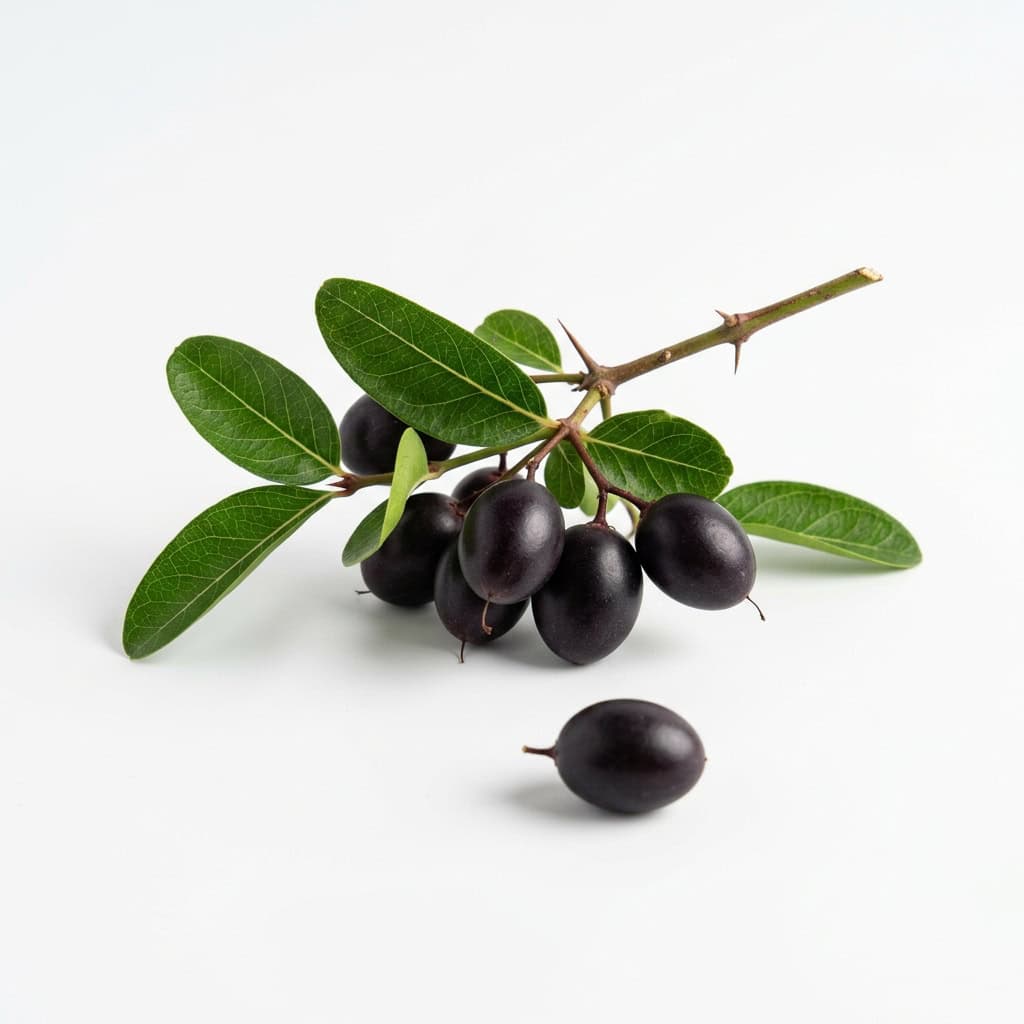
Karanda is a small berry-like fruit that changes from green to deep red or purple as it ripens. It has a tart flavor and is commonly made into pickles, jams, syrups, and preserves. The fruit grows on thorny shrubs and is valued for its vitamin C, iron, and natural antioxidants.
- Scientific Name: Carissa carandas
Kei Apple
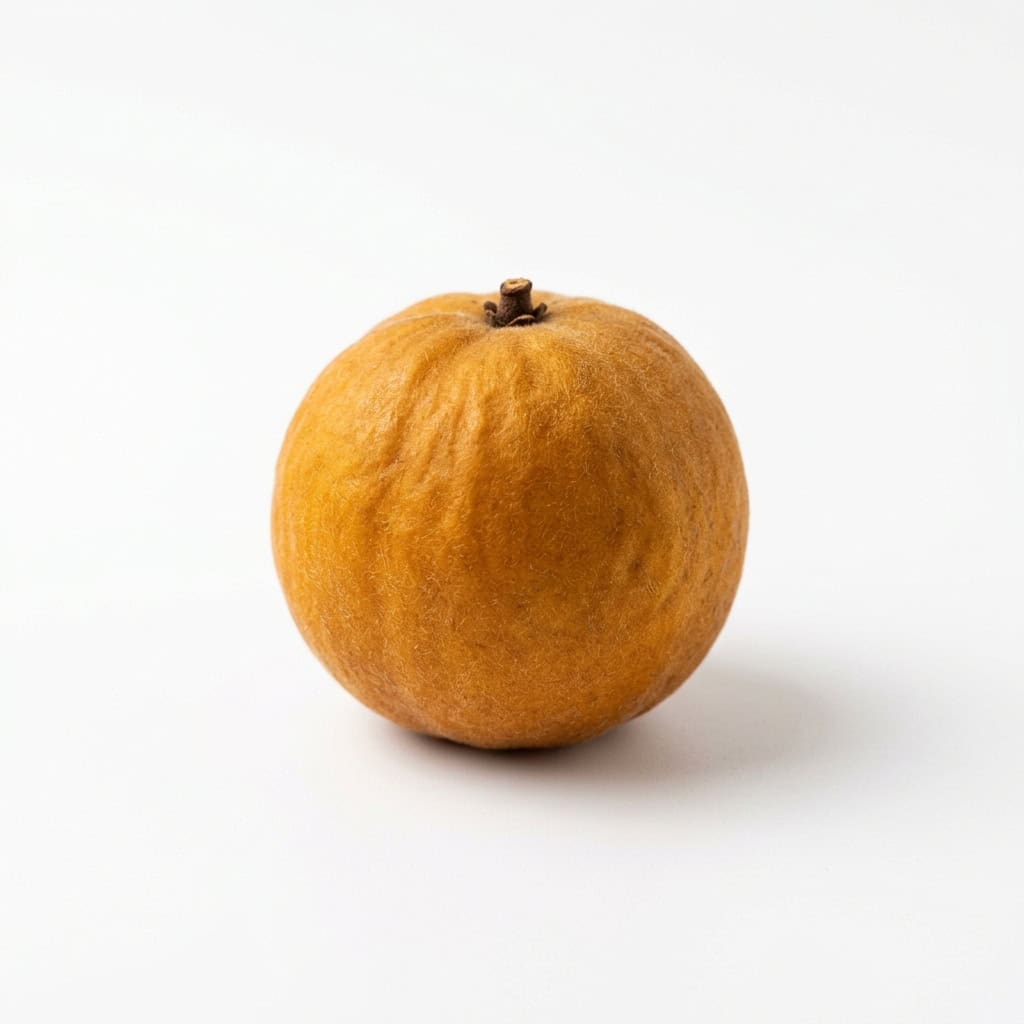
Kei Apple is a bright yellow fruit native to southern Africa. It has juicy flesh with a tangy flavor that becomes sweeter when fully ripe. The fruit is commonly used in jams, jellies, desserts, and sauces. Kei Apple also contains vitamin C and grows well in warm, dry climates.
- Scientific Name: Dovyalis caffra
Kepel Fruit
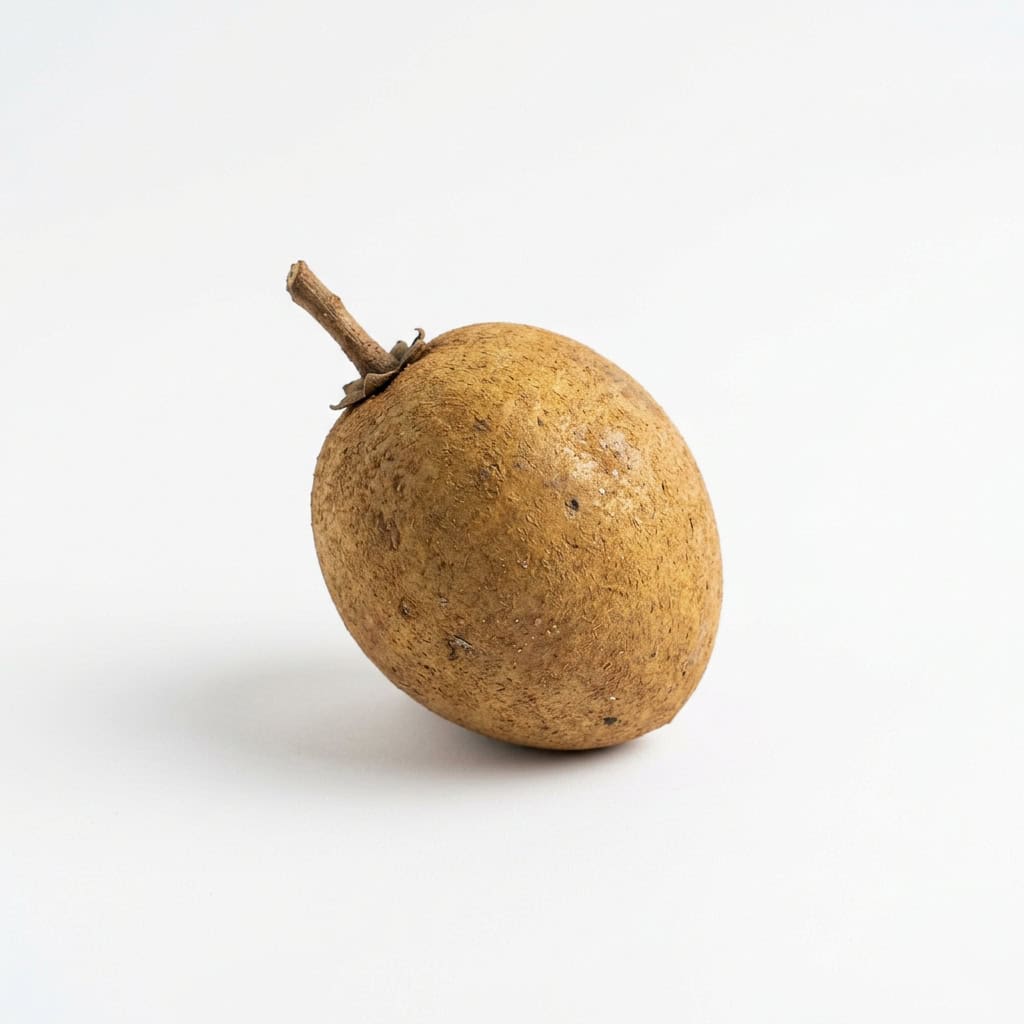
Kepel Fruit is a rare tropical fruit from Indonesia with smooth brown skin and sweet, fragrant flesh. It has long been valued in traditional culture and is usually eaten fresh. The fruit grows directly on the tree trunk and is appreciated for its pleasant aroma, unique flavor, and natural nutrients.
- Scientific Name: Stelechocarpus burahol
Kerson (Jamaican Cherry)
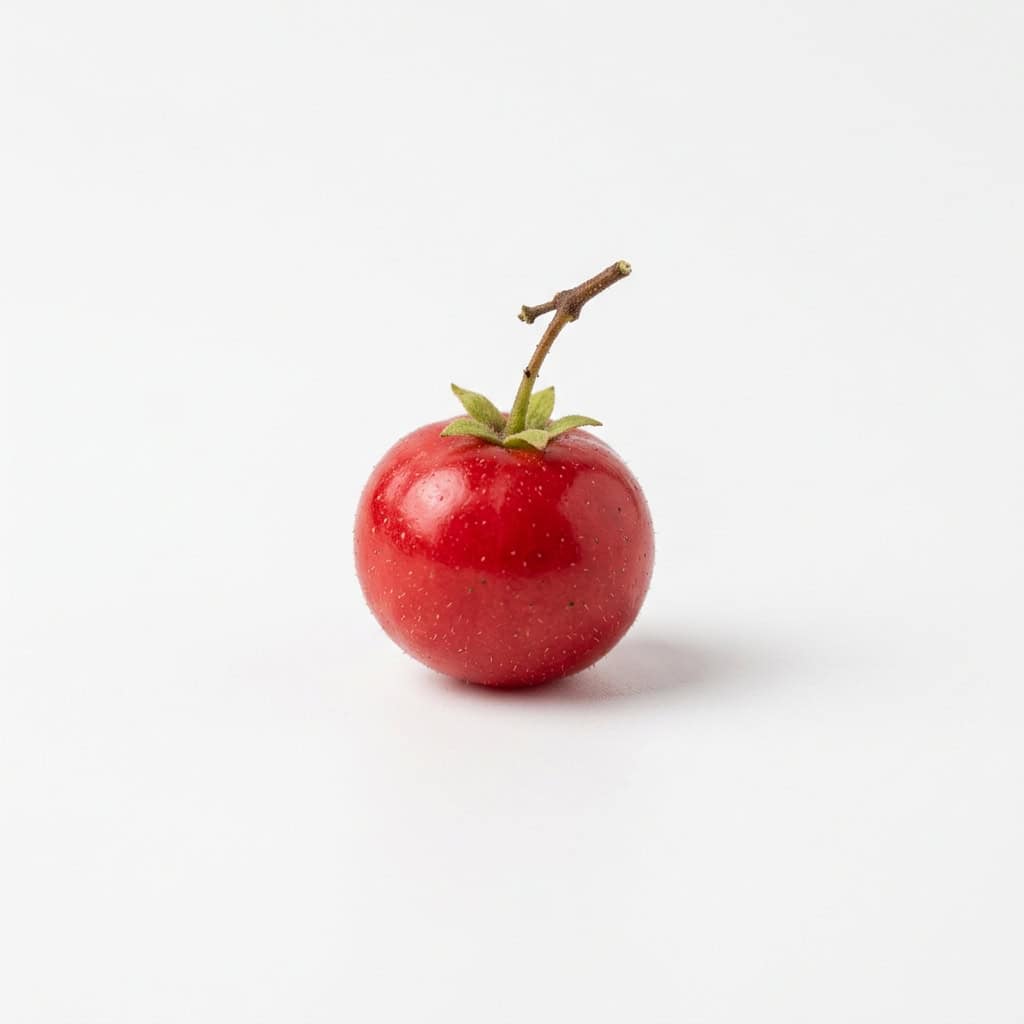
Kerson, also called Jamaican Cherry, produces small bright red fruits with a soft, sweet taste. The fruit grows quickly in tropical regions and is often eaten fresh by children and birds alike. Kerson contains vitamin C, fiber, and antioxidants, making it a tasty and nutritious snack.
- Scientific Name: Muntingia calabura
Kiwano (Horned Melon)

Kiwano, also known as Horned Melon, has a bright orange spiky shell and vibrant green jelly-like flesh. Its refreshing flavor combines hints of cucumber, banana, and kiwi. The fruit is commonly eaten fresh or added to fruit salads and desserts. Kiwano also supplies vitamin C, magnesium, and hydration.
- Scientific Name: Cucumis metuliferus
Kiwi Berry
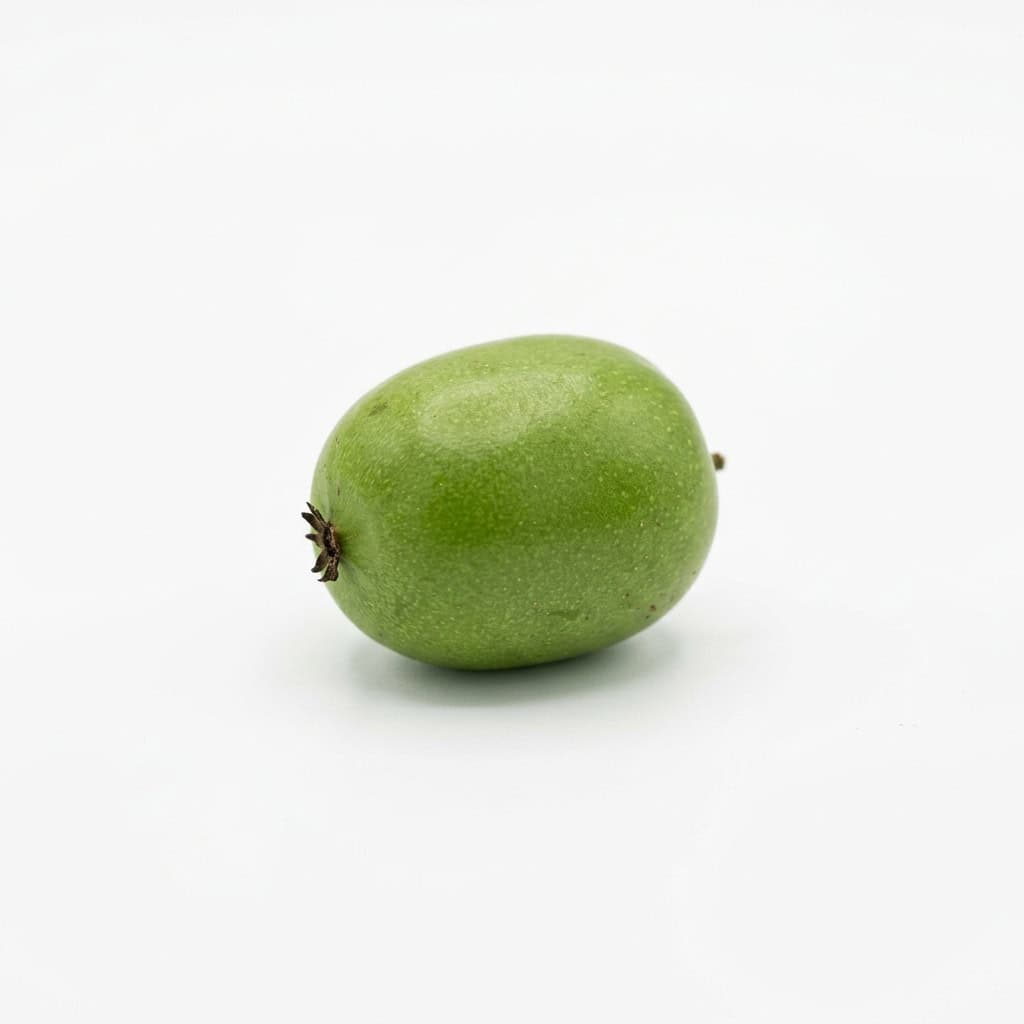
Kiwi Berry looks like a miniature kiwi but has smooth edible skin that does not need peeling. The fruit is sweet, juicy, and easy to eat whole. It contains vitamin C, fiber, and antioxidants while offering a flavor similar to regular kiwi. Kiwi Berry is becoming increasingly popular in fresh fruit markets.
- Scientific Name: Actinidia arguta
Kokum
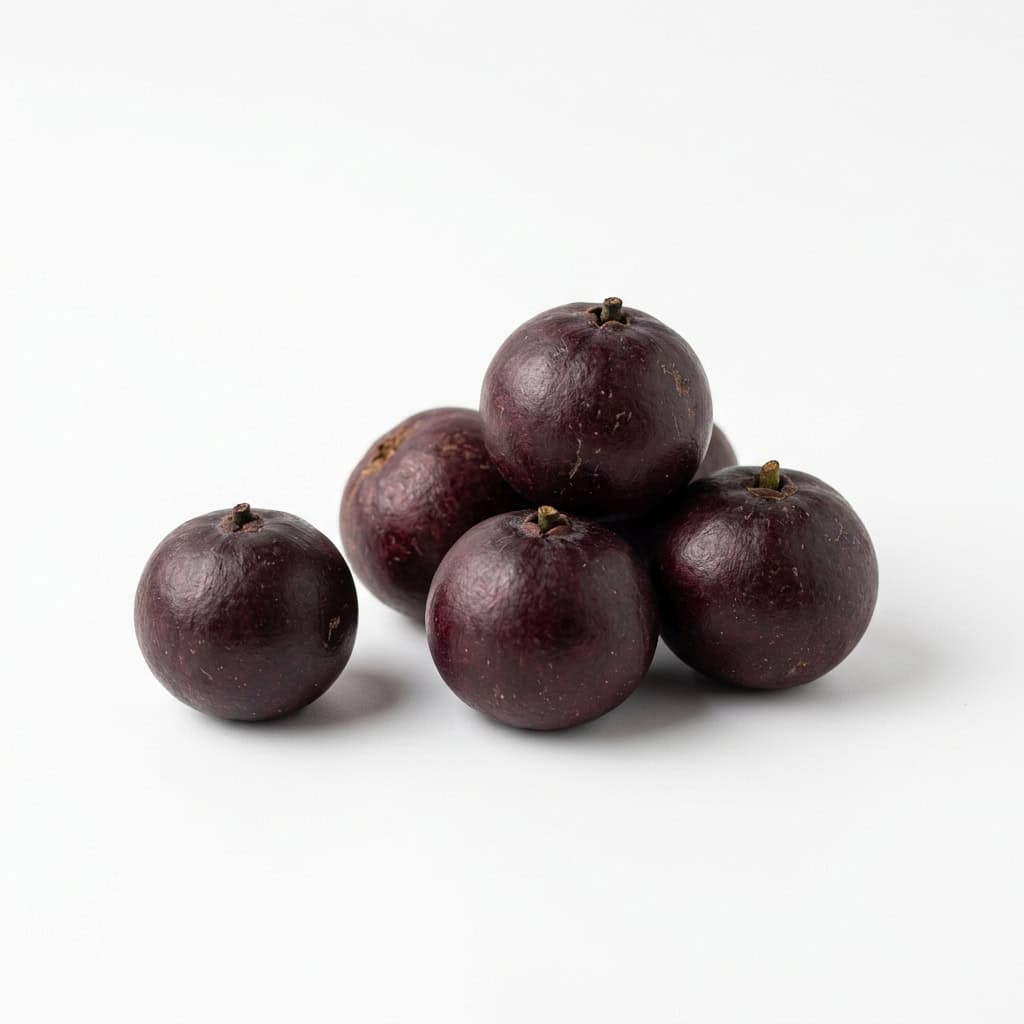
Kokum is a deep purple fruit native to India’s Western Ghats. It has a pleasantly sour taste and is commonly used in curries, drinks, and traditional recipes. The dried fruit adds rich flavor to many dishes. Kokum is also known for its antioxidants and refreshing natural acidity.
- Scientific Name: Garcinia indica
Korlan
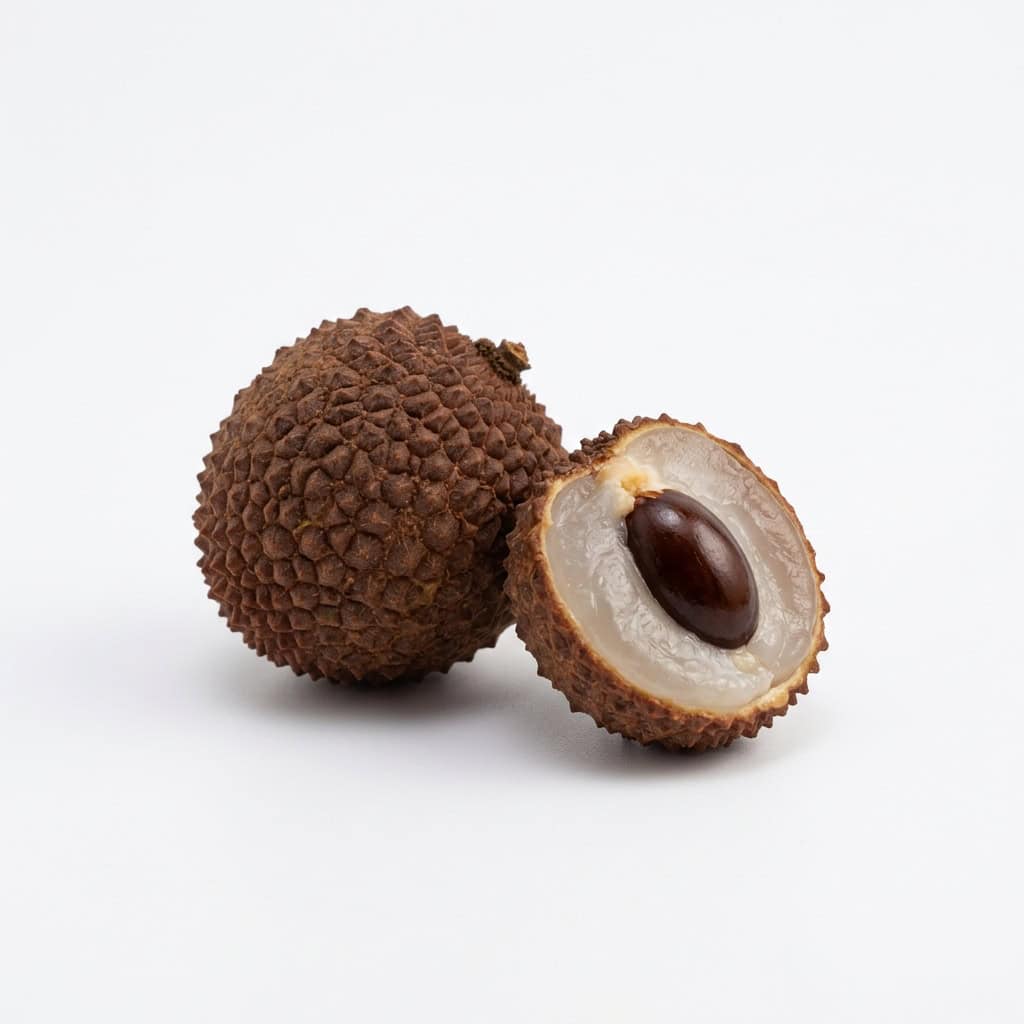
Korlan is a tropical fruit closely related to lychee and longan. It has thin reddish skin and juicy white flesh with a sweet, slightly tangy taste. The fruit grows in clusters and is usually eaten fresh. Korlan also provides vitamin C and natural sugars for a refreshing snack.
- Scientific Name: Nephelium hypoleucum
Kousa Dogwood Fruit
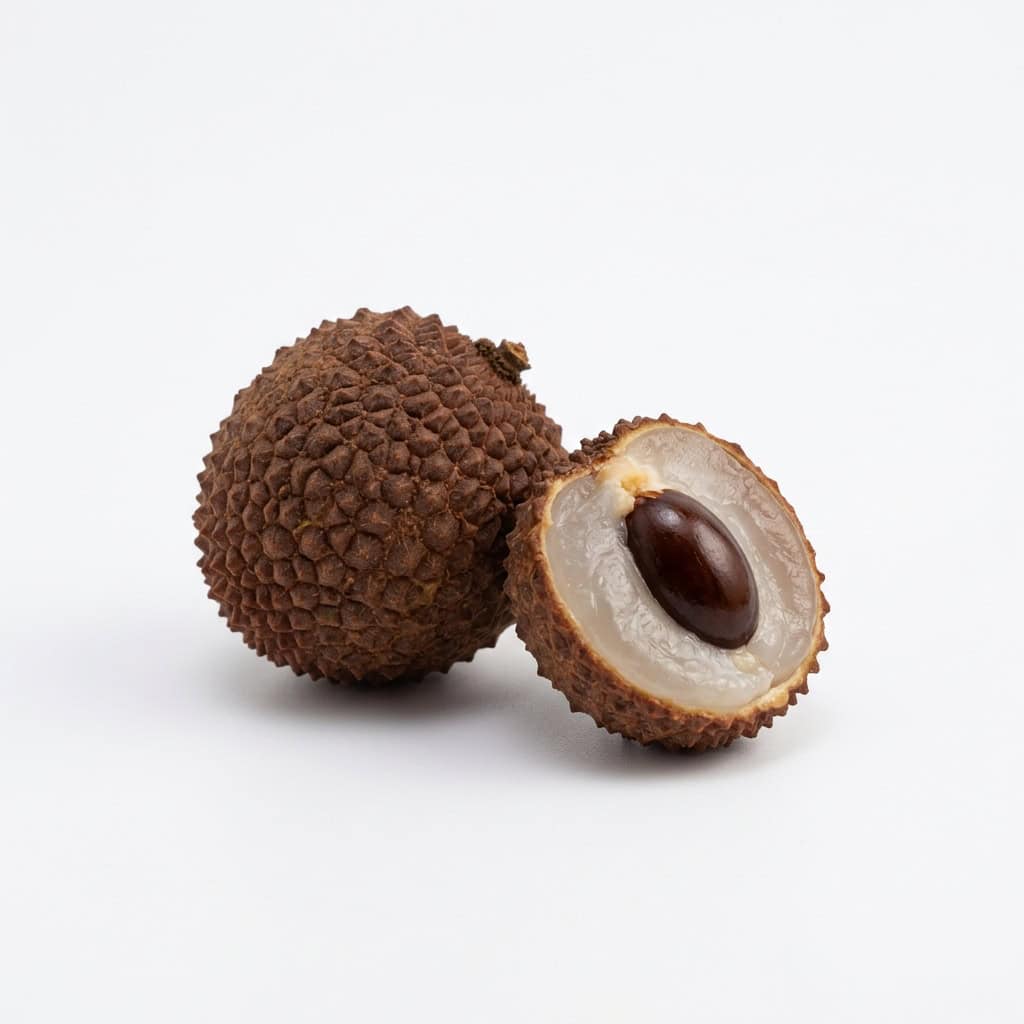
Kousa Dogwood Fruit grows on ornamental dogwood trees and develops a unique bumpy red surface when ripe. The soft orange flesh inside has a sweet tropical flavor. People enjoy it fresh or use it in jams and desserts. The fruit also contains vitamin C and natural antioxidants.
- Scientific Name: Cornus kousa
Kumquat
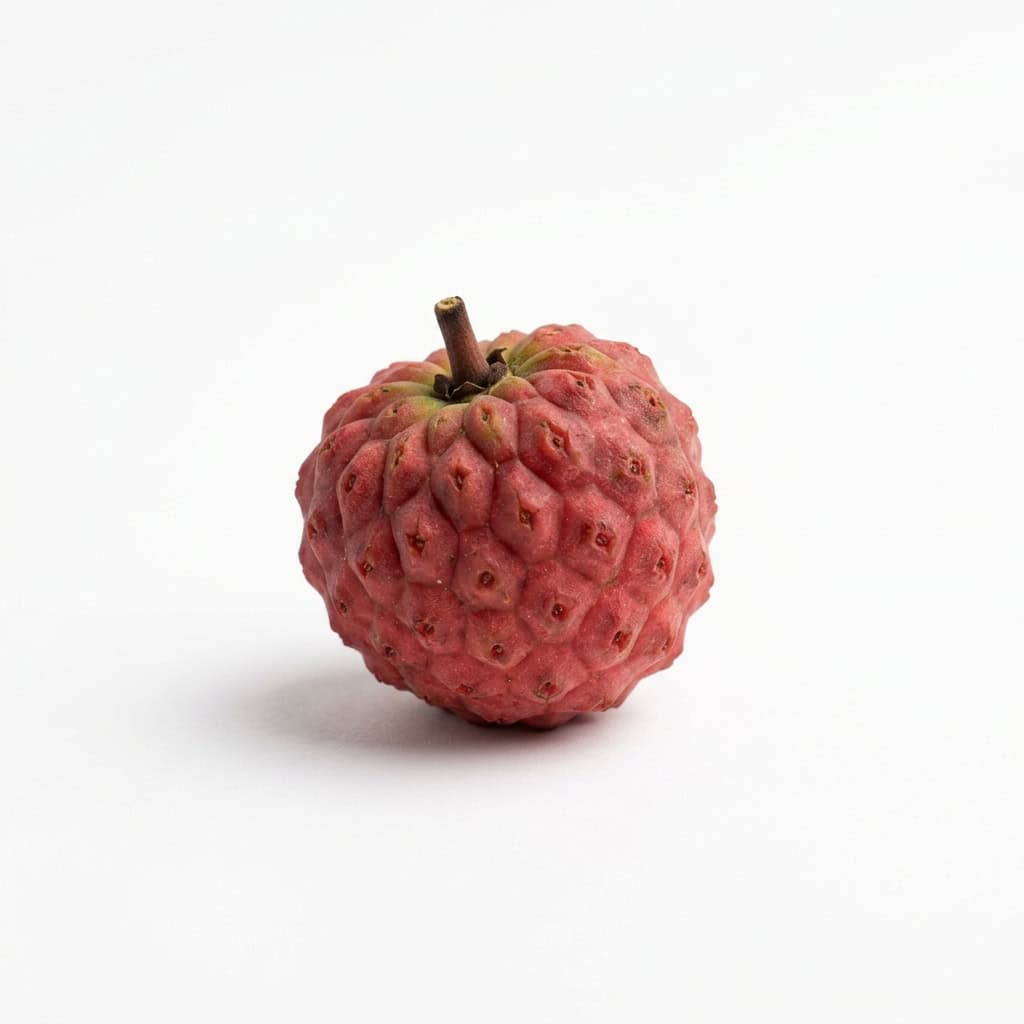
Kumquat is a tiny citrus fruit that is eaten whole, including its sweet edible peel. The inside is pleasantly tart, creating a balanced sweet and sour flavor. Kumquats are popular in marmalades, desserts, and snacks. They are also a good source of vitamin C and dietary fiber.
- Scientific Name: Citrus japonica
Kiwi (Kiwifruit)
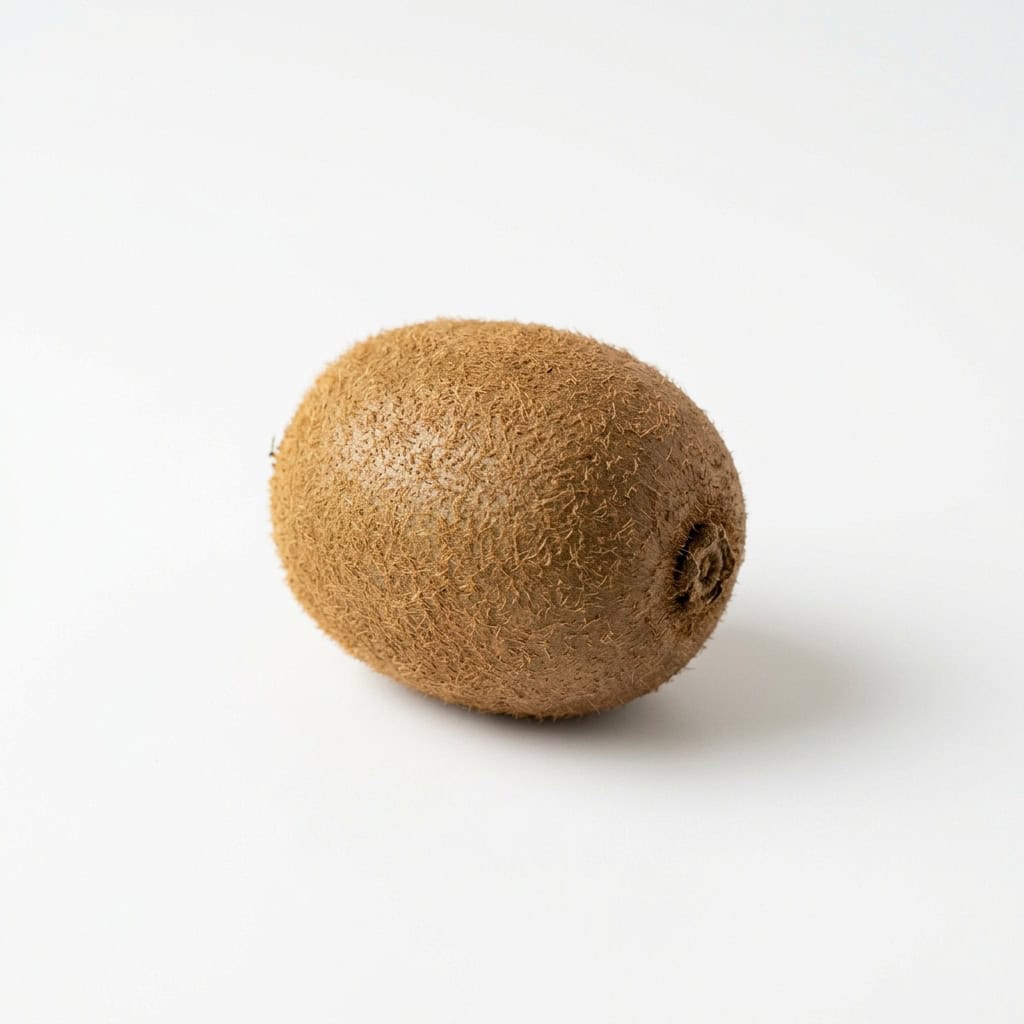
Kiwi, also called Kiwifruit, is a small brown fruit with fuzzy skin and bright green or golden flesh filled with tiny edible seeds. It has a sweet and tangy flavor enjoyed worldwide. Kiwi is rich in vitamin C, vitamin K, fiber, and antioxidants, making it a healthy everyday fruit.
- Scientific Name: Actinidia deliciosa
Kundang (Marian Plum)
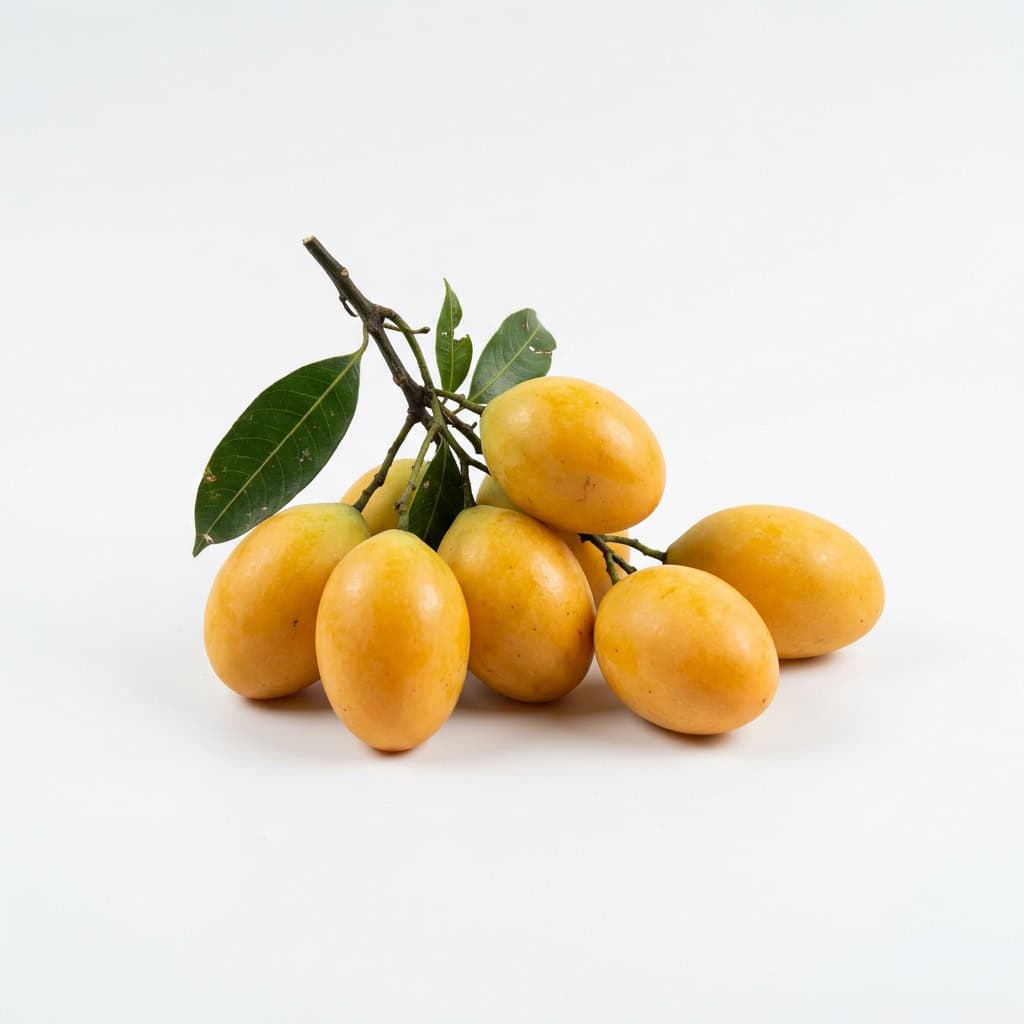
Kundang, also called Marian Plum, is a tropical fruit with smooth yellow skin and juicy flesh that ranges from sweet to slightly sour. It is commonly enjoyed fresh or used in salads and pickles. Kundang provides vitamin C and grows well in warm Southeast Asian climates.
- Scientific Name: Bouea macrophylla
Kutjera (Bush Tomato)
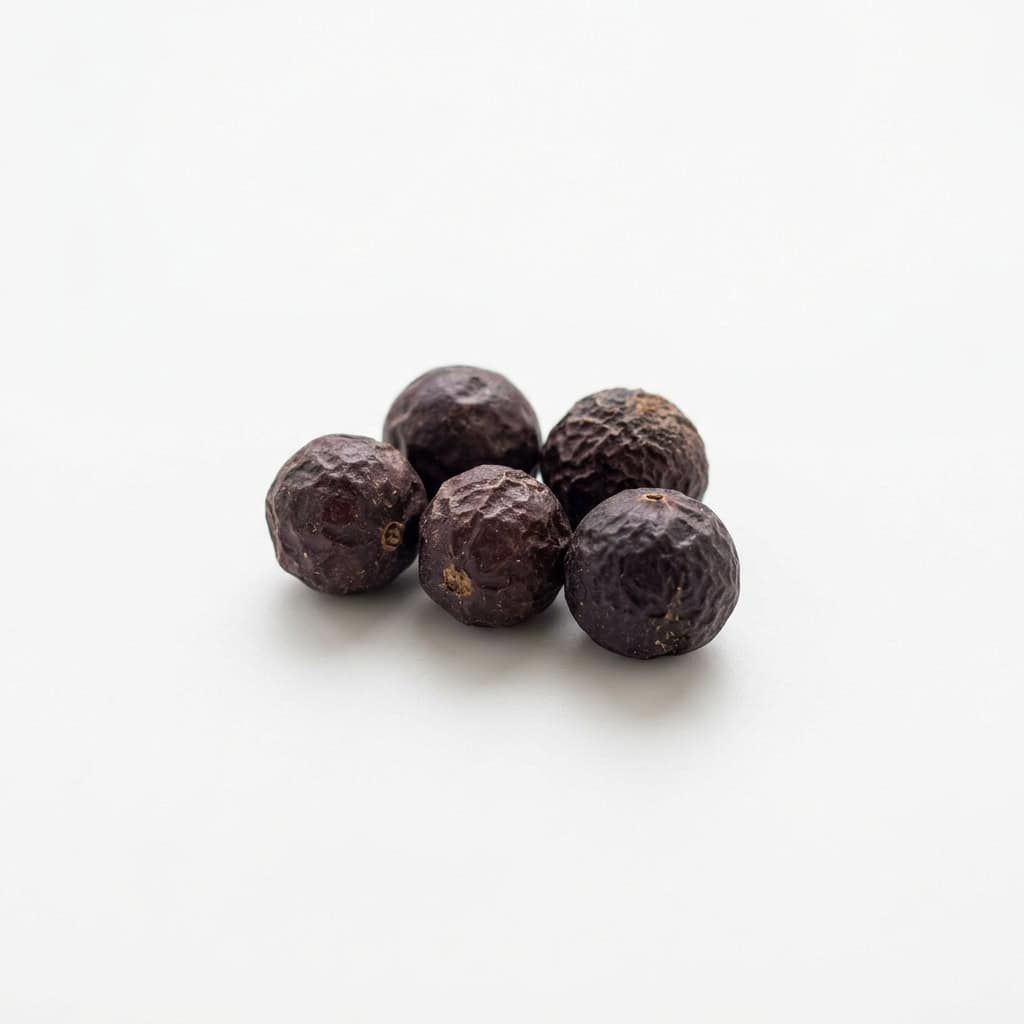
Kutjera, known as Bush Tomato, is a native Australian fruit traditionally harvested by Indigenous communities. The small fruits are usually dried before use and have a rich, earthy flavor. They are popular in sauces, spice blends, and modern Australian cooking. Kutjera also contains valuable minerals and antioxidants.
- Scientific Name: Solanum centrale
Kwai Muk
Kwai Muk is a tropical fruit native to southern China. It has orange-red skin and soft, sweet flesh with a pleasant tropical flavor. The fruit is often eaten fresh and is less common outside its native region. Kwai Muk also supplies fiber, vitamin C, and natural plant nutrients.
- Scientific Name: Artocarpus hypargyreus
Korean Melon
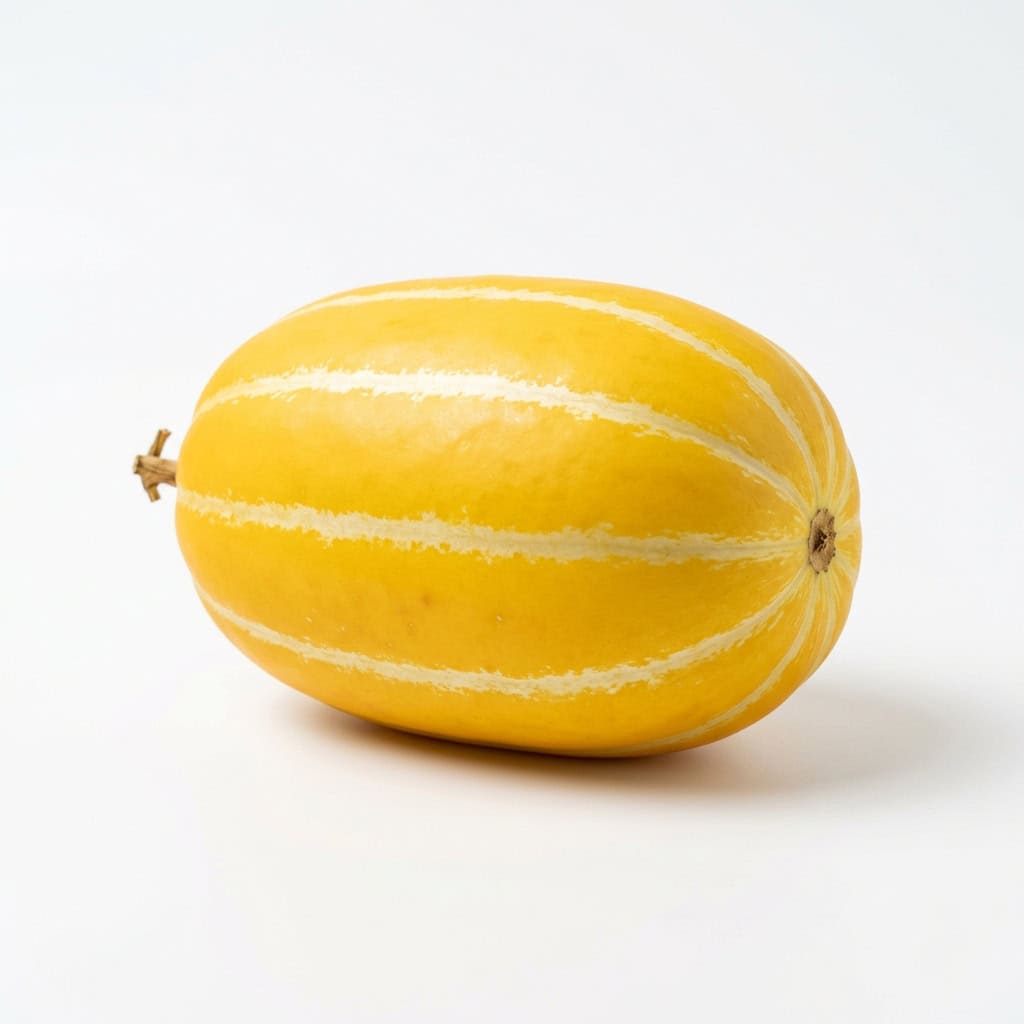
Korean Melon is a small yellow melon with white stripes and crisp, juicy flesh. It has a mild sweetness and refreshing texture, making it a popular summer fruit in Korea and nearby countries. The fruit is commonly eaten fresh and provides water, vitamin C, and dietary fiber.
- Scientific Name: Cucumis melo var. makuwa
Karkalla (Pigface Fruit)
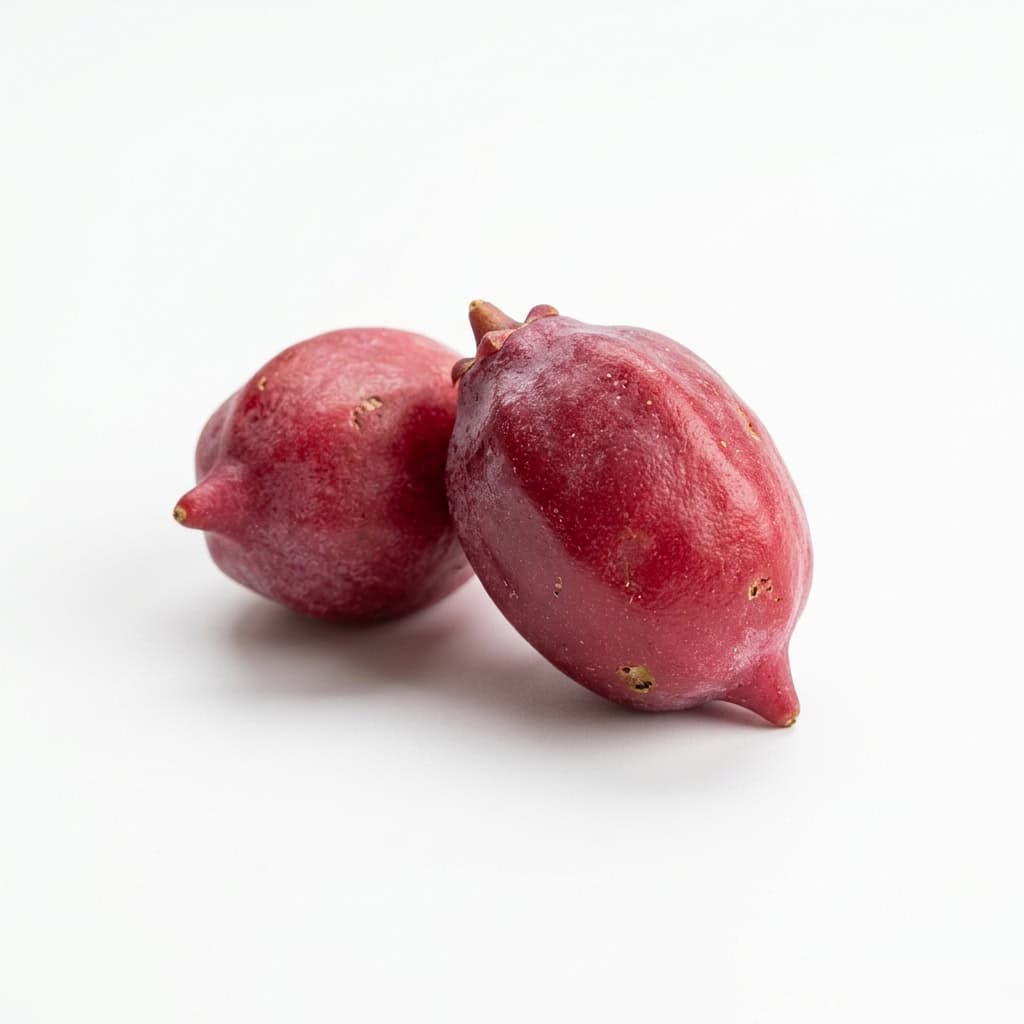
Karkalla, also called Pigface Fruit, grows along Australia’s coastal areas. The bright purple fruit has juicy flesh with a mildly salty and sweet flavor. Indigenous Australians have traditionally eaten both the fruit and leaves. Karkalla is also valued for its vitamin C and drought-resistant growth.
- Scientific Name: Carpobrotus rossii
Keule Fruit
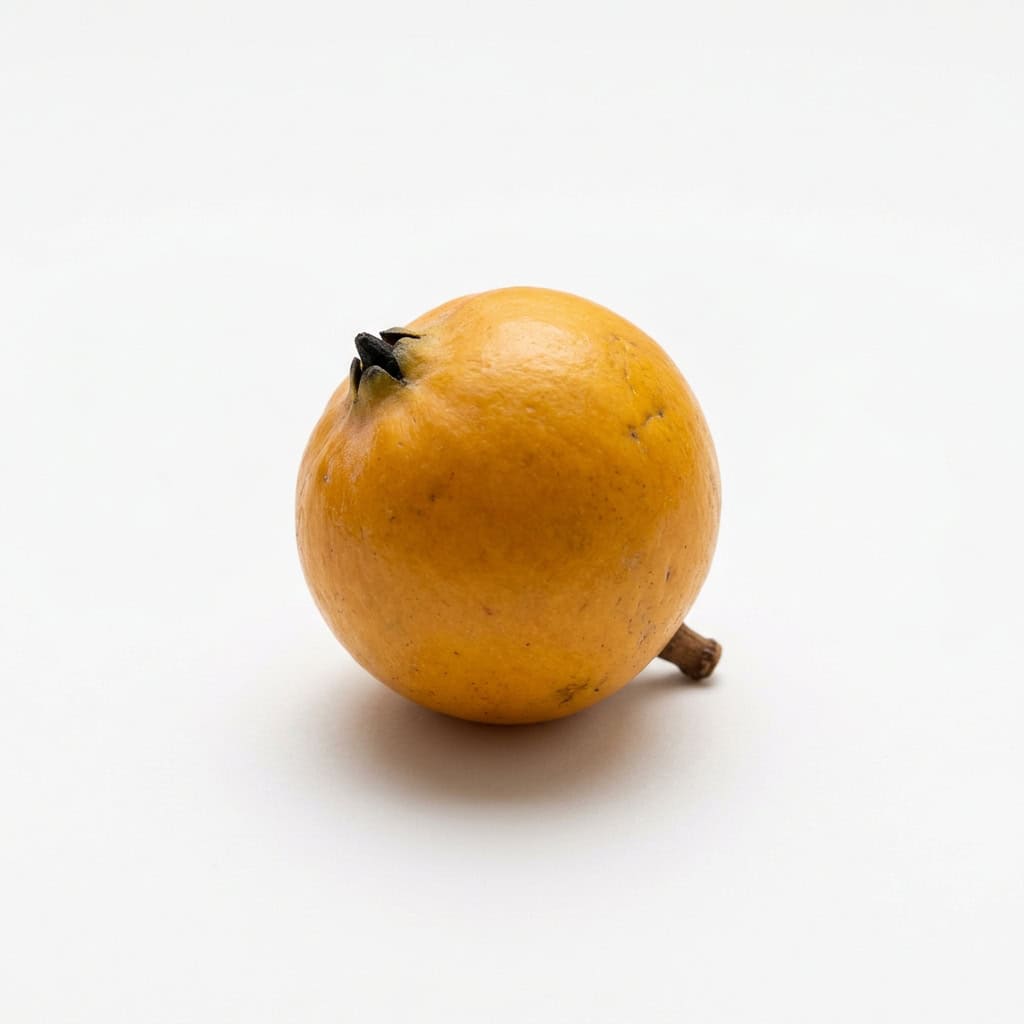
Keule Fruit is a rare fruit native to Chile and grows on an endangered tree species. The yellow fruits have a pleasant aroma and are eaten fresh when ripe. Although uncommon in cultivation, the fruit plays an important role in local biodiversity and conservation efforts.
- Scientific Name: Gomortega keule
Kelubi (Wild Palm Fruit)
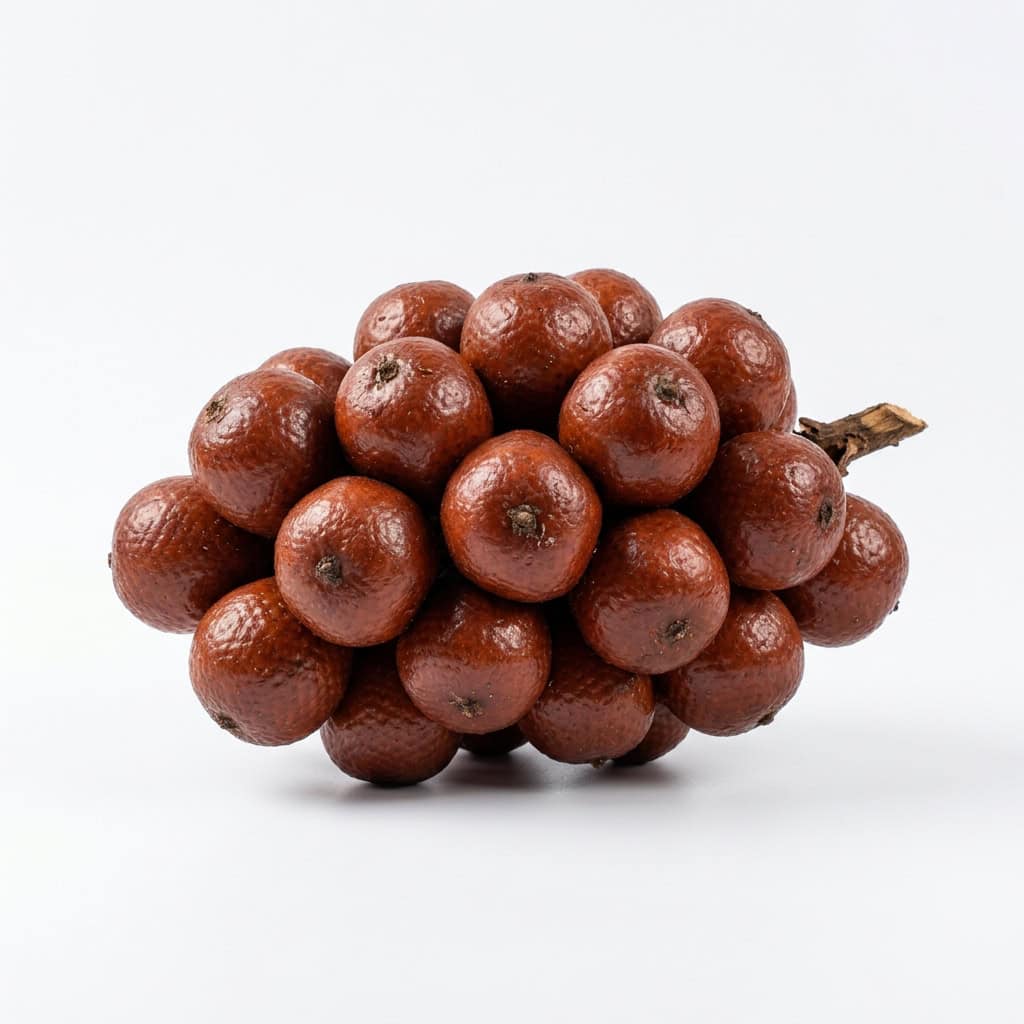
Kelubi is the fruit of a wild palm found in Southeast Asian rainforests. It has a hard outer shell and a pleasantly sour pulp that is widely used in curries, sauces, and traditional dishes. Kelubi is appreciated for its bold flavor and natural acids that enhance many recipes.
- Scientific Name: Eleiodoxa conferta
Keluak Fruit

Keluak Fruit comes from a large tropical tree and is famous for its use in traditional Southeast Asian cooking. The seeds require careful preparation before they are safe to eat. Once processed, they develop a rich, earthy flavor used in popular regional dishes and specialty recipes.
- Scientific Name: Pangium edule
Knobthorn Fruit
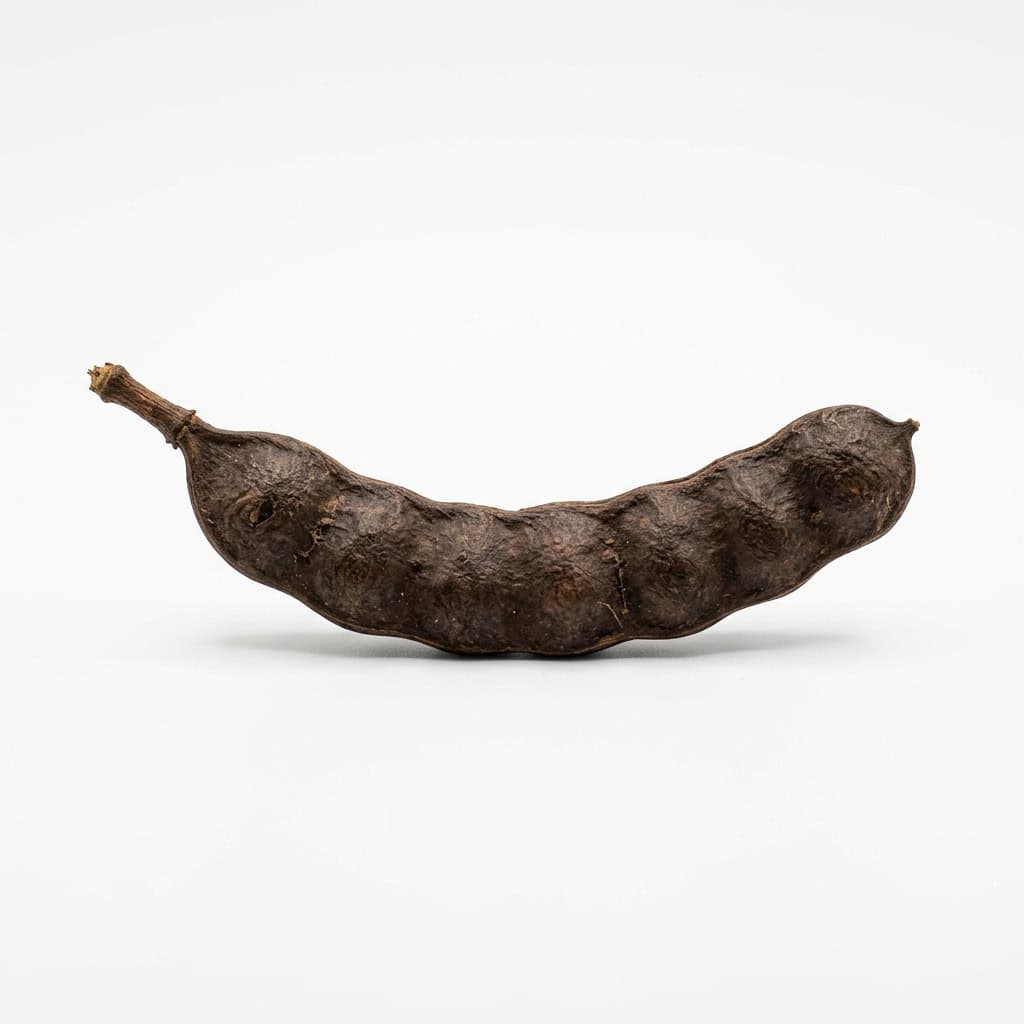
Knobthorn Fruit grows on the African Knobthorn tree, a species well known across savannas. The small pods contain seeds surrounded by edible pulp that supports wildlife, especially elephants and antelope. Although not widely eaten by people, the fruit plays an important role in the natural ecosystem.
- Scientific Name: Senegalia nigrescens
Rare Fruits That Start with K and Their Pictures
Some K fruits are uncommon outside their native regions and are rarely available in regular grocery stores. Learning these unique fruits expands your knowledge of tropical and regional varieties. Pictures make them easier to recognize.
Kiwano
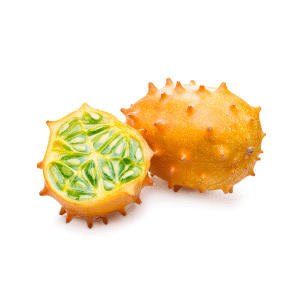
Bright orange skin covered with soft spikes surrounds green jelly-like flesh. Its refreshing flavor combines cucumber, banana, and lime with tiny edible seeds.
Kepel
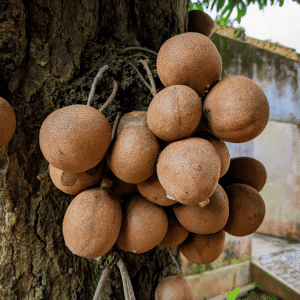
A rare Indonesian fruit with brown skin and fragrant creamy flesh. It has been grown in royal gardens for centuries and is enjoyed fresh.
Kwai Muk (Artocarpus parvus)
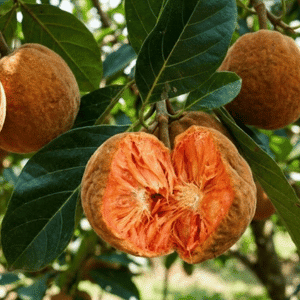
Native to southern China, this small orange fruit has juicy sweet flesh with gentle tartness. It grows on evergreen trees in warm climates.
Karamcha
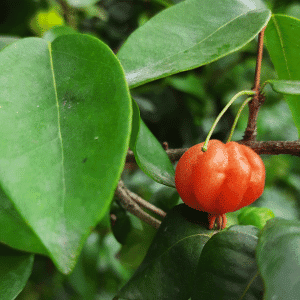
Also called Karanda, this small berry changes from green to deep red as it ripens. It is commonly used for pickles, jams, syrups, and preserves.
Nutrition Chart of Fruits That Start with K
Different K fruits provide different vitamins, minerals, fiber, and antioxidants. The table below highlights the main nutrients and nutritional benefits of several popular fruits that start with K.
| Fruit | Key Nutrients | Main Benefit |
|---|---|---|
| Kiwi | Vitamin C, Fiber, Potassium | Supports immune and digestive health |
| Kumquat | Vitamin C, Fiber | Provides antioxidants and fiber |
| Kakadu Plum | Vitamin C | One of the richest natural vitamin C sources |
| Kiwano | Vitamin A, Vitamin C, Magnesium | Provides antioxidants and hydration |
| Kabosu | Vitamin C | Adds citrus nutrients to meals |
| Kalamansi | Vitamin C | Supports normal immune function |
| Kaki | Vitamin A, Fiber | Supports eye and digestive health |
| Kei Apple | Vitamin C | Provides natural antioxidants |
| Karanda | Vitamin C, Iron | Commonly included in traditional diets |
| Kepel | Fiber, Vitamin C | Contains beneficial plant nutrients |
FAQs About Fruits That Start with K
The most common fruits that start with K include Kiwi, Kumquat, Kaki (Japanese Persimmon), Kiwano, Kabosu, and Kalamansi. These fruits are grown in different regions and are used fresh, in drinks, desserts, and savory dishes.
No. Although Kiwi is the best-known example, Kumquat, Kaki, Kakadu Plum, Kalamansi, and Kabosu are also popular fruits beginning with K in many countries.
Rare fruits that start with K include Kepel, Kwai Muk, Kahikatea Berry, Korlan, and Kundong. These fruits are mostly native to specific regions and are less common in international markets.
Kakadu Plum is widely recognized as one of the richest natural sources of vitamin C. It contains much higher levels than many common citrus fruits.
Takeaway
Fruits That Start with K include familiar favorites, nutritious citrus fruits, and rare tropical varieties from different parts of the world. Learning their names, appearance, properties, and nutrition makes it easier to recognize them in books, grocery stores, classrooms, and nature. Pictures also help distinguish similar fruits more quickly.
Read more