
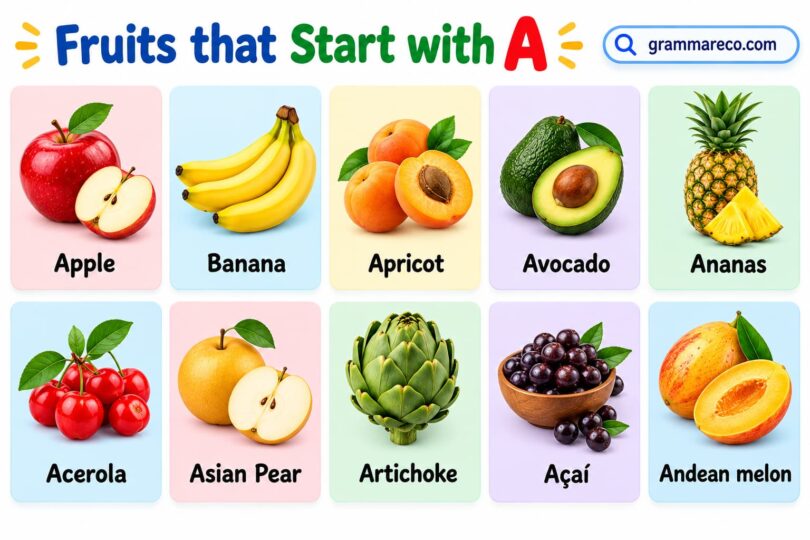
Fruits that start with A come from many climates, including tropical forests, orchards, and home gardens. Their shapes, flavors, colors, and growing conditions vary widely. Some are sweet and juicy, while others taste tart or have creamy flesh. Apples, apricots, avocados, acai berries, and Asian pears are just a few examples. Learning their names alongside their basic features helps readers recognize different fruit varieties and understand how they are used in food, farming, and cooking.
The names of fruits beginning with A include familiar choices and less common tropical species. This article covers their names, identifying features, botanical names, and common uses with pictures.
What Are Fruits That Start With A?
Fruits that start with A are edible fruits whose common English names begin with the letter A. They include fruits grown in home gardens, commercial orchards, tropical regions, and wild environments.
Some, such as apples and apricots, are widely available in grocery stores. Others, including ackee and ambarella, are more closely associated with particular cuisines and growing regions. Their botanical classifications also vary: some are berries in the botanical sense, while others are stone fruits or fruits with a different structure.
List of All Fruits That Start With A
Fruit names can vary by country, language, and botanical classification. The following list brings together widely recognized fruits, regional names, and less common fruits species beginning with A. Some entries are common market fruits, while others are mainly known in their native regions.
- Apple
- Apricot
- Avocado
- Açaí
- Acerola
- Ackee
- African Breadfruit
- African Cherry Orange
- African Mangosteen
- African Medlar
- African Star Apple
- Aizen Fruit
- Akebia
- Alligator Apple
- Almond
- Ambarella
- Amra
- Amaou Strawberry
- American Elderberry
- American Hazelnut
- American Mayapple
- Andean Blackberry
- Annatto Fruit
- Annona
- Apple Berry
- Apple Guava
- Aprium
- Araza
- Aratiles
- Aronia Berry
- Asian Pear
- Atemoya
- Atherton Raspberry
- Australian Finger Lime
- Australian Desert Lime
- Australian Round Lime
- Australian Raspberry
- Abiu
- Abiu-do-cerrado
- Amla
- Araçá-boi
- Araçá-pêra
- Araçá-vermelho
- Araticum
- Avocado Pear
- Abacaxi (a pineapple variety name used in some regions)
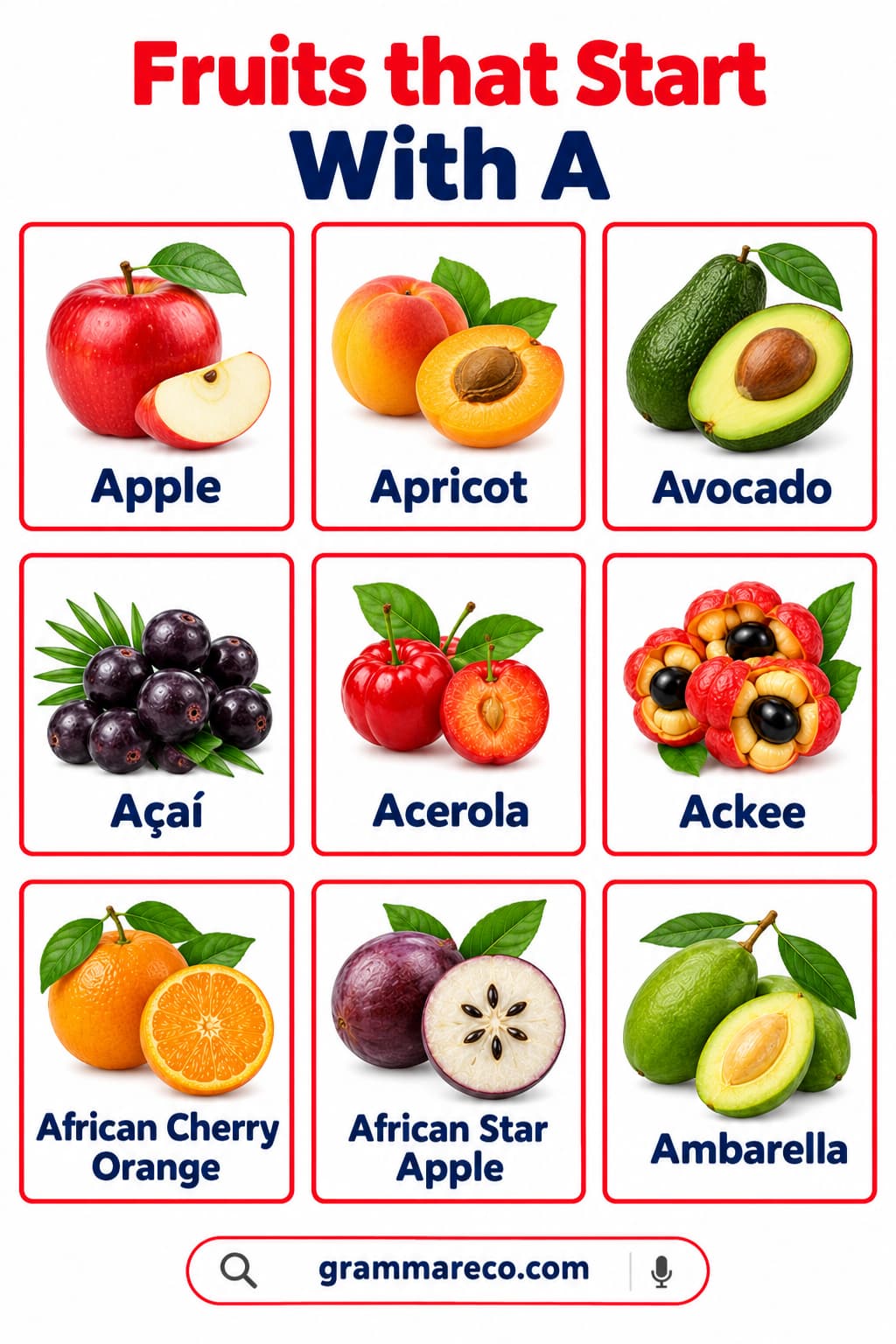
Fruits That Start With A With Names and Pictures
Fruits beginning with A differ in shape, flavor, texture, and origin. Some grow on trees, while others develop on palms, shrubs, or climbing plants. The descriptions below identify each fruit by its appearance, taste, and common use.
Apple
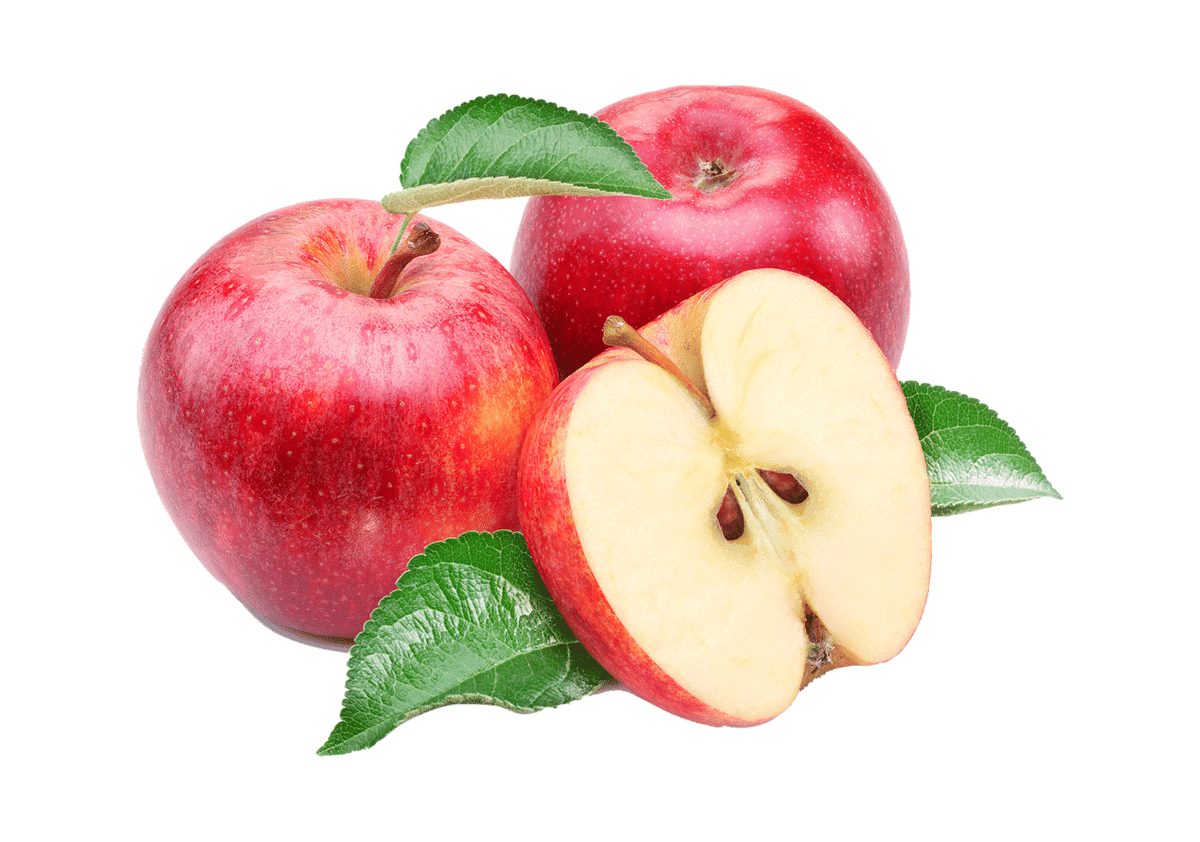
An apple is a popular edible fruit that grows on trees in the rose family. It has crisp flesh, a thin skin, and a central core containing small seeds. Apples varieties come in red, green, and yellow, with flavors ranging from sweet to tart. They are eaten fresh, sliced into salads, or cooked in pies, sauces, and desserts. Apples provide dietary fiber, vitamin C, and natural plant compounds. They grow in temperate climates and are harvested in many countries. Gala, Fuji, Granny Smith, and Red Delicious are well-known apple varieties.
Apricot
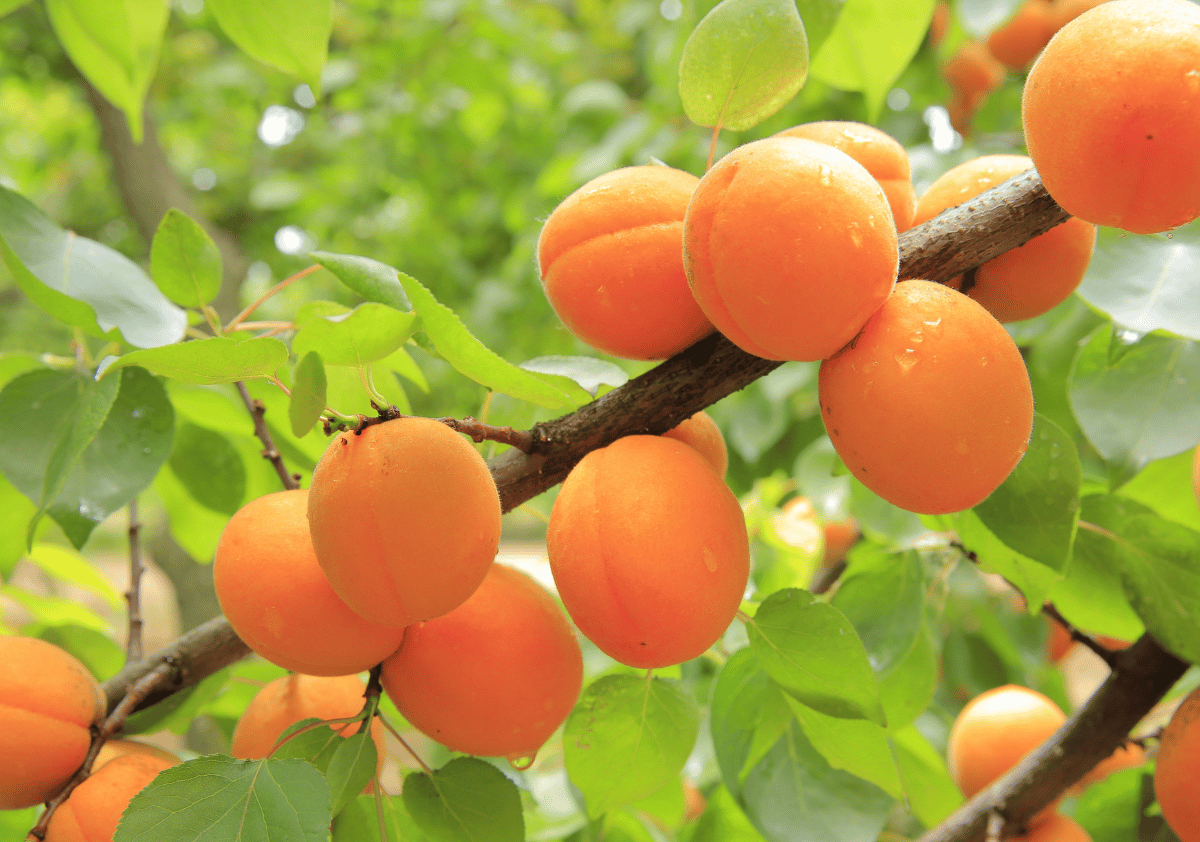
An apricot is a small stone fruit known for its golden-orange skin, soft flesh, and sweet, slightly tangy flavor. It grows on trees in the Prunus genus and contains a single hard pit. Fresh apricots are enjoyed as snacks, while dried apricots are commonly added to cereals, baked goods, and trail mixes. The fruit provides fiber, vitamin A precursors, and potassium. Apricot trees grow well in temperate regions with suitable winter chilling and warm summers. Turkey, Uzbekistan, and other countries produce apricots for fresh consumption and drying.
Avocado
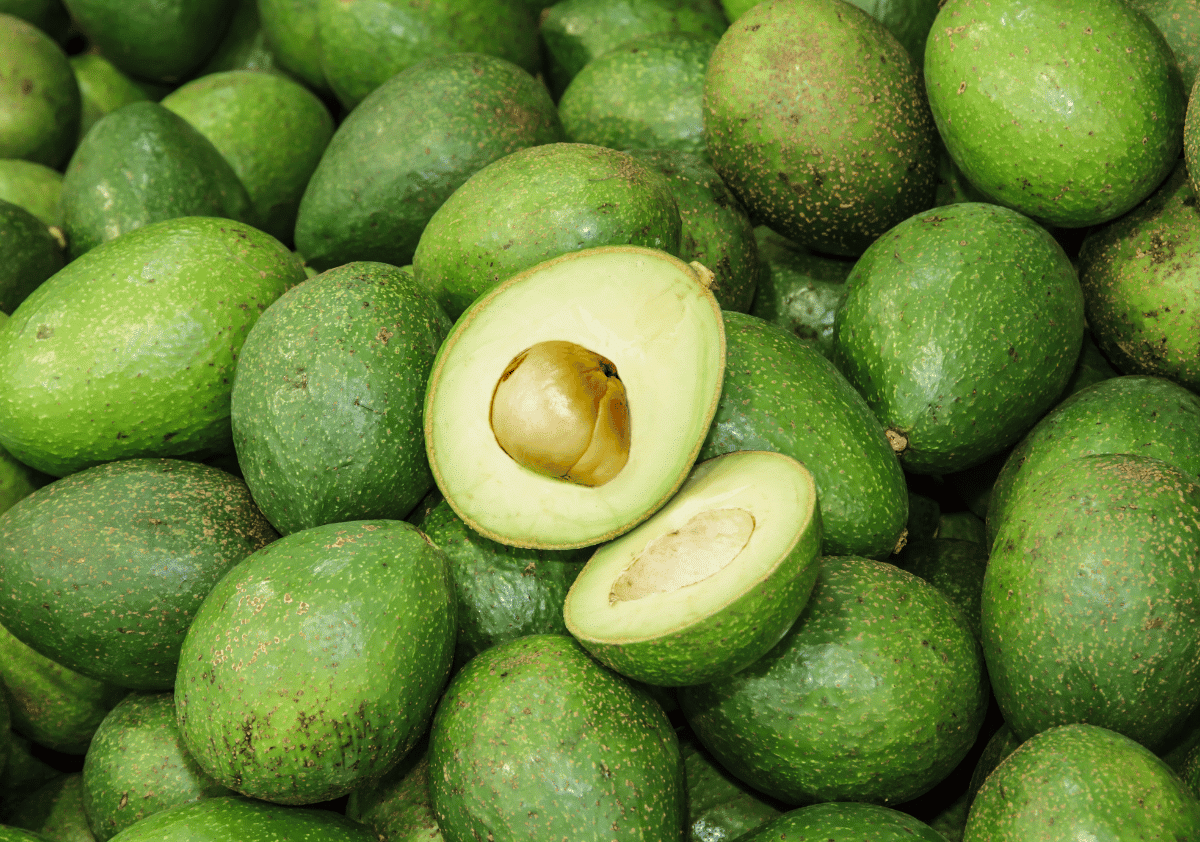
An avocado is a creamy fruit that grows on evergreen trees and contains a large central seed. Its skin may be green or dark purple, depending on the variety, while the flesh is usually pale green to yellow. Unlike many sweet fruits, avocado has a mild, buttery flavor and is rich in monounsaturated fats. It is commonly mashed into guacamole, spread on toast, or added to salads and sandwiches. Avocados also provide fiber, potassium, and folate. They grow in warm climates, with Mexico being a major producer of this widely used fruit.
Acerola
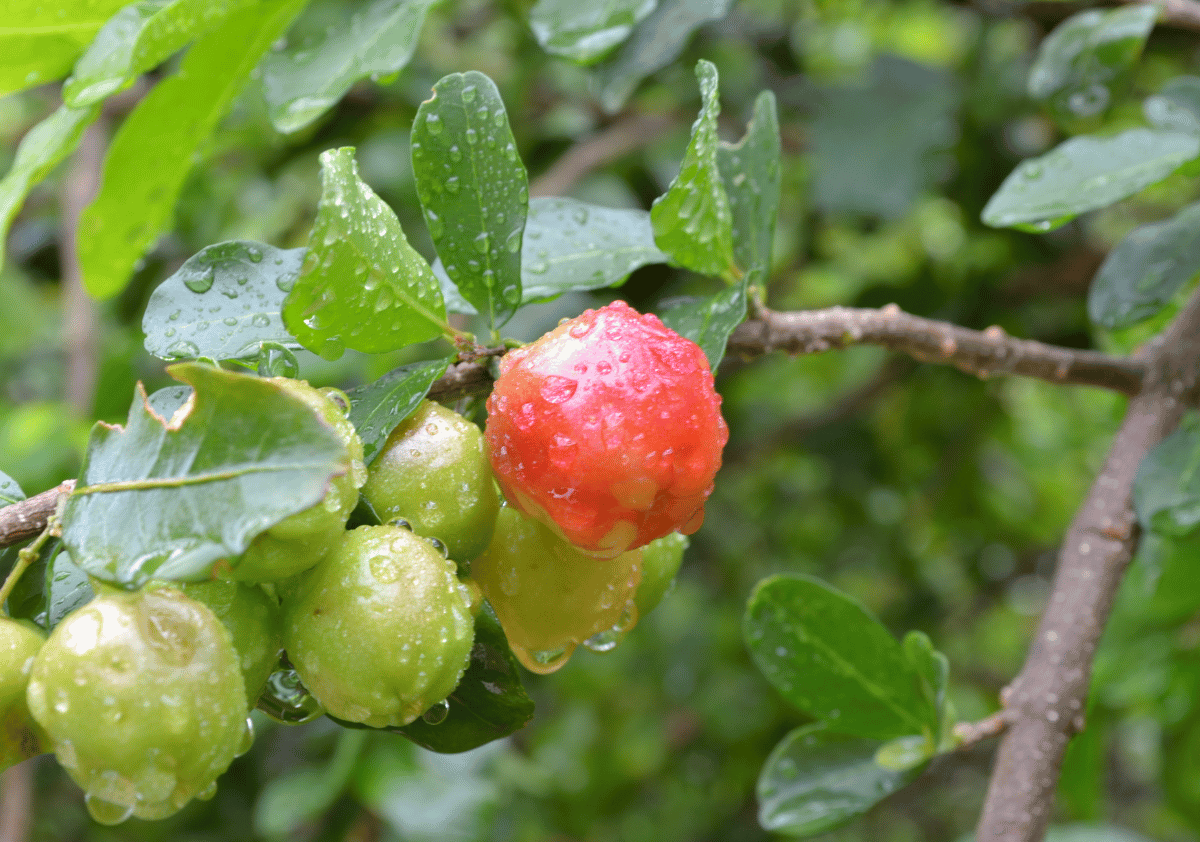
Acerola is a small tropical fruit also known as the Barbados cherry or West Indian cherry. It is usually bright red when ripe and has juicy flesh with a tart, tangy taste. The fruit grows on a shrub native to the tropical Americas and is especially valued for its exceptionally high vitamin C content. Acerola is eaten fresh when available, but its delicate texture makes it suitable for juices, purees, powders, and supplements. The fruit is also used in jams and beverages. Brazil is an important producer, and the plant thrives in warm, frost-free conditions.
Açaí Berry
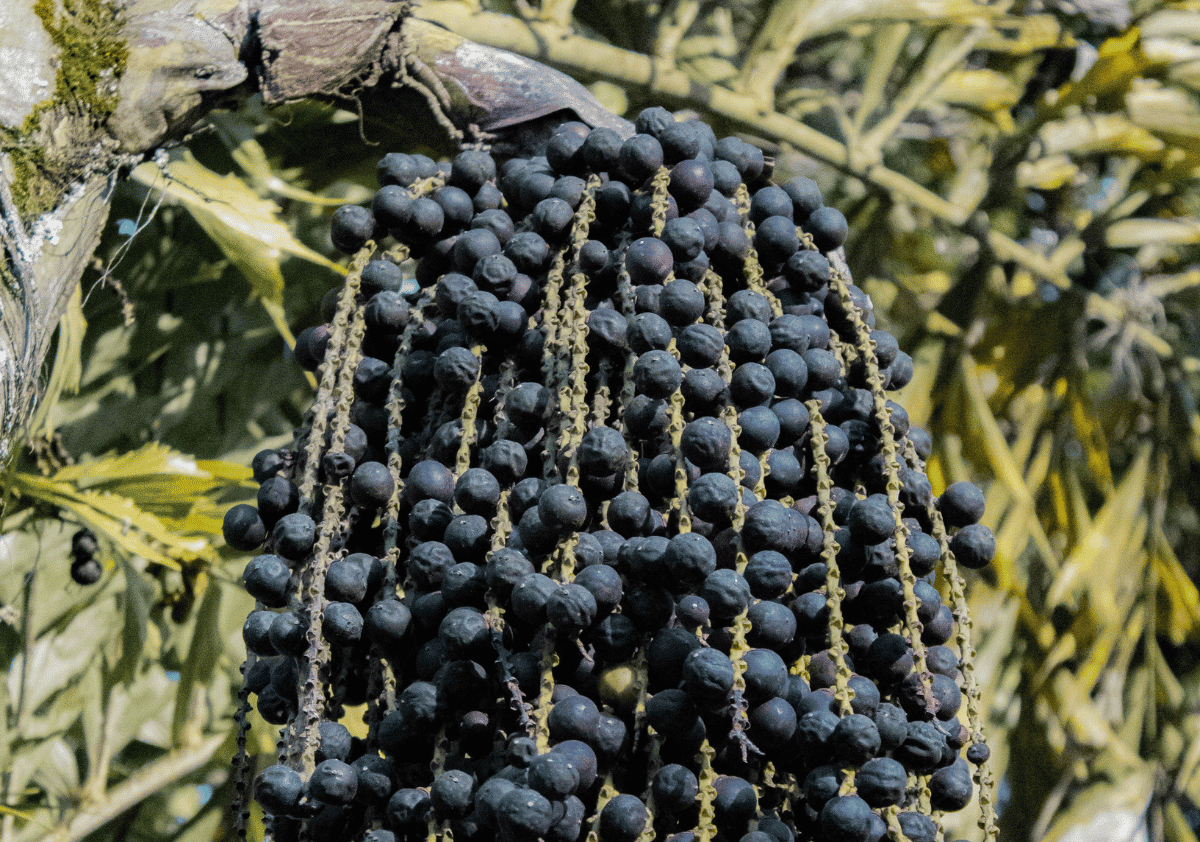
The açaí berry is a small, dark purple fruit harvested from the açaí palm, which grows mainly in the Amazon region of South America. Each berry contains a large seed surrounded by a thin layer of edible pulp. Its flavor is earthy and mildly fruity rather than very sweet. Açaí pulp is commonly blended into smoothie bowls, drinks, and frozen desserts. It contains anthocyanins, plant pigments associated with antioxidant activity, along with dietary fats and fiber. Because the fresh fruit deteriorates quickly, it is often processed into frozen pulp or powder before being sold.
Ackee
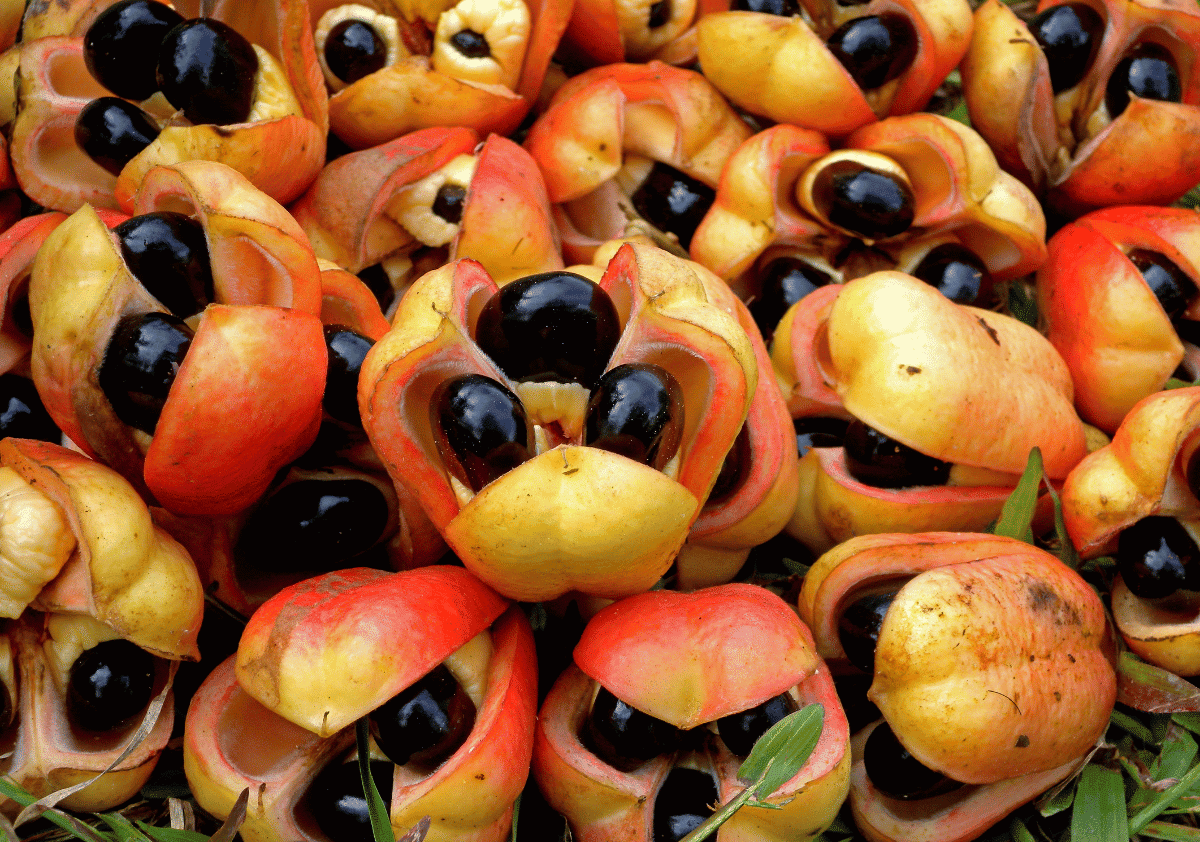
Ackee is a tropical fruit native to West Africa and widely associated with Jamaican cuisine. It grows in a tree and develops a red outer covering that splits open naturally when mature, revealing cream-colored flesh surrounding dark seeds. Only the properly matured, edible arils should be consumed, as unripe ackee and other parts of the fruit can contain dangerous levels of hypoglycin toxins. Ackee is usually cooked before serving and is famously prepared with saltfish in Jamaica’s national dish. The fruit has a delicate texture and mild flavor that work well in savory meals.
African Cherry Orange
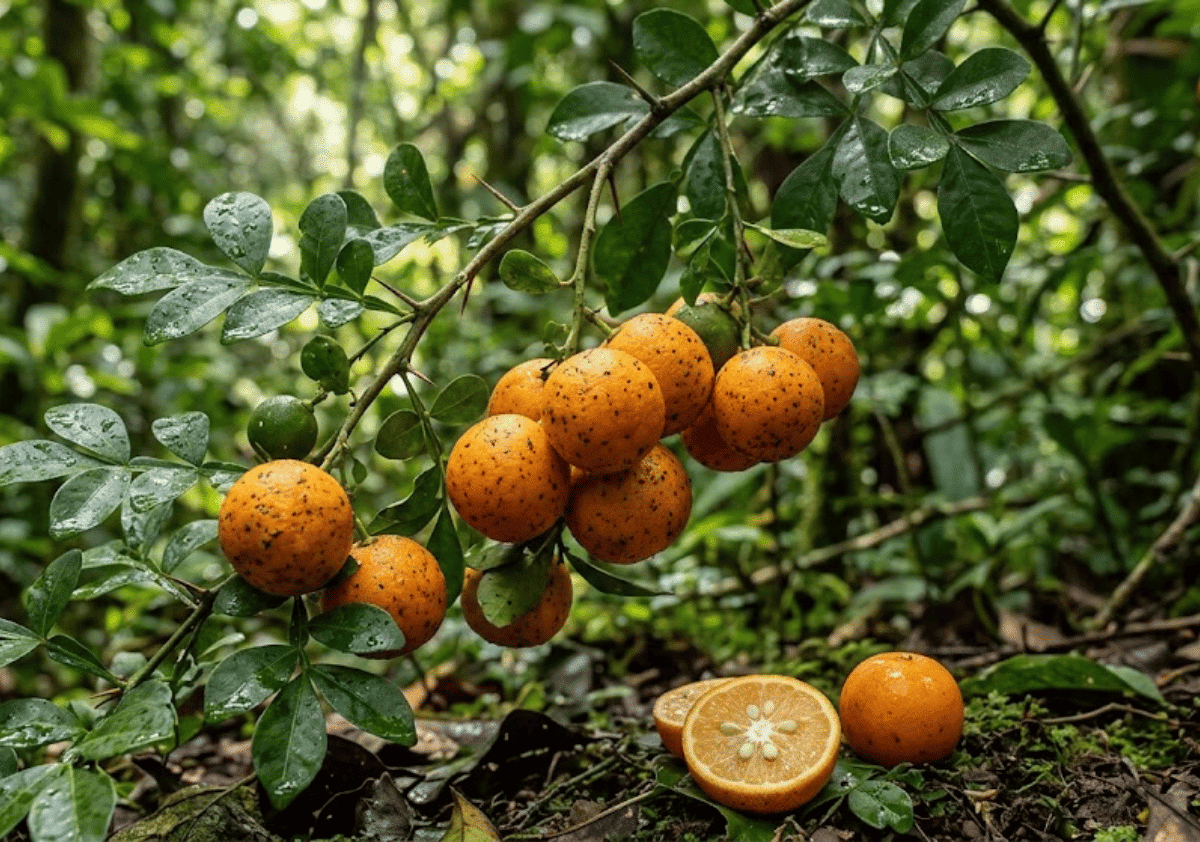
African cherry orange is a common name associated with certain wild African fruits, but its exact botanical identity can vary by region and source. The name may be used for fruits with orange or reddish skin and juicy, edible pulp. Some related African fruit species are gathered locally and eaten fresh or processed into drinks. Their taste can range from sweet to sour, depending on the species and ripeness. Because common names are not always consistent, the scientific name should be confirmed before identifying the fruit, describing its nutritional value, or recommending it for consumption.
African Star Apple
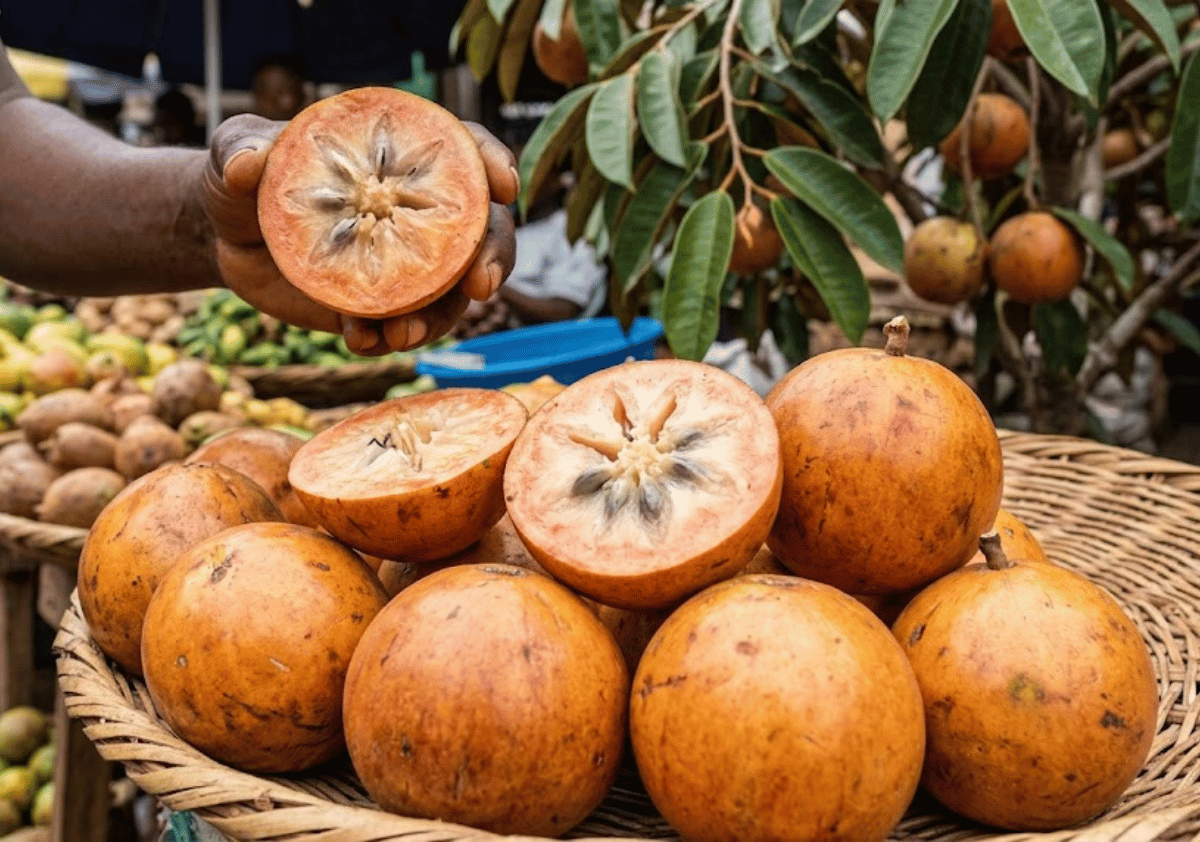
The African star apple is a tropical fruit produced by Chrysophyllum albidum, an evergreen tree native to parts of tropical Africa. The fruit is typically round, with orange to reddish-brown skin and soft pulp that may taste sweet, sour, or a mixture of both. When cut across, its seed arrangement can create a star-like pattern, which gives the fruit its common name. It is commonly eaten fresh and may also be used in local drinks and preserves. The fruit contains vitamin C and other plant compounds, while the tree provides shade and has cultural importance in several African communities.
Ambarella
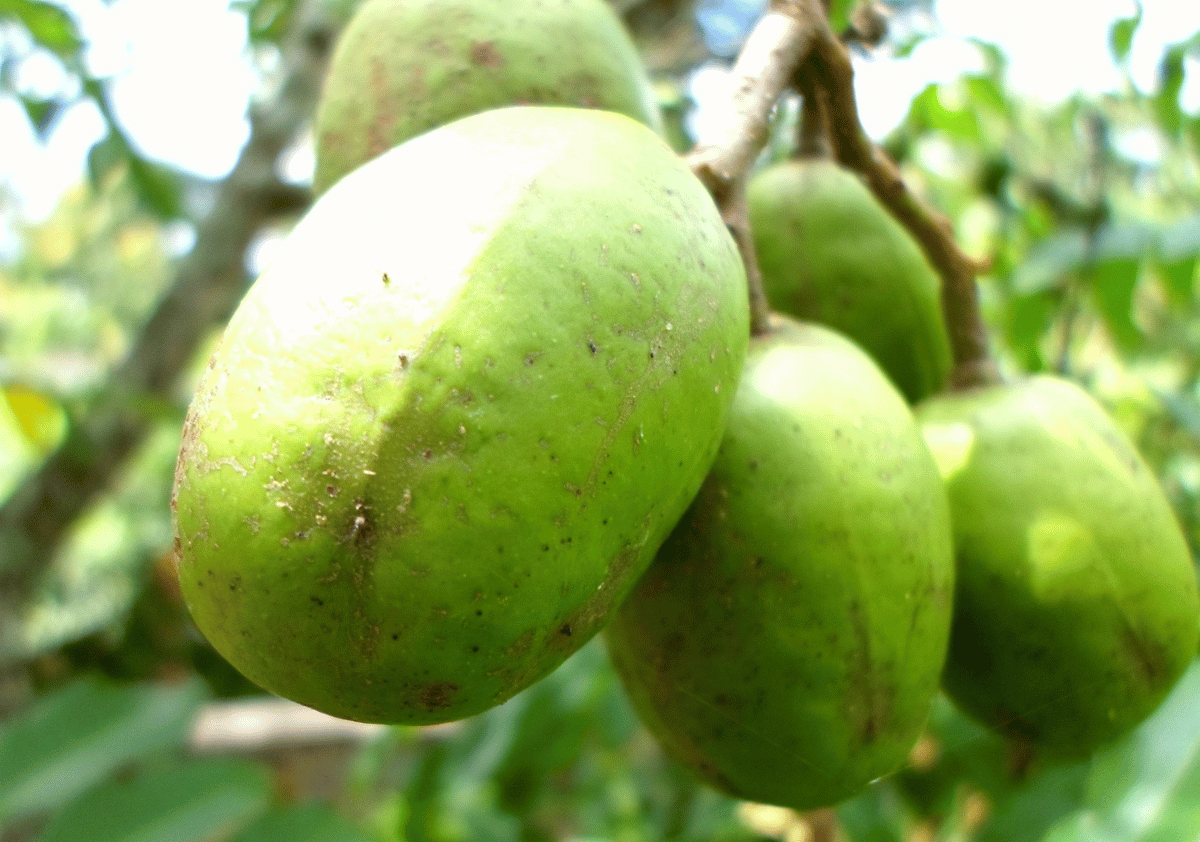
Ambarella, also called June plum or golden apple in some regions, is a tropical fruit that grows in clusters on a tree. It usually has green skin when unripe and turns yellow as it matures. The crisp, juicy flesh has a refreshing sweet-and-sour flavor, while the fibrous central stone contains distinctive fibers. Ambarella is eaten fresh with salt or spices in some countries and is also prepared as juice, chutney, pickles, and preserves. The fruit is grown across parts of South and Southeast Asia, the Caribbean, and the Pacific. Its flavor and texture vary with ripeness.
Amra
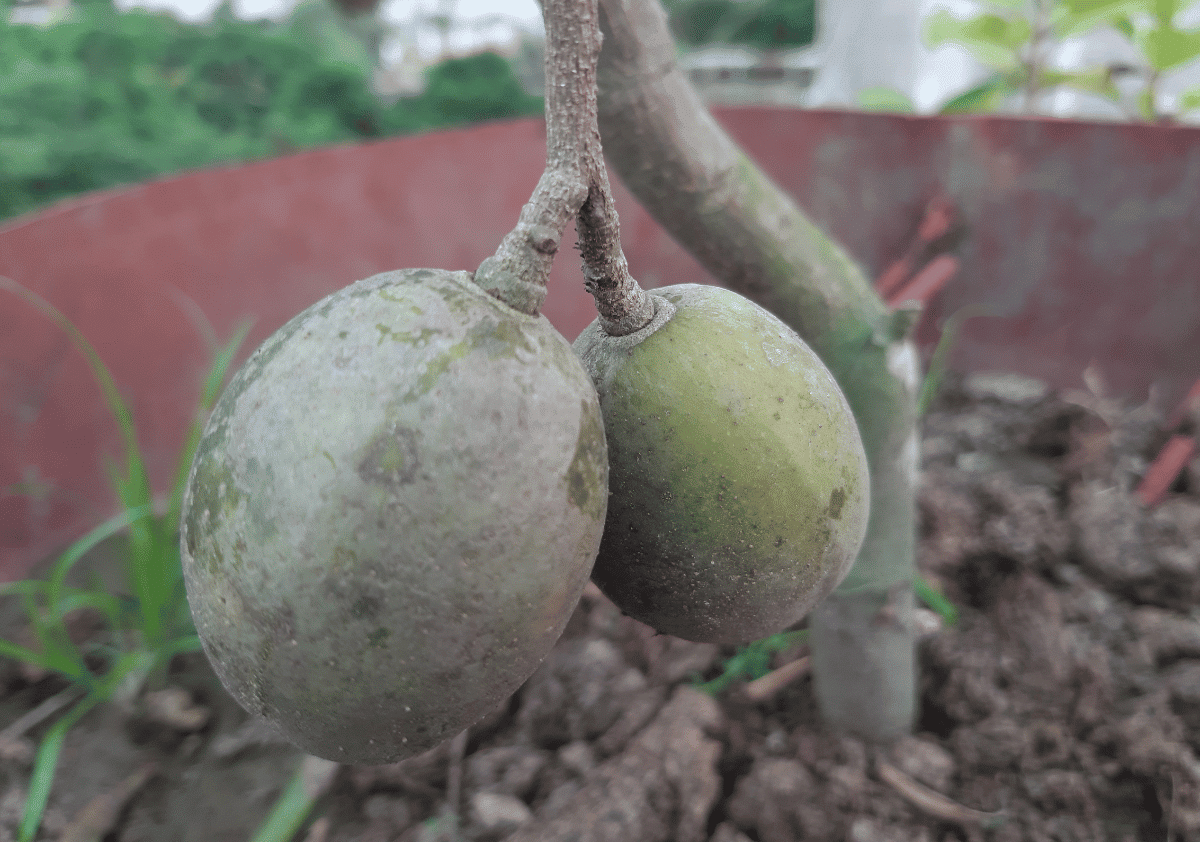
Amra is a regional name used for certain fruits, particularly Spondias pinnata and related species in South Asia. Depending on the species and location, the fruit may be called hog plum or wild mango. It generally has green to yellow skin, firm flesh, and a sour or tangy taste that becomes milder as it ripens. Amra is often eaten with salt and spices or prepared in chutneys, pickles, and traditional dishes. The fruit contains dietary fiber and vitamin C. Since the name varies by region, its precise botanical identity should be checked when an exact fruit identification is needed.
Atemoya
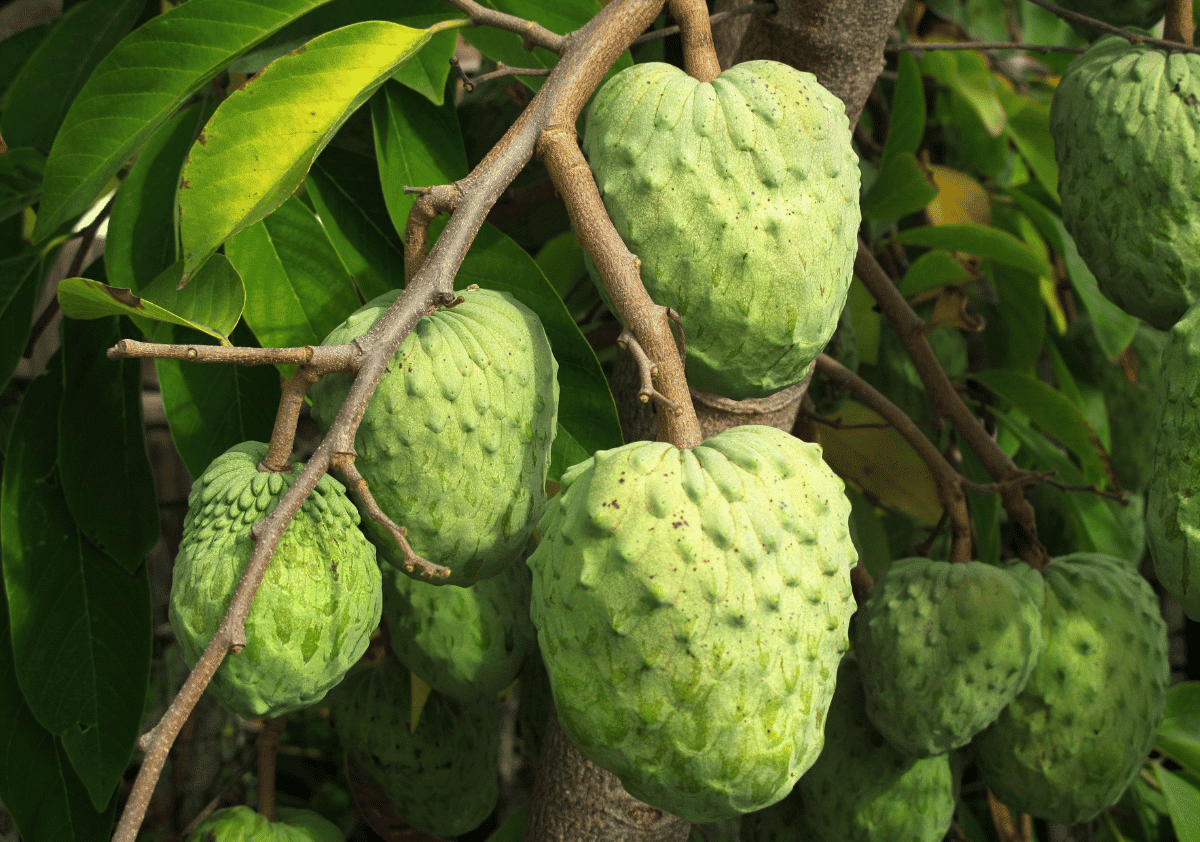
Atemoya is a tropical hybrid fruit developed by crossing the sugar apple with the cherimoya. It usually has green skin with rounded or slightly knobby sections and creamy white flesh containing dark seeds. The flavor is sweet and fragrant, often compared to a blend of pineapple, vanilla, and banana. Atemoya is generally eaten fresh by scooping out the soft pulp and removing the seeds. It can also be used in smoothies, desserts, and fruit salads. The trees grow in warm climates, and commercial production occurs in regions such as Florida, Australia, and parts of Asia.
Abiu Fruit
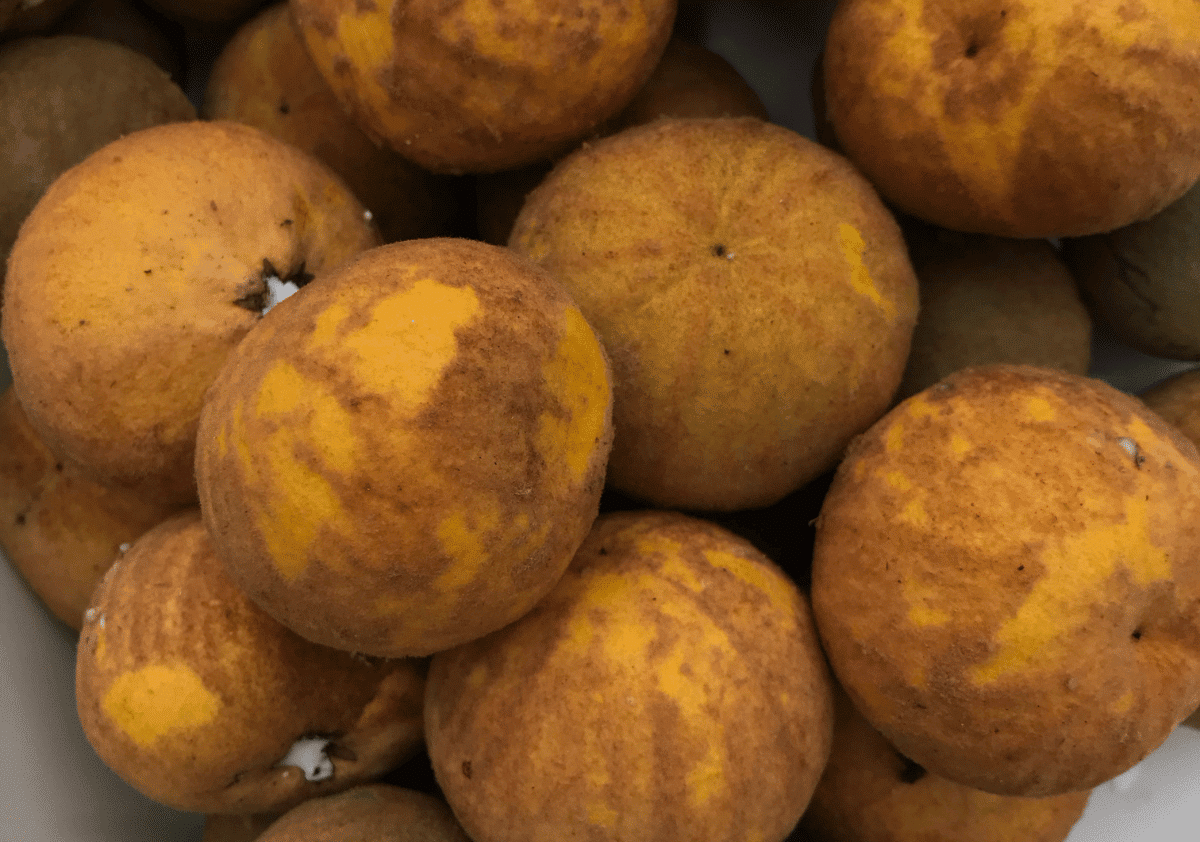
Abiu is a tropical fruit native to the Amazon region of South America and commonly associated with the species Pouteria caimito. It has smooth yellow skin when ripe and translucent, jelly-like flesh with a mild, sweet flavor. The texture is often compared to custard, while the fruit may contain one or more dark seeds. Abiu is usually eaten fresh after the fruit softens and turns yellow. It can also be added to fruit salads and desserts. Abiu trees thrive in warm, humid climates and are cultivated in parts of Brazil, Australia, and other tropical regions.
Araza Fruit
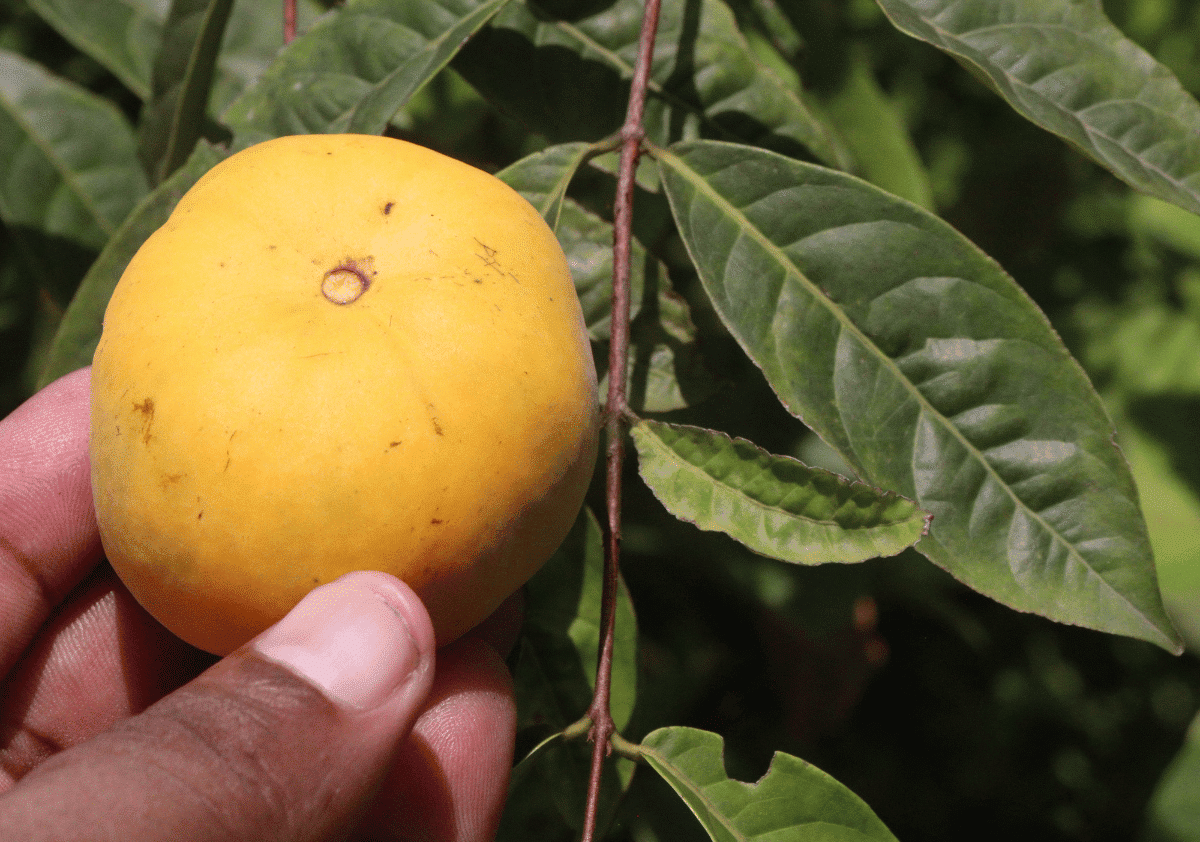
Araza is a tropical fruit native to the Amazon region and scientifically known as Eugenia stipitata. It is typically round, with yellow skin and soft, juicy pulp. Although the fruit has a pleasant aroma, its flavor is notably acidic, so it is more commonly processed than eaten fresh. Araza pulp is used to prepare juices, ice creams, jams, sauces, and other products. The fruit contains vitamin C and is valued for its distinctive tropical flavor. Araza trees grow in warm, humid environments, particularly in parts of South America, where the fruit is used in regional food products.
Asian Pear
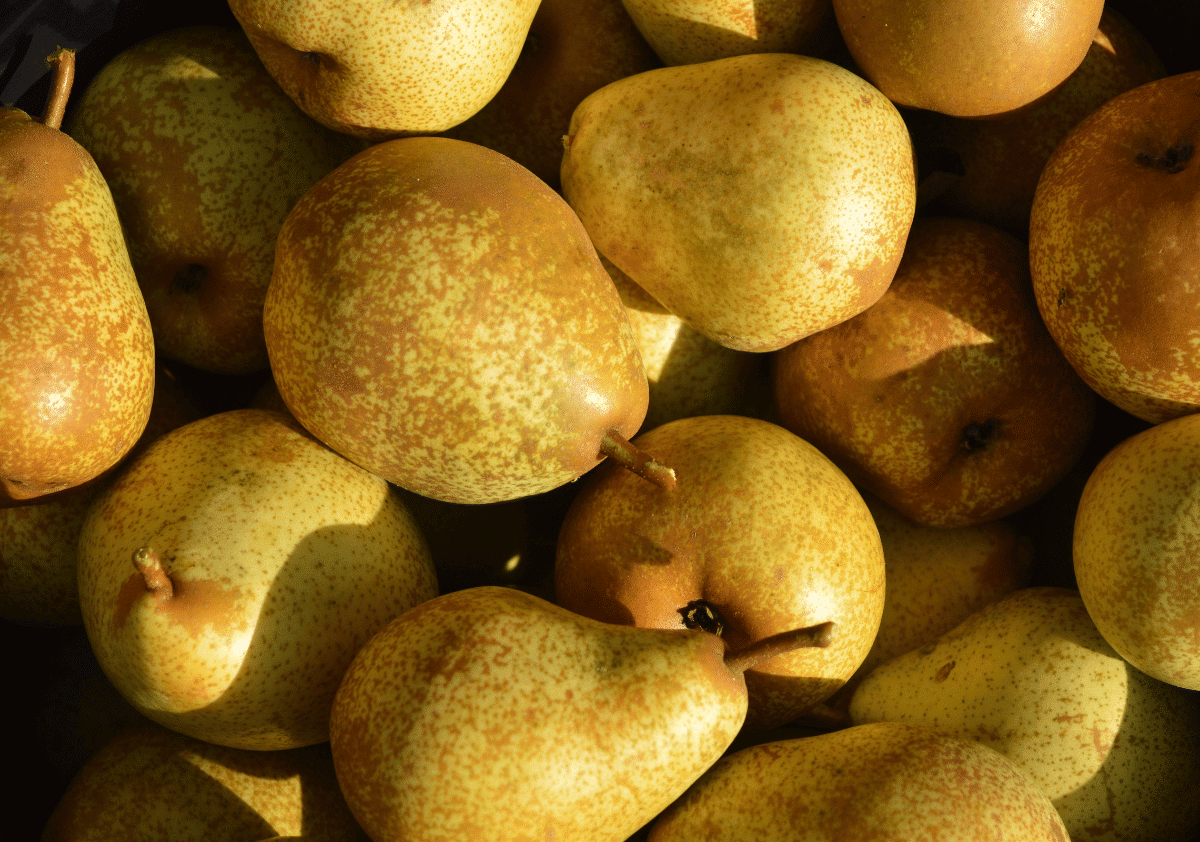
An Asian pear is a crisp, juicy fruit grown on trees in the Pyrus genus. Unlike many European pears, it often has a round shape and a firm texture similar to that of an apple. Its skin may be yellow, green, or brown, depending on the cultivar. Asian pears have a refreshing sweetness and are usually eaten fresh, sliced into salads, or served with savory dishes. They provide dietary fiber, water, and vitamin C. Common varieties are cultivated in China, Japan, and South Korea, where the fruit is especially popular during the autumn harvest.
Asian Palmyra Palm Fruit
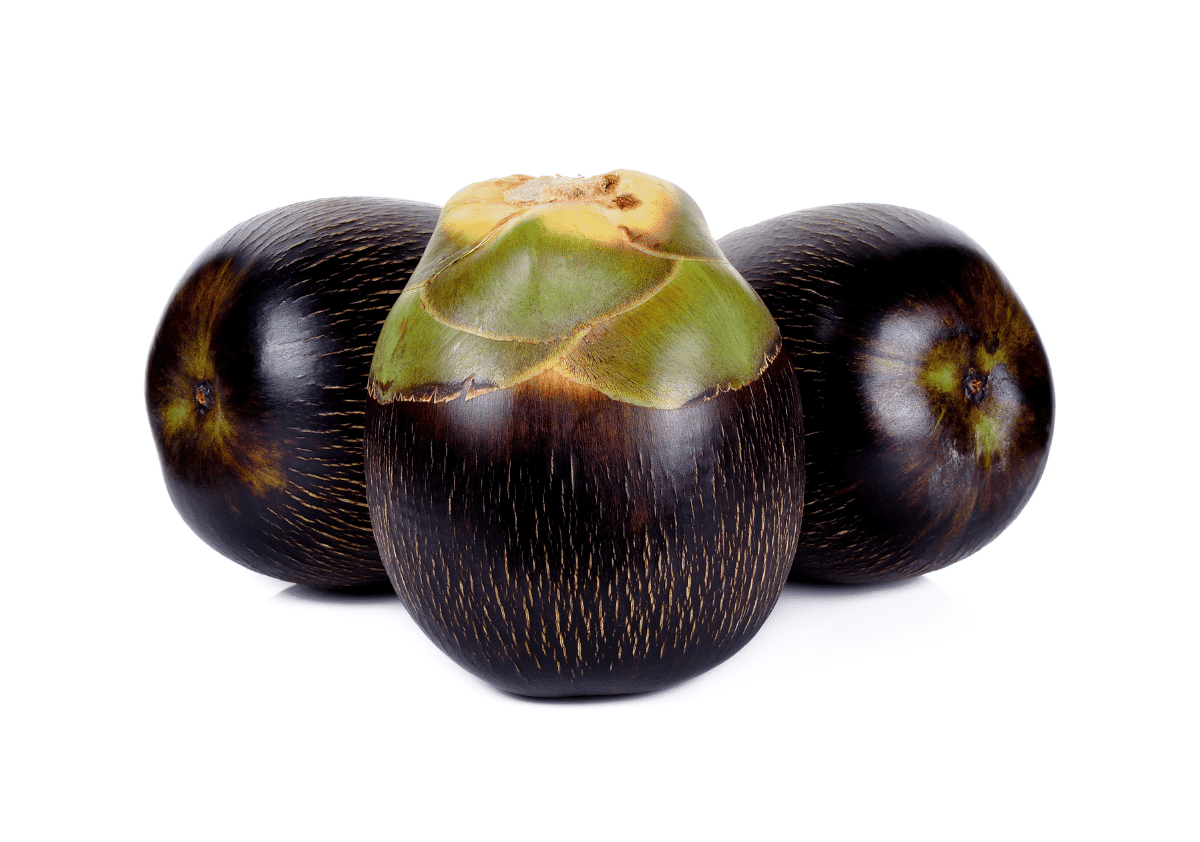
The Asian palmyra palm fruit develops on the palmyra palm, Borassus flabellifer, a tall palm native to parts of South and Southeast Asia. Its large, dark outer shell encloses several seed cavities containing translucent, jelly-like kernels when young. These tender kernels are valued for their refreshing texture and mild sweetness, especially in hot weather. They are eaten fresh or added to drinks and desserts. As the fruit matures, its pulp becomes yellow-orange and can be used in traditional foods. Palmyra palms are cultivated in countries such as India, Bangladesh, Thailand, and Cambodia.
American Persimmon
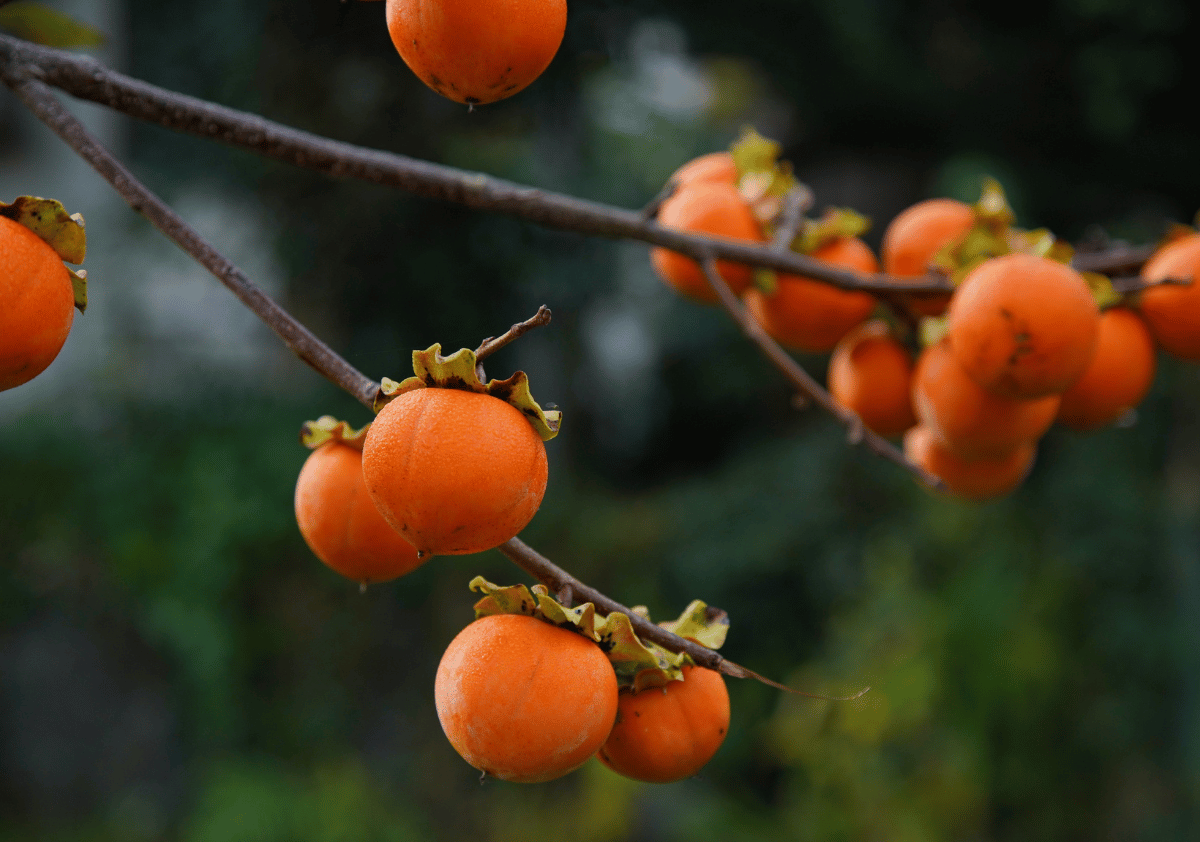
The American persimmon is a sweet, edible fruit produced by Diospyros virginiana, a tree native to the eastern and central United States. The fruit is generally round and turns orange or orange-purple as it ripens. Unripe persimmons are strongly astringent, creating a dry, puckering sensation in the mouth, but fully ripe fruit becomes soft and sweet. It is eaten fresh or used in puddings, breads, cakes, and preserves. American persimmon trees grow in a range of temperate conditions and provide food for wildlife. The fruit is traditionally harvested after it has softened fully.
Arhat Fruit
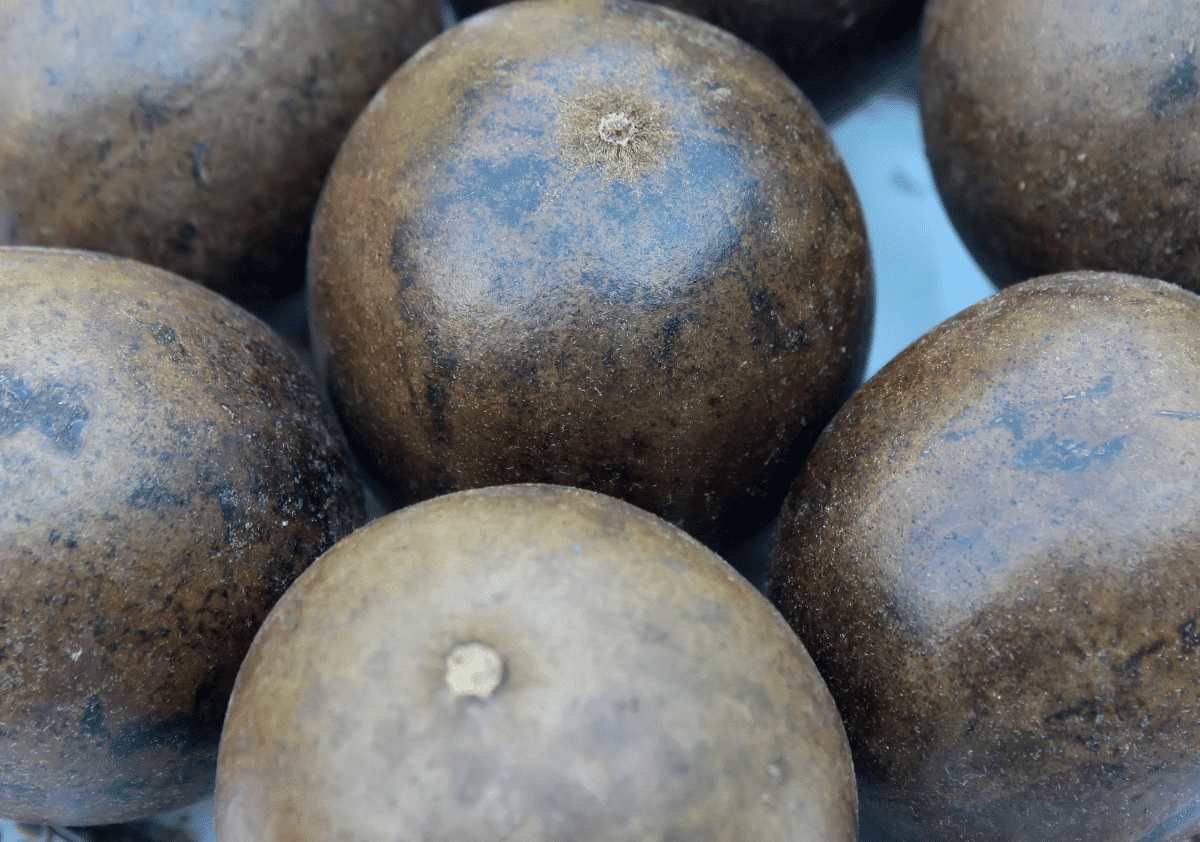
Arhat fruit, more commonly known as monk fruit or luo han guo, comes from the climbing vine Siraitia grosvenorii, native to southern China. The small, round fruit develops a green outer covering that becomes brown when dried. It is particularly valued for its intensely sweet compounds, called mogrosides, which are used to make low-calorie sweeteners. The fruit is rarely eaten fresh in the same way as an apple or pear. Instead, dried monk fruit is used in traditional beverages, herbal preparations, and commercial sweetener products. Its sweet extracts are popular among people seeking alternatives to ordinary sugar.
Australian Finger Lime
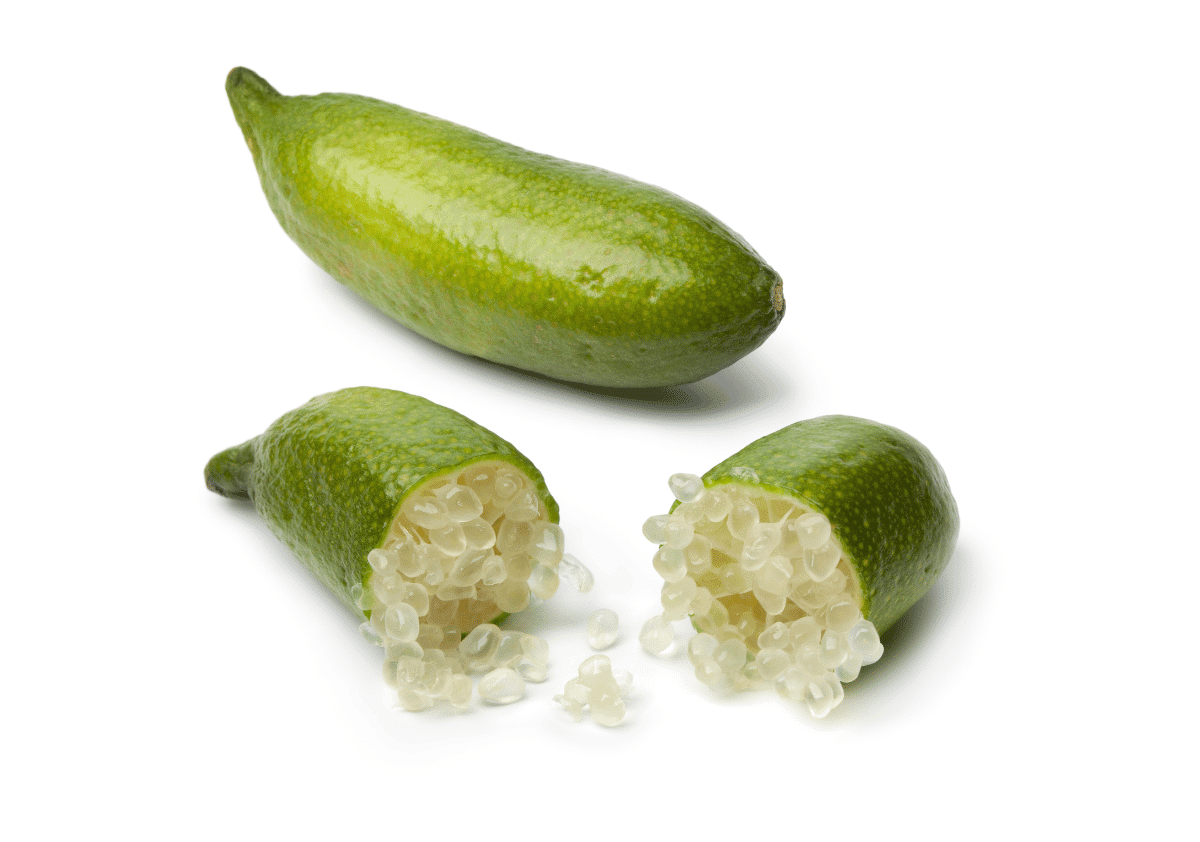
The Australian finger lime is a small citrus fruit native to the rainforests of eastern Australia. It grows on a thorny shrub or small tree and has an elongated, finger-like shape. The skin can be green, yellow, red, or purple, while the interior contains tiny, bead-like juice vesicles often called citrus pearls. These pearls have a sharp, tangy flavor and burst in the mouth when eaten. Finger lime is used in seafood dishes, salads, sauces, and desserts. Its unusual texture makes it popular in modern cooking, and the fruit provides vitamin C like other citrus varieties.
Akebia
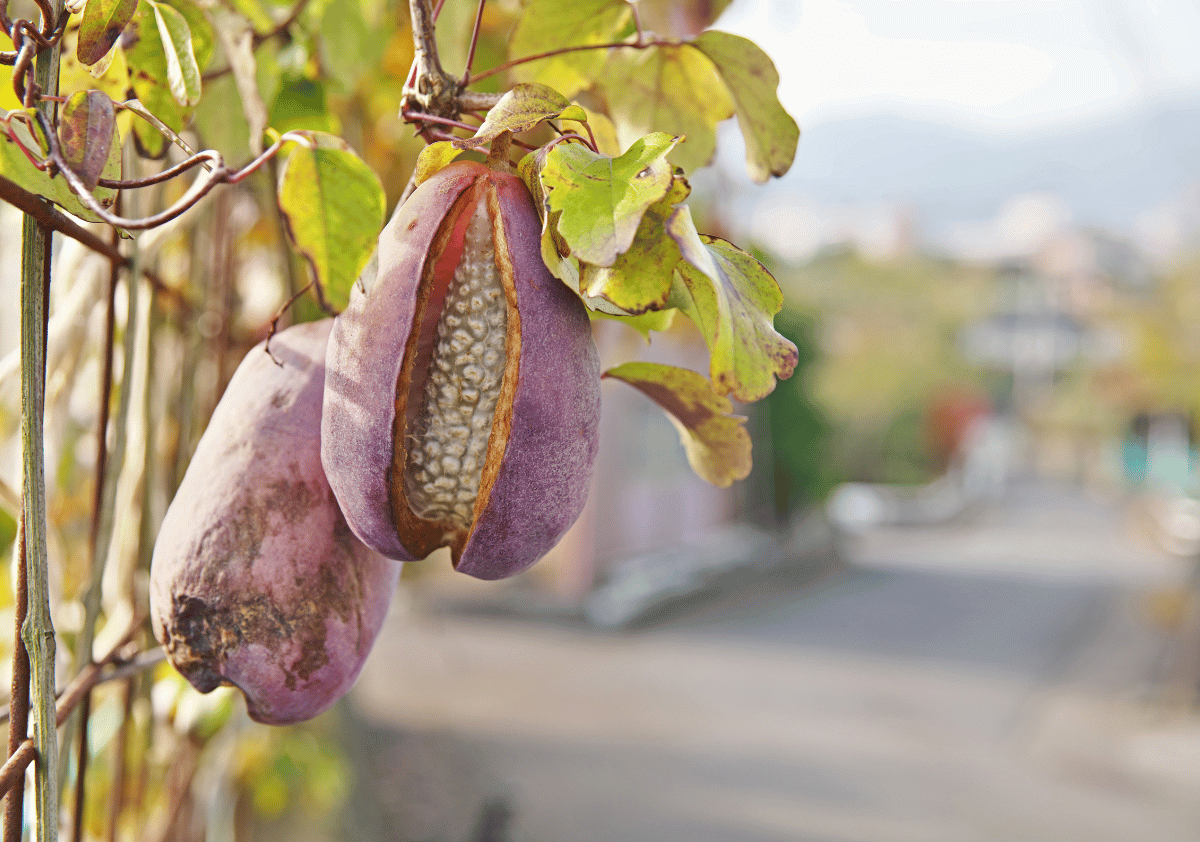
Akebia is a fruit produced by climbing vines in the genus Akebia, which are native to East Asia. The fruit is usually elongated and may have purple, violet, or pale skin, depending on the species. When ripe, its outer pod can split open to reveal soft, whitish pulp surrounding numerous dark seeds. The pulp is edible and has a mild, sweet flavor, although the seeds are generally not eaten in the same way as the flesh. Akebia fruits are consumed in parts of Japan, China, and Korea. The vines are also grown for their ornamental foliage and unusual flowers.
Andean Blackberry
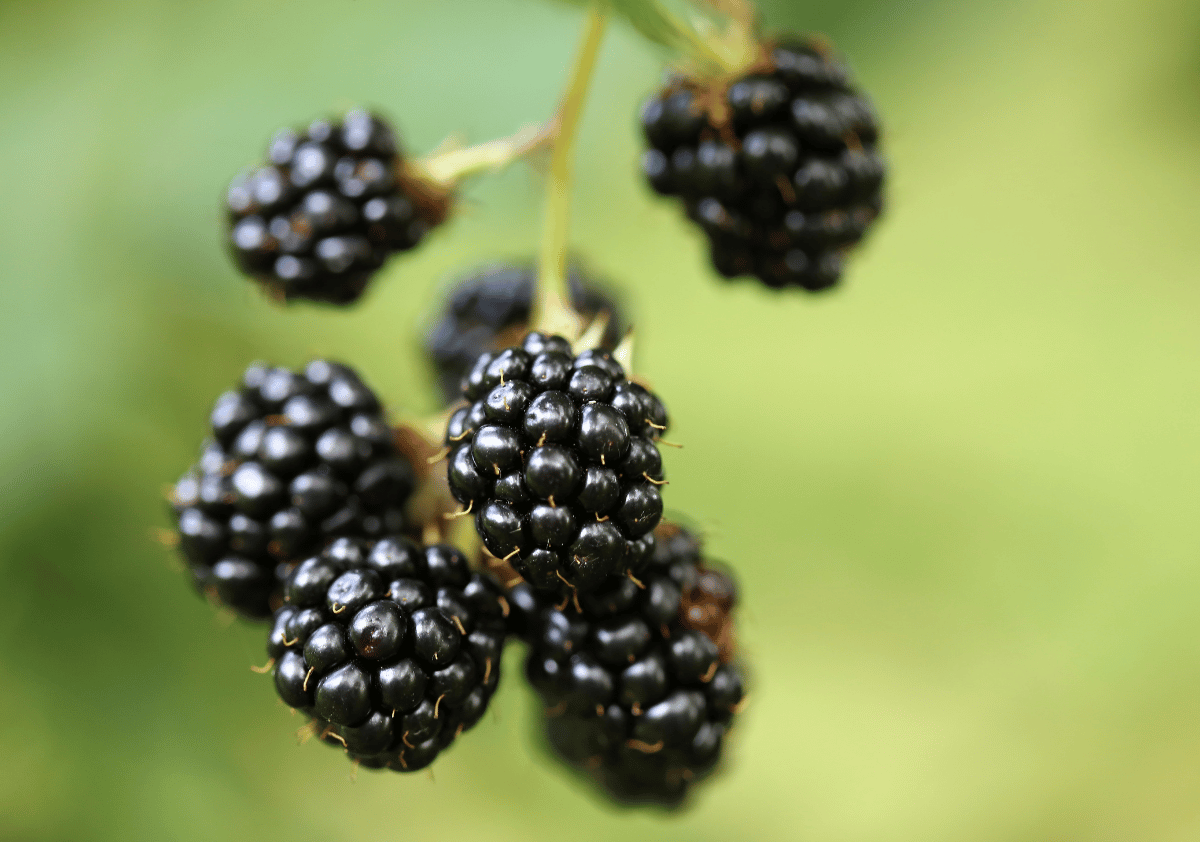
The Andean blackberry is a bramble fruit associated with Rubus glaucus, a species native to the Andean regions of South America. It is also known as mora de Castilla in some Spanish-speaking countries. The fruit is dark purple to nearly black when ripe and consists of many small drupelets clustered together. Its flavor is sweet and tart, making it suitable for juices, jams, desserts, and sauces. The fruit contains dietary fiber, vitamin C, and naturally occurring plant pigments. It is cultivated in countries such as Colombia and Ecuador, where it is widely used in traditional drinks and fruit preparations.
Sweet Fruits Beginning With A
Sweet fruits starting with A include varieties with soft pulp, juicy flesh, or fragrant aromas. Ripeness and growing conditions affect how sweet each fruit tastes.
- Abiu
- Apple
- Apricot
- Atemoya
- Alpine Strawberry
- African Star Apple
- Achacha
- Apple Berry
- Aronia Berry
- Asian Pear
- Azarole
Sour Fruits That Start With A
Sour fruits beginning with A often contain noticeable natural acidity. Some are eaten fresh when ripe, while others are more commonly used in drinks, sauces, preserves, and seasonings.
- Acerola
- Amla
- Ambarella
- Araza
- Australian Desert Lime
- Australian Finger Lime
- Australian Round Lime
- African Cherry Orange
- Aronia Berry
- Apricot
- Apple
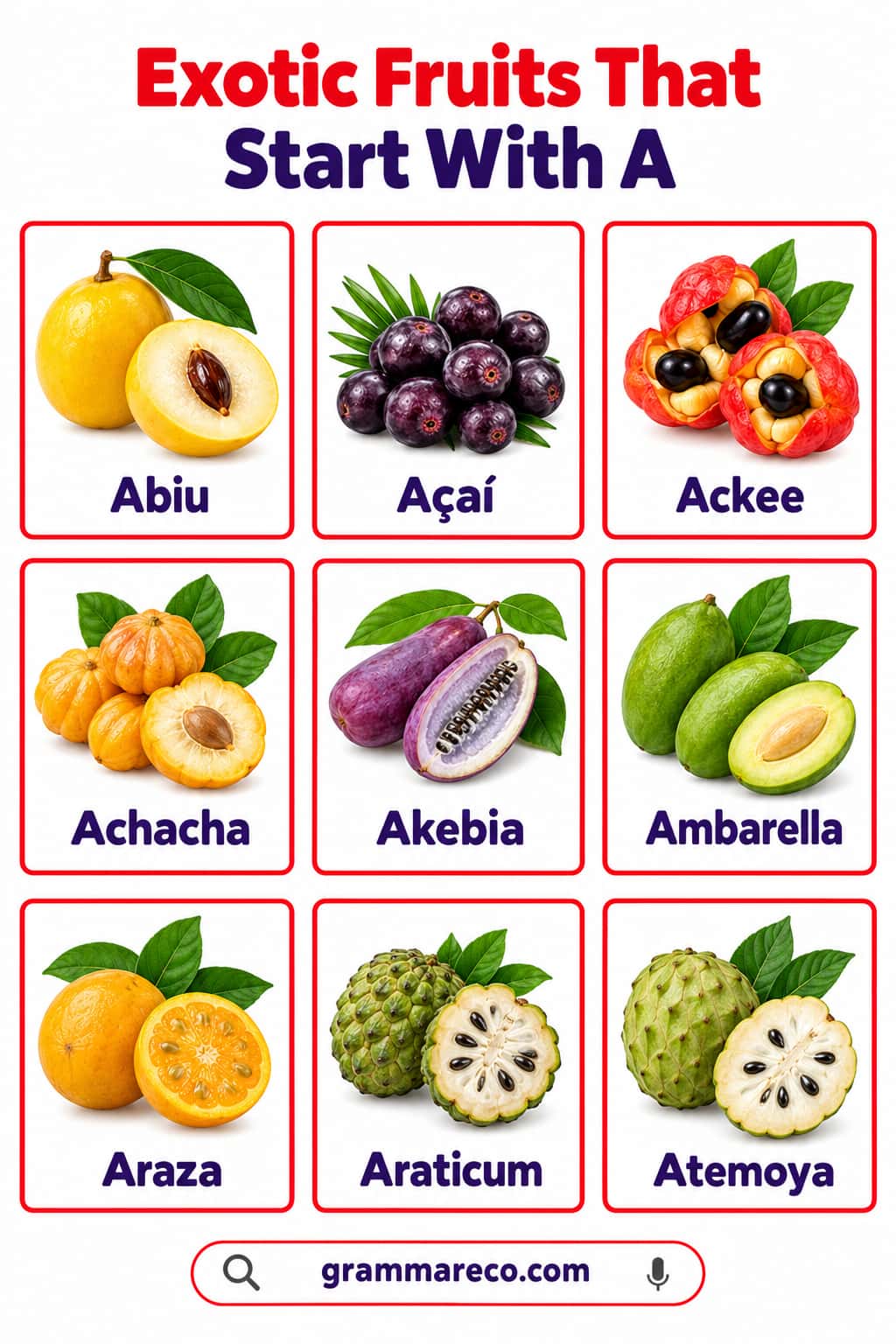
Exotic Fruits That Start With A
Exotic fruits beginning with A include species that may be unfamiliar to many American shoppers. Several grow in tropical forests or specific regional climates and are sold mainly through specialty markets.
| Exotic Fruit | Description |
|---|---|
| Abiu | A yellow tropical fruit with sweet, jelly-like flesh and a mild caramel flavor. |
| Açaí | A small, dark purple Amazonian fruit with an earthy, berry-like flavor. |
| Ackee | A red West African fruit with creamy edible flesh, popular in Jamaican cuisine. |
| Achacha | An orange tropical fruit with juicy flesh and a refreshing sweet-tart flavor. |
| Akebia | An unusual purple pod fruit with soft, sweet pulp and black seeds. |
| Ambarella | A green-to-yellow fruit with crisp flesh and a tangy flavor. |
| Araza | An Amazonian fruit with yellow skin, aromatic flesh, and a strongly sour taste. |
| Araticum | A South American fruit with distinctive skin and sweet, creamy pulp. |
| Atemoya | A green, bumpy fruit with soft flesh and a sweet custard-like flavor. |
| African Star Apple | An African fruit with orange-brown skin and sweet-tart pulp. |
| African Cherry Orange | A rare African tropical fruit valued for its distinctive appearance and regional use. |
| African Medlar | A lesser-known African fruit that grows in tropical regions and is used locally. |
| Amazon Grape | A tropical South American fruit that grows in clusters and resembles grapes. |
| Argan Fruit | A Moroccan fruit with yellowish skin and hard nuts used to produce argan oil. |
| Australian Finger Lime | An elongated Australian citrus fruit containing tiny, juicy pearls known as citrus caviar. |
Fruits That Begin With A and Their Botanical Names
Botanical names help distinguish fruits that share common names across different regions. The table below lists recognized scientific names and typical uses, noting that some regional names can refer to more than one species.
| Fruit name | Botanical name | Basic use |
|---|---|---|
| Abiu | Pouteria caimito | Eaten fresh or added to desserts |
| Açaí | Euterpe oleracea | Used in smoothie bowls, purées, and drinks |
| Acerola | Malpighia emarginata | Used in juices and fruit concentrates |
| Ackee | Blighia sapida | Cooked in traditional Caribbean dishes after proper preparation |
| African Cherry Orange | Citropsis schweinfurthii | Used locally as a citrus-like fruit |
| African Star Apple | Chrysophyllum albidum | Eaten fresh when ripe |
| Akebia | Akebia quinata | Soft pulp eaten fresh in some East Asian regions |
| Almond | Prunus dulcis | Seed eaten raw, roasted, or processed |
| Ambarella | Spondias dulcis | Eaten fresh or used in pickles and sauces |
| Amla | Phyllanthus emblica | Used in preserves, juice, and cooked preparations |
| Apple | Malus domestica | Eaten fresh or used in pies and sauces |
| Apricot | Prunus armeniaca | Eaten fresh, dried, or cooked |
| Araza | Eugenia stipitata | Used in juices, ice cream, and preserves |
| Aronia Berry | Aronia melanocarpa | Processed into juice, jam, and syrup |
| Atemoya | Annona × atemoya | Eaten fresh as a dessert fruit |
| Avocado | Persea americana | Used in salads, dips, and spreads |
| Australian Finger Lime | Citrus australasica | Used in seafood, sauces, and desserts |
| Australian Round Lime | Citrus australis | Used in preserves and citrus preparations |
| Australian Desert Lime | Citrus glauca | Used in sauces, drinks, and marmalade |
| Azarole | Crataegus azarolus | Eaten fresh or made into preserves |
| Argan Fruit | Argania spinosa | Mainly processed for its kernel oil |
| Achacha | Garcinia humilis | Eaten fresh as a sweet-tart fruit |
FAQs About Fruits Starting With A
Apple is one of the most common fruits beginning with A. It is widely sold in grocery stores and eaten fresh or cooked.
Abiu, açaí, acerola, ackee, ambarella, araza, atemoya, and avocado are tropical fruits beginning with A, although growing regions vary.
Abiu, ripe apricots, apples, atemoya, and alpine strawberries can taste sweet. Flavor varies with the fruit variety and ripeness.
Yes, both develop from flowering plants. Avocado is a fleshy botanical fruit, while the edible almond is the seed inside its fruit.
Amla is notably sour and astringent. Acerola, araza, ambarella, and Australian finger lime can also taste quite tart.
Read more