

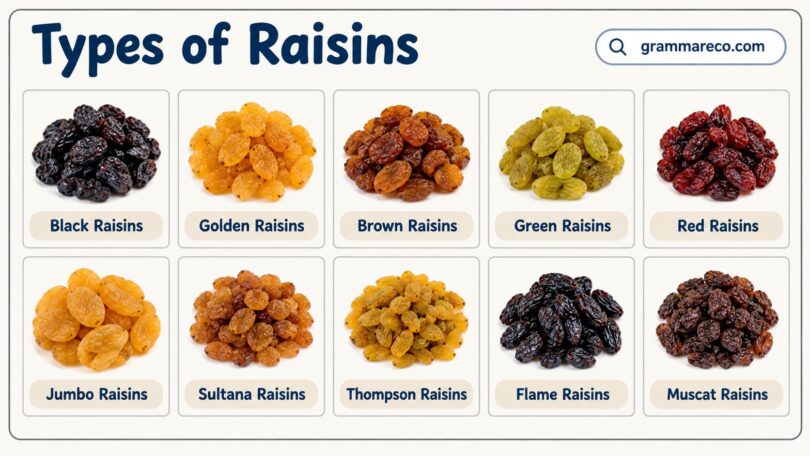
Raisins are dried grapes that come in different colors, sizes, flavors, and textures. Some are dark brown or black, while others are golden yellow, green, or reddish. Their characteristics depend on the grape variety, growing region, and drying method. Popular types of raisins include black raisins, golden raisins, sultanas, green raisins, and Thompson Seedless raisins. Each raisin variety offers a slightly different taste and texture, making certain types better suited to baking, cooking, snacking, and breakfast foods.
What Are the Main Types of Raisins?
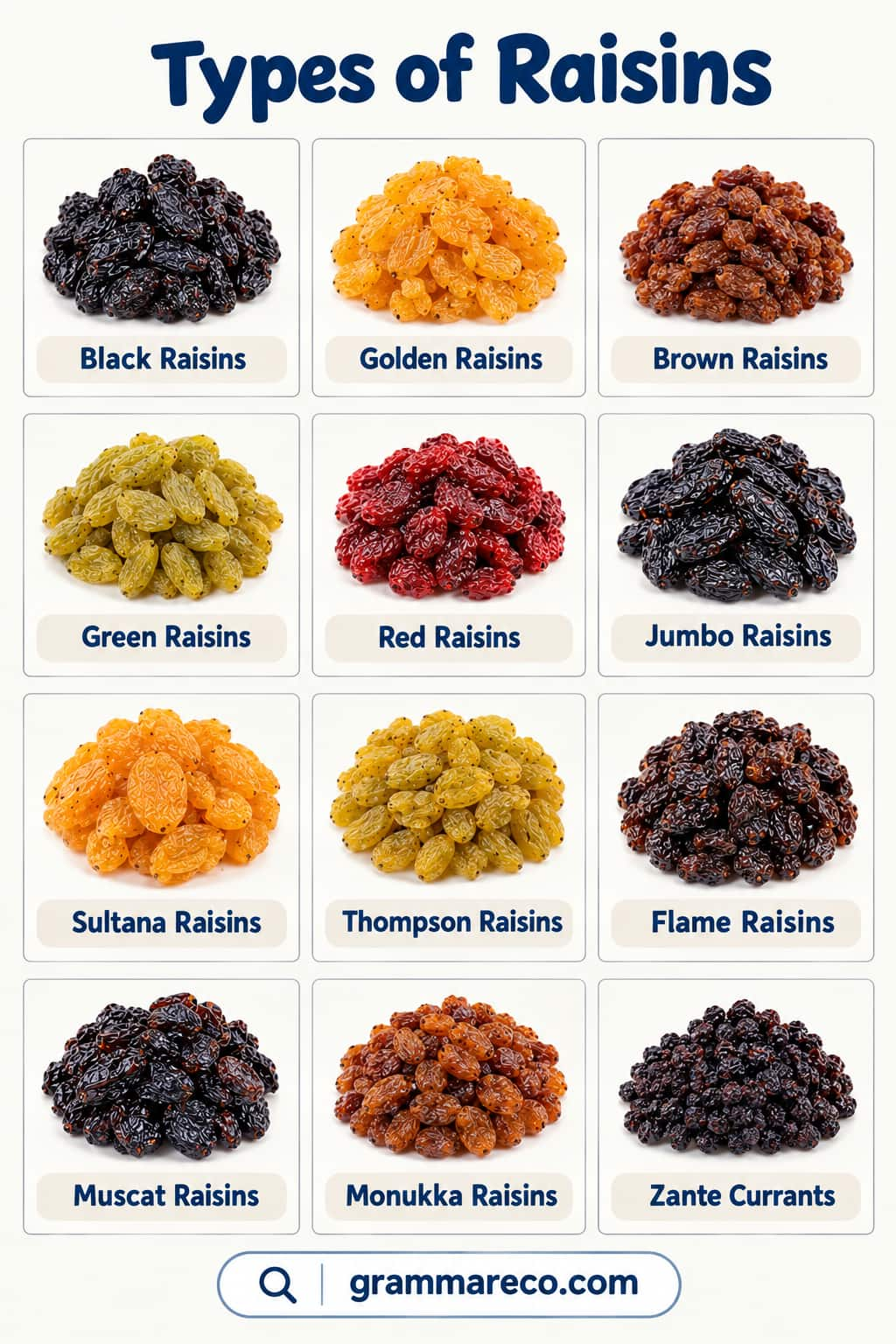
The main types of raisins include black raisins, natural seedless raisins, golden raisins, sultana raisins, green raisins, red raisins, Muscat raisins, Monukka raisins, and Zante currants. They differ in color, size, sweetness, seed content, and texture.
Raisins can also be classified by how they are dried, such as sun-dried or mechanically dried. Country-specific names, including Afghan green raisins, Iranian golden raisins, and Turkish sultanas, describe regional products or traditional styles.
Different Types of Raisins with Pictures You Can Find in Grocery Stores
1. Black Raisins
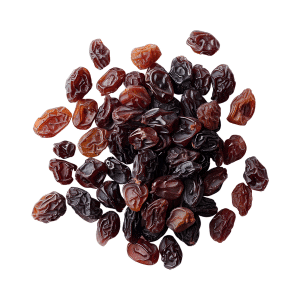
Black raisins are dark-colored dried grapes that range from deep brown to nearly black. They are often made from dark-skinned grapes and may be available with or without seeds. Their flavor is usually sweet and concentrated, sometimes with caramel-like or fruity notes. The texture is chewy and can become soft and plump when soaked. Black raisins are commonly eaten as snacks or added to desserts, breakfast dishes, rice recipes, and baked goods.
2. Natural Seedless Raisins
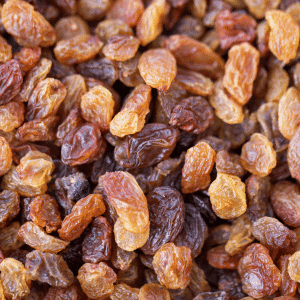
Natural seedless raisins are made from seedless grapes that are dried naturally, commonly in the sun. They usually develop a dark brown color and a sweet, concentrated grape flavor. Their texture is chewy, with some varieties becoming softer and plumper than others. Thompson Seedless grapes are an important source of this type. Natural seedless raisins are versatile ingredients for cookies, cakes, breads, oatmeal, trail mix, and everyday snacking because they have no hard seeds.
3. Golden Raisins
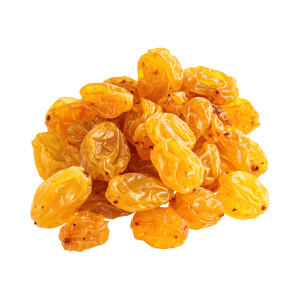
Golden raisins are seedless dried grapes with a golden-yellow to amber color. They are commonly produced using controlled dehydration and processing that helps preserve their lighter appearance. Their taste is sweet and fruity, while their texture is usually moist, tender, and chewy. Golden raisins work well in cakes, cookies, breakfast cereals, salads, and rice dishes. Their lighter color is especially useful in recipes where dark raisins would noticeably change the appearance of the finished food.
4. Sultana Raisins
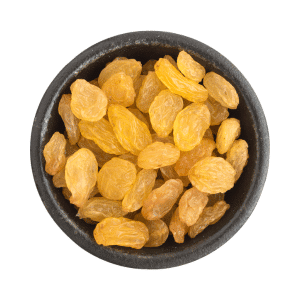
Sultana raisins are traditionally made from seedless green grapes, often associated with the Thompson Seedless or Sultanina grape. They are generally small to medium-sized, golden brown, and soft, with a sweet flavor and delicate fruity notes. Their texture is often tender and juicy compared with some darker raisins. Sultanas are popular in fruitcakes, buns, puddings, pastries, and savory rice dishes. The name can vary by country, and in some markets, sultanas and ordinary seedless raisins are used interchangeably.
5. Green Raisins
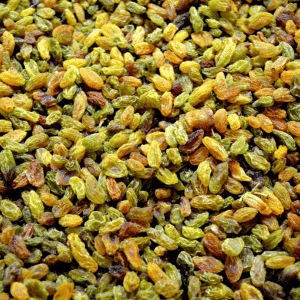
Green raisins are dried green grapes that retain a greenish, pale olive, or light golden appearance. Afghan and Iranian markets are known for distinctive green raisin varieties, including long, slender types sold as kishmish. Their flavor is generally sweet and fruity, sometimes with a mild tang, while the texture can be chewy or relatively soft. Green raisins are often eaten as snacks and used in rice dishes, desserts, nut mixtures, and traditional regional recipes.
6. Red Raisins
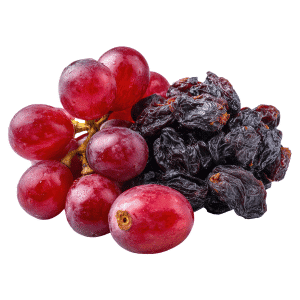
Red raisins are made from red or reddish-purple grape varieties, although drying may darken their original color. Depending on the grape, they can range from reddish brown to deep burgundy. Their taste is sweet and fruity, sometimes with berry-like notes, and their texture is usually chewy. Some commercial red raisins are produced from Flame Seedless grapes. They can be eaten on their own or added to snack mixes, baked goods, cereals, and desserts when a fruity flavor is desired.
7. Muscat Raisins
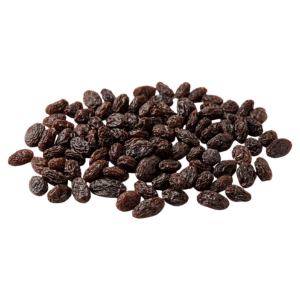
Muscat raisins are produced from Muscat grape varieties, which are known for their distinctive aromatic flavor. They are often larger than standard seedless raisins and may contain seeds, depending on the variety and processing. Their color ranges from brown to dark amber, and their flavor is rich, sweet, and noticeably grape-like, sometimes with floral notes. Their texture is usually substantial and chewy. Muscat raisins are enjoyed as snacks and used in traditional baking, desserts, and specialty fruit mixtures.
8. Monukka Raisins
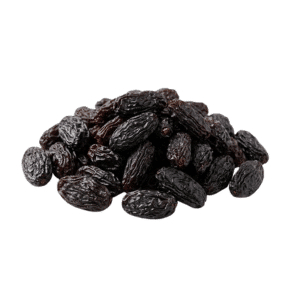
Monukka raisins are made from Monukka grapes, a variety used for dried fruit production in some growing regions. They are generally dark brown to black and may be larger than ordinary seedless raisins. Their taste is sweet and fruity, while their texture is chewy and sometimes slightly firm. Seed content can vary by product. Monukka raisins are eaten as snacks and used in baked goods, cereal mixtures, and traditional foods. Availability depends on the market and the raisin supplier.
9. Zante Currants
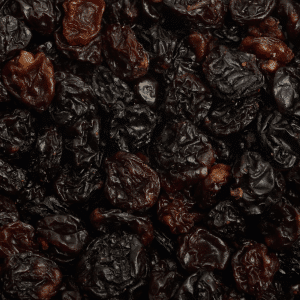
Zante currants are tiny, dark dried grapes traditionally produced from the Black Corinth grape variety. Despite their name, they are not the same as fresh blackcurrants or redcurrants, which grow on different plants. Their flavor is sweet, concentrated, and often more tangy than that of larger raisins. They have a small, chewy texture that distributes easily through dough. Zante currants are especially popular in scones, fruitcakes, biscuits, puddings, and other baked foods.
10. Seeded Raisins
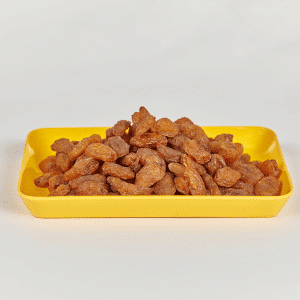
Seeded raisins are dried grapes that naturally contain seeds. They may be made from larger grape varieties, including certain Muscat grapes, and are available in different shades of brown or dark purple. Their taste is sweet and concentrated, while the flesh can be thick and chewy. The seeds create a firmer eating experience and may need to be removed for some recipes. Seeded raisins are used in traditional dried-fruit preparations, specialty baking, and regional dishes where their flavor and size are appreciated.
11. Jumbo Raisins
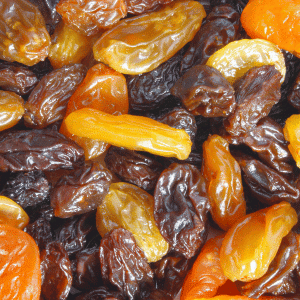
Jumbo raisins are larger-sized raisins selected or graded for their berry size rather than belonging to one single grape variety. They may be dark brown, black, or golden, depending on the grapes and processing method. Their flavor is sweet and concentrated, and their thick, chewy texture makes them convenient for snacking. Some become particularly plump after soaking. Jumbo raisins are often eaten on their own, added to premium trail mixes, or used in recipes where larger pieces of dried fruit are preferred.
12. Flame Seedless Raisins
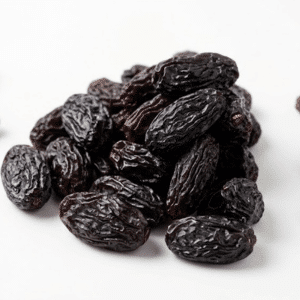
Flame Seedless raisins are produced from Flame Seedless grapes, which have reddish skins when fresh. After drying, the raisins commonly become reddish brown, dark brown, or deep purple. They generally have a sweet, fruity taste and a chewy texture, although moisture levels affect their softness. Their color and flavor make them suitable for snack mixes, baked goods, cereals, and desserts. The finished appearance varies with growing conditions and processing, so not every Flame Seedless raisin remains visibly red.
Types of Raisins by Drying Method Explained
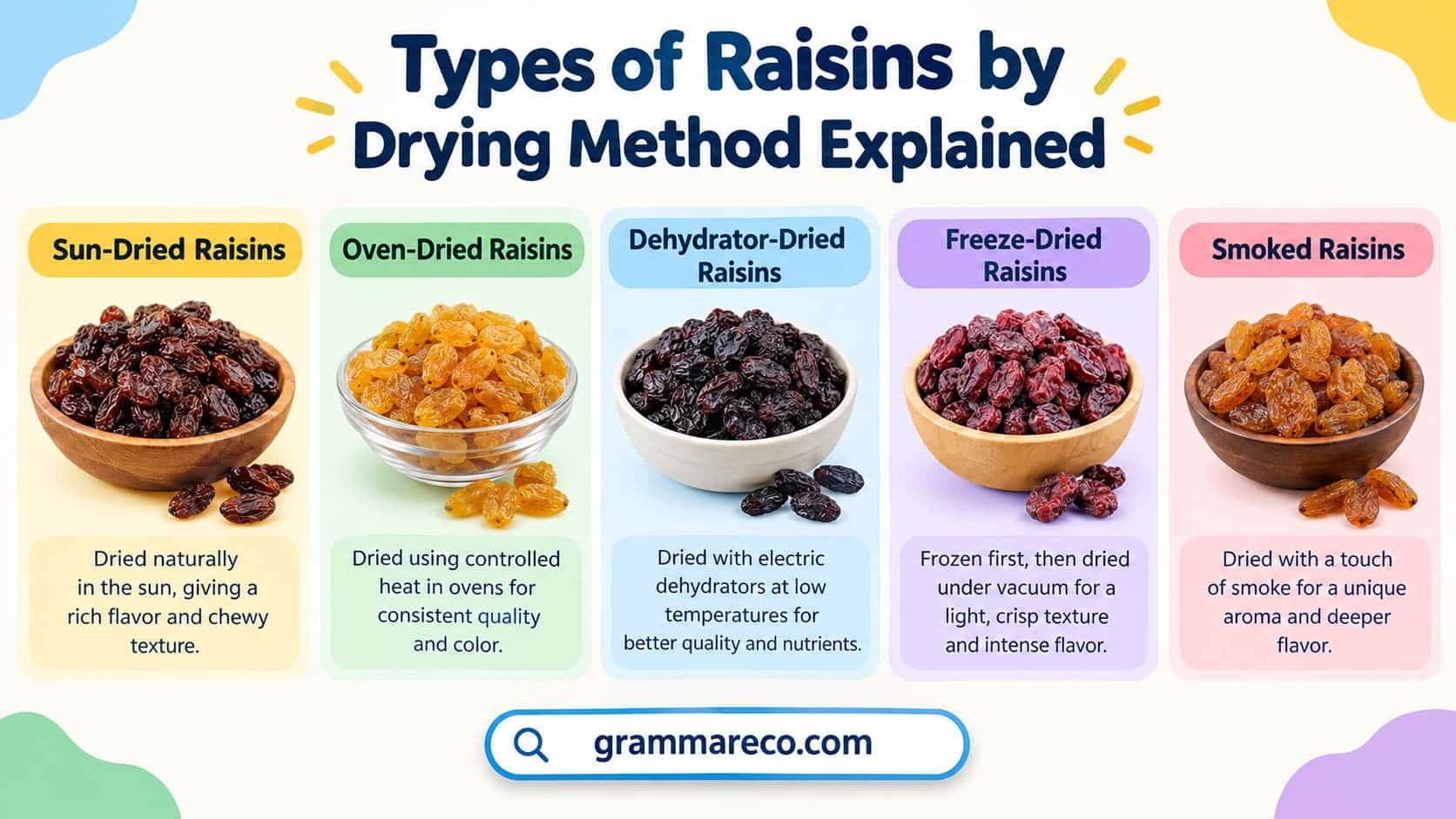
Raisins are also grouped by the way moisture is removed from grapes. The drying method affects their color, flavor, texture, and processing time. A drying method is not always a separate grape variety; the same type of grape may produce different-looking raisins when processed differently.
Sun-Dried Raisins
Sun-dried raisins are produced by spreading harvested grapes on suitable drying surfaces or trays and allowing sunlight and natural airflow to remove moisture. They commonly become brown or dark brown as the grapes dry. Their flavor is concentrated and sweet, and their texture is typically chewy. Drying time depends on weather, grape size, humidity, and other conditions. Natural sun-dried raisins are widely used for snacks, baking, cereals, and cooking.
Shade-Dried Raisins
Shade-dried raisins are made by drying grapes away from direct sunlight, usually in a shaded, ventilated environment. This method can help preserve lighter colors and produce a different appearance from traditional sun-dried fruit. Their sweetness depends on the grape variety, while the texture may range from tender to chewy. Green raisins are sometimes associated with shade-drying traditions, although methods vary by region and producer. The final color and texture also depend on humidity and drying time.
Mechanically Dried Raisins
Mechanically dried raisins are produced using controlled equipment that removes moisture with heated air or other managed drying conditions. This method allows producers to regulate temperature and drying time more closely than natural outdoor drying. The resulting raisins may be golden, amber, or dark, depending on the grape and processing steps. Their texture can be soft and pliable or firmer, depending on moisture content. Mechanically dried raisins are used in commercial food production, baking, snacks, and packaged dried-fruit products.
Oil-Dipped Golden Raisins
Oil-dipped golden raisins are made by treating grapes with a food-grade processing solution, which may include oil-based drying aids, before or during dehydration. Depending on the product, additional processing helps maintain the characteristic golden color. These raisins are commonly seedless, sweet, and tender, with a chewy texture. The treatment helps the grapes dry more efficiently and can influence their surface appearance. Processing practices vary, so the ingredient label is the best way to check how a particular product was made.
Raisin Varieties from Different Countries
Different countries produce raisins using local grape varieties, growing conditions, and traditional processing methods. The names below refer to recognizable regional styles, although the exact color, sweetness, and texture can vary between producers.
Afghan Green Raisins
Afghan green raisins are known for their pale green to olive color and are commonly sold as kishmish. Depending on the variety, they may be long and slender or relatively small. Their flavor is generally sweet and fruity, sometimes with a gentle tang, while their texture can be chewy or soft. They are enjoyed as snacks and used in rice dishes, desserts, and traditional recipes. The exact appearance and taste depend on the grape variety and drying method.
Iranian Golden Raisins
Iranian golden raisins are produced in several regional styles and are valued for their golden-yellow to amber color. Many have a sweet, fruity flavor and a tender, chewy texture. The shade can vary according to the grape variety and processing treatment, so not every product looks identical. Iranian raisins are eaten as snacks and used in baking, rice dishes, desserts, and mixed-nut products. Some products sold as golden raisins are processed to preserve their lighter color during drying.
Turkish Sultana Raisins
Turkish sultana raisins are commonly associated with seedless grapes grown in the country’s major grape-producing regions, including areas around İzmir. They are usually golden brown to medium brown, with a sweet taste and soft, chewy texture. Their relatively small size and lack of hard seeds make them convenient for cooking and baking. Turkish sultanas are widely used in fruitcakes, breads, cookies, pastries, breakfast foods, and savory dishes. Color and softness vary according to the grapes and processing methods used.
Greek Corinthian Raisins
Greek Corinthian raisins, often called Corinth raisins or Zante currants, are tiny dried grapes traditionally associated with the Black Corinth grape. They are very dark in color and have a concentrated sweet-tart flavor. Their small size gives them a distinctive texture in baked goods, where they spread evenly through the mixture. These raisins are especially useful in cakes, breads, biscuits, and traditional Greek recipes. Despite the name, they are dried grapes rather than the fresh currants grown on currant bushes.
California Thompson Seedless Raisins
California Thompson Seedless raisins are produced from Thompson Seedless grapes, an important variety in commercial raisin production. They are usually dark brown, seedless, and moderately sized, with a concentrated sweetness and chewy texture. Their relatively neutral fruity flavor makes them versatile for both sweet and savory recipes. They are commonly used in cookies, cakes, breads, breakfast cereals, trail mix, salads, and rice dishes. Their final color and softness depend on whether they are naturally dried or processed using another method.
Indian Black Raisins
Indian black raisins are dark dried grapes sold in markets throughout India and commonly used in snacks, sweets, and traditional cooking. Their appearance can range from dark brown to nearly black, depending on the grapes and processing. They generally have a sweet, concentrated taste and a chewy texture, although size and seed content vary. Indian black raisins are eaten directly, mixed with nuts, added to desserts, and used in rice dishes. The name describes a broad market category rather than one uniform grape variety.
Which Raisins Are Best for Cooking and Baking?
The best raisins for a recipe depend on the flavor, color, size, and texture you want. Dark raisins are versatile for everyday baking, golden raisins work well when a lighter appearance is preferred, and small currants distribute evenly through dough. For savory meals, choose a variety that complements the other ingredients without overpowering them.
Raisins for Cakes and Cookies
Natural seedless raisins, sultanas, golden raisins, and Zante currants are all useful for cakes and cookies. Natural raisins provide a familiar sweet flavor and chewy texture, while golden raisins add sweetness without darkening the mixture as much. Sultanas are often softer, and tiny currants spread evenly through smaller baked goods. If raisins seem dry, briefly soaking them in warm water or another suitable liquid can help soften them before mixing into the batter.
Raisins for Rice Dishes
Golden raisins, sultanas, and green raisins are good options for rice dishes because their sweetness contrasts with savory spices and aromatic ingredients. They are often used in pilafs, biryani-style dishes, and regional rice recipes. Golden raisins create a bright visual contrast, while darker varieties add a deeper color. Use a moderate amount so the sweetness balances the seasoning, nuts, vegetables, or meat rather than dominating the dish.
Raisins for Trail Mix
Jumbo raisins, natural seedless raisins, black raisins, and golden raisins are practical choices for trail mix. Larger raisins provide a chewy bite, while smaller varieties combine easily with nuts, seeds, and other dried fruit. Golden raisins add color, and dark raisins offer a familiar sweet flavor. Choose raisins with a texture you enjoy and check the package for added sugar or oil if you prefer a simpler dried-fruit mixture.
Raisins for Breakfast Cereals
Natural seedless raisins, golden raisins, and sultanas are suitable for breakfast cereals, oatmeal, granola, and muesli. Their natural sweetness complements grains, nuts, seeds, and milk or yogurt. Smaller raisins distribute evenly throughout cereal, while larger varieties provide a more noticeable chewy bite. Add them before serving for a soft texture, or mix them into hot oatmeal while it cooks if you prefer them plumper and more tender.
What Is the Difference Between Raisins and Sultanas?
Raisins and sultanas are both dried grapes, but their names and characteristics vary by region. In many markets, the word raisins refers to darker dried grapes, while sultanas commonly refers to seedless grapes that produce smaller, softer, lighter-colored dried fruit. However, naming conventions are not universal, and some countries use sultana for grapes or raisins that are sold under the general raisin category elsewhere.
| Feature | Raisins | Sultanas |
|---|---|---|
| Typical color | Dark brown to nearly black | Golden brown to medium brown |
| Grape type | Several varieties, including Thompson Seedless and Muscat | Commonly seedless grape varieties |
| Taste | Sweet, sometimes rich or caramel-like | Sweet, often mild and fruity |
| Texture | Chewy; firmness varies | Often tender and soft |
| Common uses | Cookies, cakes, cereals, snacks, and cooking | Fruitcakes, buns, puddings, pastries, and rice dishes |
What Is the Difference Between Raisins and Currants?
Raisins and currants can look similar because both are dried fruits used in baking, but the terms can describe different grapes. Ordinary raisins are dried grapes from several varieties, while Zante currants are tiny dried grapes traditionally produced from Black Corinth grapes. Fresh currants, by contrast, grow on currant bushes and are botanically different from grapes.
| Feature | Raisins | Zante Currants |
|---|---|---|
| Source | Several grape varieties | Traditionally Black Corinth grapes |
| Size | Usually medium-sized, but varies | Very small |
| Color | Brown, dark brown, black, or golden | Dark purple to nearly black |
| Taste | Sweet and concentrated | Sweet-tart and concentrated |
| Texture | Usually chewy | Small, chewy, and sometimes slightly firm |
| Common uses | Snacks, cookies, cakes, cereals, and cooking | Scones, biscuits, fruitcakes, breads, and pastries |
For recipes that need small pieces of dried fruit spread evenly through dough, Zante currants are especially useful. For a larger, chewier bite, ordinary raisins are often the better choice.
FAQs About Types of Raisins
The main types include black raisins, natural seedless raisins, golden raisins, sultanas, green raisins, red raisins, Muscat raisins, Monukka raisins, Zante currants, and seeded raisins. They differ in grape variety, color, size, taste, texture, and processing method.
Sweetness varies by grape variety, ripeness, moisture content, and processing. Golden raisins, sultanas, and many natural seedless raisins taste sweet and fruity. No single type is always the sweetest, so comparing products from different producers may be necessary.
Golden raisins are generally made from seedless grapes that are processed and dried under controlled conditions to preserve their light color. The final shade can range from golden yellow to amber, depending on the grape variety and processing method.
Yes. Green raisins are usually made from green grapes and may retain a pale green or olive appearance, while black raisins are darker. Their flavors and textures depend on the grape variety, ripeness, and drying process.
Both are dried grapes, and their names overlap in some markets. In many countries, sultanas refer to seedless grapes that produce lighter, softer raisins, while ordinary raisins often describes darker dried grapes. Regional labeling practices differ.
Zante currants are tiny dried grapes traditionally made from Black Corinth grapes. They have a dark color and a concentrated sweet-tart flavor. They are commonly used in scones, biscuits, breads, fruitcakes, and other baked goods.
Read more