
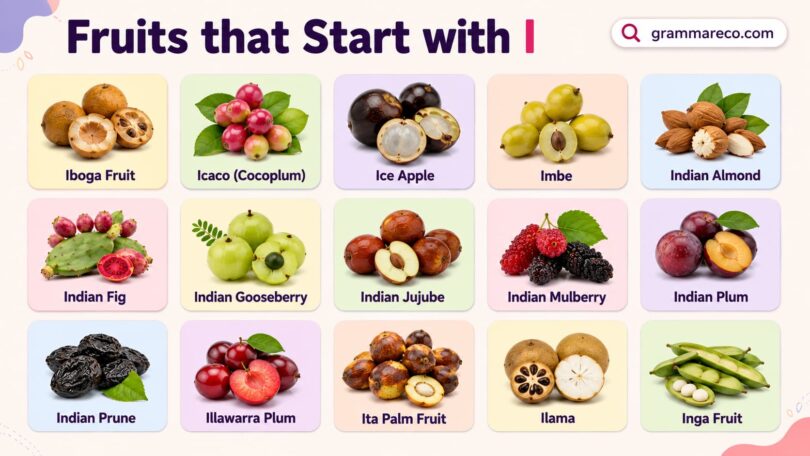
Fruits that start with i helps you recognize both familiar and uncommon fruit names that begin with the letter I. Some are tropical fruits found in warm climates, while others grow only in specific regions and may be new to many readers. By the end of this article, you’ll know fruits with i, recognize many of them with pictures, and understand their basic characteristics, flavors, and growing regions.
What Fruit That Starts with I?
Fruits that start with i are fruits whose English names begin with the letter I. They include tropical fruits, palm fruits, berries, and regional varieties from different parts of the world. Common examples include Ice Apple, Indian Gooseberry, Ilama, Icaco, Imbe, and Indian Jujube.
A List of Fruit Names That Begins with I
Many fruits beginning with I are native to tropical and subtropical regions, while a few grow in temperate climates. Some are widely cultivated, whereas others are found mainly in forests or local markets. Below is a comprehensive list of fruits that start with I.
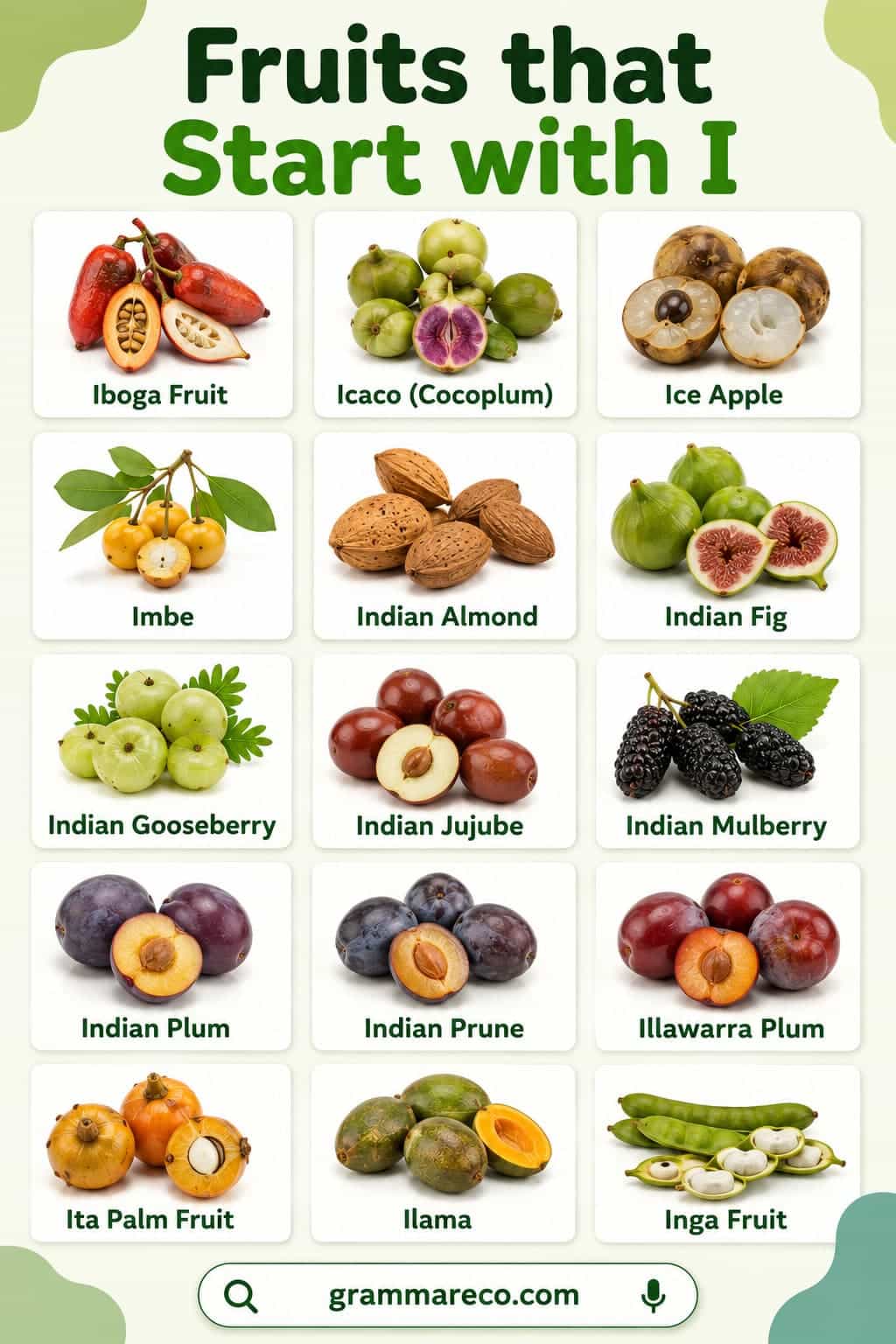
- Fruits That Start with I
- Iboga Fruit
- Icaco (Cocoplum)
- Ice Apple (Toddy Palm Fruit)
- Ice Cream Bean
- Imbe
- Indian Almond Fruit
- Indian Fig (Prickly Pear)
- Indian Gooseberry (Amla)
- Indian Jujube
- Indian Mulberry (Noni)
- Indian Plum
- Indian Prune
- Indian Sherbet Berry (Grewia asiatica)
- Illawarra Plum
- Ita Palm Fruit
- Ilama
- Inga Fruit
- Ivory Palm Fruit
- Island Apple
- Indian Bael Fruit
- Indian Peach
- Indian Blood Peach
- Indian Mango
- Indian Persimmon
- Indian Cherry
- Indian Olive
Fruits Beginning with I with Pictures and Definition
Many fruits beginning with I come from tropical forests, coastal regions, and warm climates. Looking at their pictures together with short definitions makes it easier to recognize each fruit and understand its main characteristics.
Iboga Fruit
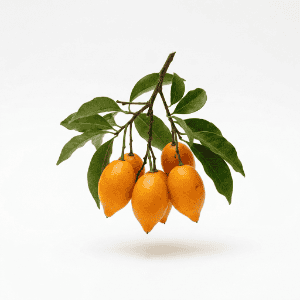
Iboga Fruit is a small orange fruit that grows on the iboga shrub in Central Africa. The fruit has soft, sweet pulp surrounding several seeds and is eaten by local wildlife. Although the fruit pulp is edible, the plant is best known for its cultural significance. It also contains small amounts of vitamins and natural plant compounds.
- Scientific Name: Tabernanthe iboga
Indian Mulberry (Noni)
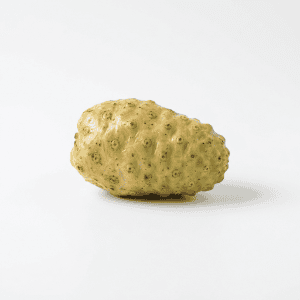
Indian Mulberry, also known as Noni, is a tropical fruit recognized by its bumpy white or yellow-green appearance. It has a strong smell and is commonly processed into juice rather than eaten fresh. Noni contains vitamin C, antioxidants, and several beneficial plant compounds.
- Scientific Name: Morinda citrifolia
Icaco (Cocoplum)
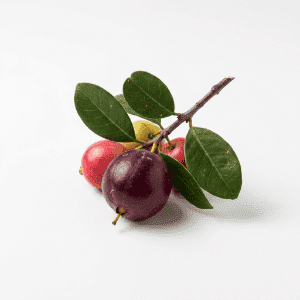
Icaco, also called Cocoplum, is a small tropical fruit with smooth skin that turns white, pink, purple, or dark blue when ripe. It has mildly sweet flesh and is often used in jams, jellies, and preserves. Cocoplum grows in coastal regions and provides fiber, vitamin C, and natural antioxidants.
- Scientific Name: Chrysobalanus icaco
Ice Apple (Toddy Palm Fruit)
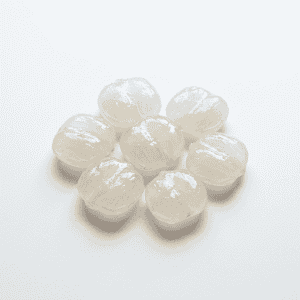
Ice Apple is a refreshing tropical fruit that comes from the Toddy Palm. It has a jelly-like texture with clear, juicy flesh that tastes mildly sweet. This fruit is especially popular during hot weather because of its cooling and hydrating qualities. Ice Apple also provides water, potassium, and natural sugars.
- Scientific Name: Borassus flabellifer
Imbe
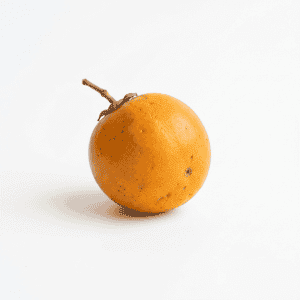
Imbe is a small tropical fruit native to Africa with bright orange skin and juicy flesh. It has a sweet and slightly tangy flavor that makes it enjoyable fresh. Imbe grows on evergreen trees and is valued for its refreshing taste, vitamin C, and natural antioxidants.
- Scientific Name: Garcinia livingstonei
Indian Almond Fruit
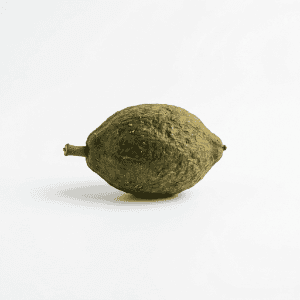
Indian Almond Fruit grows on the tropical Indian Almond tree and changes from green to yellow, red, and purple as it ripens. The thin flesh has a mild flavor, while the seed inside contains an edible nut. The fruit also provides fiber, vitamins, and beneficial plant nutrients.
- Scientific Name: Terminalia catappa
Indian Gooseberry (Amla)
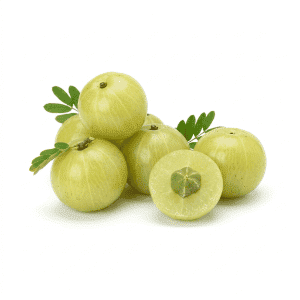
Indian Gooseberry, also called Amla, is a small green fruit with a strong sour taste. It is widely used fresh, dried, or in juices, pickles, and traditional recipes. Amla is one of the richest natural sources of vitamin C and also provides fiber and powerful antioxidants.
- Scientific Name: Phyllanthus emblica
Indian Jujube
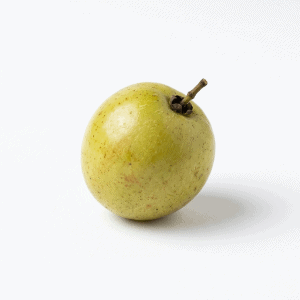
Indian Jujube is a small round fruit with smooth skin that becomes yellow or brown when ripe. Fresh fruits are crisp and mildly sweet, while fully ripe ones become softer and sweeter. Jujube provides vitamin C, fiber, and natural antioxidants for a healthy snack.
- Scientific Name: Ziziphus mauritiana
Indian Plum
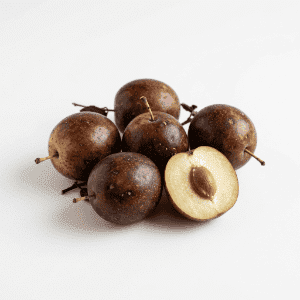
Indian Plum is a small fruit that grows on shrubs native to western North America. It changes from red to dark blue as it ripens and has a mild sweet flavor. The fruit is eaten fresh by people and wildlife and contains fiber, vitamins, and antioxidants.
- Scientific Name: Oemleria cerasiformis
Indian Prune
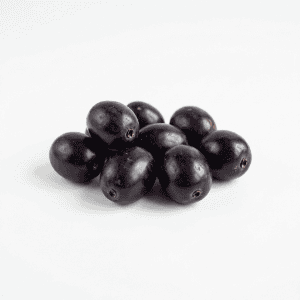
Indian Prune is another common name used for certain Indian jujube varieties. The fruit has smooth skin, crisp flesh, and a pleasant sweet flavor when ripe. It is commonly eaten fresh or dried and provides vitamin C, fiber, and natural fruit sugars.
- Scientific Name: Ziziphus mauritiana
Ice Cream Bean
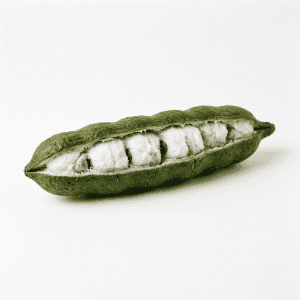
Ice Cream Bean is a long green pod filled with soft white pulp that has a naturally sweet flavor similar to vanilla ice cream. Native to Central and South America, it is usually eaten fresh from the pod. The fruit contains fiber, vitamin C, and natural carbohydrates.
- Scientific Name: Inga edulis
Indian Sherbet Berry (Grewia asiatica)
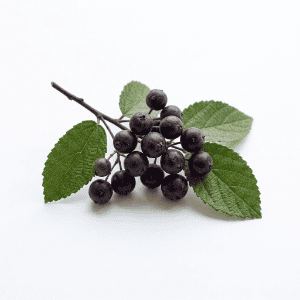
Indian Sherbet Berry is a small purple fruit known for its refreshing sweet and tangy flavor. It is widely used to prepare juices, sherbets, desserts, and traditional drinks. The fruit provides vitamin C, antioxidants, and fiber while offering excellent natural hydration.
- Scientific Name: Grewia asiatica
Illawarra Plum
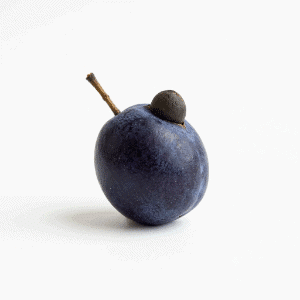
Illawarra Plum is a dark purple fruit native to the rainforests of eastern Australia. It has juicy flesh with a pleasant tart flavor and is commonly used in jams, sauces, and desserts. The fruit also contains vitamin C, antioxidants, and beneficial plant nutrients.
- Scientific Name: Podocarpus elatus
Ita Palm Fruit
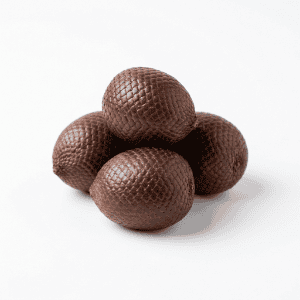
Ita Palm Fruit grows on a tropical palm native to South America. The fruit has firm yellow-orange flesh with a naturally sweet flavor that is enjoyed fresh or processed into drinks and desserts. Ita Palm Fruit also supplies fiber, vitamins, and natural energy.
- Scientific Name: Mauritia flexuosa
Ilama
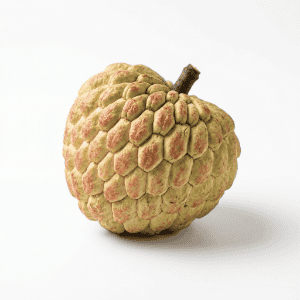
Ilama is a tropical fruit from Central America and belongs to the custard apple family. It has green or pink skin with soft white or pink flesh that tastes sweet and creamy. Ilama is commonly eaten fresh and provides vitamin C, fiber, and natural sugars.
- Scientific Name: Annona diversifolia
Indian Fig (Prickly Pear)
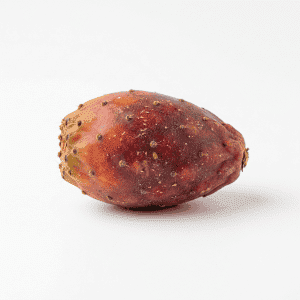
Indian Fig, commonly known as Prickly Pear, grows on cactus plants and produces colorful fruits with juicy, sweet flesh. The fruit may be green, red, yellow, or purple depending on the variety. Indian Fig is rich in vitamin C, fiber, antioxidants, and natural hydration.
- Scientific Name: Opuntia ficus-indica
Explore more: 21 Types of Pears
Inga Fruit
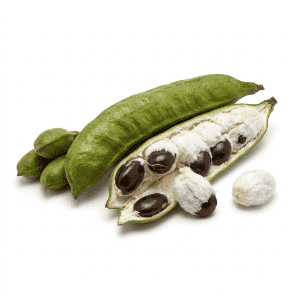
Inga Fruit grows inside long green pods filled with fluffy white pulp that has a sweet, cotton-like texture. Several Inga species produce edible fruits enjoyed fresh in tropical regions. The fruit provides natural carbohydrates, fiber, and vitamin C while offering a unique tropical flavor.
- Scientific Name: Inga spp.
Ivory Palm Fruit
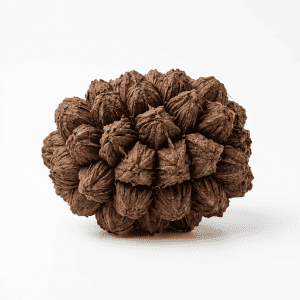
Ivory Palm Fruit develops on tropical palm trees known for producing hard vegetable ivory seeds. The young fruit contains soft edible flesh that is mildly sweet and refreshing. It grows in South America and provides natural water, fiber, and essential minerals.
- Scientific Name: Phytelephas aequatorialis
Island Apple
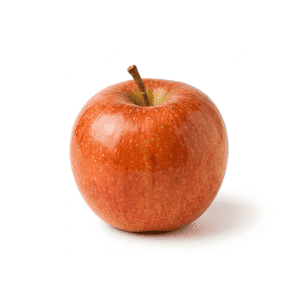
Island Apple is a tropical fruit name used in some Pacific regions for locally grown apple-like fruits. Depending on the variety, the fruit has crisp flesh with a mildly sweet flavor and is commonly eaten fresh. It also provides fiber, vitamin C, and natural antioxidants.
- Scientific Name: Syzygium malaccense (commonly associated)
Indian Cherry
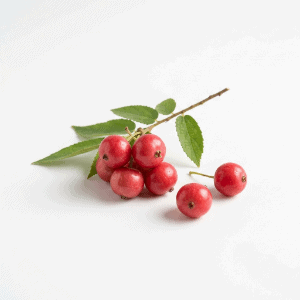
Indian Cherry is a small berry-like fruit that ripens to bright red and has a pleasantly sweet flavor. It grows on tropical trees and is enjoyed fresh in many regions. The fruit contains vitamin C, antioxidants, and dietary fiber for a nutritious seasonal snack.
- Scientific Name: Muntingia calabura
Indian Bael Fruit
Indian Bael Fruit has a hard woody shell and fragrant orange pulp with a naturally sweet taste. It is widely used in juices, desserts, and traditional recipes across South Asia. Bael is rich in fiber, vitamin C, and beneficial plant compounds.
- Scientific Name: Aegle marmelos
Indian Peach
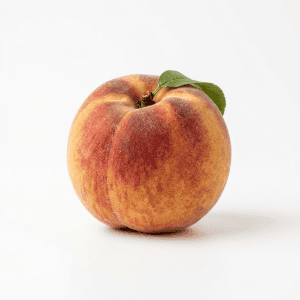
Indian Peach refers to peach varieties cultivated in India that produce juicy fruits with soft flesh and a pleasant sweet flavor. These peaches are enjoyed fresh, in fruit salads, desserts, and preserves. They naturally provide vitamin C, vitamin A, fiber, and antioxidants.
- Scientific Name: Prunus persica
Indian Blood Peach
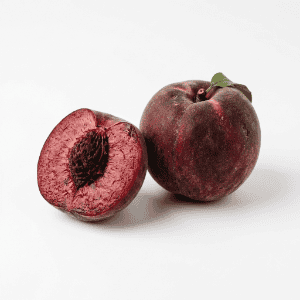
Peach variety recognized by its deep red flesh and rich sweet flavor. The colorful fruit is commonly eaten fresh or used in desserts, jams, and juices. It provides vitamin C, fiber, antioxidants, and natural fruit sugars.
- Scientific Name: Prunus persica
Indian Mango
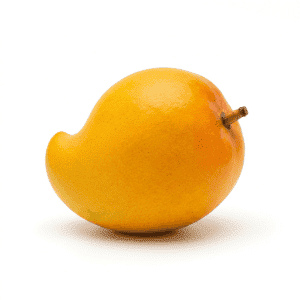
Indian Mango refers to the many mango varieties grown across India, famous for their rich sweetness, juicy flesh, and tropical aroma. Mangoes fruits are enjoyed fresh, blended into drinks, or used in desserts and savory dishes. These fruits are excellent sources of vitamin C, vitamin A, and fiber.
- Scientific Name: Mangifera indica
Indian Olive
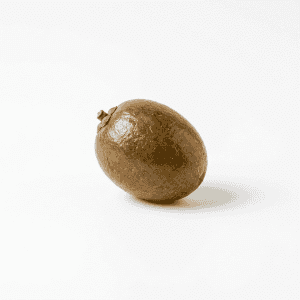
Indian Olive is a green fruit with crisp flesh and a pleasantly sour taste. Commonly eaten fresh, pickled, or added to chutneys and traditional dishes. The fruit provides vitamin C, fiber, and antioxidants while adding a refreshing flavor to many recipes.
- Scientific Name: Elaeocarpus serratus
Rare Fruits Begins with I with Information and Pictures
Several fruits beginning with I are uncommon outside their native regions. Learning about these rare fruits helps you recognize unique species from different parts of the world. Their pictures make identification much easier.
- Icaco: A coastal tropical fruit also called Cocoplum, producing white to purple fruits with soft, mildly sweet flesh and one large seed.
- Imbe: Native to southern Africa, Imbe has bright yellow skin and juicy sweet-tart flesh that is enjoyed fresh in local communities.
- Illawarra Plum: An Australian rainforest fruit with dark purple skin, firm flesh, and a pleasantly tart flavor often used in sauces and preserves.
- Inga Fruit: Better known as the Ice Cream Bean, this long green pod contains fluffy white pulp with a naturally sweet vanilla-like taste.
- Indian Mulberry: Also called Noni, this tropical fruit has creamy white flesh and a strong aroma. It is commonly processed into juice rather than eaten fresh.
- Indian Plum: A small purple fruit with juicy flesh and a sweet-tart flavor. Different regions use this name for several native fruit species.
- Indian Prune: A regional name for plum-like fruits with smooth skin and soft flesh. They are eaten fresh or dried in some areas.
Nutrition Facts of Fruits That Start with I
Different I fruits provide vitamins, minerals, fiber, and natural antioxidants. The table below highlights the key nutrients found in several popular fruits that start with I.
| Fruit | Key Nutrients | Main Benefit |
|---|---|---|
| Ice Apple | Potassium, Water | Helps maintain hydration |
| Indian Gooseberry (Amla) | Vitamin C, Fiber | Supports immune health |
| Indian Fig | Vitamin C, Magnesium | Provides antioxidants |
| Ilama | Vitamin C, Fiber | Supports digestion |
| Ice Cream Bean | Fiber, Carbohydrates | Provides natural energy |
| Icaco | Fiber, Vitamin C | Supports digestive health |
| Imbe | Vitamin C | Provides antioxidant nutrients |
| Indian Jujube | Vitamin C, Potassium | Supports normal body functions |
| Indian Mulberry | Vitamin C, Antioxidants | Contains beneficial plant compounds |
| Illawarra Plum | Antioxidants, Vitamin C | Helps protect body cells |
Quick Facts About Fruits Beginning with I
These quick facts provide an easy overview of fruits that start with I and highlight what makes them unique.
- Ice Apple grows on the palmyra palm and contains soft, jelly-like flesh.
- Indian Gooseberry is one of the best-known natural sources of vitamin C.
- Ilama belongs to the custard apple family.
- Ice Cream Bean gets its name from its sweet vanilla-like pulp.
- Icaco is also commonly called Cocoplum.
- Imbe is native to southern Africa.
- Indian Fig grows on cactus plants instead of trees.
- Illawarra Plum is native to Australian rainforests.
- Indian Sherbet Berry is widely known as Phalsa.
- Inga Fruit and Ice Cream Bean are different names for the same fruit.
FAQs About Fruits That Start with I
The most common Fruits That Start with I include Ice Apple, Indian Gooseberry (Amla), Indian Fig, Indian Jujube, Ilama, Ice Cream Bean, and Icaco. These fruits grow in different climates and are enjoyed fresh or in traditional recipes.
Ice Cream Bean, Ilama, and Ice Apple are among the sweetest fruits beginning with I. Their naturally sweet flesh makes them popular in tropical regions.
Yes. Rare fruits beginning with I include Iboga Fruit, Imbe, Illawarra Plum, Icaco, Indian Prune, Indian Sherbet Berry, and Inga Fruit. Most are native to specific countries or tropical forests.
Yes. Indian Gooseberry and Amla are two names for the same fruit. It is well known for its tart flavor and naturally high vitamin C content.
Yes. Ice Cream Bean is a real tropical fruit produced by trees in the Inga genus. Its fluffy white pulp has a naturally sweet flavor that resembles vanilla ice cream.
Takeaway
Fruits That Start with I include refreshing palm fruits, tropical favorites, cactus fruits, rainforest species, and several uncommon regional varieties. Learning their names, appearance, properties, and nutrition makes it easier to recognize them in grocery stores, gardens, books, and educational resources. Pictures also help distinguish fruits with similar shapes or colors.
Read more