
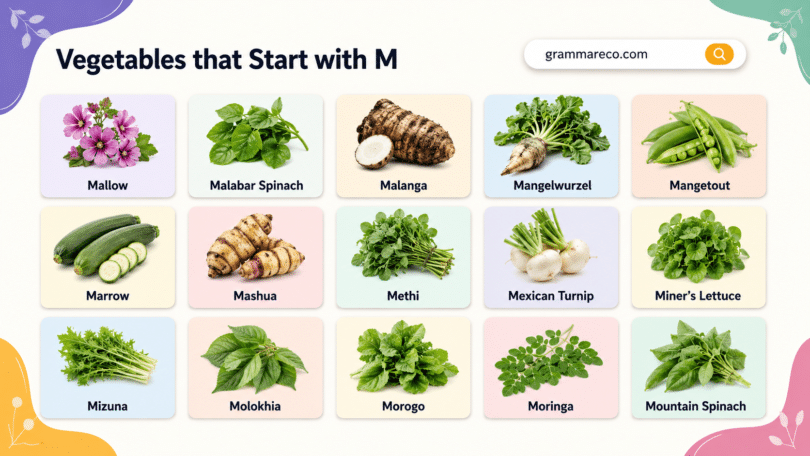
Vegetables that start with M include leafy greens, roots, beans, gourds, onions, and several edible fungi. Many come from different cuisines and growing regions, so their shapes, flavors, and cooking methods can vary widely. Some are tender enough for salads, while others need roasting, boiling, or sautéing before eating. Knowing these M vegetable names makes produce terms easier to understand when reading recipes, shopping for ingredients, or learning food names.
What Vegetables that Start with M?
Vegetables beginning with M cover several food groups, from leafy greens and roots to beans and gourds. Some names describe specific varieties, while others refer to broader produce types. A few items commonly appear in vegetable lists even though they are botanically fruits or fungi. Understanding those differences helps readers classify M vegetables more accurately.
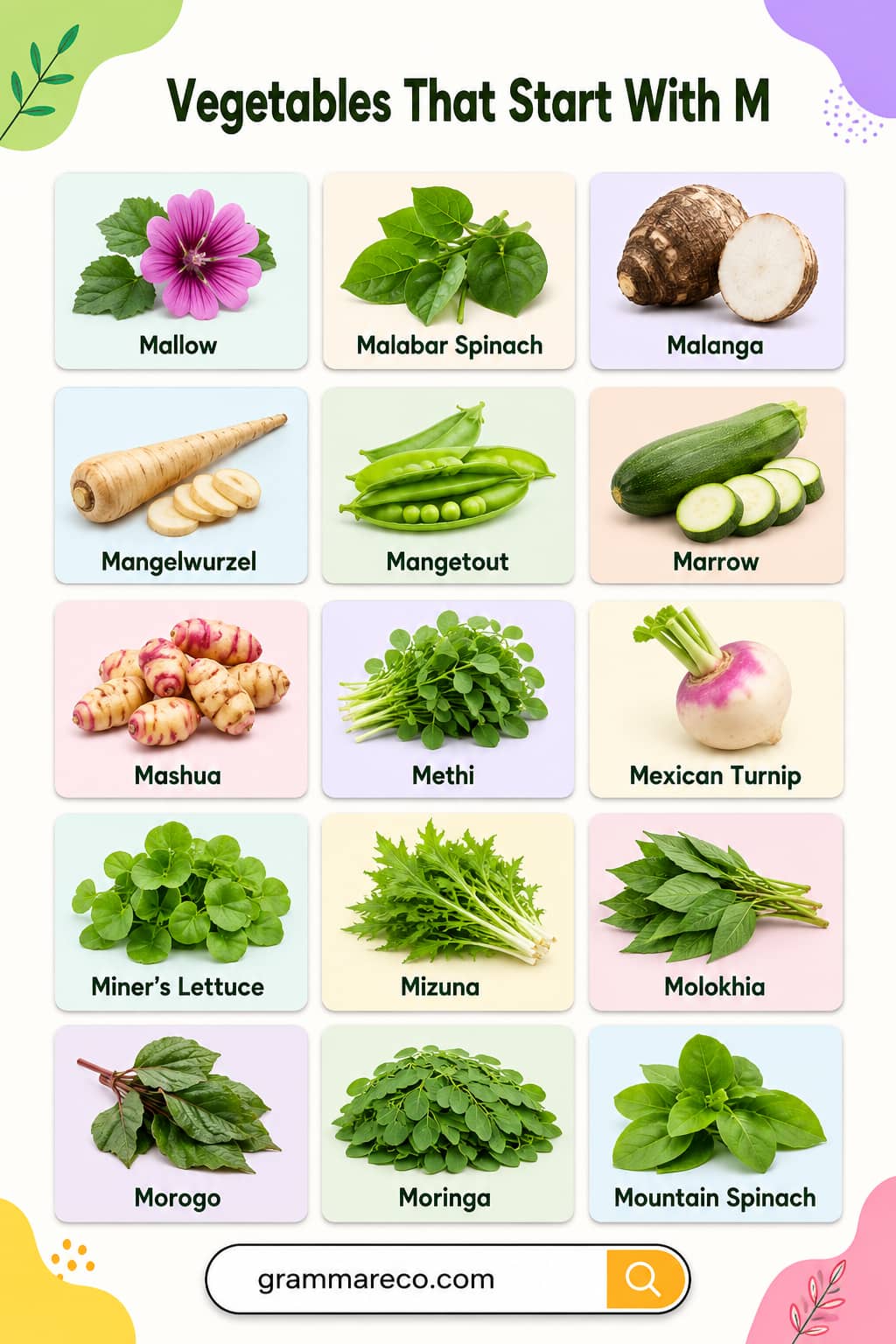
List of Vegetables that Start with M
Vegetables that start with an M names below include commonly recognized produce and regional foods. The list focuses on edible plant parts and familiar culinary categories, while noting items that need special classification.
- Mallow
- Malabar Spinach
- Malanga
- Mangelwurzel
- Mangetout
- Marrow
- Mashua
- Methi
- Mexican Turnip
- Miner’s Lettuce
- Mizuna
- Molokhia
- Morogo
- Moringa
- Mountain Spinach
- Moth Bean
- Mozuku
- Mung Bean
- Mushroom
- Murnong
- Marsh Samphire
- Mexican Spinach
Vegetables that Start with M with Pictures
Mallow
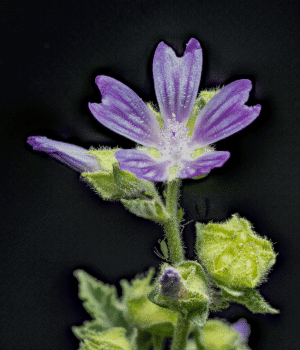
Mallow is a leafy vegetable from plants in the mallow family, with soft green leaves and tender stems. Its leaves are commonly cooked as greens, especially in Mediterranean, Middle Eastern, and African cuisines. Young leaves have a mild, slightly earthy flavor and can be added to soups, stews, or sautés. When cooked, mallow develops a pleasantly soft texture, while its mucilaginous quality can naturally thicken dishes.
Malabar Spinach
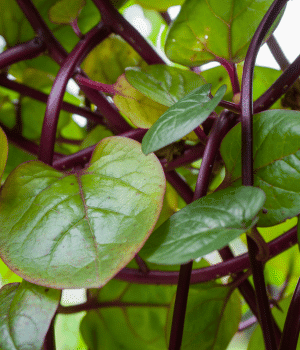
Malabar spinach is a tropical leafy vegetable grown for its thick, succulent leaves and tender climbing stems. Despite its name, it is not a true spinach. The leaves have a mild, fresh flavor and become pleasantly soft when cooked. They are often added to curries, soups, stir-fries, and stews. Both red-stemmed and green-stemmed types are cultivated, and young leaves can also be eaten raw.
Malanga
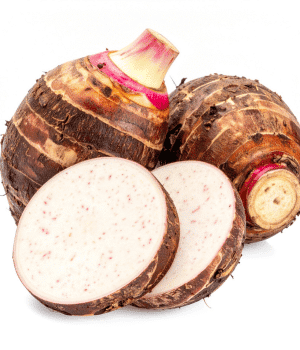
Malanga is a tropical root vegetable produced by plants in the taro family. Its rough, brown exterior protects firm, starchy flesh that becomes soft after cooking. The root is commonly boiled, mashed, fried, or added to soups and stews. Malanga has a mild, nutty flavor and a texture similar to potatoes when prepared properly. It is widely used in Caribbean, Latin American, and African cooking.
Mangelwurzel
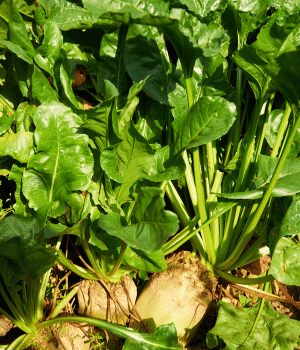
Mangelwurzel is a large root vegetable traditionally grown as livestock feed, although young roots and tender leaves can also be eaten by people. It belongs to the beet family and develops elongated or rounded roots in shades ranging from white to yellow and red. The roots have a dense texture and earthy sweetness. They may be boiled, roasted, or incorporated into hearty vegetable dishes.
Mangetout
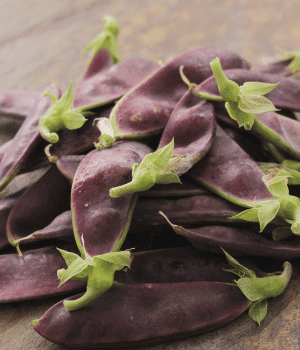
Mangetout is a type of edible-pod pea whose young pods are eaten whole. The French name means “eat all,” referring to the tender pod and developing peas inside. Mangetout peas have a crisp texture and mild, sweet flavor when harvested young. They are commonly stir-fried, steamed, sautéed, or added to salads. Unlike mature shelling peas, the entire immature pod is normally consumed.
Marrow
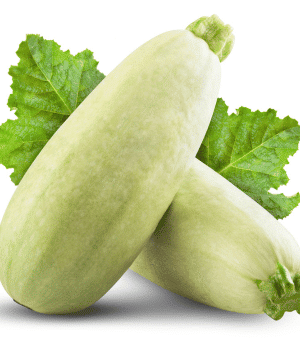
Marrow is a large summer squash harvested after its fruit has grown beyond the size normally preferred for zucchini. It has a thick, pale green or striped skin and soft, mild flesh containing noticeable seeds. Marrow is often baked, stuffed, roasted, stewed, or used in casseroles. Its gentle flavor pairs well with herbs, cheese, tomatoes, and savory fillings, making it useful in many cooked dishes.
Mashua
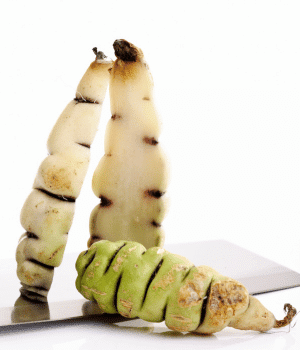
Mashua is an Andean tuber traditionally cultivated in the highlands of South America. The underground tubers vary in shape and can develop yellow, white, orange, or dark-colored skins. They have a distinctive peppery flavor when raw, while cooking produces a softer and milder taste. Mashua can be boiled, roasted, steamed, or added to soups. It remains an important traditional crop in Andean food cultures.
Methi
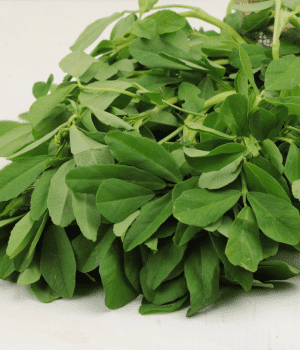
Methi is the common name for fenugreek leaves, a leafy green used widely in South Asian cooking. Fresh methi has small green leaves and a distinctive earthy, slightly bitter aroma. The leaves are commonly cooked with potatoes, lentils, breads, curries, and other vegetables. Dried methi, known as kasuri methi, is also used as a seasoning. Its strong flavor becomes more balanced during cooking.
Mexican Turnip
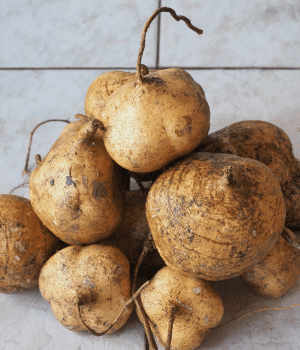
Mexican turnip, commonly known as jícama, is a crisp root vegetable native to Mexico and widely eaten in fresh preparations. Its brown, papery skin surrounds white, juicy flesh with a mild sweetness. The root is often sliced into salads, slaws, snacks, and salsas or served with lime and chili. Jícama remains crunchy after cutting, which makes it especially useful in raw vegetable dishes.
Miner’s Lettuce
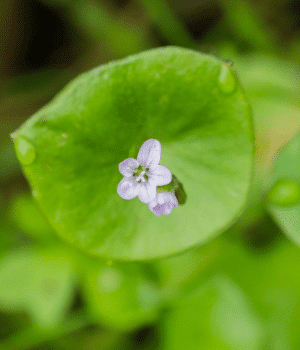
Miner’s lettuce is a tender leafy green native to western North America. It forms small, rounded leaves that may surround delicate white flowers on mature plants. The leaves have a mild, fresh flavor and can be eaten raw in salads or cooked like spinach. Historically, the plant was valued as a seasonal food by miners and others in western regions. Its soft leaves require gentle handling.
Mizuna
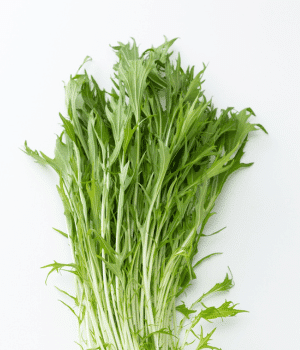
Mizuna is a Japanese mustard green recognized by its narrow, deeply divided leaves and delicate stems. It has a crisp texture and a mild peppery flavor that becomes softer when cooked. Young mizuna is frequently added to salads, while mature leaves work well in soups, stir-fries, noodles, and hot pots. The plant grows quickly and is valued as a versatile leafy vegetable in Japanese cuisine.
Molokhia
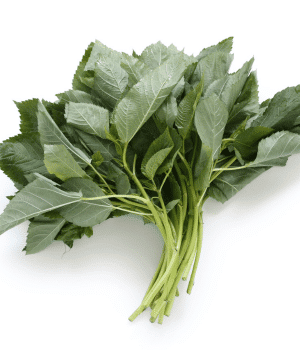
Molokhia is a leafy vegetable made from the leaves of jute plants, particularly common in Middle Eastern and North African cooking. The fresh leaves have a distinctive green color and develop a slightly slippery texture when cooked. They are traditionally chopped and prepared in soups, stews, and savory sauces. Molokhia has an earthy, herbal flavor, and dried leaves are also used in several regional dishes.
Morogo
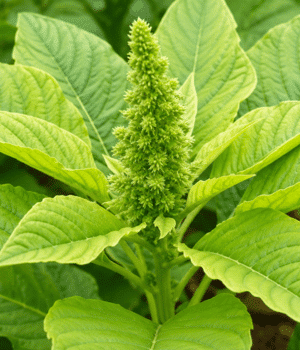
Morogo is a general Southern African term for edible leafy greens, often referring to indigenous plants cooked as vegetables. Different species may be used, including amaranth and other local greens. The leaves are commonly boiled, steamed, or cooked with onions, tomatoes, or ground ingredients. Morogo can have a mild, earthy, or slightly bitter taste depending on the plant used, season, and preparation method.
Moringa
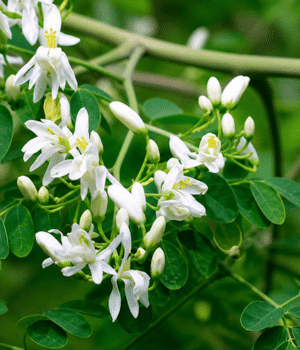
Moringa is a leafy vegetable obtained from the young leaves of the moringa tree, which is widely cultivated in tropical and subtropical regions. Its small green leaflets have a mild, slightly peppery taste and can be cooked like other greens. Moringa leaves are added to soups, curries, sauces, and vegetable dishes. Tender pods, called drumsticks, are also eaten, giving the plant several culinary uses.
Moth Bean
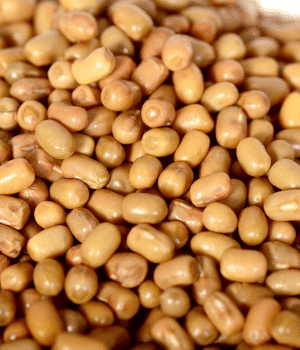
Moth bean is a small legume cultivated extensively in dry regions of South Asia. Its tiny beans are usually tan, brown, or mottled and have a mild, earthy flavor after cooking. The beans are commonly boiled, sprouted, added to curries, or prepared in dals and savory snacks. Young moth bean plants can also be consumed as greens, while the mature seeds provide a useful pulse crop.
Mozuku
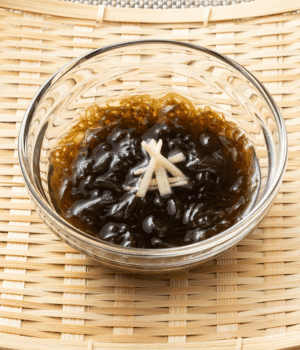
Mozuku is a type of edible brown seaweed traditionally harvested in waters around Japan. Although it is not a land-grown vegetable, it is commonly grouped with vegetables in Japanese food contexts. The strands have a slippery, delicate texture and mild ocean flavor. Mozuku is often served with vinegar, added to soups, or included in salads. Fresh and preserved forms are both used in Japanese cuisine.
Mung Bean
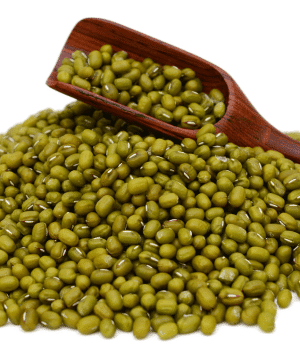
Mung bean is a small green legume widely used as a vegetable, pulse, and sprouting crop. Its beans have a mild, slightly nutty flavor and cook relatively quickly compared with many other dried legumes. Mung beans are prepared in curries, dals, soups, porridges, and savory dishes. Their sprouts are also eaten raw or cooked, adding a crisp texture to salads and stir-fries.
Mushroom
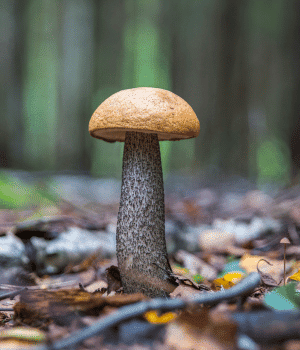
Mushroom is a broad term for edible fungi that are commonly prepared as vegetables in everyday cooking. Culinary mushrooms vary greatly in shape, color, texture, and flavor, from delicate button mushrooms to meaty shiitake and oyster varieties. They can be sautéed, roasted, grilled, stuffed, or added to soups and sauces. Because many wild mushrooms are unsafe to eat, only correctly identified edible species should be consumed.
Murnong
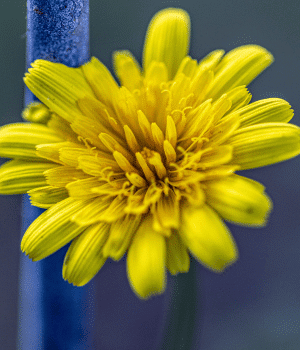
Murnong is an Australian native root vegetable traditionally cultivated and eaten by Aboriginal peoples. It is associated particularly with the yam daisy, whose edible underground roots have a naturally sweet flavor. The small roots can be eaten fresh or cooked, while the plant produces attractive yellow flowers above ground. Murnong was historically an important food plant, although cultivation and harvesting practices varied among Aboriginal communities.
Marsh Samphire
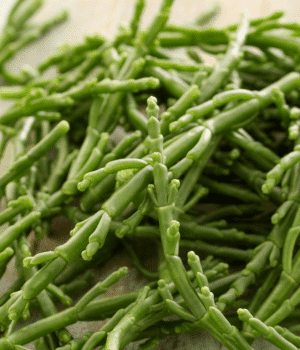
Marsh samphire is a salt-tolerant succulent plant that grows naturally in coastal marshes and estuaries. Its slender green stems have a crisp texture and a naturally salty, slightly mineral flavor. Young shoots are commonly harvested as a seasonal vegetable and served steamed, boiled, or sautéed. Marsh samphire is also known as glasswort or sea asparagus in some regions, although naming varies between species and locations.
Mexican Spinach
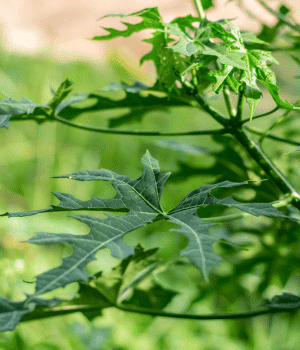
Mexican spinach is a leafy green commonly associated with the plant known as chaya or tree spinach. It produces tender leaves that are valued in Mexican and Central American cooking. The leaves are typically cooked before eating and can be added to soups, stews, tamales, and other vegetable dishes. They have a mild, spinach-like taste, but proper cooking is important because raw leaves contain naturally occurring compounds that can be harmful.
Classification of Vegetables that Begins with M
Vegetables that start with M can be grouped according to the edible part or culinary category. Leafy greens provide edible leaves, roots grow underground, and legumes produce edible seeds. Squashes and onions have different plant structures, while mushrooms belong to fungi rather than plants. These categories make the M vegetable names easier to understand.
Leafy Vegetables Starting with M
Leafy Vegetables beginning with M are mainly valued for their tender leaves and fresh flavor. They can be eaten raw, steamed, sautéed, or added to cooked dishes. Below are several notable leafy greens and edible leaves beginning with M.
- Malabar Spinach: Malabar spinach has thick, soft leaves and succulent stems, making it useful in soups, stir-fries, curries, and salads. Its leaves become pleasantly tender when cooked, although it belongs to a different plant family than common spinach.
- Mizuna: Mizuna is a Japanese mustard green with narrow, jagged leaves and a mild, peppery flavor. Young leaves work well in salads, while mature greens can be sautéed or added to soups and noodle dishes.
- Moringa Leaves: Moringa leaves come from the moringa tree and have small leaflets with a mild, earthy taste. Fresh leaves can be cooked with vegetables, added to soups, or used in traditional dishes.
- Mustard Greens: Mustard greens have broad or frilly leaves with a sharp, peppery taste that becomes milder after cooking. They are often braised, sautéed, or added to soups, while young leaves can also be eaten raw.
Root Vegetables Beginning with M
Root vegetables beginning with M develop edible underground portions that range from large storage roots to smaller tubers. Their flavors vary from sweet and earthy to mildly spicy. The following names represent important root crops and root vegetables used in different food traditions.
- Mangelwurzel: Mangelwurzel is a large beetroot traditionally grown as livestock feed, although young roots can also be eaten by people. Its roots may have white, yellow, orange, or reddish skin and belong to the beet family.
- Mashua: Mashua is an Andean tuber with a slightly peppery flavor and an elongated shape similar to a small potato. It is traditionally grown in the highlands of South America and can be boiled, roasted, or added to stews.
- Mooli: Mooli is another name for daikon, a long white radish with crisp flesh and a mild, slightly spicy flavor. It can be eaten raw, pickled, steamed, or cooked in soups and Asian dishes.
Legume Vegetables Starts with M
Legume vegetables beginning with M include edible beans and pulses from plants in the legume family. Their seeds provide plant protein and work in soups, stews, curries, salads, and other cooked dishes. Some are harvested young, while others are mainly used as mature dried beans.
- Mung Beans: Mung beans are small green legumes with a mild flavor and firm texture when cooked. They can be eaten whole, split, or sprouted, with sprouts often used in salads, stir-fries, and noodle dishes.
- Moth Beans: Moth beans are small legumes with brown, tan, or mottled seeds and a mild, earthy flavor. They are commonly used in South Asian cooking and can be prepared in stews, soups, curries, and seasoned dishes.
Squash and Gourd Vegetables Beginning with M
Vegetables that start with M in the squash and gourd category include tender fruits that are commonly prepared as vegetables. Their flesh can be cooked in many ways, including roasting, sautéing, grilling, steaming, and stuffing. One item below, muskmelon, is botanically a fruit rather than a vegetable.
- Marrow: Marrow is a type of summer squash with mild flavor, pale flesh, and a soft edible interior. It can be sliced, stuffed, baked, steamed, or sautéed, with younger marrow generally being more tender.
- Mexican Squash: Mexican squash is a tender summer squash commonly used in Mexican and Southwestern cooking. It has mild flesh and can be grilled, sautéed, roasted, or cooked with tomatoes, onions, corn, and peppers.
- Muskmelon: Muskmelon is a sweet, fragrant melon usually eaten fresh. Although it is sometimes grouped with vegetables because it belongs to the cucumber family, Cucurbitaceae, it is botanically a fruit.
Mushroom Vegetables that Start with M
Mushrooms often appear in vegetable sections because cooks prepare them like vegetables. Botanically, however, mushrooms are fungi rather than plants. Maitake and morel are edible mushroom types, while mushroom is a broad culinary term covering many species.
- Maitake: Maitake is an edible mushroom that grows in clusters of overlapping, fan-shaped caps. It has a rich, earthy flavor and firm texture, making it suitable for sautéing, roasting, soups, and grain dishes.
- Morel: Morels are prized edible mushrooms with distinctive honeycomb-like caps and hollow interiors. Their nutty flavor works well in sauces, soups, pasta, and sautéed dishes. Wild morels should be correctly identified before eating.
- Mushroom: Mushroom is a broad term for many edible fungi with different shapes, sizes, colors, and flavors. Common culinary types include button, cremini, portobello, shiitake, oyster, and enoki mushrooms.
Onion and Bulb Vegetables that Start with M
Onion vegetables beginning with M include named onion varieties used for their bulbs and mild flavor. They can be sliced raw or cooked into many dishes. Their sweetness and sharpness can vary depending on the variety and growing conditions.
Maui Onion: Maui onion is a sweet onion variety associated with Maui, Hawaii, known for its mild flavor and low pungency. It works well in salads, sandwiches, salsas, burgers, and grilled dishes, and can also be gently caramelized.
FAQs About Vegetables that Start with M
Vegetables that start with M include Malabar spinach, mustard greens, mizuna, marrow, mooli, mung beans, moringa leaves, and mushrooms.
Malabar spinach, mizuna, moringa leaves, and mustard greens are leafy vegetables beginning with M and are commonly eaten cooked or raw.
Mooli, mashua, and mangelwurzel are root vegetables that start with M. They have different flavors, shapes, growing regions, and culinary uses.
Mizuna, mustard greens, Malabar spinach, mooli, and Maui onion can be used in salads, depending on preparation and personal taste.
Takeaway
Vegetables that start with M include leafy greens, roots, legumes, squash, onions, and culinary mushrooms. Some names need special classification because mushrooms are fungi and muskmelon is a fruit. For a strict botanical vegetable list, those two should be separated from plant vegetables.
Read more
- Vegetables that Start with L
- Vegetables that Start with K
- Vegetables that Start with J
- Vegetables that Start with N
- Vegetables that Start with O
- Vegetables that Start with P