

Fruit vegetables can be confusing because their botanical classification is different from how they are used in the kitchen. Botanically, tomatoes, peppers, cucumbers, squash, and eggplant are fruits because they develop from a flower and contain seeds. In cooking, however, they are commonly prepared and served as vegetables. This difference between botanical classification and culinary use is useful to understand when learning about plant parts, gardening, food science, and everyday food terms.
In this article, you’ll explore fruit vegetables names, their main groups, colors, and common cooking uses. You’ll also learn how botanical fruits differ from culinary vegetables, with clear examples to make the topic easy to understand.
What Are Fruit Vegetables?
Fruit vegetables are plant fruits commonly prepared as vegetables in meals. Botanically, they develop from a flower’s ovary and usually contain seeds, while cooks classify them by flavor and use.
The term commonly includes tomatoes, eggplants, peppers, cucumbers, squash, and several gourds. Some foods can fit more than one classification depending on the system being used.
Fruit Vegetables That We Eat as Vegetables
Fruit vegetables are botanically fruits because they develop from the flower of a plant and usually contain seeds, but they are commonly prepared and eaten as vegetables. Tomatoes, cucumbers, eggplants, peppers, zucchini, pumpkins, and squash are familiar fruit vegetable examples. These vegetables are often used in salads, soups, curries, stir-fries, sauces, and other savory dishes. Although their botanical classification is different, their mild, fresh, or savory flavors make them part of everyday vegetable dishes. Other examples include okra, bitter melon, chayote, and tomatillos, which are also fruits from a botanical perspective but are widely cooked and served as vegetables.
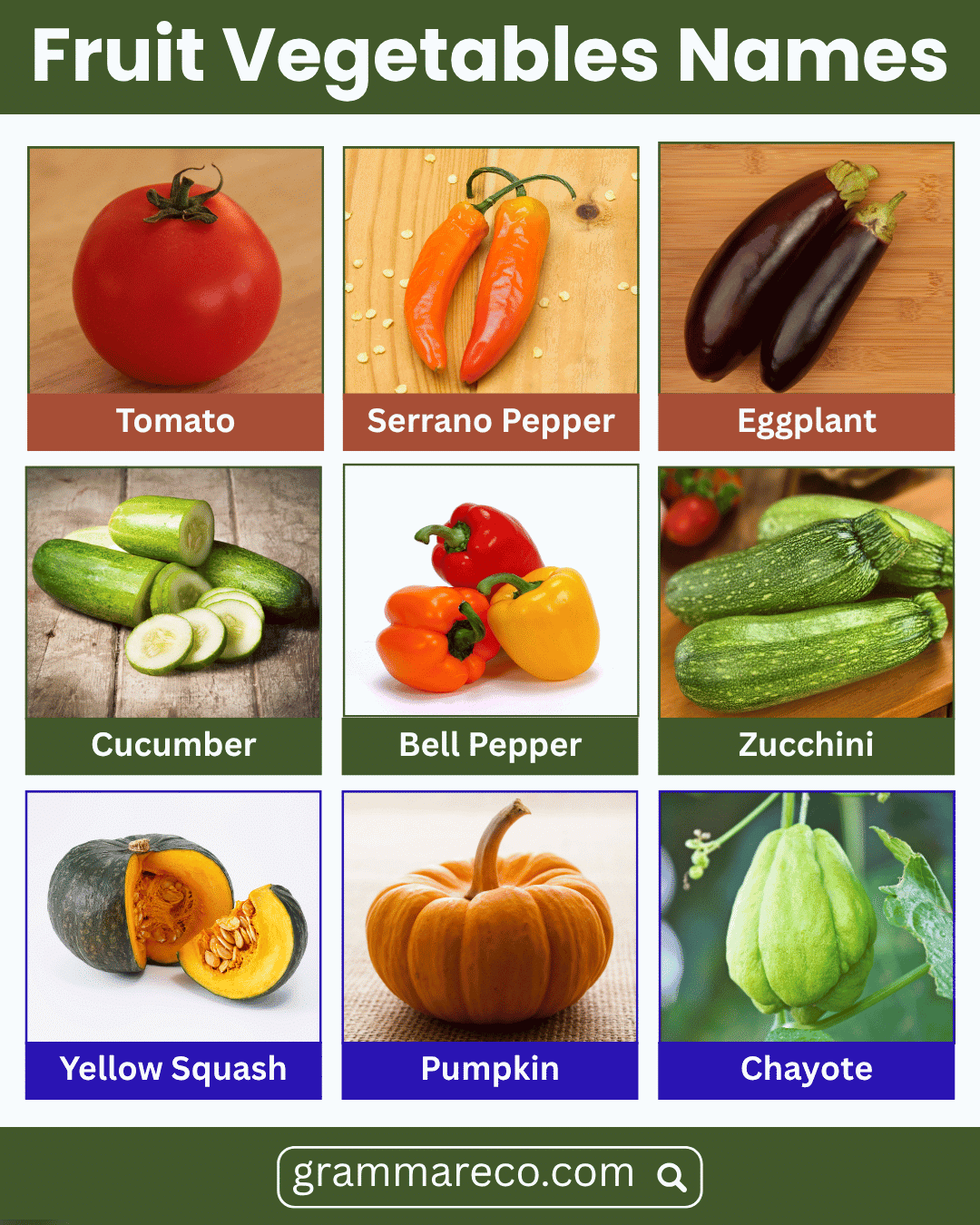
A List of Fruit Veggies with Names
Names of fruit vegetables include familiar garden crops and less common gourds. Knowing both common names and alternative names helps prevent confusion between related foods.
- Tomato
- Cherry Tomato
- Roma Tomato
- Heirloom Tomato
- Green Tomato
- Bell Pepper
- Jalapeño
- Serrano Pepper
- Anaheim Pepper
- Poblano Pepper
- Cayenne Pepper
- Habanero Pepper
- Chili Pepper
- Eggplant
- Japanese Eggplant
- Chinese Eggplant
- Thai Eggplant
- Cucumber
- English Cucumber
- Persian Cucumber
- Lemon Cucumber
- Zucchini
- Yellow Squash
- Patty Pan Squash
- Pumpkin
- Butternut Squash
- Acorn Squash
- Spaghetti Squash
- Delicata Squash
- Kabocha Squash
- Hubbard Squash
- Chayote
- Tomatillo
- Okra
- Bitter Melon
- Bottle Gourd
- Ridge Gourd
- Snake Gourd
- Ivy Gourd
- Pointed Gourd
- Sponge Gourd
- Wax Gourd
- Ash Gourd
Fruit Vegetables Images with Names and Properties
Fruit vegetables that are botanically fruits but are commonly prepared and eaten as vegetables. Their properties include appearance, flavor, edible parts, culinary uses, and typical growing characteristics.
Tomato
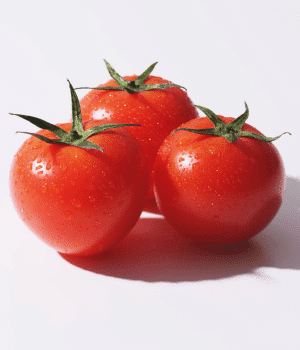
A tomato is considered a fruit botanically because it develops from the flower of a tomato plant and contains seeds. However, it is commonly classified as a vegetable in cooking because of its savory flavor and use in salads, soups, sauces, and other savory dishes. The difference comes from how botanists and cooks classify foods. Botanically, a tomato is a fruit, but in everyday cooking, it is treated as a vegetable.
Cucumber
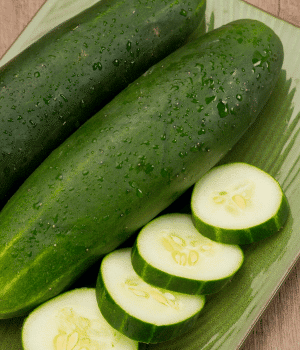
A cucumber is considered a fruit botanically because it develops from the flower of the cucumber plant and contains seeds. However, it is commonly classified as a vegetable in cooking because of its mild, refreshing taste and use in salads, sandwiches, and savory dishes. The difference depends on how the food is classified. Botanically, a cucumber is a fruit, but in everyday cooking, it is treated as a vegetable.
Eggplant
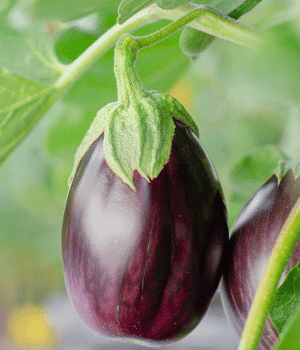
An eggplant is a fleshy botanical fruit that grows from the flower of an eggplant plant. It is generally used as a vegetable in cooking rather than eaten as a sweet fruit. Its mature fruit is cooked in curries, grilled dishes, stews, and baked recipes, while young fruits may also be eaten fresh.
Bell Pepper
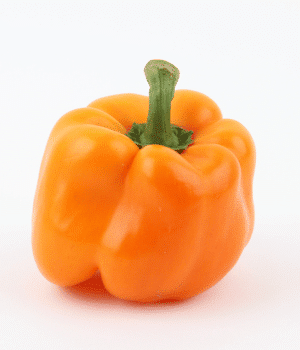
A bell pepper is the hollow fruit of a pepper plant and is botanically classified as a fruit. It is commonly used as a vegetable because of its savory flavor. Ripe peppers can be eaten fresh like other fruits, while green, red, yellow, and orange peppers are widely used in salads, stir-fries, and cooked dishes.
Chili Pepper
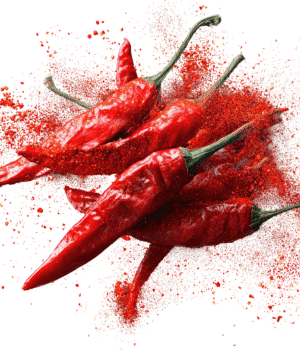
A chili pepper is the fruit of plants in the genus Capsicum. It is considered a fruit botanically but is commonly used as a vegetable, spice, or seasoning. Fresh chili fruits may be eaten with meals, while they are also cooked, dried, pickled, or added to sauces and savory recipes.
Zucchini
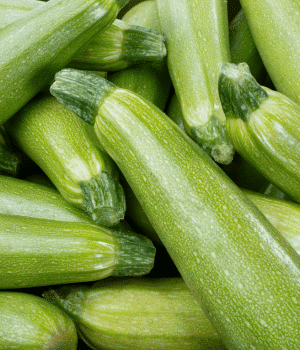
A zucchini is the immature fruit of a squash plant, harvested while its skin and flesh are still tender. Although it is a botanical fruit, zucchini is prepared as a vegetable in everyday cooking. The young fruit can be eaten fresh, while it is commonly grilled, sautéed, baked, or added to soups.
Pumpkin

A pumpkin is a large botanical fruit produced by plants in the squash family. It is commonly classified as a vegetable in culinary use because it is frequently prepared in savory dishes. The ripe flesh can be eaten as a fruit, while it is also roasted, cooked into soups, curries, pies, and breads.
Bitter Melon
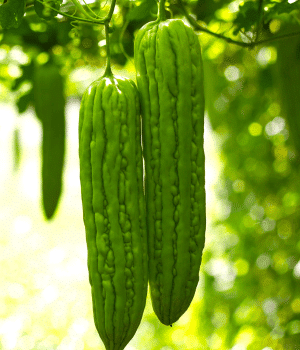
A bitter melon is the fruit of a tropical vine in the gourd family. Its strong bitterness makes it different from sweet fruits, so it is mainly prepared as a vegetable. Young bitter melon is sliced, stuffed, stir-fried, or added to curries, while ripe fruits may develop colorful seeds and softer flesh.
Okra
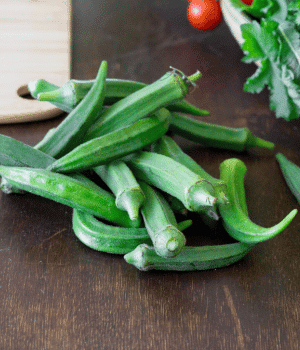
Okra is the elongated fruit of the okra plant, although it is commonly prepared and served as a vegetable. Its young green pods contain edible seeds and tender flesh. The fruit can be eaten fresh when immature, while it is more often fried, roasted, stewed, or added to soups and curries.
Chayote
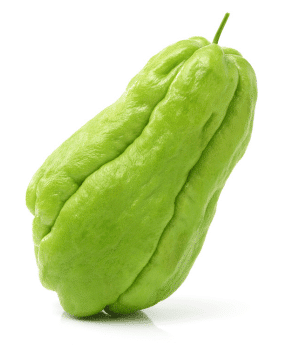
Chayote is a green, pear-shaped botanical fruit from a climbing gourd plant. It is usually eaten as a vegetable because its mild, crisp flesh suits savory recipes. Young chayote can be eaten raw, while the fruit is commonly boiled, steamed, sautéed, stuffed, or cooked in soups and stews.
Squash
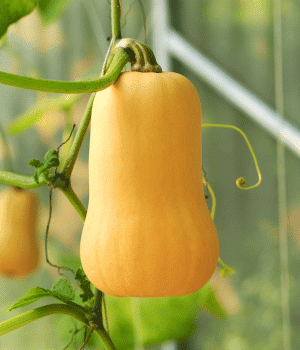
Squash refers to the edible fruits of several plants in the gourd family. Although these foods are botanical fruits, they are widely used as vegetables in cooking. Young summer squash may be eaten fresh or lightly cooked, while mature winter squash is commonly roasted, baked, steamed, or used in soups.
Bottle Gourd
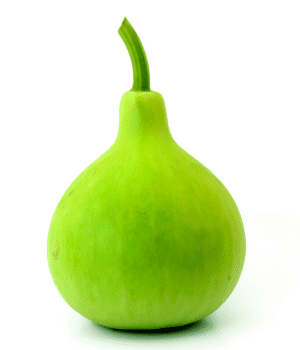
Bottle gourd is the elongated fruit of a gourd plant and is botanically a fruit. It is usually harvested young and cooked as a vegetable because of its mild flavor. Tender bottle gourd may be eaten raw in limited culinary uses, while it is commonly cooked in curries, soups, stews, and savory dishes.
Ridge Gourd
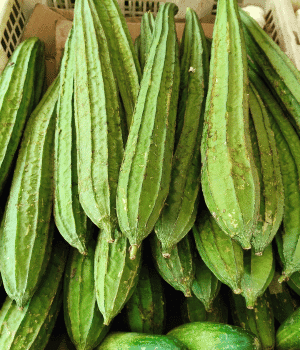
Ridge gourd is the immature fruit of a climbing gourd plant, recognized by its long shape and raised ridges. Botanically, it is a fruit but is commonly prepared as a vegetable. Young fruits have tender flesh and are usually peeled, sliced, and cooked in curries, soups, stews, and stir-fries.
Snake Gourd
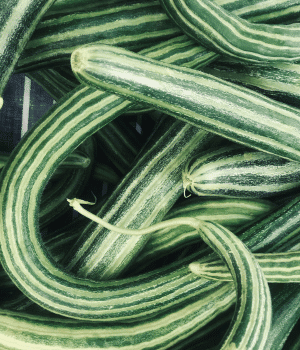
Snake gourd is a long, slender botanical fruit that develops on a tropical climbing vine. It is generally harvested while immature and cooked as a vegetable. Its tender flesh has a mild taste and can be eaten fresh in some dishes, while it is more commonly sliced and cooked in curries, soups, and stews.
Ivy Gourd
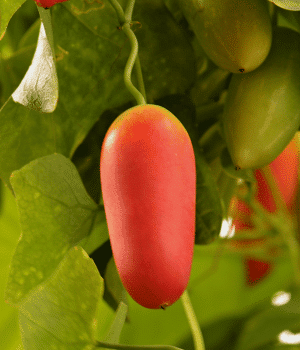
Ivy gourd is a small, oval botanical fruit produced by a tropical climbing vine. Immature green fruits are commonly used as vegetables because of their firm texture and mild taste. They may be eaten fresh in some preparations, but they are more often sliced, fried, sautéed, or cooked with spices and curries.
Ash Gourd
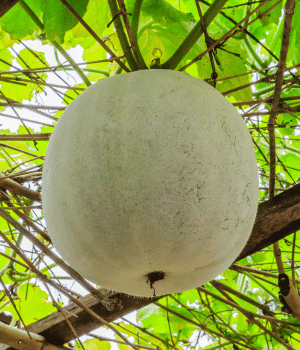
Ash gourd is a large botanical fruit with pale skin and firm, watery flesh. It is commonly treated as a vegetable in Asian cooking rather than eaten like a sweet fruit. Young and mature fruits are used in soups, curries, stews, and savory dishes, while the fruit is also made into preserves and sweets.
Nightshade Fruit Vegetables
Nightshade fruit vegetables belong mainly to the Solanaceae family. Their plant relationships connect tomatoes, peppers, eggplants, and several related crops.
- Tomato: A major nightshade crop grown for fresh eating, sauces, soups, and cooked meals.
- Cherry Tomato: A small tomato commonly eaten whole in salads, snacks, and cooked dishes.
- Bell Pepper: A mild pepper available in green, red, yellow, orange, and other colors.
- Chili Pepper: A broad group containing peppers with different heat levels and shapes.
- Jalapeño: A medium sized green or red pepper commonly used in salsa and cooked dishes.
- Serrano Pepper: A small, slender chili often used fresh in salsa and sauces.
- Poblano Pepper: A large mild chili commonly roasted, stuffed, or used in Mexican American cooking.
- Eggplant: A nightshade with soft flesh that absorbs flavors during cooking.
- Tomatillo: A small green nightshade fruit commonly used in green sauces and salsa.
Cucurbit Fruit Vegetables
Cucurbit fruit vegetables belong mainly to the Cucurbitaceae family. This plant family includes cucumbers, melons, squash, pumpkins, gourds, and several related crops.
- Cucumber: A crisp cucurbit commonly eaten raw, pickled, or lightly cooked.
- Zucchini: A summer squash with tender flesh and mild flavor.
- Yellow Squash: A yellow summer squash often cooked as a side dish.
- Pumpkin: A winter squash with firm flesh and edible seeds.
- Butternut Squash: A sweet orange fleshed squash often roasted or pureed.
- Acorn Squash: A ridged winter squash commonly baked or roasted.
- Spaghetti Squash: A winter squash whose cooked flesh separates into strands.
- Delicata Squash: A small winter squash with edible skin when properly cooked.
- Kabocha Squash: A dense Japanese winter squash with sweet orange flesh.
- Chayote: A mild green fruit used in many cooked vegetable dishes.
- Bitter Melon: A ridged gourd known for its intense bitter flavor.
- Bottle Gourd: A mild gourd used in soups and cooked dishes.
- Ridge Gourd: A ridged gourd with soft flesh after cooking.
- Snake Gourd: A long, narrow gourd used in soups and cooked recipes.
- Wax Gourd: A large gourd with pale flesh often used in soups and stews.
- Ivy Gourd: A small green cucurbit commonly cooked with spices.
Green Fruit Vegetables
Green fruit vegetables range from crisp cucumbers to tender summer squash. Some remain green when mature, while others are harvested young for their tender texture.
- Green Tomato
- Green Bell Pepper
- Jalapeño
- Serrano Pepper
- Poblano Pepper
- Cucumber
- English Cucumber
- Persian Cucumber
- Zucchini
- Chayote
- Tomatillo
- Okra
- Bitter Melon
- Bottle Gourd
- Ridge Gourd
- Snake Gourd
- Ivy Gourd
- Pointed Gourd
- Green Beans
- Snap Peas
- Snow Peas
Red Fruit Vegetables
Red fruit vegetables commonly include mature tomatoes and several ripe pepper varieties. Their red color usually develops as the fruit matures.
- Red Tomato
- Cherry Tomato
- Roma Tomato
- Red Bell Pepper
- Red Chili Pepper
- Red Jalapeño
- Red Habanero
- Red Cayenne Pepper
- Red Banana Pepper
- Red Fresno Pepper
- Red Poblano Pepper
Yellow Fruit Vegetables
Yellow fruit vegetables include both naturally yellow crops and varieties that develop yellow color during maturity. Squash, peppers, and tomatoes provide several familiar choices.
- Yellow Tomato
- Yellow Cherry Tomato
- Yellow Bell Pepper
- Yellow Wax Pepper
- Yellow Chili Pepper
- Yellow Squash
- Yellow Zucchini
- Yellow Pumpkin
- Yellow Cucumber
- Golden Zucchini
Purple Fruit Vegetables
Purple fruit vegetables are less common than green or red varieties, but several familiar garden crops have purple forms. Eggplant is the best-known example.
- Purple Eggplant
- Japanese Eggplant
- Purple Bell Pepper
- Purple Tomato
- Purple Cherry Tomato
- Purple Tomatillo
- Purple Okra
- Purple Chili Pepper
- Purple Zucchini
Fruit Vegetables Botanical vs. Culinary Differences
Botanical classification focuses on plant structure, while culinary classification focuses on food preparation and common kitchen use. The same food can therefore have two different descriptions.
| Botanical classification | Culinary classification |
|---|---|
| Tomato is a botanical fruit | Tomato is commonly treated as a vegetable |
| Cucumber is a botanical fruit | Cucumber is commonly treated as a vegetable |
| Eggplant is a botanical fruit | Eggplant is commonly treated as a vegetable |
| Bell pepper is a botanical fruit | Bell pepper is commonly treated as a vegetable |
| Zucchini is a botanical fruit | Zucchini is commonly treated as a vegetable |
| Pumpkin is a botanical fruit | Pumpkin is commonly treated as a vegetable |
| Okra is a botanical fruit | Okra is commonly cooked as a vegetable |
| Tomatillo is a botanical fruit | Tomatillo is commonly used in savory dishes |
| Green bean pod is a botanical fruit | Green beans are commonly served as vegetables |
| Snap pea pod is a botanical fruit | Snap peas are commonly served as vegetables |
| Snow pea pod is a botanical fruit | Snow peas are commonly served as vegetables |
Fruit Vegetables Commonly Used in Cooking
Fruit vegetables appear in many cooking methods, including roasting, grilling, sautéing, baking, steaming, and simmering. Their texture and flavor often determine the best preparation.
| Fruit vegetable | Uses in cooking |
|---|---|
| Tomato | Sauces, soups, salads, sandwiches, salsa |
| Bell Pepper | Stir fries, fajitas, stuffed peppers, salads |
| Chili Pepper | Salsa, hot sauce, soups, stews, seasoning |
| Eggplant | Roasting, grilling, frying, casseroles, stews |
| Cucumber | Salads, pickles, sandwiches, chilled soups |
| Zucchini | Grilling, roasting, sautéing, baking, pasta dishes |
| Yellow Squash | Sautéing, roasting, casseroles, side dishes |
| Pumpkin | Soups, pies, breads, roasted dishes, purees |
| Butternut Squash | Soups, roasting, mashing, casseroles |
| Acorn Squash | Baking, roasting, stuffing, side dishes |
| Spaghetti Squash | Roasting and serving with sauces |
| Chayote | Soups, stews, stir fries, sautéed dishes |
| Okra | Gumbo, frying, stews, soups, sautéed dishes |
| Tomatillo | Salsa verde, sauces, soups, stews |
| Bitter Melon | Stir fries, soups, stuffed dishes |
| Bottle Gourd | Soups, stews, curries, cooked vegetable dishes |
| Ridge Gourd | Soups, stews, stir fries, seasoned dishes |
| Snake Gourd | Soups, stews, stir fries, cooked dishes |
| Ivy Gourd | Stir fries, curries, seasoned vegetable dishes |
| Green Beans | Roasting, steaming, sautéing, casseroles |
| Snap Peas | Stir fries, salads, steaming, quick sautéing |
| Snow Peas | Stir fries, salads, steaming, quick cooking |
FAQs About Fruit Vegetables
Yes. Many fruit vegetables are botanically fruits because they develop from flowers and contain seeds. Their culinary use makes them vegetables in everyday cooking.
Tomatoes, cucumbers, bell peppers, eggplants, zucchini, pumpkins, squash, and okra are botanically fruits because they develop from a flower and contain seeds. They are commonly called vegetables because they are mainly used in savory dishes.
A tomato is botanically a fruit, but cooks commonly treat it as a vegetable because it is mainly used in savory dishes.
Yes. Cucumbers are botanical fruits from the cucumber plant, but they are commonly prepared and served as vegetables.
Eggplant is botanically a fruit and commonly considered a vegetable in cooking. Its culinary classification comes from how people prepare it.
No. Tomatoes, peppers, and eggplants are nightshades, while cucumbers, squash, pumpkins, and gourds belong mainly to the cucurbit family.
Fruits develop from a flower and usually contain seeds, while vegetables are edible plant parts such as roots, stems, leaves, or bulbs. Tomatoes and cucumbers are botanically fruits but are commonly used as vegetables.
Olives are fruits because they develop from the flower of the olive tree and contain a pit. They are commonly used in salads, sauces, and savory dishes, so they are often treated as vegetables in everyday cooking.
Takeaway
Fruit vegetables can be understood through two different systems. Botanical classification looks at how a plant develops its fruit, while culinary classification considers how people prepare and eat it.
Tomatoes, peppers, eggplants, cucumbers, squash, pumpkins, gourds, and okra are useful examples. Learning both classifications makes the difference between a plant fruit and a kitchen vegetable much easier to understand.
Read more