
Bulb vegetables grow as enlarged underground storage structures or are closely related Allium crops grown for their edible bases. Bulb vegetables commonly have layered leaves packed around a short stem. Their flavors range from mild and sweet to sharp and pungent, depending on the plant and variety. Many are harvested mature for storage or young for fresh cooking.
Learning bulb vegetables names helps readers understand produce labels, recipes, gardening terms, and food descriptions. This article covers bulb vegetables, their names, cooking uses, growth, and differences from root vegetables.
What Are Bulb Vegetables?
Bulb vegetables are plants harvested mainly for their swollen bulb or bulb-like edible base. A true bulb consists of fleshy storage leaves around a short stem. Onions, garlic, and shallots are familiar bulb-forming vegetables. Some related Allium crops, such as leeks and green onions, are commonly grouped with bulb vegetables in cooking.
Bulb Vegetables List in English
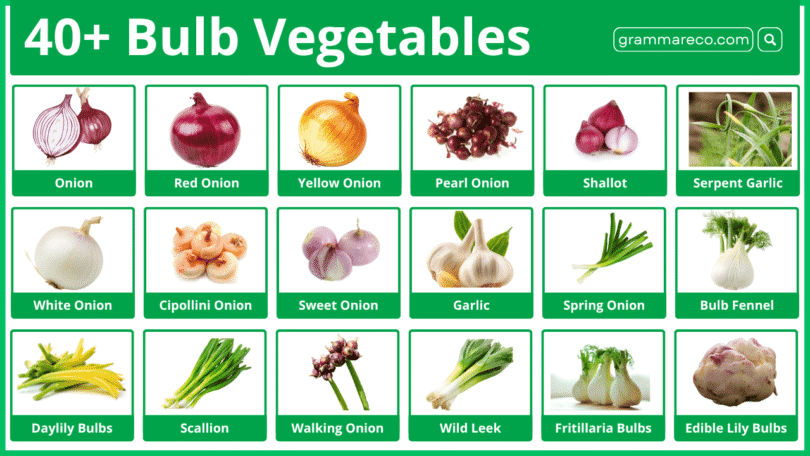
The term bulb vegetable can be used narrowly for true bulbs or more broadly for edible Allium crops. Below is a comprehensive English list covering common cultivated types, regional varieties, and closely related bulb vegetables.
- Onion
- Red Onion
- Yellow Onion
- White Onion
- Sweet Onion
- Pearl Onion
- Cipollini Onion
- Potato Onion
- Shallot
- Garlic
- Elephant Garlic
- Serpent Garlic
- Great-Headed Garlic
- Tree Onion
- Egyptian Walking Onion
- Welsh Onion
- Japanese Bunching Onion
- Spring Onion
- Scallion
- Wild Leek
- Kurrat
- Leek
- Bulb Fennel
- Florence Fennel
- Daylily Bulbs
- Fritillaria Bulbs
- Edible Lily Bulbs
Not every name above represents a separate species. Several are cultivars, forms, or regional names within closely related Allium crops. For instance, onions include many cultivated types, while garlic varieties are commonly grouped into hardneck and softneck forms.
Bulb Vegetables With Names and Pictures
Bulb vegetables have different shapes, colors, sizes, flavors, and culinary uses. The following names focus on edible bulb-forming vegetables and closely related Allium crops that commonly appear in food and gardening contexts.
Onion
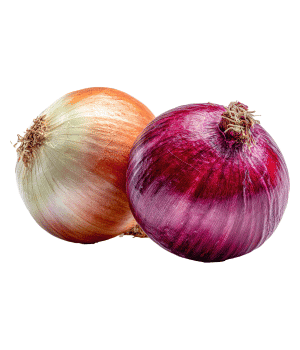
Onion is a bulb vegetable formed from layered, fleshy leaf bases beneath the soil. Bulbs may be yellow, white, red, or other colors depending on the variety. It is widely used raw, fried, roasted, pickled, or cooked in soups and sauces. Onion has been cultivated for thousands of years and became important in cuisines across Asia, Europe, Africa, and the Americas.
Red Onion
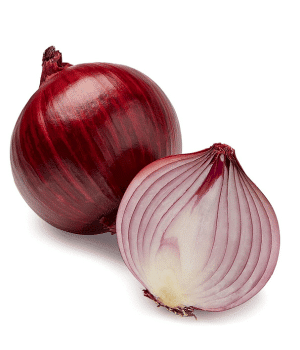
Red onion is a bulb vegetable recognized by its purple-red outer skin and reddish-white inner layers. It has a crisp texture and a sharper or slightly sweet flavor than some yellow onions. It is commonly eaten raw in salads, sandwiches, salsas, and pickles, while it can also be grilled or cooked. Red onions are especially valued in Mediterranean, Middle Eastern, South Asian, and Latin American cuisines.
Yellow Onion
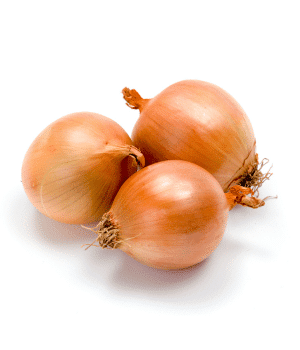
Yellow onion is a common bulb vegetable with golden-brown papery skin and creamy white layers. Its flavor becomes sweeter and more savory when cooked, making it a versatile kitchen ingredient. It is used in soups, curries, sauces, stews, roasted dishes, and fried foods. Yellow onions have long been cultivated across Europe and Asia and are now widely grown and consumed in temperate farming regions worldwide.
Sweet Onion
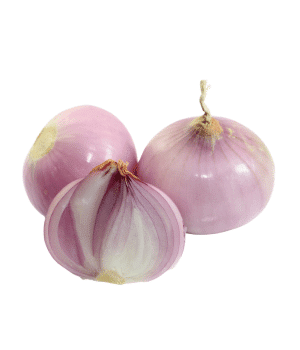
Sweet onion is a bulb vegetable bred for a milder flavor and relatively high natural sugar content. Its bulbs can have yellow, white, or pale golden skins depending on the cultivar. Sweet onions are often eaten raw in salads and sandwiches or gently cooked to preserve their mild taste. Varieties such as Vidalia, Walla Walla, and Maui onions have developed strong regional identities in the United States.
Serpent Garlic
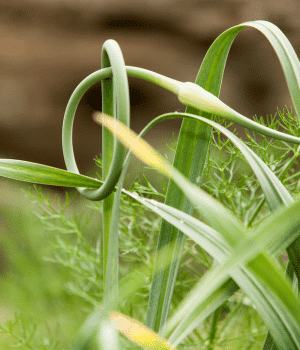
Serpent garlic is a name used for certain garlic types associated with strongly curved or twisting flower stalks, often called scapes. The underground bulb is divided into cloves and covered by papery layers, with white to purple coloration depending on the type. It is used like other garlic, while the young scapes may also be cooked. The name is most often encountered in traditional or specialty gardening contexts.
Cipollini Onion
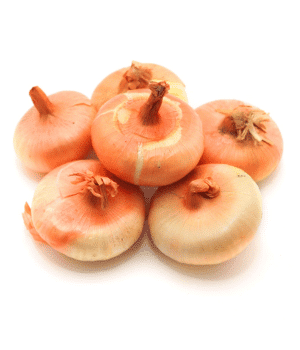
Cipollini onion is a small, flattened Italian bulb onion with a distinctive disc-like shape. Its skin may appear yellow, white, or reddish-brown, while the flesh is pale and mildly sweet. Cipollini onions are commonly roasted, braised, grilled, or caramelized because their natural sweetness intensifies during cooking. They are strongly associated with Italian cuisine and are also used in Mediterranean-style dishes elsewhere.
Potato Onion
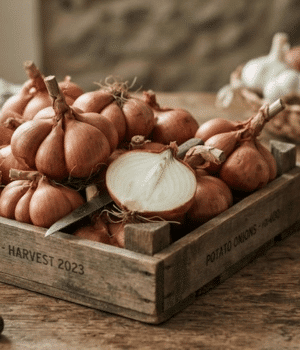
Potato onion is a multiplying bulb onion that produces clusters of small bulbs beneath the soil. The bulbs usually have yellow, brown, or reddish papery skins and a firm, onion-like interior. It is used similarly to common onions in soups, stews, sauces, and frying. Potato onions have been maintained as traditional garden crops, particularly in parts of Europe and North America where perennial or multiplying onions are valued.
Daylily Bulbs
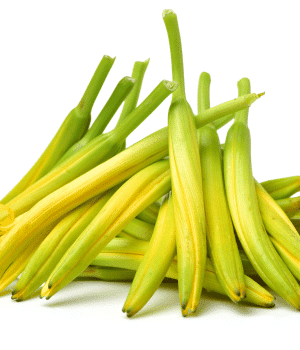
Daylily bulbs are edible underground structures produced by species of Hemerocallis. The bulbs and young shoots are used as food in parts of East Asia, especially in traditional Chinese cooking. Depending on the species, the underground portions can vary in size and appearance. Daylilies have a long history in Chinese horticulture and food culture, although edible use should be limited to correctly identified species.
Fritillaria Bulbs
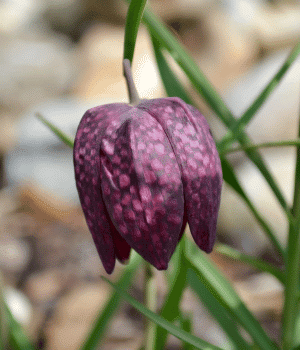
Fritillaria bulbs are underground storage organs produced by species of Fritillaria, a genus of flowering plants in the lily family. They are not a conventional culinary vegetable, but some species have long-standing medicinal use in East Asian traditions. The bulbs are typically small and layered, with color varying by species. Fritillaria is particularly associated with Chinese traditional medicine, where selected bulbs are processed before use.
Tree Onion
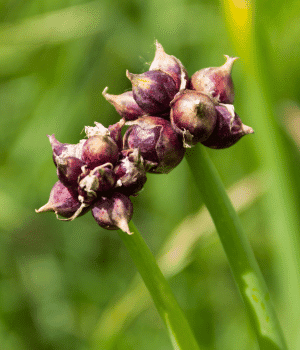
Tree onion is a perennial multiplying onion that produces small bulbils on its flowering stalk instead of relying only on underground seed production. It is also known by names such as Egyptian tree onion and walking onion in different contexts. The underground bulbs and aerial bulbils can both be eaten. It has a strong traditional role in home gardens, particularly in Europe, North America, and parts of Asia.
Egyptian Walking Onion
Egyptian walking onion is a perennial bulb-forming onion that produces clusters of small aerial bulbils near the top of its stalks. When the stalk bends toward the ground, these bulbils can root and establish new plants, giving the onion its “walking” name. Its underground bulbs and young leaves are edible. It has been maintained as a hardy garden crop in Europe and North America.
Welsh Onion
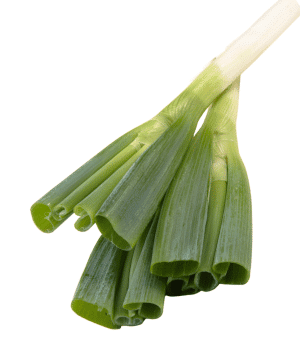
Welsh onion is a perennial bunching onion that forms narrow bulbs or enlarged bases rather than the large bulbs produced by common onions. Its green leaves and white lower portions are widely eaten. The plant has a long history in East Asian agriculture and is especially important in Chinese, Japanese, and Korean cooking. It is used in soups, noodles, stir-fries, sauces, garnishes, and salads.
Japanese Bunching Onion
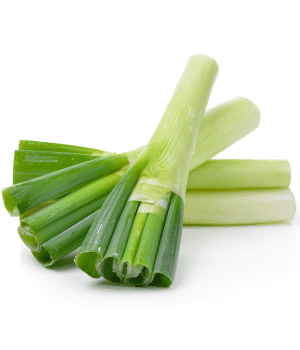
Japanese bunching onion is a perennial allium cultivated mainly for its long green leaves and white stems. It generally produces a narrow base rather than a large rounded bulb. The plant is known as negi in Japan and is an important ingredient in Japanese cuisine. It is sliced into soups, noodles, hot pots, and sauces, while related forms are also widely cultivated across East Asia.
Spring Onion
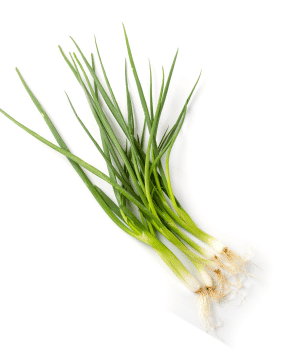
Spring onion is a young onion harvested while its bulb remains small and its leaves are green. Depending on regional usage, the name can refer to young common onions or bunching onions. Both the green leaves and white base are edible. Spring onions are used in salads, soups, stir-fries, sauces, and garnishes. They are widely cultivated and consumed across Asia, Europe, Africa, and the Americas.
Scallion
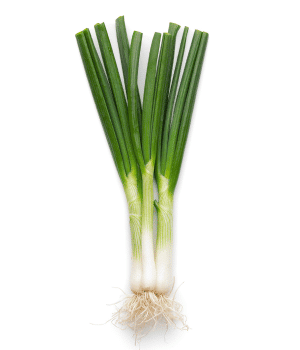
Scallion is a common culinary name for a young onion with a slender white base and long green leaves. The plant may have only a small bulb or a slightly enlarged stem depending on the type and harvest stage. Scallions are eaten raw or cooked in salads, dips, soups, noodles, and stir-fries. They are especially prominent in East Asian, Southeast Asian, Mexican, and American cooking.
Wild Leek
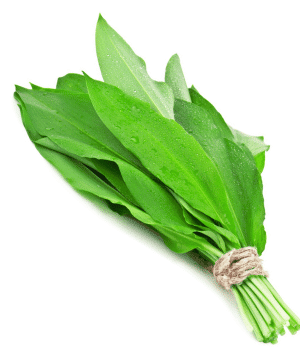
Wild leek commonly refers to Allium tricoccum, a North American native allium that develops an underground bulb and broad green leaves. Its leaves and bulbs have a strong onion-garlic flavor and are traditionally harvested in spring. Wild leeks have long been gathered by Indigenous peoples and local communities in eastern North America. They are eaten fresh or cooked in soups, sauces, and savory dishes.
Kurrat
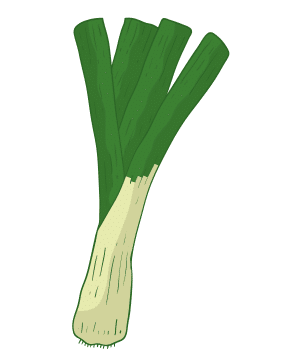
Kurrat is an Egyptian leek cultivated primarily for its long, narrow leaves and tender stem base. It belongs to the Allium ampeloprasum group and is closely related to leek. The plant is valued in Egyptian and Middle Eastern cooking, where its leaves may be used fresh or cooked. Kurrat has been cultivated in Egypt for generations and remains associated with regional vegetable production and traditional dishes.
Leek
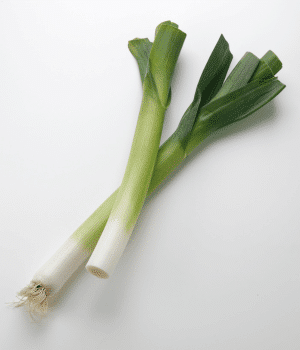
Leek is a bulb-forming allium with a long white or pale-green stem and broad blue-green leaves. Unlike common onions, it does not usually develop a large rounded bulb. The edible stem has a mild, sweet onion flavor and is used in soups, stews, pies, sauces, and roasted dishes. Leeks have a long history in Europe and are particularly associated with Welsh, British, French, and Mediterranean cuisine.
White Bulb Vegetables with Pictures
Pearl Onion
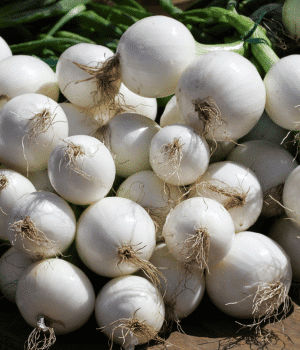
Pearl onion is a small bulb vegetable that develops compact, rounded bulbs covered by thin papery skin. White, yellow, and red forms are cultivated, although white pearl onions are especially common. They are used whole in stews, casseroles, pickles, sauces, and roasted dishes. Pearl onions have been valued in European cooking for generations and remain popular in North American and European cuisines.
White Onion
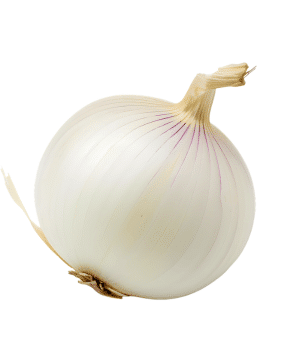
White onion is a bulb vegetable with pale, papery skin and white flesh. Its flavor is usually crisp and pungent when raw, while cooking produces a softer and sweeter taste. It is frequently used in Mexican, Latin American, Mediterranean, and Asian cooking. White onions are added to salsas, salads, sauces, soups, and cooked dishes, and their pale appearance makes them useful where a lighter-colored onion is preferred.
Shallot
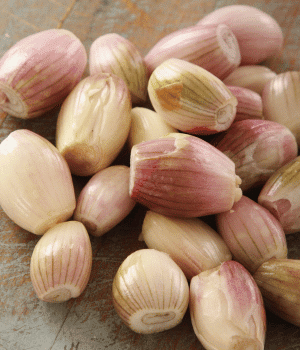
Shallot is a small bulb-forming member of the onion group, producing clustered bulbs with copper, brown, gray, or reddish skins. Its flavor is generally milder and more delicate than many common onions. Shallots are finely chopped for sauces, dressings, soups, curries, and stir-fries or fried as a garnish. They have a long culinary history in Asian, Middle Eastern, European, and Mediterranean cuisines.
Garlic
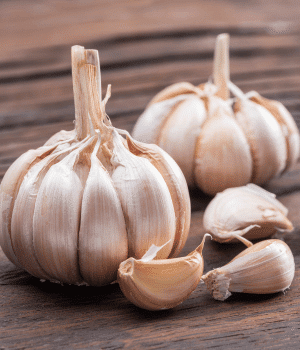
Garlic is a bulb vegetable made up of multiple cloves enclosed within a papery outer covering. Bulbs are commonly white or off-white, although some varieties develop purple streaks. Garlic has a strong aroma and becomes sweeter and milder when cooked. It is used in sauces, curries, breads, pickles, marinades, and roasted dishes. Its cultivation has ancient roots in Central and Southwest Asia and spread widely through trade.
Elephant Garlic
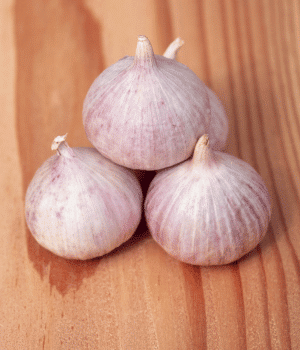
Elephant garlic is a large bulb-forming plant related to leek rather than true garlic. Its bulbs contain a small number of very large cloves surrounded by papery layers. The exterior is usually white or pale cream, while the flavor is milder than ordinary garlic. It can be roasted, sautéed, grilled, or used in sauces. It is grown particularly in temperate regions and is also popular among home gardeners.
Great-Headed Garlic
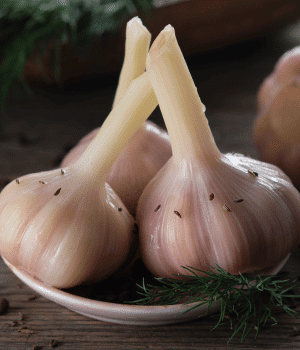
Great-headed garlic is a large-bulbed plant commonly associated with Allium ampeloprasum, the species that also includes several leek types. Its underground bulb can produce large cloves or bulbils, depending on the form. The flavor is generally milder than common garlic. It is cultivated as a specialty allium and can be roasted, sautéed, or added to sauces and other savory dishes.
Bulb Fennel
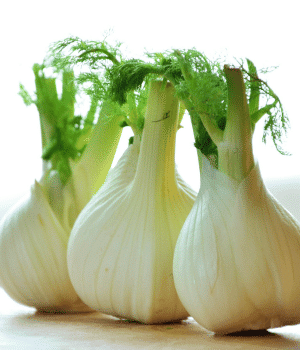
Bulb fennel is a cultivated fennel vegetable grown for its enlarged, layered leaf base that forms a bulb-like structure above the soil. The bulb is usually white to pale green with feathery leaves and a mild anise-like flavor. It can be eaten raw, roasted, braised, or grilled. Bulb fennel became strongly established in Mediterranean cuisine and remains especially important in Italian cooking.
Florence Fennel
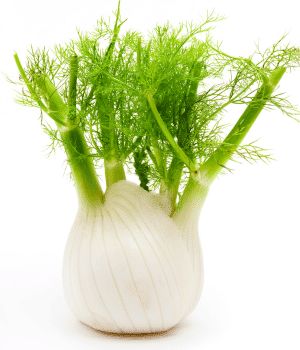
Florence fennel is the cultivated vegetable form of fennel selected for its enlarged, bulb-like leaf base. Its white or pale-green structure has crisp layers and a sweet, lightly anise-flavored taste. The bulb is sliced into salads or cooked with fish, meat, pasta, and vegetables. It has strong roots in Mediterranean agriculture and is particularly prominent in Italian cuisine, where it is known as finocchio.
Edible Lily Bulbs
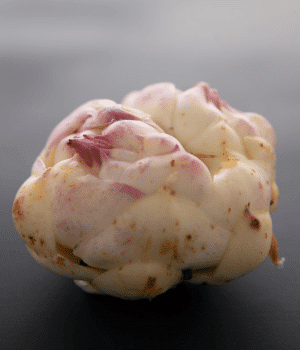
Edible lily bulbs are underground bulb structures from selected Lilium species cultivated as food, particularly in East Asia. The scales are usually white, cream, or pale yellow and have a mild, starchy texture. They may be steamed, boiled, stir-fried, or added to soups and desserts. Edible lily bulbs have a long history in Chinese cuisine and are also produced in Japan and other parts of East Asia.
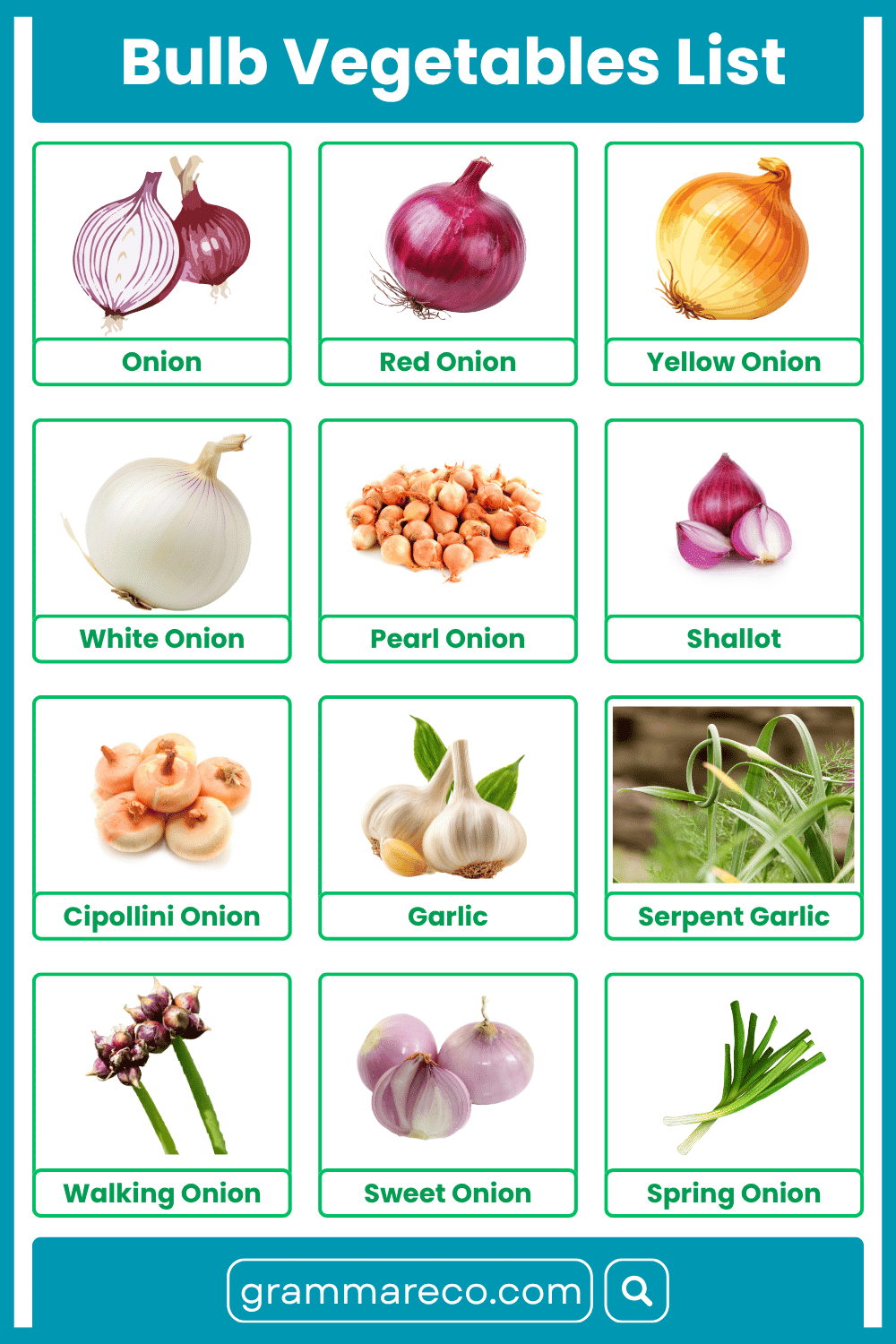
Edible Bulbs Used in Cooking
Bulb vegetables bring different flavors and textures to cooked food. Their uses range from slow cooking and roasting to fresh chopping and pickling. Below is a cooking-focused list of edible bulb vegetables and their common uses.
- Yellow onion: Used in soups, stews, sauces, burgers, casseroles, gravies, and slow-cooked meat dishes.
- White onion: Commonly added to salsa, tacos, sandwiches, soups, salads, and cooked vegetable dishes.
- Red onion: Often sliced for salads, burgers, tacos, sandwiches, fresh salsa, and pickled preparations.
- Sweet onion: Works well for grilling, roasting, caramelizing, onion rings, sandwiches, burgers, and salads.
- Pearl onion: Usually roasted, braised, glazed, pickled, or cooked whole in stews and savory dishes.
- Cipollini onion: Often roasted or caramelized and served with meats, vegetables, sauces, and grain dishes.
- Shallot: Commonly sautéed for sauces, dressings, vinaigrettes, soups, and pan-cooked dishes.
- Garlic: Used in sauces, marinades, soups, pasta, stir-fries, roasted vegetables, and meat recipes.
- Hardneck garlic: Works well when roasted, sautéed, minced into sauces, or added to hearty savory dishes.
- Softneck garlic: Commonly minced, sliced, roasted, or blended into sauces, marinades, soups, and spreads.
- Rocambole garlic: Adds strong flavor to roasted vegetables, sauces, marinades, pasta, and savory meat dishes.
- Elephant garlic: Often roasted whole or chopped into soups, sauces, spreads, and cooked vegetable dishes.
- Leek: Commonly cooked in soups, stews, pies, sauces, casseroles, and potato-based dishes.
- Green onion: Usually sliced into soups, noodles, rice, salads, tacos, dips, and cooked Asian dishes.
- Spring onion: Used in salads, omelets, stir-fries, noodles, soups, rice, and lightly cooked dishes.
- Welsh onion: Commonly added to noodles, soups, stir-fries, sauces, rice dishes, and fresh toppings.
- Bunching onion: Works well in stir-fries, soups, salads, noodles, sauces, and rice dishes.
How Bulb Vegetables Grow
Most bulb-forming Allium vegetables grow best in full sun and well-drained soil with steady moisture during active growth. Onions can begin from seeds, transplants, or small bulbs called sets, while shallots can also be planted from bulb sets or seeds. As plants grow, leaves produce energy that helps the underground bulb develop. Harvest timing depends on the crop, but mature onion tops commonly fall over as the bulb reaches maturity. After harvest, onions and shallots need proper curing before longer storage.
Garlic and related crops also need suitable planting depth, moisture, soil conditions, and growing time. Regular watering helps during growth, while excessive moisture near maturity can create storage problems.
Bulb Vegetables vs Root Vegetables
Bulb vegetables and root vegetables both develop edible parts below or near the soil. Their main difference is the plant structure that stores food.
| Bulb Vegetables | Root Vegetables |
|---|---|
| Develop an enlarged bulb or bulb-like base. | Develop an enlarged edible root. |
| Bulbs contain layered storage leaves around a short stem. | Roots develop directly from the plant’s root system. |
| Onion and garlic are common examples. | Carrot and beet are common examples. |
| Bulbs often have papery outer layers. | Roots usually have a continuous outer skin. |
| Many bulb crops belong to the Allium group. | Root vegetables belong to several unrelated plant families. |
| Bulb formation occurs around the plant’s basal stem. | Root enlargement occurs within the root structure. |
The distinction matters because onions and garlic may grow underground like root crops, but their edible storage structures are bulbs rather than true roots.
FAQs About Bulb Vegetables
No, a carrot is not a bulb vegetable. It is a root vegetable because the edible part develops as a swollen taproot underground.
A bulb vegetable is a plant with an underground bulb that stores nutrients and forms the edible part, such as onion, garlic, shallot, and pearl onion.
Yes, onions are bulb vegetables because their edible bulbs grow underground and store nutrients. Common examples include yellow onions, red onions, white onions, and shallots.
Bulb vegetables grow from layered underground bulbs, such as onions and garlic, while tuber vegetables develop as swollen underground stems, such as potatoes.
What are 12 bulb vegetables?
Twelve bulb vegetables include onion, garlic, shallot, leek, fennel, elephant garlic, pearl onion, cipollini onion, Egyptian walking onion, Welsh onion, multiplier onion, and rocambole.
Takeaway
Bulb vegetables include several important cultivated Allium crops, especially onions, garlic, and shallots. Related vegetables such as leeks and green onions are also commonly grouped with them in cooking. Understanding their plant structure helps distinguish bulbs from true roots and tubers.
Read more