

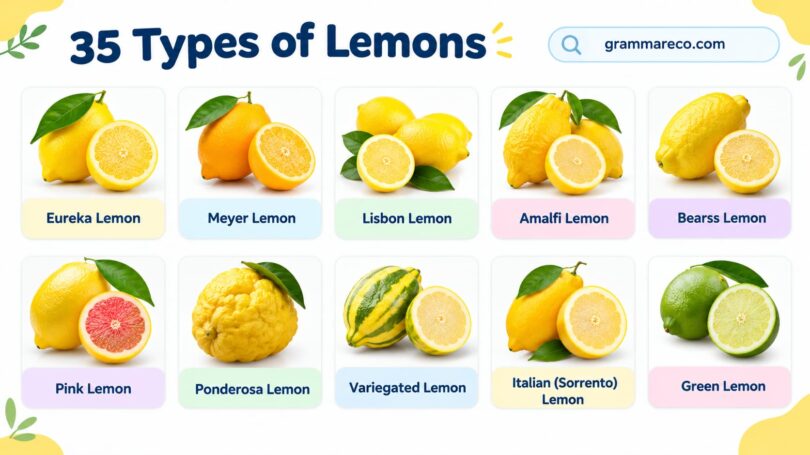
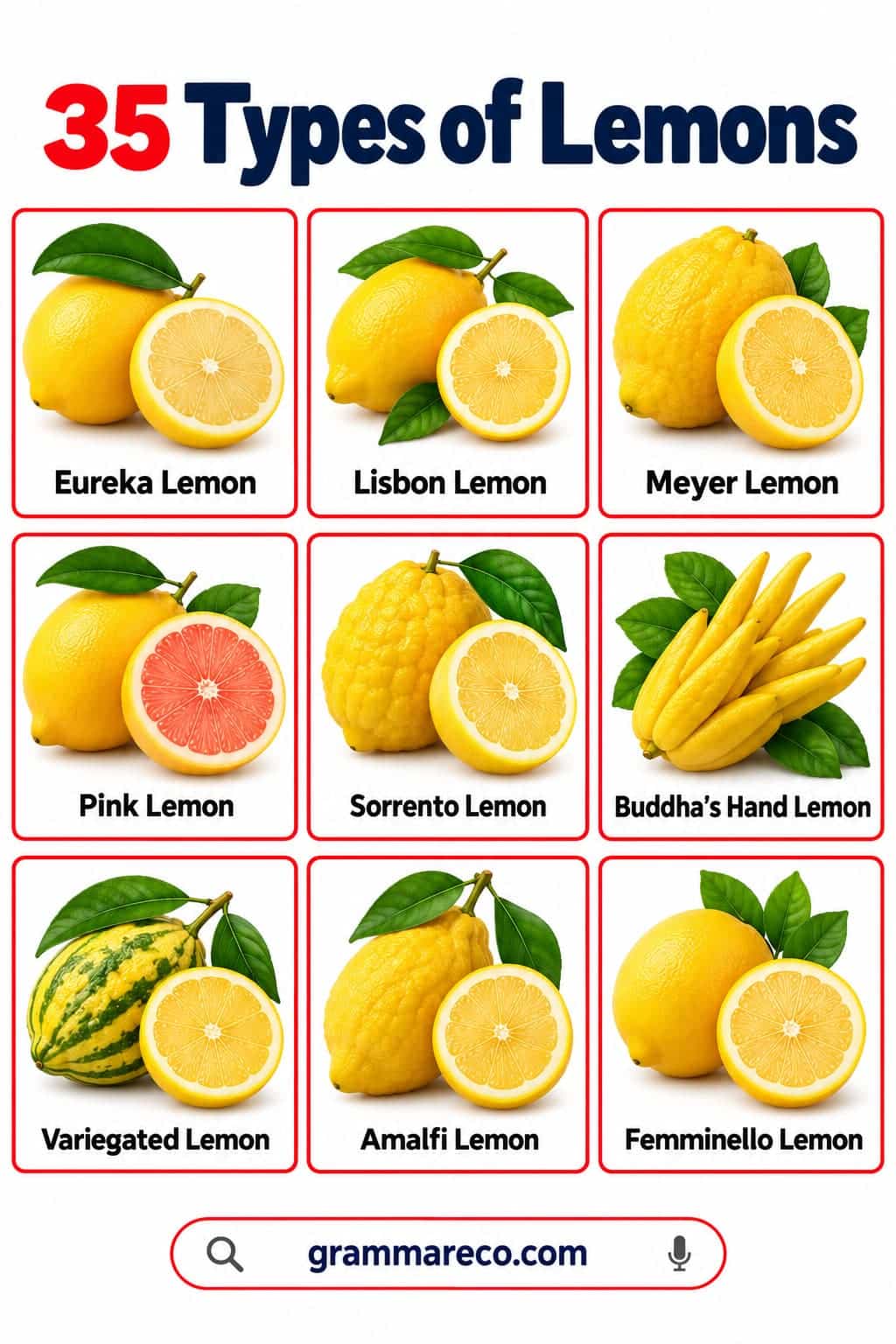
Lemons come in different varieties, with differences in peel color, fruit size, acidity, juice content, and flavor. Some produce large, juicy fruits with sharp sourness, while others have sweeter juice and thinner skins. Climate also affects how lemon trees grow and when their fruits ripen. Understanding the types of lemons makes it easier to distinguish fresh market varieties, identify regional favorites, and choose suitable lemons for cooking, baking, drinks, and everyday food preparation.
Learning about different types of lemons with pictures also helps explain how lemon varieties differ across the United States and other growing regions. Their scientific names, growing seasons, and relationships with limes and citrons provide useful context when comparing citrus fruits.
How Many Types of Lemons Are in the World?
There is no single agreed number of lemon varieties worldwide because growers cultivate many named varieties, local selections, and hybrids. Eureka and Lisbon dominate commercial markets, while other varieties are grown for their flavor, size, appearance, or regional uses.
Hundreds of named citrus cultivars and selections exist, but not every fruit called a lemon is a true lemon. Meyer and Ponderosa lemons, for instance, have hybrid ancestry, while rough lemon belongs to a different citrus group.
List of Types of Lemons With Names
Lemon varieties differ in acidity, peel texture, fruit size, seed content, and growing region. The names below include major commercial varieties, regional lemons, specialty cultivars, and commonly recognized lemon hybrids.
- Eureka Lemon
- Lisbon Lemon
- Meyer Lemon
- Ponderosa Lemon
- Femminello Lemon
- Verna Lemon
- Fino Lemon
- Interdonato Lemon
- Villafranca Lemon
- Genoa Lemon
- Monachello Lemon
- Santa Teresa Lemon
- Sorrento Lemon
- Limoneira 8A Lemon
- Bonnie Brae Lemon
- Yen Ben Lemon
- Dorshapo Lemon
- Pink Variegated Eureka Lemon
- Seedless Eureka Lemon
- Seedless Lisbon Lemon
- Kutdiken Lemon
- Lamas Lemon
- Adamo Lemon
- Berna Lemon
- Bétera Lemon
- Chaparro Lemon
- Continella Lemon
- Femminello Ovale Lemon
- Femminello Sfusato Lemon
- Rough Lemon
Types of Lemons with Pictures and Identifications
The easiest way to identify lemon varieties is to compare their shape, peel, pulp, acidity, and typical growing region. Some are common grocery store fruits, while others are regional specialties or hybrids grown mainly by citrus enthusiasts.
Eureka Lemon
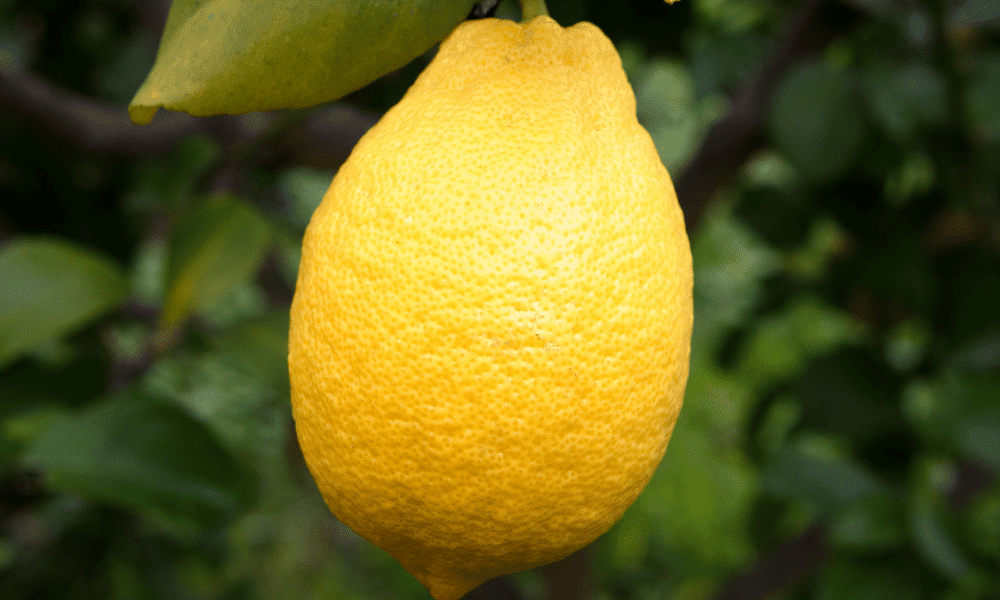
Eureka lemons are medium-sized, oval fruits with bright yellow, slightly textured skin when ripe. Their pale yellow flesh has a strong sour taste, abundant juice, and relatively few seeds. They are widely used in lemonade, salad dressings, seafood, baking, sauces, and bottled lemon juice.
Eureka lemons originated from seedlings grown in California during the nineteenth century. They grow well in warm, sunny citrus regions, especially California and other Mediterranean-type climates. Trees can produce fruit throughout much of the year in suitable conditions, although harvest peaks vary by location.
Scientific name: Citrus limon ‘Eureka’
Lisbon Lemon
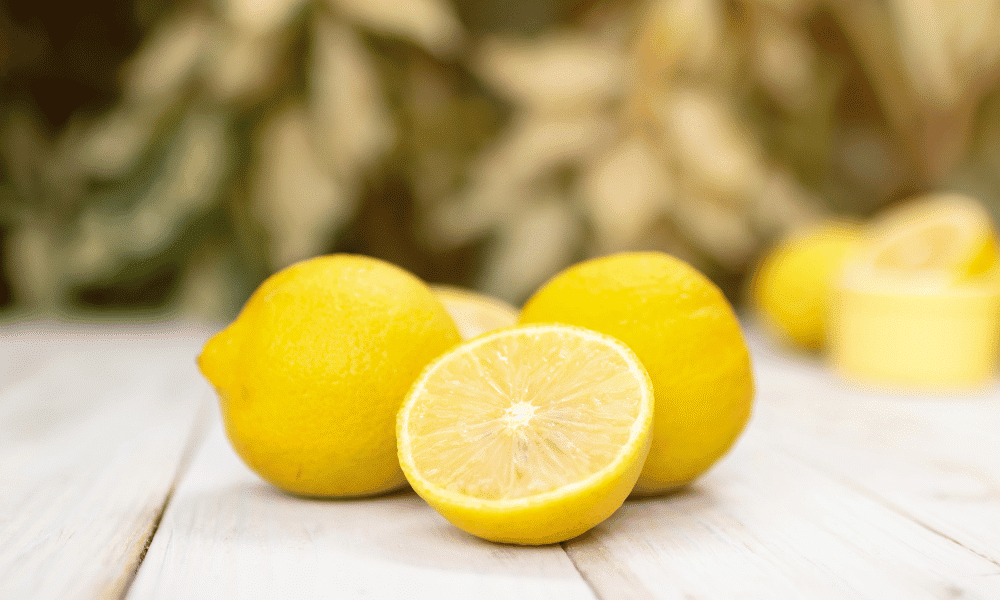
Lisbon lemons are oval, yellow fruits with a pointed tip and a moderately thick rind. Their flesh is juicy, strongly acidic, and pale yellow, making them suitable for cooking, beverages, preserves, and commercial juice production.
The variety is associated with Portugal and is widely cultivated in California, Arizona, Australia, and other warm citrus regions. Lisbon trees tolerate some cool weather better than Eureka trees, although they still need protection from hard freezes. Fruit production often occurs in seasonal harvests.
Scientific name: Citrus limon ‘Lisbon’
Meyer Lemon
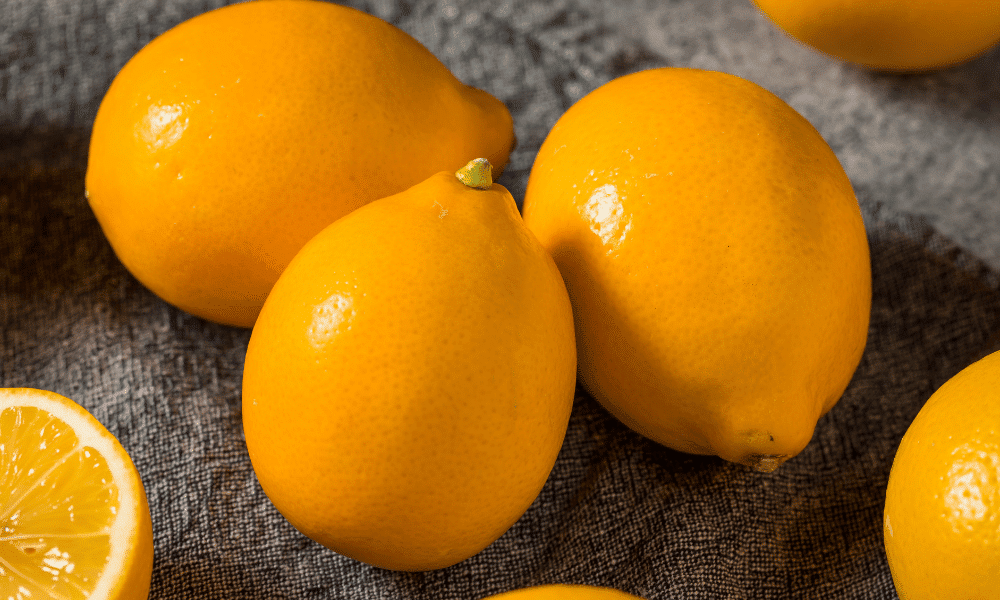
Meyer lemons are rounder and generally smaller than standard lemons, with smooth, thin skin that turns deep yellow to orange-yellow. Their juice tastes less acidic and slightly sweeter, with floral notes resembling mandarin oranges. They work especially well in desserts, marmalades, sauces, and flavored drinks.
Meyer lemons originated in China and became popular in American home gardens. They grow well in warm climates and can also thrive in containers with enough sunlight. In suitable conditions, trees can produce several crops, with harvest timing varying by climate.
Scientific name: Citrus × meyeri
Ponderosa Lemon
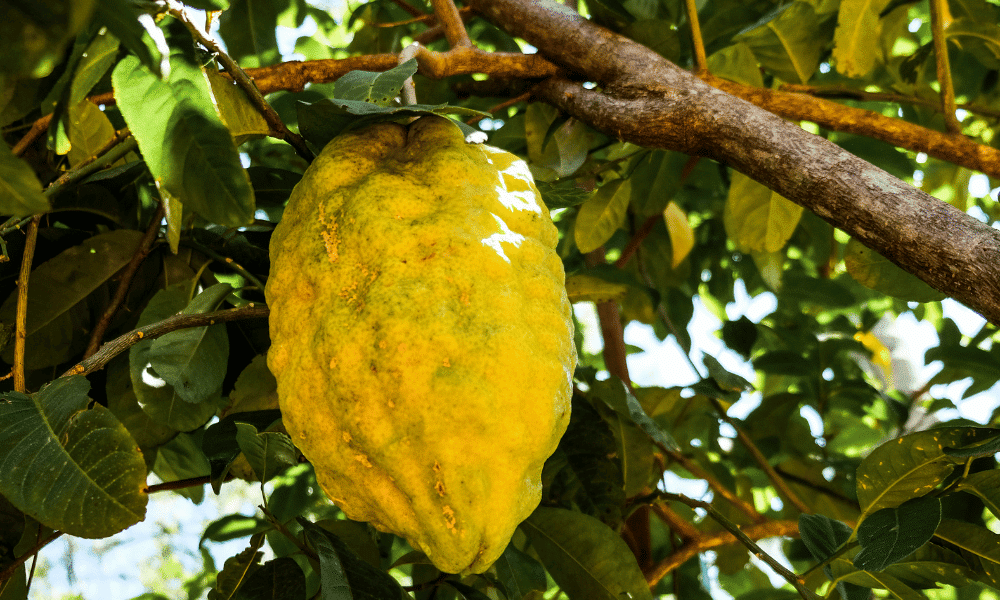
Ponderosa lemons are famous for their unusually large fruits, which can resemble small grapefruits. Their thick, bumpy yellow skin surrounds pale, acidic flesh that often contains many seeds. The juice can be used in lemonade, cooking, and preserves, although the thick rind and seeds make preparation less convenient.
This lemon is a hybrid associated with citron and lemon ancestry. It is commonly grown as an ornamental citrus plant in the United States. Trees prefer warm, sunny conditions and are often cultivated in containers where winter temperatures become too cold.
Scientific name: Citrus × pyriformis
Femminello Lemon
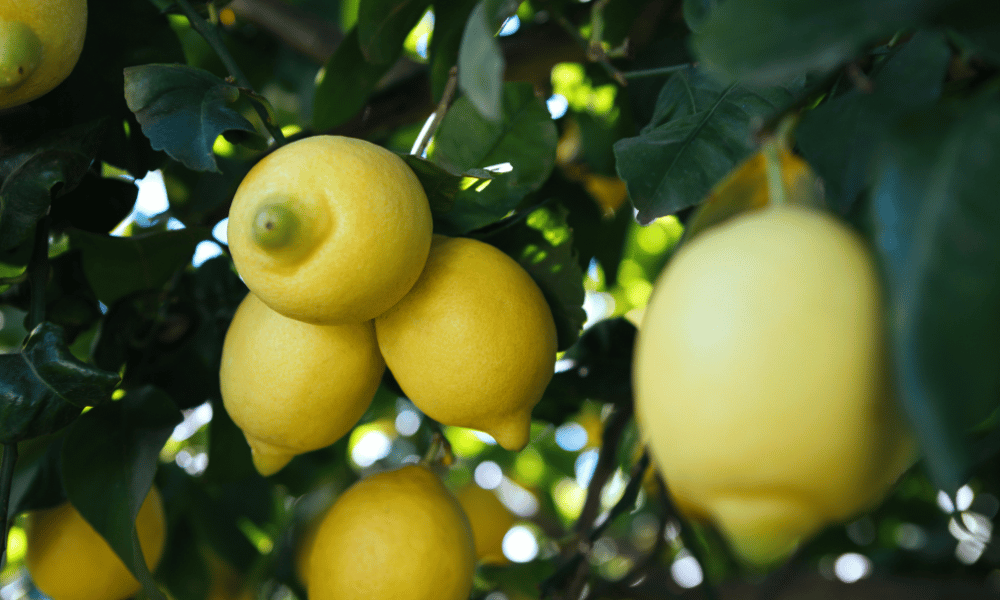
Femminello lemons belong to a major Italian group of lemon cultivars. Their fruits are usually oval, with yellow skin, aromatic peel, and strongly acidic, juicy flesh. Depending on the selection, fruit size and skin thickness vary. These lemons are used for fresh juice, cooking, zest, and traditional Italian lemon liqueurs.
Femminello varieties are especially important in Sicily and other parts of southern Italy. Trees grow best in sunny, mild climates with well-drained soil. Many selections flower and fruit repeatedly, allowing several harvests during a suitable growing year.
Scientific name: Citrus limon ‘Femminello’ group
Verna Lemon
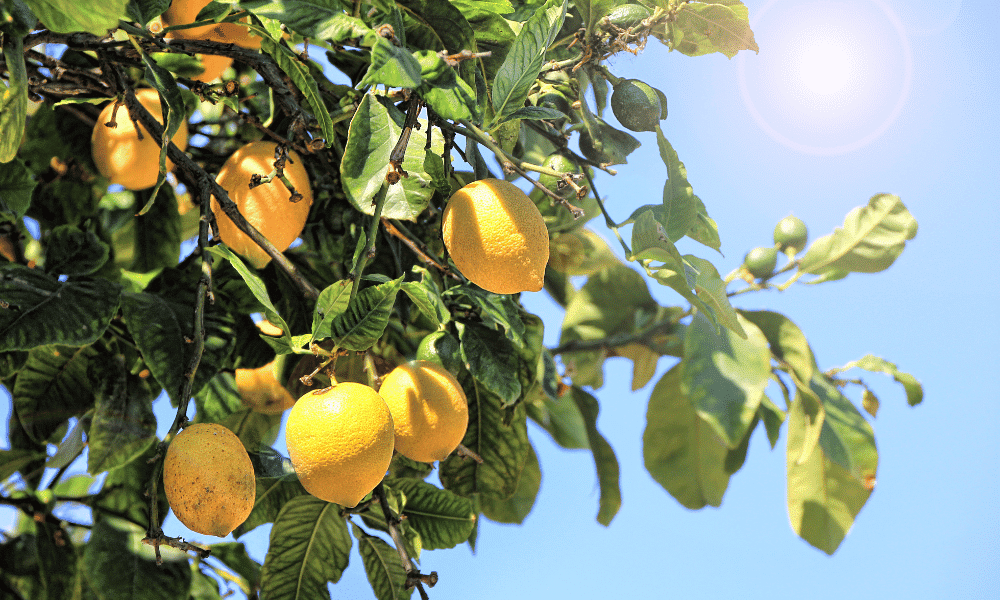
Verna lemons are medium to large fruits with yellow skin, an oval shape, and a noticeable pointed end. Their flesh is pale yellow and acidic, with useful juice content and a relatively thick peel. They are commonly used for fresh juice, cooking, and commercial citrus processing.
Verna lemons are strongly associated with Spain, where they are an important commercial variety. The trees grow well in warm Mediterranean conditions with plenty of sunlight. Their main harvest period generally occurs in late winter and spring, although timing changes with local growing conditions.
Scientific name: Citrus limon ‘Verna’
Fino Lemon
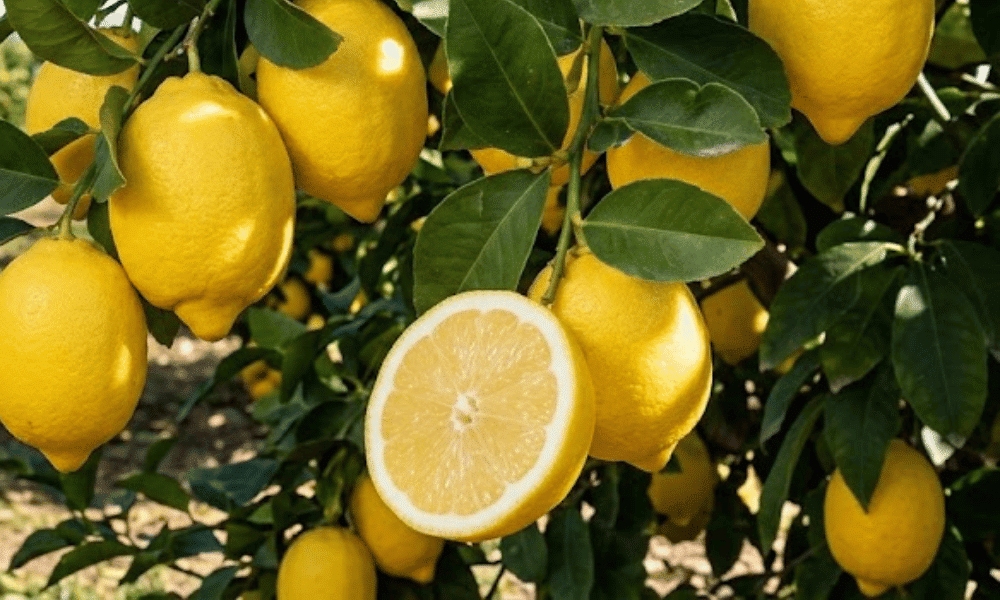
Fino lemons are small to medium-sized fruits with yellow skin and an oval or rounded shape. They have strongly acidic flesh and a useful amount of juice. Their thin to moderately thick peel makes them suitable for juice production, cooking, and other commercial food uses.
Fino is widely cultivated in Spain and is also associated with the name Primofiori in related commercial selections. The trees favor sunny, mild citrus-growing regions. Their main harvest typically falls in autumn and winter, depending on the local climate and production system.
Scientific name: Citrus limon ‘Fino’
Interdonato Lemon
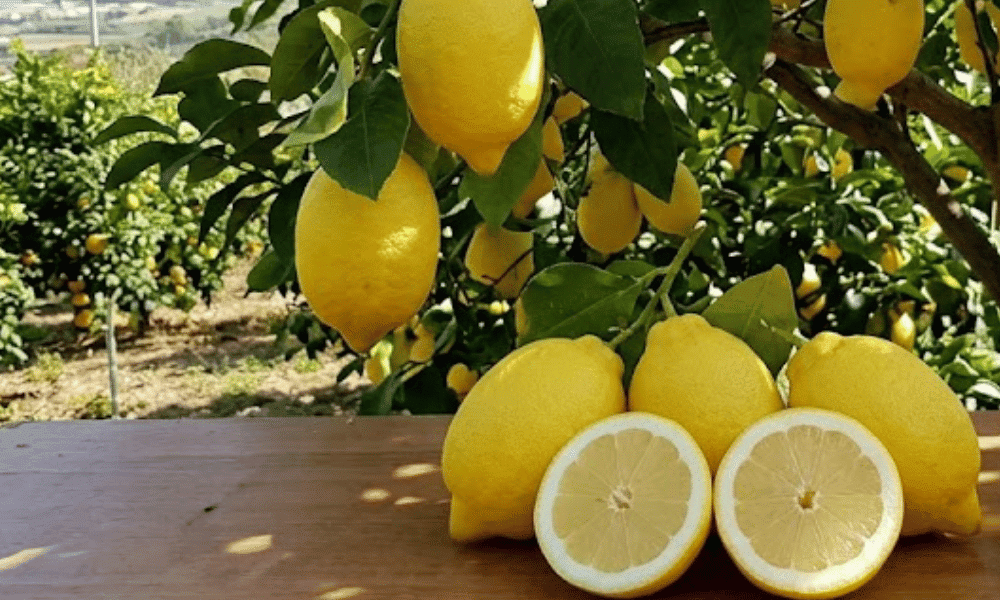
Interdonato lemons are long, large fruits with smooth yellow skin and an elongated, pointed shape. Their flesh is acidic but often less sharply sour than some standard lemons. They usually have relatively few seeds and are suitable for fresh consumption, juice, and culinary use.
This variety originated in Sicily, Italy, and is also cultivated in nearby Mediterranean areas. It grows best in warm conditions with good sunlight and well-drained soil. Its harvest commonly begins in early autumn, making it an important early-season lemon in some growing regions.
Scientific name: Citrus limon ‘Interdonato’
Villafranca Lemon
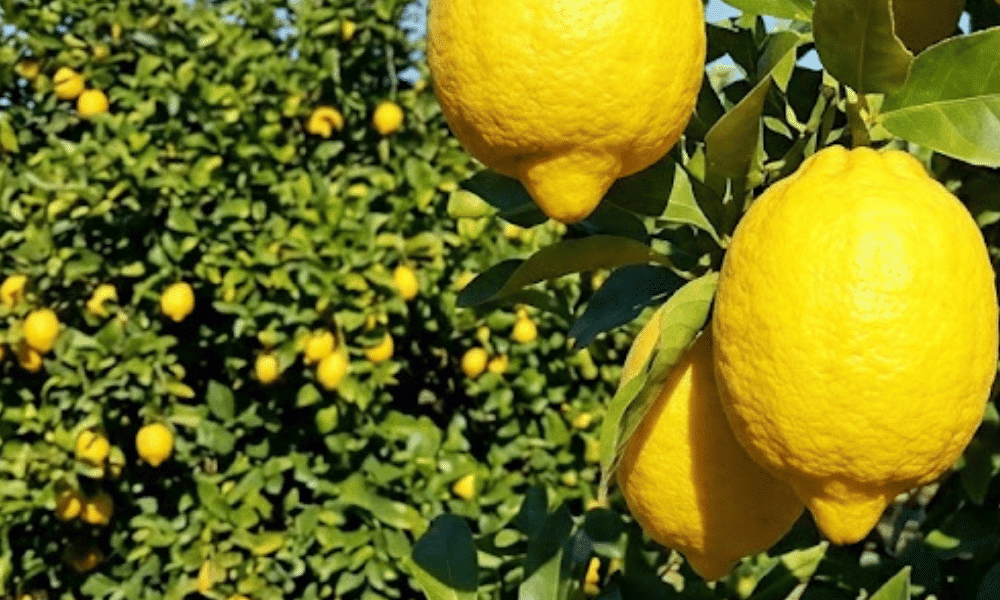
Villafranca lemons resemble standard commercial lemons, with oval yellow fruits and pale, acidic flesh. Their juice is useful for beverages, marinades, sauces, and baking. Fruit characteristics can vary by selection and growing conditions, so peel thickness and seed content are not identical across every tree.
Villafranca is grown in several warm citrus regions, including parts of the United States and the Mediterranean. Trees prefer sunny weather, mild winters, and well-drained soil. Fruit can be available across extended periods in favorable climates, depending on the local harvest cycle.
Scientific name: Citrus limon ‘Villafranca’
Genoa Lemon
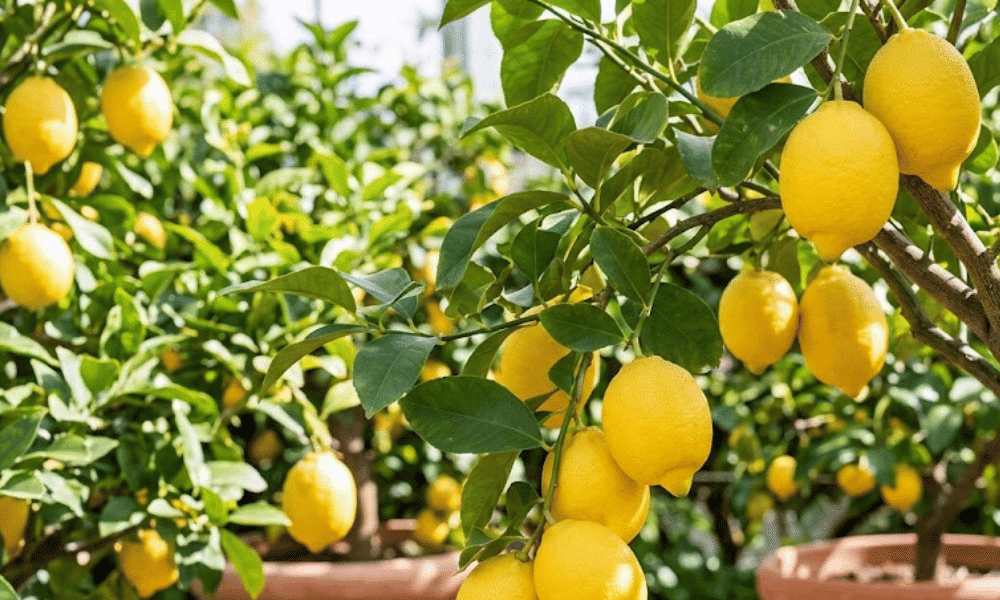
Genoa lemons are yellow, oval fruits with relatively smooth, thin skin and a pointed end. Their flesh is juicy and strongly acidic, making them suitable for cooking, drinks, and fresh juice. The trees are also valued for their dense foliage and comparatively few thorns.
The variety is associated with Italy and is cultivated in places such as California and Chile. It grows well in warm, sunny areas with protection from severe frost. Harvest timing depends on the climate, but suitable trees may produce fruit during extended parts of the year.
Scientific name: Citrus limon ‘Genoa’
Monachello Lemon
Monachello lemons are medium-sized, yellow fruits with acidic flesh and a traditional lemon flavor. Their juice and peel can be used in ordinary cooking and beverage preparation. The variety is especially recognized for its resistance to mal secco, a serious citrus disease affecting some lemon-growing regions.
Monachello originated in Italy and is associated with Mediterranean citrus production. Trees favor sunny locations and well-drained soil. Its growing season and harvest dates vary with regional temperatures, rainfall, and orchard practices.
Scientific name: Citrus limon ‘Monachello’
Santa Teresa Lemon
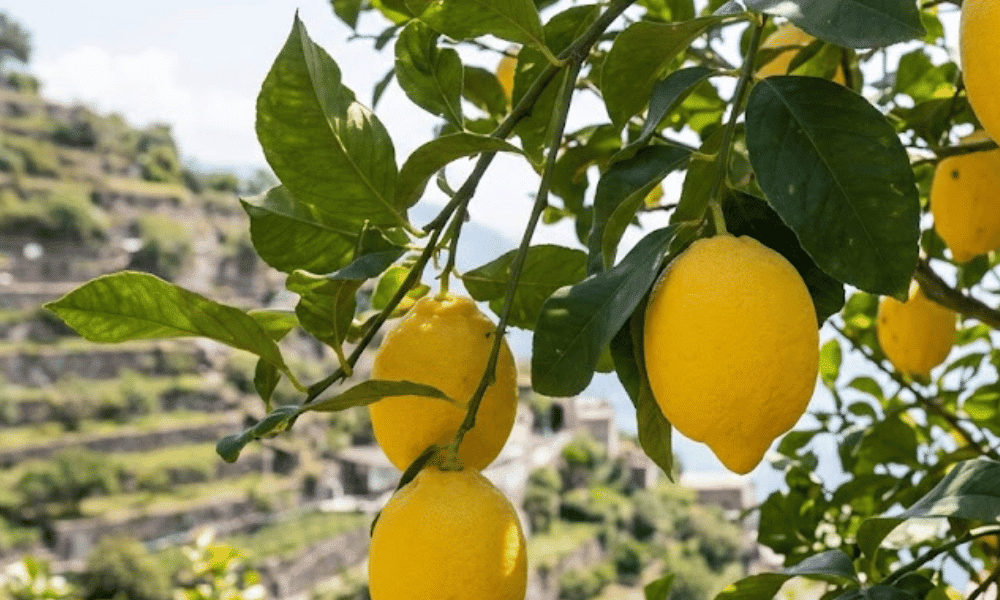
Santa Teresa lemons are aromatic, yellow fruits with juicy, acidic flesh and peel rich in fragrant oils. Their zest is useful in desserts, sauces, and citrus flavorings. The variety is also associated with traditional Italian lemon liqueur production because its aromatic rind provides a strong lemon scent.
This cultivar originated in Italy and is grown in Mediterranean areas and other suitable citrus regions. Trees prefer warm, sunny conditions and soil that drains well. The harvest varies by location, and the fruits are valued for both juice and aromatic peel.
Scientific name: Citrus limon ‘Santa Teresa’
Sorrento Lemon
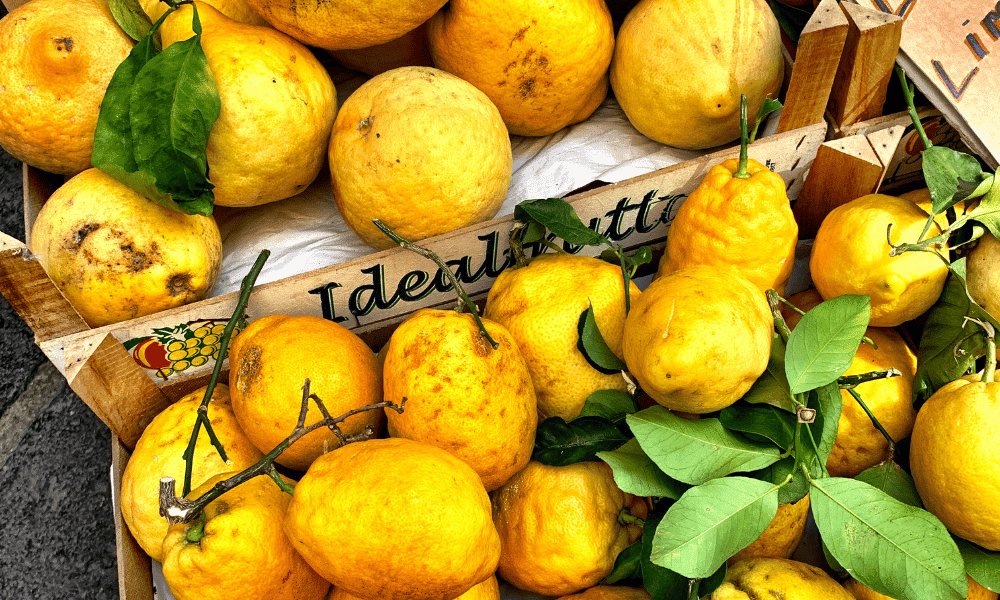
Sorrento lemons are known for their large, aromatic fruits, thick-to-moderate yellow peel, and strongly acidic juice. The rind contains fragrant oils used in citrus flavorings and traditional limoncello production. Fruit size varies, but the lemons generally provide both useful zest and juice.
Sorrento lemons are associated with the Sorrento Peninsula and nearby areas of southern Italy. The coastal Mediterranean climate offers mild winters and plenty of sunshine. Local harvest periods vary, and regional names can refer to particular selections or protected production areas.
Scientific name: Citrus limon ‘Femminello Santa Teresa’ selections
Limoneira 8A Lemon
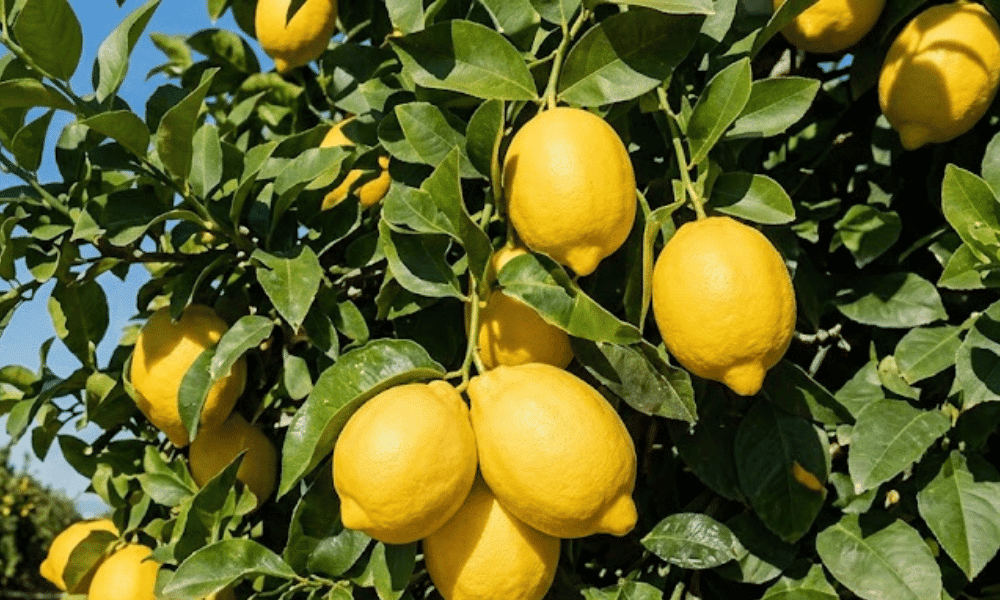
Limoneira 8A is a cultivated lemon selection known for its commercial fruit production. The fruits resemble standard yellow lemons, with acidic flesh suitable for juice, cooking, and food processing. Its main identifying feature is the named cultivar rather than a dramatically different taste or appearance.
This selection is associated with commercial lemon production in California. Like other lemon cultivars, it grows best in sunny conditions with adequate irrigation and well-drained soil. Harvest timing depends on orchard location, temperature, and production practices.
Scientific name: Citrus limon ‘Limoneira 8A’
Bonnie Brae Lemon
Bonnie Brae lemons are oblong fruits with relatively smooth, thin skin and few seeds. Their pale flesh has the sharp, acidic taste expected from a true lemon. The fruits are useful for juice and cooking, although the variety is less common in ordinary grocery stores today.
Bonnie Brae is associated with Southern California, particularly the San Diego County area. It grows in mild, sunny climates where frost is limited. Availability depends on local cultivation, and the name is more often encountered in historical or specialty citrus discussions.
Scientific name: Citrus limon cultivar
Yen Ben Lemon
Yen Ben lemons are commercial lemons with yellow, oval fruits and acidic, juicy flesh. They are similar in general use to other standard lemon cultivars, providing juice and zest for cooking, beverages, and food processing. Exact fruit size and peel characteristics depend on growing conditions.
Yen Ben is associated with Australia and New Zealand, where it has been cultivated for commercial production. Trees favor sunny citrus-growing regions with mild winters. The timing of flowering and harvest varies by location and local orchard management.
Scientific name: Citrus limon ‘Yen Ben’
Dorshapo Lemon
Dorshapo is a sweet lemon type known for having less acidity than standard lemons. Its fruit has yellowish skin and mild-tasting juice, which can be consumed more readily by people who dislike sharp sourness. Exact flavor and fruit characteristics depend on the selection and growing conditions.
Dorshapo has been associated with Brazil and other warm citrus-growing environments. The trees need plenty of sunlight and well-drained soil. It is less common in mainstream American grocery stores than Eureka, Lisbon, or Meyer lemons.
Scientific name: Citrus hybrid, commonly classified as a sweet lemon
Pink Variegated Eureka Lemon
Pink Variegated Eureka lemons have unusual green-and-cream striped skin when immature, which turns more yellow as the fruit ripens. Their flesh and juice can develop a pale pink color. The taste remains distinctly acidic, making them suitable for lemonade, garnishes, sauces, and desserts.
This selection developed as a mutation of Eureka lemon in California. It grows well in sunny, warm climates and is popular among home citrus growers for its unusual foliage and fruit. Harvest timing is similar to other Eureka selections but varies with the local climate.
Scientific name: Citrus limon ‘Variegated Pink Eureka’
Seedless Lisbon Lemon
Seedless Lisbon lemons retain the elongated shape, yellow peel, and acidic flesh of standard Lisbon lemons. Their main difference is the reduced number of seeds. They are suitable for juice, cooking, and food processing where fewer seeds make preparation easier.
These selections are grown where Lisbon lemons are commercially suitable, including some warm citrus regions. Trees need sunlight, well-drained soil, and protection from hard freezes. Harvest periods vary with local weather and orchard management.
Scientific name: Citrus limon ‘Lisbon’ seedless selections
Kutdiken Lemon
Kutdiken lemons are a traditional Turkish variety with yellow fruits and acidic, juicy flesh. Their shape and skin texture can vary, but they are generally used much like other true lemons. Juice, zest, and peel can all contribute flavor to food preparation.
The variety is associated with Turkey, including citrus-growing areas with suitable Mediterranean conditions. Trees benefit from warm summers, mild winters, and good drainage. Harvest dates depend on the region and the local growing cycle.
Scientific name: Citrus limon ‘Kutdiken’
Lamas Lemon
Lamas lemons are Turkish lemons with yellow skin and strongly acidic flesh. They are used for juice, fresh cooking, and other purposes common to traditional lemons. Fruit size, peel thickness, and seed content can vary according to the specific tree and growing conditions.
Lamas is associated with the Mersin region of southern Turkey. The warm Mediterranean climate suits lemon production, provided trees receive adequate water and good drainage. Its harvest is seasonal, with timing shaped by local conditions.
Scientific name: Citrus limon ‘Lamas’
Adamo Lemon
Adamo is a named true lemon cultivar recognized in citrus variety references. Its fruit belongs to the familiar acidic lemon group, although detailed descriptions of its size, peel texture, and juice yield are less widely available than those for Eureka or Lisbon.
The name appears in international citrus cultivar listings, but growing information is limited in general consumer references. Its local performance and harvest season depend on the growing region, climate, and rootstock used.
Scientific name: Citrus limon ‘Adamo’
Bétera Lemon
Bétera is a named lemon selection recorded in citrus variety lists. Like other true lemons, it belongs to the acidic lemon group and is associated with traditional lemon uses. Detailed consumer descriptions of its exact size, flavor profile, and juice yield are limited.
The name is associated with Spanish citrus cultivation. Growing success depends on a suitable warm climate, adequate sunlight, and well-drained soil. Its harvest timing is influenced by the local orchard environment.
Scientific name: Citrus limon ‘Bétera’
Cerza Lemon
Cerza is a named lemon cultivar included in formal citrus variety references. It belongs to the true lemon category rather than being a widely recognized separate citrus species. Detailed descriptions of its fruit size, acidity, and peel characteristics are not commonly available to consumers.
Its name appears among documented lemon selections, but general cultivation information is limited. As with other lemon cultivars, the local climate, soil drainage, and orchard practices influence fruit development and harvest.
Scientific name: Citrus limon ‘Cerza’
Continella Lemon
Continella is a named lemon cultivar associated with the Femminello group. It is classified among true lemons and is valued within traditional citrus selection systems. Its exact fruit size, skin thickness, and juice yield may differ from those of other Femminello selections.
The variety is associated with Italian lemon cultivar naming. Trees generally need a sunny, mild citrus-growing environment and well-drained soil. Its harvest timing depends on the particular selection and regional growing conditions.
Scientific name: Citrus limon ‘Continella’
Femminello Sfusato Lemon
Femminello Sfusato lemons are elongated fruits with yellow skin and aromatic, acidic flesh. Their shape and fragrant peel make them suitable for juice, zest, sauces, and regional lemon products. The term sfusato is associated with an elongated form in Italian lemon naming.
The name is connected with Italian citrus selections, although related local names may describe particular regional types. Trees grow best in warm, sunny areas with good drainage. Harvest periods vary by cultivar and region.
Scientific name: Citrus limon ‘Femminello Sfusato’
Scientific name: Citrus limon cultivar selection
Rough Lemon
Rough lemons have thick, rough, bumpy skin and acidic flesh. They are generally less suitable for fresh eating than common commercial lemons, but they have been used as rootstocks in citrus cultivation. Their rugged appearance and vigorous growth distinguish them from familiar supermarket varieties.
Rough lemons are associated with South Asia and are grown in various citrus-producing regions. They are valued mainly for their adaptability and use in citrus propagation rather than for premium fruit quality.
Scientific name: Citrus jambhiri
Volkamer Lemon
Volkamer lemons are lemon-like citrus fruits with orange-yellow skin and acidic flesh. The fruit is often more rounded than standard lemons, and the tree is known for vigorous growth. This citrus type is primarily valued as a rootstock in commercial citrus production rather than as a common table lemon.
Volkamer lemon is associated with Mediterranean citrus cultivation. Trees grow well in warm climates and are used in citrus-growing programs because of their growth characteristics. Its role in cultivation is more significant than its use as an everyday fruit.
Scientific name: Citrus volkameriana
Rough Lemon
Rough lemons have thick, coarse, bumpy skin and fruits that are often more irregular than standard lemons. Their juice is acidic, but fruit quality can be less consistent. They are valued more often as rootstock and breeding material than as a common table lemon.
Rough lemon is grown in several warm citrus regions, particularly in parts of Asia and other tropical or subtropical areas. Trees tolerate a range of conditions and are used in citrus production systems. Harvest timing depends on the climate and intended use.
Scientific name: Citrus jambhiri
Volkamer Lemon
Volkamer lemon is a lemon-like citrus hybrid with round to oval orange-yellow fruits and a strong citrus flavor. The fruit can be acidic and seedy, so it is not as common for direct eating as standard lemons. The tree is valued particularly as citrus rootstock.
This citrus type is grown in warm regions where citrus trees thrive. It performs best with sunlight and well-drained soil and is used in horticultural production. Its fruiting season varies by climate, and the fruit is less common in ordinary grocery stores.
Scientific name: Citrus volkameriana
Indian Lemon
Indian lemon is a broad regional name rather than one single standardized cultivar. Fruits generally have yellow or greenish-yellow skin, acidic juice, and a citrus aroma. Size, seed content, peel thickness, and flavor vary according to the particular local variety.
Lemons are cultivated in several parts of India, including warm subtropical and tropical growing regions. Trees need sunlight, adequate moisture, and well-drained soil. Flowering and harvesting periods vary across regions and cultivars.
Scientific name: Commonly Citrus limon, depending on cultivar
Sweet Lemon
Sweet lemon usually refers to a low-acid citrus fruit with a mild flavor and yellowish-green to yellow skin. Its juice tastes much less sour than ordinary lemons. The fruit is commonly used for fresh juice and beverages, although its exact features depend on the regional variety.
Sweet lemons are grown in parts of South Asia, the Middle East, and other warm regions. Trees prefer sunlight and well-drained soil. The fruiting season depends on the cultivar and climate, and the name can refer to different low-acid citrus types.
Scientific name: Often Citrus limetta
Lemon Varieties Grown in the United States
The United States grows several lemon varieties, especially in California and Arizona, with smaller production and home-growing activity in Florida and other warm states. Commercial groves favor productive varieties, while home growers may choose lemons for flavor, unusual fruit, or container growing.
| Lemon variety | Basic definition | Scientific name |
|---|---|---|
| Eureka | Common, acidic, juicy yellow lemon | Citrus limon ‘Eureka’ |
| Lisbon | Acidic lemon with a pointed end | Citrus limon ‘Lisbon’ |
| Meyer | Mild, aromatic lemon hybrid | Citrus × meyeri |
| Ponderosa | Very large, thick-skinned lemon hybrid | Citrus × pyriformis |
| Pink Variegated Eureka | Striped peel and pinkish flesh | Citrus limon ‘Variegated Pink Eureka’ |
| Seedless Eureka | Eureka selection with few or no seeds | Citrus limon ‘Eureka’ seedless selections |
| Genoa | Smooth-skinned lemon with juicy flesh | Citrus limon ‘Genoa’ |
| Villafranca | Commercial lemon similar to standard lemons | Citrus limon ‘Villafranca’ |
| Femminello | Group of aromatic Italian lemon cultivars | Citrus limon ‘Femminello’ group |
| Bonnie Brae | Oblong lemon with thin skin | Citrus limon cultivar |
| Yen Ben | Commercial lemon associated with Australasia | Citrus limon ‘Yen Ben’ |
| Rough Lemon | Coarse-skinned citrus, often used as rootstock | Citrus jambhiri |
Scientific naming can vary by cultivar classification, and some names refer to selections within a broader lemon group. Meyer and Ponderosa are hybrids, while rough lemon is a distinct lemon-like citrus type.
Types of Lemons in California
California is one of the main lemon-growing states in the United States. Its warm coastal valleys and sunny inland regions suit commercial lemon production, especially where winter frost is limited.
- Eureka Lemon
- Lisbon Lemon
- Meyer Lemon
- Pink Variegated Eureka Lemon
- Seedless Eureka Lemon
- Genoa Lemon
- Villafranca Lemon
- Bonnie Brae Lemon
- Limoneira 8A Lemon
- Ponderosa Lemon
- Femminello Lemon
Which Lemon Is Best for Cooking and Juicing?
The best lemon depends on whether you need strong acidity, plenty of juice, fragrant zest, or a milder flavor. Eureka and Lisbon are reliable choices for everyday cooking, while Meyer lemons work especially well in desserts and recipes that benefit from gentler acidity.
| Use | Best lemon variety | Why it works |
|---|---|---|
| Everyday cooking | Eureka | Strong, familiar lemon flavor |
| Fresh lemon juice | Lisbon | Juicy flesh and sharp acidity |
| Lemonade | Eureka or Lisbon | Tart juice that balances sweeteners |
| Cakes and desserts | Meyer | Milder acidity and floral aroma |
| Lemon zest | Femminello or Santa Teresa | Aromatic peel |
| Lemon marmalade | Meyer or Eureka | Flavorful peel and juice |
| Seafood | Eureka or Lisbon | Bright acidity cuts through rich flavors |
| Sauces and dressings | Eureka | Strong flavor in small amounts |
| Garnishes | Pink Variegated Eureka | Unusual peel and pinkish flesh |
| Large decorative fruit | Ponderosa | Oversized fruit with thick rind |
Types of Lemons vs Limes
Lemons and limes are related citrus fruits, but they differ in typical color, flavor, shape, and common culinary uses. Their color alone is not always enough to identify them because immature lemons can remain green, and some ripe limes turn yellow.
Types of Lemons vs. Limes
Lemons and limes are citrus fruits that differ in color, flavor, size, and common culinary uses. Lemons are usually yellow when ripe and have a bright, tart flavor, while limes are generally green and often have a sharper, more intense citrus taste. However, some lime varieties turn yellow when ripe, and some lemons have greenish skin before full maturity.
| Feature | Lemons | Limes |
|---|---|---|
| Common types | Eureka, Lisbon, Meyer, Ponderosa, Femminello | Persian, Key, Kaffir (makrut), Rangpur, Finger |
| Typical color | Yellow when ripe | Green, sometimes yellow when ripe |
| Flavor | Tart, tangy, sometimes mildly sweet | Tart, sharp, often more aromatic |
| Shape | Usually oval with pointed ends | Round or oval, depending on variety |
| Size | Often medium to large | Often small to medium |
| Skin | Usually thicker, depending on variety | Often thinner, depending on variety |
| Juice | Commonly used in drinks, sauces, and baking | Commonly used in drinks, marinades, and Southeast Asian dishes |
| Culinary uses | Lemonade, desserts, seafood, dressings | Limeade, salsa, curries, cocktails, marinades |
| Botanical classification | Primarily Citrus limon | Several citrus species and hybrids |
Lemons are often preferred for classic lemonade and baking, while limes are widely used in Mexican-inspired dishes, Southeast Asian cooking, and citrus drinks. Both provide acidity, but their distinct aromas can change a recipe’s flavor.
Lemon Vs. Citron Chart
Citron and lemon are related citrus fruits, but they are not the same. Citron is usually much larger and has a very thick rind with relatively little pulp, while a common lemon contains more juice and is widely used in everyday cooking.
| Feature | Citron | Lemon |
|---|---|---|
| Scientific name | Citrus medica | Citrus limon |
| Shape | Large, irregular, or oblong | Usually oval with pointed ends |
| Size | Often large and heavy | Usually medium-sized |
| Peel | Very thick and aromatic | Thin to moderately thick |
| Pulp | Often limited | Usually juicy |
| Taste | Tart or mildly acidic, depending on variety | Generally sharply sour |
| Juice content | Usually low | Usually moderate to high |
| Main uses | Candied peel, preserves, traditional foods | Juice, zest, drinks, sauces, baking |
| Common varieties | Etrog, Diamante, Buddha’s Hand | Eureka, Lisbon, Meyer |
| Appearance | Often bumpy or finger-shaped in some varieties | Usually smooth or slightly textured |
What Is the Difference Between Meyer and Eureka Lemons?
Meyer and Eureka lemons differ mainly in acidity, flavor, peel, and typical culinary use. Eureka is a standard sour lemon commonly sold in US grocery stores, while Meyer is a milder hybrid with a floral aroma and a more orange-yellow peel.
| Meyer Lemon | Eureka Lemon |
|---|---|
| Usually rounder and smaller | Usually oval and medium-sized |
| Smooth, thin skin | Slightly textured, moderately thick skin |
| Yellow-orange when ripe | Bright yellow when ripe |
| Mild, less acidic flavor | Strong, sharply sour flavor |
| Floral aroma with mandarin-like notes | Classic lemon aroma |
| Often has fewer seeds, but may contain some | Usually has few seeds |
| Excellent for desserts and marmalade | Excellent for lemonade and everyday cooking |
| Popular with home growers | Common in commercial markets |
| Can grow well in containers | Commonly grown in commercial orchards |
| Sensitive to hard freezes | Also needs protection from hard freezes |
Choose Meyer lemons for recipes where a gentler citrus flavor is preferred. Eureka lemons are a better everyday choice when strong acidity and familiar lemon flavor matter most.
Chart of Types of Lemons
| Lemon type | Color when ripe | Flavor | Main use |
|---|---|---|---|
| Eureka | Yellow | Strongly sour | General cooking and juice |
| Lisbon | Yellow | Strongly sour | Juice and commercial use |
| Meyer | Yellow-orange | Mild and floral | Desserts and marmalade |
| Ponderosa | Yellow | Sour | Cooking and ornamental growing |
| Femminello | Yellow | Acidic and aromatic | Juice and peel |
| Verna | Yellow | Sour | Commercial juice and cooking |
| Fino | Yellow | Strongly acidic | Juice production |
| Primofiori | Yellow | Sour and juicy | Fresh juice and cooking |
| Interdonato | Yellow | Acidic, sometimes milder | Fresh use and juice |
| Villafranca | Yellow | Sour | General culinary use |
| Genoa | Yellow | Acidic and juicy | Cooking and beverages |
| Monachello | Yellow | Sour | Juice and cooking |
| Santa Teresa | Yellow | Acidic and fragrant | Zest and liqueurs |
| Pink Variegated Eureka | Yellow with green stripes when immature | Sour | Drinks and garnishes |
| Rough Lemon | Yellowish and rough-skinned | Variable, usually acidic | Rootstock and breeding |
| Sweet Lemon | Yellowish-green to yellow | Mild, low acidity | Fresh juice |
| Verdello | Green to greenish-yellow | Acidic | Juice and cooking |
| Yen Ben | Yellow | Sour | Commercial lemon uses |
The main differences are flavor intensity, peel aroma, fruit size, and seed content. Eureka and Lisbon are versatile standard lemons, Meyer is less acidic, and specialty varieties offer distinctive peel or fruit characteristics.
FAQs About Lemon Varieties
Eureka, Lisbon, and Meyer are among the best-known lemons. Other recognized varieties include Femminello, Verna, Fino, Interdonato, Villafranca, and Ponderosa.
Meyer lemons are among the sweetest-tasting lemon varieties because they have lower acidity and a floral, mandarin-like flavor. Sweet lemons are milder still.
Lisbon and Eureka lemons are dependable choices for juice. Actual juice yield varies with fruit size, ripeness, growing conditions, and how the fruit is stored.
Some green lemons are immature, but green color does not always mean a lemon is unripe. Warm temperatures can affect peel color even when the fruit is mature.
Lemons are fruits because they develop from flowers and contain seeds. Botanically, they are citrus fruits, specifically a type of hesperidium
Read more