


Vegetables that start with L include leafy greens, roots, legumes, gourds, and bulb vegetables used in many dishes. Some are familiar produce, while others have names tied to specific food traditions and plant varieties. Learning these L vegetable names helps you recognize different forms of greens, beans, roots, and squash-like produce. You’ll also learn how each vegetable is commonly used and how its edible parts differ. Vegetables starting with L are useful terms for grocery shopping, recipes, food lessons, and produce lists.
What Vegetables that Start with L?
Vegetables beginning with L come from several plant groups, including leafy greens, roots, legumes, gourds, and bulbs. Some names describe a plant type, while others identify a variety or regional food. The edible parts can include leaves, stems, roots, pods, seeds, or fruits.
A List of Vegetables that Start with a L
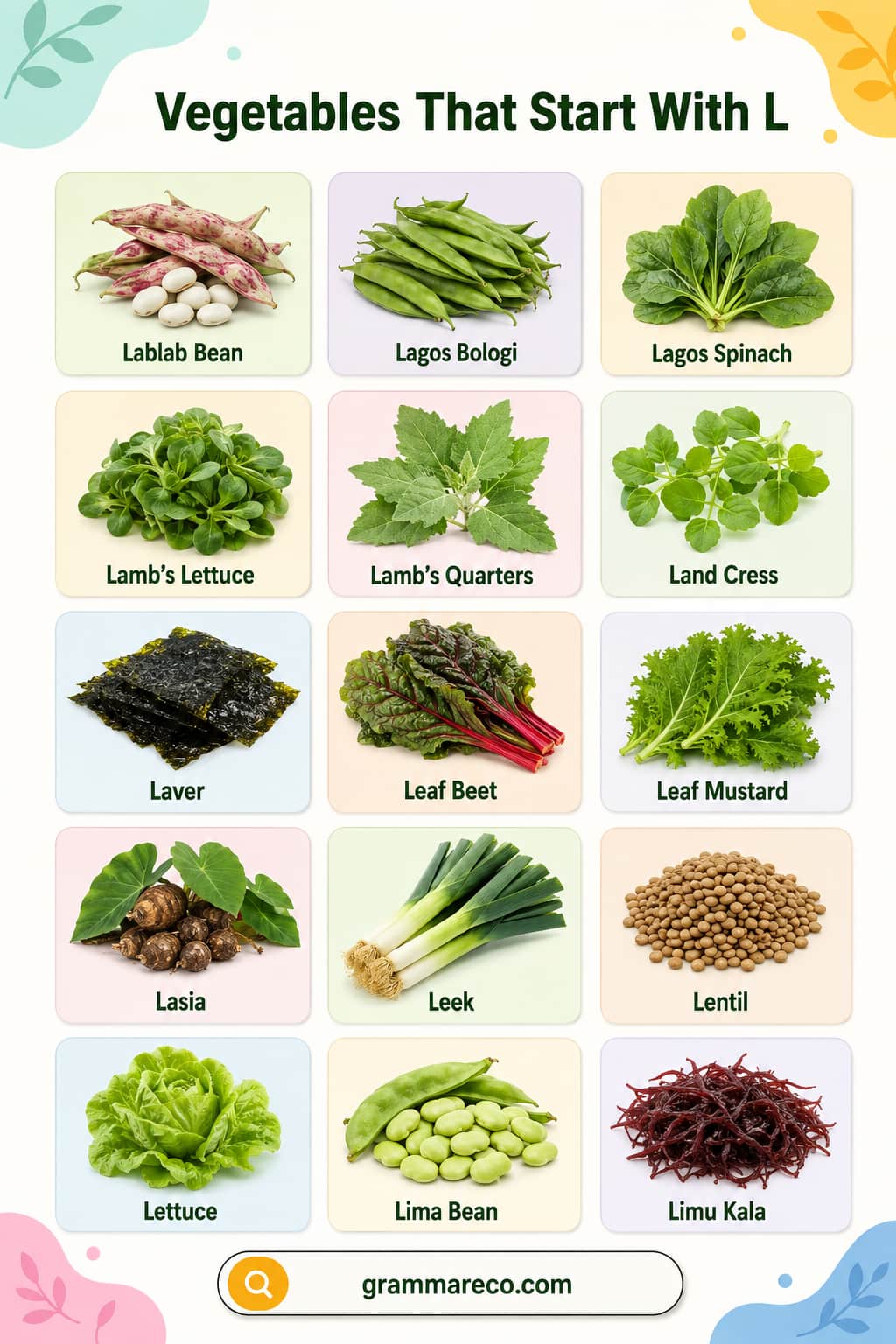
Vegetables that starting with L list includes familiar produce alongside less common culinary plants. Names such as lettuce, leek, lima bean, lotus root, and luffa cover different textures and edible parts. Below is a useful list of vegetables beginning with L.
- Lablab Bean
- Lagos Bologi
- Lagos Spinach
- Lamb’s Lettuce
- Lamb’s Quarters
- Land Cress
- Laver
- Leaf Beet
- Leaf Mustard
- Lasia
- Leek
- Lentil
- Lettuce
- Lima Bean
- Limu Kala
- Lily Bulb
- Long Bean
- Long Squash
- Loroco
- Lotus Root
- Luffa
- Lupin Bean
Pictures and Names of Vegetables that Start with L
Lablab Bean
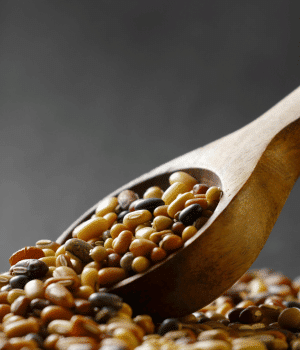
Lablab bean is a climbing legume grown for its edible pods, seeds, and young leaves. The pods may be green, purple, or speckled, depending on the variety. Young pods have a tender texture and mild bean flavor. They are commonly sliced and cooked in curries, stir-fries, stews, and vegetable dishes. Mature seeds can also be dried and prepared like other beans. Proper cooking is recommended before eating.
Lagos Bologi
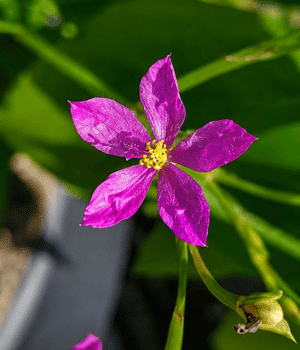
Lagos bologi is a leafy vegetable traditionally eaten in parts of West Africa. The plant produces soft green leaves that are harvested while young and tender. Its leaves have a mild, earthy taste and become softer when cooked. They are often added to soups, stews, sauces, and vegetable meals. Lagos bologi is valued for its edible foliage, and the leaves are usually washed, chopped, and cooked before serving.
Lamb’s Lettuce
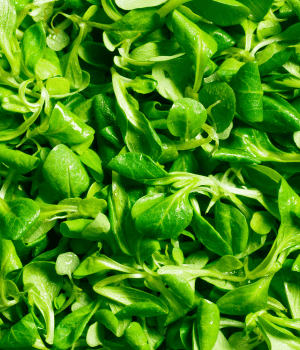
Lamb’s lettuce is a small leafy green also known as corn salad or mâche. It forms rounded, tender leaves with a mild, slightly nutty flavor. Unlike crisp head lettuce, its leaves have a delicate texture and are often eaten raw. Lamb’s lettuce works well in salads, sandwiches, wraps, and grain bowls. The leaves are usually harvested young, when their texture remains soft and their flavor is at its best.
Lagos Spinach
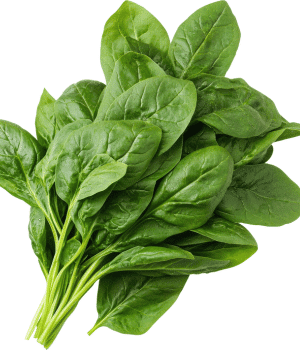
Lagos spinach is a leafy green vegetable cultivated and eaten in several African food traditions. It produces tender leaves that can be harvested throughout the growing season. The leaves have a mild flavor and soften quickly during cooking. They may be boiled, sautéed, or added to soups and stews. Young leaves can also be eaten in fresh preparations. In many dishes, Lagos spinach is cooked with onions, tomatoes, peppers, or other vegetables.
Lamb’s Quarters
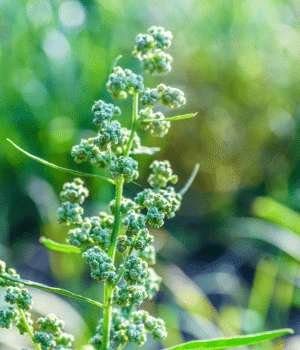
Lamb’s quarters is a leafy plant whose young leaves and tender shoots are used as a vegetable. It belongs to the goosefoot family and has soft green leaves that may have a slightly powdery underside. The flavor resembles mild spinach with an earthy note. Young leaves can be sautéed, boiled, or added to soups. The plant is also known for its edible seeds, which have been used as a grain-like food.
Land Cress
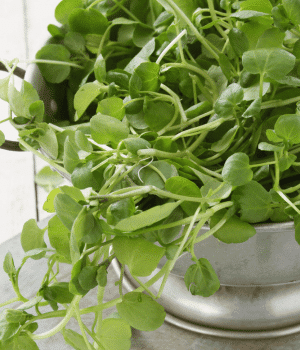
Land cress is a leafy vegetable related to watercress but grown in ordinary garden soil. It develops dark green leaves with a crisp texture and a peppery, slightly spicy flavor. The young leaves are commonly harvested for salads, sandwiches, soups, and cooked dishes. It grows well in cooler conditions and can provide a steady supply of fresh greens. Its stronger taste makes it useful when a dish needs a sharper leafy flavor.
Laver
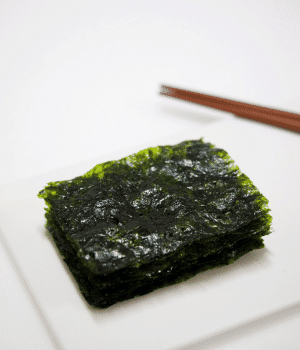
Laver is an edible red seaweed harvested from coastal waters and used as a vegetable in several food traditions. It has thin, dark sheets that become softer when cooked. Fresh or dried laver can be added to soups, sauces, savory dishes, and spreads. In Wales, it is traditionally cooked into laverbread, while related sea vegetables are widely used in Asian cuisine. Its briny flavor gives dishes a distinct taste.
Leaf Beet
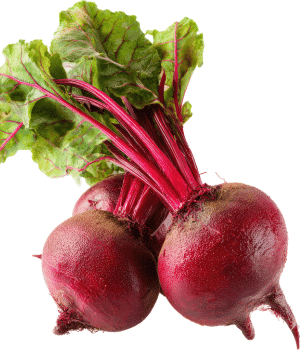
Leaf beet is a leafy vegetable closely related to Swiss chard and grown mainly for its edible foliage. Its broad leaves can range from green to deep red, while the stems may also be eaten. The leaves have a mild, earthy flavor and become tender when cooked. Leaf beet can be sautéed, steamed, boiled, or added to soups and stews. Young leaves may also be used raw in salads.
Leaf Mustard
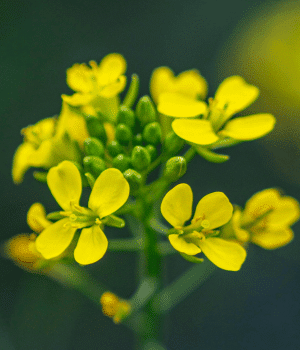
Leaf mustard is a leafy vegetable grown for its peppery, mustard-like greens. The leaves vary in shape and color, with some varieties producing frilled, broad, or deeply lobed foliage. Young leaves can be eaten raw in salads, while mature leaves are often cooked. They work well in stir-fries, soups, curries, and braised dishes. Cooking softens their texture and reduces some of their sharp mustard flavor.
Lasia
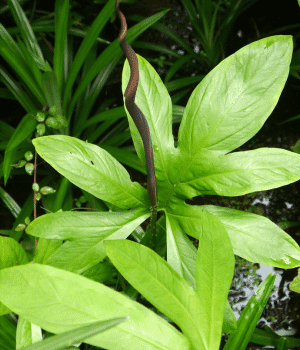
Lasia is a tropical leafy vegetable from the arum family, with long, heart-shaped leaves and sturdy stems. Young shoots and leaves are eaten in some Southeast Asian cuisines, where they are cooked rather than consumed raw. The plant has a distinctive texture and can be added to curries, soups, and vegetable dishes. Because raw parts contain irritating compounds, Lasia should be properly prepared and thoroughly cooked before eating.
Leek
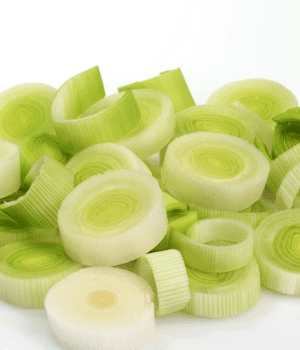
Leek is a bulb-forming vegetable related to onions and garlic, valued for its long white stalk and green leaves. It has a mild, sweet onion flavor that becomes softer and richer when cooked. Leeks are commonly sliced into soups, stews, casseroles, sauces, and savory pies. The white and light-green portions are most often used, although the darker leaves can flavor stocks and broths.
Lentil
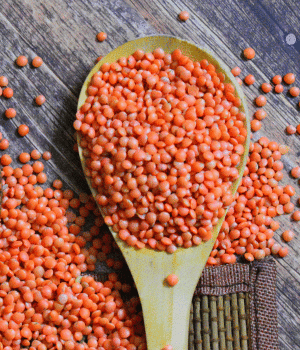
Lentil is a small edible legume grown for its protein-rich seeds rather than a typical vegetable part. Lentils come in green, brown, red, yellow, and black varieties, with each type offering a different texture after cooking. They are widely used in soups, dals, salads, stews, curries, and plant-based meals. Most lentils cook relatively quickly, and they are commonly prepared without soaking.
Lettuce
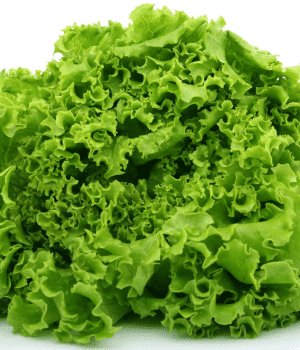
Lettuce is a leafy vegetable grown mainly for its tender leaves, which range from pale green to deep red. Different types include romaine, butterhead, leaf lettuce, and crisphead varieties. Its flavor is generally mild, fresh, and slightly sweet. Lettuce is commonly eaten raw in salads, sandwiches, burgers, and wraps. Some varieties can also be lightly cooked, although most are valued for their crisp or delicate texture.
Lima Bean
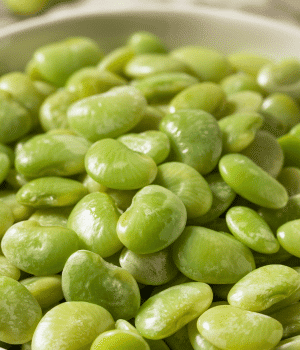
Lima bean is a legume grown for its flat, creamy-colored or green seeds, which are also called butter beans. The beans have a smooth texture and a mild, buttery flavor when cooked. Fresh lima beans can be boiled, steamed, or added to soups and stews, while dried beans are cooked after soaking or rinsing. They are used in casseroles, salads, succotash, and many traditional bean dishes. preparations with fish, seafood, and other local ingredients. Proper cleaning and preparation are carried out before consumption.
Lily Bulb
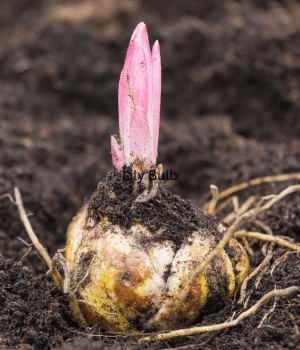
Lily bulb is the edible underground bulb of certain lily species cultivated as food, particularly in East Asian cuisine. Its overlapping scales have a crisp texture when raw and become tender after cooking. The flavor is mild, slightly sweet, and delicate. Lily bulbs are commonly added to soups, stir-fries, hot pots, and savory dishes. They may also be dried for later use, although fresh bulbs are especially valued.
Long Bean
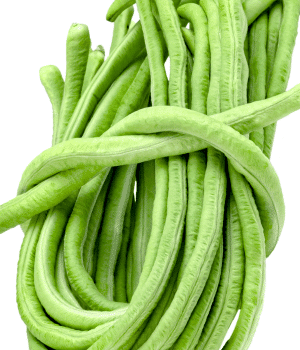
Long bean is a climbing legume known for its unusually long, slender pods, which can grow much longer than common green beans. The pods are usually green and have a crisp texture when young. They are often cut into short pieces before cooking and added to stir-fries, curries, salads, and stews. Young pods are the main edible part, while mature seeds can also be eaten after proper cooking.
Long Squash
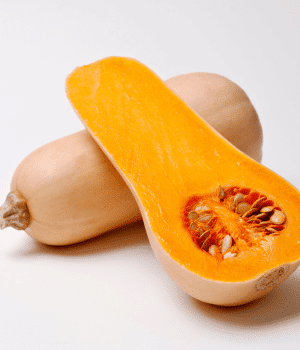
Long squash is a tender summer squash with an elongated shape and pale green to light-colored skin. It is related to gourds and develops soft flesh when harvested young. The flavor is mild, making it suitable for many savory dishes. Long squash can be sautéed, steamed, stuffed, or cooked in curries and soups. Its flesh becomes tender during cooking, while the young skin is generally edible.
Loroco
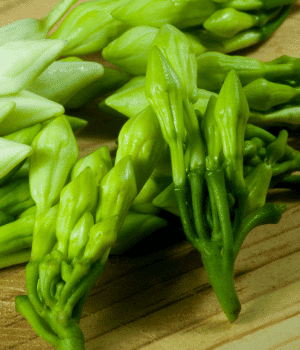
Loroco is an edible flower bud traditionally used as a vegetable in Central American cuisine, especially in El Salvador and neighboring regions. The unopened buds grow in clusters and have a distinctive herbal, slightly floral flavor. Loroco is commonly cooked with eggs, cheese, rice, meats, and sauces. It is especially associated with pupusas, where chopped buds are combined with cheese. The buds are normally cooked before they are served.
Lotus Root

Lotus root is the edible underground stem of the lotus plant, recognized by its round shape and rows of natural holes. Its pale flesh has a crisp, crunchy texture and a mild, slightly sweet flavor. Sliced lotus root is commonly stir-fried, simmered, pickled, or added to soups and stews. The attractive cross-section remains visible after cooking, making it both a flavorful ingredient and a distinctive vegetable.
Luffa
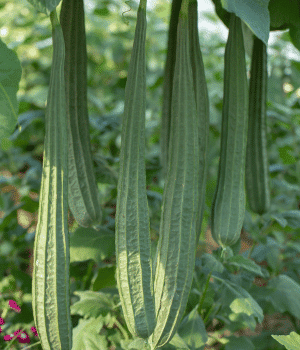
Luffa is a tropical vine whose young fruits are eaten as a vegetable before they become mature and fibrous. The tender fruits have smooth or ridged skin and soft, juicy flesh with a mild flavor. Young luffa is commonly cooked in soups, stir-fries, curries, and egg dishes. As the fruit matures, its internal fibers become tough and form the natural sponge commonly associated with the plant.
Lupin Bean
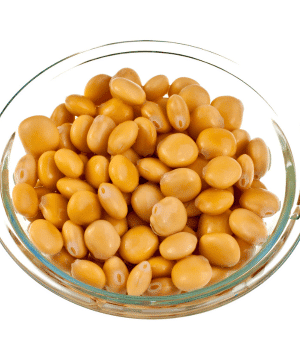
Lupin bean is a legume grown for its flat, rounded seeds, which are traditionally eaten in Mediterranean and other regional cuisines. The beans have a firm texture and a mild, nutty flavor after preparation. They can be served as snacks, added to salads, or incorporated into savory dishes. Lupin beans require appropriate processing to reduce naturally occurring alkaloids, so they should not be eaten raw.
Classification of Vegetables Beginning with L
Vegetables that Begin with L can be grouped by their edible plant parts and culinary roles. This classification makes it easier to understand why leafy greens, roots, beans, gourds, and bulbs appear together under one starting letter.
Leafy Vegetables that Start with L
Leafy vegetables Starting with L are mainly eaten for their tender leaves and stems. Their flavors range from mild and fresh to slightly peppery or earthy.
- Lamb’s Lettuce: Lamb’s lettuce is a small leafy green with rounded leaves and a mild, slightly nutty flavor. It works well in salads and fresh dishes.
- Land Cress: Land cress is a leafy green with a peppery taste similar to watercress. Its leaves can be added to salads, sandwiches, soups, and cooked greens.
- Lagos Spinach: Lagos spinach is a leafy vegetable from the Celosia group, commonly eaten for its tender green leaves. It can be cooked like spinach.
- Lacinato Kale: Lacinato kale has long, narrow, dark green leaves with a slightly wrinkled surface. It is often used in soups, salads, sautés, and pasta dishes.
- Lettuce: Lettuce is a common leafy vegetable eaten raw or cooked in some dishes. Romaine, butterhead, and iceberg are familiar types used in salads and sandwiches.
- Lollo Bionda: Lollo Bionda is a loose-leaf lettuce variety with pale green, curled leaves. Its tender texture makes it suitable for salads, wraps, and sandwiches.
- Lollo Rosso: Lollo Rosso is a curly lettuce variety with green leaves edged in reddish purple. It adds crisp texture and a mild flavor to salads.
Root Vegetables that Begin with L
Root vegetables beginning with L are less numerous than leafy choices. Lotus root is the best-known culinary example, valued for its crisp texture and distinctive internal pattern.
Lotus Root: Lotus root is the underground stem of the lotus plant rather than a true botanical root. Its crisp slices are common in Asian soups, stir-fries, and salads.
Legume Vegetables Starting with L
Legume vegetables beginning with L include beans, lentils, and related edible seeds. They provide plant-based protein and are commonly cooked in soups, stews, salads, and grain dishes.
- Lima Bean: Lima beans are broad, flat beans with a creamy texture when cooked. They can be served as a side dish or added to soups and stews.
- Lentil: Lentils are small edible seeds from legume plants and come in green, brown, red, yellow, and black types. They are common in soups, curries, salads, and stews.
- Lablab Bean: Lablab bean is a climbing legume grown for its edible pods and seeds. Young pods can be cooked as a vegetable in several cuisines.
- Lupin Bean: Lupin beans are yellow legume seeds with a firm texture and mild, nutty taste. They require proper preparation before eating because raw seeds contain natural alkaloids.
Gourd Vegetables that Start with L
Gourd vegetables beginning with L include luffa and long melon. Young fruits are commonly cooked as vegetables, especially in soups, stir-fries, and other savory dishes.
- Luffa: Luffa is a climbing vine whose young, tender fruits are eaten as vegetables. When mature, the dried fruit develops the fibrous material used as a natural sponge.
- Long Melon: Long melon is a long, pale gourd also known as wax gourd in some food traditions. Young or mature fruit can be cooked in soups and savory dishes.
Bulb Vegetables that Begin with L
Bulb vegetables that start with L include leek, which belongs to the same plant family as onions and garlic. Its thick white stem and green leaves are both useful in cooking.
Leek: Leeks have a mild onion-like flavor with thick white and light green stems. They are often sautéed, roasted, added to soups, or combined with potatoes.
Vegetables that Start with L Used in Asian Cooking
Several vegetables appear regularly in Asian cuisines, where leafy herbs, roots, gourds, and legumes are prepared in many ways. Their uses often depend on the region and cooking method.
Laksa Leaf: Laksa leaf, also called Vietnamese coriander, is an aromatic herb used in Southeast Asian cooking. Its peppery, citrus-like flavor commonly appears in noodle soups, salads, and spicy dishes.
Vegetables that Start with L for Kids
Children can start with familiar names before learning less common vegetables that start with L. Lettuce, leek, lima bean, and lentil are easy starting points because they appear in many food settings. Pictures can make the names easier to connect with different shapes and plant parts.
- Lettuce: A crisp, mild leafy green commonly used in salads, sandwiches, wraps, and burgers.
- Leek: A mild onion-family vegetable with long stalks, often used in soups, stews, and sauces.
- Lima Bean: A creamy, buttery legume commonly added to soups, stews, salads, and vegetable dishes.
- Lentil: A small legume available in several colors and often used in soups, curries, salads, and stews.
- Luffa: A young, tender gourd with mild flesh, commonly stir-fried, steamed, or added to soups.
- Lotus Root: A crisp underground stem with distinctive holes, often used in stir-fries, soups, salads, and braised dishes.
- Lablab Bean: A tropical legume with edible pods and beans, commonly cooked in curries, stir-fries, and vegetable dishes.
- Lamb’s Lettuce: A small leafy green with rounded leaves and a mild, slightly nutty flavor, often used in salads.
- Land Cress: A peppery leafy green similar to watercress, commonly used in salads, sandwiches, soups, and cooked dishes.
- Lollo Rosso: A curly lettuce variety with green and reddish-purple leaves, mainly used in salads and fresh dishes.
- Long Melon: A long, pale green gourd with mild flesh, commonly used in soups, curries, and stir-fries.
- Lupin Bean: A firm, nutty legume that can be eaten as a snack or added to salads and savory dishes.
FAQs About Vegetables that Start with L
Lettuce is a common vegetable that starts with L. Other examples include leek, lima bean, lentil, luffa, and lotus root.
Leafy vegetables beginning with L include lettuce, lamb’s lettuce, land cress, Lagos spinach, and Lollo Rosso, a red-leaf lettuce variety.
Common L vegetables for kids include lettuce, leek, lima bean, lentil, luffa, lotus root, lablab bean, and lamb’s lettuce.
Green vegetables beginning with L include lettuce, leek, lamb’s lettuce, land cress, Lagos spinach, luffa, and several types of leafy greens.
Takeaway
Vegetables that start with L include leafy greens, legumes, gourds, bulbs, and underground plant foods. Lettuce, leek, and lima bean are familiar choices, while lotus root, luffa, and lablab bean add less common names. Remember that not every edible plant part fits the botanical definition of a vegetable. Lotus root, for instance, is technically an underground stem.
Read more
- Vegetables that Start with M
- Vegetables that Start with N
- Vegetables that Start with O
- 25+ Vegetables Starting with K
- 57 Vegetables that Start with J
- Vegetables Beginning with I