
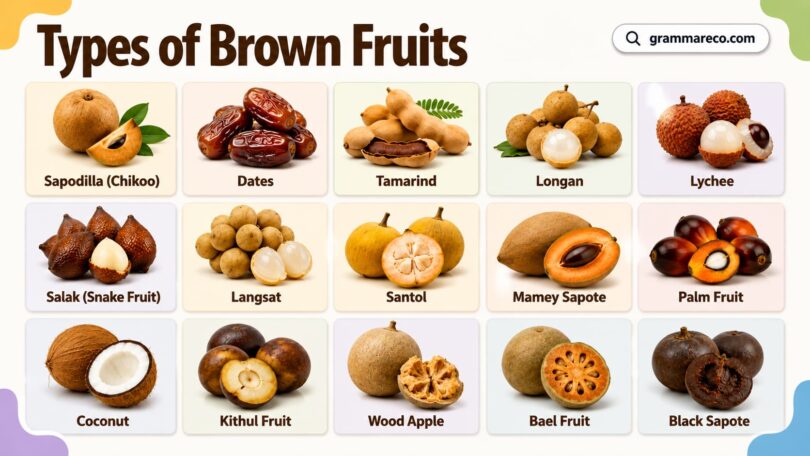
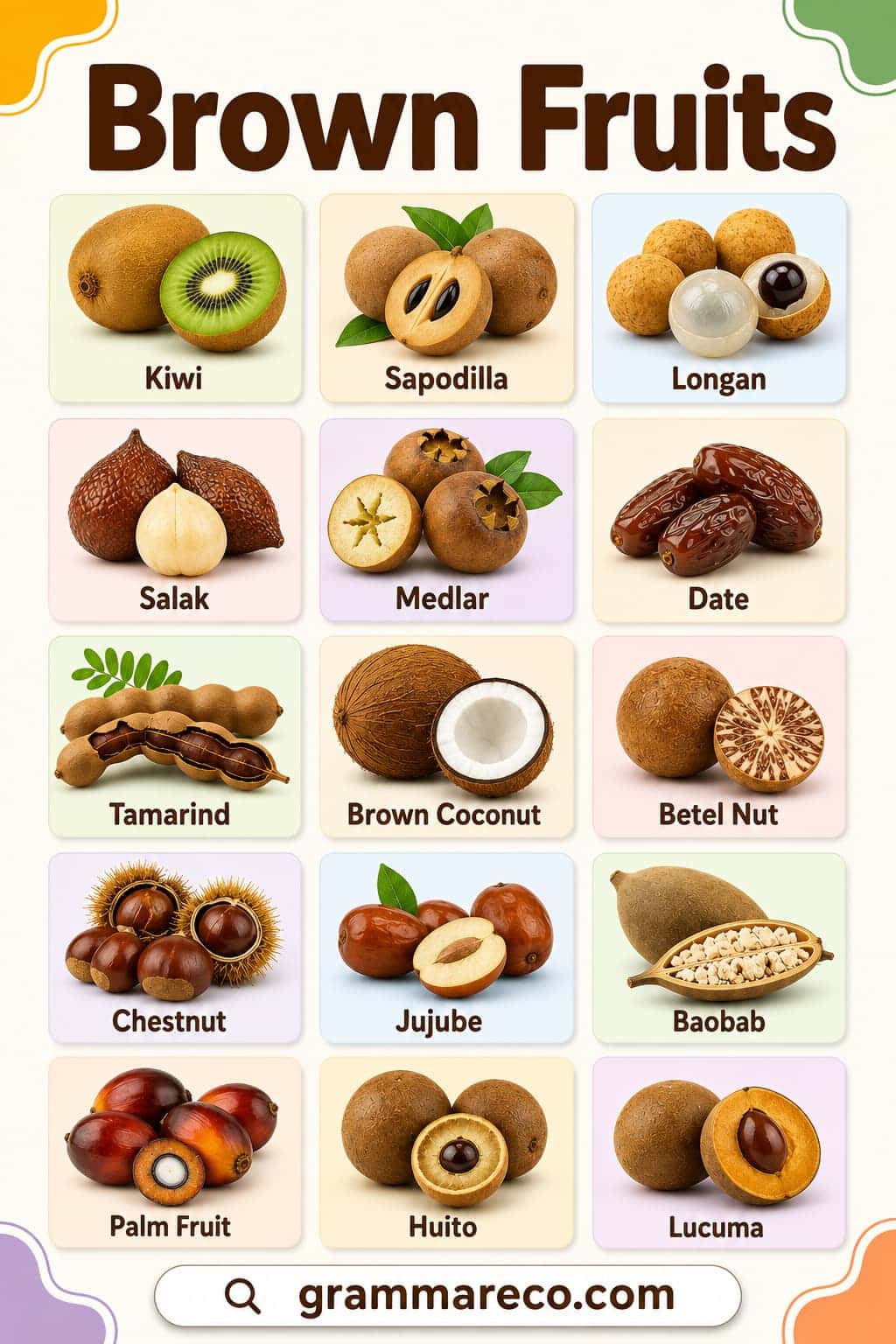
Brown fruits come in many shapes, sizes, and shades. Their skins may be tan, russet, bronze, reddish-brown, or deep brown, while their flesh can be white, green, yellow, orange, pink, or brown. Some fruits are naturally brown when ripe, while others develop brown color as they dry or mature.
This article covers brown fruit list, their names, skin and flesh colors, tastes, growing regions, and edible skins. You’ll learn their names through pictures and understand how brown pears and other brown fruits differ.
What are Brown Colored Fruits?
Brown fruits are fruits with naturally brown, tan, russet, bronze, or dark-brown outer surfaces. Some also have brown flesh, while others have pale or brightly colored flesh beneath the skin. The brown color may come from the fruit’s natural pigments, surface texture, ripening stage, or drying process.
Brown fruit can be tropical, temperate, or subtropical. The category is based mainly on visible fruit color rather than botanical family, so very different fruits can appear together.
A List of Brown Fruits in English
Brown fruits occur across tropical, subtropical, Mediterranean, and temperate regions. Common fruits that are brown found in American grocery stores, while others are mainly grown in Asia, Africa, South America, or island regions. Below is a broad list of fruits that can naturally have brown skin, brown flesh, or a distinctly brown outer appearance when mature.
- Bael
- Black Sapote
- Brown Turkey Fig
- Coconut
- Date
- Dried Fig
- Dried Jujube
- Dried Plum
- Jujube
- Kiwifruit
- Longan
- Mabolo
- Mamey Sapote
- Medjool Date
- Mission Fig
- Russet Apple
- Salak
- Santol
- Sapodilla
- Tamarind
- Velvet Tamarind
- Brown Passion Fruit
- Brown Coconut
- Brown Pear
- Bosc Pear
- Taylor’s Gold Pear
- Conference Pear
- Concorde Pear
- Kaiser Pear
- Abate Fetel Pear
- Rocha Pear
- Doyenné du Comice Pear
- Golden Russet Apple
- Egremont Russet Apple
- Knobby Russet Apple
- Ashmead’s Kernel Apple
- Roxbury Russet Apple
- St. Edmund’s Russet Apple
- Sturmer Pippin Apple
- Claygate Pearmain Apple
- Belle de Boskoop Apple
- Reinette Grise Apple
- Ribston Pippin Apple
- Adam’s Pearmain Apple
- Blenheim Orange Apple
- Hereford Russet Apple
- Merton Russet Apple
- Golden Delicious Russet Apple
Not every fruit above is brown throughout its entire surface. Russet apples and pears, for instance, can have brown areas covering much of their skin rather than a completely brown surface. Russeting is especially common among certain apple and pear cultivars.
Types of Brown Fruits and Their Pictures
Types of brown fruits can be grouped according to where the brown color appears. The outside may be brown while the flesh stays white, or the inside may become brown after ripening. Pictures make these differences easier to understand.
Brown Fruits With Brown Skin and Pictures
Brown-skinned fruits have an outer surface ranging from light tan to deep brown. Their inner flesh can vary widely, so skin color alone cannot tell you what the fruit looks like inside.
Sapodilla
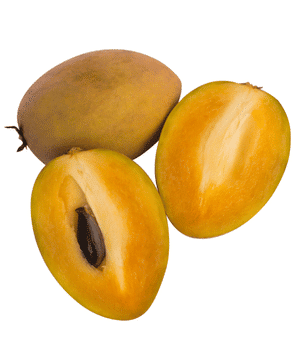
Sapodilla is a tropical fruit with rough brown skin and soft tan to brown flesh. It grows widely in Mexico, Central America, the Caribbean, and other tropical regions. Its sweet flavor resembles brown sugar, with a soft, grainy texture.
Tamarind
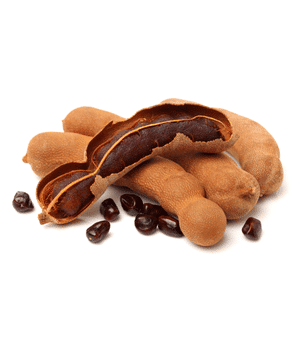
Tamarind has a hard brown pod surrounding sticky brown pulp and seeds. It originated in tropical Africa and became widely grown across tropical Asia. Its pulp has a strong sweet and sour taste used in sauces, drinks, candies, and cooking.
Longan
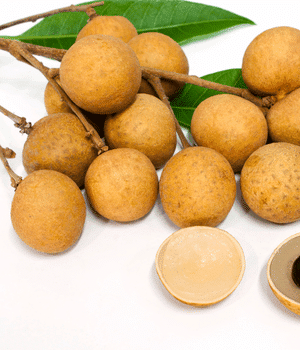
Longan is a small round fruit with brownish skin and translucent white flesh. The fruit is originated in southern China and Southeast Asia and is widely grown in Thailand and Vietnam. The juicy flesh tastes sweet, fragrant, and mildly floral.
Kiwifruit
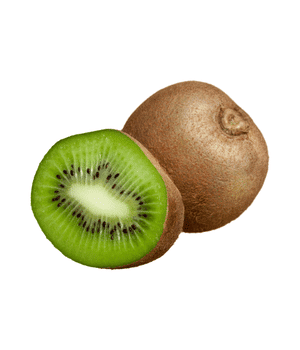
Kiwifruit has fuzzy brown skin, bright green flesh, tiny black seeds, and a pale center. It originated in China and is now widely grown in New Zealand, Italy, Chile, and other regions. Its taste is sweet, slightly tart, and refreshing.
Date
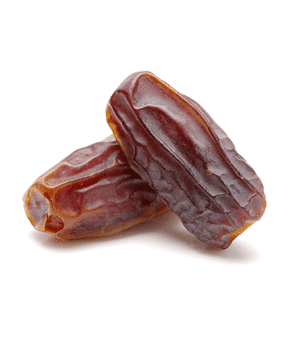
Dates develop golden-brown to deep-brown skin as they mature. Date palms originated around the Middle East and are now grown across many warm regions. Their soft flesh tastes naturally sweet, caramel-like, and sometimes slightly honeyed.
Read more: Different Types of Dates
Mamey Sapote
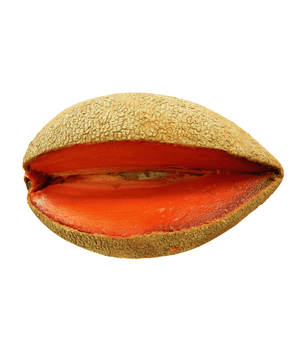
Mamey sapote has rough, dark-brown skin and orange, salmon, or reddish-brown flesh. It originated in Mexico and Central America and grows widely in tropical regions. The creamy flesh tastes very sweet, with notes often compared with almond and cherry.
Salak
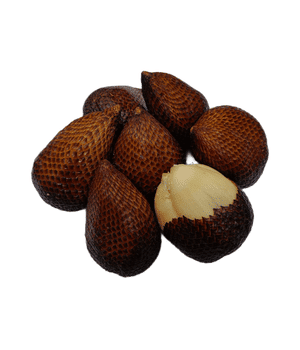
Salak, also called snake fruit, has reddish-brown scaly skin and pale cream flesh. It is native to Indonesia and grows widely in Southeast Asia. Its crisp flesh combines sweet, sour, and slightly nutty flavors.
Santol
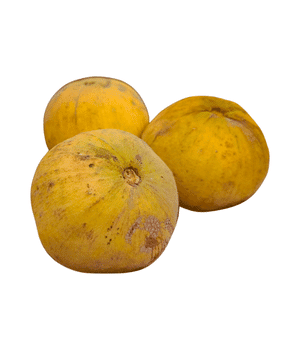
Santol has yellowish-brown to brown skin with soft white segments inside. It is native to Southeast Asia and is widely grown in tropical areas. The pulp can taste sweet and mildly sour, with a soft or cottony texture.
Coconut
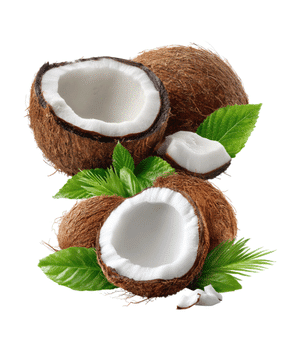
Coconut develops a brown, fibrous outer husk when mature. The fruit contains white coconut meat and clear coconut water inside. Coconut palms grow throughout tropical coastal regions, and the fresh meat tastes mildly sweet, creamy, and nutty.
Brown Turkey Fig
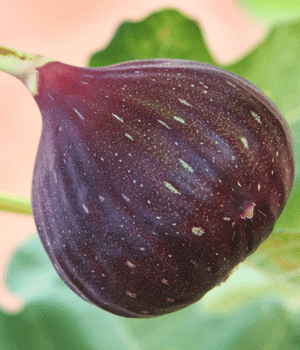
Brown Turkey fig has brown to reddish-brown skin and soft pinkish flesh. It is grown in Mediterranean climates and warmer parts of the United States. Its ripe flesh tastes sweet, jammy, and mildly berry-like.
Mabolo
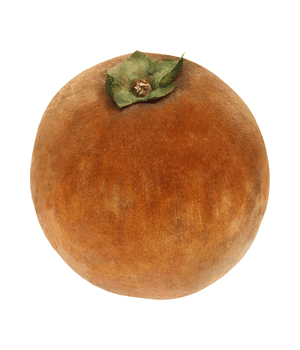
Mabolo, sometimes called velvet apple, has reddish-brown to brown skin and pale creamy flesh. It is native to the Philippines and grows in tropical Southeast Asia. The flesh is soft and sweet, although its strong aroma may seem unusual.
Velvet Tamarind
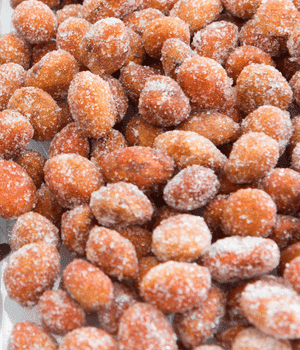
Velvet tamarind has a dark brown, brittle shell containing orange-brown pulp. It is native to tropical Africa and is eaten fresh or used in drinks. The pulp has a sweet and pleasantly sour flavor.
Brown Passion Fruit
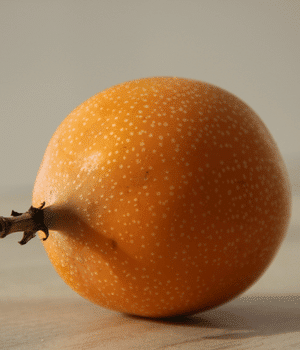
Brown passion fruit develops a brown or purplish-brown wrinkled rind when ripe. It grows in warm regions, including parts of South America and tropical agriculture areas. Its juicy orange pulp tastes sweet, tart, aromatic, and strongly tropical.
Brown Fruit With White Inside with Pictures
Several brown fruits have pale white or creamy flesh beneath their darker outer layer. The contrast can be striking when the fruit is cut open. Their textures range from juicy and tender to crisp or creamy.
Longan
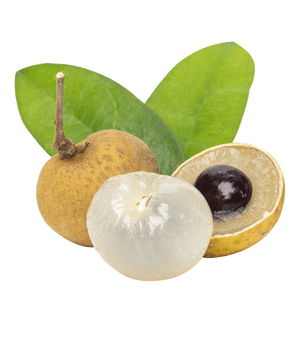
Longan has brownish or yellowish-brown skin surrounding translucent white flesh and one dark seed. It is native to southern China and Southeast Asia and is now cultivated widely in tropical and subtropical areas. The flesh is juicy, sweet, fragrant, and mildly floral.
Santol
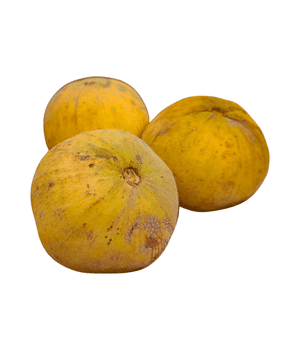
Santol can have light-brown or brown skin with soft white flesh divided into segments. It grows throughout tropical Southeast Asia, especially in warm and humid areas. The edible pulp has a sweet taste with mild sourness and a cotton-like texture.
Coconut
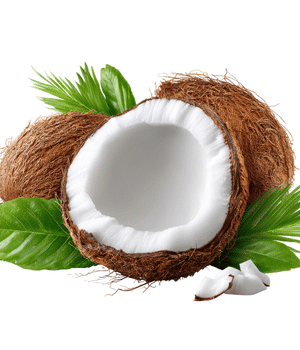
Mature coconut has a brown fibrous husk surrounding a hard shell, white meat, and coconut water. Coconut palms grow mainly in tropical coastal climates worldwide. The white meat tastes mildly sweet, creamy, and nutty, while the water is light and refreshing.
Salak
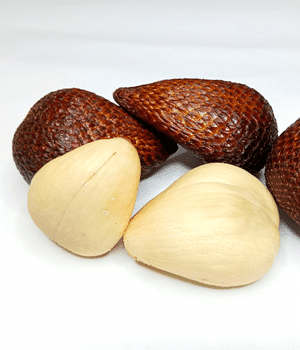
Salak has reddish-brown scaly skin and pale cream to white segments inside. It is strongly associated with Indonesia and other Southeast Asian growing regions. The crisp flesh tastes sweet and tart, with a slightly nutty flavor.
Brown Fruits With Brown Flesh and Properties
Some fruits have brown, reddish-brown, or dark brown flesh beneath a brown or dark outer surface. Their colors often become stronger as they ripen. Several have soft textures and rich sweet flavors.
Sapodilla
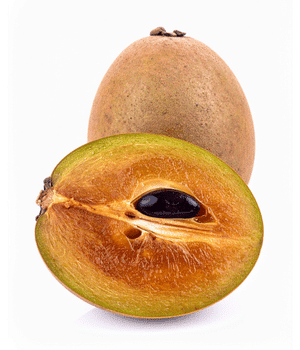
Sapodilla has brown skin and tan to brown flesh when ripe. It is native to southern Mexico and Central America and grows across tropical regions. The soft pulp has a rich sweetness often compared with brown sugar and caramel.
Tamarind
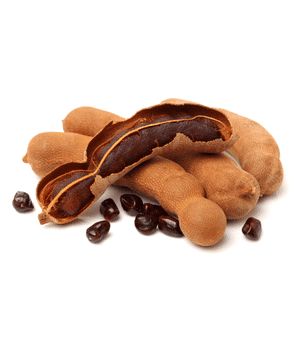
Tamarind contains sticky brown pulp inside its brown pod. The tree is native to tropical Africa but became widely established throughout tropical Asia. Its pulp is strongly sweet and sour, making it popular for sauces, beverages, chutneys, and candies.
Dates
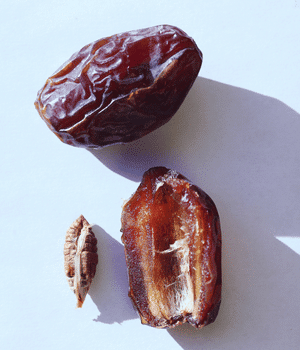
Dates have brown skin and soft brown to amber flesh at mature stages. They are strongly associated with the Middle East and North Africa but are now grown in many warm climates. Their flesh is chewy, dense, and naturally very sweet.
Mamey Sapote
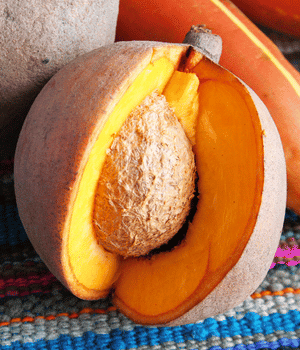
Mamey sapote may have orange, salmon, reddish-brown, or brown flesh beneath rough brown skin. It comes from Mexico and Central America and grows in tropical areas. The creamy flesh has a rich sweetness with a flavor often compared with almond and cherry.
Dried Fig
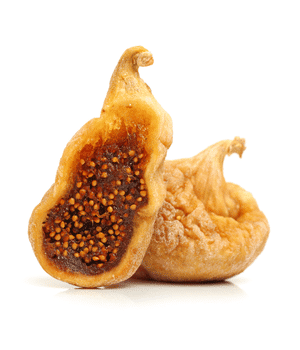
Dried figs usually have brown or deep-brown outer skin and dense amber, brown, or reddish flesh. Figs are grown around the Mediterranean, California, and other warm regions. Drying concentrates their natural sweetness and gives them a chewy texture.
Dried Jujube
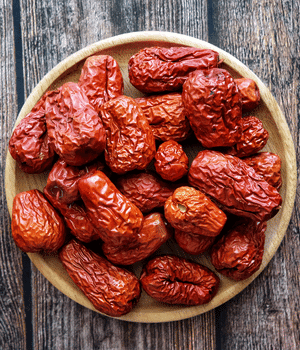
Dried jujube has wrinkled brown skin and firm, amber-brown flesh. Jujubes are widely cultivated in China and other warm regions. Fresh fruit tastes crisp and mildly sweet, while dried fruit becomes chewy with a flavor similar to a date.
Brown Pears Fruit and Their Pictures
Brown types of pears are usually recognized by brown, tan, bronze, or heavy russeted skin. Their flesh is generally cream or ivory rather than brown. Bosc is the best-known brown-skinned pear, while several other cultivars develop strong brown russeting.
Taylor’s Gold Pear
Taylor’s Gold is a New Zealand pear with cinnamon-colored russeted skin. Developed from a natural mutation associated with Comice and has been grown in New Zealand and other pear-producing regions. Its juicy flesh has a sweet, aromatic flavor.
Concorde Pear
Concorde pear has green-yellow skin that can develop golden-brown russeting. Its dense, pale flesh is crisp and juicy, with a sweet flavor and noticeable vanilla-like character. Kinds of pear fruit originated in England and is now grown in several temperate regions.
Conference Pear
Conference pear is a long European pear that can develop extensive russeting over green skin and originated in England and is widely grown in Europe. Its pale flesh becomes juicy and sweet when ripe, with a smooth texture suitable for fresh eating and cooking.
Kaiser Pear
Kaiser pear, also called Beurré Bosc in some markets, has heavily russeted brown skin and pale flesh. Pear associated with European pear production and prefers temperate growing conditions. The flesh is juicy, sweet, aromatic, and pleasantly soft when ripe.
Bosc Pear
Bosc pear has warm-brown russeted skin and dense ivory flesh. It is grown in the United States and other temperate pear regions. The flesh stays firm longer than many pear varieties and has a sweet honey flavor with a mild woodsy character.
Abate Fetel Pear
Abate Fetel is a long, narrow European pear that may develop brown russeting over yellow-green skin. Type of pear widely grown in European and Mediterranean pear regions. Its pale flesh is juicy and sweet, with a fine texture and gentle aromatic flavor.
Rocha Pear
Rocha pear is a Portuguese pear with yellow-green skin and natural russeting that can appear brown. Strongly associated with Portugal and nearby European markets. Its white flesh is crisp, juicy, sweet, and slightly aromatic.
Golden Russet Pear
Golden russeted pears have golden-brown skin with dense russeting and pale flesh. Their exact appearance varies by cultivar and growing region. Most have a sweet, juicy texture, while some cultivars are firmer and more aromatic.
Brown Fruits With Edible Skin
Not every brown fruit should be eaten with its skin. Some brown skins are thin and edible, while others are hard, fibrous, rough, or unpleasant. Always wash fresh fruit before eating the skin.
Kiwifruit
Kiwifruit has brown fuzzy skin that is completely edible. Wash and gently rub the fruit before eating it whole, slicing it, or adding it to smoothies. The skin can feel rough, so peeling remains a personal choice.
Bosc Pear
Bosc pear has brown russeted skin that can be eaten after washing. The skin is firmer and rougher than some pear varieties, but it remains edible. Slice the pear whole, or remove the skin if you prefer a softer texture.
Brown Turkey Fig
Brown Turkey fig has soft edible skin and tender flesh. Wash the ripe fruit gently, remove the stem, and eat it whole. The skin adds a slightly chewy texture while the inside remains soft and sweet.
Russet Apples
Russet apples such as Egremont Russet, Golden Russet, and Roxbury Russet have edible skins. Wash them well and eat them whole or slice them for snacks. Their rough brown skin can taste slightly nutty and aromatic.
Jujube
Jujube has thin skin that can be eaten when the fruit is fresh. Wash the fruit, bite or slice it, and remove the hard seed. As jujubes dry, their skin becomes wrinkled and darker but remains part of the edible fruit.
Dates
Dates have thin edible skin surrounding their soft flesh. Wash fresh dates before eating, then split them open and remove the pit. Dried dates can also be eaten whole after the seed is removed.
The skins of fruits such as tamarind, longan, santol, salak, coconut, and sapodilla are generally removed before eating. Their outer layers are too hard, fibrous, thick, or unpleasant for normal eating.
Brown Fruit Names for Kids
Brown fruits can look very different inside. Some have white flesh, some are green, and others have soft brown pulp.
- Kiwi: A small brown fruit with green flesh, black seeds, and a sweet-tart taste.
- Date: A soft brown fruit that tastes very sweet and chewy.
- Coconut: A large brown fruit with white meat and refreshing coconut water.
- Longan: A small brown fruit with juicy white flesh and one dark seed.
- Sapodilla: A brown tropical fruit with soft, sweet, caramel-like flesh.
- Tamarind: A brown pod filled with sticky, sweet and sour pulp.
- Salak: A scaly brown fruit with crisp, pale flesh inside.
- Santol: A round brown fruit with soft white sections and sweet pulp.
- Mamey Sapote: A rough brown fruit with creamy orange or reddish flesh.
- Brown Turkey Fig: A soft brown fig with sweet, tender fruit inside.
- Black Sapote: A tropical fruit with soft dark brown flesh when ripe.
- Bael: A hard-shelled fruit containing fragrant yellow-orange pulp inside.
- Velvet Tamarind: A small dark brown fruit with sweet and tangy pulp.
- Bosc Pear: A brown-skinned pear with crisp, pale flesh and honey sweetness.
- Russet Apple: An apple with rough brown skin and sweet, aromatic flesh.
How to Identify a Brown Fruit
You can identify a brown fruit by checking several features instead of looking at color alone.
1. Check the Skin
Look for fuzzy, smooth, rough, scaly, russeted, or fibrous brown skin.
2. Check the Flesh
Cut the fruit open and note whether the flesh is white, green, yellow, orange, red, or brown.
3. Look at the Seeds
Seeds can also help identify a fruit. Longan, for example, has one large dark seed, while tamarind has several hard seeds inside its pulp.
4. Consider the Texture
Brown fruits can be crisp, juicy, creamy, sticky, soft, chewy, or fibrous.
5. Consider Ripeness
Some fruits change color significantly as they ripen. Jujube is a good example because its skin can change from green to reddish brown.
FAQs About Fruits That Are Brown
Dates, tamarind, sapodilla, jujube, longan, salak, and some figs naturally develop brown skin when mature.
Longan, coconut, santol, and some brown-skinned pears have pale white or creamy flesh beneath their darker outer skin.
Sapodilla, black sapote, dates, tamarind, dried figs, and velvet tamarind can have brown, dark brown, or amber-brown flesh.
Yes. Kiwifruit is commonly included among brown fruits because its fuzzy outer skin is brown, although its flesh is usually green.
Bosc and Taylor’s Gold are well-known brown pears, while Conference, Kaiser, and some russeted cultivars can also have noticeable brown skin.
Takeaway for Learners
Brown fruits aren’t limited to one type of fruit or one shade. Their brown color may appear on the skin, flesh, shell, or dried surface.
The most recognizable examples include kiwi, dates, tamarind, longan, salak, sapodilla, coconut, and several russeted pear varieties. Looking at both the outside and inside makes each fruit easier to identify.
Read more