

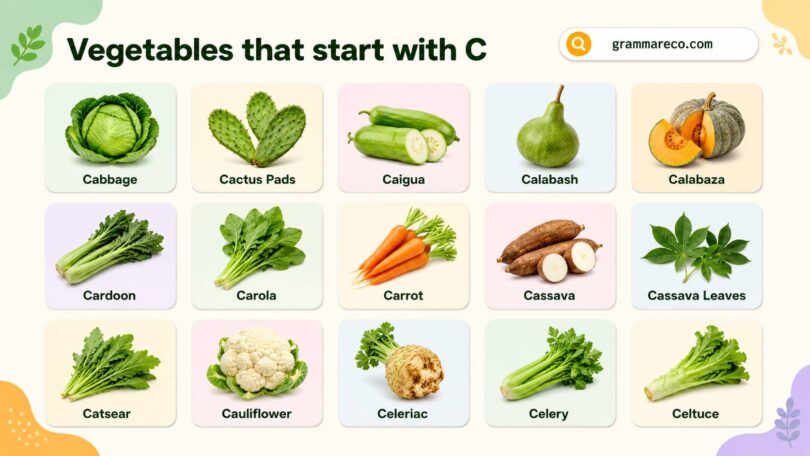
Vegetables that start with C include roots, leafy greens, pods, shoots, stems, and fruit vegetables. Their names come from many food traditions and growing regions around the world. Some are familiar at American grocery stores, while others appear more often in Asian, African, Caribbean, or European cooking. Learning these vegetable names beginning with c gives readers useful food knowledge and helps them understand different plant parts used in cooking. Vegetables, roots, and greens all appear throughout this topic.
What Vegetables that Start with C?
Vegetables beginning with C come from several plant groups and have different edible parts. Roots grow underground, while leafy vegetables, pods, stems, and fruit vegetables develop above the soil. Some names describe common crops, while others refer to regional vegetables used in traditional dishes. Understanding these differences makes each vegetable easier to recognize and describe.
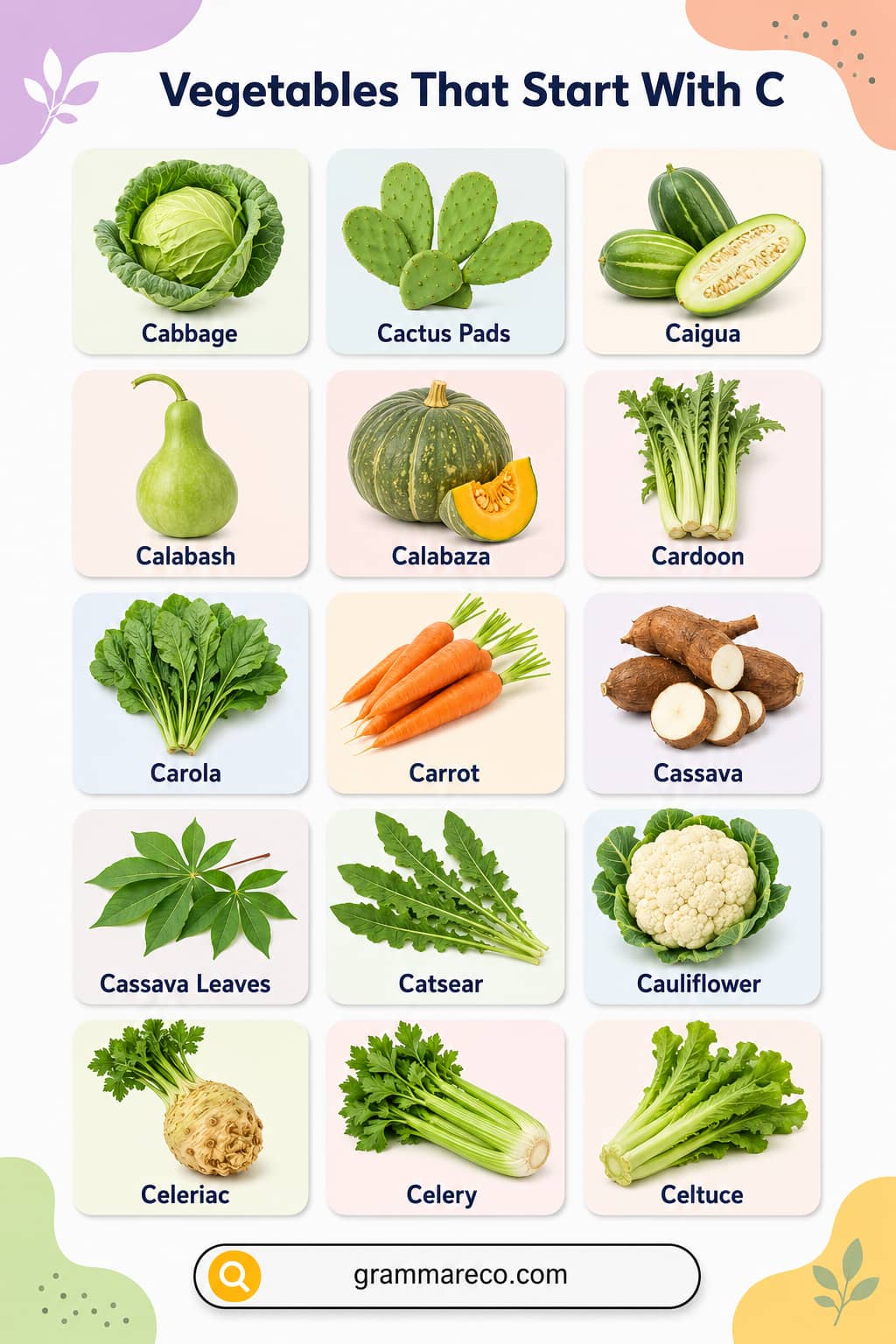
List of Vegetables that Start with C
The letter C covers a broad range of vegetables, from common supermarket crops to regional produce. Below is a list of vegetable names beginning with C that fit different culinary and botanical groups.
- Cabbage
- Cactus Pads
- Caigua
- Calabash
- Calabaza
- Cardoon
- Carola
- Carrot
- Cassava
- Cassava Leaves
- Catsear
- Cauliflower
- Celeriac
- Celery
- Celtuce
- Ceylon Spinach
- Chaya
- Chard
- Chayote
- Chayote Shoots
- Cherry Pepper
- Cherry Tomato
- Chickpea
- Chickweed
- Chicory
- Chinese Artichoke
- Chinese Broccoli
- Chinese Cabbage
- Chinese Eggplant
- Chinese Mallow
- Chinese Toon
- Chinese Water Chestnut
- Chinese Yam
- Choko
- Choy Sum
- Chrysanthemum Greens
- Cime di Rapa
- Collard Greens
- Common Bean
- Common Purslane
- Corn
- Corn Salad
- Courgette
- Cress
- Crookneck Squash
- Crosne
- Cucamelon
- Cucumber
- Curly Endive
- Cushaw Squash
- Cluster Beans
- Cowpea
- Cavolo Nero
Vegetables that Start with C with Pictures and Definition
Cabbage
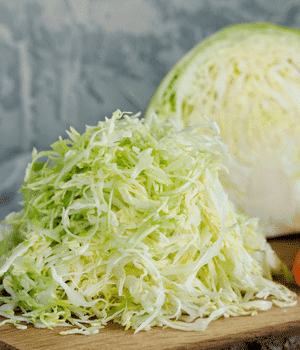
Cabbage is a leafy vegetable that forms a dense, rounded or elongated head. Its crisp leaves can appear green, red, purple, or pale white, depending on the variety. The flavor ranges from mildly sweet to slightly peppery. Cooks often shred cabbage for slaws, salads, and tacos. They also sauté, steam, roast, ferment, or simmer it in soups and stews.
Cactus Pads

Cactus pads are the flat, edible stems of certain prickly pear cactus varieties. Also called nopales, they have a firm, juicy texture and a mildly tart, green flavor. Small spines must be removed before preparation. Cooks commonly grill, boil, sauté, or pickle the pads. They also add chopped cactus pads to tacos, salads, scrambled eggs, soups, and bean dishes.
Caigua
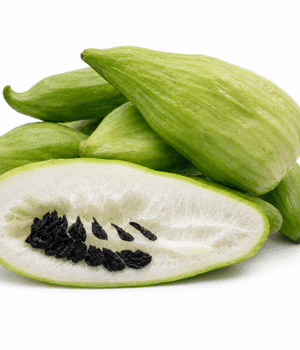
Caigua is a small, elongated fruit vegetable native to the Andes and widely used in South American cooking. Its pale green skin surrounds a crisp, somewhat hollow interior with soft seeds. The flavor resembles a mild cucumber with a slight peppery note. Cooks eat caigua raw or prepare it by stuffing, sautéing, steaming, or adding it to salads and cooked dishes.
Calabash

Calabash is a large gourd that grows on a climbing vine and develops a smooth green skin. Young calabash has tender flesh and a mild, slightly sweet flavor, while mature fruit becomes harder. Cooks usually use the young vegetable in soups, curries, stews, and stir-fries. It can also be steamed or sautéed after peeling and removing the seeds.
Calabaza

Calabaza is a type of tropical winter squash commonly used in Latin American and Caribbean cooking. Its hard outer skin may appear green, orange, or mottled, while the flesh usually looks yellow or orange. It has a mildly sweet, earthy flavor. Cooks roast, boil, steam, or simmer calabaza in soups, stews, rice dishes, casseroles, and vegetable sides.
Cardoon
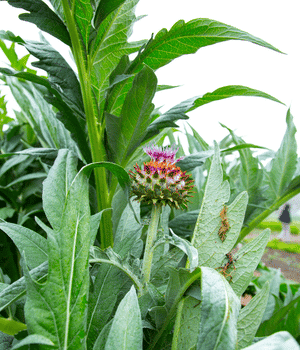
Cardoon is a tall vegetable related to the artichoke, grown mainly for its thick, edible leaf stalks. The stalks have a fibrous texture and a mild flavor with hints of celery and artichoke. Cooks usually trim and peel them before cooking. Cardoon can then be boiled, braised, baked, fried, or added to soups and Mediterranean-style vegetable dishes.
Carrot
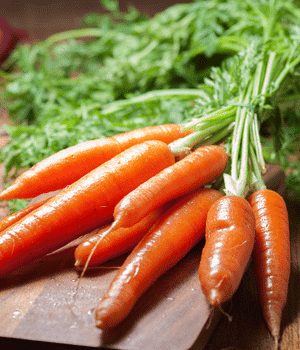
Carrot is an edible root vegetable known for its long shape, crisp texture, and naturally sweet flavor. Orange varieties remain the most familiar, although carrots can also appear purple, yellow, red, and white. You can eat carrots raw or cooked. They work well in salads, soups, stews, roasted vegetable dishes, stir-fries, juices, and baked recipes.
Cassava
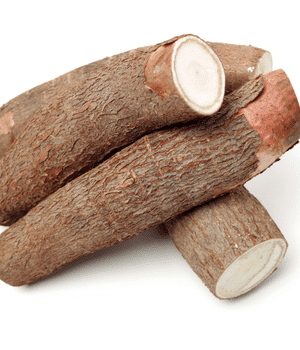
Cassava is a starchy root vegetable that grows underground on a tropical shrub. Its rough brown skin protects firm white or cream-colored flesh. The cooked root has a mild flavor and dense, potato-like texture. Because raw cassava contains naturally occurring cyanogenic compounds, cooks must peel and thoroughly cook it before eating. Common preparations include boiling, frying, roasting, and mashing.
Cassava Leaves

Cassava leaves are the edible foliage of the cassava plant and serve as a vegetable in several African, Asian, and Caribbean cuisines. The leaves have a firm texture and earthy flavor. Proper preparation matters because raw leaves contain naturally occurring cyanogenic compounds. Cooks commonly pound or finely chop them before boiling, simmering, or combining them with sauces, coconut milk, meat, or fish.
Catsear
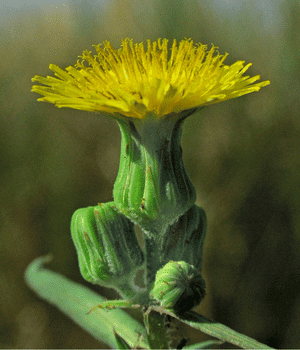
Catsear is a wild edible leafy plant that resembles a dandelion and grows in many temperate regions. Its young leaves have a mild, slightly bitter flavor and tender texture. People can eat the leaves raw when young or cook them like other greens. They work well in salads, soups, sautés, and mixed vegetable dishes. Older leaves generally become tougher and more bitter.
Cauliflower
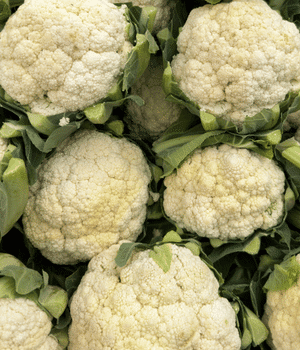
Cauliflower is a cruciferous vegetable that forms a compact head of undeveloped flower buds. White remains the most familiar color, but purple, green, orange, and other varieties also exist. Its mild flavor becomes slightly nutty when roasted. Cooks steam, boil, roast, grill, mash, or rice cauliflower. It also works well in curries, soups, gratins, salads, and vegetable-based dishes.
Celeriac
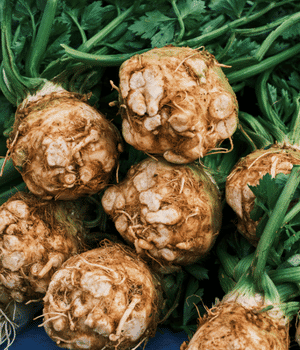
Celeriac is a knobby root vegetable closely related to celery and grown for its underground stem. Its rough beige skin hides crisp, pale flesh with a mild celery-like flavor. Cooks usually peel the root before preparation. It can be mashed, roasted, boiled, grated, fried, or added to soups and stews. Its firm texture also makes it useful in salads and slaws.
Celery
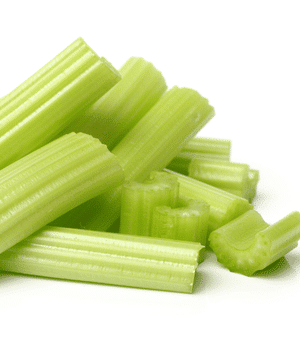
Celery is a crisp vegetable grown for its long, pale green stalks, although its leaves and seeds also have culinary uses. It has a fresh, watery texture and a distinctive savory flavor. People commonly eat celery raw with dips or add it to salads. Meanwhile, cooks use it in soups, stews, stocks, stir-fries, stuffing, and sauces.
Celtuce
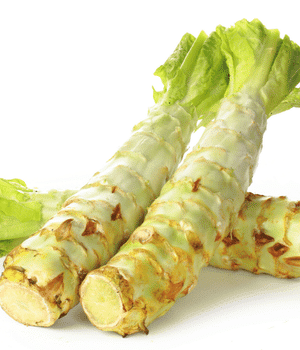
Celtuce is a leafy vegetable grown mainly for its thick, tender stem rather than its leaves. Also known as stem lettuce or asparagus lettuce, it has a long pale-green stalk with loose leaves. The stem tastes mildly nutty and slightly sweet, with a crisp texture. Cooks peel and slice it before stir-frying, steaming, pickling, or adding it to salads and soups.
Ceylon Spinach
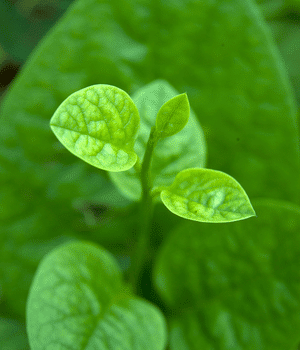
Ceylon spinach is a leafy vegetable from tropical regions, despite its name suggesting a connection with regular spinach. Its succulent leaves and tender stems have a mild, slightly earthy flavor. The plant grows well in warm conditions and provides a soft texture after cooking. Cooks use it in curries, soups, stir-fries, stews, and other dishes that call for tender greens.
Chaya
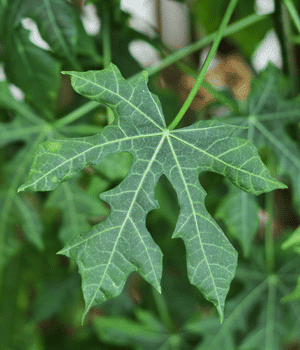
Chaya is a leafy green vegetable native to Mexico and widely grown in tropical areas. Its leaves resemble spinach but have a firmer texture and a richer green appearance. Raw chaya should not be eaten because the leaves contain naturally occurring cyanogenic compounds. Cooks boil the leaves thoroughly before adding them to soups, stews, egg dishes, tamales, and other cooked recipes.
Chard
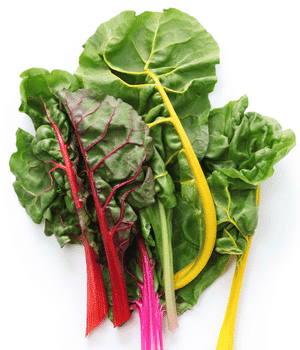
Chard is a leafy green vegetable related to beets and recognized by its broad leaves and colorful or pale stems. Depending on the variety, the stalks may appear white, red, yellow, or rainbow-colored. The leaves taste mildly earthy with a slight bitterness. You can sauté, steam, braise, or add chard to soups, pasta, omelets, casseroles, and grain dishes.
Chayote
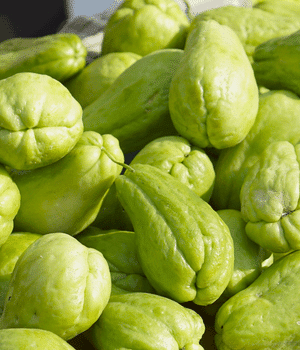
Chayote is a light green, pear-shaped fruit vegetable with crisp flesh and a mild flavor. Its thin skin may have small ridges, while some varieties develop tiny spines. The texture resembles a firm cucumber or summer squash. You can eat chayote raw or cook it by boiling, steaming, roasting, sautéing, or stuffing. It also works well in salads, soups, and stews.exture and a mild, grassy flavor. Cooks often harvest the shoots while they remain young and tender. They can be sautéed with garlic, added to soups, steamed, or stir-fried. In many cuisines, they provide a seasonal alternative to other leafy greens.
Cherry Pepper
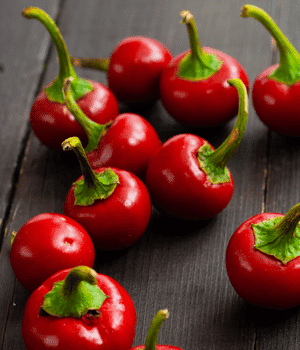
Cherry pepper is a small, round pepper that resembles a cherry in shape. Depending on the variety, it may taste sweet and mild or deliver noticeable chili heat. The peppers often turn bright red when mature and have thick, juicy flesh. Cooks eat them fresh, roast them, stuff them, or pickle them. They also add color and flavor to sandwiches and salads.
Cherry Tomato
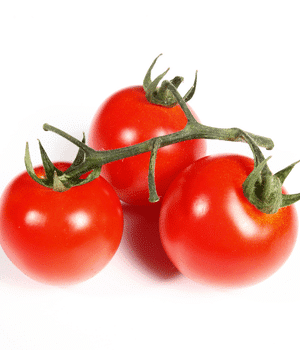
Cherry tomato is a small tomato variety known for its round shape, thin skin, juicy flesh, and naturally sweet flavor. It can appear red, yellow, orange, purple, or striped depending on the cultivar. You can eat cherry tomatoes raw or cooked. They work well in salads, pasta, pizzas, sauces, roasted vegetable dishes, skewers, and quick sautés.
Root Vegetables that Start with C
Root vegetables develop edible storage parts below the soil. Several C vegetables belong here, although their textures and cooking methods vary widely. Below is a focused list of roots beginning with C.
- Cassava: Cassava is a starchy tropical root crop that becomes soft when cooked and can be made into flour, fries, mash, and other dishes.
- Celeriac: Celeriac, also called celery root, is a knobby underground stem with pale flesh and a mild celery-like flavor.
- Chinese Yam: Chinese yam is a long starchy tuber used in Asian cuisines and can be steamed, cooked, dried, or added to soups.
- Carrot: Carrot is a sweet, crisp root vegetable commonly eaten raw, roasted, steamed, boiled, or added to mixed vegetable dishes.
- Cocoyam: Cocoyam refers to edible underground corms from several tropical plants, with starchy flesh used in soups, stews, porridges, and mashed dishes.
Leafy Greens Beginning with C
Leafy vegetables that begins with C range from mild greens to plants with stronger flavors. Their edible leaves or tender stems can be served raw, steamed, sautéed, or cooked into meals.
- Chard: Chard has broad green leaves and edible stems that can be sautéed, steamed, added to soups, or cooked like other leafy greens.
- Collard Greens: Collard greens have large, firm leaves with a mild earthy flavor and are often slowly cooked until tender.
- Corn Salad: Corn salad, also called lamb’s lettuce, is a tender leafy green with a mild flavor commonly eaten fresh in salads.
- Celtuce: Celtuce is a Chinese vegetable grown for its thick, tender stem and leaves, with a crisp stem that can be eaten raw or cooked.
- Chicory: Chicory greens have a slightly bitter flavor that becomes milder when cooked, while young leaves can be eaten fresh in salads.
- Creasy Greens: Creasy greens are leafy greens related to garden cress, with a peppery flavor suited to salads and cooked dishes.
- Crown Daisy: Crown daisy has tender leaves and a distinctive herbal flavor commonly used in Asian soups, hot pots, stir-fries, and vegetable dishes.
Pod Vegetables Starting with C
Some C vegetables are legumes that can be eaten as fresh pods or as mature seeds. Their forms vary, so preparation depends on whether the tender pod or seed is used.
- Chickpeas: Chickpeas are legumes with edible seeds commonly used in salads, soups, curries, hummus, and roasted dishes.
- Cluster Beans: Cluster beans produce long, narrow edible pods that are commonly cooked in curries, stir-fries, and seasoned vegetable dishes.
- Cowpeas: Cowpeas are legumes with edible seeds and pods, eaten fresh as vegetables or cooked as mature dried beans.
- Caper Buds: Caper buds are unopened flower buds usually pickled and added to salads, sauces, pasta, and savory dishes.
Fruit Vegetables Start with C
Fruit vegetables develop from flowers and contain seeds, although they are commonly prepared like vegetables. C includes several gourds, squash, and related crops with different shapes and textures.
- Chayote: Chayote is a pale green, pear-shaped fruit vegetable with crisp flesh and a mild flavor, often steamed, boiled, sautéed, stuffed, or added to soups.
- Courgette: Courgette is another name for zucchini, a tender summer squash with soft skin and mild flesh used in grilling, baking, sautéing, and stir-fries.
- Calabash: Calabash is a gourd harvested young for use as a vegetable, with mild flesh commonly added to soups, stews, curries, and cooked dishes.
- Calabaza Squash: Calabaza squash is a tropical winter squash with firm orange or yellow flesh, commonly roasted, stewed, mashed, or added to soups.
- Cushaw Squash: Cushaw squash is a large winter squash with firm flesh and a curved neck, often baked, roasted, mashed, or cooked in soups and stews.
- Cucumber: Cucumber is botanically a fruit but commonly treated as a vegetable, with crisp flesh used in salads, pickles, sandwiches, and chilled dishes.
FAQs About Vegetables that Start with C
Vegetables that start with C include cabbage, carrots, cauliflower, celery, chard, corn, cucumber, cassava, and collard greens.
Leafy vegetables starting with C include chard, collard greens, chicory, corn salad, celtuce, Chinese mustard greens, and creasy greens.
Cucumber, cabbage, celery, corn salad, chard, cress, chicory, and carrots are commonly used in salads, either raw or lightly prepared.
Cassava, cabbage, cauliflower, celery, chard, collard greens, chayote, Chinese broccoli, and squash are commonly cooked before serving.
Green vegetables beginning with C include cabbage, celery, chard, collard greens, cucumber, celtuce, Chinese broccoli, and Chinese mustard greens.
Takeaway
Vegetables that start with C include many plant parts, from underground roots to leafy greens and edible pods. Cassava and celeriac are roots, while chard and collard greens provide leafy vegetables. Chayote, cucumber, and squash are fruit vegetables used in savory meals. Knowing these names makes it easier to identify and describe different vegetables when reading recipes, planning meals, studying food groups, or learning with pictures.
Read more