

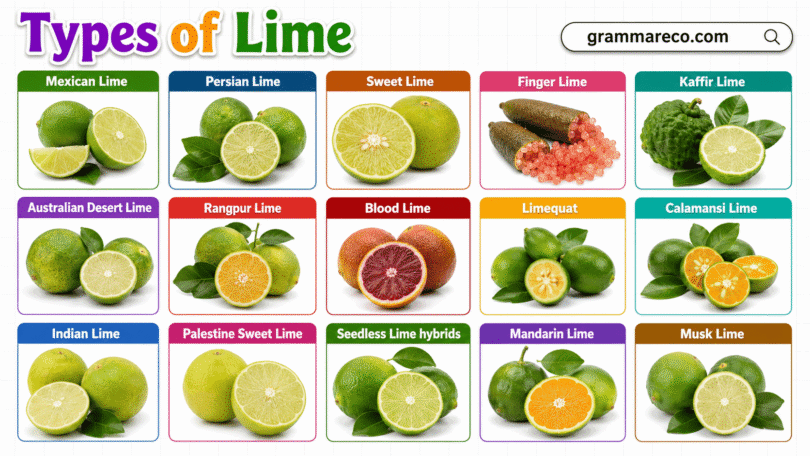
Ever picked up a lime and noticed it tastes completely different from another one in the market? The Types of Lime vary widely in flavor, aroma, and acidity, ranging from sharp Mexican limes to mild sweet limes. These citrus fruits belong to different kinds of limes play a key role in cooking, drinks, and global citrus agriculture, making them far more diverse than most people realize.
What Are Limes? Botanical Overview and Citrus Classification
Limes are small citrus fruits belonging to the genus Citrus, known for their acidic juice, aromatic peel, and wide culinary use in global cuisines.
Limes are part of the Rutaceae family and are closely related to lemons, oranges, and grapefruits. They are typically green when unripe but may turn yellow when fully mature. Limes are classified into different species based on acidity, origin, and hybrid development. Their juice, oil, and zest are widely used in beverages, cooking, and traditional remedies.
Citrus Species Behind Different Lime Types
Different lime types originate from distinct citrus species such as Citrus aurantiifolia, Citrus latifolia, and Citrus limetta.
The diversity in lime varieties comes from natural evolution and hybridization within citrus species. Mexican lime belongs to Citrus aurantiifolia, Persian lime comes from Citrus latifolia, while sweet lime is classified under Citrus limetta. Each species has unique flavor intensity, acidity level, and aroma profile.
Key Differences Between Acid, Sweet, and Hybrid Limes
Limes are mainly categorized into acid, sweet, and hybrid types based on taste, acidity, and genetic origin.
Acid limes are sharp and highly tangy, commonly used in cooking and drinks. Sweet limes have low acidity and a mild flavor suitable for fresh consumption. Hybrid limes combine traits of multiple citrus species, offering balanced taste and improved shelf life.
List of Limes in English with Names
Lime varieties include multiple citrus species and hybrids cultivated across tropical and subtropical regions worldwide.
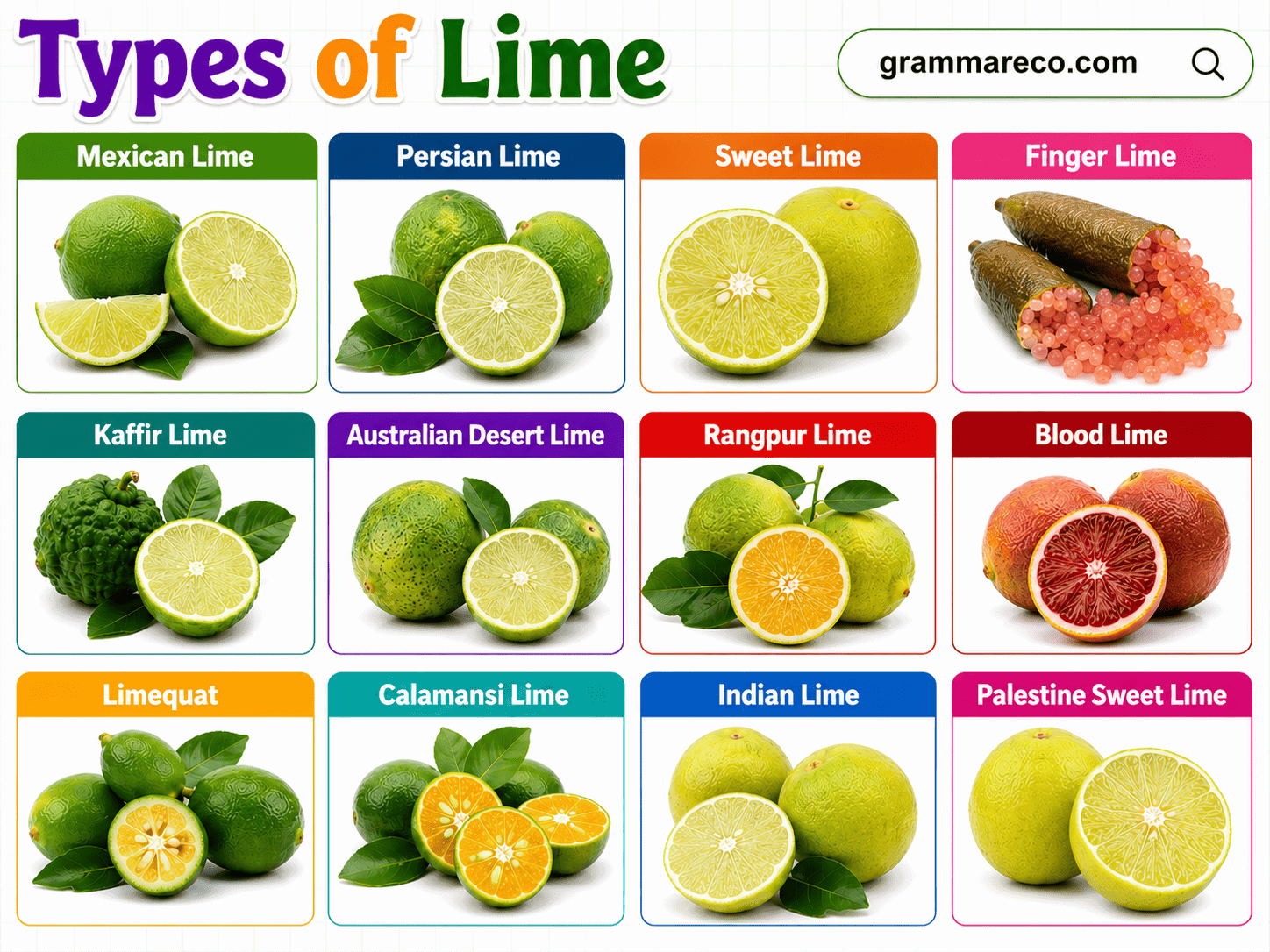
- Acid Lime (Key Lime / Mexican Lime)
- Persian Lime (Tahiti Lime)
- Sweet Lime (Mosambi / Citrus limetta)
- Finger Lime (Caviar Lime)
- Kaffir Lime (Makrut Lime)
- Australian Desert Lime
- Rangpur Lime
- Blood Lime
- Limequat
- Calamansi Lime
- Indian Lime
- Palestine Sweet Lime
- Rough Lime
- Australian Finger Lime
- Seedless Lime hybrids
- Mandarin Lime
- Musk Lime
- Santa Barbara Lime
- Citrus aurantiifolia group
- Citrus latifolia group
- Citrus limetta group
Types of Limes with their Pictures
Types of lime are different citrus varieties that vary in flavor, acidity, size, and aroma, commonly used in cooking, drinks, and flavoring worldwide.
Limes Varieties with Properties and Pictures
Key Lime (Mexican Lime)
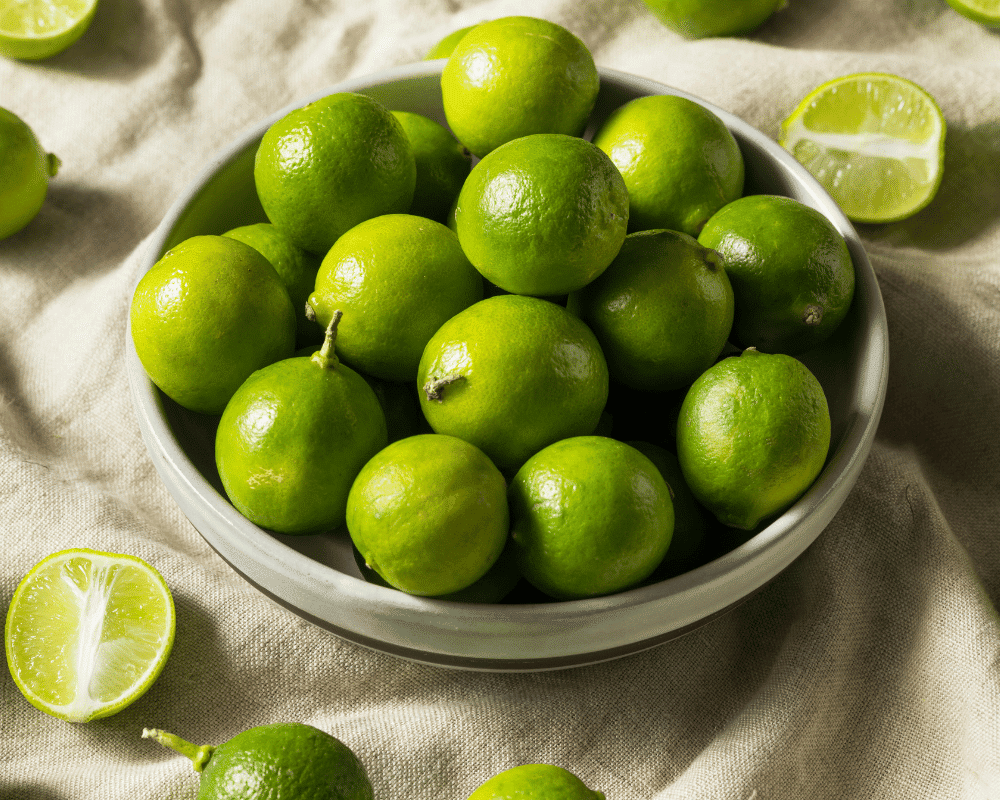
Key lime is a small, highly aromatic citrus fruit known for its sharp acidity and strong fragrance. It is widely used in desserts, especially lime pie, and beverages across tropical regions. The fruit turns yellow when fully ripe but is usually harvested green for maximum flavor intensity.
- Scientific Name: Citrus aurantiifolia
- Synonyms: Mexican lime, West Indian lime
- Taste: Strong acidic flavor
- Uses: Desserts, drinks, marinades
- Origin: Southeast Asia
Persian Limes
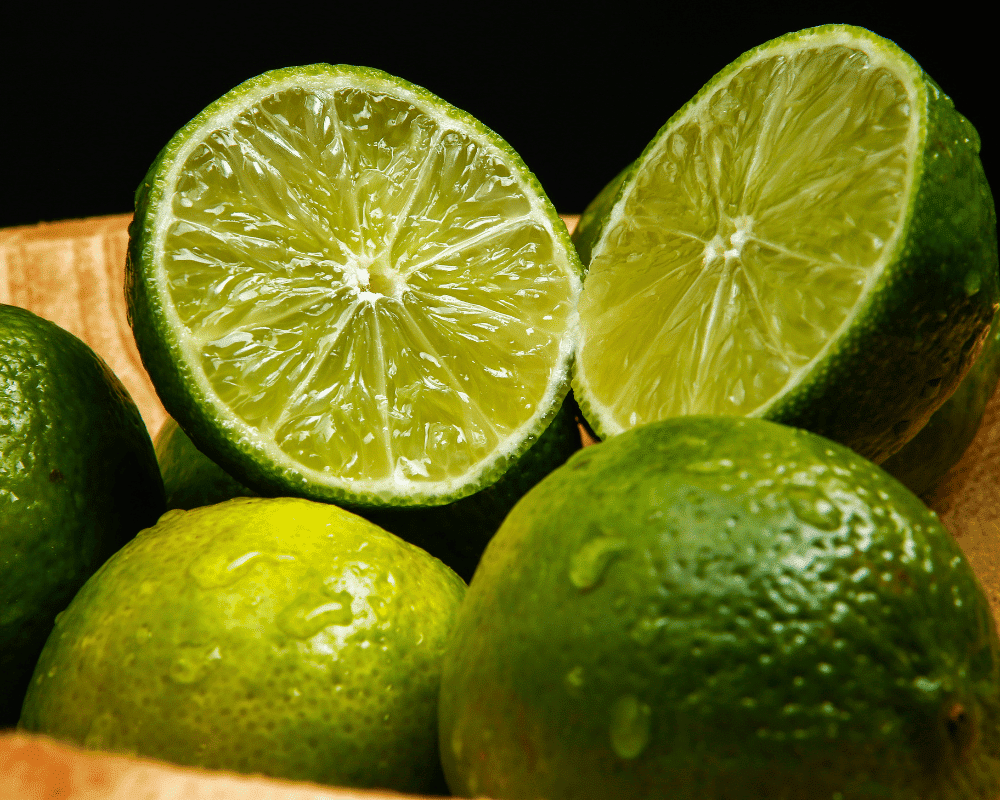
Most commercially grown lime variety globally is the Persian lime. It is seedless, large in size, and less acidic than key lime. Its long shelf life makes it ideal for export markets and supermarkets.
- Scientific Name: Citrus latifolia
- Synonyms: Tahiti lime, Bearss lime
- Taste: Mild acidic
- Uses: Fresh juice, cooking
- Origin: Hybrid citrus
Sweet Lime (Mosambi)
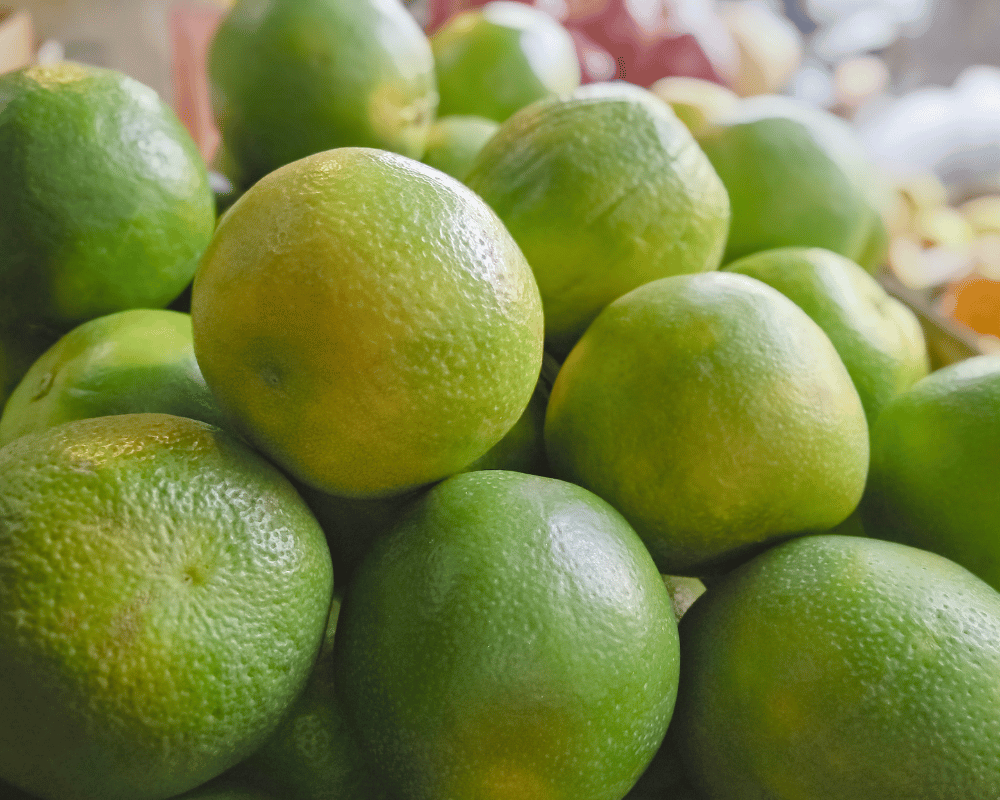
Sweet lime is a low-acid citrus fruit known for its mild sweetness and refreshing juice. It is commonly consumed fresh or as juice in South Asia and Mediterranean regions. The fruit is light green to yellow when ripe.
- Scientific Name: Citrus limetta
- Synonyms: Mosambi, sweet lemon
- Taste: Mild sweet
- Uses: Fresh juice
- Origin: South Asia
Palestine Sweet Lime
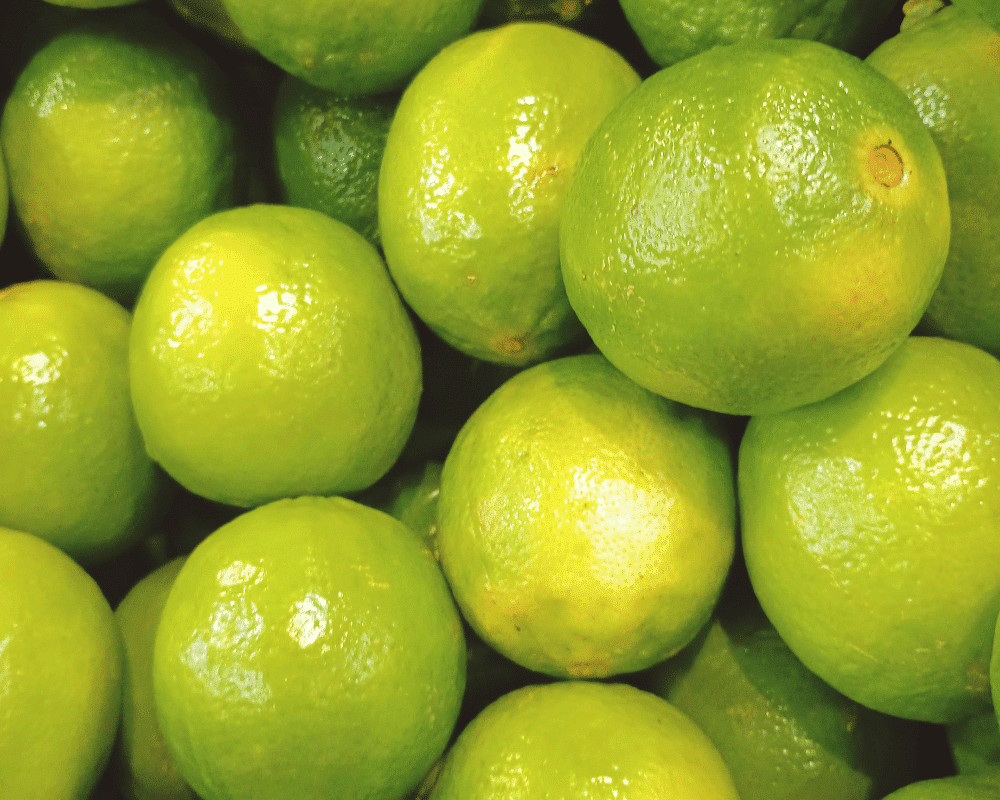
Palestine sweet lime is a regional citrus variety known for its juicy pulp and almost non-acidic flavor. It is commonly grown in Middle Eastern regions and is popular for fresh consumption.
- Scientific Name: Citrus limetta
- Synonyms: Sweet lime variant
- Taste: Very mild
- Uses: Fresh eating
- Origin: Middle East
Australian Finger Lime
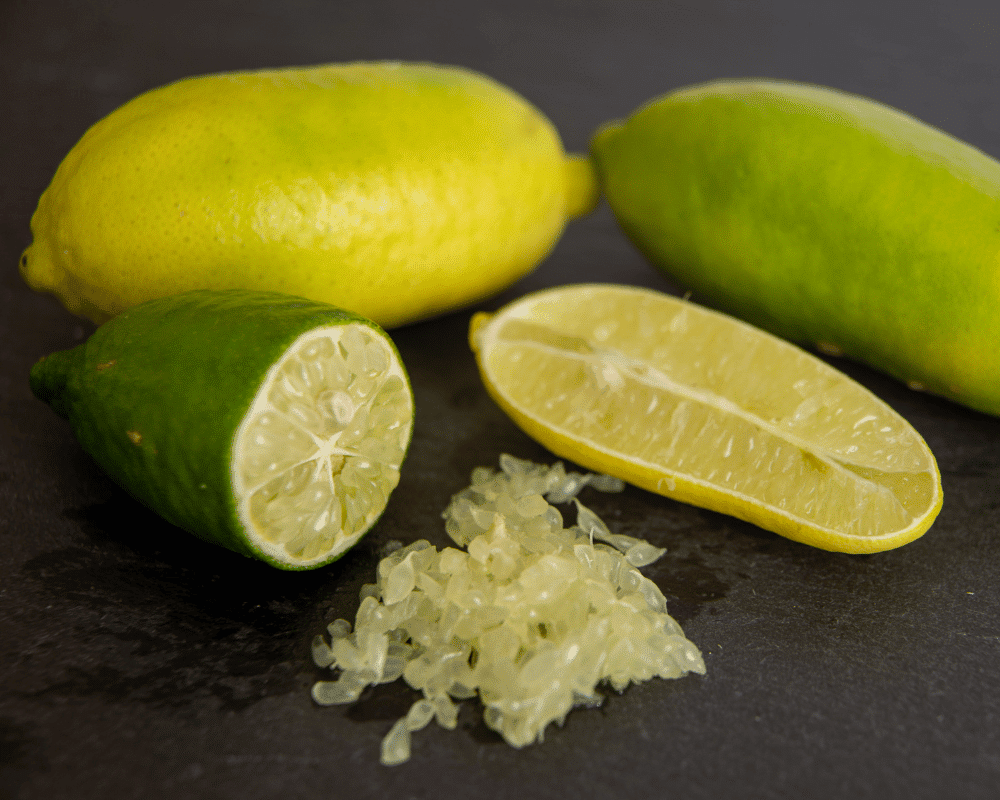
Australian finger lime is a unique citrus fruit with caviar-like pulp pearls inside. It is highly valued in gourmet cuisine for its texture and burst of citrus flavor. The fruit grows in rainforest regions.
- Scientific Name: Citrus australasica
- Synonyms: Caviar lime
- Taste: Tangy burst
- Uses: Gourmet dishes
- Origin: Australia
Makrut Lime (Kaffir Lime)
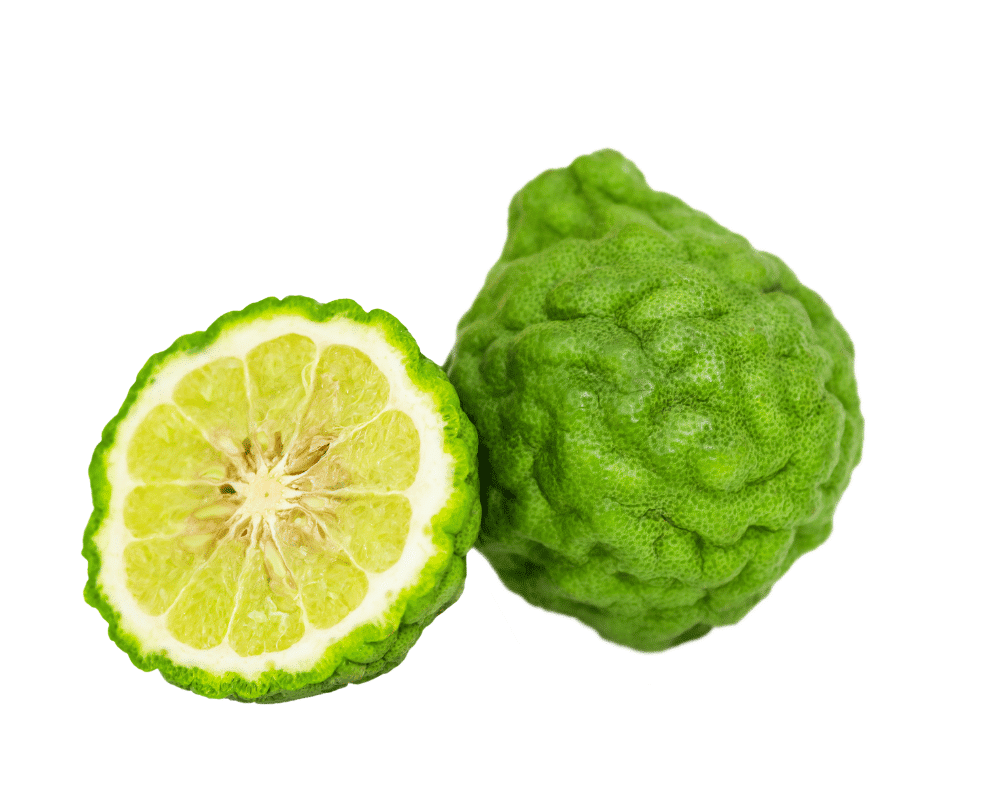
Makrut lime is a strongly aromatic citrus fruit widely used in Southeast Asian cuisine for its fragrant leaves and peel. The fruit has rough green skin and a sharp bitter-sour flavor. Its leaves are commonly added to curries, soups, and spicy dishes for intense citrus aroma.
- Scientific Name: Citrus hystrix
- Synonyms: Kaffir lime, Thai lime
- Taste: Bitter and highly acidic
- Uses: Curry paste, soups, herbal oils
- Origin: Southeast Asia
Limequats
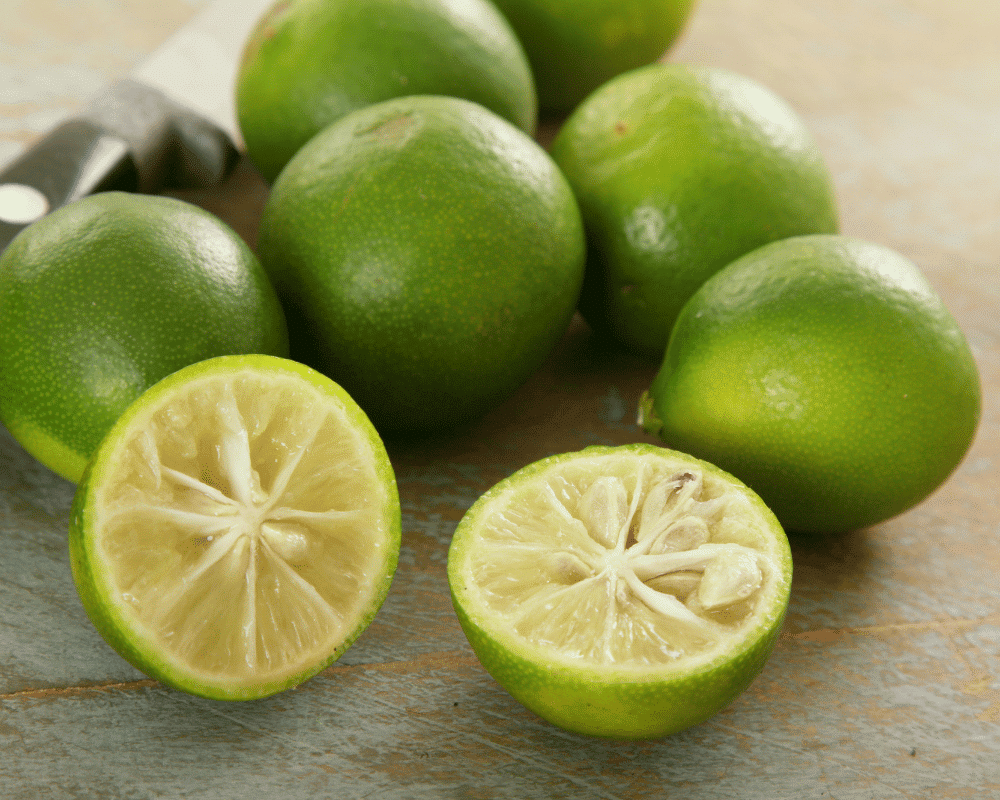
Limequats are small hybrid citrus fruits created by crossing key lime with kumquat. They combine tart lime flavor with edible sweet skin. The fruit is commonly used in marmalades, cocktails, and decorative culinary recipes because of its balanced taste.
- Scientific Name: Citrus × floridana
- Synonyms: Hybrid limequat
- Taste: Sweet-tart citrus flavor
- Uses: Drinks, preserves, desserts
- Origin: United States hybrid cultivation
Desert Limes
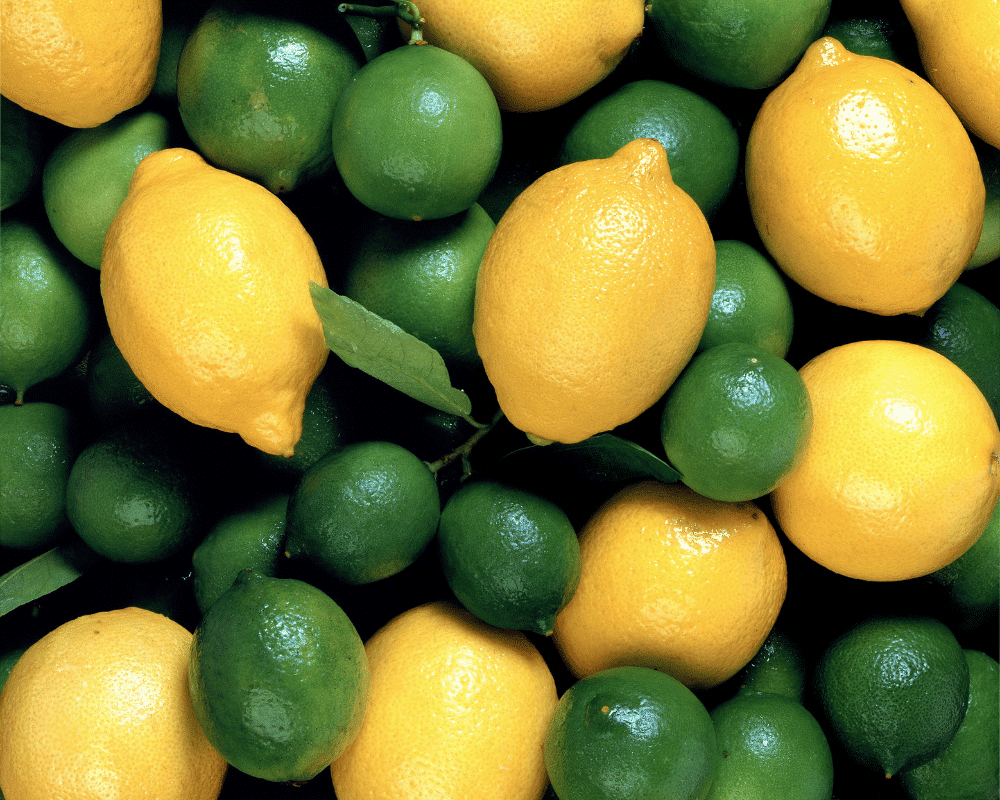
Desert lime is a hardy Australian citrus species adapted to dry and hot environments. The fruit is small, intensely flavored, and valued in native Australian cuisine. It is often processed into sauces, jams, and gourmet condiments because of its concentrated citrus profile.
- Scientific Name: Citrus glauca
- Synonyms: Australian desert lime
- Taste: Sharp tangy flavor
- Uses: Sauces, chutneys, preserves
- Origin: Australia
Rangpur Limes
Rangpur lime is a unique citrus hybrid that resembles an orange in color but tastes like a lime. It is juicy, aromatic, and commonly used in beverages and marmalades. The fruit is especially popular in Brazil and parts of South Asia.
- Scientific Name: Citrus × limonia
- Synonyms: Mandarin lime, Rangpur mandarin
- Taste: Sour with mandarin notes
- Uses: Juice, pickles, cooking
- Origin: South Asia
Calamansi Limes
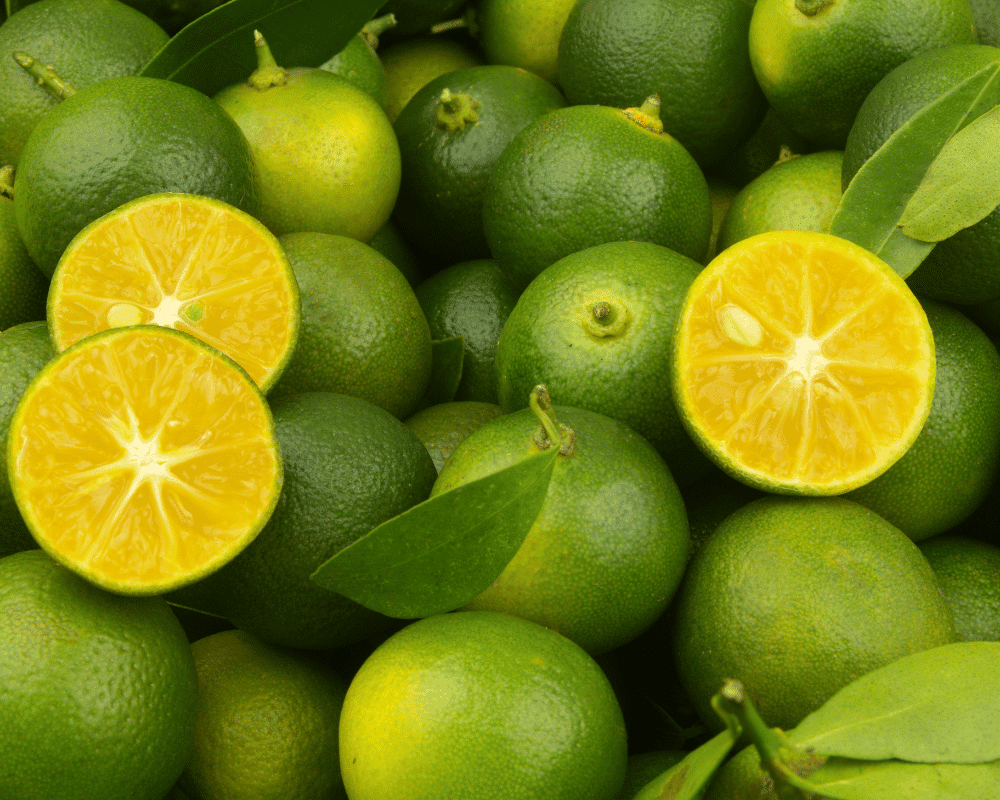
Calamansi is a small citrus fruit widely grown in the Philippines and Southeast Asia. It combines tart lime acidity with mild orange sweetness. The fruit is frequently used in marinades, dipping sauces, juices, and seafood recipes.
- Scientific Name: Citrus × microcarpa
- Synonyms: Calamondin, Philippine lime
- Taste: Sour with sweet undertones
- Uses: Sauces, drinks, seafood dishes
- Origin: Southeast Asia
Loomi – Dried Limes
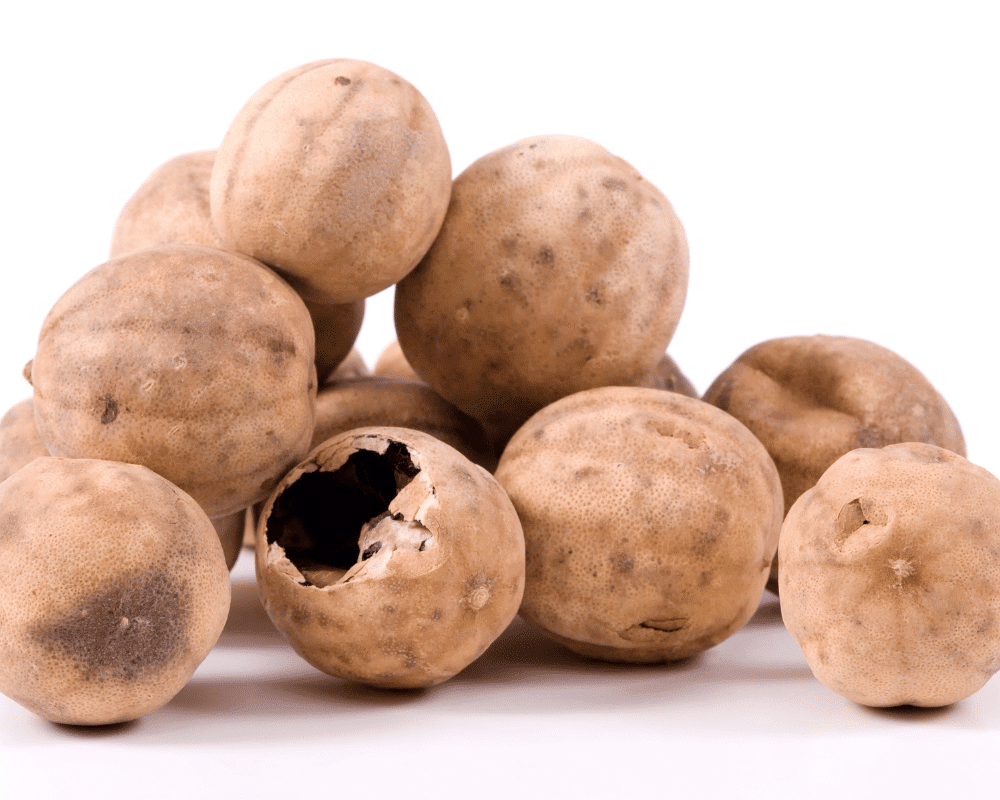
Loomi refers to dried limes traditionally used in Middle Eastern cuisine for smoky citrus flavor. Fresh limes are boiled and sun-dried until dark and hollow. They are commonly added to rice dishes, soups, and stews for earthy sourness.
- Scientific Name: Usually derived from Citrus aurantiifolia
- Synonyms: Black lime, dried lime
- Taste: Smoky sour flavor
- Uses: Stews, soups, rice dishes
- Origin: Middle East
Spanish Limes / Mamoncillo
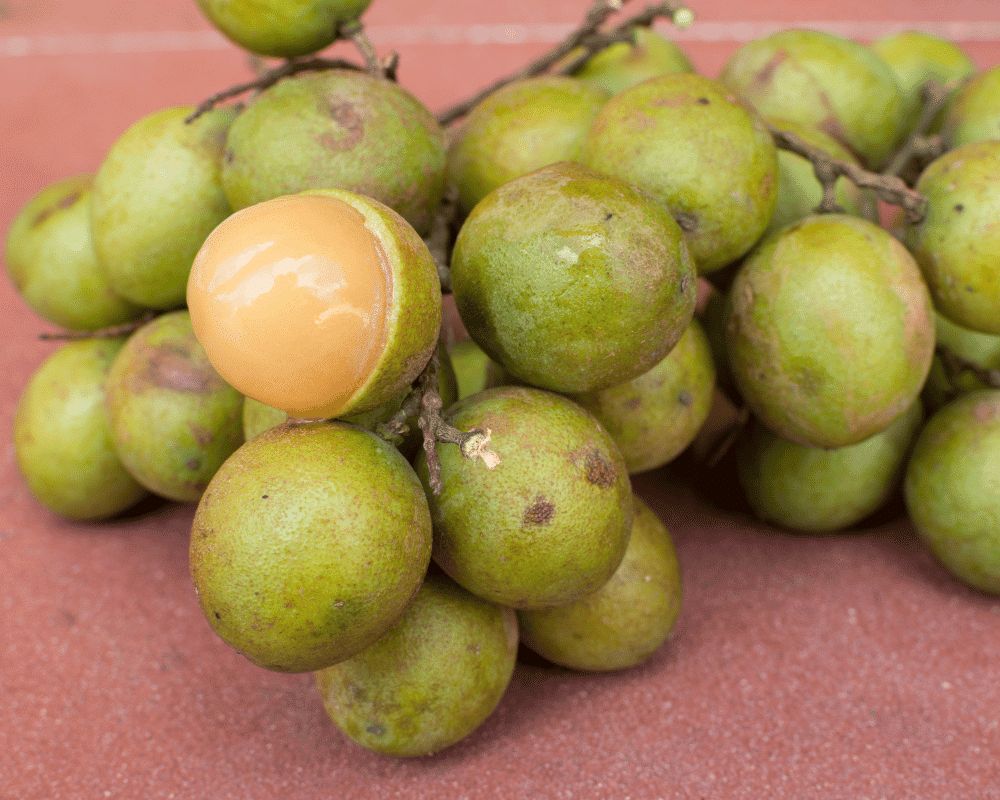
Spanish lime is not a true lime but a tropical fruit related to lychee. The fruit grows in clusters with green shells and sweet tangy pulp inside. It is popular in the Caribbean and Latin America as a refreshing seasonal snack.
- Scientific Name: Melicoccus bijugatus
- Synonyms: Mamoncillo, quenepa, genip
- Taste: Sweet and tangy
- Uses: Fresh eating, beverages
- Origin: Northern South America and Caribbean regions
Limes and their Uses Overview
Different lime varieties are used across culinary, industrial, and medicinal applications depending on acidity and juice profile.
| Type of Lime | Primary Use |
|---|---|
| Acid Lime | Cooking, beverages, marinades |
| Mexican Lime | Desserts, cocktails |
| Key Lime | Pie, flavoring |
| West Indian Lime | Caribbean cuisine |
| Indian Lime | Drinks, street foods |
| Persian Lime | Commercial juice production |
| Sweet Lime | Fresh juice, hydration |
| Finger Lime | Gourmet garnish |
| Wild Lime | Herbal uses |
| Rough Lime | Rootstock, pickling |
FAQs about Types of Limes
Main types include acid limes, Persian limes, sweet limes, and finger limes.
Acid limes and Persian limes are most widely used in global cooking.
Key lime is smaller and more acidic, while Persian lime is larger and seedless.
Yes, sweet limes have very low acidity and mild refreshing taste.
Finger lime is used in gourmet dishes as garnish and flavor enhancer.
Sweet lime and Persian lime are commonly preferred for fresh juice.
Read more