

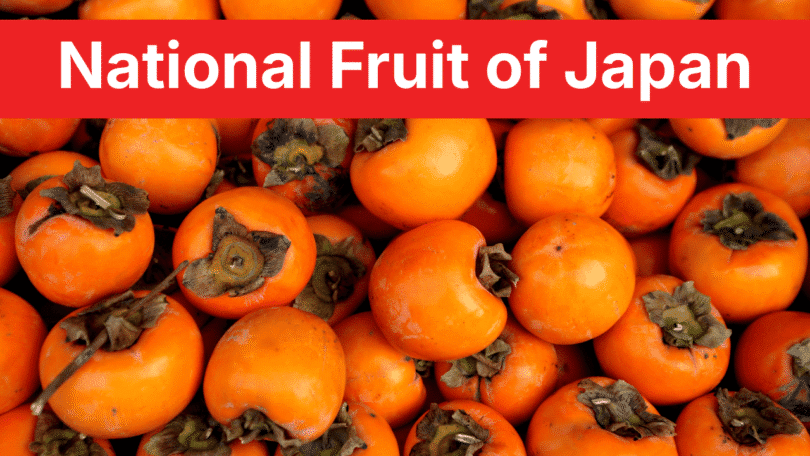
Japan does not have an officially designated national fruit, although some fruits are strongly linked with its food culture. Persimmon, Japanese pear, mandarin, and yuzu are widely known fruits grown and enjoyed across the country, each with distinct flavors, seasons, and uses.
This post explains the national fruit of Japan and the fruits commonly associated with Japan. You will learn their names, features, and uses for everyday English, school work, travel, food writing, and cultural discussions.
What is the National Fruit of Japan?
The National Fruit of Japan is the persimmon, a famous orange-colored fruit valued for its sweetness, cultural symbolism, and seasonal importance in Japanese traditions.
Persimmon, locally called “kaki,” is widely associated with Japanese heritage and autumn harvest festivals. The fruit grows across many regions of Japan and appears in desserts, dried snacks, teas, and traditional dishes. Its bright appearance and rich flavor made it a recognizable symbol of Japanese agriculture and hospitality. The fruit also represents prosperity and longevity in local culture, which increases its national importance.
Why Persimmon Called Kaki Fruit
The word “kaki” is the Japanese name for persimmon and reflects the fruit’s deep linguistic and cultural roots in East Asia.
In Japan, persimmon is traditionally called kaki. The term has been used for centuries in Japanese literature, agriculture, and culinary practices. When Japanese persimmons became popular internationally, many countries also started using the name “kaki fruit” in markets and food guides.
The scientific name of Japanese persimmon is Diospyros kaki. Here, “Diospyros” means “fruit of the gods,” while “kaki” directly refers to the Japanese variety. This name distinguishes Japanese persimmons from American or wild persimmon species.
Kaki fruit is recognized for its glossy skin, vibrant orange color, and naturally sweet pulp. In modern markets, the fruit is often labeled as:
- Japanese persimmon
- Kaki fruit
- Sharon fruit
- Sweet persimmon
Many European countries prefer the word “kaki” because it sounds unique and connects the fruit to Japanese culture. Export companies also use the name for branding and international recognition.
Another reason the fruit became famous as kaki is its importance in traditional Japanese drying methods. Dried persimmons called hoshigaki gained popularity worldwide, strengthening the association between the word “kaki” and Japanese persimmons.
How the Persimmon Became a National Fruit of Japan
The rise of persimmon as a Japanese national symbol reflects agriculture, tradition, and historical food culture connected with seasonal living.
Persimmon gained recognition in Japan because it adapted well to the country’s climate and became a common fruit in villages and royal gardens. Ancient farmers cultivated kaki trees for centuries due to their reliable harvests and long shelf life. During autumn festivals, families offered ripe persimmons as gifts and ceremonial foods. Japanese literature and paintings also featured the fruit frequently.
Over time, its cultural value expanded beyond farming and became a national identity symbol. Today, persimmon remains strongly connected with Japanese cuisine, folklore, and seasonal traditions.
History and Background of Japanese Fruits
Japanese fruits reflect centuries of cultivation, selective breeding, and regional farming traditions that shaped the country’s agricultural identity.
Japan has a long fruit-growing history influenced by climate diversity and careful farming methods. Ancient communities cultivated citrus, plums, pears, and persimmons for nutrition and ceremonial purposes. During the Edo period, farmers improved fruit quality through selective growing techniques.
Seasonal harvesting traditions, regional farming culture, premium fruit gifting, and careful orchard management became important parts of Japanese society. Many fruits were linked with celebrations and hospitality customs. Modern Japan continues this heritage through high-quality fruit production, advanced packaging methods, and specialty orchards that attract global attention.
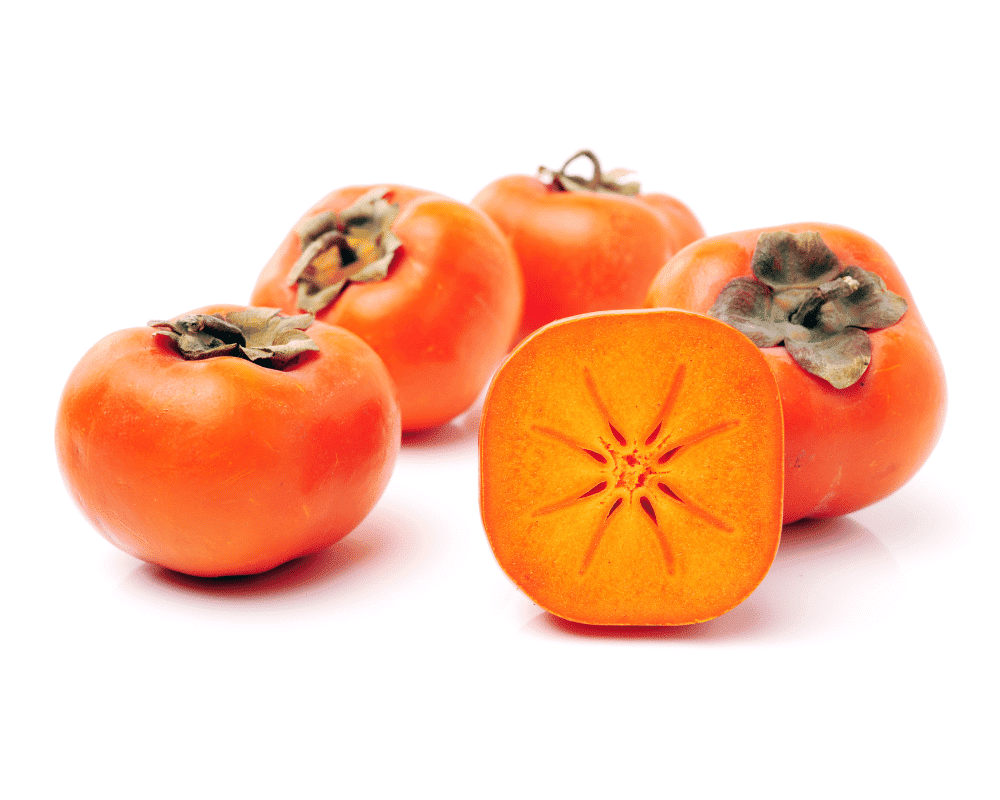
Persimmon Varieties with Pictures
Persimmon varieties differ in texture, sweetness, color, and ripening style, making each type unique for eating, drying, or cooking.
Fuyu Persimmon
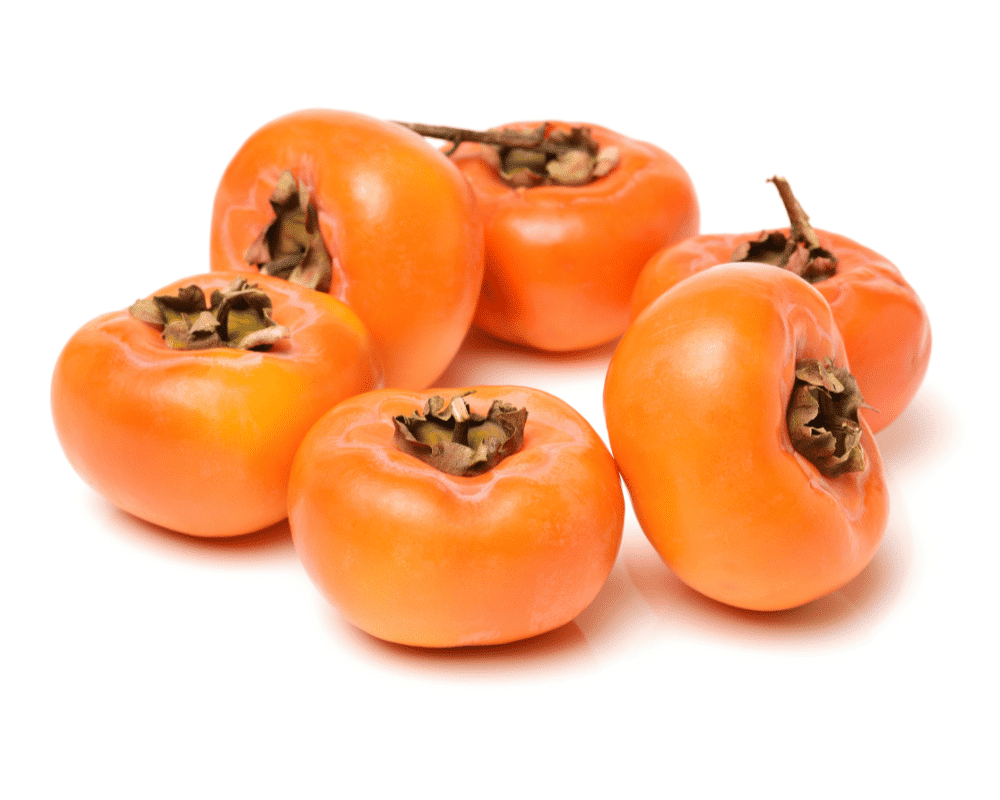
Fuyu persimmon is a non-astringent variety known for its crisp texture and mild sweetness.
One of the most popular Japanese persimmons because it can be eaten while firm. The fruit has a tomato-like shape with bright orange skin and juicy flesh. Many people enjoy it fresh in salads, desserts, or fruit platters. Its balanced flavor makes it beginner-friendly for first-time persimmon eaters.
- Scientific Name: Diospyros kaki
- Synonyms: Sweet Persimmon, Japanese Fuyu
- Texture: Crisp and crunchy
- Taste: Mildly sweet with honey notes
- Common Uses: Fresh eating, salads, desserts
- Color: Deep orange
- Ripening Type: Non-astringent
Hachiya Persimmon
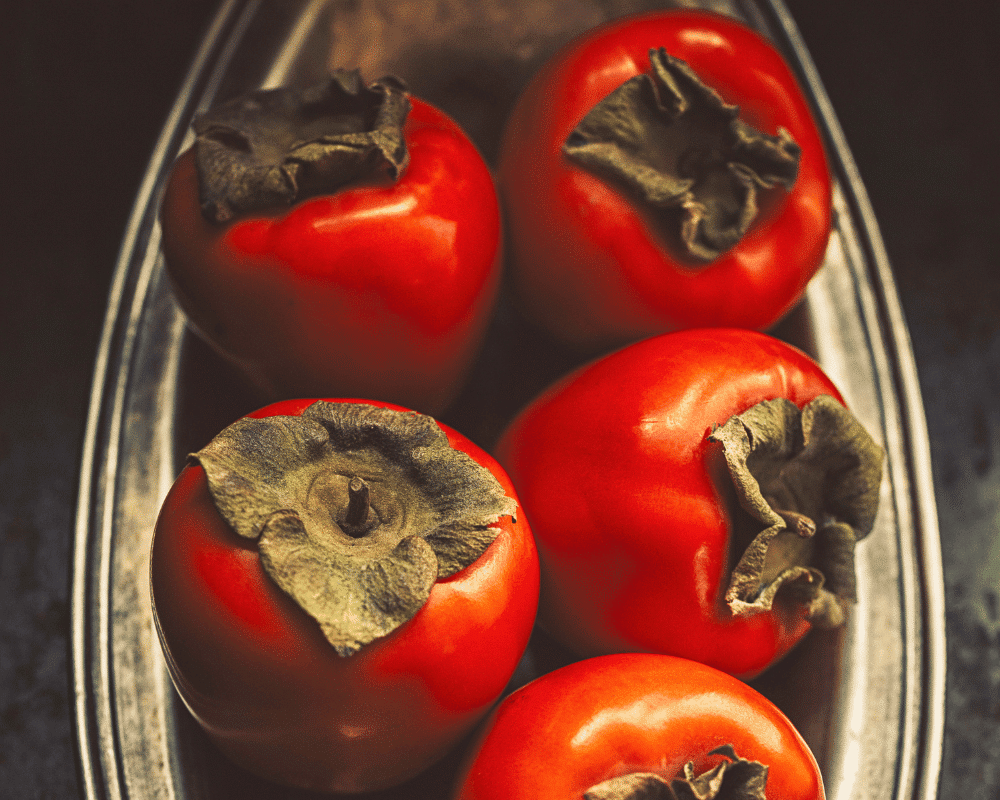
Hachiya persimmon is a soft, jelly-like variety famous for its rich sweetness after full ripening.
This acorn-shaped fruit contains high tannin levels before ripening, creating bitterness when unripe. Once softened completely, the flesh becomes smooth and intensely sweet. Hachiya is widely used in puddings, baked dishes, and traditional Japanese sweets because of its custard-like consistency.
- Scientific Name: Diospyros kaki
- Synonyms: Astringent Persimmon
- Texture: Soft and creamy
- Taste: Deep sugary flavor
- Common Uses: Baking, puddings, jams
- Color: Orange-red
- Ripening Type: Astringent
Jiro Persimmon
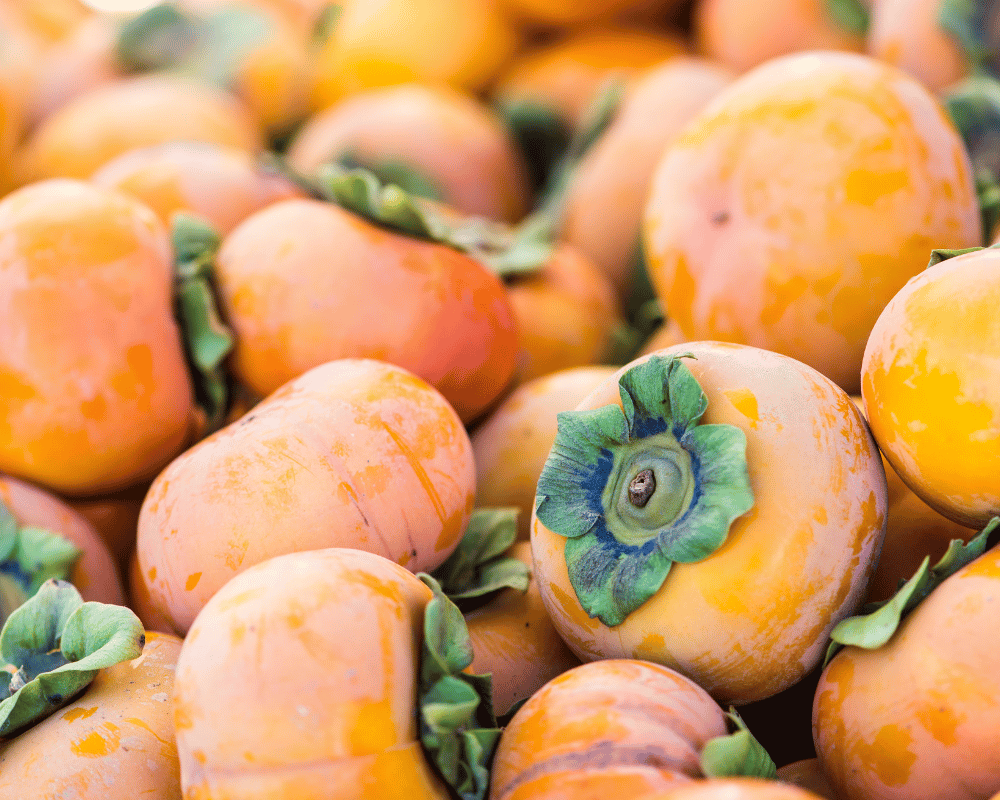
Jiro persimmon is valued for its square shape, dense flesh, and refreshing sweetness.
This cultivar develops fewer tannins, allowing consumption before complete softening. Jiro fruits are medium-sized with a pleasant crunch similar to apples. Their reliable sweetness makes them common in Asian fruit markets and lunch snacks.
- Scientific Name: Diospyros kaki
- Synonyms: Jirogaki
- Texture: Firm and dense
- Taste: Sweet with light citrus notes
- Common Uses: Snacking, slicing
- Color: Golden orange
- Ripening Type: Non-astringent
Tanenashi Persimmon
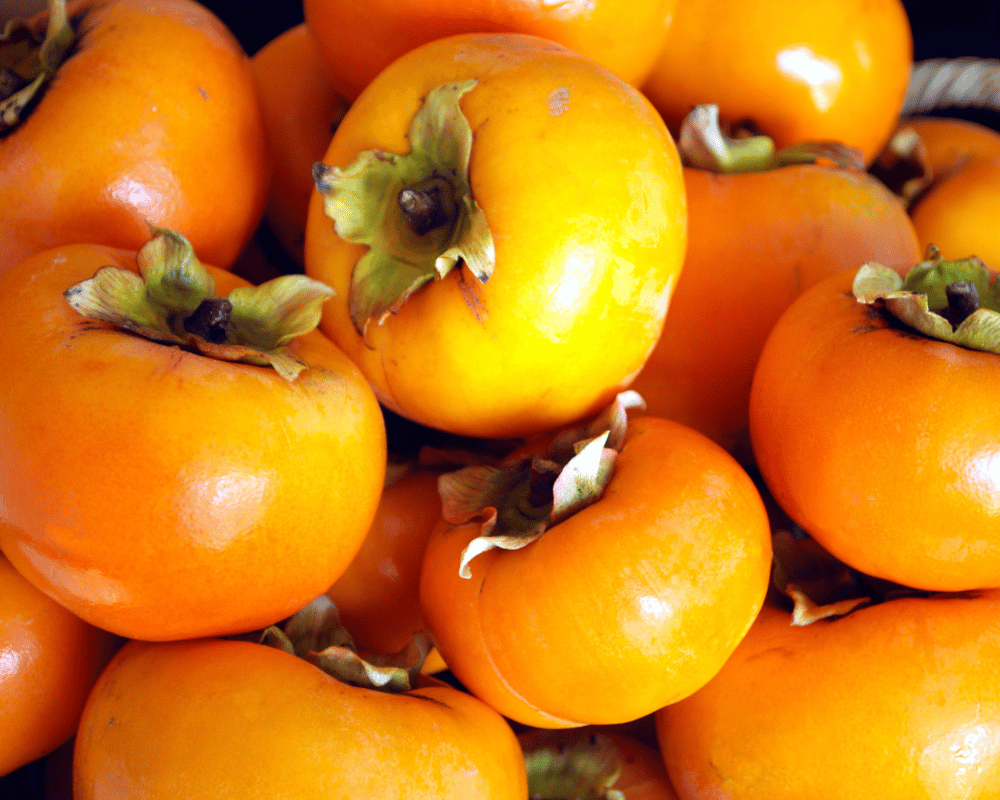
Tanenashi persimmon is a seedless cultivar appreciated for smooth flesh and dessert quality.
The fruit ripens into a soft texture with delicate sweetness and almost no seeds. Farmers often process this variety into dried persimmons due to its balanced sugar content. Its pleasant aroma also increases its popularity in confectionery products.
- Scientific Name: Diospyros kaki
- Synonyms: Seedless Persimmon
- Texture: Velvety
- Taste: Mildly rich
- Common Uses: Drying, sweets
- Color: Orange-yellow
- Ripening Type: Astringent
Sharon Fruit
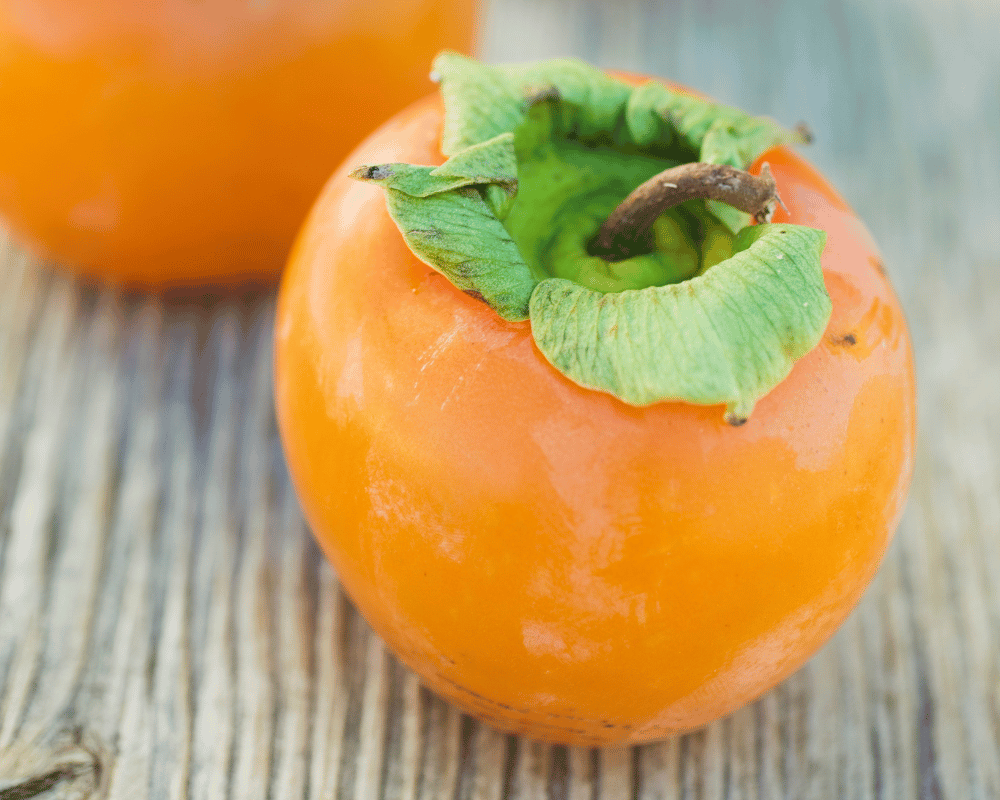
Sharon Fruit is a commercially developed persimmon variety known for seedless flesh and smooth flavor.
This cultivar became globally famous because it lacks strong bitterness. It stays edible while semi-firm and works well in smoothies, fruit bowls, and breakfast recipes. Export markets prefer this variety due to longer shelf life.
- Scientific Name: Diospyros kaki
- Synonyms: Israeli Persimmon
- Texture: Smooth and juicy
- Taste: Sweet with apricot hints
- Common Uses: Smoothies, salads
- Color: Bright orange
- Ripening Type: Reduced astringency
Chocolate Persimmon
Chocolate persimmon contains dark brown flesh and a distinctive spicy sweetness.
Its unusual interior color develops through pollination effects. The fruit delivers a richer flavor compared to common orange-fleshed varieties. Many fruit enthusiasts value it for specialty orchards and gourmet dishes.
- Scientific Name: Diospyros kaki
- Synonyms: Tsuru Noko
- Texture: Tender
- Taste: Sweet with spice notes
- Common Uses: Specialty desserts
- Color: Dark orange outside, brown inside
- Ripening Type: Partially astringent
Maru Persimmon
Maru persimmon is recognized for cinnamon-like sweetness and rounded shape.
This Japanese cultivar develops a warm flavor profile that pairs well with tea and baked recipes. Its flesh becomes softer during ripening and offers aromatic richness uncommon in many persimmon types.
- Scientific Name: Diospyros kaki
- Synonyms: Cinnamon Persimmon
- Texture: Smooth
- Taste: Warm sweet flavor
- Common Uses: Cakes, tea snacks
- Color: Orange-brown
- Ripening Type: Pollination-variant
American Persimmon
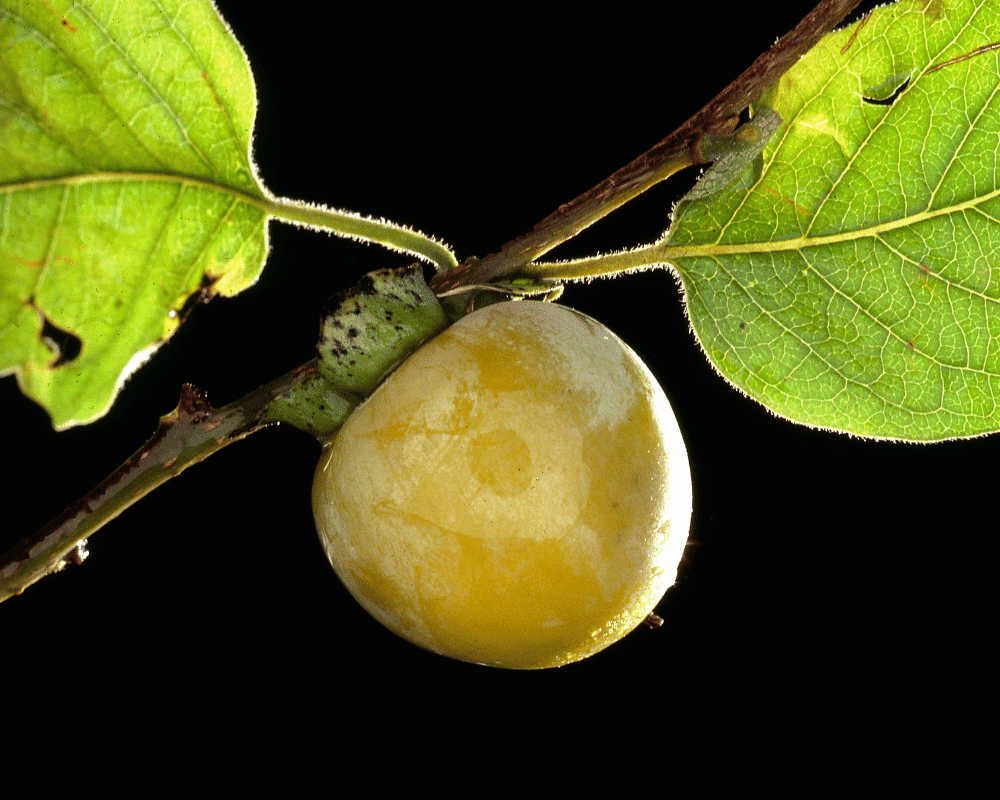
American persimmon differs from Japanese kaki because of its smaller size and stronger wild flavor. Native to North America, this species becomes extremely sweet after ripening. The fruit is often used in jams and traditional recipes.
Wild persimmons usually contain seeds and softer flesh.
- Scientific Name: Diospyros virginiana
- Synonyms: Wild Persimmon
- Texture: Soft
- Taste: Intense sweetness
- Color: Orange-brown
- Uses: Preserves, baking, sauces
Japanese National Fruit Persimmon Pictures and Properties
Persimmon is a nutrient-rich orange fruit recognized for sweet pulp, glossy skin, and traditional culinary importance in East Asia. Persimmon grows on deciduous trees and usually ripens during autumn months. The fruit contains natural sugars, fiber, antioxidants, vitamin A, and vitamin C. Depending on the cultivar, texture may range from crisp to pudding-like softness. Many people compare ripe persimmons to honey, apricot, or mango flavors. Japanese households often dry the fruit traditionally to create chewy seasonal snacks called hoshigaki.
- Botanical Name: Diospyros kaki
- Family: Ebenaceae
- Origin: East Asia
- Common Color: Orange to reddish-orange
- Flavor Profile: Honey-like and fruity
- Texture: Crisp or creamy
- Season: Autumn
- Calories: Naturally moderate
- Main Nutrients: Fiber, potassium, vitamins A and C
- Popular Products: Dried persimmon, tea, desserts, jams
- Tree Type: Deciduous
- Shelf Life: Moderate after ripening
- Cultural Importance: Symbol of prosperity and longevity
How Different Countries Use Persimmon Fruit
Different countries use persimmon in desserts, drinks, snacks, and traditional seasonal recipes.
- Japan: Dried hoshigaki snacks and tea accompaniments
- South Korea: Persimmon punch called sujeonggwa
- China: Traditional dried persimmon cakes
- United States: Persimmon pudding and pies
- Spain: Fresh supermarket fruit and jams
- Italy: Breakfast fruit bowls and desserts
- Turkey: Homemade preserves and syrups
- Brazil: Juice blends and sweet snacks
- Vietnam: Sun-dried seasonal treats
- India: Fresh consumption in hill regions
Persimmon Nutrition and Health Benefits Chart
Persimmon benefits include digestive support, antioxidant protection, and nutrient enrichment that support overall wellness.
| Persimmon Benefit | Explanation |
|---|---|
| Rich in Fiber | Helps support smooth digestion and improves regular bowel movement naturally. |
| Vitamin A Source | Supports healthy eyesight and contributes to immune defense functions. |
| Antioxidant Content | Contains plant compounds that help protect cells from oxidative stress. |
| Heart Support | Potassium and fiber may help maintain balanced cardiovascular health. |
| Hydration Assistance | High water content contributes to daily fluid intake requirements. |
| Skin Nourishment | Vitamins and antioxidants help maintain healthy-looking skin texture. |
| Immune Function | Vitamin C supports natural body defense mechanisms effectively. |
| Weight Management | Fiber-rich texture helps increase fullness after meals for longer periods. |
| Bone Health | Contains minerals contributing to healthy bone maintenance and structure. |
| Energy Support | Natural sugars provide quick energy without heavy processed ingredients. |
| Digestive Comfort | Soft ripe flesh is easy for many people to digest comfortably. |
| Eye Wellness | Beta-carotene supports long-term visual health and eye function. |
How to Eat Kaki Fruit?
Eating kaki fruit correctly depends on the persimmon variety because some types must soften fully before consumption.
- Step 1: Identify the Variety: Check whether the persimmon is non-astringent or astringent. Fuyu can be eaten firm, while Hachiya must become soft.
- Step 2: Wash the Fruit: Rinse the outer skin gently under clean water to remove dirt or residue.
- Step 3: Remove the Leafy Top: Cut off the green crown using a knife before slicing or scooping the flesh.
- Step 4: Slice or Scoop: Firm persimmons can be sliced like apples. Soft ripe persimmons are usually eaten with a spoon.
- Step 5: Enjoy Fresh or Add Recipes: You can mix kaki fruit into yogurt, oatmeal, cakes, smoothies, or salads.
- Step 6: Try Dried Persimmons: Dried kaki fruit offers concentrated sweetness and chewy texture perfect for snacks.
- Step 7: Store Properly: Keep ripe persimmons refrigerated for better freshness and flavor preservation.

FAQs about Persimmon
Yes, persimmon is widely recognized as the National Fruit of Japan because of its cultural and historical importance.
Japanese persimmon tastes sweet and fruity with hints of honey, apricot, and mango depending on ripeness.
Yes, many non-astringent varieties like Fuyu are commonly eaten with their skin after washing.
Fuyu persimmon is beginner-friendly because it stays sweet and edible while firm.
Unripe astringent varieties contain tannins that create bitterness before full softening.
Hoshigaki is a traditional Japanese dried persimmon snack prepared through slow air-drying methods.
Read more