

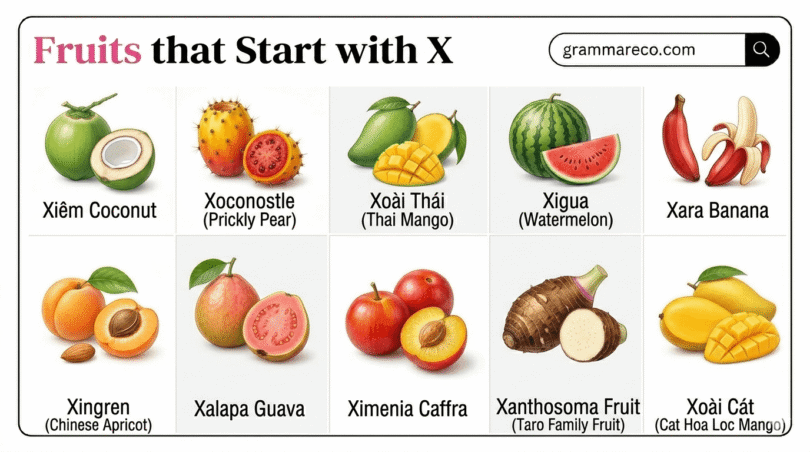
Ever struggled to find fruits that start with X? You’re not alone—this rare category often confuses learners and quiz lovers alike. From unusual tropical fruits to lesser-known names, the list is short but fascinating.
Curious to discover these alphabetical fruits starting with x, their meanings, and uses? Let’s explore what makes them worth knowing.
What are Fruits that Begin with X?
Fruits that begin with the letter “X” are quite rare compared to other alphabet categories. Most of them come from tropical regions, are known by scientific names, or are translated from different languages.
These fruits may not always be common in everyday markets, but they are widely used in traditional cuisines, herbal medicine, and local cultures around the world.
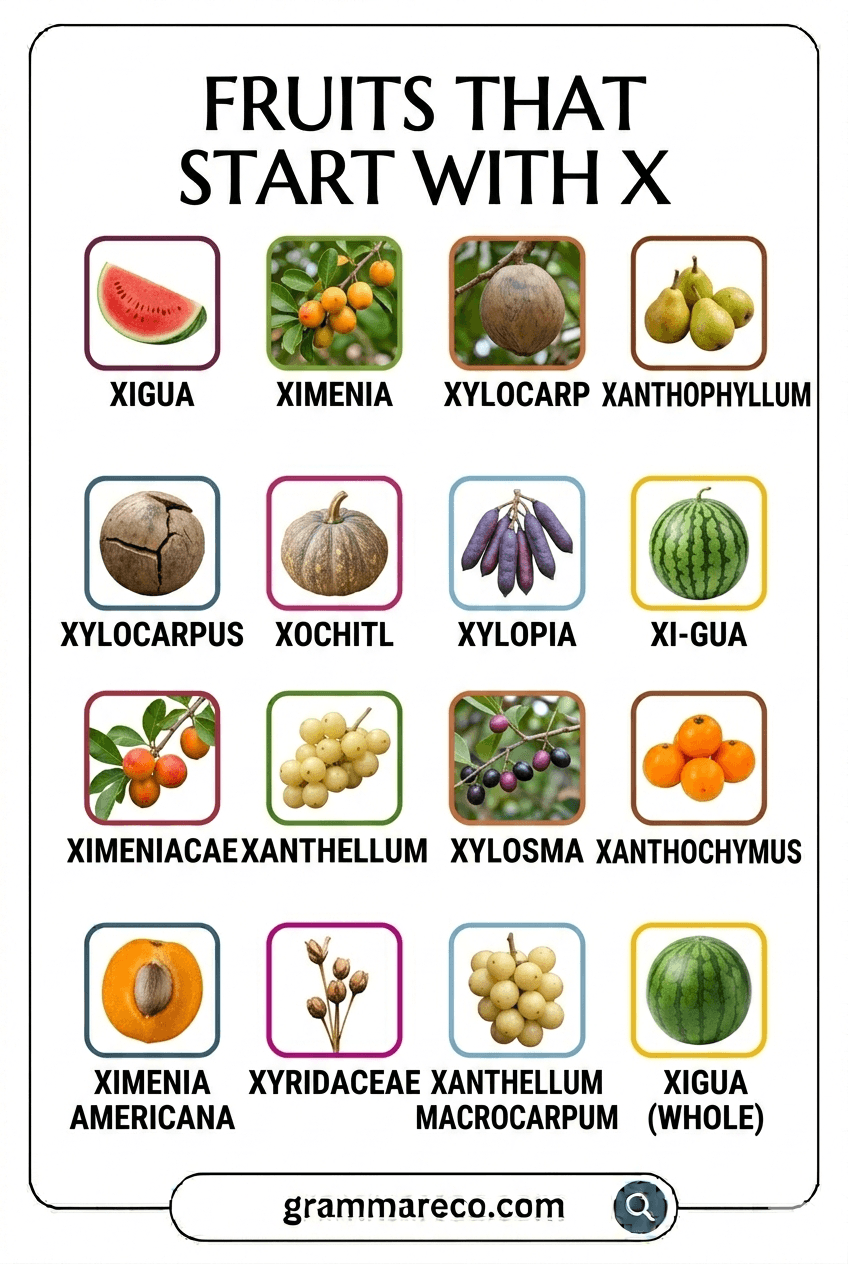
List of Fruits that Start with X
- Xigua
- Ximenia
- Ximenia americana
- Ximenia caffra
- Xylocarp
- Xylocarpus fruit
- Xylocarpus granatum
- Xylocarpus moluccensis
- Xylopia
- Xylopia aethiopica
- Xylopia parviflora
- Xylosma fruit
- Xylosma congesta fruit
- Xylosma longifolia fruit
- Xango (mangosteen product name)
- Xarel-lo grape
- Xinomavro grape
- Xiangjiao (Chinese banana)
- Xoai (Vietnamese mango)
- Xoconostle
- Xylocarpus mekongensis
Fruits that Start with X with their Pictures and Facts
Below are fruits names that are starting with x with their aspects are as given:
Xigua
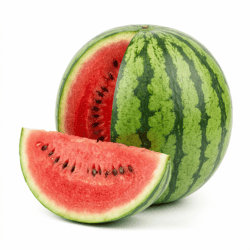
Xigua is a common fruit that begin with x. the Chinese name for watermelon, widely grown in Asia and Africa. It is commonly eaten fresh, blended into juices, or served in desserts.
The fruit has a juicy, sweet flavor with a refreshing cooling effect, making it ideal for hot climates. It is rich in water content, vitamins A and C, and antioxidants. Xigua is also popular in summer diets and hydration-focused nutrition trends.
Scientific Name: Citrullus lanatus
Ximenia
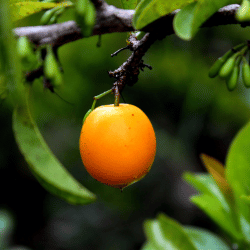
Ximenia refers to a group of small, plum-like fruits native to Africa and parts of Asia. These fruits are used in jams, oils, and traditional medicine.
They have a tart to slightly sweet flavor and are known for their oil-rich seeds. The oil extracted is widely used in cosmetics and skincare due to its moisturizing properties.
Scientific Name: Ximenia spp.
Ximenia americana
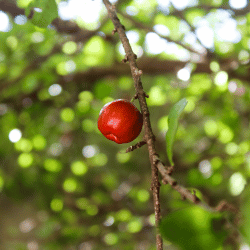
This tropical fruit grows in Africa, India, and the Americas. It is oval, yellow to orange, and used in jellies, drinks, and medicinal remedies.
The taste is tangy and slightly sour, with a strong aroma. Its seeds are rich in oil, often used for skin care and hair treatments. It is also gaining attention for its antioxidant and antimicrobial properties.
Scientific Name: Ximenia americana
Ximenia caffra
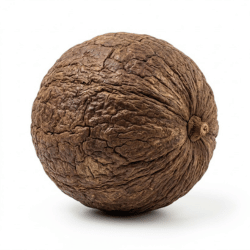
Native to southern Africa, this fruit grows on shrubs and produces red to orange berries. It is eaten raw or processed into beverages and preserves.
The flavor is tart and slightly bitter. The seeds are used to produce oil, while the fruit itself is valued in traditional diets and local economies.
Scientific Name: Ximenia caffra
Xylocarp
Xylocarp refers to woody fruits with hard outer shells, typically found in mangrove ecosystems.
These fruits are not commonly eaten but play an important ecological role. They protect seeds in harsh coastal environments and contribute to shoreline stability. Their structure is unique and adapted to saltwater conditions.
Scientific Name: General botanical term (varies by species)
Xylocarpus fruit
This fruit grows on mangrove trees and has a Hard, woody shell with segmented interiors. It resembles a small coconut and is adapted for coastal survival.
While not widely consumed, it is sometimes used in traditional medicine. Its unique structure helps it float and disperse through water.
Scientific Name: Xylocarpus spp.
Xylocarpus granatum
Native to mangrove forests in Asia and the Pacific, this fruit is round and woody. It is mainly used in traditional remedies rather than as food.
It has ecological importance in maintaining coastal biodiversity and preventing erosion. Its seeds and bark are sometimes used in herbal medicine.
Scientific Name: Xylocarpus granatum
Xylocarpus moluccensis
This species grows in coastal mangrove areas and produces hard, woody fruits. It plays a key role in protecting shorelines and supporting marine ecosystems. Though not edible, it is important for environmental sustainability and biodiversity conservation.
Scientific Name: Xylocarpus moluccensis
Xylopia
Xylopia fruits belong to a genus known for aromatic and spicy properties. These fruits are often dried and used as spices in cooking.
They have a strong, peppery flavor and are widely used in African cuisine. They also have medicinal uses, including digestive and anti-inflammatory benefits.
Scientific Name: Xylopia spp.
Xylopia aethiopica
Common in West Africa, this fruit is known as Ethiopian pepper. It is used as a spice in soups, stews, and herbal remedies.
The flavor is smoky, spicy, and slightly bitter. It is also valued for its medicinal properties, including antimicrobial and anti-inflammatory effects.
Scientific Name: Xylopia aethiopica
Xylopia parviflora
This lesser-known species produces small aromatic fruits used locally as spices or herbal ingredients.
It shares similar peppery and medicinal qualities with other Xylopia species and is used in traditional cooking and healing practices.
Scientific Name: Xylopia parviflora
Xylosma fruit
Xylosma fruits are small berries found in Asia and the Americas. They are not widely consumed but may be used in traditional remedies.
The taste is mild and slightly sweet. These fruits grow on shrubs often used for ornamental and ecological purposes.
Scientific Name: Xylosma spp.
Xylosma congesta fruit
Native to East Asia, this fruit grows on evergreen shrubs. It is rarely eaten but contributes to landscaping and biodiversity.
The plant is often used as a hedge, and its fruit supports local wildlife.
Scientific Name: Xylosma congesta
Xylosma longifolia fruit
Found in South Asia, this fruit grows on trees commonly used for ornamental planting.
While not commonly consumed, it plays a role in local ecosystems and supports biodiversity.
Scientific Name: Xylosma longifolia
Xango (mangosteen product name)
Xango is a commercial product derived from mangosteen fruit. It is marketed as a health drink rich in antioxidants.
The taste is sweet and tangy, similar to mangosteen. It is popular in wellness trends and nutritional supplements.
Scientific Name: Garcinia mangostana
Xarel-lo grape
A white grape variety from Spain, commonly used in sparkling wine production.
It has a crisp, citrusy flavor and contributes acidity and structure to wine blends. It is one of the key grapes used in traditional Cava wines.
Scientific Name: Vitis vinifera
Xinomavro grape
A Greek grape variety used in red wines. It produces bold, complex flavors with notes of fruit, spice, and earthiness.
Known for its aging potential, it is highly valued in winemaking.
Scientific Name: Vitis vinifera
Xiangjiao (Chinese banana)
Xiangjiao is the Chinese name for banana, widely consumed worldwide. It is eaten fresh, in desserts, and smoothies.
The fruit is sweet, soft, and rich in potassium, making it a staple in daily diets.
Scientific Name: Musa spp.
Xoai (Vietnamese mango)
Xoai is the Vietnamese word for mango. It is used in both ripe and unripe forms in salads, juices, and desserts.
The flavor ranges from sweet to tangy depending on ripeness. It is rich in vitamins and widely popular in tropical cuisines.
Scientific Name: Mangifera indica
Xoconostle
Xoconostle is a sour cactus fruit native to Mexico. It is used in savory dishes, sauces, and beverages.
The taste is tart and refreshing. It is high in fiber, antioxidants, and vitamin C, and is gaining popularity in health-conscious diets.
Scientific Name: Opuntia matudae
Xylocarpus mekongensis
This rare mangrove species produces woody fruits adapted to coastal environments.
It is not consumed but plays an essential role in maintaining ecological balance and protecting shorelines from erosion.
Scientific Name: Xylocarpus mekongensis
FAQs about Fruits that Start with X
Most names come from scientific classifications or non-English languages, making them less common in daily use.
Some are edible (like Xigua and Xoconostle), while others are mainly used for medicinal or ecological purposes.
Xigua (watermelon) and Xiangjiao (banana) are the most widely consumed globally.
They are mostly found in tropical regions, specialty markets, or local environments where they naturally grow.
Read more