

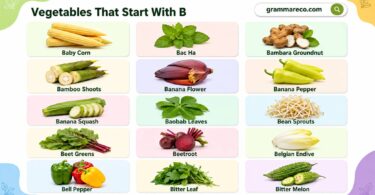
Category - Vegetables Vocabulary
Learn vegetables vocabulary with clear pictures, simple names, and easy-to-understand meanings. This category helps children, beginners, ESL students, and English learners learn the names of vegetables in English and build useful everyday vocabulary.
From common vegetables such as carrots, potatoes, onions, and tomatoes to leafy greens, root vegetables, and less familiar varieties, you can learn vegetable names through visual and easy vocabulary guides.
What Is Vegetables Vocabulary?
Vegetables vocabulary refers to English words used to name different types of vegetables. Learning these words helps English learners talk about food, cooking, shopping, meals, and healthy eating.
Picture-based vegetable vocabulary can make new words easier to recognize, pronounce, spell, and remember.
Vegetable Names in English
Vegetables are an important part of everyday English vocabulary. Common vegetable names include:
- Carrot
- Potato
- Tomato
- Onion
- Garlic
- Cucumber
- Spinach
- Broccoli
- Cauliflower
- Cabbage
- Lettuce
- Peas
- Corn
- Eggplant
- Bell pepper
- Radish
- Turnip
- Beet
- Pumpkin
- Zucchini
Each vegetable vocabulary topic can provide pictures, definitions, pronunciation help, and simple examples to make learning easier.
Vegetables Vocabulary With Pictures
Learning vegetable names with pictures gives learners a visual connection between a word and the food it represents. This is especially helpful for children and beginner English learners.
Picture vocabulary can help learners identify vegetables while practicing spelling and everyday English words.
Types of Vegetables
Vegetables can be grouped into different types based on the part of the plant that is commonly eaten.
Root Vegetables
Root vegetables grow underground and include foods such as carrots, beets, radishes, turnips, and sweet potatoes.
Leafy Green Vegetables
Leafy vegetables include spinach, lettuce, kale, collard greens, and other edible leaves. They are common in salads, soups, and cooked dishes.
Cruciferous Vegetables
Cruciferous vegetables include broccoli, cauliflower, cabbage, Brussels sprouts, and kale. These vegetables are commonly used in many meals.
Bulb Vegetables
Bulb vegetables include onions, garlic, shallots, and leeks. They are often used to add flavor to soups, sauces, salads, and cooked dishes.
Stem Vegetables
Stem vegetables include celery, asparagus, and rhubarb. The edible part is mainly the plant stem or stalk.
Fruit Vegetables
Some foods are commonly treated as vegetables in cooking even though they are botanically fruits. Tomatoes, cucumbers, zucchini, eggplants, and bell peppers are familiar examples.
Vegetables Vocabulary A to Z
An A to Z vegetable list can help learners organize new words alphabetically. These vocabulary guides make it easier to find vegetables beginning with a particular letter and provide useful spelling practice.
You can use A to Z vegetable vocabulary to learn new food words, improve word recognition, and build a larger English vocabulary.
Vegetables Vocabulary for Kids
Children can learn vegetable names through pictures, simple definitions, matching activities, spelling exercises, and short sentences. Familiar foods such as carrots, potatoes, corn, peas, and tomatoes are good starting points for young learners.
Visual vocabulary also helps children connect the written English word with the vegetable they see in real life.
