

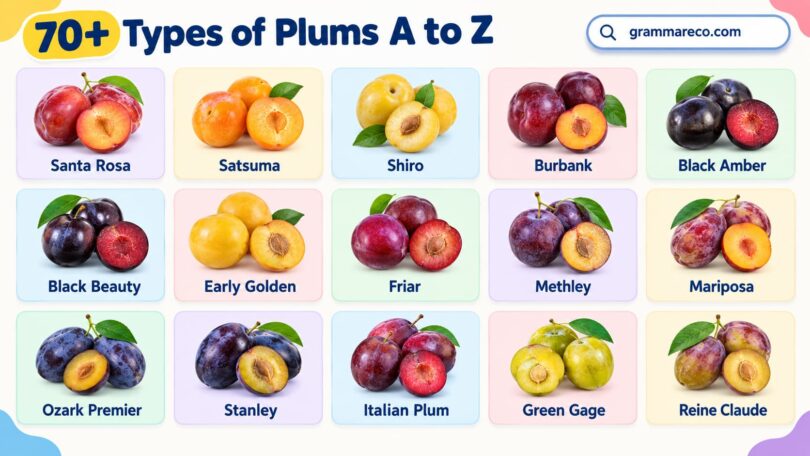
Plums are juicy stone fruits known for their smooth skin, sweet or tart flavor, and wide range of colors. There are many types of plum, from dark purple European plums to red and yellow Japanese plums and hardy American plums. Popular names of plums include Santa Rosa, Satsuma, Shiro, Stanley, Italian, Green Gage, Damson, and Victoria. Different plum types vary in size, color, texture, sweetness, growing conditions, and their suitability for fresh eating, cooking, canning, or drying.
What Are Plums and Their Names?
Plums are stone fruits belonging to the genus Prunus, which also includes peaches, cherries, apricots, and nectarines. The word plum covers several species and many named cultivars with different fruit characteristics. European plums (Prunus domestica) and Japanese or Asian plums (Prunus salicina and related hybrids) are the main groups grown commercially, while American plums (Prunus americana) are valued especially for their hardiness and use in breeding.
Plums can have red, purple, blue, black, yellow, green, or reddish-purple skin, while the flesh may be yellow, amber, red, greenish-yellow, or deep red. Some are firm and juicy for eating fresh, while others are especially good for cooking, preserves, canning, or drying.
List of All Plums With Names
There are hundreds of plum cultivars worldwide, the following list covers many recognized and commonly discussed plum types and cultivars from the major groups.
- European Plum
- Japanese Plum
- American Plum
- Beach Plum
- Canada Plum
- Chickasaw Plum
- Cherry Plum
- Klamath Plum
- Damson Plum
- Prune Plum
- Santa Rosa
- Satsuma
- Shiro Plum
- Burbank
- Beauty
- Black Amber
- Black Beauty
- Black Splendor
- Elephant Heart
- Early Golden
- El Dorado
- Friar Plums
- Hollywood
- Kelsey
- Laroda
- Mariposa
- Methley Plum
- Ozark Premier
- Redheart
- Simka Plum
- Wickson
- Stanley
- Italian Plum
- Early Italian
- Green Gage
- Reine Claude
- President Plum
- Jefferson Plum
- Coe’s Golden Drop
- Yellow Egg
- Lombard
- Mount Royal
- Grand Duke
- Long John
- Bluefre Plum
- Seneca Plum
- Castleton
- Valor
- Vision
- Victory Plum
- Violette
- Fellenberg
- German Prune
- Improved French
- Pipestone
- Underwood
- Tecumseh
- La Crescent
- Superior
- Monitor
- Waneta
- Ember Plum
- Redglow
- Alderman
- Chinook
- Gracious
- Hanska
- Redcoat
- South Dakota
- Potawatomi
Types of Plum With Pictures and Properties
The main types of plum can be distinguished by their species group, fruit color, size, flavor, flesh, texture, and typical use. European, Japanese, and American plums are the major groups, while individual cultivars within these groups can look and taste quite different.
Santa Rosa Plum
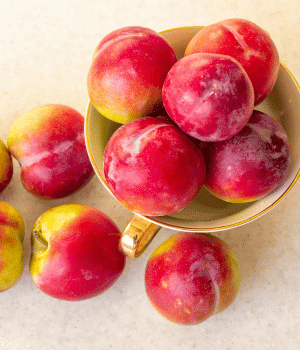
Santa Rosa is a popular Japanese plum variety known for its large, round fruit and rich plum flavor. The skin turns dark red to purple when ripe, while the flesh is yellow to amber and may show red around the pit. Its texture is juicy and firm, with a balanced sweet-tart taste. Santa Rosa plums are commonly eaten fresh and are also used for jams, preserves, desserts, and cooking.
Black Amber
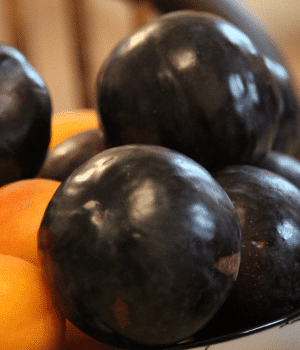
Black Amber is a Japanese plum variety distinguished by its large, rounded fruit and very dark purple to nearly black skin. Beneath the skin, the flesh is amber-yellow, firm, juicy, and mildly sweet. The fruit has a relatively small pit and holds its shape well after harvesting. Black Amber is especially useful as a fresh-eating plum and is also valued for handling, storage, and local fruit markets.
Satsuma Plum
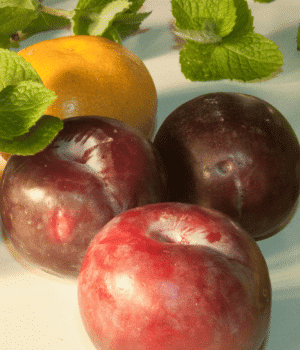
Satsuma is a Japanese plum variety recognized for its deep red to maroon skin and striking red flesh. The fruit is medium-sized, round, juicy, and sweet, although its skin can provide a pleasant tart contrast. The flesh has a soft to moderately firm texture and a rich plum flavor. Satsuma is mainly enjoyed fresh, but its colorful flesh also makes it suitable for preserves, sauces, and desserts.
Shiro Plum
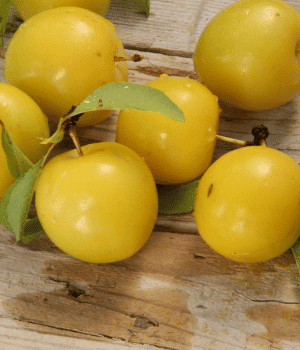
Shiro is an early Japanese plum variety that produces small to medium-sized, round fruit. Its skin changes from greenish-yellow to bright golden yellow as it ripens, sometimes developing a soft blush. The pale yellow flesh is juicy, tender, and sweet, with a mild flavor and slightly tart skin. Shiro plums are commonly eaten fresh and are also suitable for canning, preserves, baking, and other household preparations.
Burbank Plum
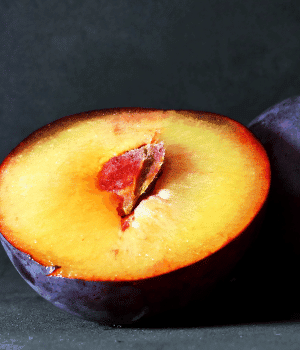
Burbank is a Japanese-type plum variety developed by the famous horticulturist Luther Burbank. Its medium-sized, round fruit develops reddish to dark red skin and contains juicy yellow flesh. The flavor is sweet, aromatic, and pleasantly balanced, while the texture remains reasonably firm when ripe. Burbank plums are primarily eaten fresh, although they can also be used in cooking, preserves, and other plum-based preparations.
Black Beauty Plum
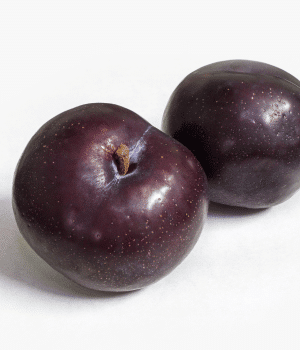
Black Beauty is a Japanese plum variety recognized for its dark purple to almost black skin and medium-sized, rounded fruit. The flesh is yellow, juicy, and firm, with a mild sweetness and pleasant plum flavor. Its attractive dark exterior gives the fruit strong visual appeal. Black Beauty is primarily eaten fresh, while its firm flesh can also be used in simple desserts, salads, preserves, and other culinary preparations.
Elephant Heart
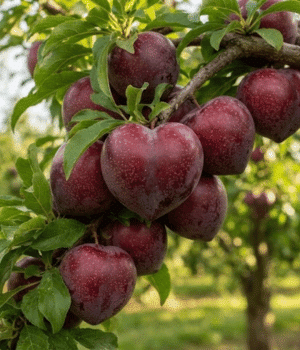
Elephant Heart is a large Japanese plum variety named for its distinctive heart-like shape. Its skin becomes dark red to purple, while the flesh develops a rich reddish color when mature. The fruit is juicy, sweet, and strongly flavored, with a soft yet substantial texture. It is a freestone plum, so the pit can be removed relatively easily. Elephant Heart is especially popular for fresh eating, freezing, and preserves.
Early Golden
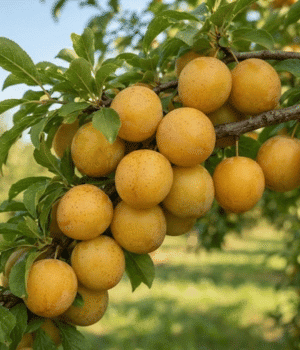
Early Golden is an early-ripening Japanese plum variety known for its attractive golden-yellow fruit. The skin may develop a reddish blush as the plum matures, while the flesh remains yellow and firm. Its flavor is sweet with a mild tart character, and the texture is relatively crisp for an early plum. Early Golden is mainly eaten fresh and can also be used for home cooking, desserts, and preserves.
Friar Plum
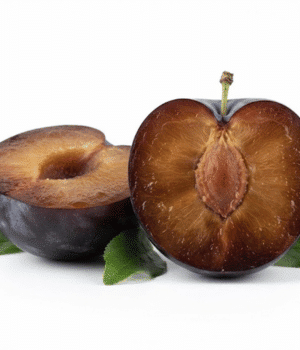
Friar is a widely grown Japanese plum variety recognized by its large fruit and deep purple to nearly black skin. The flesh is amber to pale yellow, firm, dense, and moderately juicy. It has a mild, sweet flavor with less acidity than some other Japanese plums. Friar is primarily considered a fresh-eating plum and is particularly valued for its attractive appearance, firm texture, and ability to withstand handling and transportation.
Methley
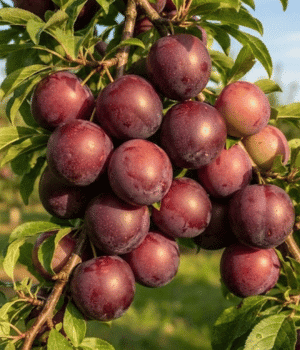
Methley is an early Japanese plum variety that produces round, medium-sized fruit with purple to reddish skin. Its flesh is red, juicy, soft, and sweet, giving the plum a colorful appearance when sliced. The variety is known for reliable production and can also serve as a useful pollinizer for other Japanese plums. Methley is mostly eaten fresh, but its flavorful fruit can also be used in preserves, sauces, and desserts.
Mariposa
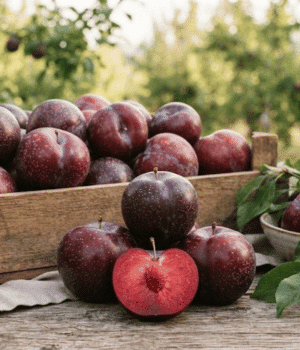
Mariposa is a Japanese plum variety producing large, rounded to slightly heart-shaped fruit. Its skin may range from reddish-purple to dark purple, while the flesh is notably deep red. The juicy flesh has a rich flavor and soft texture when fully ripe. Mariposa is especially appreciated as a dessert plum because of its attractive flesh and strong eating quality. It can also be used in preserves and fresh fruit dishes.
Ozark Premier
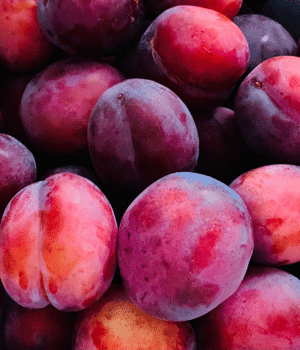
Ozark Premier is a large Japanese-type plum variety associated with the southern United States. Its round fruit develops attractive red skin and firm yellow flesh. The flesh is juicy and flavorful, with a sweet taste when the fruit reaches full maturity. Ozark Premier is primarily grown for fresh consumption and local markets. Its firm texture also allows the fruit to be handled relatively well after harvesting.
Stanley
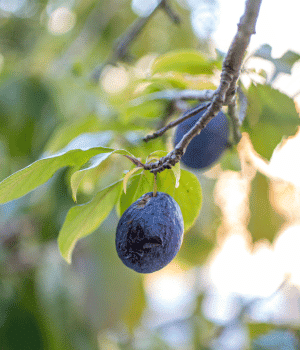
Stanley is a well-known European plum variety and an important prune-type plum. Its medium to large fruit has dark blue-purple skin and greenish-yellow flesh. The flesh is firm, sweet, juicy, and freestone, so the pit separates easily from the fruit. Stanley plums are excellent for fresh eating, but they are particularly valued for drying into prunes. They are also used for baking, canning, preserves, and cooking.
Italian Plum
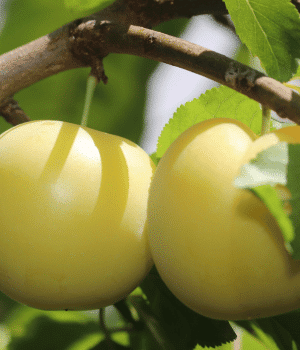
Italian Plum is a traditional European plum variety valued for its elongated shape, dark purple skin, and yellow-green flesh. The fruit is firm, sweet, and usually freestone, which makes removing the pit easy. Its flavor becomes more concentrated during drying, giving it excellent culinary versatility. Italian Plums are eaten fresh and are widely used for prunes, baking, preserves, jams, sauces, and other cooked preparations.
Green Gage
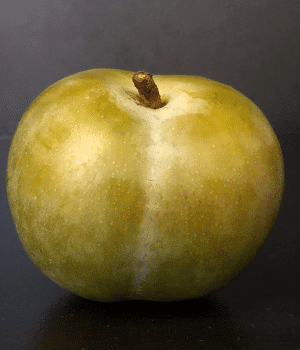
Green Gage is a classic European plum variety and one of the best-known gage plums. Its small to medium-sized fruit is usually round, with green to yellow-green skin and golden or amber flesh. The flesh is exceptionally juicy, sweet, and soft, producing a rich dessert flavor. Green Gage is especially prized for fresh eating, although its fruit is also used for jams, preserves, sauces, and desserts.
Reine Claude
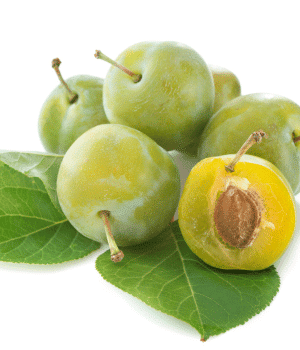
Reine Claude refers to a historic European plum group closely associated with traditional gage plums. The fruit is generally round, with green to yellow-green skin and juicy, sweet flesh. Depending on the selection, fruit size and color can vary, but the group is known for rich dessert quality and a soft, melting texture. Reine Claude plums are mainly eaten fresh and are also used for preserves and cooking.
President
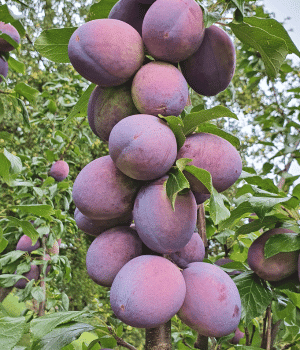
President is a large European plum variety that produces oval to rounded fruit with dark blue or purple skin. Its yellow flesh is juicy, firm, sweet, and usually freestone, allowing the pit to be removed easily. The variety ripens relatively late and provides good versatility in the kitchen. President plums are eaten fresh and can also be used for canning, preserves, baking, desserts, and other cooked dishes.
Jefferson
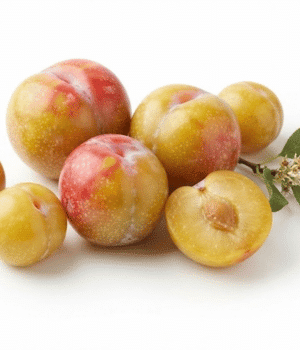
Jefferson is a traditional European gage-type plum valued for its excellent dessert quality. Its medium to large fruit is generally oval, with yellow-green skin that can develop a warm reddish or orange blush. The orange-yellow flesh is juicy, aromatic, sweet, and richly flavored, with a moderately firm texture. Jefferson is primarily eaten fresh, although its flavorful fruit can also be used in preserves and homemade desserts.
Coe’s Golden Drop
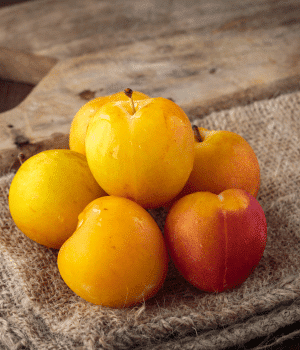
Coe’s Golden Drop is a historic European plum variety recognized for its large, oval fruit and distinctive golden-yellow color. The skin can develop attractive red or carmine markings as the fruit matures, while the flesh is juicy, rich, and strongly flavored. Its freestone characteristic makes preparation easier. Coe’s Golden Drop is enjoyed fresh and is also suitable for desserts, cooking, preserves, and canning.
Yellow Egg
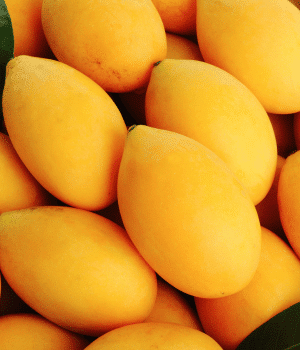
Yellow Egg is a traditional European plum variety distinguished by its large, elongated fruit and bright yellow appearance. Both the skin and flesh are predominantly yellow when ripe. The flesh has a firm texture and a mild plum flavor, making the variety particularly useful for culinary purposes. Yellow Egg plums can be eaten fresh when ripe and are also commonly associated with canning, cooking, baking, and preserves.
Lombard
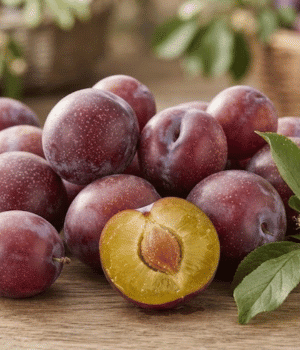
Lombard is a traditional European plum variety known for its reddish to pink-purple skin and yellow, juicy flesh. The fruit is generally oval and has a mild to moderately sweet flavor with a pleasant plum aroma. Its flesh provides a useful balance between firmness and juiciness. Lombard is suitable for fresh eating and is also used for canning, preserves, desserts, and other household plum preparations.
Chickasaw Plum
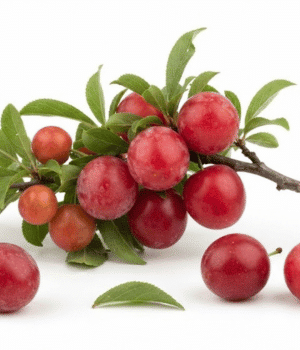
Chickasaw Plum is a North American native plum species (Prunus angustifolia) rather than a modern named cultivar. Its small, round fruit usually develops red to yellow-red skin and juicy yellow to reddish flesh. The fruit has a tart to sweet flavor and a relatively thin skin. Chickasaw plums are eaten fresh when fully ripe and are commonly used for jellies, jams, preserves, sauces, and other cooked preparations.
Cherry Plum
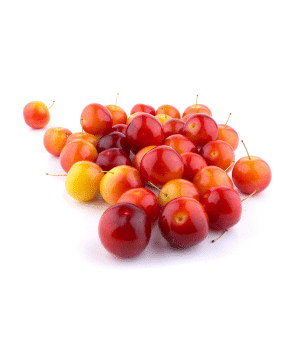
Cherry Plum is a plum species (Prunus cerasifera) that produces small, round fruits resembling cherries in size and shape. Depending on the variety, the skin may be yellow, red, or dark purple, while the flesh can range from yellow to red. The fruit has a juicy texture and a sweet-tart flavor. Cherry plums are eaten fresh and are also used for jams, jellies, sauces, and preserves.
Prune Plum
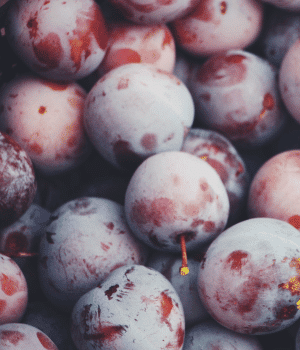
Prune Plum generally refers to European plums selected for drying, especially varieties with firm, sweet flesh and high natural sugar content. The fruit is commonly oval or elongated, with blue, purple, or dark reddish skin and yellow-green flesh. Its freestone texture makes the pit easy to remove. Prune plums can be eaten fresh, but they are particularly valued for drying into prunes, as well as for baking, preserves, and cooking.
Sweet Plum Varieties
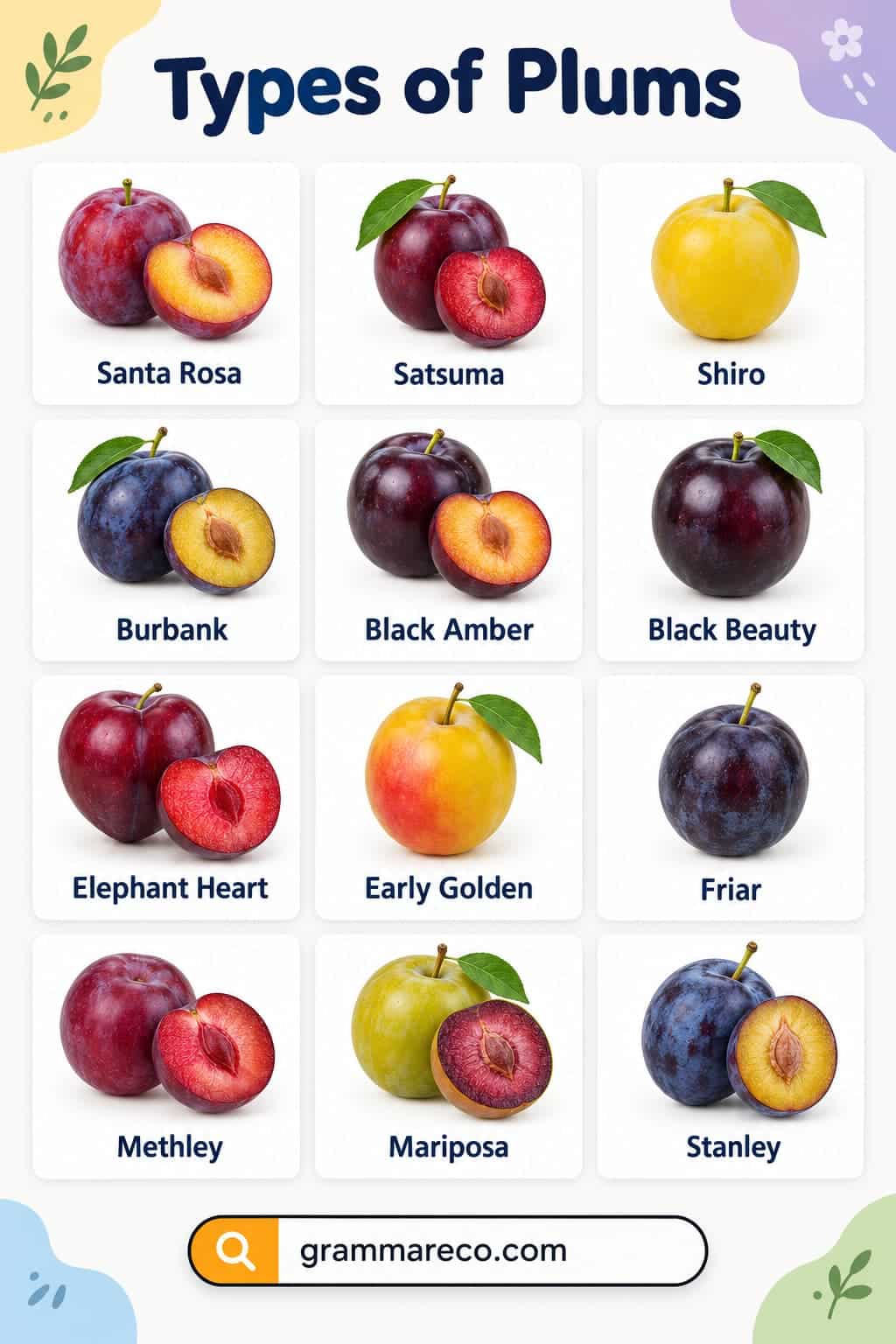
Sweet types of plum varieties are valued for their naturally sugary flavor, juicy texture, and pleasant aroma. Many are enjoyed fresh when fully ripe, while some are also used in desserts, jams, sauces, and baked dishes. Sweetness can vary depending on the variety and ripeness.
- Black Amber
- Black Diamond
- Santa Rosa
- Satsuma
- Methley
- Mirabelle
- Greengage
- Victoria
- Mariposa
- Fortune
- Elephant Heart
- Japanese Blood Plum
Types of Red Plum Varieties
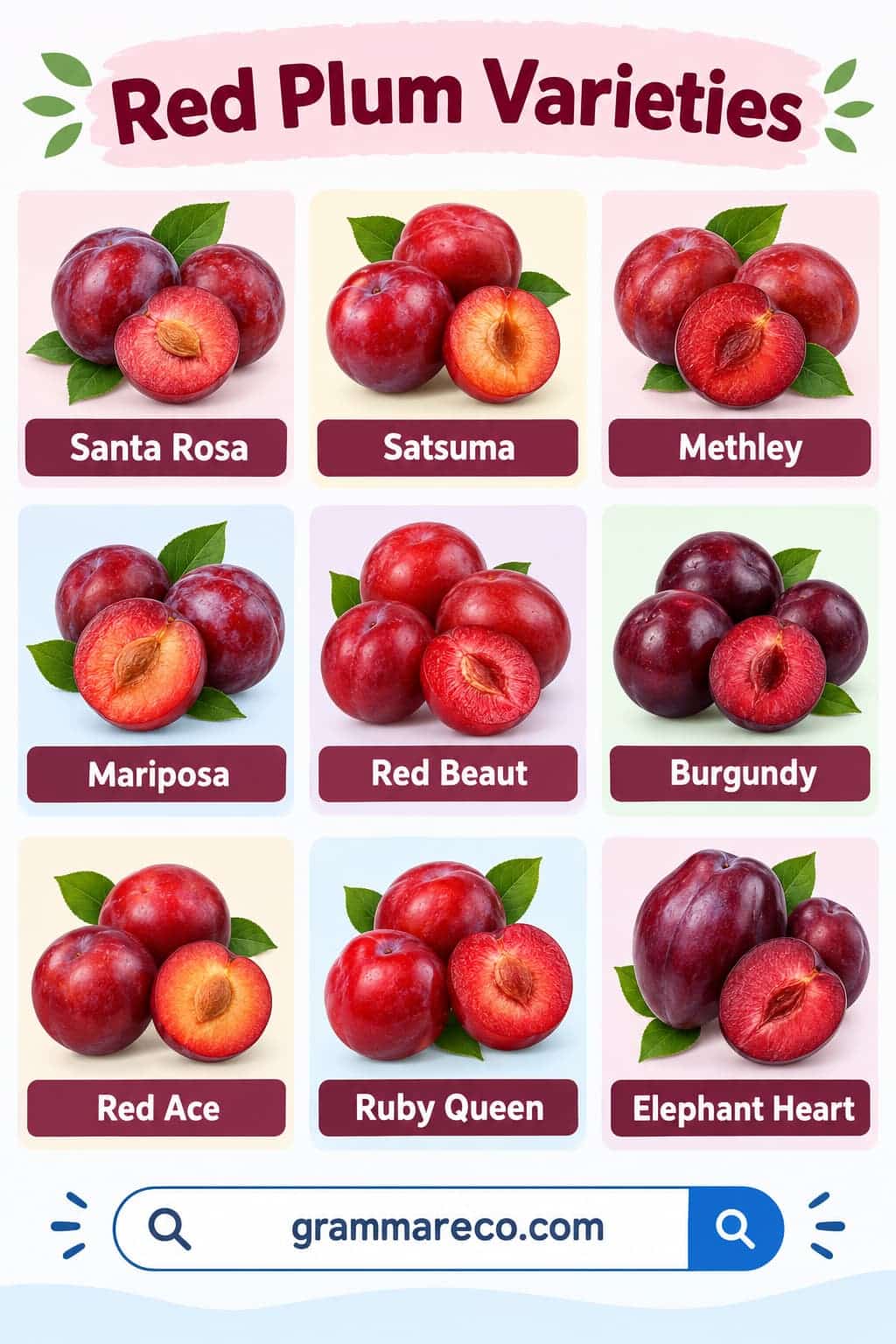
Red types of plums range from bright crimson to deep reddish-purple on the outside. Their flesh may be yellow, amber, pink, or red, and their flavor can be sweet, tangy, or mildly tart. Common red-skinned plum varieties include:
- Santa Rosa
- Satsuma
- Methley
- Mariposa
- Red Beaut
- Burgundy
- Red Ace
- Ruby Queen
- Elephant Heart
- Black Splendor
Black Types of Plums Varieties
Black plum varieties develop very dark purple, blue-black, or nearly black skin as they mature. Their flesh can be yellow, amber, red, or purple, with flavors ranging from sweet and juicy to slightly tart. Well-known black-skinned varieties include:
- Black Amber
- Black Diamond
- Black Splendor
- Friar
- Black Beaut
- Owen T
- Black Ruby
- Black Doris
- Black Ice
- Ebony
Yellow Plum Varieties with Names
Yellow plum varieties are known for their golden to bright-yellow skin and sweet, juicy flesh. Some popular yellow plums include Shiro, Early Golden, Mirabelle, Golden Nectar, Yellow Egg, and Coe’s Golden Drop. Their flavors range from mildly sweet and honey-like to pleasantly tart, depending on the variety and ripeness. Yellow plums can be enjoyed fresh or used in jams, pies, sauces, and desserts. Shiro plums are especially popular for their soft texture and juicy flesh, while Mirabelle plums are smaller and valued for their rich sweetness.
Types of Green Plum
Green plums can remain green when ripe or develop a softer green-yellow color as they mature. Their flavor varies from crisp and tart to sweet and honey-like. Greengage types are especially known for their rich sweetness and juicy texture.
- Greengage
- Green Gage
- Reine Claude Verte
- Reine Claude d’Althan
- Coe’s Golden Drop
- Green Egg
- Shiro
- Emerald Beaut
- Early Laxton
- Oullins Gage
Purple Types of Plum Varieties
Purple plum varieties have skin ranging from reddish-purple and violet to deep purple-blue. Their flesh may be yellow, amber, red, or purple, depending on the cultivar. These plums are often valued for their attractive color, juicy texture, and balanced sweet-tart flavor.
- Mariposa
- Satsuma
- Black Amber
- Black Diamond
- Friar
- Santa Rosa
- Elephant Heart
- Purple Majesty
- Autumn Rosa
- Japanese Blood Plum
How to Choose a Plum Variety
Choosing a plum variety depends mainly on how you want to use the fruit, where you grow it, the flavor you prefer, and whether you need a self-fertile tree. For fresh eating, look for dessert plums with juicy, sweet flesh, such as Santa Rosa, Shiro, Opal, or Victoria. If your main purpose is cooking, preserving, or making jam, culinary cultivars such as Czar, Damson, and Marjorie’s Seedling can be better choices. For drying, European prune-type plums such as Italian and Stanley are particularly useful because suitable cultivars have characteristics that make them easier to dry. Climate is another important consideration because Japanese, European, and American plums differ in hardiness and flowering time. If you are planting a tree, also check its pollination requirements because some cultivars need a compatible second plum nearby, while others are self-fertile.
How Plums Are Used for Cooking
Plums can be eaten fresh or used in a wide range of sweet and savory recipes. Ripe dessert plums work well in fruit salads, yogurt, cereal, cakes, pies, tarts, crumbles, and other desserts. Firmer or more tart varieties can be cooked into jams, jellies, sauces, chutneys, and preserves. European plums are especially useful for canning and drying, while Japanese plums are commonly eaten fresh but can also be made into sauces, juice, jams, and jellies. Dried plums, commonly called prunes, are mainly produced from plum cultivars suited to drying.
Fresh Plum Uses
Fresh plums can be:
- Eaten whole as a snack
- Sliced into fruit salads
- Added to yogurt
- Served with cereal or oatmeal
- Used in desserts
- Added to salads
- Paired with cheese and dairy foods
Cooked Plum Uses
Plums can also be:
- Baked into pies and tarts
- Cooked into jams
- Made into jellies
- Turned into sauces
- Used in chutneys
- Canned for later use
- Dried as prunes
- Cooked into dessert fillings
FAQs About Types of Plum
The main plum groups commonly discussed are European, Japanese or Asian, and American plums. European plums include cultivars such as Stanley and Italian, Japanese plums include Santa Rosa, Satsuma, and Shiro, while American plums are valued mainly for hardiness and breeding.
The sweetness of a plum depends on the cultivar and ripeness, but several dessert plums are known for very sweet, juicy fruit. Elephant Heart, some Green Gage cultivars, Santa Rosa, and ripe Japanese plums are popular choices for sweet fresh eating.
Popular fresh-eating plums include Santa Rosa, Satsuma, Shiro, Elephant Heart, Opal, Victoria, and Green Gage. Japanese plums are particularly common in fresh markets because of their large, juicy fruit.
Damson, Czar, Marjorie’s Seedling, Victoria, Italian, Green Gage, and Stanley are useful cooking plums. Their different levels of sweetness, acidity, firmness, and flavor make them suitable for sauces, jams, preserves, baking, or canning.
A prune plum is a plum cultivar particularly suitable for drying into prunes. Many prune plums belong to the European plum group, including Italian and Stanley. Not every plum is equally suitable for drying.
Pluots are not true plum cultivars. They are plum-apricot hybrids developed from crosses involving plums and apricots. They resemble plums in appearance and texture but are classified separately from ordinary plum cultivars.
Read more