

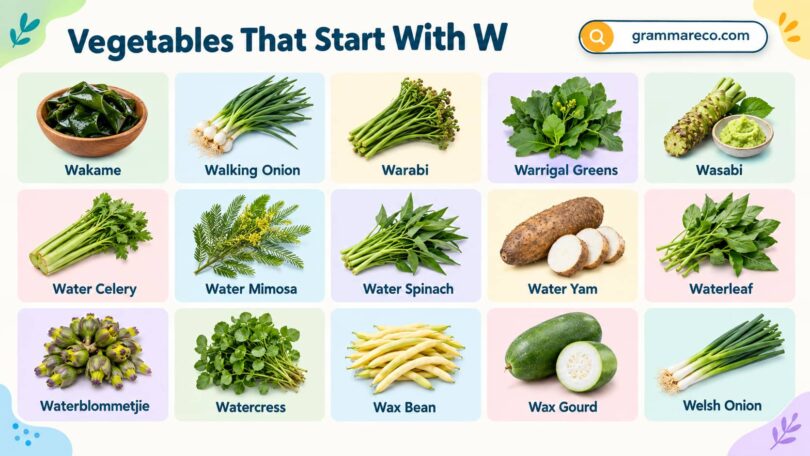
Vegetables that start with W introduces several leafy greens, roots, gourds, and onion relatives used in different cuisines. Names such as watercress, water spinach, wax gourd, and Welsh onion belong to distinct plant groups and have different edible parts. Some are common in American grocery stores, while others are better known in Asian, European, or regional cooking. Learning these vegetable names beginning with w with pictures helps readers recognize plant foods through pictures and understand their basic categories.
What Vegetables that Start with W?
Vegetable beginning with W include leafy plants, roots, gourds, bulbs, and related edible shoots. Several names describe color, shape, season, or growing conditions. Watercress and water spinach are leafy vegetables, while water chestnut is an aquatic-grown edible corm. Wax gourd and winter squash belong to the gourd family, although they differ in appearance and use.
List of Vegetables that Start with W
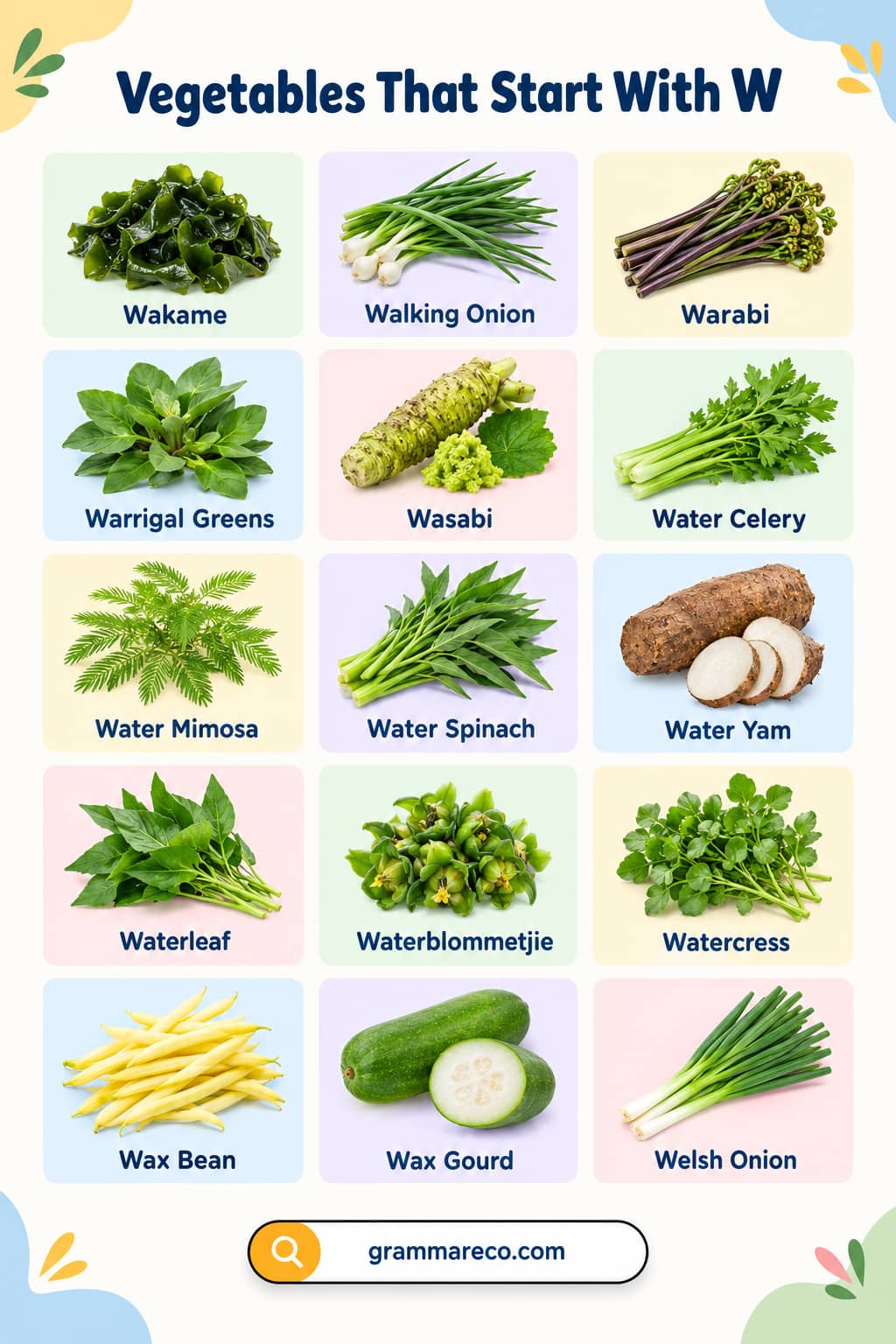
Vegetable starts with W contains familiar produce alongside regional and less common varieties. Below is a list of the main vegetable names beginning with W, covering leafy greens, roots, gourds, squash, and onion relatives.
- Wakame
- Walking Onion
- Warabi
- Warrigal Greens
- Wasabi
- Water Celery
- Water Mimosa
- Water Spinach
- Water Yam
- Waterleaf
- Waterblommetjie
- Watercress
- Wax Bean
- Wax Gourd
- Welsh Onion
- West Indian Gherkin
- Wild Garlic
- Wild Leek
- Winged Bean
- Winter Cress
- Witloof
- Wombok
- Wood Sorrel
Vegetables that Start with W with Pictures
Wakame
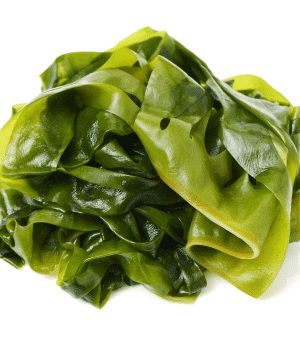
Wakame is an edible brown seaweed widely used as a vegetable in Japanese and Korean cuisine. Its tender fronds have a mild, slightly sweet, ocean-like flavor. After rehydration, the seaweed develops a soft, silky texture. Traditionally, cooks add wakame to miso soup, salads, noodles, and other dishes. Fresh wakame needs quick preparation, while dried wakame stores easily.
Walking Onion
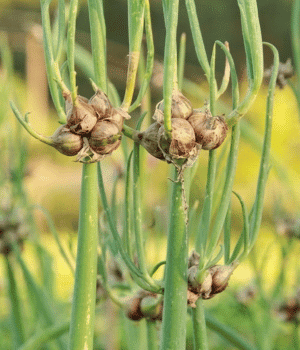
Walking onion is a perennial onion that produces edible bulbs, leaves, and small bulbils. Unlike ordinary onions, it forms tiny bulbs on top of its stems as the plant matures. Eventually, these bulbils bend toward the ground and root nearby, allowing the plant to spread. Its strong onion flavor works well in soups, sauces, pickles, and savory dishes.
Warabi
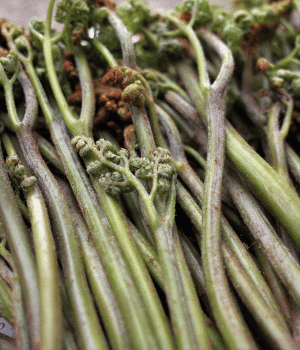
Warabi refers to the young edible shoots of the bracken fern, especially in Japanese cuisine. These tender shoots emerge before the fern develops mature fronds. They have a firm texture and a slightly bitter, earthy flavor. Cooks usually boil and soak warabi before serving it. In addition, processed warabi starch helps make traditional Japanese sweets, noodles, and desserts.
Warrigal Greens
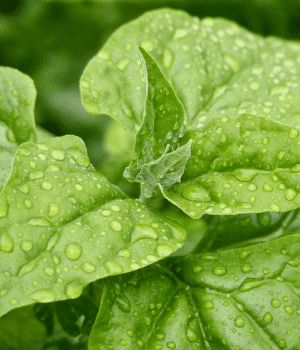
Warrigal greens are leafy Australian greens traditionally eaten by Aboriginal Australians and now used as a spinach substitute. Their fleshy, triangular leaves have a mild, slightly salty flavor. Because the raw leaves contain oxalates, cooks usually blanch them before eating. Afterward, they work well in pies, soups, pasta, stir-fries, sauces, and cooked vegetable dishes.
Wasabi
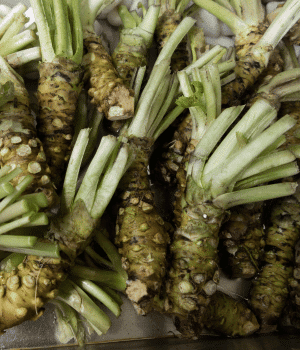
Wasabi is a pungent Japanese plant whose underground rhizome produces the familiar green condiment. It belongs to the Brassicaceae family, which also includes cabbage and mustard. Freshly grated wasabi delivers a sharp, aromatic heat that quickly fades. Traditionally, people serve it with sushi and sashimi. Meanwhile, cooks can pickle or cook its edible leaves and stems.
Water Celery
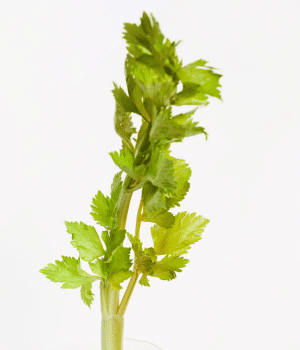
Water celery is an aquatic leafy vegetable known botanically as Oenanthe javanica. It grows naturally in wet environments and remains popular in several East Asian cuisines. The crisp stems and tender leaves offer a fresh, celery-like flavor with herbal notes. Cooks commonly add water celery to soups, stir-fries, salads, and other savory vegetable dishes.
Water Mimosa
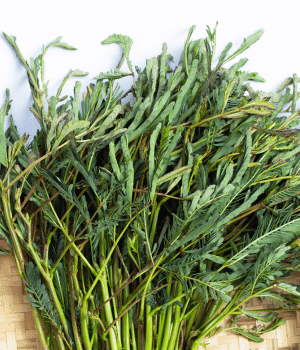
Water mimosa is an aquatic legume grown as a leafy vegetable in parts of tropical Southeast Asia. Its tender shoots and young leaves provide a mild, fresh flavor and soft texture. The plant grows along ponds, canals, and other wet areas. In cooking, people often stir-fry, boil, or combine the young foliage with sauces and other vegetables.
Water Spinach
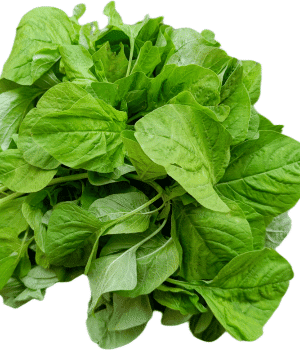
Water spinach is a fast-growing leafy vegetable widely eaten across Southeast and East Asia. It produces hollow stems and tender green leaves with a mild, spinach-like flavor. Cooks usually prepare the young shoots as a whole vegetable. For instance, stir-frying with garlic, chili, or savory sauces creates a popular dish. Soups also commonly include water spinach.
Water Yam

Water yam is a tropical root vegetable produced by Dioscorea alata, a climbing yam species. Its large underground tubers may contain white, cream, or purple flesh, depending on the variety. Once cooked, the tuber develops a soft, starchy texture. People commonly boil, steam, fry, mash, or add water yam to soups and traditional dishes.
Waterleaf
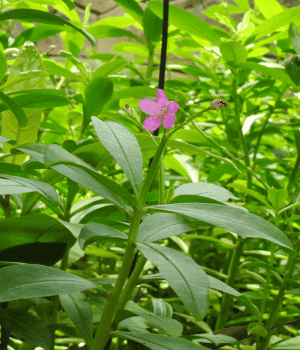
Waterleaf is a tender leafy vegetable that grows well in tropical climates. Its succulent leaves and stems contain plenty of moisture, giving them a soft texture during cooking. The plant has a mild flavor, so it blends easily with stronger ingredients. In West African and other tropical cuisines, cooks add waterleaf to soups, stews, sauces, and mixed vegetable dishes.
Waterblommetjie
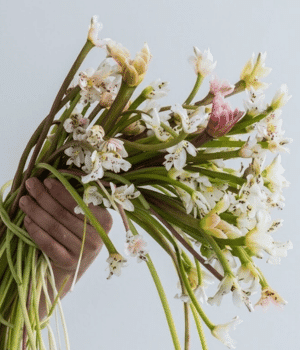
Waterblommetjie is the edible flower bud and stem of an aquatic plant native to South Africa. Its name means “little water flower,” reflecting its growth in freshwater environments. The vegetable has a delicate, slightly tangy flavor with artichoke-like qualities. South African cooks commonly simmer waterblommetjies in stews and casseroles, where the tender buds absorb rich savory flavors.
Watercress
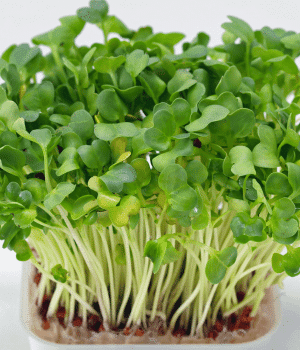
Watercress is a leafy aquatic vegetable with small green leaves and crisp, tender stems. As a member of the mustard family, it carries a fresh, peppery flavor that becomes milder after cooking. People often use young watercress in salads, sandwiches, soups, and sauces. It grows naturally in flowing water, although commercial growers also cultivate it in controlled conditions.
Wax Bean
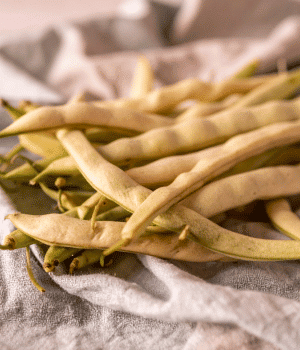
Wax bean is a type of snap bean recognized by its yellow or pale-golden pods. Farmers harvest the beans while the pods remain young and tender, allowing people to eat the entire pod. Their mild flavor has a subtle sweetness and crisp texture. They work especially well steamed, sautéed, roasted, boiled, or tossed into salads.
Wax Gourd
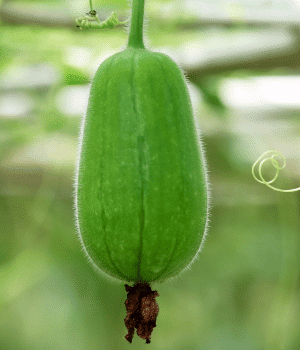
Wax gourd is a large Asian gourd with pale flesh and a waxy coating that develops across its mature skin. Many regions also call it winter melon or ash gourd. Its mild flesh absorbs seasonings readily, making it useful in savory recipes. Cooks commonly add wax gourd to soups, stews, stir-fries, steamed dishes, and traditional vegetable preparations.
Welsh Onion
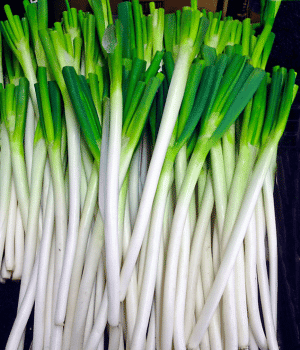
Welsh onion is a bunching onion cultivated for its slender leaves and pale stems rather than a large bulb. Despite its name, the vegetable has strong connections with East Asian cuisine and grows in many regions. Its fresh flavor ranges from mild to moderately sharp. People use the leaves and stems raw, grilled, fried, or cooked in soups and sauces.
West Indian Gherkin
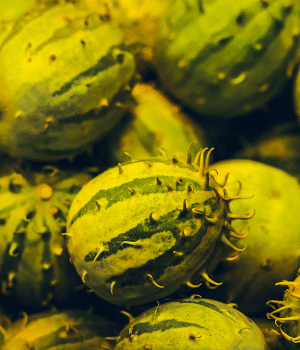
West Indian gherkin is a small cucumber-like vegetable produced by Cucumis anguria. Its young fruits have firm green skin covered with distinctive bumps or short spines. The crisp flesh carries a mild cucumber flavor. In addition, people can pickle, cook, or add the young fruits to stews. Caribbean and African cuisines use this vegetable in several traditional preparations.
Wild Garlic
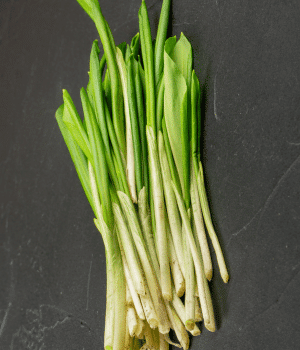
Wild garlic is a common name for several edible Allium species, including Allium ursinum in Europe. Its leaves, bulbs, and flowers carry a noticeable garlic aroma and savory flavor. During spring, cooks often harvest the young leaves for salads, pesto, sauces, soups, and spreads. The plant grows naturally in shaded woodland areas and adds a strong seasonal flavor.
Wild Leek
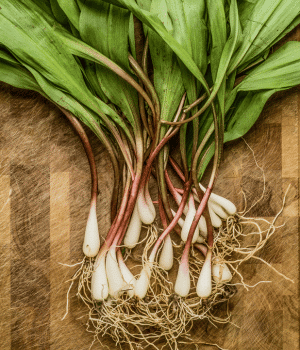
Wild leek commonly refers to Allium tricoccum, a North American plant also known as ramp. It produces broad green leaves and a small bulb with a strong onion-garlic flavor. Both parts can add depth to savory dishes. During spring, people commonly use wild leek in soups, sauces, eggs, potatoes, and other recipes that benefit from a bold allium flavor.
Winged Bean
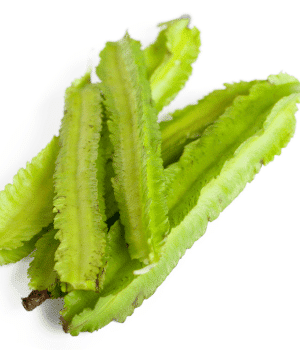
Winged bean is a tropical legume recognized by the four ridges running along its edible pods. This versatile plant produces edible young pods, leaves, flowers, seeds, and roots when properly prepared. The tender pods have a mild, bean-like flavor and crisp texture. Cooks commonly boil, steam, or stir-fry them, while young leaves can also enter soups and salads.
Witloof
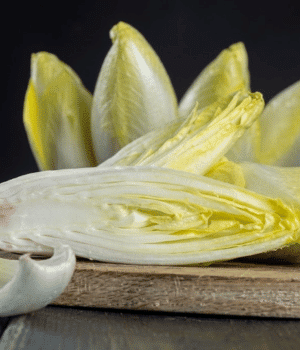
Witloof is a type of Belgian endive grown for its pale, tightly packed leaves. Growers cultivate the plant away from light so the leaves remain white or creamy yellow and develop a tender texture. Its crisp leaves have a mildly bitter, refreshing taste. People enjoy witloof raw in salads or cook it by braising, roasting, grilling, or baking.
Wombok
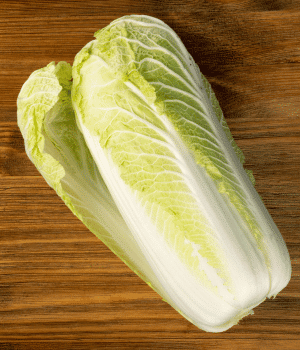
Wombok is the Australian name for napa cabbage, a leafy vegetable with an elongated head and pale green leaves. Its tender leaves provide a mild, slightly sweet flavor with a crisp texture. Wombok features widely in Asian cooking and adapts to many recipes. People stir-fry, steam, ferment, or add it raw to salads, slaws, soups, and dumpling fillings.
Wood Sorrel
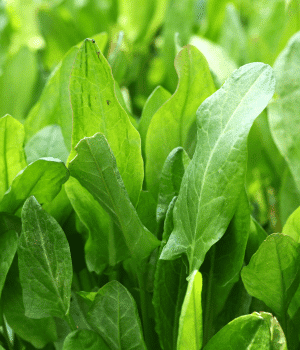
Wood sorrel refers to several edible plants in the Oxalis genus, which feature three-part leaves and small flowers. The leaves have a distinctive tart, lemon-like flavor because they contain naturally occurring oxalic acid. People sometimes use young leaves sparingly in salads, sauces, and garnishes. However, wood sorrel generally fits the category of wild edible rather than cultivated vegetables.
Root Vegetables Beginning with W
Vegetables that Start with W are commonly grouped with root vegetables because their edible parts develop underground. Water chestnut is technically a corm, while beets, carrots, radishes, and turnips are storage roots.
- Water Chestnut: An aquatic corm with crisp white flesh and a thin dark outer covering.
- White Beet: A pale beet variety with a white or cream-colored edible root.
- White Carrot: A carrot cultivar producing white or cream-colored roots rather than orange roots.
- White Radish: A radish with a white root, ranging from small round types to long daikon forms.
- White Turnip: A turnip variety with a pale edible root and crisp texture when young.
Squash and Gourds Vegetables that Start with W
Vegetables Beginning With W include both individual gourd types and a larger squash category. Wax gourd is a distinct gourd, while winter squash describes several mature squash varieties.
- Wax Gourd: A large gourd with pale flesh and a waxy surface that develops as the fruit matures.
- Winter Squash: A category containing mature squash varieties such as acorn, butternut, kabocha, delicata, and spaghetti squash.
Onion Vegetables Vegetables that Start with W
Vegetables that start with W belong to the Allium group, which includes onions, garlic, leeks, and related plants. Their edible parts may include leaves, stems, bulbs, or flower stalks.
- Welsh Onion: A mild bunching onion with long green leaves and small or poorly developed bulbs.
- Wild Garlic: A wild Allium with a noticeable garlic scent and edible plant parts depending on species.
- Wild Leek: A wild onion relative that includes plants such as ramps, valued for their leaves and underground parts.
- Wild Onion: A common name applied to several wild Allium species with onion-like bulbs and foliage.
Fruits and Vegetables That Start with W
Fruits and vegetables beginning with W include several familiar foods as well as regional and less common varieties. Some notable examples are Watermelon, Wax Apple, White Sapote, Watercress, Water Chestnut, Wasabi, Winter Squash, and Winged Bean. These foods vary widely in flavor, color, texture, and culinary use.
Fruits That Start with W
- Watermelon – A juicy, sweet fruit with crisp red, yellow, or orange flesh.
- Wax Apple – A bell-shaped tropical fruit with crisp, watery flesh.
- White Sapote – A soft tropical fruit with creamy, custard-like flesh.
- Wolfberry – A small red fruit commonly known as goji berry.
- Wampee – A small Asian fruit with juicy, aromatic flesh.
- Wild Plum – Small plums produced by several wild plum species.
- Water Apple – Another common name used for wax apple.
- Winter Melon – Botanically a fruit and commonly used as a vegetable in cooking.
Read more: 31+ Fruits that Start with W
Vegetables That Start with W
- Watercress – A leafy green with a peppery flavor, often eaten fresh.
- Water Chestnut – An aquatic plant producing crisp, edible underground corms.
- Wasabi – A pungent Japanese plant whose rhizome is used as a condiment.
- Winter Squash – A group of mature squash varieties with firm flesh and hard skins.
- Winged Bean – A tropical legume with edible pods, leaves, flowers, and seeds.
- Wax Bean – A yellow-podded bean variety commonly cooked as a vegetable.
Green Vegetables Beginning with W with Pictures
Green vegetables beginning with W include leafy greens, legumes, herbs, and other edible plant parts. Common examples include Watercress, Water Spinach, Winged Bean, Welsh Onion, Wild Leek, and Winter Squash. Pictures can help identify their different shapes, shades of green, and edible parts.
Green Vegetables Beginning with W
- Watercress – A dark green leafy vegetable with a fresh, peppery taste.
- Water Spinach – A tender green vegetable with hollow stems and arrow-shaped leaves.
- Winged Bean – A green tropical bean recognized by its four-winged pods.
- Welsh Onion – A green onion with long, hollow leaves and a mild onion flavor.
- Wild Leek – A leafy wild allium with a strong onion-like aroma.
- Wax Bean – Green or yellow wax beans are eaten as tender immature pods.
- Winter Squash – Some varieties have green skins, including acorn and kabocha squash.
- Wasabi Leaves – Green leaves of the wasabi plant that can be eaten fresh or cooked.
FAQs About Vegetables That Start With W
Common vegetables that start with W include watercress, water spinach, winter cress, witloof, wax gourd, winter squash, and Welsh onion.
Winter squash is a group of mature squash varieties, including butternut, acorn, kabocha, delicata, and spaghetti squash.
Watercress has small peppery leaves, while water spinach has hollow stems and larger leaves with a milder flavor.
White beet, white carrot, white radish, and white turnip are commonly grouped as root vegetables. Water chestnut is an underground corm rather than a true root.
Welsh onion, wild onion, wild leek, and wild garlic are W vegetables related to the onion family. Their edible parts vary by species.
Watercress, water spinach, winter cress, and witloof are leafy vegetables beginning with W. Their edible parts are mainly leaves and tender stems.
Summary
Vegetables that start with W include several distinct plant groups, from leafy greens and roots to gourds, squash, and onion relatives. Watercress, water spinach, white radish, wax gourd, winter squash, and Welsh onion are useful names to recognize. Some names describe a plant variety, while others refer to a broader vegetable category. Learning these terms with their pictures makes it easier to connect each vegetable name with its plant form and edible part.
Read more