
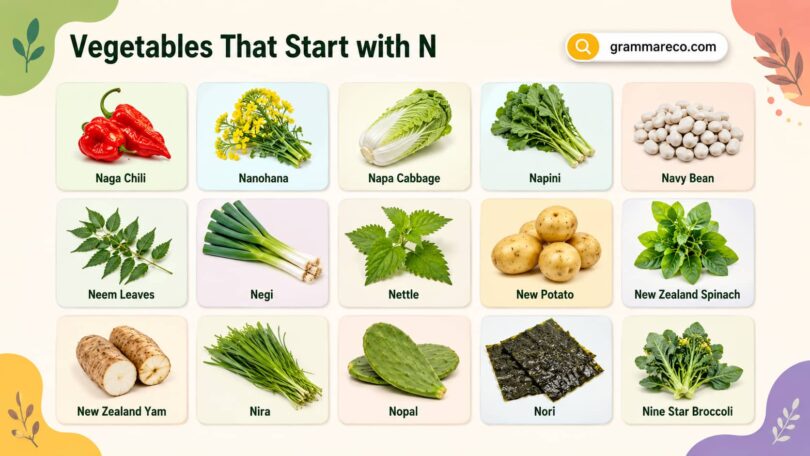
Vegetables that start with N include leafy greens, cactus pads, and edible sea vegetables from different food traditions. Their edible parts can vary from tender leaves and stalks to young cactus pads and prepared algae sheets. Some are commonly cooked, while others can be eaten raw after proper preparation. Learning these N letter vegetables names helps readers understand produce terms used in recipes, cooking lessons, grocery shopping, and food studies. Pictures can make each vegetable easier to recognize.
What Vegetables that Start with N?
Vegetables that start with N include leafy greens, cactus pads, and several regional edible plants. Some are common in American produce sections, while others belong to African, Asian, or Mexican cooking traditions. Their names can refer to a plant, its leaves, stems, or edible parts. Knowing these vegetable names makes it easier to understand produce terms used in recipes, food lessons, gardening, and cooking. Pictures can also help learners connect each name with its plant or edible part.
List of Vegetables that Start with N
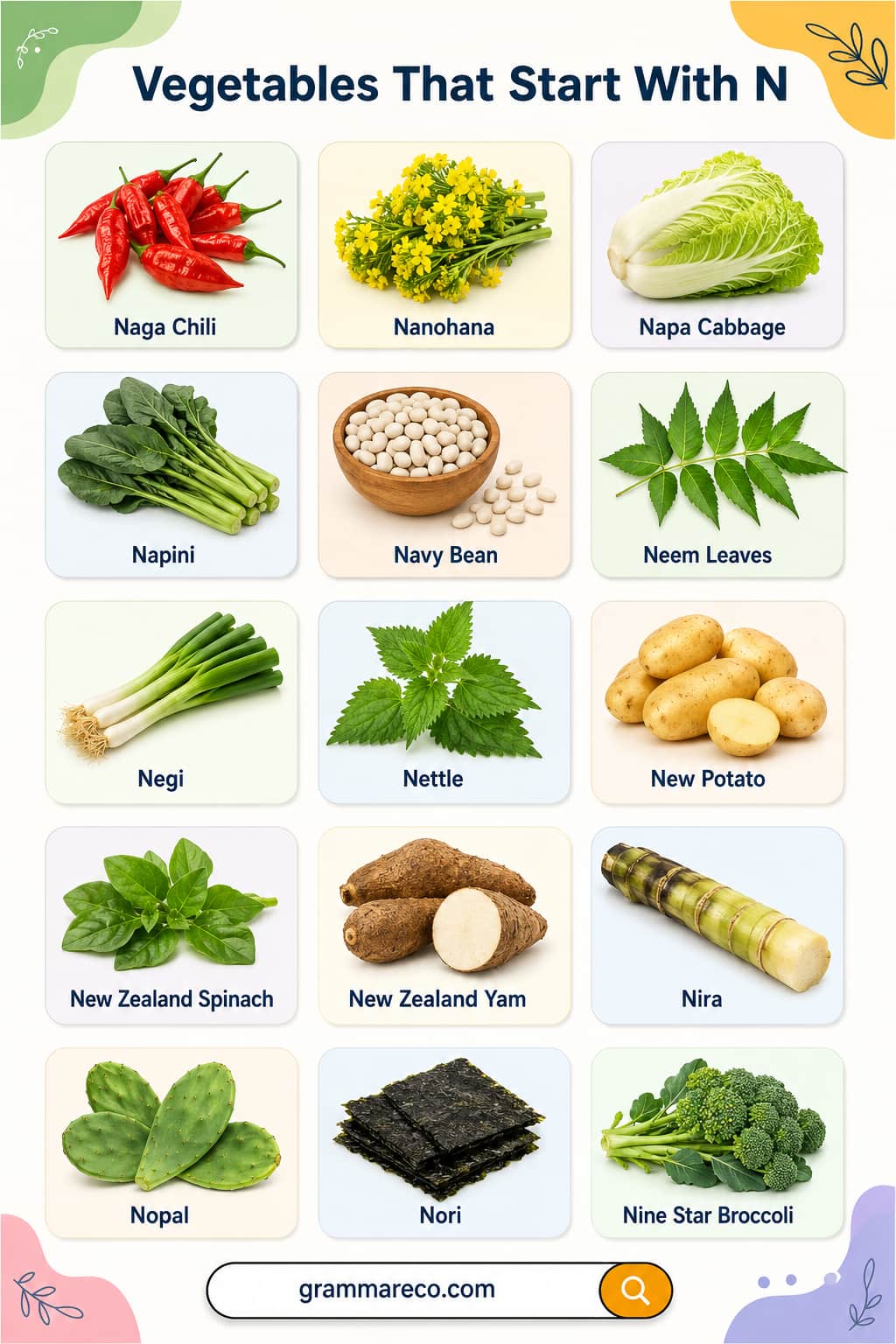
Vegetable beginning with N includes a small but varied group of edible vegetables and greens. Below is a list of vegetable names beginning with N, including common produce and regional foods.
- Nagaimo
- Naga Chili
- Nanohana
- Napa Cabbage
- Napini
- Navy Bean
- Neem Leaves
- Negi
- Nettle
- New Potato
- New Zealand Spinach
- New Zealand Yam
- Nira
- Nopal
- Nori
- Nine Star Broccoli
- Nasturtium Leaves
- Niger Spinach
Vegetables that Start with N with Pictures
Nagaimo
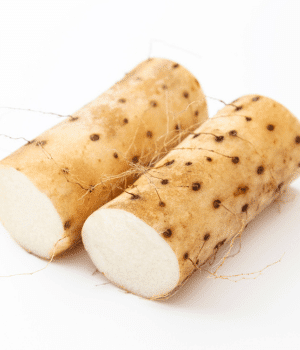
Nagaimo is a Japanese mountain yam with long, pale-brown skin and crisp, white flesh. Unlike many yams, you can eat it raw, and grating gives it a naturally sticky texture. Its mild, slightly sweet flavor works well in noodles, salads, soups, and rice dishes. In addition, cooks often peel, grate, slice, or lightly cook the root before serving.
Naga Chili
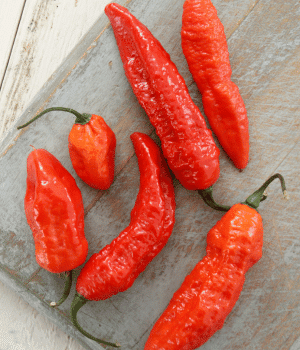
Naga chili is an extremely hot pepper that originated in northeastern India and nearby regions. It has wrinkled skin, a fruity aroma, and intense heat that can quickly dominate a dish. Therefore, cooks usually use small amounts in curries, sauces, pickles, and chutneys. Fresh and dried pods both add fiery flavor, although chili enthusiasts often appreciate their fruity character as well.
Nanohana
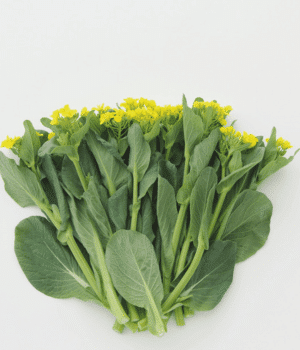
Nanohana refers to young flowering shoots from mustard-family plants, especially rapeseed varieties, that Japanese cooks enjoy as a spring vegetable. The tender stems, leaves, and unopened buds offer a mildly bitter, mustard-like flavor. Usually, cooks blanch, steam, or sauté the shoots to soften them. Moreover, their delicate texture and seasonal freshness make nanohana a valued spring ingredient.
Napa Cabbage
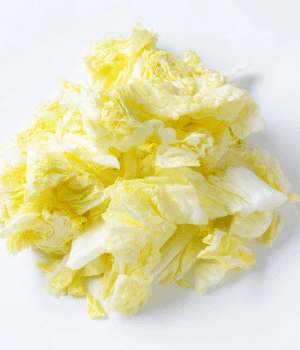
Napa cabbage is an elongated cabbage with pale-green leaves and thick, crisp stems. Its mild flavor becomes sweeter and softer during cooking, while raw leaves retain their refreshing crunch. Cooks commonly add it to stir-fries, soups, salads, and fermented foods such as kimchi. Because it absorbs sauces easily, Napa cabbage also works well in many Asian-inspired dishes.
Napini
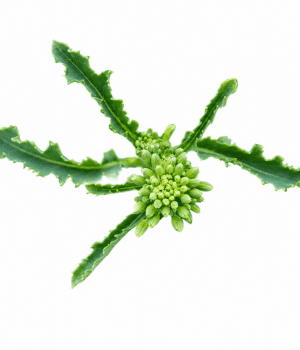
Napini refers to tender flowering shoots from certain overwintered brassica plants, particularly broccoli rabe and related greens. The shoots include young stems, leaves, and small flower buds with a pleasantly bitter, mustard-like flavor. Cooks can sauté, steam, grill, or mix napini into pasta dishes. In addition, its tender texture allows quick cooking without requiring lengthy preparation.
Navy Bean
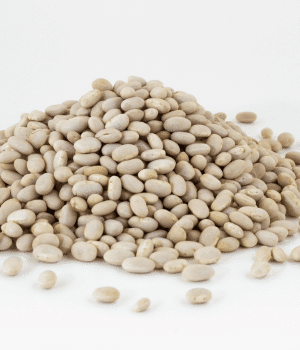
Navy bean is a small, oval white bean that people commonly eat after drying and cooking it. It develops a creamy texture and mild flavor, so it works especially well in soups, stews, casseroles, and baked bean dishes. Cooks often soak or simmer the beans until tender. However, the beans can still hold their shape in many hearty recipes.
Neem Leaves
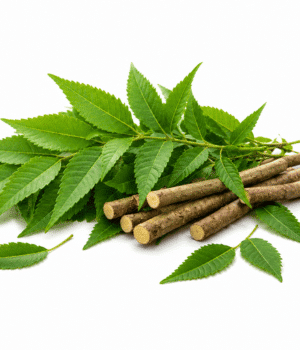
Neem leaves come from the neem tree, which grows widely across the Indian subcontinent. These edible leaves have a strong, distinctly bitter flavor, so cooks generally use them in small amounts. Young leaves can be fried, cooked with vegetables, or added to regional dishes. In particular, their pronounced bitterness gives traditional preparations a characteristic taste that milder greens cannot provide.
Negi
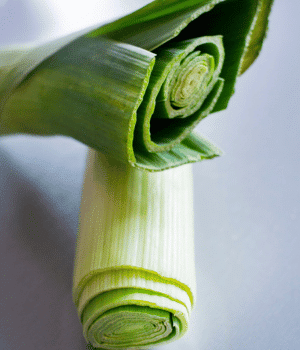
Negi is a Japanese name for long green onions and related Japanese bunching onions. The plants develop slender green tops and white or pale-green stalks with a mild onion flavor. Cooks slice negi into soups and noodles, grill the stalks, or use the greens as a garnish. Both parts can be eaten, although their texture and flavor vary slightly.
Nettle
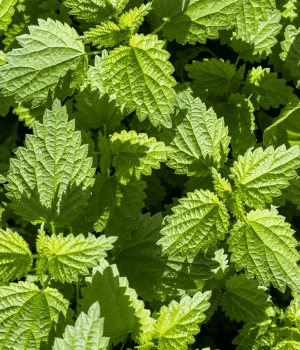
Nettle is a leafy plant whose fresh leaves and stems contain tiny hairs that can sting the skin. However, proper cooking, drying, or processing removes the stinging effect and makes the plant edible. Nettle has a flavor similar to spinach and works well in soups, sauces, fillings, and cooked greens. People also use dried nettle leaves for herbal preparations.
New Potato
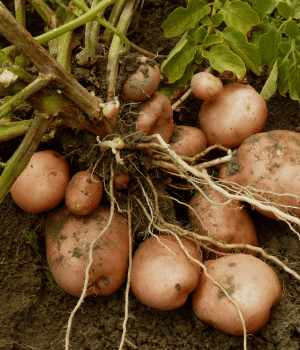
New potato refers to a young potato that farmers harvest before it reaches full maturity. These potatoes have thin skins, firm flesh, and a mild, slightly sweet flavor. Cooks often boil, roast, steam, or pan-cook them with little preparation. Since the skin remains delicate, many people cook new potatoes whole, especially when preparing potato salads or simple side dishes.
New Zealand Spinach
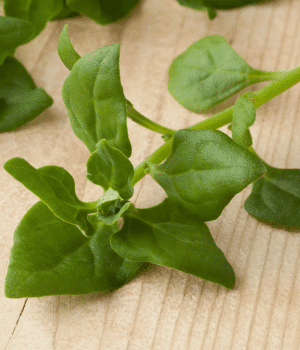
New Zealand spinach is a leafy vegetable with fleshy green leaves and spreading stems. Despite its name, it does not closely relate to ordinary spinach and belongs to a different plant family. Its mild, slightly salty flavor suits many cooked dishes. Cooks can sauté or steam the leaves, add them to soups, or use them anywhere they would normally use spinach.
Nira
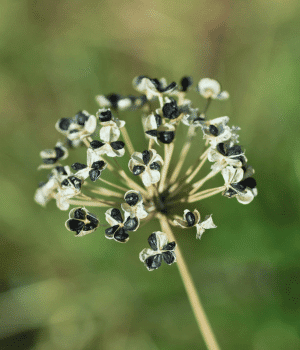
Nira is the Japanese name for garlic chives, a leafy plant related to onions and garlic. Its flat green leaves offer a mild garlic aroma with a tender, slightly crisp texture. Cooks commonly chop nira for dumplings, stir-fries, soups, noodles, and egg dishes. Young shoots can also be cooked whole, while the leaves work particularly well in quick savory recipes.
Nopal
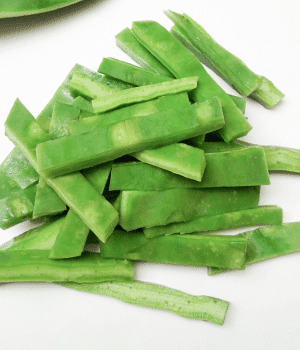
Nopal refers to the edible green pads of prickly pear cactus, especially plants in the Opuntia genus. The pads have a firm, juicy texture and a mild flavor that resembles green beans with a slight tang. After removing the spines and outer features, cooks can grill, boil, or sauté nopales. They also add them to tacos, salads, soups, and egg dishes.
Nori
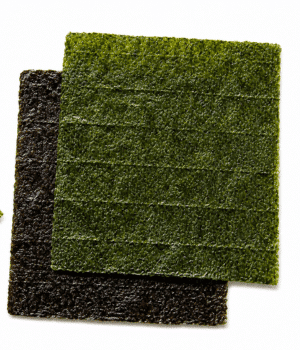
Nori is an edible sea vegetable made from processed and dried red algae. Producers press the algae into thin sheets, which develop a crisp texture and savory, slightly salty flavor. Cooks famously wrap sushi and onigiri with nori, while crumbled pieces can season rice, noodles, soups, and snacks. Additionally, people often toast the sheets to deepen their flavor.
Nine Star Broccoli
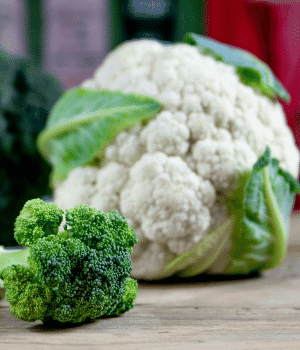
Nine Star broccoli is a perennial brassica that produces several small white flower heads from one plant. Its florets resemble cauliflower more closely than traditional green broccoli, while the young leaves and stems also remain edible. Cooks can steam, boil, or roast the heads and add them to mixed vegetable dishes. With its mild brassica flavor, Nine Star broccoli suits simple preparations.
Nasturtium Leaves
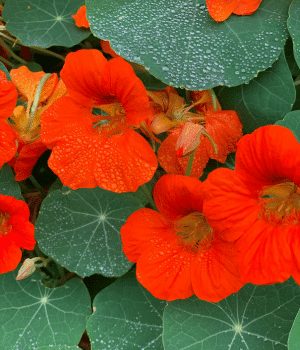
Nasturtium leaves are the edible, round leaves of nasturtium plants, which gardeners also grow for their colorful flowers. Young leaves have a peppery, slightly spicy flavor that resembles watercress. Cooks can add them raw to salads, sandwiches, and garnishes, while larger leaves can enter cooked dishes. As a result, nasturtium leaves provide fresh herbal heat without relying on hot peppers.
Niger Spinach
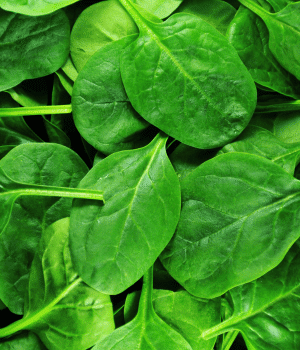
Niger spinach is a leafy green traditionally grown and eaten in parts of Africa. The plant produces tender leaves that cooks generally prepare as a cooked vegetable. They can add the greens to soups, stews, sauces, and other regional dishes. Meanwhile, the leaves provide a mild green flavor and pair well with seasonings, onions, and other vegetables.
Classification of Vegetable Beginning with N
Vegetable that starts with N can be grouped by the edible plant part or food source. Leafy greens provide tender leaves, while cactus vegetables provide young pads, and sea vegetables come from marine algae.
Leafy Vegetables that Begin with N
Vegetables beginning with N include several greens eaten after cooking or preparation. Their textures range from soft leaves to thicker, more substantial greens.
- Napa Cabbage: A type of Chinese cabbage with elongated heads and pale green leaves. It has a mild flavor and can be used in slaws, soups, stir-fries, and kimchi.
- Nasturtium Leaves: Edible young leaves with a strong peppery taste. They are commonly added in small amounts to salads, sandwiches, and savory vegetable dishes.
- Nettle Greens: Young nettle leaves that need proper cooking because raw leaves can cause skin irritation. Cooked nettles are used like spinach in soups, sauces, and vegetable dishes.
- New Zealand Spinach: A leafy vegetable with thick green leaves and a spreading growth habit. It is commonly cooked, while young leaves can also be used in salads after proper preparation.
- Nigerian Spinach: A regional name often used for edible leafy greens, especially amaranth varieties. These greens are commonly cooked with onions, tomatoes, peppers, and other savory ingredients.
Cactus Vegetables that Starts With N
Cactus vegetables beginning with N mainly refer to edible pads from prickly pear cactus. The terms nopal and nopales are closely related, but their grammatical use differs.
- Nopal: An edible prickly pear cactus pad commonly used as a vegetable. Young pads are tender and easier to prepare. The spines and outer features are removed before slicing or cooking.
- Nopales: The plural form of nopal, referring to multiple edible prickly pear cactus pads. Nopales are widely used in Mexican cuisine and are prepared in salads, tacos, soups, and other vegetable dishes.
Sea Vegetables Starting With N
Some foods beginning with N come from the sea rather than land-based plants. Nori is a familiar edible sea vegetable used in several Asian dishes.
Nori: A thin edible sea vegetable made from cultivated red algae. It is dried into sheets and commonly used with rice and sushi. Nori can also be crumbled over rice, noodles, soups, and savory dishes for a mild marine flavor.
Vegetables that Start with N: Edible Parts and Uses
This table connects each Vegetable that starts with an N with the part people eat and common ways it is prepared.
| Vegetable Name | Edible Part | Common Uses |
|---|---|---|
| Napa Cabbage | Leaves and stalks | Stir fries, soups, slaws |
| Nasturtium Leaves | Young leaves | Salads, garnishes |
| Nettle Greens | Young leaves | Soups, cooked greens |
| New Zealand Spinach | Leaves | Cooked dishes, salads |
| Nigerian Spinach | Leaves and tender stems | Stews, cooked greens |
| Nopal | Young cactus pads | Grilling, sautéing |
| Nopales | Young cactus pads | Salads, tacos, stews |
| Nori | Prepared algae sheets | Sushi, rice, noodles |
FAQs About Vegetables that Start with N
Vegetables starting with N include Napa cabbage, New Zealand spinach, Nigerian spinach, nettle greens, nasturtium leaves, nopal, and nopales.
Napa cabbage, New Zealand spinach, Nigerian spinach, nettle greens, and nasturtium leaves are leafy vegetables beginning with N.
Several green vegetables start with N, including Napa cabbage, New Zealand spinach, nettle greens, Nigerian spinach, nopal, and nopales.
Nori is a sea vegetable beginning with N. It is made from prepared red algae and commonly used with sushi, rice, and noodles.
Takeaway
Vegetables that start with N include a diverse mix of leafy greens, roots, cactus pads, beans, peppers, and sea vegetables. Names such as Napa cabbage, nagaimo, New Zealand spinach, nopal, nira, and nori represent different culinary traditions and edible plant parts. Understanding their names, edible portions, and common uses makes N vegetable vocabulary easier to recognize when reading recipes, planning meals, or learning about different food cultures.
Read more
- Vegetables that Start with I
- Vegetables that Start with J
- Vegetables that Start with K
- Vegetables that Start with O
- Vegetables that Start with P
- Vegetables that Start with Q