

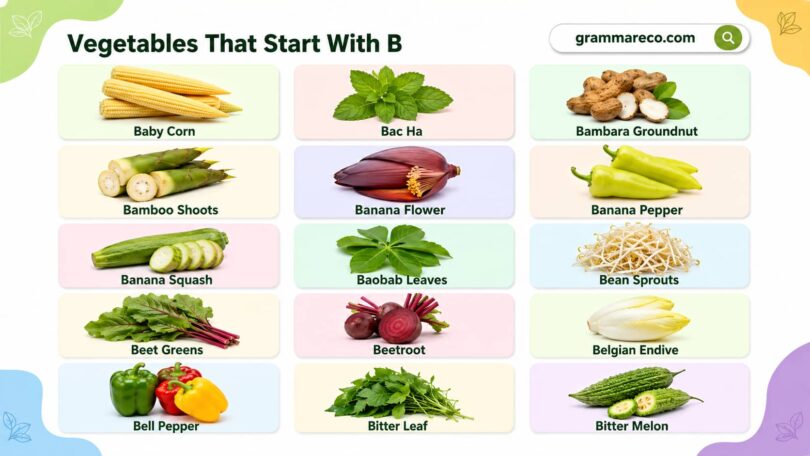
Vegetables that start with B include leafy greens, roots, legumes, shoots, and fruit vegetables. Many have different colors, textures, shapes, and cooking uses. Some are common at American grocery stores, while others come from regional food traditions. Knowing their names also helps separate similar vegetables, such as different beans, squash varieties, and leafy greens. Learning these names gives readers useful food knowledge for cooking, shopping, gardening, and classroom activities.
This article covers vegetables starting with a B with pictures, including their types and common characteristics. You will learn the names through pictures and connect each vegetable with familiar food and cooking terms.
Vegetables that Start with B
Vegetables beginning with B come from several plant groups and edible plant parts. Some are roots or leaves, while others are legumes, shoots, flowers, or fruits used as vegetables. The name alone does not always reveal which part people eat.
List of Vegetables that Start with B
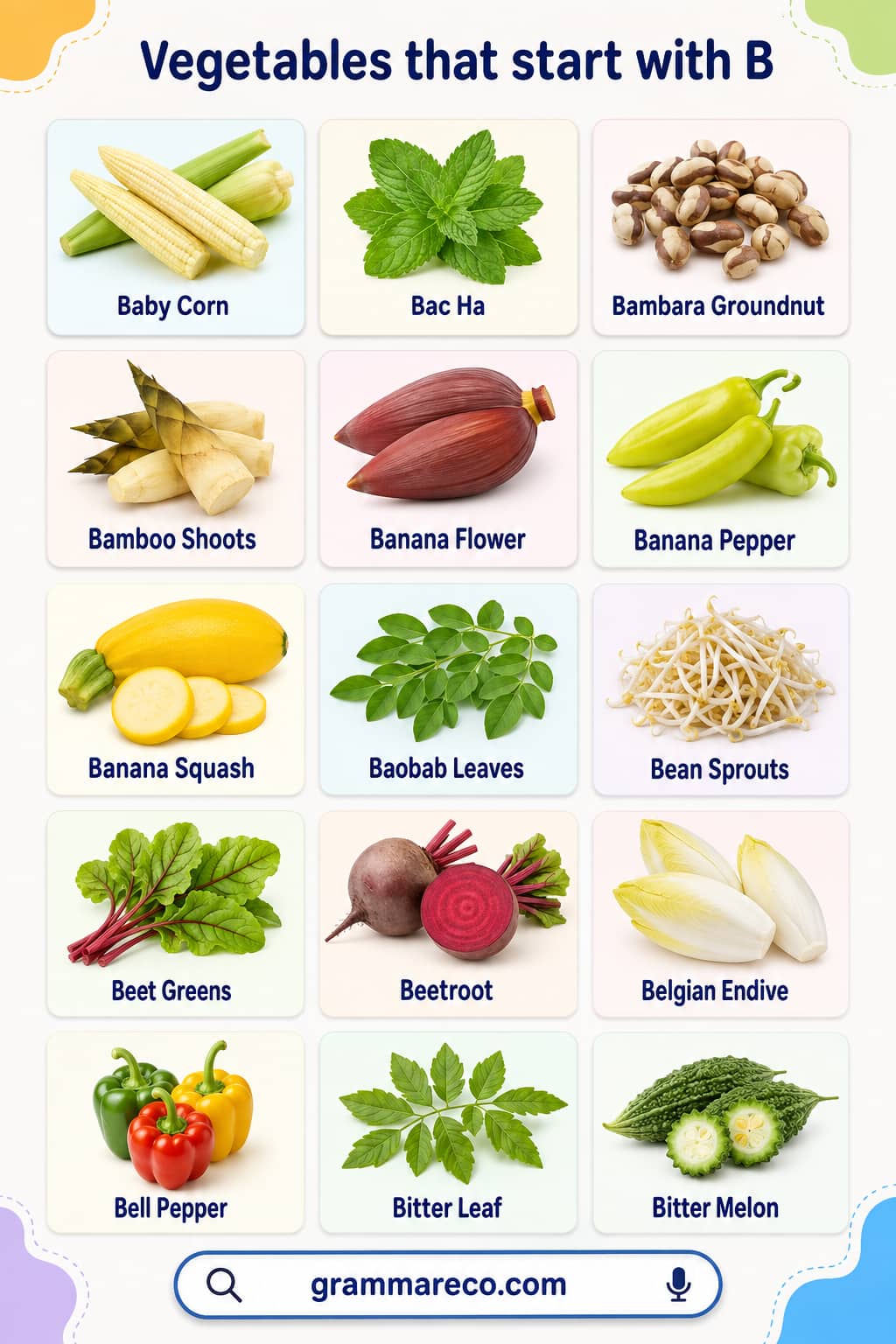
The following vegetables represent a broad range of B names used for edible plants and produce. Below is a list of vegetables starting with B, including familiar choices and regional varieties.
- Baby Corn
- Bac Ha
- Bambara Groundnut
- Bamboo Shoots
- Banana Flower
- Banana Pepper
- Banana Squash
- Baobab Leaves
- Bean Sprouts
- Beet Greens
- Beetroot
- Belgian Endive
- Bell Pepper
- Bitter Leaf
- Bitter Melon
- Black-Eyed Pea Greens
- Black Mustard Greens
- Black Radish
- Black Salsify
- Bok Choy
- Borage Greens
- Bottle Gourd
- Broad Beans
- Broadleaf Arrowhead
- Broccoflower
- Broccoli
- Broccoli Rabe
- Broccolini
- Brussels Sprouts
- Buckwheat Greens
- Burdock Root
- Buttercup Squash
- Butternut Squash
- Brazilian Spinach
- Barbados Spinach
- Brown Mustard Greens
- Brown Garden Cress
- Broadleaf Dock
- Badderlocks
- Blue Veldkool
Vegetables that Start with B with Pictures
Pictures can make unfamiliar produce names easier to understand, especially when several vegetables have similar shapes or colors. The images for vegetables that start with B can help learners connect names with their edible plant parts, such as roots, leaves, pods, stems, flowers, and fruit.
Baby Corn
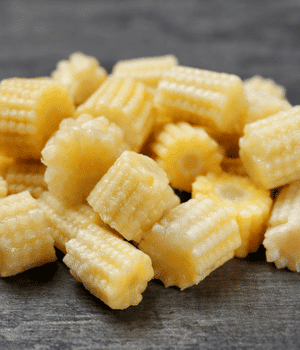
Baby corn is a young corn cob harvested before its kernels fully develop. It has a slender shape, tender texture, and mild, slightly sweet flavor. Because the entire cob remains edible, cooks often add it to stir-fries, salads, soups, and vegetable mixes. It cooks quickly and retains a pleasant crunch. You can also eat baby corn fresh, canned, pickled, or lightly grilled.
Bac Ha
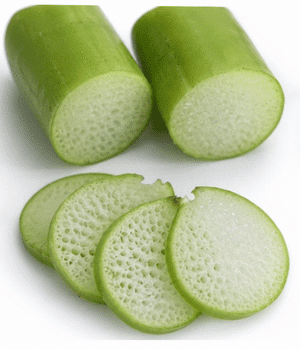
Bac Ha is a Vietnamese vegetable made from the tender, hollow stems of a taro-like plant. The pale green stalks have a crisp, spongy texture and a mild taste. They absorb savory flavors well, so cooks often add them to soups, hot pots, and fish dishes. Before cooking, people usually peel and prepare the stems carefully to reduce their natural itchiness.
Bambara Groundnut
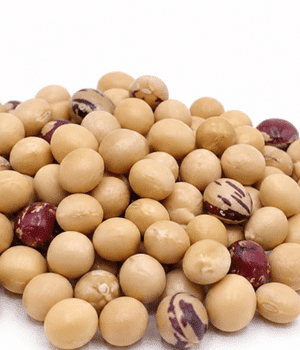
Bambara groundnut is an African legume that produces edible seeds underground, similar to peanuts. Its seeds can appear cream, brown, red, or mottled, depending on the variety. They develop a firm texture and nutty flavor after cooking. People commonly boil, roast, or grind the seeds into flour. In some regions, cooks also prepare the young pods and leaves as vegetables.
Bamboo Shoots
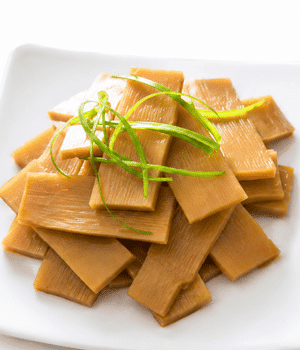
Bamboo shoots are young shoots that grow from bamboo plants before they become tough. They have a firm, crisp texture and a mild flavor that readily absorbs sauces and seasonings. However, fresh shoots need proper cooking before consumption. Cooks usually boil them first and then add them to stir-fries, soups, curries, salads, and other Asian dishes.
Banana Flower
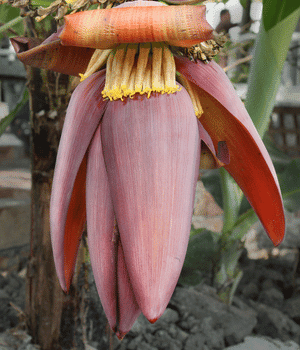
Banana flower is the large purple-red blossom that grows beneath a cluster of bananas. Its layered bracts protect tender inner florets, which cooks can prepare as a vegetable. The flower has a mildly bitter, earthy, and slightly floral taste. To reduce its bitterness, cooks often soak the sliced flower before using it in salads, curries, soups, fritters, and stir-fries.
Banana Pepper
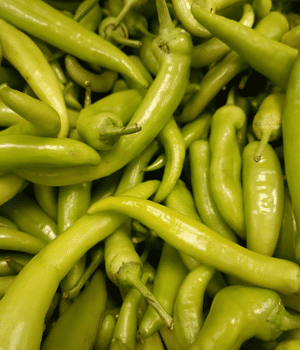
Banana pepper is a mild chili pepper known for its long, curved shape and yellow color. It usually tastes sweet and tangy, although some varieties provide a gentle amount of heat. You can eat banana peppers raw or cook them by grilling, sautéing, stuffing, or pickling. They also add bright color and mild flavor to sandwiches, salads, pizzas, and relishes.
Banana Squash
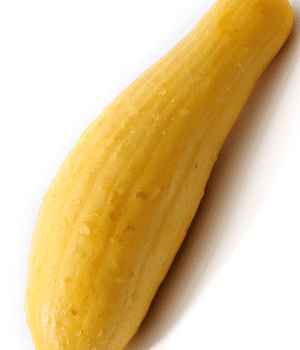
Banana squash is a large winter squash with a long, curved shape that resembles a banana. Its thick skin may appear pink, orange, or yellow, while the dense flesh usually has a rich orange color. When cooked, the flesh becomes soft and slightly sweet. Cooks often roast, bake, mash, or puree banana squash for soups, stews, casseroles, and side dishes.
Baobab Leaves
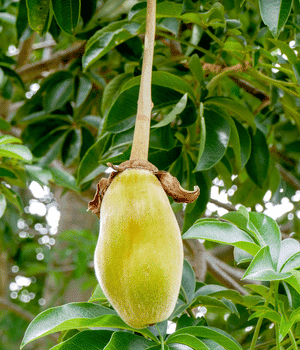
Baobab leaves are edible young leaves that grow on baobab trees in parts of Africa and other tropical regions. Fresh leaves have a green, slightly tart flavor, while dried leaves develop a finer texture when ground into powder. Cooks add them to soups, sauces, and vegetable dishes. In addition, people in several African cuisines prepare the leaves as a cooked leafy vegetable.
Bean Sprouts
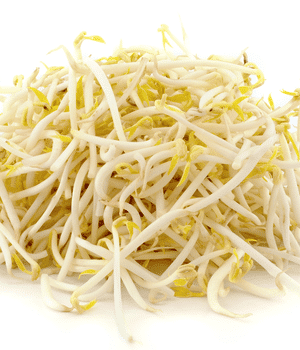
Bean sprouts are young germinated beans that develop tender shoots and roots. Mung bean sprouts remain especially popular because they have a crisp texture and mild, fresh flavor. You can eat them raw or cook them in salads, sandwiches, soups, and stir-fries. For the best crunch, cooks often add bean sprouts near the end of cooking rather than simmering them for long.
Beet Greens
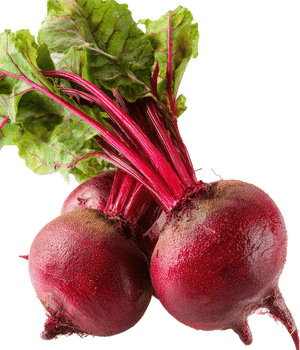
Beet greens are the edible leafy tops that grow above beetroot. Their tender leaves have an earthy, slightly bitter taste, while the stems add a pleasant bite. Cooking softens their stronger flavor and texture. You can sauté, steam, braise, or simmer beet greens in soups. They also pair well with garlic, olive oil, beans, grains, and other leafy vegetables.
Beetroot
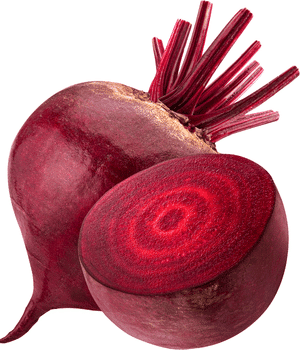
Beetroot is the swollen underground root of the beet plant, with varieties ranging from deep red and purple to golden and striped. It has an earthy, mildly sweet flavor that becomes richer during roasting. You can boil, bake, steam, pickle, grate, or eat beetroot raw. Its natural pigments also create a vivid color in salads, soups, juices, and other dishes.
Belgian Endive
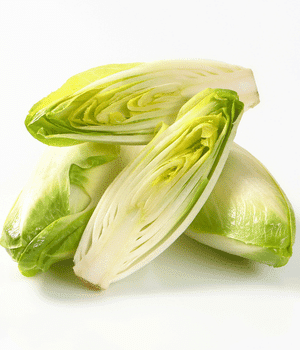
Belgian endive is a compact leafy vegetable that forms a tight, pale-yellow head with green-tipped leaves. Its crisp leaves have a distinctive mild bitterness, although cooking makes the flavor softer. You can slice it into salads or use whole leaves as scoops for fillings and dips. Meanwhile, grilling, braising, roasting, or sautéing gives Belgian endive a sweeter, richer character.
Bell Pepper
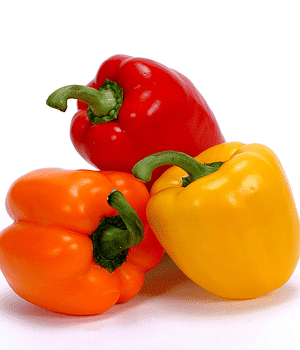
Bell pepper is a sweet pepper that lacks the strong heat found in many chili varieties. Green, red, yellow, and orange peppers provide different levels of sweetness and vegetal flavor. Their crisp flesh surrounds a hollow center containing seeds and pale ribs. You can eat bell peppers raw or cook them by roasting, grilling, stuffing, sautéing, or adding them to pizzas and fajitas.
Bitter Leaf
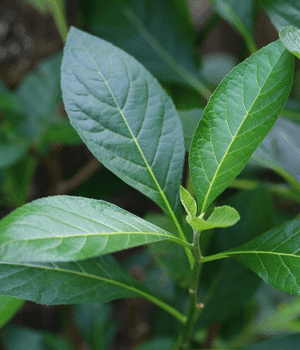
Bitter leaf is the edible foliage of Vernonia amygdalina, a plant widely used in African cooking. As its name suggests, the fresh leaves have a strong bitter taste. Washing, squeezing, blanching, or soaking can reduce that bitterness before cooking. Cooks commonly add bitter leaf to soups, stews, and sauces. Its cooked leaves provide a tender texture and distinctive herbal flavor.
Bitter Melon
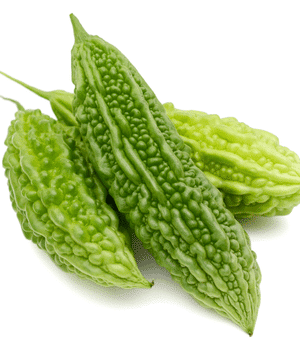
Bitter melon is a ridged, elongated fruit vegetable recognized for its intense bitterness. Its green skin surrounds pale flesh and seeds, while mature fruits may turn yellow or orange. Despite its strong taste, many cuisines value bitter melon for its distinctive character. Cooks stir-fry, stuff, steam, pickle, or curry it, and they also add it to soups and vegetable dishes.
Black-Eyed Pea Greens
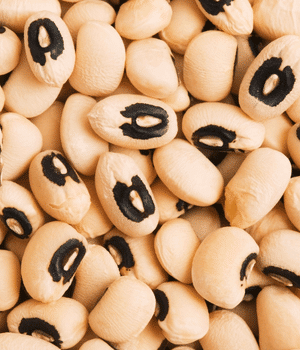
Black-eyed pea greens are the edible leaves and tender shoots of black-eyed pea plants. They have a soft texture and mild, grassy flavor that becomes richer during cooking. Cooks can sauté or simmer the young leaves and shoots or add them to soups and stews. In addition, Southern U.S. cooking uses these greens alongside beans, cornmeal dishes, and other vegetables.
Black Mustard Greens
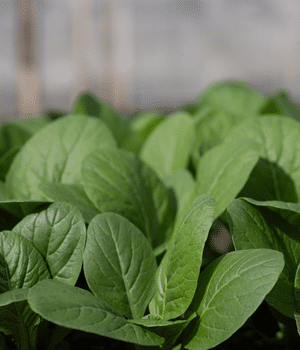
Black mustard greens are the leafy tops of the black mustard plant, Brassica nigra. Their leaves have a peppery, pungent flavor that can become milder after cooking. Young leaves work well in salads, while mature greens benefit from sautéing, braising, or simmering. Cooks also combine black mustard greens with garlic, onions, beans, and other leafy vegetables for added depth.
Black Radish
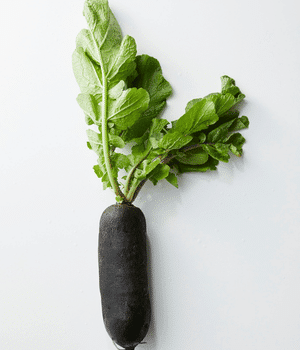
Black radish is a root vegetable with rough, dark skin and crisp white flesh. Its flavor tastes sharper and more peppery than many common radish varieties. You can slice it thinly for salads or cook it by roasting, sautéing, or simmering. Because its flavor is bold, black radish pairs well with creamy dressings, citrus, herbs, potatoes, and other root vegetables.
Black Salsify
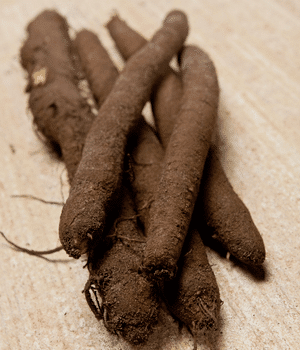
Black salsify is a long root vegetable with dark, rough skin and creamy white flesh. Also called scorzonera, it has a mild flavor that resembles asparagus or artichoke. The peeled flesh can darken quickly when exposed to air, so cooks often place it in water after peeling. They can then boil, steam, roast, fry, or add black salsify to soups.
Broccolini
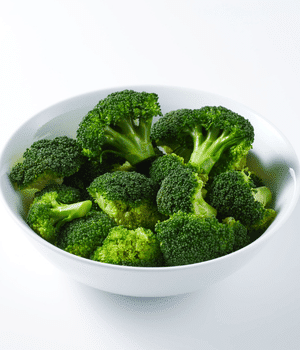
Broccolini is a green vegetable that combines features of broccoli and Chinese broccoli. It has long, slender stems, small florets, and tender leaves, all of which you can eat. Its mild flavor tastes slightly sweet with a gentle broccoli note. Because the stems stay tender, cooks often roast, grill, steam, or sauté broccolini. It also works well in pasta, salads, stir-fries, and side dishes.
Leafy Vegetables Starting with B
Leafy vegetables beginning with B include familiar greens and less common leaves from different culinary traditions. Their textures range from tender and soft to slightly firm or bitter, depending on the plant.
- Baobab Leaves: These edible leaves are cooked as greens and can add a mild, leafy texture to traditional dishes.
- Basil: Basil is an aromatic leafy herb commonly used with vegetables, although it is classified as an herb rather than a vegetable.
- Beet Greens: Beet tops have tender leaves and stems that work well in sautéed dishes, soups, and mixed greens.
- Belgian Endive: Its tightly packed pale leaves have a crisp texture and gentle bitterness.
- Bitter Leaf: Bitter leaf has a strong bitter taste that softens after proper preparation and cooking.
- Bok Choy: Bok choy combines crisp white stems with tender green leaves and cooks quickly.
- Borage Leaves: Young borage leaves can be cooked as greens and have a soft texture.
Root Vegetables Beginning with B
Root vegetables are edible underground plant parts. They often have firm textures and earthy flavors, making them suitable for roasting, boiling, stewing, pickling, or other cooking methods.
- Beetroot: Beetroot grows underground and develops a sweet earthy flavor when roasted, boiled, steamed, or pickled.
- Burdock Root: Burdock is a long, slender root with a firm texture and earthy flavor used in Asian cooking.
Fruit Vegetables that Start with B
Some vegetables are botanically fruits because they develop from flowers and contain seeds. In cooking, they are treated as vegetables because of their flavor and common culinary uses.
- Banana Pepper: Banana peppers are mild peppers with a curved shape and yellow, green, or reddish skin.
- Banana Squash: Banana squash has dense orange flesh and a long shape that can resemble an oversized banana.
- Bell Pepper: Bell peppers have crisp flesh and a sweet flavor, with green, red, yellow, and orange varieties.
- Bitter Melon: Bitter melon has a deeply ridged surface and a strong bitter flavor that becomes milder after cooking.
- Butternut Squash: Butternut squash has a smooth tan exterior, orange flesh, and a sweet flavor that works well roasted.
Legume Vegetables that Starting with B
Legume vegetables that begins with b include beans, peas, and other plants valued for their edible seeds or pods. They appear in many soups, salads, stews, rice dishes, and vegetable meals.
- Bambara Groundnut: This underground legume produces round seeds that can be boiled, roasted, or ground into foods.
- Black Beans: Black beans have a firm skin and creamy center, making them common in Mexican, Latin American, and American dishes.
- Black Eyed Peas: These legumes have a mild flavor and soft texture after cooking, making them useful in soups and side dishes.
- Broad Beans: Broad beans have large flat seeds inside thick pods and are also known as fava beans.
- Bush Beans: Bush beans grow on compact plants and produce tender pods that can be eaten fresh.
- Butter Beans: Butter beans are mature lima beans with a soft, creamy texture and mild flavor.
Flower Vegetables that Start with B
Flower vegetables are eaten mainly for their immature flower heads or blossoms. B has several familiar examples, along with traditional vegetables used in regional cuisines.
- Banana Flower: Banana flower is the large purple-red blossom at the end of a banana cluster, with tender inner parts used in salads, curries, and soups.
- Broccoli: Broccoli is a vegetable with a compact green head made mainly of immature flower buds and tender stems.
- Broccoli Rabe: Broccoli rabe is a leafy vegetable with slender stems and small flower buds, known for its stronger, slightly bitter flavor.
Stem Vegetables Starting with B
Stem vegetables beginning with B are valued for their tender stalks or shoots. Some are eaten whole, while others use only the young inner stems.
- Bac Ha: Bac Ha is an edible stem and petiole vegetable from a taro relative, commonly used in Vietnamese soups and cooked dishes.
- Bamboo Shoots: Bamboo shoots are young edible shoots from certain bamboo species, prized for their crisp texture in stir-fries, soups, curries, and Asian dishes.
FAQs About Vegetables that Start B
Broccoli, Brussels sprouts, bell peppers, beets, and bok choy are among the most familiar vegetables beginning with B.
Black beans are legumes rather than vegetables botanically, but they are often included in vegetable food groups and plant-based meals.
Bok choy, beet greens, Belgian endive, bitter leaf, borage leaves, and baobab leaves are leafy vegetables beginning with B.
Beetroot, burdock root, and Bambara groundnuts grow underground, although they belong to different plant groups.
Takeaway
Vegetables that start with B include leafy greens, roots, legumes, shoots, flowers, peppers, and squash. Familiar choices such as broccoli, Brussels sprouts, bell peppers, beetroot, and bok choy appear alongside regional foods like Bac Ha, baobab leaves, and Bambara groundnut. Some B foods are botanically fruits or legumes but are commonly prepared as vegetables. Learning these names makes it easier to recognize different produce types and understand their common culinary uses.
Read more