
Turkey national fruit is a popular topic because several fruits are strongly connected with Turkish agriculture, culture, and history. Cherry, pomegranate, sultana grapes, and figs are often linked with Turkey because these fruits grow widely across Anatolia and nearby regions. Turkish markets, traditional foods, and farming communities have used these fruits for centuries.
This article explains the Turkey national fruit debate through cultural facts, historical background, fruit types, and pictures. Readers will learn why different fruits represent Turkey and how these fruits became important in Turkish farming, exports, desserts, and traditional celebrations.
What are the National Fruit of Turkey?
Turkey does not officially declare one national fruit, but several fruits are widely connected with the country because of their cultural and agricultural importance. The most recognized fruits include cherry, pomegranate, sultana grapes, and figs.
These fruits are important in Turkish cuisine, exports, local farming, and historical traditions. Many people consider them symbolic fruits of Turkey because they appear in markets, desserts, drinks, and traditional celebrations throughout the country.
National Fruit of Turkey Cherry and Information
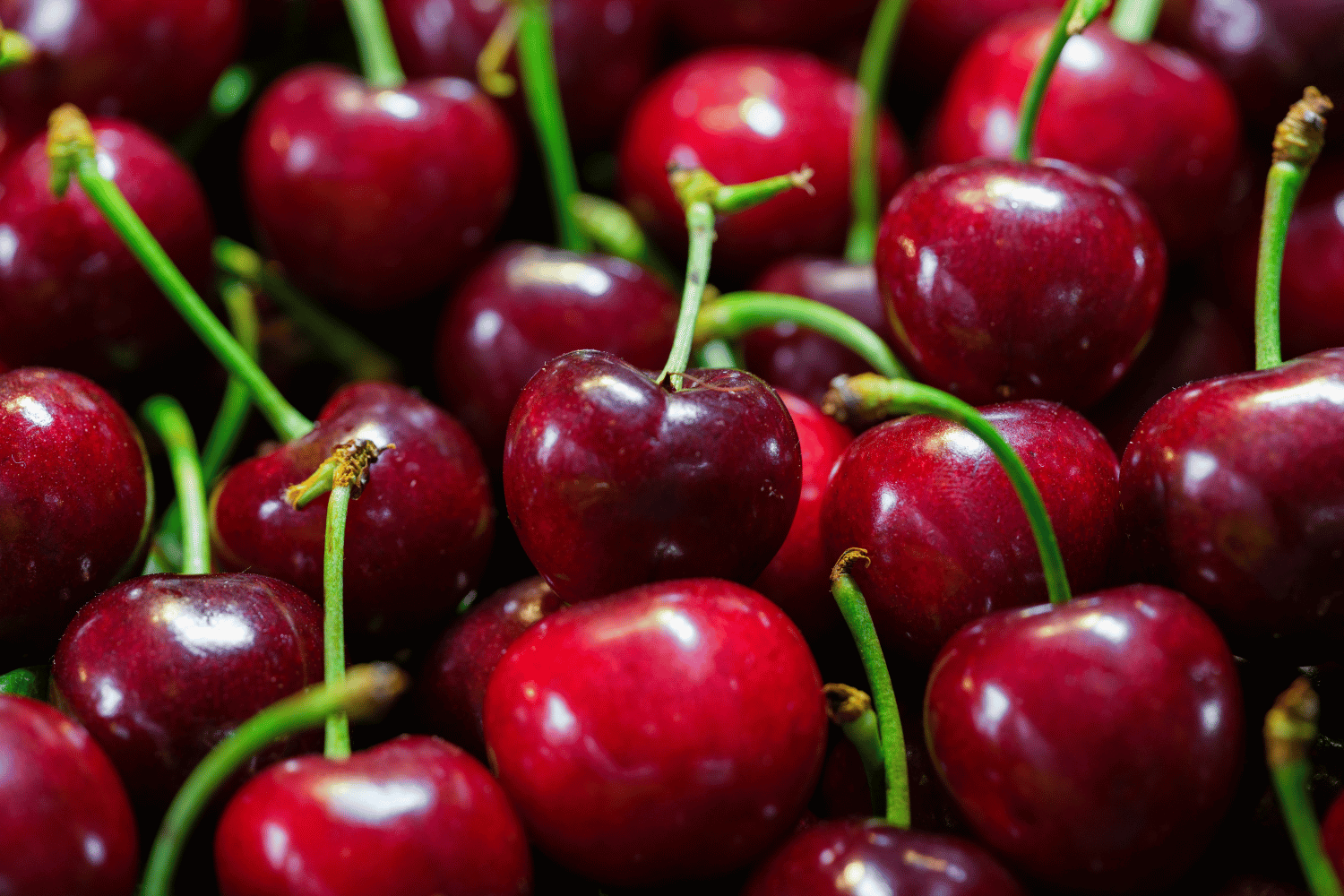
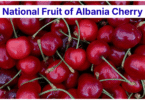
Turkey is one of the world’s largest cherry producers, and cherries hold an important place in Turkish agriculture. Historians believe sweet cherries first spread from Anatolia into Europe centuries ago. Turkish cherries are exported to many countries because of their rich flavor and bright appearance.
In Turkish culture, cherries are connected with summer harvest traditions and local farming communities. Fresh cherries are commonly sold in open markets during warm months. Some regions also use cherries in juices, desserts, and jams. Ever tasted a dark red Turkish cherry? It feels crisp and sweet at the same time.
Below are important aspects of the Turkish cherry:
- Scientific Name: Prunus avium
- Main Color: Bright red to dark red
- Taste: Sweet with slight tartness
- Major Growing Regions: Izmir, Manisa, Konya, Afyonkarahisar
- Economic Importance: Major export fruit for Turkey
- Harvest Season: Late spring to summer
- Common Uses: Fresh fruit, jam, juice, desserts
- Nutritional Value: Contains vitamin C and antioxidants
- Cultural Role: Connected with seasonal harvest traditions
Read more: 48+ Types of Cherry with Pictures
Turkey National Fruit Pomegranate with Pictures and Types
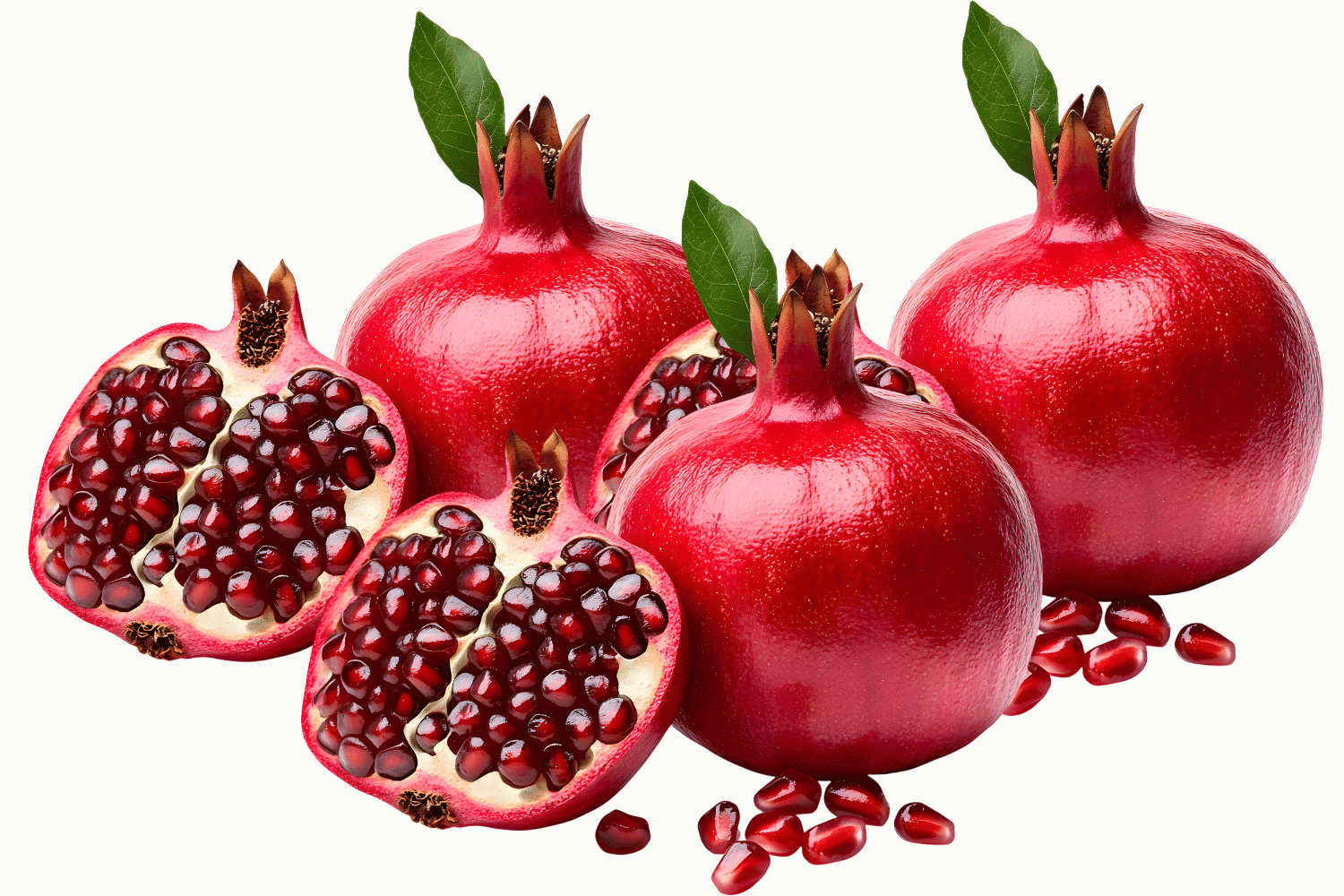
The pomegranate is another fruit strongly associated with Turkey because it symbolizes abundance and prosperity in Turkish culture. Pomegranates appear in traditional decorations, foods, and ceremonies across many regions. Turkish cuisine often uses pomegranate syrup called nar ekşisi in salads and dishes.
Turkey produces many sweet and sour pomegranate varieties. Farmers grow them mainly in warmer Mediterranean regions. You’ll notice their thick red skin and jewel like seeds almost shine in sunlight. Pomegranate orchards are also important for the Turkish fruit export industry.
Below are important aspects of the Turkish pomegranate:
- Scientific Name: Punica granatum
- Main Color: Deep red to reddish pink
- Taste: Sweet, tangy, or sour
- Major Growing Regions: Antalya, Mersin, Hatay
- Economic Importance: Important export and juice fruit
- Common Uses: Syrup, juice, salads, desserts
- Symbolic Meaning: Prosperity and abundance
- Popular Types: Sweet pomegranate and sour pomegranate
- Nutritional Value: Rich in antioxidants and vitamin C
Read more: Types of Pomegranate and Pictures
Sultana Grapes National Fruit Turkey
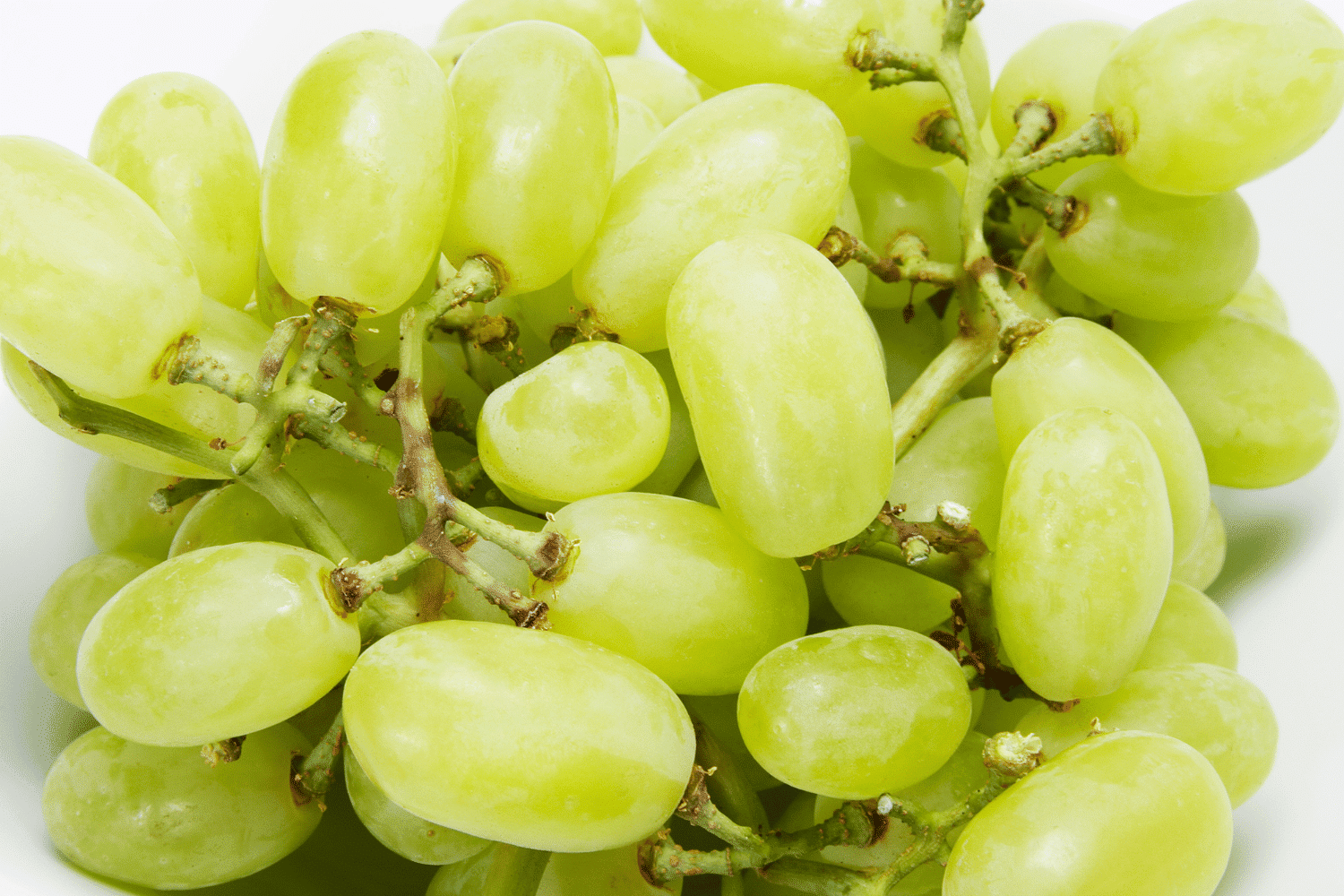
Sultana grapes are widely connected with Turkey because the country is one of the world’s leading raisin producers. These grapes are famous for their seedless texture and sweet flavor. Turkish sultana grapes are grown mostly in western regions with warm climates.
For centuries, Turkish farmers dried these grapes naturally under sunlight to make raisins. Sultana grapes are used in baking, snacks, juices, and traditional foods. Surprisingly, Turkey exports large amounts of raisins to Europe and America each year.
Below are important aspects of Turkish sultana grapes:
- Scientific Name: Vitis vinifera
- Common Name: Sultana grape
- Main Color: Greenish yellow to golden
- Taste: Sweet and mild
- Major Growing Regions: Manisa and Aegean region
- Economic Importance: Major raisin export crop
- Common Uses: Raisins, juice, desserts, snacks
- Harvest Season: Late summer
- Special Feature: Mostly seedless grapes
Read more: 77 Types of Grapes with Pictures
Figs Also Considered as a National Fruit of Turkey
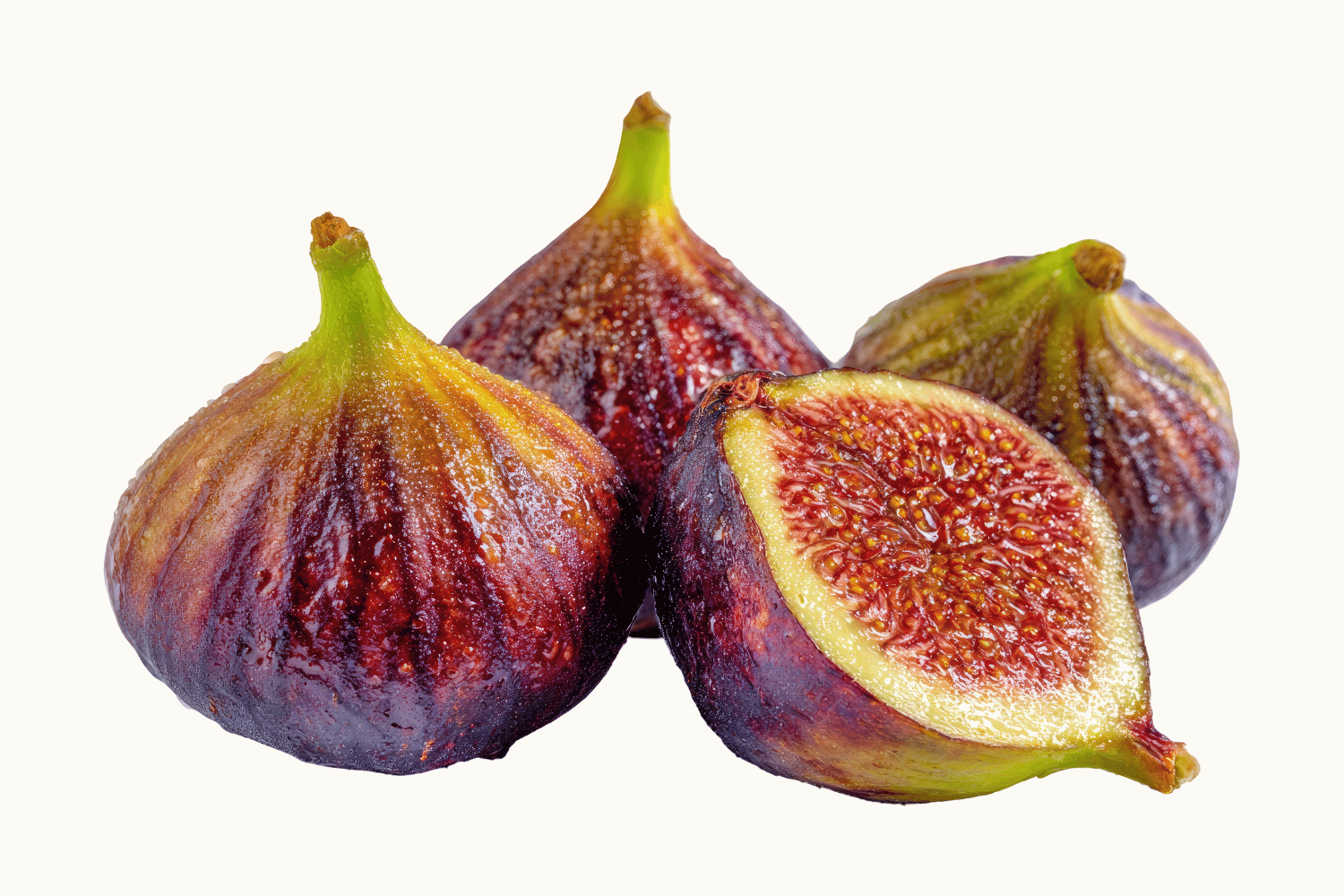
Turkey is also famous for figs, especially dried figs exported around the world. Fig trees have grown in Anatolia since ancient times and are connected with Mediterranean farming traditions. Turkish figs are soft, naturally sweet, and often used in desserts and snacks.
The Aegean region produces some of the world’s best known dried figs. Farmers carefully dry them under sunlight before packaging and exporting them internationally. Ever seen a ripe fig split open naturally? It looks almost like flower petals unfolding.
Below are important aspects of Turkish figs:
- Scientific Name: Ficus carica
- Main Color: Purple, green, or brown
- Taste: Honey like sweetness
- Major Growing Regions: Aydın and Izmir
- Economic Importance: Major dried fruit export
- Common Uses: Desserts, dried snacks, jams
- Harvest Season: Summer to early autumn
- Historical Importance: Ancient Mediterranean fruit
- Nutritional Value: Rich in fiber and minerals
Read more: Types of Figs
Why Turkey have not its Officially National Fruit?
Turkey does not officially recognize one national fruit because the country has a very rich agricultural history with many important fruits. Different regions specialize in different crops depending on climate, rainfall, and soil conditions. Because of this diversity, several fruits became cultural symbols instead of only one.
Historically, Anatolia connected trade routes between Asia, Europe, and the Middle East. Farmers cultivated cherries, grapes, figs, olives, apricots, and pomegranates for thousands of years. Each fruit developed strong regional importance in local traditions and economies.
Another reason is Turkey’s agricultural identity. The country produces many globally recognized fruits, and different cities are famous for different harvests. For example:
- Manisa is famous for grapes
- Aydın is known for figs
- Antalya grows pomegranates
- Konya produces cherries
Instead of selecting one official national fruit, Turkey became connected with multiple symbolic fruits. This reflects the country’s diverse climate zones and long farming traditions. You might notice that Turkish cuisine itself depends on a wide variety of fruits rather than one single national symbol.
FAQs about National Fruit of Turkey
Turkey has no officially declared national fruit, but cherries, pomegranates, sultana grapes, and figs are strongly connected with the country.
Turkey is one of the world’s leading cherry producers, and cherries have historical, cultural, and economic importance in Turkish farming regions.
Yes. Pomegranates symbolize abundance and prosperity and are commonly used in Turkish foods, syrups, decorations, and celebrations.
Turkish figs are famous because of their sweetness, soft texture, and large dried fig export industry, especially from the Aegean region.
Sultana grapes are mostly used for raisins, desserts, snacks, juices, and bakery products because of their naturally sweet flavor.
Summary
The Turkey national fruit topic includes several important fruits instead of one official symbol. Cherries, pomegranates, sultana grapes, and figs all represent Turkish agriculture, history, and culture in different ways. These fruits remain important in farming, exports, desserts, and traditional Turkish life today.
Read more