
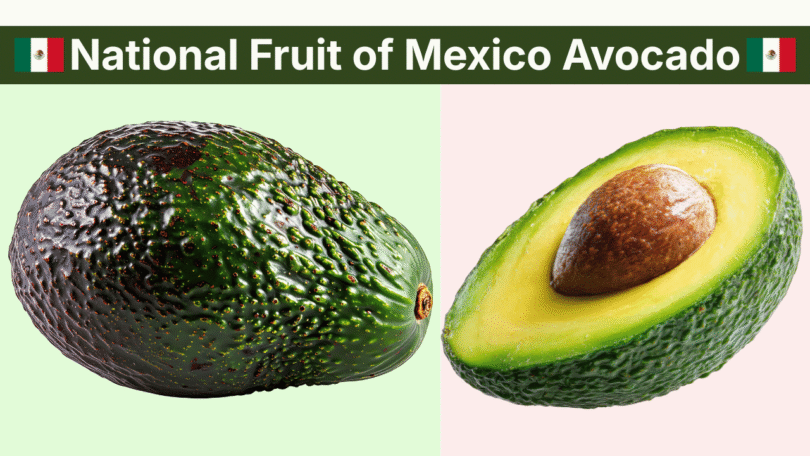
The national fruit of Mexico is the avocado (Persea americana), a nutrient-rich fruit deeply rooted in the country’s history and culture. Known as “green gold,” it plays a major role in Mexican cuisine, agriculture, and global trade.
Today, avocado stands at the center of health trends, international cuisine, and agricultural success, making it one of the most influential fruits in the world.
What Is the National Fruit of Mexico?
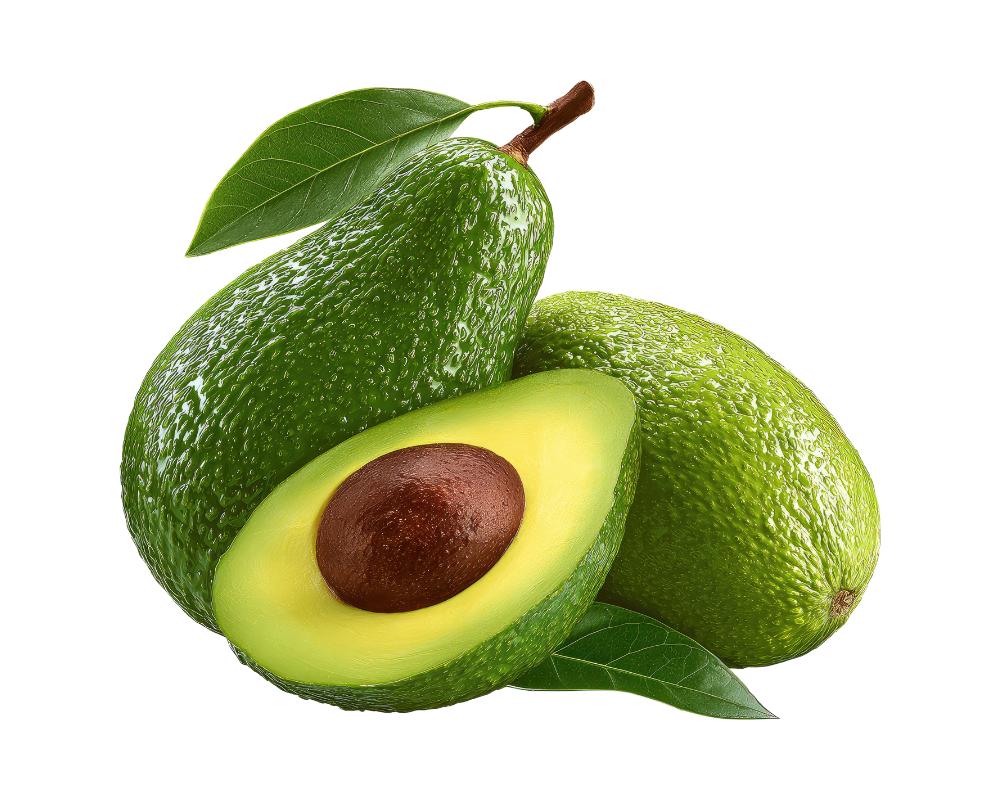
The national fruit of Mexico is the avocado (Persea americana), a native fruit deeply rooted in the country’s history, cuisine, and agriculture.
It is widely recognized for its creamy texture, high nutritional value, and strong connection to Mexican heritage. Beyond food, it represents tradition, sustainability, and global influence.
Why Avocado Is Mexico’s National Symbol
Avocado didn’t earn its status by chance—it reflects centuries of cultural and agricultural importance.
- Native origin: Avocado originated in Mexico thousands of years ago
- Cultural identity: A key ingredient in traditional dishes like guacamole
- Economic value: One of Mexico’s most important export crops
- Nutritional power: Packed with healthy fats and essential nutrients
- Symbol of heritage: Represents natural richness and biodiversity
Historically, ancient civilizations such as the Aztec civilization valued avocado not only as food but also as a symbol of strength and vitality.
Mexican National Fruit Varieties
Mexican avocado varieties include different cultivars like Hass, Criollo, Bacon, and Fuerte, each with unique texture, taste, and agricultural characteristics.
Hass Avocado
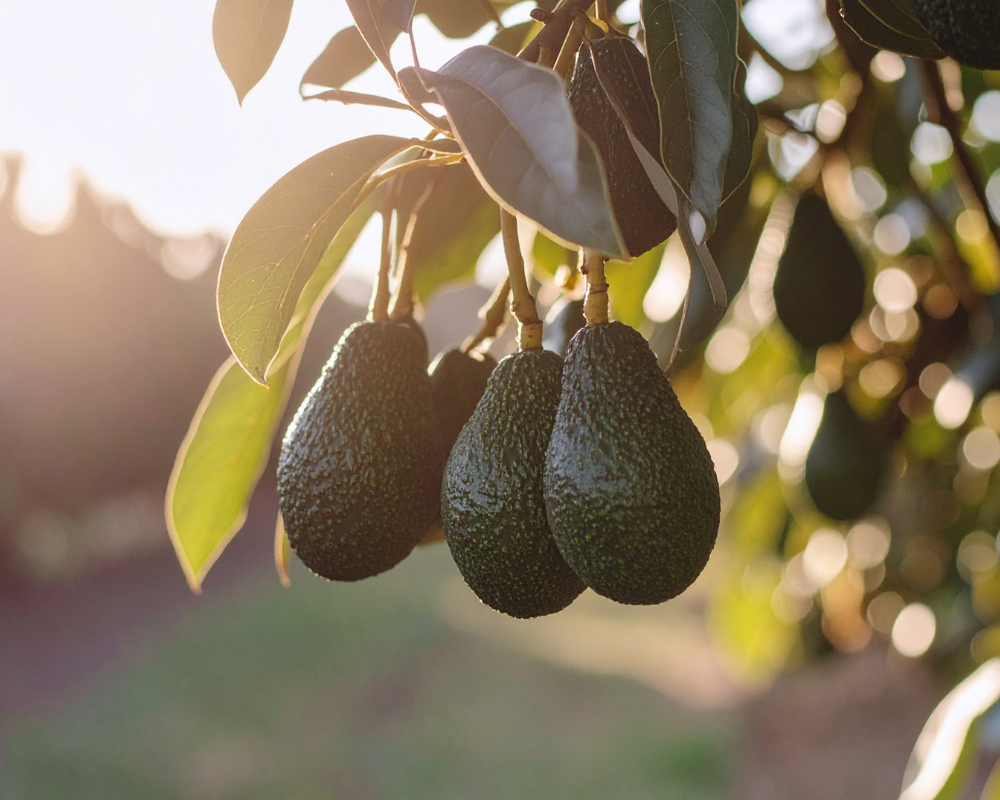
Dark, pebbly skin turning nearly black when ripe, with creamy, rich flesh and high oil content. Popular worldwide for consistent quality, long shelf life, and suitability for fresh consumption and export markets.
Criollo Avocado
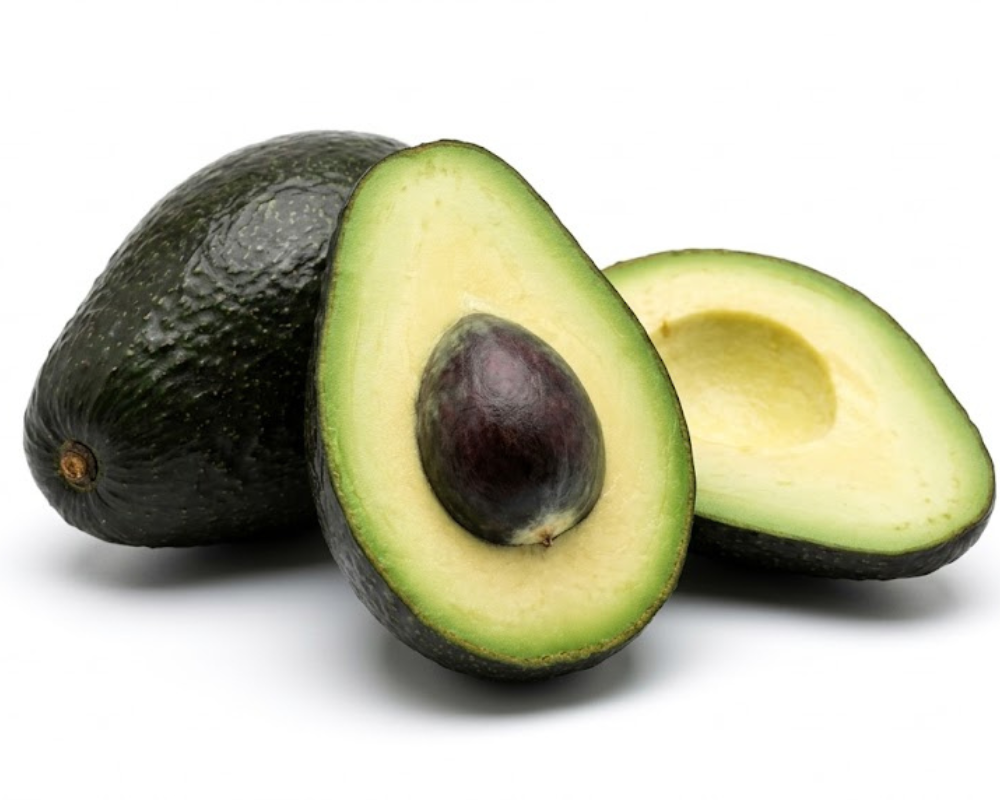
Traditional, native variety with thin green skin and smooth texture. Mild flavor and lower oil content make it suitable for local consumption and traditional culinary uses in different regions.
Bacon Avocado
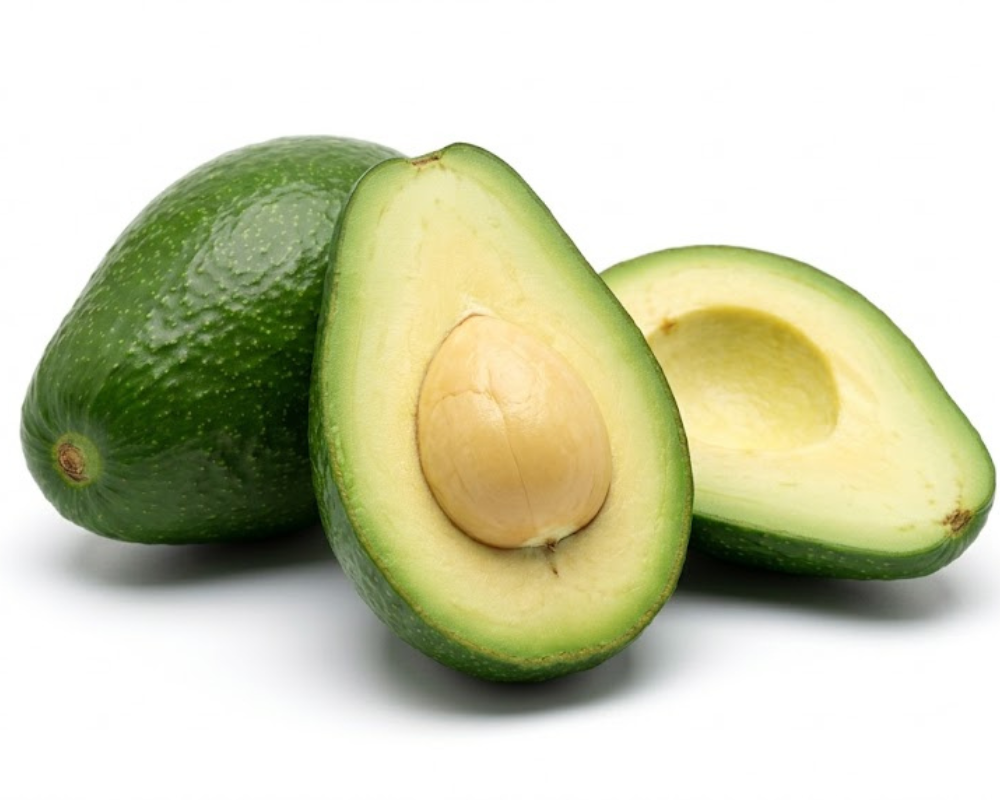
Medium-sized fruit with smooth green skin and lighter taste profile. Lower oil content compared to Hass, offering a milder flavor. Tolerates cooler climates, making it adaptable to varied growing conditions.
Fuerte Avocado
Pear-shaped fruit with thin green skin and creamy, smooth flesh. Balanced flavor with moderate oil content. Once widely cultivated, valued for its cold tolerance and consistent production in suitable climates.
Taste Profile of Avocado
Avocado stands out because of its unique balance of texture and flavor.
- Texture: Soft, buttery, and smooth
- Flavor: Mild with subtle nutty undertones
- Versatility: Easily absorbs spices and seasonings
- Ripeness effect: Becomes richer and creamier when fully ripe
- Aftertaste: Clean and light, without overpowering sweetness
This versatility allows avocado to work in both savory and modern health-focused recipes.
From Seed to Tree: Avocado Growth Journey
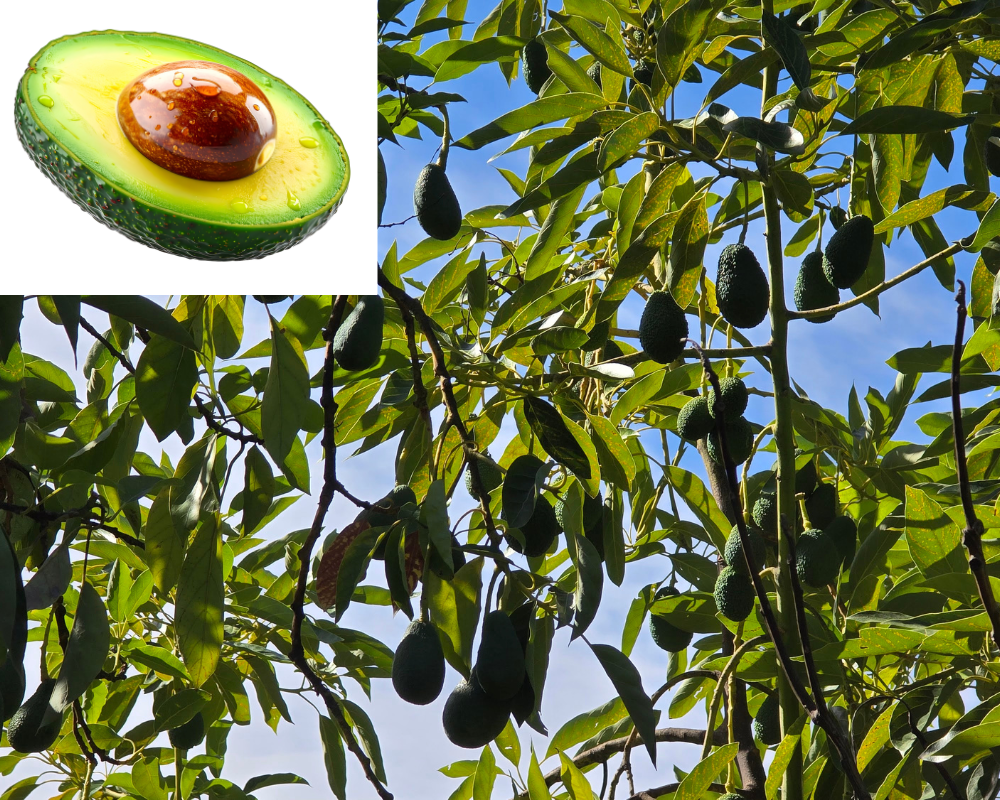
The life cycle of an avocado tree is a slow but fascinating process.
It begins with a single seed placed in moist conditions. Within weeks, roots grow downward while a sprout emerges upward. Over time, the plant develops leaves and a strong stem, eventually becoming a small tree.
With proper sunlight, water, and nutrients, the tree matures over several years. It then begins flowering, followed by fruit production. This journey reflects patience and careful cultivation, resulting in a tree capable of producing high-quality fruit for decades.
Avocado Production in Mexico
Mexico is the world’s leading avocado producer, supplying a major share of global demand.
Key production regions include:
- Michoacán – The primary avocado-producing state with ideal volcanic soil
- Jalisco – A growing contributor with expanding farms
- Estado de México – Supports regional production
These regions benefit from:
- Favorable climate conditions
- Fertile soil
- Year-round growing capability
Mexico supplies a large portion of avocados to international markets, especially North America, making it a global leader in production and export.
Nutrition Profile of Avocado
Avocado is widely known as a nutrient-dense superfood.
Healthy Fats and Vitamins
- Rich in monounsaturated fats that support heart health
- Contains vitamins E, K, and B-complex
- Supports skin health, energy production, and bone strength
Dietary Importance
- High fiber content helps digestion
- Promotes fullness and weight management
- Supports nutrient absorption
- Suitable for keto, vegan, and balanced diets
Its combination of nutrients makes it one of the healthiest fruits available.
History of Fruit of Mexico
Avocado has been cultivated in Mexico for thousands of years.
Ancient civilizations, including the Maya civilization, considered it a valuable food source. The Aztecs referred to it as ahuacatl, symbolizing strength and vitality.
During the colonial period, Spanish explorers introduced avocado to other parts of the world. Over time, it spread globally, becoming a staple in many cuisines.
Despite global expansion, Mexico remains its original home and largest producer.
Global Influence of Mexico National Fruit
Mexican avocado plays a major role in global food culture.
- Widely used in international cuisines
- Popular in health-conscious diets
- Essential ingredient in modern recipes
- High demand in North America and Europe
Its consistent quality and rich taste have made it a global favorite, strengthening Mexico’s presence in the international food industry.
Why Avocado Represents Mexico
Avocado reflects multiple aspects of Mexico’s identity:
- Deep historical roots
- Strong agricultural economy
- Cultural significance in daily life
- Global recognition as a premium fruit
It is not just a crop—it is a symbol of tradition, health, and national pride.
FAQs about National Fruit of Mexico
The National Fruit of Mexico is avocado, recognized for its cultural, agricultural, and nutritional importance worldwide.
Yes, avocado originates from Mexico and has been cultivated since ancient Aztec and Mayan civilizations.
It is widely used in traditional foods and represents heritage, agriculture, and daily life.
Michoacán is the leading avocado-producing region due to its ideal climate and fertile soil.
Mexican avocado is known for its rich flavor, high quality, and strong global demand in food industries.
Main types include Hass, Criollo, Bacon, and Fuerte, each with unique taste and texture characteristics.
Yes, avocado is highly healthy due to its good fats, fiber, vitamins, and heart-supporting nutrients.
Read more