

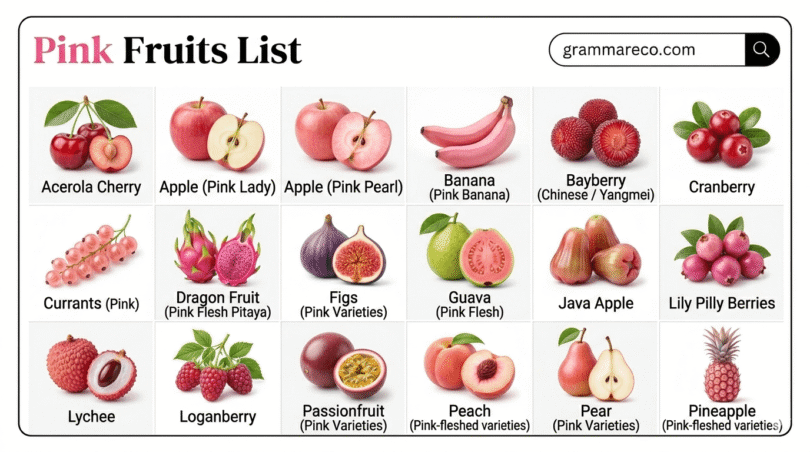
Many fruits with a pink color are soft and juicy, and Pink Fruits include dragon fruit, pink guava, watermelon, and pink grapefruit. These fruits have light color, sweet taste, and helpful vitamins that support your body and make meals more refreshing.
When you learn Pink Fruits with pictures, you improve your vocabulary and can easily use these names in daily life while shopping, eating, or talking about food especially what pink fruit is?
What is a pink fruit with examples?
A pink fruit is a fruit that has pink skin or pink flesh inside. These fruits are often sweet, juicy, and rich in nutrients. Common examples include dragon fruit, guava, grapefruit, and watermelon. They are eaten fresh or used in juices, desserts, and salads.
A Complete List of Pink Fruit
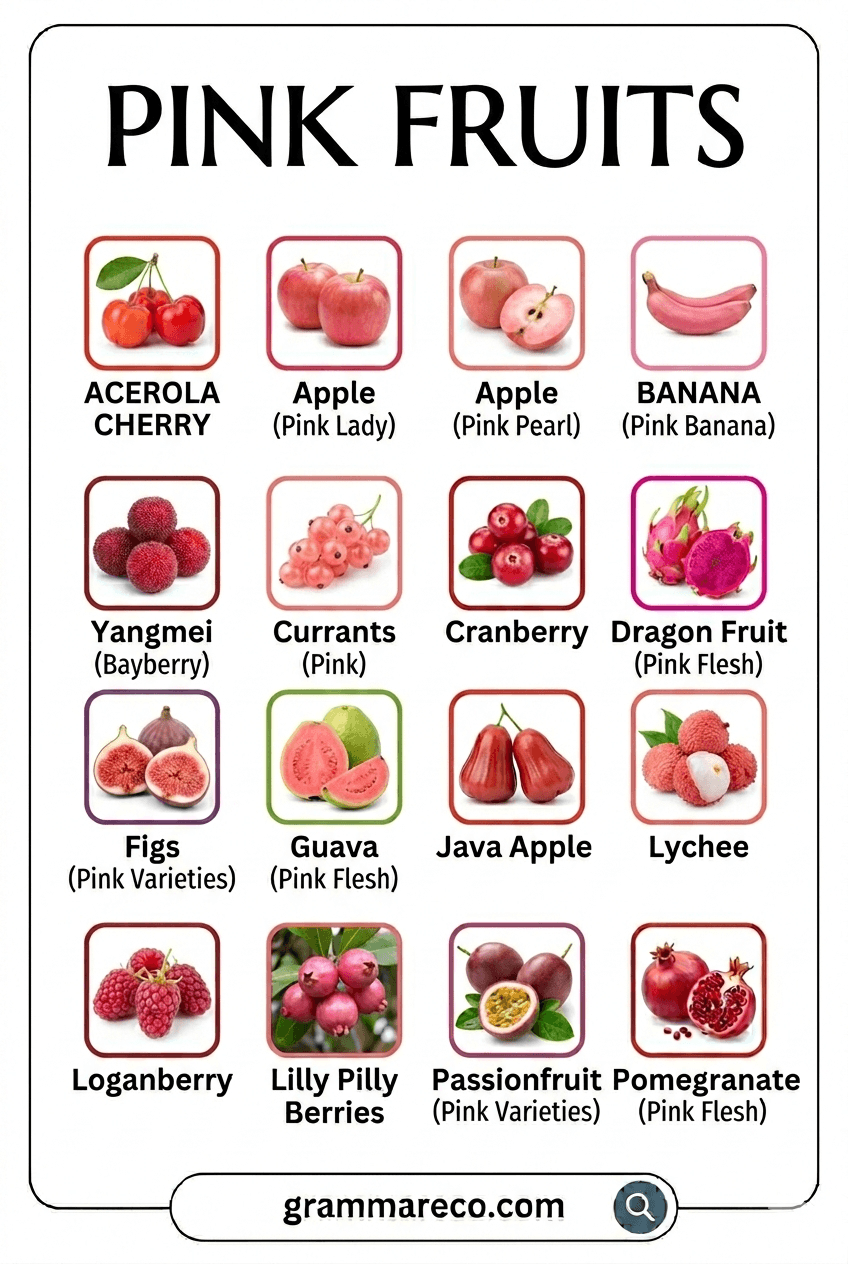
Discover a colorful world of fruits! From yellow and green to rare berries and tropical delights, fruits come in all shapes and sizes. Explore our ultimate pink fruit list with names and an easy to read infographic below.
- Acerola Cherry
- Apple (Pink Lady)
- Apple (Pink Pearl)
- Banana (Pink Banana)
- Bayberry (Chinese / Yangmei)
- Currants (Pink)
- Cranberry
- Dragon Fruit (Pink Flesh Pitaya)
- Figs (Pink Varieties)
- Guava (Pink Flesh)
- Java Apple
- Lychee
- Loganberry
- Lilly Pilly Berries
- Passionfruit (Pink Varieties)
- Peach (Pink-fleshed varieties)
- Pear (Pink Varieties)
- Pineapple (Pink-fleshed varieties)
- Pomegranate
- Pomelo (Pink Varieties)
- Raspberry
- Rhubarb
- Sampinit
- Star Apple (Pink Flesh Varieties)
- Strawberry
- Strawberry Tree Fruit (Arbutus unedo)
- Watermelon (Pink Flesh)
- Wild Strawberry
- Rambutan (Pink-red varieties)
- Rose Apple (Syzygium)
- Sapote
- Guava
- Lemonade Lemon
- Pink Mulberry
Pink Fruits and their Pictures with Benefits and Uses
Pink fruits are not only visually stunning but also packed with vitamins, antioxidants, and natural goodness. From exotic tropical varieties to common favorites, learn about their health benefits, see vibrant pictures, and discover practical ways to enjoy them every day.
Acerola Cherry
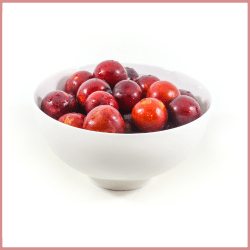
Eaten fresh, juiced or in smoothies and health shots; valued for very high vitamin C levels and immune support across USA, UK, Canada.
Small cherry‑like red fruit with intensely tart, bright flavour; adds vibrant colour and antioxidant boost to beverages and snacks.
Native to Caribbean & Central America; cultivated since pre‑Columbian times and now grown commercially in Brazil and warm regions.
Apple (Pink Lady)
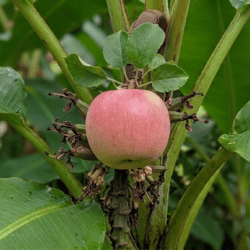
Perfect raw, baked, juiced or sliced in lunches; known for crisp texture and balanced sweet‑tart taste across UK, USA, Australia.
Rosy‑blushed skin with firm pale flesh and aromatic notes; excellent keeping quality makes it a top supermarket choice.
Bred in Australia in the 1970s; now a leading commercial cultivar in USA, UK, Canada orchards.
Apple (Pink Pearl)
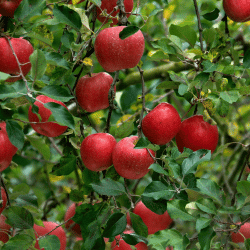
Used in creative salads, desserts, sauces and fruit boards for elegant pink interior and mildly tart sweetness.
Golden skin with striking rosy‑pink flesh; floral undertones add gourmet appeal in cooking and eating fresh.
Developed in California in 1940; grown in specialty orchards across USA and overseas markets.
Banana (Pink)
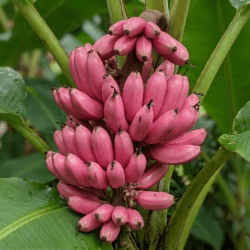
Eaten fresh, tossed in breakfast bowls, blended in smoothies, or used in baking for its creamy sweet flesh and aroma.
Smaller pinkish‑tinted banana with soft texture and pleasant fragrance delivers a tropical flavour experience.
Originated in tropical Southeast Asia; widely cultivated in tropical regions worldwide for local and export sale.
Bayberry (Chinese / Yangmei)
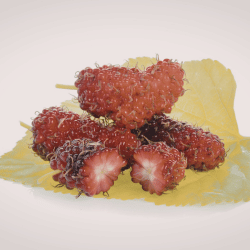
Enjoyed fresh, pickled, juiced or fermented; traditional Asian snack and drink ingredient with sweet‑tart nuance.
Deep red to purple berry with thin edible skin; juicy and nutrient‑rich with aromatic complexity.
Native to China; widely consumed for centuries and now found in Asian markets globally.
Currants Pink
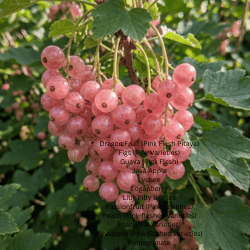
Used in jams, jellies, desserts and fruit salads; bright, tart flavour enhances sweet and savoury dishes.
Small translucent pink berries with bold tang and delicate sweetness, great for summer preserves.
Cultivated in Europe since medieval era; popular in UK and continental cuisines.
Pink color Fruit Cranberry
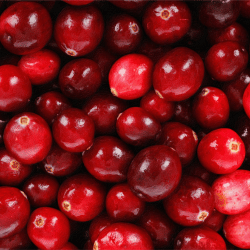
Pressed into juice, sauces, dried snacks or supplements; popular in USA and Canada for urinary health and antioxidant content.
Firm red berries with tart bite and rich colour enhance beverages and savoury pairings.
Native to North America; traditionally harvested by First Nations and grown commercially since 19th century.
Dragon Fruit (Pink Flesh Pitaya)
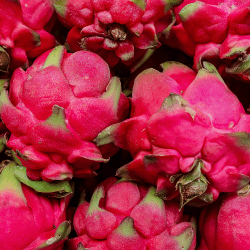
Eaten fresh, scooped into smoothie bowls or desserts; tropical pink flesh adds colour and hydration.
Bright pink color fruit with speckled rosy interior; mild sweet flavour and soft, juicy texture delight fruit lovers.
Originated in Central America; now widely cultivated in Southeast Asia and warm climates globally.
Figs Pink Varieties
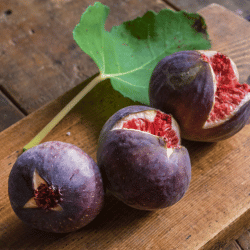
Eaten fresh or dried, baked into desserts, or made into jams; sweet with delicate floral notes.
Soft fruit with rosy‑tinged interior, chewy seeds and rich aroma, excellent in salads or with cheeses.
Native to the Middle East & Mediterranean; grown for thousands of years and now found in USA, Australia.
Pink Guava Fruit
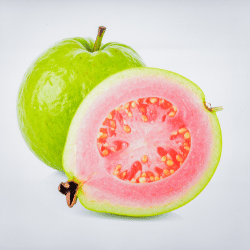
Fresh eating, juiced, tossed in smoothies or cooked into preserves; prized for vitamin C boost and fragrance.
Green to yellow skin encases vivid pink pulp that’s sweet, aromatic and slightly seedy.
Native to tropical Americas; widely cultivated in USA, Caribbean and tropical zones for commercial sale.
Java Apple
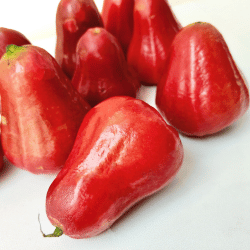
Crisp and refreshing eaten fresh or added to salads; crunchy texture makes it a popular snack in Asia.
Bell‑shaped fruit with pale pink to white flesh and mild sweetness; subtle floral perfume.
Native to Indonesia & Malaysia; cultivated throughout Southeast Asia for generations.
Lychee
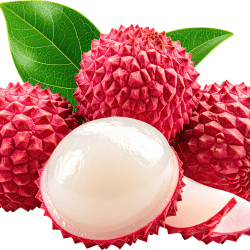
Enjoyed fresh, canned or in cocktails and desserts; aromatic sweet flesh makes it a global favourite.
Rough red skin peels to reveal translucent juicy flesh bursting with floral sweetness.
Originated in southern China; cultivated for centuries and now grown in USA subtropical regions and Asia.
Loganberry
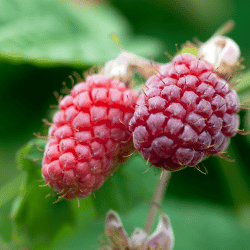
Used in jams, pies, sauces and juices; bold sweet‑tart flavour pairs well with sugars and creams.
Deep red berry hybrid with tender texture gives rich flavour to preserves and desserts.
Developed in California in the late 1800s; grown today in USA and UK gardens.
Lilly Pilly (Berries)
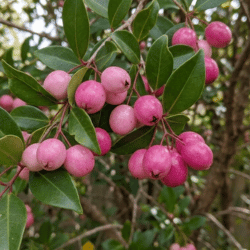
Used in jams, jellies and desserts with bright acidity; aromatic citrus‑like flavour adds complexity.
Glossy red‑pink berries from Australian native trees; fragrant and versatile in sweet and savoury.
Native to Australia; used in Indigenous and modern Australian cuisine.
Passionfruit (Pink Varieties)
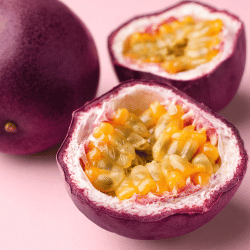
Juiced, drizzled on salads, desserts and drinks; tropical floral flavour enriches many recipes.
Purple‑pink rind with seedy aromatic pulp offers sweet‑tart intensity and vibrant colour.
Native to South America; cultivated widely in Australia, USA, UK markets.
Peach (Pink‑Fleshed Varieties)
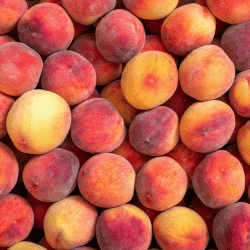
Eaten fresh, grilled, baked or pureed; juicy with lush sweetness and summer aroma.
Soft fuzzy skin hides pink juicy interior that pairs well with creams, cheeses and cereals.
Originated in China; grown for millennia and now widely produced in USA, Australia, UK.
Pear (Pink Varieties)
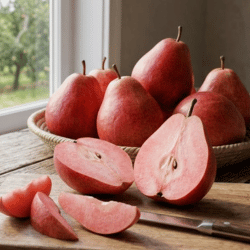
Delicious fresh, canned, baked or poached; subtle rose‑tinged sweetness works well in all cuisines.
Smooth textured fruit with gentle floral notes and blushing pink tones.
Native to Europe & Asia; cultivated since antiquity and widely grown in USA & Canada orchards.
Pineapple (Pink‑Fleshed Varieties)
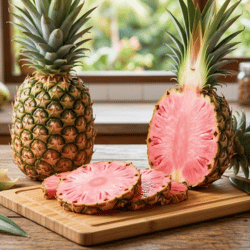
Juiced or eaten fresh, grilled or in desserts; tropical sweet tang enlivening all dishes.
Golden ring with rosy interior, juicy texture and bold aroma make it a summer favourite.
Native to South America; spread globally after European exploration and cultivated in Hawaii, Australia.
Pomegranate
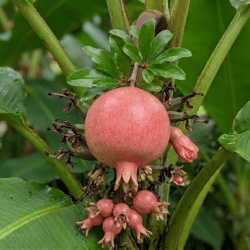
Seeds eaten raw, juiced or added to salads; known for rich antioxidants and vibrant ruby colour.
Tough red rind protects jewel‑like arils bursting with sweet‑tart juice, excellent in savoury pairings.
Native to Iran region; cultivated for thousands of years and now common in USA & Mediterranean market.
Pomelo Pink Orange Fruit
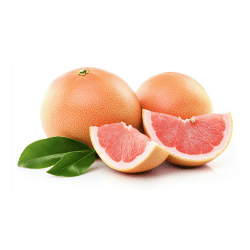
Segments eaten fresh, in salads, or marmalade; gentle sweet citrus flavour with light acidity.
Large citrus with pink flesh, thick rind and refreshing juice that suits breakfast or desserts.
Native to Southeast Asia; among earliest citrus fruits and grown in Asian and global markets.
Raspberry
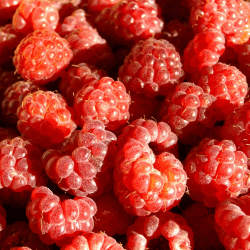
Fresh, baked, canned or blended; classic sweet‑tart red flavour perfect for desserts worldwide.
Clustered juicy berries with fragrant aroma and tender bite pair well with creams, yoghurts, cereals.
Native to Europe; widely cultivated and enjoyed across USA, UK, Canada and Australia.
Rhubarb
Stewed, baked into pies, crumbles and compotes; vibrant tangy stalks boost sweet dessert balance.
Long pink stalks with crisp texture; leaves are toxic and not eaten, stalks need cooking.
Originated in Asia; adopted in UK & Australia by 18th century for culinary use.
Pink Kiwi Fruit
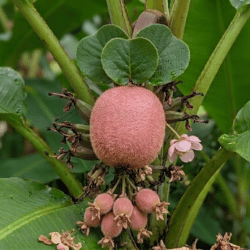
Eaten fresh, sliced into fruit salads, blended in smoothies, or used in desserts; valued for sweet tropical flavour and rising demand in New Zealand, Italy, China, USA, and Australia markets.
Smooth or slightly fuzzy skin with vibrant pink to reddish center and green outer flesh; juicy texture with balanced sweetness and mild tang makes it visually appealing and flavorful.
Originated from kiwifruit breeding programs linked to New Zealand and China; modern pink varieties developed in recent decades and now commercially grown in Italy, New Zealand, China, and global export regions.
Rare Pink Fruit Names and their Photos
Below are some pink fruits names with their photos along with benefits:
Sampinit
Eaten fresh or cooked into jams; small pink berry with soft musk sweetness treasured locally.
Delicate skin and tender flesh offer floral sweetness ideal in regional desserts or preserves.
Native to Southeast Asia; seasonal fruit grown and enjoyed locally for generations.
Star Apple (Pink Flesh Varieties)
Eaten fresh or blended into smoothies; creamy texture and star‑patterned interior delight fruit lovers.
Round fruit with glossy skin and shimmering pink pulp radiating star shapes when sliced.
Native to tropical Americas; grown in Caribbean and Asian tropics for local markets.
Strawberry
Fresh, baked, juiced or blended; classic sweet red berry beloved across UK, USA, Canada, Australia.
Heart‑shaped fruit with juicy sweetness and fragrant aroma perfect for desserts and breakfast.
Hybridised in Europe in the 1700s; now cultivated worldwide.
Strawberry Tree Fruit (Arbutus unedo)
Eaten fresh or made into preserves; subtle sweet floral flavour with granular texture.
Round textured fruit with amber‑red colour and mild aroma enriches traditional Mediterranean recipes.
Native to Mediterranean regions; used since antiquity and now found in European markets.
Watermelon Pink Flesh
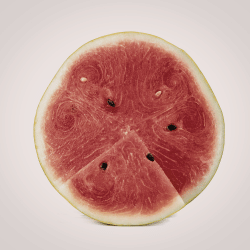
Fresh slices, juices, salads; deeply juicy pink interior provides hydration and sweet summer flavour.
Large green rind houses rosy flesh and black or seedless cores perfect for picnics.
Originated in Africa; cultivated for thousands of years and now globally enjoyed in USA, Europe, Australia.
Wild Strawberry
Tiny fragrant berries eaten fresh or in gourmet desserts; intense sweet aroma outshines cultivated types.
Delicate texture and concentrated flavour add luxury to jams and pastries.
Native to Europe & North America; cherished since ancient times and still picked wild seasonally.
Rambutan
Fresh, in fruit salads and desserts; tropical floral sweetness and juicy flesh delight global palates.
Fuzzy pink‑red shell encloses translucent sweet flesh with floral undertones and soft bite.
Native to Southeast Asia; traditional fruit now sold in USA, Australia and Asian markets.
Rose Apple (Syzygium)
Crisp refreshing fruit eaten fresh or in salads; subtle rose fragrance pairs well with sweet and savoury.
Bell‑shaped with watery flesh and mild sweetness, often enjoyed chilled.
Native to tropical Asia; cultivated regionally for centuries in local diets.
Sapote
Soft creamy flesh eaten fresh or in desserts; honey‑like sweetness perfect for smoothies, ice creams and baking.
Rosy‑tinged pulp with tropical richness adds flavour depth and smooth texture to dishes.
Native to Mexico & Central America; enjoyed traditionally and now grown in warm regions worldwide.
Lemonade Lemon
Juice for lemonade, cocktails, dressings, marinades; rosy‑hued citrus adds flair to beverages.
Yellow skin with pale pink interior and mild tang enhances visual appeal and flavour.
Developed as a varietal in USA; popularised in American kitchens and cafés late 20th century.
Pink Weeping Cherry Fruit

Pink Weeping Cherry fruit comes from ornamental cherry trees, often used more for visual appeal than consumption.
While small fruits can be eaten fresh or made into jams, they are generally tart.
Originating in Japan, these trees are widely cultivated in ornamental landscapes across temperate regions, especially in gardens and parks.
Pink Mulberry
Fresh or dried, in jams, wines and desserts; sweet rosy flavour complements baked goods and drinks.
Soft elongated berries with rich sweetness and lush aroma elevate pastries and preserves.
Native to Asia; cultivated for centuries and spread globally into gardens and markets.
Dragon Fruit White vs Pink
| White Dragon Fruit | Pink Dragon Fruit |
|---|---|
| Mild sweet taste, commonly eaten fresh and in smoothies for light refreshment | Sweeter and richer, widely used in desserts and colourful smoothie bowls |
| White flesh with black seeds, soft and juicy texture with subtle flavour | Pink/red flesh with black seeds, denser texture and more intense flavour |
| Grown in Vietnam, Thailand, Mexico for global markets | Produced in Vietnam, Malaysia, China with higher premium demand |
FAQs About Pink Fruits
Pink fruits are fruits that have pink flesh or skin. Examples include Dragon Fruit, Guava, Grapefruit, Lychee, Pink Lemonade Lemon, and Watermelon. They are sweet, refreshing, and rich in vitamins.
Cut the dragon fruit in half with a knife, then scoop out the soft pink flesh with a spoon. You can also peel the skin and slice it into cubes to eat fresh.
Pink passion fruit is a tropical fruit variety with pink or reddish outer skin. It has juicy pulp with seeds inside and a sweet, slightly tangy flavor, often used in drinks and desserts.
Read more