
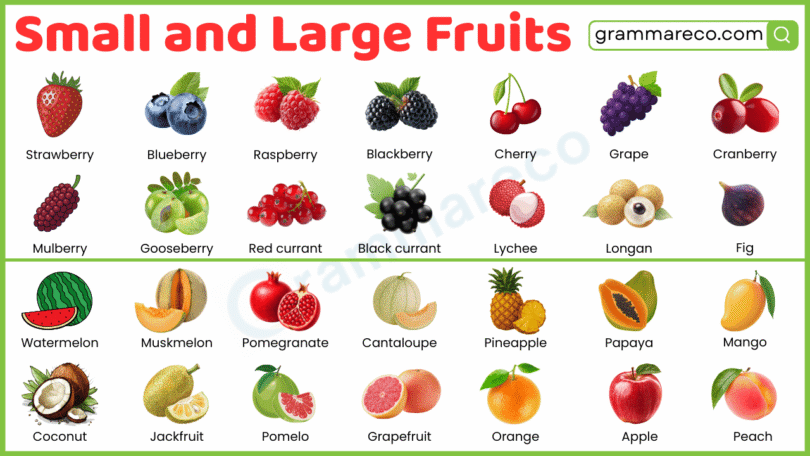
Many fruits differ in size, and small and Large Fruits cover many types with clear traits. Small fruits like berries and grapes often grow in clusters, while large fruits such as watermelon and jackfruit grow as single heavy units with thick skin and rich pulp.
You will learn names and uses of small and Large Fruits, helping you talk about them in daily life, markets, and food-related conversations more clearly.
List of Large Fruits
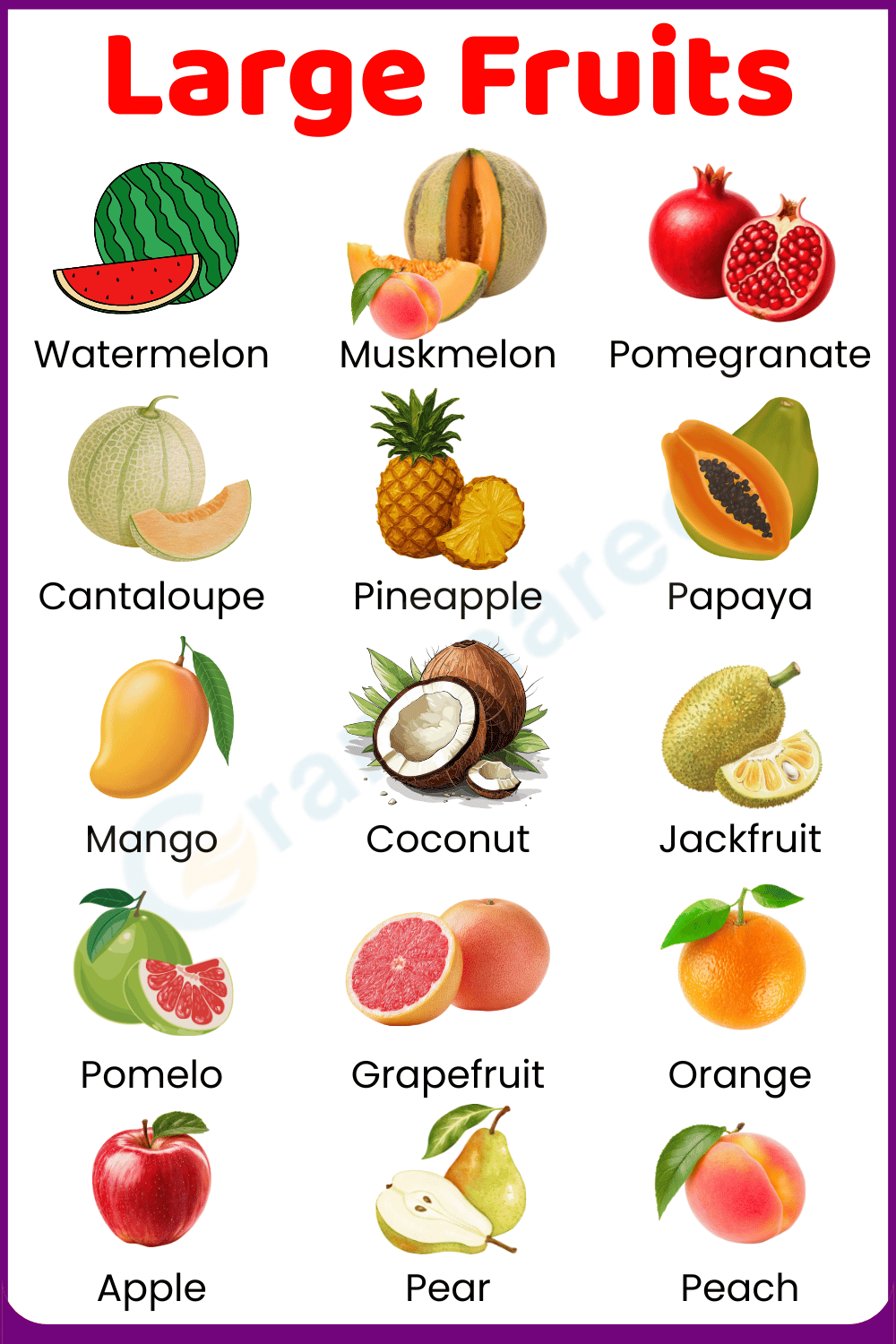
Here is a list of largest fruits that are in large sized with their names:
- Grapefruit
- Pomelo
- Oranges
- Blood Orange
- Sweet Lime
- Bitter Orange
- Citron
- Bergamot Orange
- Yuzu
- Ugli Fruit
- Cantaloupe
- Honeydew melon
- Muskmelon
- Watermelon
- Banana
- Coconut
- Dragon fruit
- Durian
- Mangoes
- Papaya
- Pineapple
- Breadfruit
- Jackfruit
- Passion fruit
- Apple
- Pear
- Peach
- Nectarine
- Avocado
- Bael fruit
- Custard apple
- Guava
- Persimmon
- Plantain
- Pomegranate
- Sapodilla
- Starfruit
Small Fruits List with Names
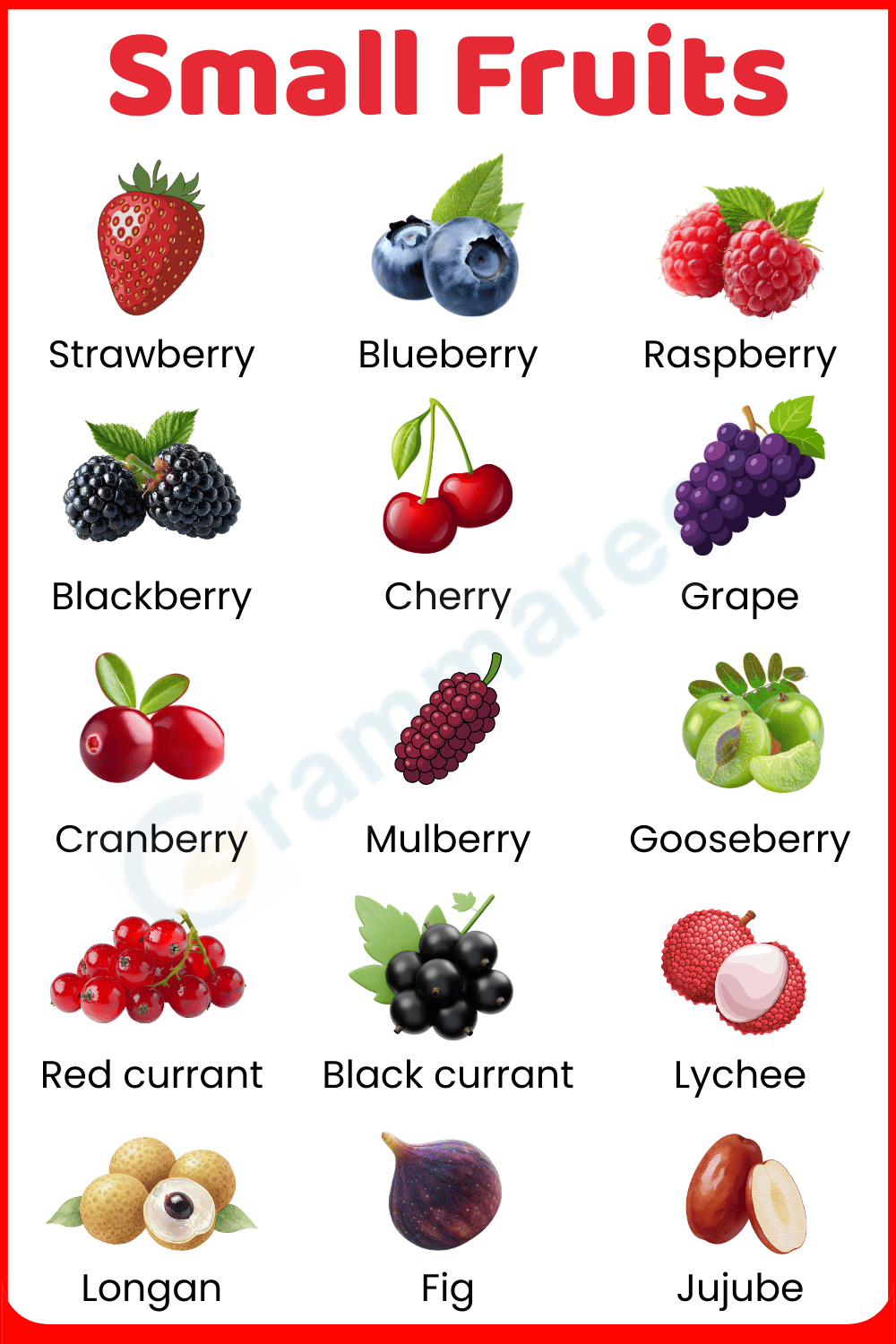
Here is a clean small fruits vocabulary list with examples:
- Strawberry
- Blueberry
- Blackberry
- Raspberry
- Cranberry
- Gooseberry
- Mulberry
- Elderberry
- Barberry
- Cape gooseberry
- Grape
- Fig
- Serviceberry
- Jabuticaba
- Cherry
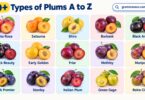
- Plum
- Damson plum
- Apricot
- Sloe
- Lime
- Key Lime
- Kaffir Lime
- Kumquat
- Calamansi
- Rangpur Lime
- Finger Lime
- Mandarin Orange
- Clementine
- Tangerine
- Lychee
- Longan
- Loquat
- Jujube
- Miracle fruit
- Date
- Olive
- Red currant
- White currant
- Black currant
Types of Large Fruits Names
Explore various large fruits categorized by citrus, tropical, pome, and stone fruits. Perfect for learners seeking size-based fruit knowledge. Focus on weight, texture, and type for better understanding.
Large Citrus Fruit
Large citrus fruits are big-sized fruits from the citrus family with thick peel and juicy flesh. Examples include grapefruit, pomelo, and large oranges, known for their fresh, tangy taste.
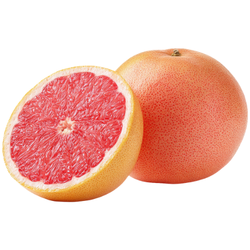
- Grapefruit
Round, thick-skinned citrus, averaging 12–16 cm, weighing 300–500 g, bright pink or yellow pulp, tangy flavor.
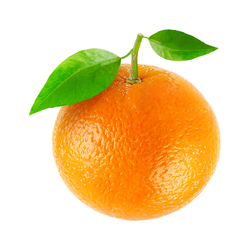
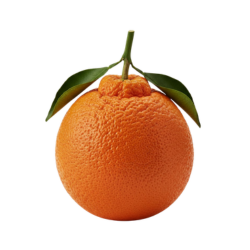
- Orange
Medium to large spherical citrus, 10–12 cm, 200–350 g, juicy and sweet, ideal for fresh juice.
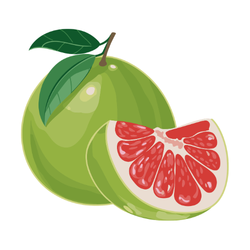
- Pomelo
Giant citrus, 15–25 cm diameter, 1–2 kg, thick rind, pale green or yellow, mild sweetness.
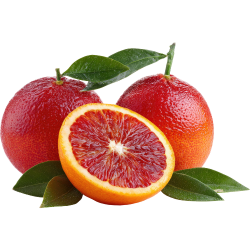
- Blood orange
Medium citrus, 8–10 cm, 200–300 g, deep red flesh, tart-sweet flavor, ideal for salads.
- Sweet lime
Round citrus, 7–9 cm, 150–250 g, pale green, low acidity, mildly sweet juice.
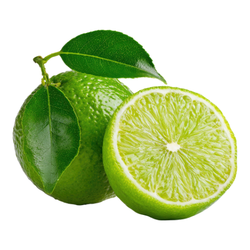
- Citron
Very large citrus, 15–20 cm, 1–1.5 kg, thick fragrant rind, low juice, traditional flavoring fruit.
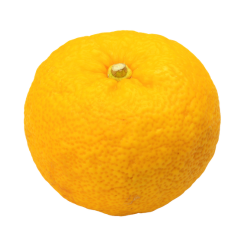
- Ugli fruit
Large citrus, 10–15 cm, 400–600 g, rough green-orange rind, tangy-sweet taste.
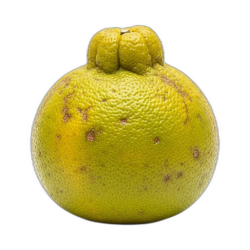
- Oroblanco
Large hybrid citrus, about 10–12 cm wide, weighing 300–600 grams with thick peel and heavy structure.
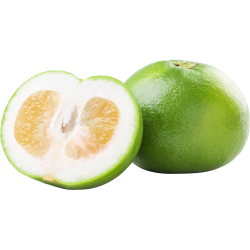
- Seville Orange
Medium-large citrus fruit, around 7–10 cm diameter, weighing 200–400 grams, dense and slightly heavier than sweet oranges.
Biggest Melons Fruit
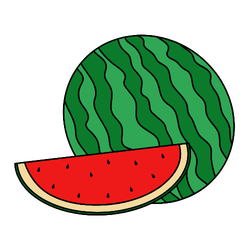
- Largest Watermelon Fruit
Very large fruit, commonly 25–60 cm long, weighing 5–20 kg depending on variety and growing conditions.
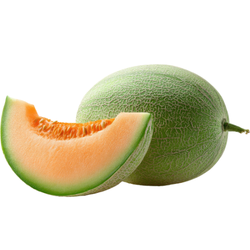
- Honeydew Melon
Round melon, about 15–22 cm diameter, weighing 1.5–3 kg with smooth rind and compact internal flesh.
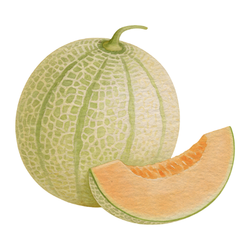
- Cantaloupe
Round to oval melon, 1–2 kg, netted rind, orange flesh, sweet and fragrant.
- Muskmelon
Medium melon, 1–2 kg, aromatic orange flesh, thick rind, highly sweet.
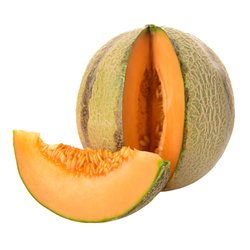
- Galia melon
Round melon, 1–2 kg, netted rind, aromatic greenish-yellow flesh, juicy sweetness. - Crenshaw melon
Large oval, 2–3 kg, yellow-green smooth rind, sweet fragrant salmon-colored flesh.
Largest Tropical Fruits
Here are the list of largest tropical fruits with size and their weight profile with pictures:
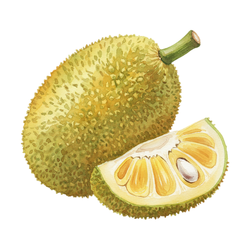
- Jackfruit
Extremely large tropical fruit, often 30–90 cm long, weighing 10–35 kg with thick outer skin and dense interior bulbs.
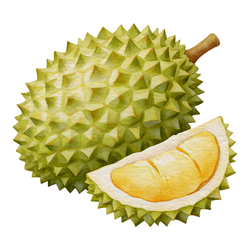
- Durian
Large spiky fruit, typically 15–30 cm long, weighing 1–3 kg with heavy shell and thick flesh compartments.
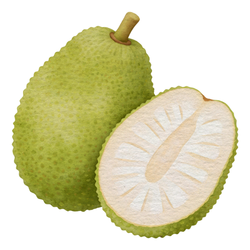
- Breadfruit
Round large fruit, about 15–25 cm diameter, weighing 1–4 kg with dense starchy interior and firm outer skin.
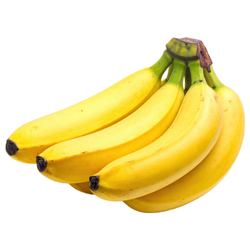
- Banana
Curved fruit, 15–25 cm, 120–200 g, soft sweet flesh, yellow peel, widely consumed.
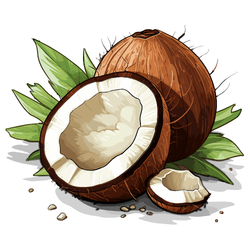
- Coconut
Hard-shelled fruit, 15–30 cm, 1–2 kg, white edible flesh, high water content.
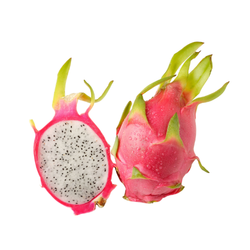
- Dragon fruit
Oval, 300–600 g, pink-red rind with scales, white or red sweet flesh.
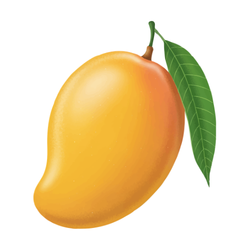
- Mango
Oval fruit, 200–500 g, yellow-orange flesh, juicy, tropical sweetness.
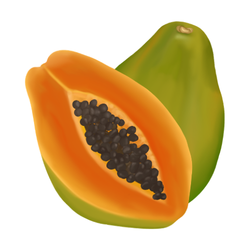
- Papaya
Oblong fruit, 1–3 kg, soft orange flesh, sweet, high water content.
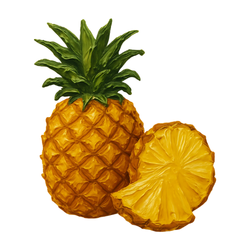
- Pineapple
Large tropical, 1–2.5 kg, tough spiky skin, fibrous juicy yellow flesh.
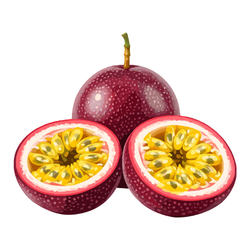
- Passion fruit
Small-large oval, 50–300 g, tough skin, aromatic seed pulp, tangy sweetness.
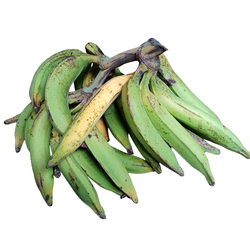
- Plantain
Starchy banana variant, 15–30 cm, 200–400 g, cooked before consumption.
Stone Fruits and Other Large Fruits
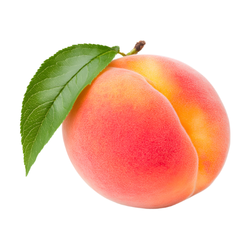
- Peach
Round, 150–250 g, fuzzy skin, sweet juicy flesh.
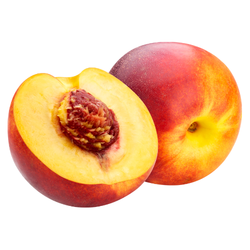
- Nectarine
Smooth-skinned, 120–200 g, juicy, sweet aroma, firm texture.
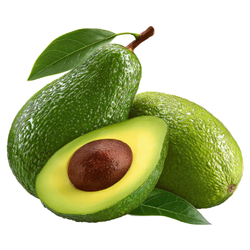
- Avocado
Large pear-shaped fruit, typically 10–20 cm long, weighing 200–700 grams with thick skin and heavy seed center.
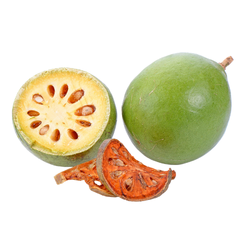
- Bael Fruit
Hard-shelled large fruit, about 5–15 cm diameter, weighing 500 grams to 2 kg with dense pulp inside.
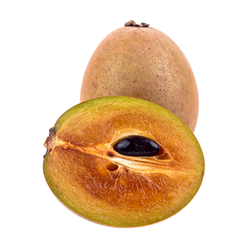
- Sapodilla
Medium-large fruit, 5–10 cm wide, weighing 100–300 grams with firm brown skin and compact pulp.
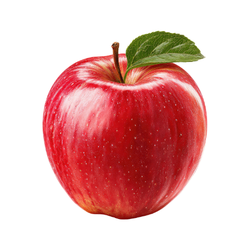
- Apple
Round fruit, 150–250 g, crisp flesh, juicy sweet-tart flavor.
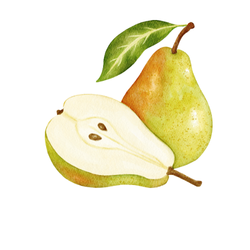
- Pear
Oblong or round, 150–300 g, soft sweet flesh, smooth or grainy texture.
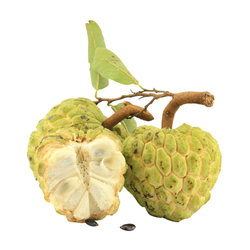
- Custard apple
Oval, 300–500 g, creamy segmented pulp, very sweet.
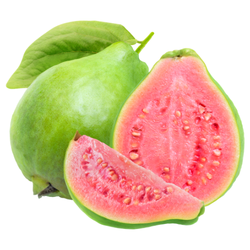
- Guava
Round/oval, 150–300 g, soft pink or white pulp, aromatic sweetness.
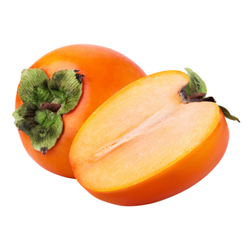
- Persimmon
150–300 g, round, firm sweet-orange flesh, soft when ripe.
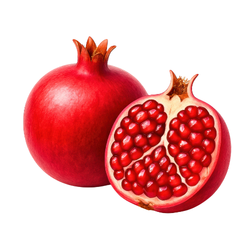
- Pomegranate
Round, 400–600 g, thick skin, ruby arils, juicy tart-sweet flavor.
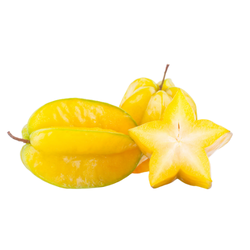
- Starfruit
Oval, 150–250 g, juicy yellow flesh, crisp tangy-sweet.
Types of Small Fruits Names
Small fruits are tiny, bite-sized fruits that grow on bushes, vines, or small plants. Below are common types include berries, stone fruits, and small citrus, known for easy eating and quick use.
Small Berries Fruits Names
Small fruits include berries, small drupes, citrus, and tropical fruits. Learn size, weight, and variety for easy classification and comparison. Here are some small berries fruits with names and pictures:
Small Berries Fruit
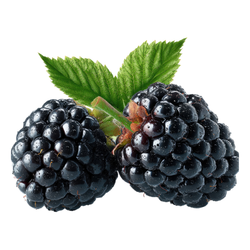
- Blackberry
Small, 1–3 cm, 5–10 g; deep purple-black clusters, juicy sweet-tart flavor, antioxidant-rich, ideal for desserts and jams.
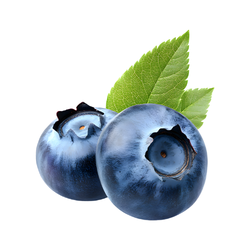
- Blueberry
Tiny, 0.5–2 cm, 1–2 g; round blue-purple fruit, sweet, soft, nutritious, commonly eaten fresh or in baked goods.
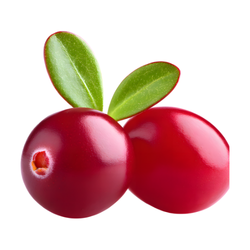
- Cranberry
Small, 1 cm, 1 g; bright red, tart, firm, used in juice, sauces, and dried snacks.
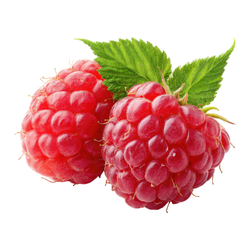
- Raspberry
Small, 1.5–3 cm, 4–5 g; red, soft, hollow-centered, sweet-tart, widely used in desserts and jams.
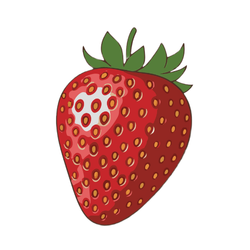
- Strawberry
Medium-small, 2–5 cm, 15–25 g; bright red, juicy, fragrant, heart-shaped, popular fresh or in desserts.
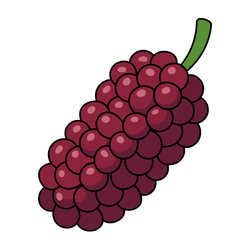
- Mulberry
Small-medium, 2–5 cm, 2–5 g; dark purple-red, juicy, sweet, grows on trees, rich in antioxidants.
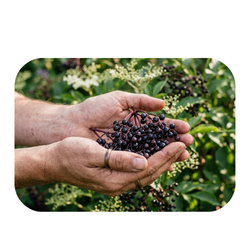
- Elderberry
Tiny, 0.5–1 cm, 0.5–1 g; deep purple, sour-sweet, used for syrups, jams, and medicinal purposes.
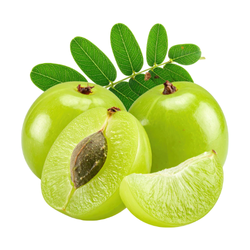
- Gooseberry
Small, 1–3 cm, 5–10 g; green or reddish, tart-sweet flavor, smooth or hairy skin, ideal for preserves.
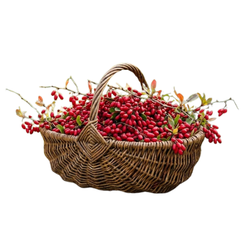
- Barberry
Tiny, 0.5–1 cm, 1 g; red, tangy-sour, small clusters, medicinal and culinary uses.
- Lingonberry
Tiny, 0.5–1 cm, 1 g; red, tart, firm, used in jams and Scandinavian cuisine. - Huckleberry
Small, 0.5–2 cm, 1–3 g; blue-purple, sweet-tart, edible berries, similar to blueberries.
Small Sized Stone Fruits
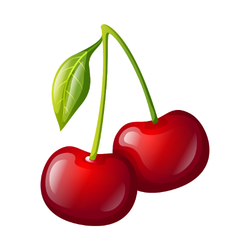
- Cherry
Small, 2–3 cm, 5–10 g; round, deep red or yellow, sweet or tart, soft juicy flesh.
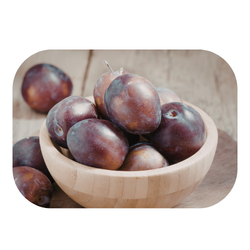
- Damson plum
Small, 2–3 cm, 10–15 g; deep blue-purple, tart, firm skin, ideal for preserves or cooking.
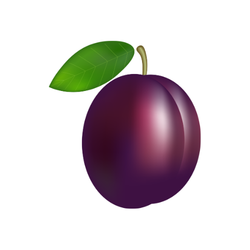
- Plum
Small-medium, 3–5 cm, 30–70 g; smooth skin, juicy sweet-tart flesh, eaten fresh or in desserts.
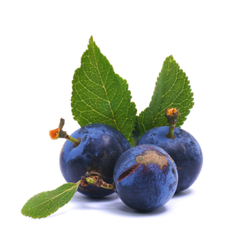
- Sloe
Tiny, 1–1.5 cm, 1–3 g; dark purple, extremely tart, commonly used in gin and preserves.
Small Citrus Fruit
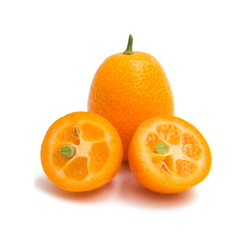
- Kumquat
Tiny, 2–4 cm, 10–20 g; orange, edible peel, tangy-sweet, eaten raw or candied.
- Calamansi
Small, 3–4 cm, 10–15 g; green to yellow, sour-sweet flavor, used in juices and cooking. - Key lime
Small, 3–5 cm, 50–60 g; yellow-green, highly acidic, aromatic, essential in desserts and beverages.
Small Aggregate and Cluster Fruits
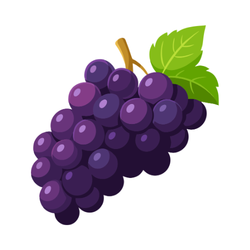
- Grape
Small, 1–3 cm, 2–5 g; green, red, or purple, juicy, sweet or slightly tart, eaten fresh or fermented.
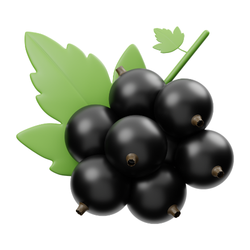
- Black currant
Tiny, 0.5–1 cm, 1–2 g; black-purple, tart, high vitamin C, used in jams and juices.
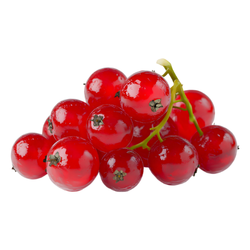
- Red currant
Tiny, 0.5–1 cm, 1–2 g; bright red, tart, small clusters, eaten fresh or in sauces.
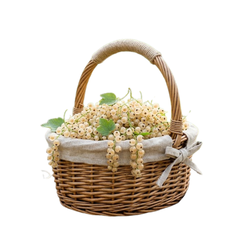
- White currant
Tiny, 0.5–1 cm, 1 g; pale translucent, sweet-tart, delicate flavor, ornamental and culinary uses.
- Pink currant
Tiny, 0.5–1 cm, 1 g; translucent pink, tangy-sweet, similar to red currants, decorative clusters.
Small Tropical Fruit
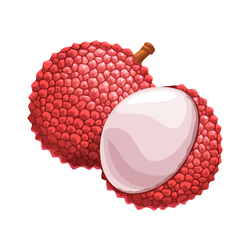
- Lychee
Small, 3–5 cm, 20–30 g; red rough skin, translucent juicy sweet flesh, tropical favorite.
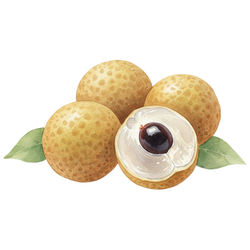
- Longan
Tiny, 2–3 cm, 10–20 g; brown skin, translucent juicy pulp, sweet, tropical delicacy.
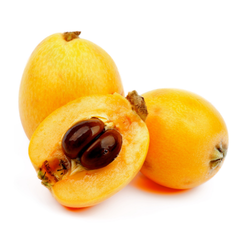
- Loquat
Small, 3–5 cm, 15–25 g; yellow-orange, juicy sweet-tart flesh, slightly aromatic, eaten fresh.
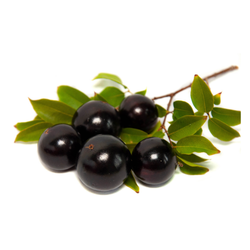
- Jabuticaba
Tiny, 1–2 cm, 5–10 g; dark purple, grows on trunk, sweet pulp, consumed fresh or fermented.
- Pulasan
Small-medium, 3–5 cm, 20–30 g; red spiny skin, white sweet flesh, related to rambutan.
Photos of Small Fruits with Names
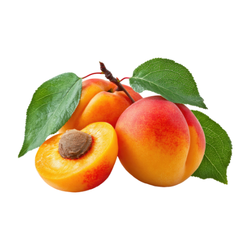
- Apricot
Small, 3–5 cm, 30–50 g; orange, soft velvety skin, juicy sweet flesh, ideal fresh or dried.
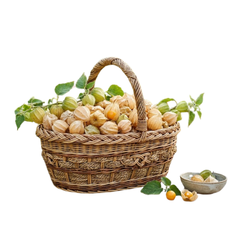
- Cape gooseberry
Tiny, 1–2 cm, 5–10 g; golden-orange, tart-sweet, enclosed in papery husk, tropical and nutritious.
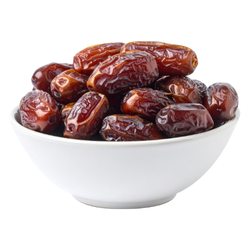
- Dates
Dates are small-medium, 3–7 cm, 7–15 g; brown, sweet, chewy, high-energy fruit, commonly dried or fresh.
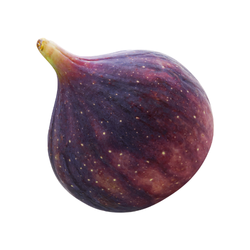
- Fig
Figs are the small fruits with size of 3–5 cm, 40–60 g; purple or green skin, soft sweet pulp, rich in nutrients, eaten fresh or dried.
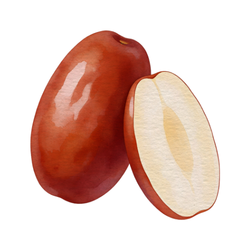
- Jujube
Small, 2–4 cm, 10–20 g; reddish-brown, sweet, firm flesh, commonly dried or eaten fresh.
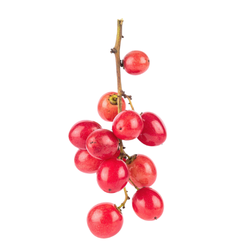
- Miracle fruit
Tiny, 2–3 cm, 5–10 g; red, sweet-tasting, temporarily alters sour perception of other foods.
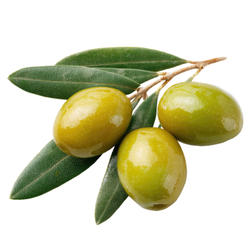
- Olive
Small, 1–2 cm, 3–6 g; green or black, firm, bitter when raw, pressed for oil or eaten cured.
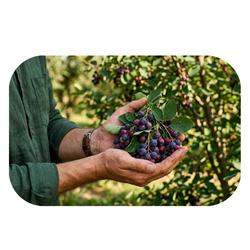
- Serviceberry
Tiny, 0.5–1 cm, 1–2 g; dark purple, sweet-tart, eaten fresh or in jams and baked goods.
- Tamarind
Small-medium, 3–7 cm, 15–30 g; brown pod, tangy-sweet pulp, widely used in cooking and beverages. - Medlar
Small, 2–3 cm, 20–30 g; brown, soft, sweet-tart flesh after bletting, traditional European fruit. - Bilberry
Tiny, 0.5–1 cm, 1–2 g; blue-black, sweet-tart, close to blueberry, rich in antioxidants.
FAQs about Small and Large Fruits
Yes, berries are small fruits. They are usually tiny, soft, and juicy with seeds inside. Examples include strawberry, blueberry, raspberry, and blackberry, commonly eaten fresh or in desserts.
Small red fruits are tiny, often sweet or tart fruits that are red in color. Examples include cherry, strawberry, raspberry, red currant, and cranberry, commonly eaten fresh or in jams and desserts.
Small yellow fruits are tiny, bright-colored fruits that are often sweet or tangy. Examples include golden berries, yellow cherry, lemon berry, and yellow kiwi, used fresh or in desserts and snacks.
Small spiky fruits are tiny fruits with a rough or spiky outer skin. Examples include rambutan, chestnut, and lychee, often sweet and juicy inside, eaten fresh or in desserts.
The largest fruits are extremely big and heavy. Examples include jackfruit, pumpkin, watermelon, durian, and breadfruit. Jackfruit can weigh over 50 kg, while watermelons and pumpkins also grow very large.
The world’s largest fruit by weight is the jackfruit. It can grow up to 55 kilograms or more and is known for its spiky skin and sweet, fibrous flesh.
Read more