

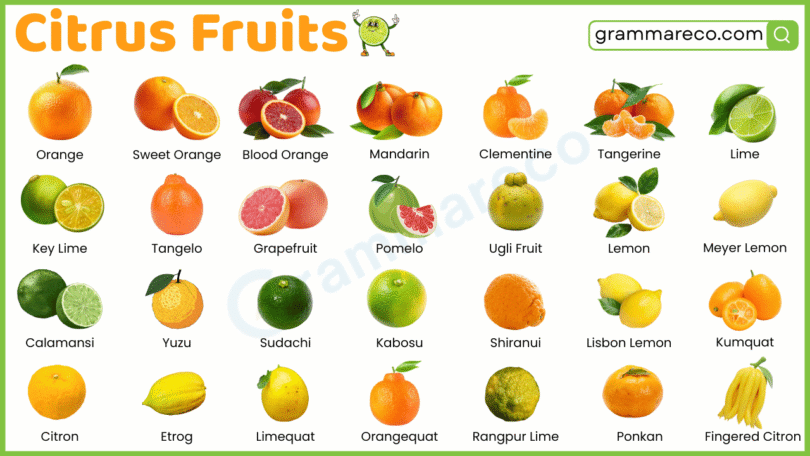
Citrus fruits are juicy and taste sweet, tangy, or a mix of both. Oranges, lemons, limes, and grapefruits are common fruits. Learning citrus fruits names helps know them and how to eat or cook with each one.
These names make it easy to talk about food at home, school, or markets. Using correct citrus fruits names helps when shopping, cooking, or describing flavors to others.
What Are Citrus Fruits with Examples?
Citrus fruits are juicy fruits that grow on citrus trees and contain natural vitamin C. Common examples include oranges, lemons, limes, grapefruits, and mandarins.
They usually have a tangy or sweet-sour taste and are widely used in juices, salads, desserts, and cooking.
List of Citrus Fruits with Names
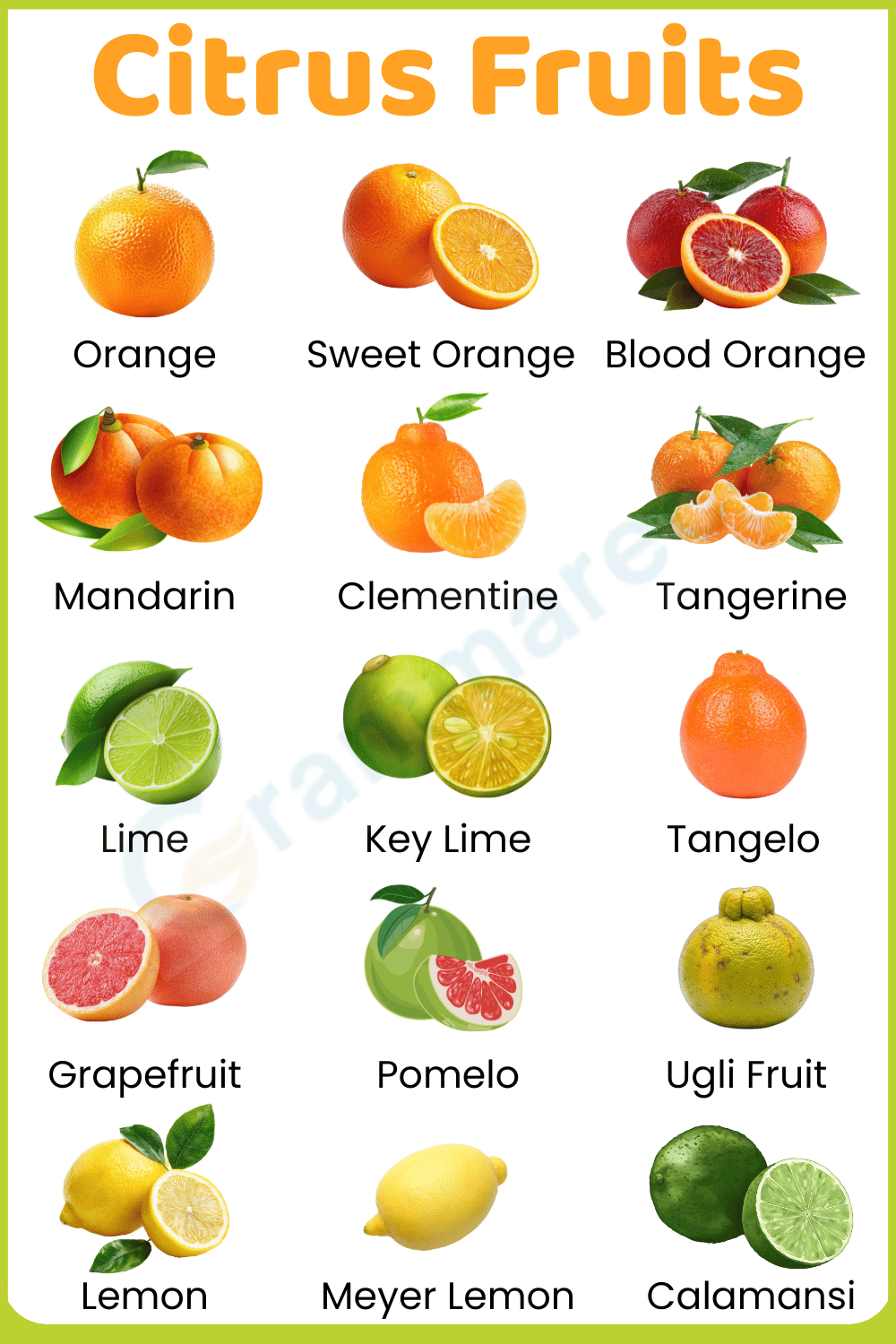
Below is a citrus list of fruits with their names and infographics:
- Australian Finger Lime
- Blood Orange
- Calamansi
- Citron
- Clementine
- Dekopon
- Etrog
- Fingered Citron
- Galgal Lemon
- Grapefruit
- Ichang Lemon
- Ichang Papeda
- Kabosu
- Kaffir Lime
- Key Lime
- Kumquat
- Lemon
- Lime
- Limequat
- Lisbon Lemon
- Mandarin
- Meiwa Kumquat
- Melogold
- Meyer Lemon
- Nagami Kumquat
- Orange
- Orangequat
- Oroblanco
- Pomelo
- Ponkan
- Rangpur Lime
- Seville Orange
- Shiranui
- Sudachi
- Sweet Orange
- Tangelo
- Tangerine
- Ugli Fruit
- Volkamer Lemon
- Yuzu
Types of Citrus Fruits with their Pictures
Here are citrus varieties, focusing on unique shapes, flavors, and culinary uses beyond standard oranges and lemons. Understand the diversity in taste, aroma, and fruit structure.
Australian Finger Lime
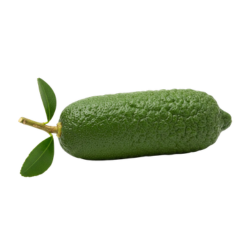
A unique citrus known for elongated fruits filled with tiny juice pearls that burst with tangy flavor. Often called “citrus caviar,” it is used in gourmet dishes, seafood toppings, sauces, and modern desserts for bright acidity.
Citron Fruit Citrus

One of the oldest cultivated citrus types with thick fragrant rind and limited pulp. The peel is commonly candied or preserved for baking, sweets, and traditional recipes where aromatic citrus zest and rind texture are valued.
Etrog
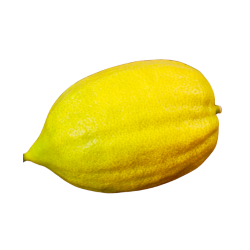
A citron variety traditionally grown for its thick aromatic rind. The fruit contains little pulp but is valued for candied peel, preserves, and ceremonial uses, highlighting its strong fragrance and distinctive citrus rind.
Fingered Citron
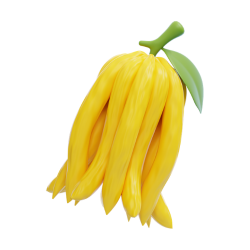
Also known as Buddha’s Hand, this unusual citrus forms finger-like segments with almost no pulp. Its highly fragrant peel is used for zest, infusions, sweets, and aromatic culinary preparations.
Galgal Lemon
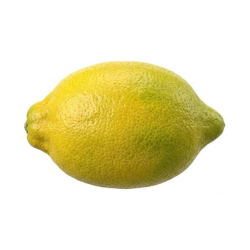
A large Himalayan citrus with thick rind and sharp lemon flavor. The juice and peel are commonly used in pickles, chutneys, and traditional dishes where strong acidity and citrus aroma enhance preserved foods.
Rangpur Lime
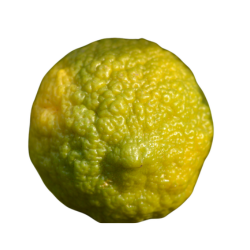
A citrus hybrid resembling a small orange with highly acidic juice. It is commonly used for pickling, drinks, and cooking where strong sour citrus flavor is desired.
Volkamer Lemon
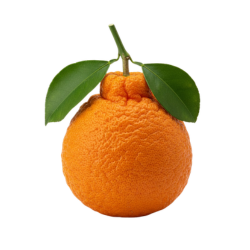
A lemon-like citrus used mainly as a rootstock and sometimes for juice. The fruit has strong acidity and aromatic rind suitable for cooking and citrus flavoring.
Ichang Lemon
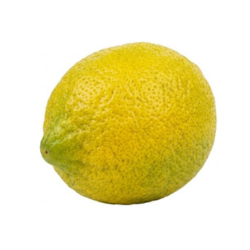
A cold-tolerant citrus hybrid valued for lemon-like aroma and strong acidity. The fruit is used for juice, zest, and flavoring in culinary applications where hardy citrus varieties are suitable for cooler climates.
Ichang Papeda
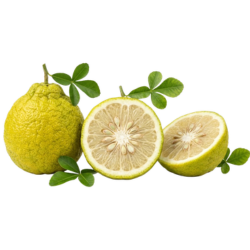
A wild citrus relative with thick rind and very sour juice. Rarely eaten fresh but contributes strong acidity and fragrance in breeding programs and regional culinary uses involving sour citrus flavoring.
Oranges and Mandarins Citrus Fruit Types
Sweet, juicy citrus fruits with bright flavors, including oranges, mandarins, tangerines, and their hybrids. Ideal for fresh eating, juices, and desserts.
Blood Orange
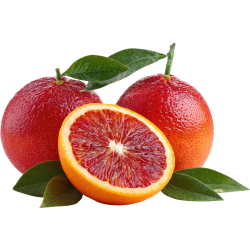
A striking citrus variety recognized for deep red flesh and a sweet-tart flavor with subtle berry notes. Used in juices, salads, marmalades, and desserts where both vibrant color and refreshing citrus taste are desired.
Clementine
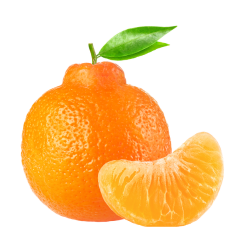
A sweet, seedless mandarin variety known for easy-to-peel skin and bright flavor. It is popular for fresh eating, fruit salads, and snacks, offering balanced sweetness and mild acidity typical of small mandarin citrus.
Mandarin Citrus Fruit
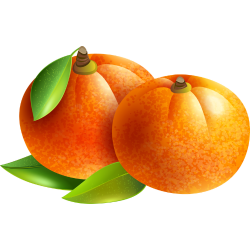
A loose-skinned citrus with sweet, aromatic segments that separate easily. Widely eaten fresh and used in salads or desserts, valued for its mild acidity and refreshing citrus sweetness.
Orange
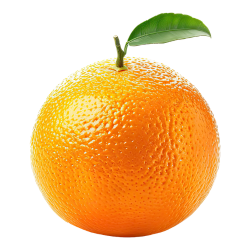
One of the most widely consumed citrus fruits, valued for sweet juicy segments and bright flavor. Oranges commonly eaten fresh or used in juices, desserts, and salads for natural sweetness and citrus aroma.
Ponkan
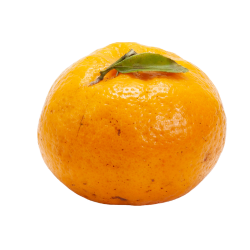
A popular mandarin variety with loose peel and sweet juicy segments. Widely eaten fresh and valued for its rich flavor and aromatic citrus sweetness.
Sweet Orange

A classic citrus used mainly for fresh eating and juice production. Its balanced sweetness and mild acidity make it one of the most common fruits for beverages, desserts, and everyday consumption.
Tangerine
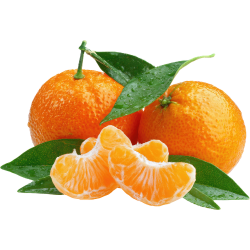
A small citrus related to mandarins with deep orange peel and sweet flavor. It is often eaten fresh and used in fruit salads or desserts where bright citrus sweetness is preferred.
Tangelo Citrus Fruit
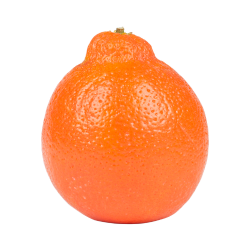
A citrus hybrid between tangerine and grapefruit producing juicy, sweet-tart segments. It is commonly eaten fresh and valued for its rich citrus flavor and easy-to-peel skin.
Seville Orange
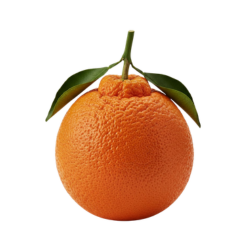
A bitter orange variety widely used for marmalade and traditional preserves. Its sharp acidity and aromatic peel create strong citrus flavor ideal for jams and cooking applications.
Orangequat
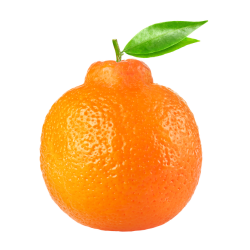
A citrus hybrid combining orange and kumquat traits. The small fruit features edible peel and tangy flesh, making it suitable for fresh snacks, marmalades, and specialty citrus preserves.
Lemon Citrus Fruits Varieties
Below are lemons and closely related hybrids, highlighting their acidity, fragrance, and culinary uses.
Lemon

A widely used citrus fruit with bright yellow skin and strongly acidic juice. It is essential in cooking, baking, beverages, and dressings where its sharp flavor enhances both sweet and savory preparations.
Lisbon Lemon
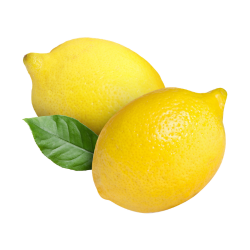
A classic lemon variety known for strong acidity and abundant juice. Citrus fruit type used in cooking, beverages, and commercial production where reliable flavor and high juice yield are preferred.
Meyer Lemon

A lemon hybrid known for thinner skin and slightly sweeter juice. Frequently used in baking, sauces, and desserts where a softer citrus flavor is preferred over the sharper acidity of standard lemons.
Kinds of Citrus Fruit with Photos
This list of citrus fruit includes limes, lime hybrids, and kumquats, focusing on small, tangy fruits used in beverages, dressings, and snacks.
Calamansi
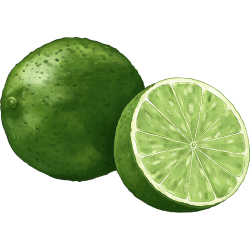
A small round citrus widely used in Southeast Asian cooking. Its sharp, tangy juice enhances marinades, dipping sauces, beverages, and soups, delivering strong citrus acidity that brightens savory dishes and refreshing drinks.
Key Lime
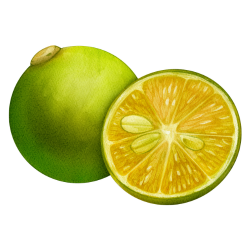
A small, highly aromatic lime with intense acidity. Its juice is widely used in desserts, marinades, and beverages, particularly in recipes requiring bright citrus flavor and a sharper taste than common limes.
Lime Citrus Fruit

A green citrus fruit valued for tangy juice and aromatic zest. Frequently used in marinades, beverages, sauces, and desserts where fresh citrus acidity enhances flavor and balances richness.
Limequat
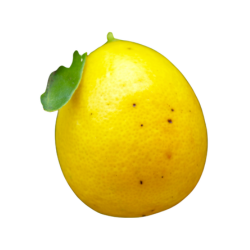
A hybrid between lime and kumquat producing small fruits with tart pulp and edible peel. Limequat often used in marmalades, drinks, and preserves where both sour juice and mild rind sweetness contribute flavor.
Kumquat
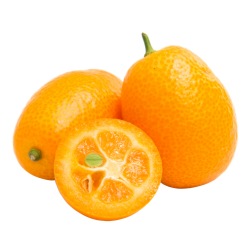
A small citrus eaten whole, including the sweet edible peel and tart interior. Commonly used in marmalades, candied fruits, and snacks where the contrast between sweet rind and sour pulp creates a balanced flavor.
Meiwa Kumquat
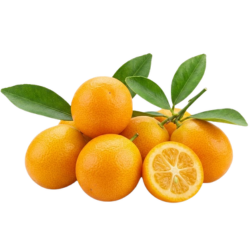
A round kumquat variety with sweeter flesh and mild tartness. Often eaten fresh due to its pleasant flavor balance, and also used in preserves, syrups, and candied citrus preparations.
Nagami Kumquat
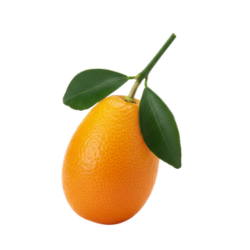
An oval kumquat variety with tart pulp and sweet peel. Often eaten whole or preserved in syrups, marmalades, and candied preparations where the peel contributes distinctive citrus sweetness.
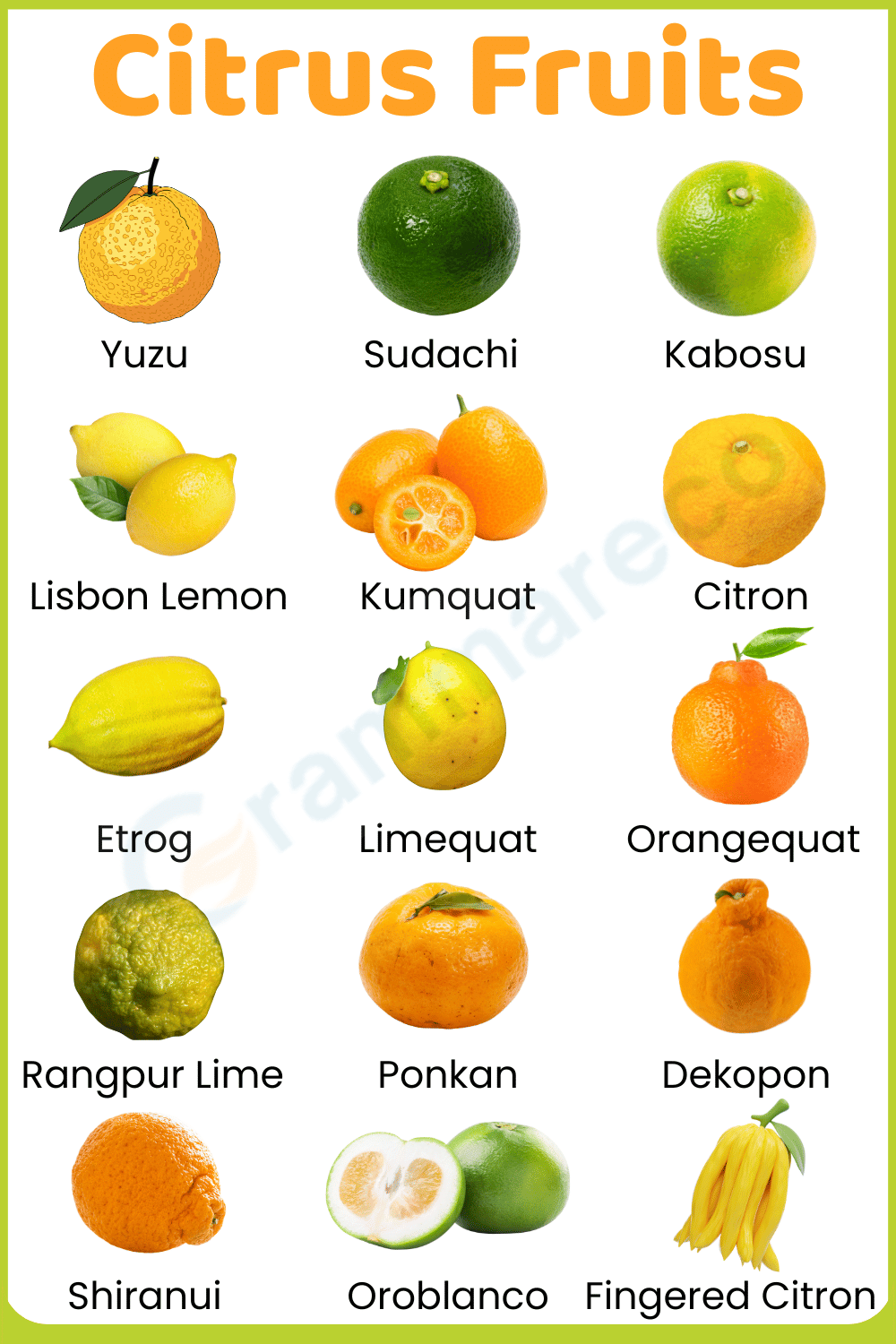
Japanese Citrus Fruits and Images
Japan produces fragrant citrus varieties with culinary and finishing uses. These are often highly aromatic and used in sauces, dressings, or as flavor enhancers. Here are some Japanese citrus fruits with names and pictures:
Dekopon Citrus Type of Fruit
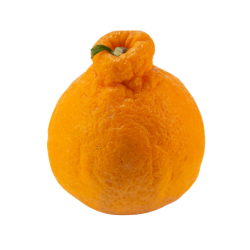
A premium Japanese citrus recognized by its distinctive top bump and very sweet flavor. The fruit is seedless, easy to peel, and commonly eaten fresh due to its rich juice, low acidity, and smooth segments.
Japanese Kabosu
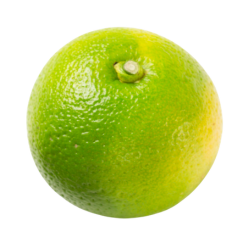
A green citrus from Japan with sharp aromatic juice. Often squeezed over grilled fish, noodles, and soups, it adds bright acidity and refreshing citrus fragrance to savory dishes.
Shiranui

A Japanese citrus variety related to Dekopon, known for large size and sweet juicy segments. It is prized for fresh eating due to its rich flavor, easy peeling skin, and low seed content.
Sudachi
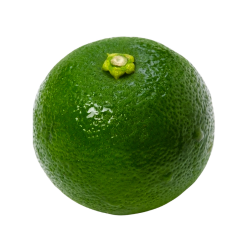
A small Japanese green citrus with very sour juice. It is typically used as a finishing squeeze over grilled foods, noodles, and soups to add bright citrus aroma.
Yuzu Citrus Fruit
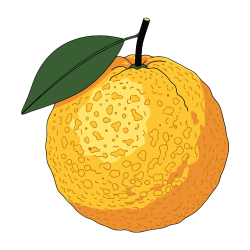
Yuzu is an aromatic East Asian citrus fruit with highly fragrant peel and sour juice. It is widely used in sauces, dressings, beverages, and traditional dishes where intense citrus aroma enhances flavor.
Largest Citrus Fruits Names with Pictures and Uses
Master the largest citrus varieties known for exceptional size, thick rinds, and abundant segments. They are ideal for fresh eating, salads, or juicing. Below are largest citrus fruits names and the pictures are as given:
Grapefruit
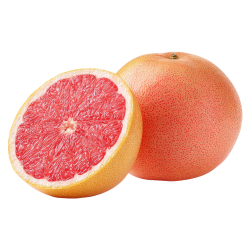
A large citrus fruit known for juicy segments and balanced bitter-sweet flavor. It is widely eaten fresh, juiced for breakfast beverages, and added to salads where its refreshing acidity complements savory or sweet ingredients.
Melogold
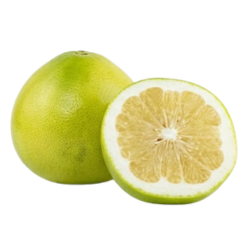
A large citrus hybrid with thick rind and sweet, mild flesh. This largest citrus fruit usually eaten fresh in segments, offering gentle citrus sweetness and low bitterness compared with traditional grapefruit varieties.
Oroblanco
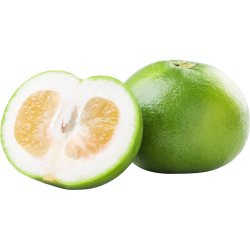
A grapefruit hybrid known for thick greenish rind and sweet, mild pulp. Citrus fruit in large size fruit commonly eaten fresh, offering gentle citrus flavor with minimal bitterness compared to traditional grapefruit varieties.
Pomelo
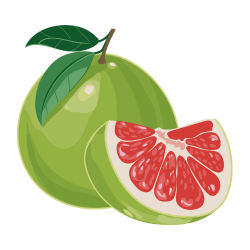
The largest citrus fruit, recognized for thick rind and large juicy segments. Citrus pomelo typically eaten fresh in salads or desserts where its mild sweetness and light bitterness add refreshing citrus taste.
Ugli Fruit
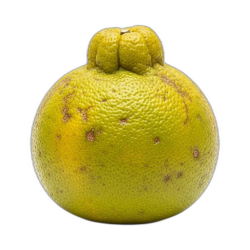
A Jamaican citrus hybrid with rough greenish rind and juicy sweet-tart flesh. Usually eaten fresh, it offers a refreshing flavor that blends characteristics of orange, grapefruit, and tangerine.
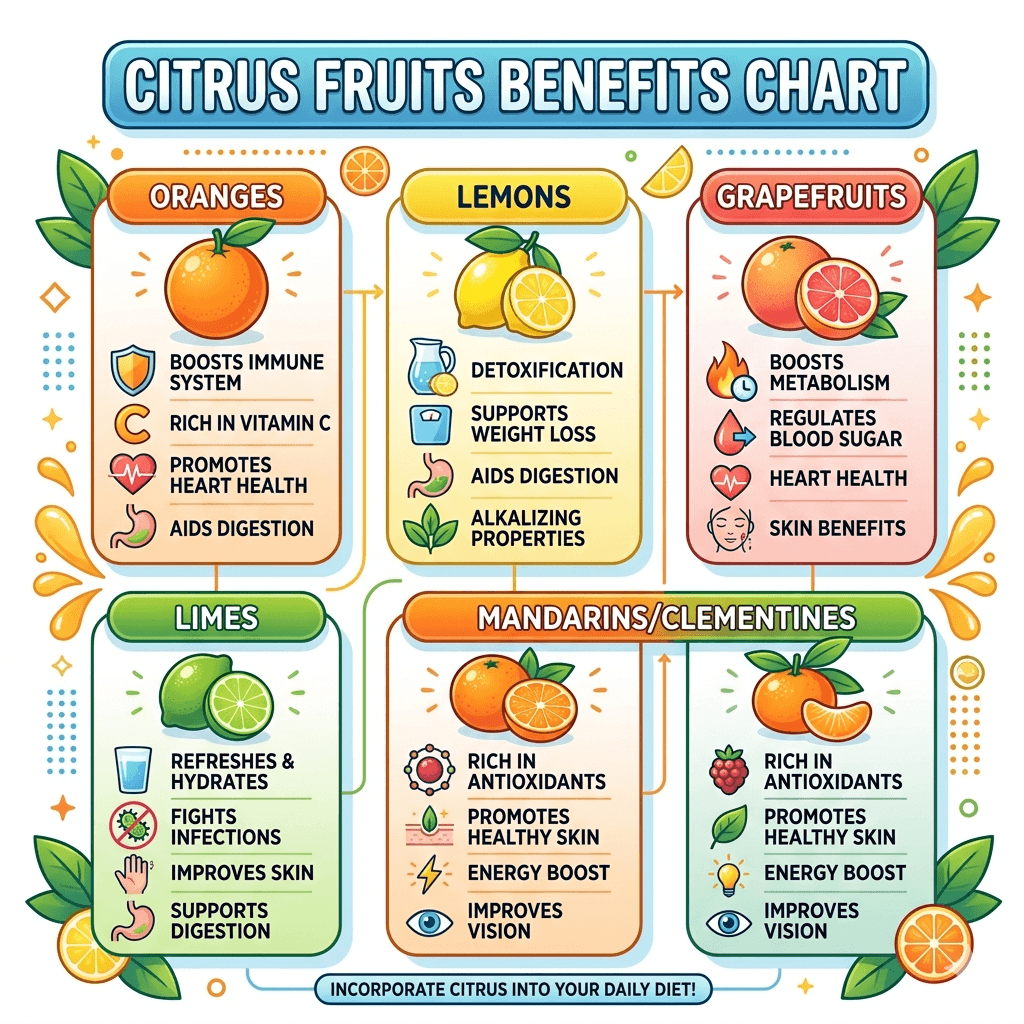
Healthy Citrus Fruit Family with Benefits Chart
| Citrus Fruits | Health Benefits |
|---|---|
| Orange | Rich in vitamin C and antioxidants that support immune health, improve skin glow, and help the body fight infections while keeping hydration levels balanced. |
| Lemon | Contains citric acid and vitamin C that aid digestion, support detox processes, and help strengthen immunity while adding refreshing flavor to drinks and foods. |
| Lime | Packed with vitamin C and flavonoids that promote healthy digestion, support skin health, and help protect cells from oxidative stress. |
| Grapefruit | High in fiber, vitamin C, and antioxidants that support heart health, improve metabolism, and help maintain healthy cholesterol levels. |
| Mandarin | A sweet citrus fruit rich in vitamin C and beta-carotene that helps boost immunity, support eye health, and promote healthy skin. |
| Tangerine | Contains vitamin C, potassium, and antioxidants that support heart function, strengthen immunity, and help maintain healthy blood pressure levels. |
| Clementine | Provides vitamin C, calcium, and fiber that support bone strength, improve digestion, and help the body maintain strong immunity. |
| Pomelo | One of the largest citrus fruits, rich in vitamin C, potassium, and fiber that support heart health, digestion, and immune system function. |
| Bergamot | Known for its antioxidant compounds that may help support heart health and maintain balanced cholesterol levels while offering aromatic citrus flavor. |
| Calamansi | A small citrus fruit high in vitamin C that supports immune defense, aids digestion, and is commonly used in refreshing juices and sauces. |
| Yuzu | Contains vitamin C and plant antioxidants that help strengthen immunity, support skin health, and provide anti-inflammatory benefits. |
| Kumquat | A unique citrus fruit eaten with its peel, providing fiber, vitamin C, and antioxidants that support digestion and immune health. |
| Sweet Lime (Mosambi) | A mild citrus fruit rich in vitamin C and hydration that supports digestion, improves energy levels, and helps maintain healthy skin. |
FAQs About Citrus Fruits with Answers
Is strawberry a kind of citrus fruit?
No, strawberry is not a citrus fruit. Strawberries are berries that grow on plants close to the ground and are sweet, unlike tangy citrus fruits such as oranges or lemons.
No, kiwis are not citrus fruits. They are soft, sweet-tart fruits with fuzzy skin and green flesh, but they do not belong to the citrus family like oranges or lemons.
Thirteen citrus fruits include orange, lemon, lime, grapefruit, mandarin, tangerine, clementine, kumquat, kaffir lime, calamansi, citron, pomelo, and bergamot. They are juicy, tangy, and often used in juices, cooking, and desserts.
Healthy citrus fruits include orange, lemon, lime, grapefruit, mandarin, tangerine, and clementine. They are rich in vitamin C, antioxidants, and fiber, supporting immunity, digestion, and overall wellness.
Yes, lemons are citrus fruits. They are tangy, juicy, and rich in vitamin C, commonly used in drinks, cooking, and desserts.
No, mangoes are not citrus fruits. They are tropical fruits with sweet, juicy flesh and belong to the mango family, unlike citrus fruits such as oranges or lemons.
Read more