

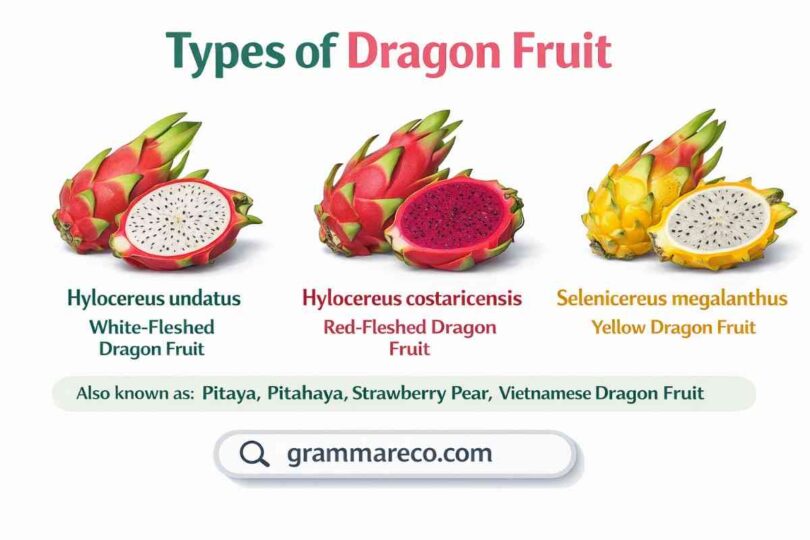
Dragon fruit comes in several types, mainly distinguished by their skin color and the color of their flesh. Common varieties include white-fleshed, red-fleshed, and yellow-skinned dragon fruit. Their flesh can range from white to deep pink or red, while the skin may be pink, red, or yellow.
This post covers dragon fruit varieties with their pictures, helping learners learn their names and differences. These terms are useful in daily conversations, shopping, fruit markets, menus, cooking, and food-related subjects.
What Is Dragon Fruit and How to Eat?
Dragon fruit is a tropical cactus fruit with bright skin, soft flesh, and tiny edible seeds. It is usually eaten fresh after cutting it open, scooping the flesh, or slicing it into cubes. Many people add it to fruit bowls, smoothies, or chilled snacks because of its mild sweetness and soft bite.
List of Types of Dragon Fruits and Pictures
Dragon fruit grows under different species and local names, which can feel confusing at first. Understanding the names helps readers connect market labels with real fruit types. Below is a comprehensive list of dragon fruit names commonly used worldwide and in the United States.
- Hylocereus undatus
- Hylocereus costaricensis
- Hylocereus megalanthus
- Red Pitaya
- White Pitaya
- Yellow Pitaya
- Pitaya
- Pitahaya
- Strawberry Pear
- Vietnamese Dragon Fruit
- Thai Dragon Fruit
- Israeli Dragon Fruit
- Mexican Pitaya
- Ecuador Yellow Dragon Fruit
- Colombian Yellow Pitaya
- Costa Rica Pitaya
- Nicaraguan Dragon Fruit
- American Hybrid Dragon Fruit
Types of Dragon Fruits with Pictures
Dragon fruit names include botanical species, common names, color-based types, and regional market names.
Dragon Fruit Species Based on Flesh Color
Flesh color is one of the easiest ways to recognize different dragon fruit types. The inner color affects sweetness, texture, and visual appeal. Some varieties taste light and watery, while others feel richer and more berry-like.
White Fleshed Dragon Fruit
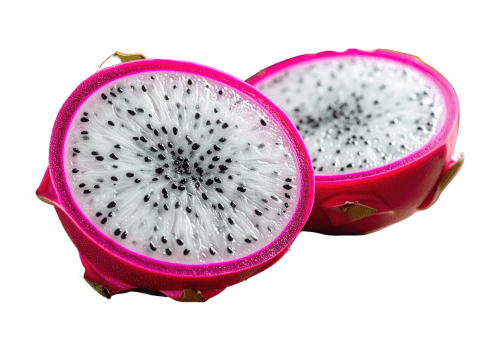
White-fleshed dragon fruit has white flesh, red or pink skin, and tiny black seeds. It is widely grown in Vietnam, Mexico, Central America, and other tropical regions. Its taste is mild, lightly sweet, and refreshing. It is commonly eaten fresh, added to fruit bowls, blended into smoothies, or used in juices and desserts.
Red Fleshed Dragon Fruit
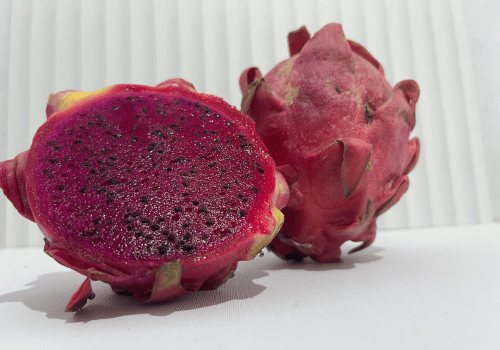
Red-fleshed dragon fruit has bright red or deep pink flesh, usually covered by red skin. It is grown widely in Vietnam, Thailand, Central America, and other warm regions. Its flavor is sweeter and fruitier than white-fleshed types, with mild berry-like notes. It is often eaten fresh or used in smoothies, juices, salads, desserts, and fruit bowls.
Purple Fleshed Dragon Fruit
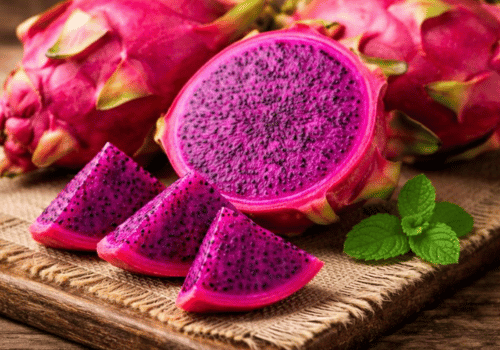
Purple-fleshed dragon fruit has intensely colored purple or reddish-purple flesh with small black seeds. It is cultivated in tropical and subtropical areas of Southeast Asia, Central America, and other warm regions. Its flavor is rich, sweet, and mildly fruity. The fruit is commonly eaten fresh and used in smoothies, juices, bowls, desserts, and colorful beverages.
Dragon Fruit Types Based on Skin Color
Skin color helps buyers quickly identify dragon fruit varieties in markets. While flesh color matters most for taste, skin color gives an early clue about sweetness and origin.
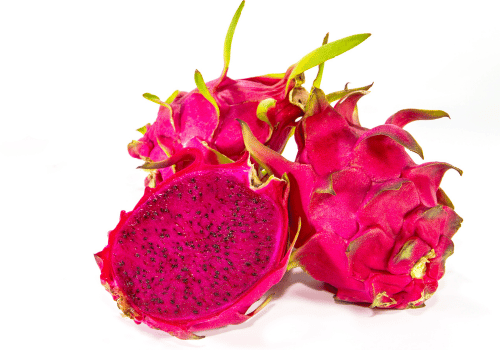
Red Dragon Fruit
Red dragon fruit has bright red or pink skin with green-tipped scales and may contain white or red flesh. It is cultivated in Vietnam, Mexico, Central America, Thailand, and other tropical regions. Its taste ranges from mildly sweet to moderately sweet. It is commonly eaten fresh and used in smoothies, fruit salads, juices, desserts, and decorative food dishes.
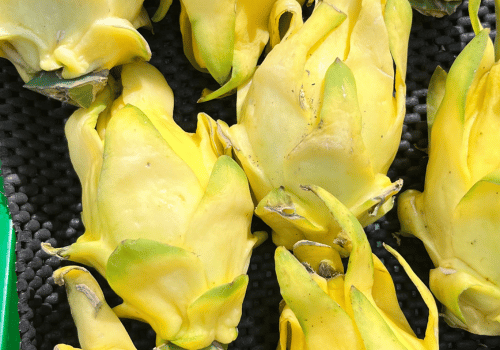
Yellow Pitaya or Yellow Dragon Fruit
Yellow pitaya has bright yellow skin with pointed scales and usually contains white flesh with small black seeds. It is associated with Colombia, Ecuador, and other tropical growing regions. Its flavor is notably sweet, fragrant, and juicy compared with many other dragon fruit types. It is commonly eaten fresh or added to fruit salads, smoothies, juices, and desserts.
Popular Dragon Fruit Varieties by Name
Named varieties help farmers, sellers, and buyers talk about dragon fruit accurately. These names are commonly used in agriculture and international trade.
Hylocereus Undatus
Hylocereus undatus is a widely cultivated dragon fruit species with red or pink skin and white flesh. It is grown commercially in Vietnam, Mexico, Central America, and other tropical regions. Its flavor is mild, lightly sweet, and refreshing. The fruit is commonly eaten fresh and used for smoothies, juices, fruit salads, desserts, and other fresh-food preparations.
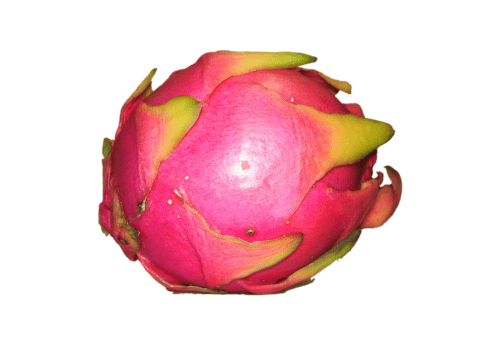
- Taste: Mild and refreshing
- Size: Large
- Colors: White flesh, red skin
- Shape: Oval
- Seed: Black seeds spread evenly
- Benefits: Hydration, low calories, easy digestion
Hylocereus Costaricensis
Hylocereus costaricensis is a red-fleshed dragon fruit species with reddish skin and vivid red or magenta flesh. It originated in Central America and is now cultivated in several tropical regions. Its flavor is generally sweeter and more pronounced than white-fleshed types. It is eaten fresh and commonly used in smoothies, juices, fruit bowls, desserts, and beverages.
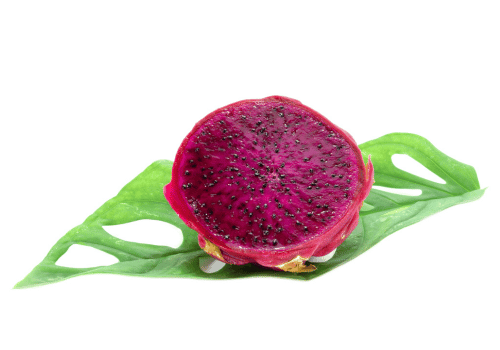
- Taste: Sweet and bold
- Size: Medium
- Colors: Red flesh, red skin
- Shape: Round
- Seed: Dense black seeds
- Benefits: Antioxidants, fiber, natural color
Hylocereus Megalanthus
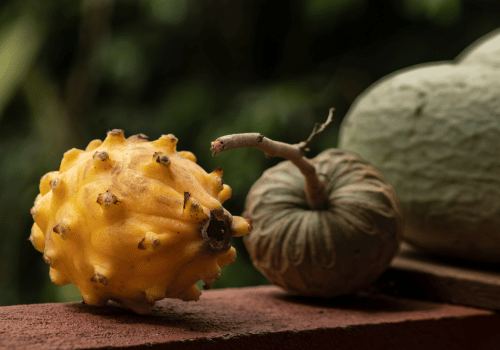
Hylocereus megalanthus is a yellow-skinned dragon fruit species with white flesh and small black seeds. It is native to northern South America, particularly Colombia and Ecuador, and grows well in tropical highlands. The fruit is known for its very sweet, fragrant flavor. It is mainly eaten fresh but is also used in fruit salads, smoothies, juices, and desserts.
Dragon Fruit Types Grown in America
Dragon fruit farming has expanded across warm regions of the Americas. Climate and soil affect fruit size, sweetness, and skin thickness.
Mexican Dragon Fruit Varieties
Mexican dragon fruit varieties include pitayas and related dragon fruit types grown across warm regions of Mexico. They can have red, pink, or yellow skin with different flesh colors depending on the variety. Their flavors range from mildly sweet to rich and fruity. They are eaten fresh and used in juices, smoothies, fruit salads, desserts, and traditional preparations.
- Taste: Sweet with earthy notes
- Size: Medium
- Colors: Red or yellow skin
- Shape: Oval
- Seed: Prominent black seeds
- Benefits: Local adaptation, strong taste, firm texture
Central American Dragon Fruit Types
Central American dragon fruit types are grown in countries such as Nicaragua, Costa Rica, Guatemala, and Panama. They may have red or pink skin with white or red flesh, depending on the type. Their taste ranges from mild to sweet and fruity. These fruits are commonly eaten fresh or used in smoothies, juices, salads, bowls, and desserts.
- Taste: Mild to sweet
- Size: Medium to large
- Colors: Red skin, white or red flesh
- Shape: Oval
- Seed: Evenly spread seeds
- Benefits: Consistent quality, market availability, versatile use
FAQs about Dragon Fruits
There are over 15 types of dragon fruits worldwide, including Hylocereus undatus, Hylocereus costaricensis, red, white, and yellow-fleshed varieties.
The red-fleshed Hylocereus costaricensis and Selenicereus megalanthus are the sweetest dragon fruits, offering a rich, sugary flavor with a soft, juicy texture.
Six dragon fruits are Hylocereus undatus, Hylocereus costaricensis, Hylocereus megalanthus, Red Pitaya, White Pitaya, and Yellow Pitaya, each with distinct color, taste, and texture.
Red-fleshed Hylocereus costaricensis is considered the best for sweetness, flavor, and juiciness, while Hylocereus undatus is popular for its mild taste.
Read more