

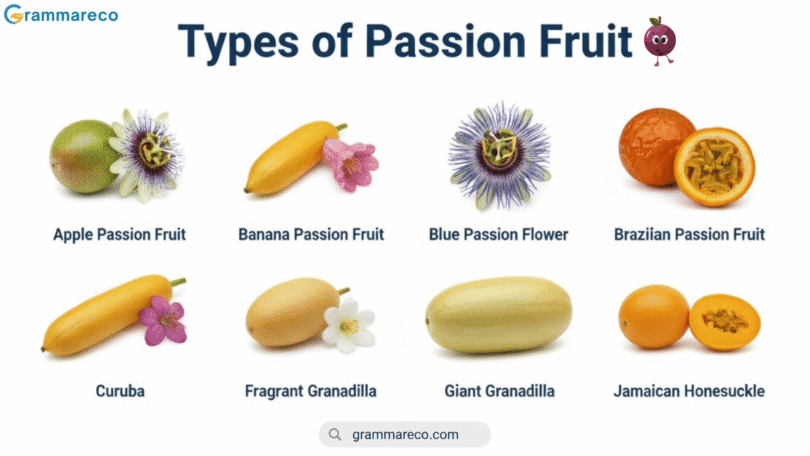
Types of Passion Fruit often feels confusing because many varieties share similar shapes but differ strongly in taste and skin color. Some passion fruits are sweet and mild, while others taste sharply tangy even when ripe. Skin color, size, and texture change by region, which makes identification harder for buyers and learners.
This blog post helps you to understand guide to Passion Fruit through names, features, and pictures, so they can recognize varieties used in cooking, farming, food markets, and nutrition discussions.
What Are Passion Fruits and How to Eat?
Passion fruit is a tropical fruit with a thick outer rind and juicy, seed-filled center, widely enjoyed in juices, desserts, and healthy diets across Europe. It grows on the Passiflora vine and is known for its intense aroma and vibrant flavor.
This nutrient-rich fruit is packed with vitamin C, fiber, and antioxidants. Often called a tropical superfruit, it supports immunity, digestion, and overall wellness while adding a refreshing twist to everyday meals.
How to Cut Passion Fruit
Cutting passion fruit is quick and easy. Start by rinsing the fruit to remove any surface residue or dirt from the outer skin.
Place it on a stable surface and slice it in half using a sharp knife. Once opened, you’ll see golden pulp with edible seeds, ready to scoop out and enjoy.
How to Eat Passion Fruit
Scoop the pulp directly from the halved fruit using a spoon. The juicy interior and crunchy seeds are both edible and safe to consume.
Enjoy it fresh for a quick, nutritious snack or add it to yogurt, smoothies, or fruit bowls for extra flavor.
You can also drizzle it over desserts or mix it into juices for a refreshing tropical boost.
Types of Passion Fruit and their Pictures
Below is a detailed list of widely grown passion fruit varieties found across continents.
Purple Passion Fruit
This variety originated in South America and later spread to Australia and Africa. It thrives in mild tropical climates and became popular for its balanced sweetness. Purple passion fruit is widely sold fresh due to its pleasant aroma and manageable acidity. It is smaller than yellow types but richer in flavor.
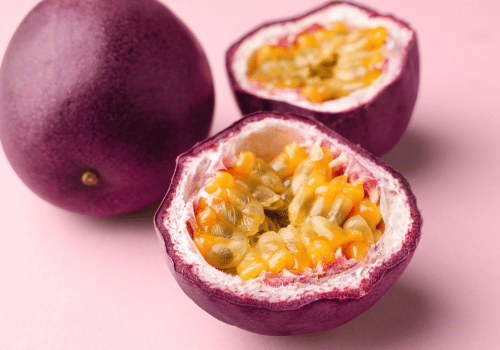
- Shape: Round to oval
- Size: Small
- Weight: 35 to 50 grams
- Skin color: Deep purple
- Skin texture: Smooth to slightly wrinkled
- Flesh color: Golden yellow
- Seeds: Black, edible
- Taste and Flavor Profile: Sweet-tart with strong aroma
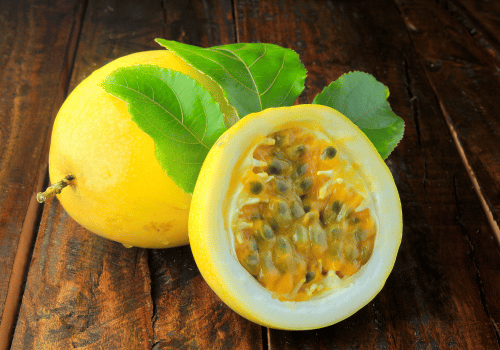
Yellow Passion Fruit with Picture
Yellow passion fruit developed from wild South American varieties and became dominant in Brazil. It grows larger and produces more juice than purple types. Farmers prefer it for commercial juice production due to its strong acidity.
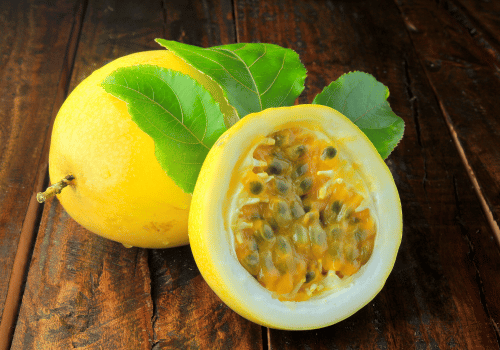
- Shape: Round
- Size: Medium to large
- Weight: 60 to 90 grams
- Skin color: Bright yellow
- Skin texture: Thick and smooth
- Flesh color: Orange-yellow
- Seeds: Black, numerous
- Taste and Flavor Profile: Strongly tangy and acidic
Giant Granadilla (Passiflora quadrangularis)
Native to Central America, this fruit is known for its thick rind and mild pulp. It became popular in local markets as a fresh snack rather than juice fruit. The size alone makes it easy to identify.
- Shape: Large oval
- Size: Very large
- Weight: 200 to 400 grams
- Skin color: Yellow-green
- Skin texture: Hard and smooth
- Flesh color: Pale yellow
- Seeds: Black, soft
- Taste and Flavor Profile: Mildly sweet
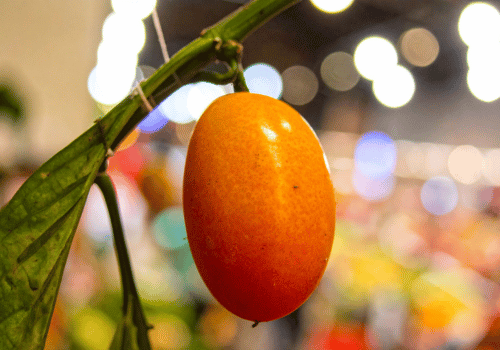
Sweet Granadilla (Passiflora ligularis)
This variety spread through tropical highlands and became valued for fresh eating. It is commonly sold in street markets because the pulp tastes sweet without sharp acidity.
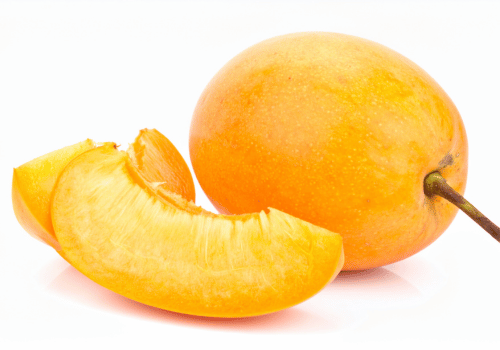
- Shape: Round
- Size: Medium
- Weight: 80 to 120 grams
- Skin color: Orange
- Skin texture: Brittle shell
- Flesh color: Clear to pale yellow
- Seeds: Black
- Taste and Flavor Profile: Sweet and light
Banana Passion Fruit
Originating in Andean regions, this fruit adapted to cooler climates. It is longer than most passion fruits and has become popular in smoothies and desserts.
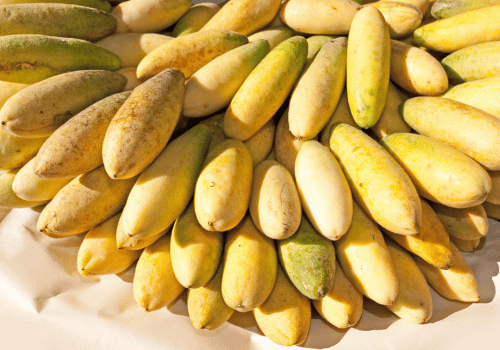
- Shape: Elongated
- Size: Long
- Weight: 90 to 150 grams
- Skin color: Yellow-orange
- Skin texture: Smooth
- Flesh color: Orange
- Seeds: Small black seeds
- Taste and Flavor Profile: Sweet-tangy, fruity
Spanish Passion Fruit and their Benefits
Spanish Passion Fruit has been cultivated in Spain and southern Europe for centuries. It is appreciated for its balanced sweetness, making it ideal for fresh eating, baking, and juice production. The fruit is rich in vitamins, minerals, and antioxidants that boost immunity and improve digestion.
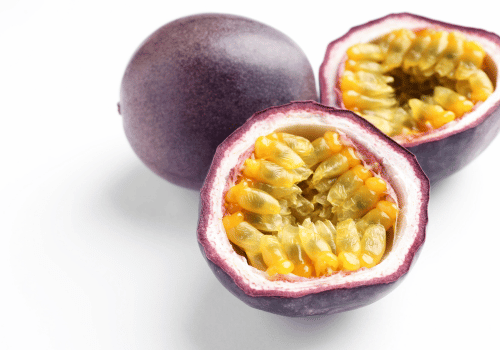
- Shape: Round
- Size: Medium
- Weight: 40–55 grams
- Skin color: Purple
- Skin texture: Smooth
- Flesh color: Golden yellow
- Seeds: Small, edible
- Taste and Flavor Profile: Sweet-tart, aromatic
Passion Fruit Varieties by Skin Color
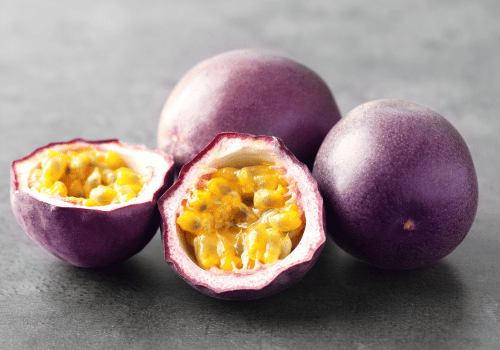
Purple-Skinned Passion Fruit
Purple Passion Fruit, Misty Gem, and Possum Purple belong to this group. These fruits developed in cooler tropical zones and are prized for fresh consumption.
Yellow-Skinned Passion Fruit
Brazilian Yellow, Golden Passion Fruit, and Tropical Sun varieties dominate this group. These fruits became popular for juice industries.
Orange-Skinned Passion Fruit
Sweet Granadilla and Orange Passion Fruit fall into this category. These fruits are known for mild taste and brittle skin.
Passion Fruit Types Based on Taste
Sweet Passion Fruit Varieties
Sweet Granadilla, Banana Passion Fruit, and Giant Granadilla belong here. These fruits developed lower acidity and are eaten fresh.
Tangy Passion Fruit Varieties
Purple Passion Fruit, Yellow Passion Fruit, and Brazilian Passion Fruit are known for strong acidity and aroma.
Different Types of Passion Fruit A to Z
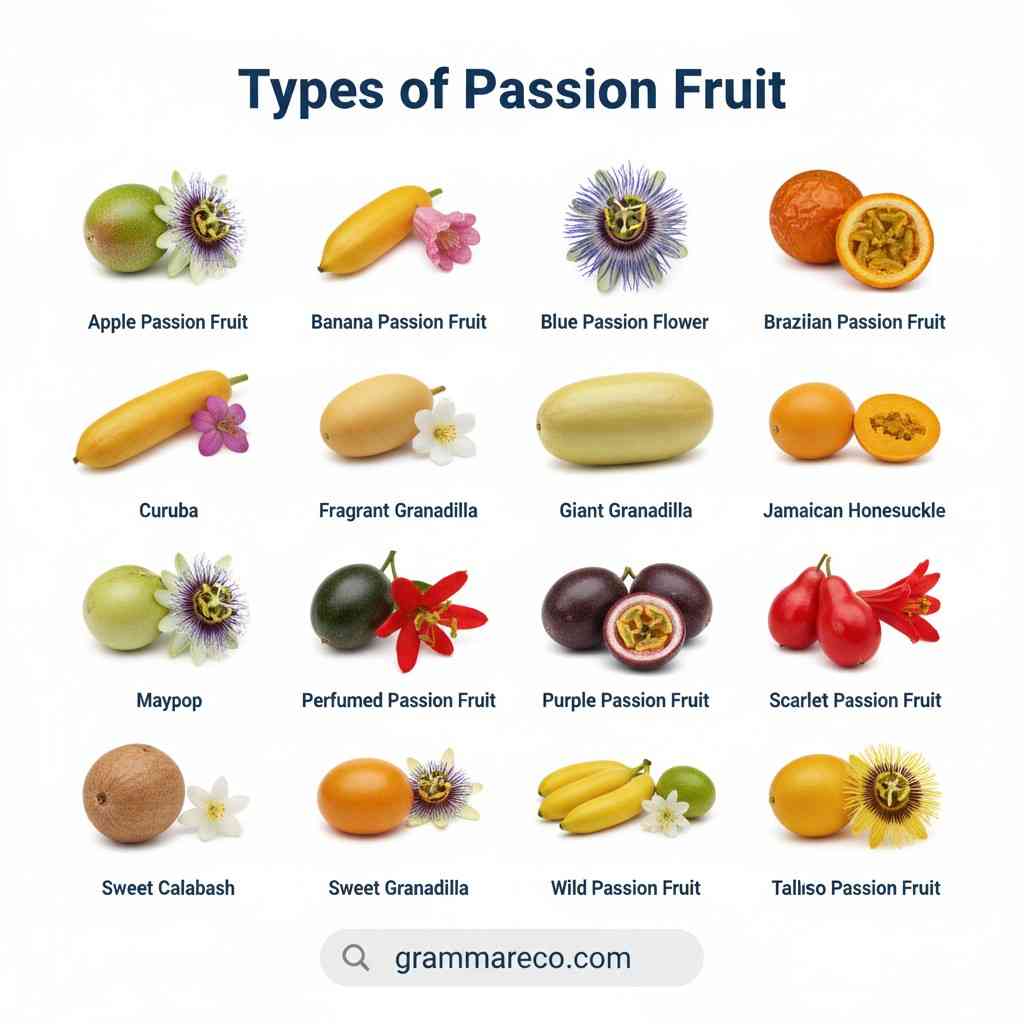
Below is a comprehensive list of passion fruit types arranged alphabetically for easy reference:
- Adriatic Passion Fruit: Sweet-tart, medium-sized purple fruit, ideal for fresh consumption.
- Banana Passion Fruit: Elongated yellow fruit, tangy flavor, rich in antioxidants.
- Calcutta Sweet Passion Fruit: Oval purple fruit, moderately sweet, commonly used in desserts.
- Giant Panama Passion Fruit: Large purple fruit, juicy pulp, slightly tangy.
- Granadilla: Small round purple fruit, aromatic pulp, widely used in beverages.
- Maracuja (Brazilian Passion Fruit): Medium yellow fruit, tangy-sweet, juice favorite.
- Red Passion Fruit: Rare tropical variety, vibrant skin, sweet pulp.
- Spanish Passion Fruit: Medium purple fruit, balanced sweet-tart flavor, versatile.
- Sweet Orange Passion Fruit: Round orange fruit, mild sweetness, aromatic.
- Yellow Maracuja: Medium yellow fruit, highly tangy, juice specialty.
Benefits of Eating Passion Fruits
| Passion Fruit Variety | Health Benefits & Uses |
|---|---|
| Purple Passion Fruit (Passiflora edulis) | Rich in antioxidants, improves heart health, aids digestion, boosts immunity, reduces anxiety, and helps maintain healthy skin. |
| Yellow Passion Fruit (Passiflora edulis flavicarpa) | Higher vitamin C content, supports immunity, promotes collagen formation, enhances digestion, and regulates blood pressure. |
| Giant Granadilla (Passiflora quadrangularis) | High fiber for digestion, strengthens bones due to calcium and phosphorus, improves blood circulation, and supports mental health. |
| Sweet Granadilla (Passiflora ligularis) | Anti-inflammatory, supports weight management, improves skin health, and enhances energy levels. |
| Banana Passion Fruit (Passiflora mollissima) | Rich in vitamins A and C, helps improve vision, supports immunity, and has mild sedative properties to reduce stress. |
| Lemon Drop Passion Fruit (Passiflora citrina) | Boosts immunity, improves digestion, enhances mood, and helps regulate blood sugar levels. |
| Passionfruit (Giant Yellow) (Passiflora edulis var. flavicarpa) | Strengthens the heart, lowers cholesterol, promotes healthy digestion, and supports respiratory health. |
| Purple Granadilla (Passiflora edulis forma edulis) | Rich in antioxidants, improves skin health, helps maintain blood sugar levels, and supports mental wellness. |
| Maracuja (Tropical Yellow Passion Fruit) | Improves immunity, supports liver function, aids sleep quality, and enhances digestion. |
| Sweet Passion Fruit (Passiflora ligularis x edulis hybrid) | Anti-inflammatory, boosts energy, supports cardiovascular health, and improves cognitive functions. |
| Giant Yellow Granadilla (Passiflora flavicarpa) | Rich in potassium and fiber, aids heart health, maintains electrolyte balance, and promotes digestion. |
| Red Passion Fruit (Passiflora edulis forma rubra) | Antioxidant-rich, supports skin and eye health, reduces oxidative stress, and strengthens immunity. |
| Passiflora quadrangularis ‘Purple Giant’ | High fiber content, supports weight management, promotes gut health, and enhances overall wellness. |
| Yellow Maracuja (Tropical Var.) | Helps maintain healthy blood pressure, improves digestion, and supports anti-aging due to vitamin C. |
| Blue Passion Fruit (Rare variety, Passiflora caerulea) | Mild sedative, improves sleep, supports heart health, and reduces stress and anxiety. |
How Passion Fruit Tree Look Like?
Passion fruit grows on a fast-climbing vine that spreads using thin, curling tendrils. These vines often climb trellises, fences, or supports in warm environments.
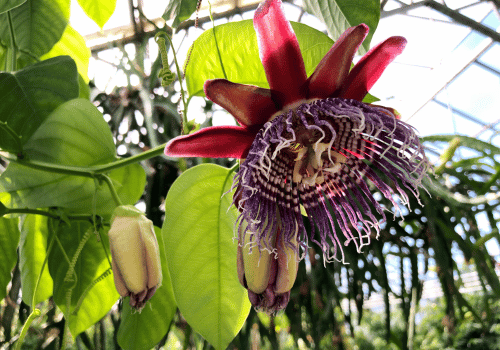
The plant produces striking flowers with purple, white, and blue patterns. These blooms later develop into fruit after successful pollination.
Its glossy green leaves and dense growth give it a lush, tropical appearance, making it popular in gardens and small farms.
What Does Passion Fruit Look Like
Passion fruit is typically round or oval with a thick rind that turns purple or yellow when ripe. The skin may wrinkle slightly, which often signals peak ripeness.
Inside, it contains bright golden pulp filled with small black seeds. The texture is jelly-like, with a strong fruity aroma that stands out immediately.
What Does Passion Fruit Taste Like?
Passion fruit has a bold sweet-tart flavor that blends citrusy sharpness with tropical sweetness. Its taste is often compared to a mix of pineapple, mango, and citrus fruits.
The pulp is juicy, aromatic, and refreshing, making it a favorite ingredient in European beverages, desserts, and healthy recipes.
FAQs About Passion Fruit Types
Yes, passion fruit seeds are safe to eat and crunchy, often swallowed whole with pulp, adding fiber and texture, like Ali enjoying fresh passion fruit.
Cut the passion fruit in half, scoop out the pulp with seeds, and eat it fresh or add to yogurt, juice, or desserts.
Sweet Granadilla is considered the sweetest passion fruit and is often eaten fresh without added sugar.
Purple passion fruit tastes sweeter, while yellow passion fruit is larger, more acidic, and mainly used for juice.
Yellow passion fruit is best for juice due to its high acidity and strong aroma.
Common passion fruits include Purple (Passiflora edulis), Yellow (Passiflora edulis flavicarpa), Sweet Granadilla, and Giant Granadilla, each with unique flavor, size, and aroma.
Read more