
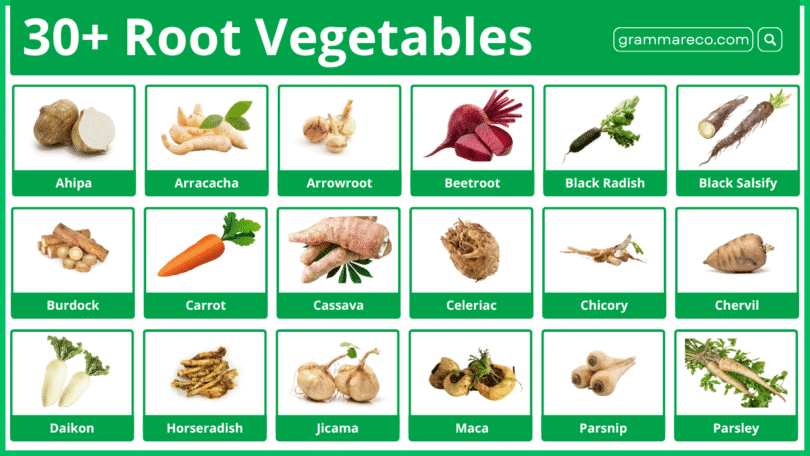
Root vegetables grow underground and include edible roots, tubers, corms, and rhizomes. Common root crops include carrots, beets, radishes, turnips, parsnips, cassava, and sweet potatoes. Some underground vegetables are technically modified stems rather than true roots, but they are commonly grouped with root vegetables because they grow below the soil. Knowing these differences makes root vegetable names easier to understand.
This article covers root vegetables from A to Z, their main types, and underground vegetable names with pictures. It also explains tuberous roots and tubers, helping readers use these names correctly in gardening, food studies, cooking, and basic plant science.
What vegetables are root vegetables with examples?
Root vegetables are edible underground plant parts that store nutrients for the plant. True roots include taproots and tuberous roots, while broader food classifications also include tubers, corms, rhizomes, and bulbs.
Common examples include:
- Carrot
- Beet
- Radish
List of 26 Root Vegetables From A to Z
Root vegetable names cover many crops from different regions and plant groups. The A to Z chart below includes commonly recognized roots and underground crops, while noting their plant structure where useful.
- Arracacha
- Beet
- Carrot
- Daikon
- Elephant Foot Yam
- Frafra Potato
- Ginger
- Horseradish
- Indian Yam
- Jicama
- Konjac
- Lotus Root
- Maca
- Nagaimo
- Oca
- Parsnip
- Queensland Arrowroot
- Radish
- Salsify
- Turnip
- Ulluco
- Violet Yam
- Water Chestnut
- Xanthosoma
- Yam
- Zulu Potato
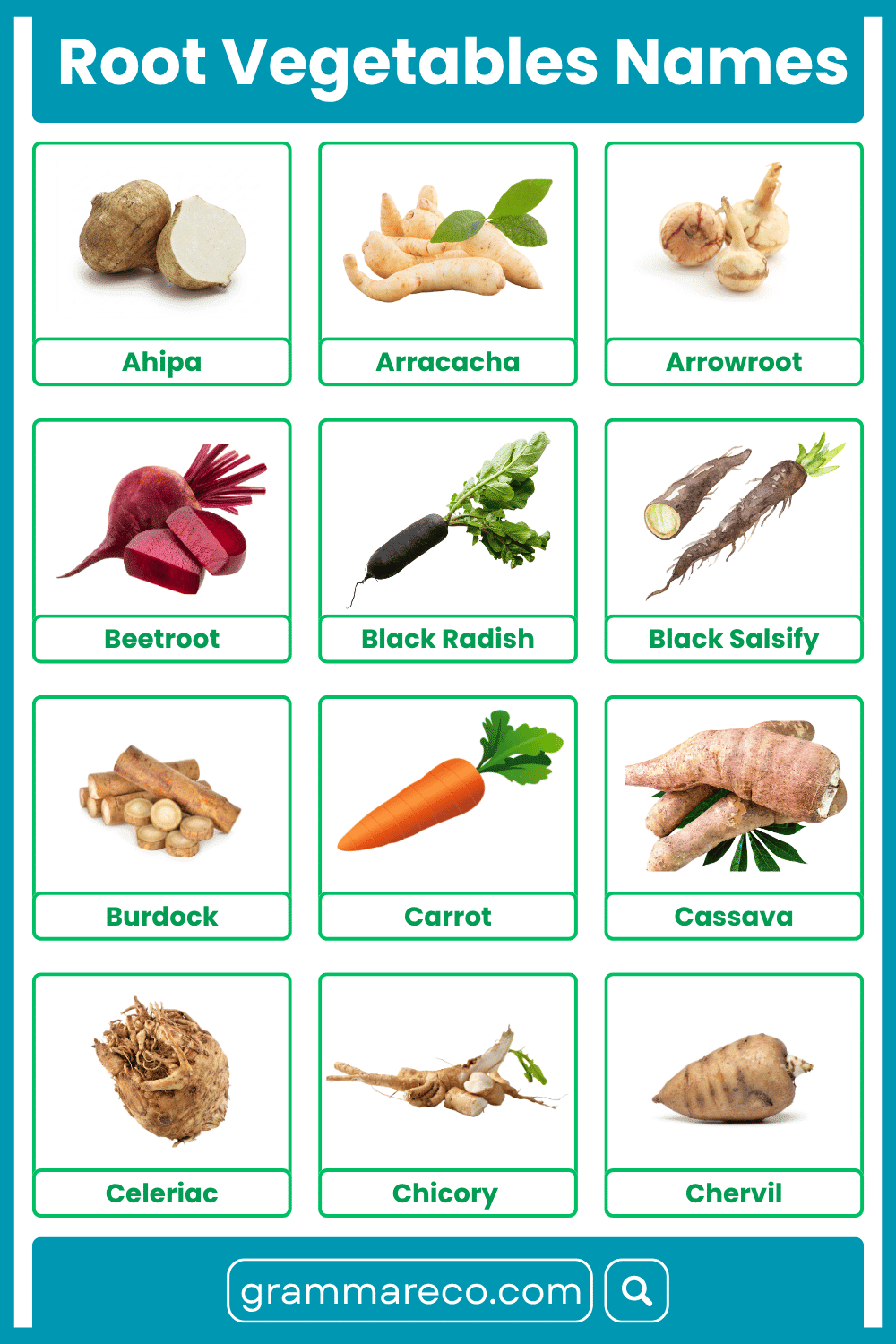
Root Vegetables with Pictures and Properties
Root vegetables are edible underground plant parts that store nutrients and energy as they grow beneath the soil. They vary in color, shape, taste, texture, and size, with examples such as carrots, beets, radishes, turnips, and parsnips.
1. Ahipa
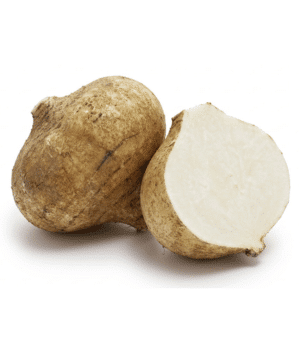
Ahipa is a South American root vegetable produced by Pachyrhizus ahipa. Its edible root has crisp, juicy flesh and a mildly sweet, nutty flavor. It provides carbohydrates, dietary fiber, and plant nutrients and can be eaten fresh or cooked. Ahipa is commonly peeled before use and works well in salads, vegetable dishes, and other root-vegetable recipes.
How to Cook: Ahipa can be peeled and sliced before being eaten raw in salads, or it can be boiled, steamed, stir-fried, or added to soups. Its crisp texture makes it particularly suitable for fresh vegetable dishes.
2. Arracacha
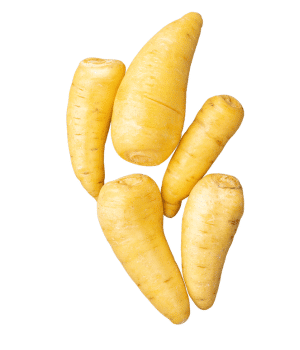
Arracacha is a starchy Andean root vegetable related to carrot and celery. Its roots may have white, yellow, or purple-tinged flesh and develop a mild, aromatic flavor when cooked. It provides carbohydrates, dietary fiber, vitamins, and minerals. The root becomes soft and creamy after cooking, which makes arracacha useful in mashed dishes, soups, stews, and vegetable purées.
How to Cook: Peel arracacha and cut it into evenly sized pieces before boiling or steaming until tender. It can then be mashed, added to soups and stews, or roasted with herbs and other vegetables.
3. Arrowroot
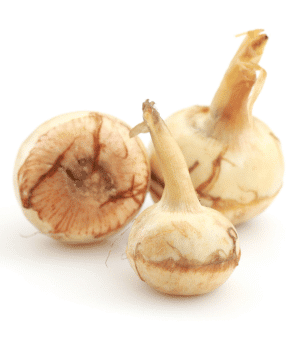
Arrowroot is a tropical underground rhizome that is mainly cultivated for its starch. The fresh rhizome is edible, although arrowroot is more commonly processed into arrowroot powder or flour. The starch has a neutral flavor and is naturally gluten-free. It is mainly valued as a source of carbohydrates and is widely used to thicken sauces, soups, gravies, and desserts.
How to Cook: Fresh arrowroot can be peeled and boiled, steamed, or roasted until tender. Arrowroot powder should first be mixed with cool water or another liquid and then added to hot sauces, soups, puddings, or gravies as a thickener.
4. Beetroot
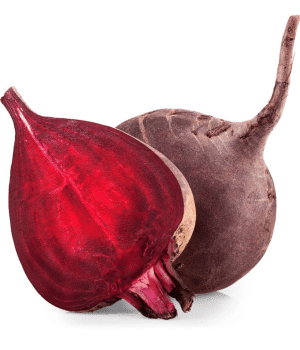
Beetroot is the enlarged underground root of the beet plant and is known for its deep red, purple, golden, or striped colors. It provides dietary fiber, folate, potassium, and naturally occurring plant compounds called betalains. Beetroot has an earthy, slightly sweet flavor that becomes more noticeable after cooking. Both raw and cooked beetroot are commonly used in salads, soups, and side dishes.
How to Cook: Beetroot can be washed and roasted, boiled, or steamed until tender before the skin is removed. It can then be sliced, cubed, mashed, or added to soups, while raw beetroot can be grated into salads.
5. Black Radish
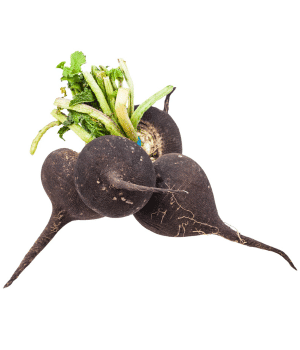
Black radish is a radish variety with dark, rough skin and crisp white flesh. It has a stronger and more peppery flavor than many common radishes. The root provides dietary fiber, vitamin C, and various plant compounds. Cooking softens its sharp flavor and produces a milder taste. Black radish can be used in salads, soups, roasted dishes, and vegetable preparations.
How to Cook: Black radish can be washed, peeled, sliced, and roasted, steamed, sautéed, or added to soups. Cooking reduces some of its strong peppery flavor, making it suitable for mixed vegetable dishes and savory meals.
6. Black Salsify
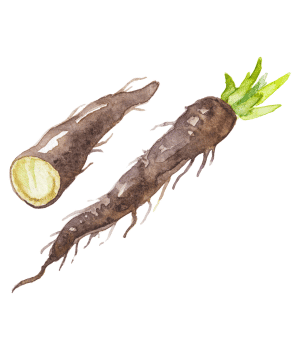
Black salsify, also known as scorzonera, is a long root vegetable with dark brown or nearly black skin and pale flesh. Its cooked flavor is delicate and slightly sweet. Black salsify contains dietary fiber and inulin, a type of prebiotic fiber. The root may darken after peeling, so it is often placed in water with lemon juice before cooking.
How to Cook: Scrub and peel black salsify before placing the roots in water with a little lemon juice to prevent discoloration. Boil or steam until tender, then serve sliced, sautéed, roasted, or with a light sauce.
7. Burdock Root
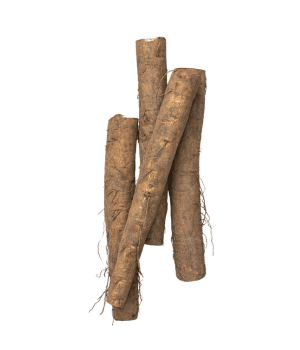
Burdock root is the long edible root of burdock plants, especially Arctium lappa. It has brown skin, firm flesh, and an earthy, slightly sweet flavor with mild bitterness. Burdock is widely used in Japanese cuisine, where it is known as gobo. The root provides dietary fiber, including inulin, and is commonly sliced into thin strips before cooking.
How to Cook: Burdock root should be scrubbed and lightly peeled before being cut into thin strips. It can be stir-fried, simmered, braised, or added to soups, and soaking the sliced root briefly in water can help reduce discoloration.
8. Carrot
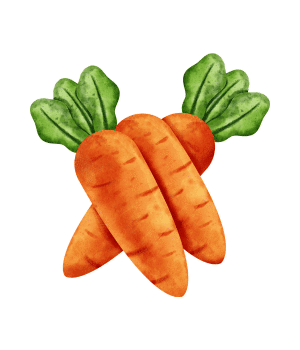
Carrot is one of the most widely eaten root vegetables and has a naturally sweet flavor with a firm, crunchy texture. Orange carrots are particularly known for their beta-carotene content, which the body can convert into vitamin A. They also provide dietary fiber and potassium. Carrots can be eaten raw or cooked and are used in salads, soups, stews, and side dishes.
How to Cook: Carrots can be washed, peeled if needed, and cut into slices, sticks, or cubes before being steamed, boiled, roasted, or sautéed. They can also be eaten raw, grated into salads, or added directly to soups and stews.
9. Cassava
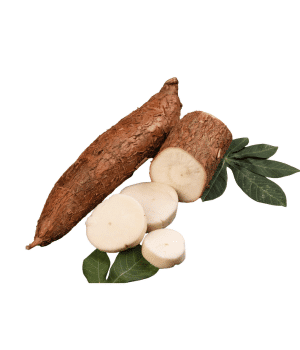
Cassava, also called yuca or manioc, is a major tropical root crop valued for its high starch content. The thick brown skin surrounds firm white or cream-colored flesh. Cassava provides carbohydrates and some dietary fiber, but raw cassava must not be eaten because it naturally contains cyanogenic compounds. Proper peeling and thorough cooking are essential before consumption.
How to Cook: Cassava should be completely peeled and cut into pieces before being boiled thoroughly until tender. After cooking, the tough central fiber can be removed, and the cassava can be mashed, fried, roasted, or added to soups and stews.
10. Celeriac
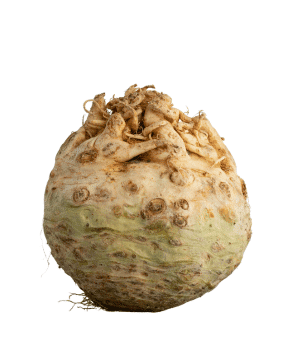
Celeriac is a swollen underground stem that is commonly used as a root vegetable. It has a rough, knobby exterior and creamy-white flesh with a mild celery-like flavor. Celeriac provides dietary fiber, vitamin K, vitamin C, and minerals. Its earthy taste becomes milder when cooked, making it suitable for soups, mashed vegetables, roasted dishes, and salads.
How to Cook: Cut away the rough outer skin and rinse the flesh before cubing or slicing it. Celeriac can be boiled, steamed, roasted, or sautéed until tender and can then be mashed or added to soups and vegetable dishes.
11. Chervil Root
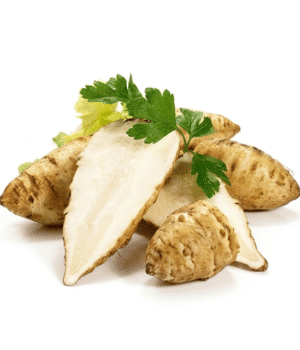
Chervil root is an edible root vegetable produced by certain varieties of chervil, particularly Chaerophyllum bulbosum. It has pale skin, cream-colored flesh, and a sweet, aromatic flavor. The cooked root is sometimes compared with carrot, parsley, and chestnut in flavor. Chervil root is less common than many other root vegetables but can be used in soups, purées, and side dishes.
How to Cook: Chervil root can be peeled and cut into small pieces before being boiled, steamed, or roasted until tender. It can then be seasoned and served as a side dish or blended into soups and vegetable purées.
12. Chicory Root
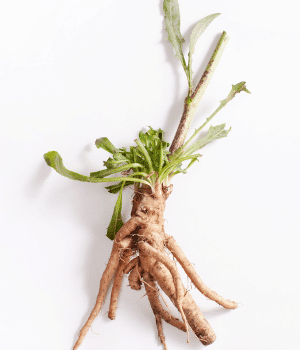
Chicory root is the underground root of Cichorium intybus. It has a naturally bitter, earthy flavor and contains inulin, a type of dietary fiber. Fresh chicory root can be cooked as a vegetable, while dried and roasted chicory is commonly used in coffee substitutes and coffee blends. Its flavor becomes deeper and less bitter after roasting.
How to Cook: Fresh chicory root can be washed, peeled, sliced, and boiled, roasted, or sautéed until tender. Dried chicory root is usually roasted and ground before being brewed as a coffee-style drink or mixed with coffee.
13. Daikon
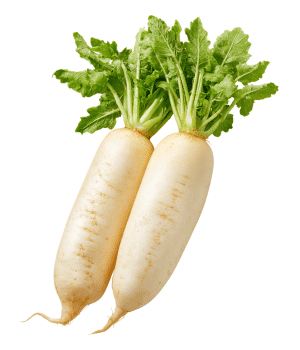
Daikon is a large white radish widely used in Asian cuisines. Its long root has crisp white flesh and a milder flavor than many smaller radish varieties. Daikon provides vitamin C, dietary fiber, potassium, and other nutrients. It can be eaten raw or cooked, and its texture makes it useful in salads, pickles, soups, broths, and stews.
How to Cook: Daikon can be washed, peeled when necessary, and sliced or cubed before being simmered in soups, broths, and stews. It can also be grated raw, pickled, steamed, or lightly stir-fried.
14. Horseradish
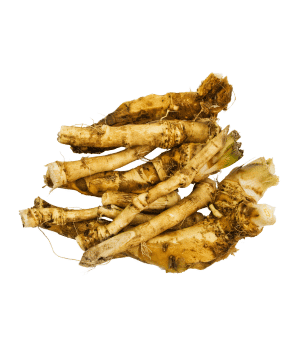
Horseradish is a perennial root vegetable recognized for its strong, pungent flavor. The white root contains compounds that produce its characteristic heat when it is grated or crushed. It is generally used as a condiment rather than eaten as a large serving of vegetables. Horseradish provides dietary fiber and plant compounds and is commonly paired with meats, sauces, sandwiches, and vegetables.
How to Cook: Fresh horseradish is usually washed, peeled, and finely grated rather than cooked. The grated root can be mixed with vinegar, cream, mustard, or sauces, while cooking can reduce its characteristic pungency.
15. Jicama
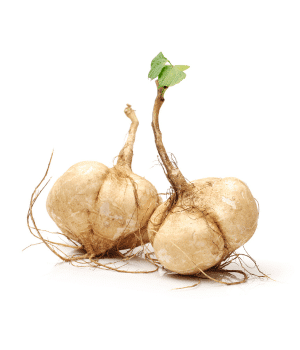
Jicama is a round, brown-skinned root vegetable with crisp, juicy white flesh. It has a mild, slightly sweet flavor and a texture similar to a firm apple or water chestnut. Jicama provides dietary fiber, vitamin C, and carbohydrates. Unlike many starchy roots, it is commonly eaten raw because its fresh texture remains crisp and refreshing.
How to Cook: Jicama can be peeled and cut into sticks or cubes for raw salads, slaws, and snacks, but it can also be sautéed, roasted, or stir-fried. Cooking softens its texture while retaining some of its mild sweetness.
16. Parsnip
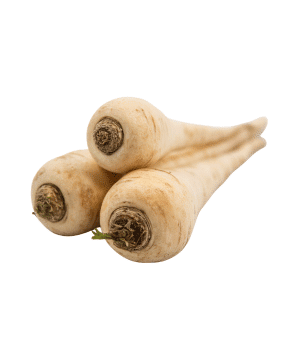
Parsnip is a pale, tapered root vegetable closely related to carrot and parsley. Its cream-colored flesh has a sweet, earthy flavor that becomes richer during roasting. Parsnips provide dietary fiber, vitamin C, folate, and potassium. They can be used in many of the same dishes as carrots and potatoes, including soups, stews, roasted vegetables, and purées.
How to Cook: Parsnips can be peeled and cut into sticks, slices, or cubes before being roasted, boiled, steamed, or sautéed. They can be mashed with other vegetables or added to soups, stews, casseroles, and roasted root-vegetable dishes.
17. Parsley Root
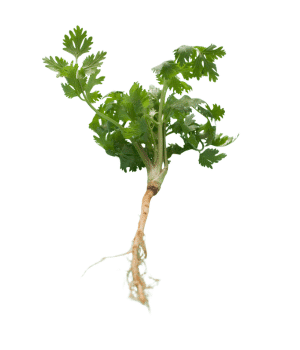
Parsley root is a pale, tapered root cultivated from parsley varieties grown specifically for their underground roots. It resembles a small parsnip but has a stronger parsley-like aroma and flavor. The root provides dietary fiber, vitamin C, and minerals and becomes mildly sweet after cooking. It is particularly useful in soups, stews, roasted vegetable dishes, and purées.
How to Cook: Parsley root can be washed, peeled, and sliced or cubed before being boiled, steamed, roasted, or sautéed. The cooked root can be added to soups and stews or combined with potatoes and other vegetables for a purée.
18. Radish
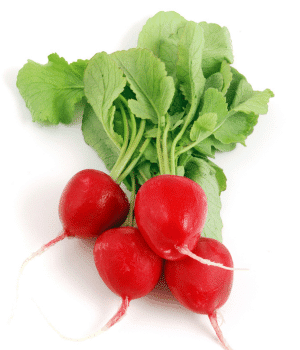
Radish is a fast-growing root vegetable from the mustard family and occurs in many colors, including red, pink, white, purple, and black. Its crisp flesh has a characteristic peppery flavor caused by naturally occurring mustard-oil compounds. Radishes provide vitamin C and dietary fiber and can be eaten raw, pickled, roasted, sautéed, or cooked in soups.
How to Cook: Radishes can be washed and trimmed before being sliced and eaten raw or pickled. For a softer and milder flavor, they can be roasted, sautéed, steamed, or added to soups and other cooked vegetable dishes.
19. Rampion Root
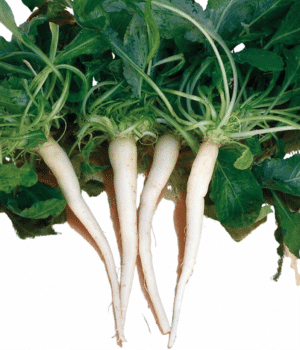
Rampion root is the edible underground root of Campanula rapunculus, a plant historically cultivated as a food crop in Europe. The slender roots have pale flesh and a mild, slightly sweet flavor. Rampion is now less common than carrots, turnips, and radishes, but it remains a traditional root vegetable. Its young leaves can also be eaten when appropriately prepared.
How to Cook: Rampion roots can be washed, peeled when necessary, and boiled, steamed, or roasted until tender. They may be served with herbs and butter or added to soups, stews, and mixed root-vegetable dishes.
20. Salsify
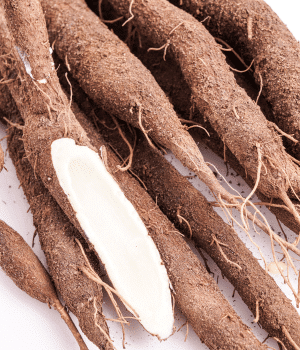
Salsify is a long, narrow root vegetable with pale skin and creamy flesh. It has a mild flavor that becomes slightly sweet after cooking and has traditionally been associated with a subtle oyster-like taste. Salsify provides dietary fiber and minerals and is usually eaten cooked. It is related to black salsify but represents a different plant.
How to Cook: Salsify should be peeled and placed in lemon water to reduce browning before being boiled or steamed. Once tender, it can be sliced, roasted, fried, sautéed, or added to creamy soups and vegetable dishes.
21. Skirret
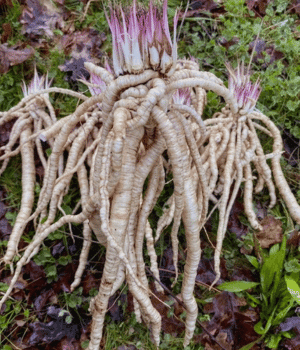
Skirret is an old-fashioned root vegetable that was historically cultivated in Europe before potatoes became widely popular. It produces clusters of small white roots with a sweet flavor and tender texture. Skirret provides carbohydrates and dietary fiber and is normally cooked before eating. Although it is uncommon in modern markets, it remains a traditional vegetable used in heritage gardening and cooking.
How to Cook: Skirret roots should be cleaned and peeled before being boiled or steamed until tender. They can then be roasted, mashed, fried, or added to soups and stews as a sweet and starchy root vegetable.
22. Sugar Beet
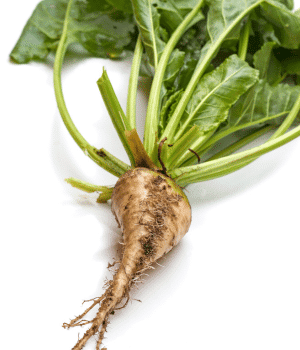
Sugar beet is a cultivated beet variety grown mainly for its high sucrose content and commercial sugar production. Its large white root is processed rather than commonly served as a table vegetable. It also contains carbohydrates, dietary fiber, and minerals. Sugar beet belongs to the same species as beetroot, but selective breeding has produced a root with a different composition and agricultural purpose.
How to Cook: Fresh sugar beet can technically be washed, peeled, boiled, steamed, or roasted like other beet roots, but it is rarely prepared as an everyday vegetable. Its main use is industrial processing to extract sucrose.
23. Sweet Potato
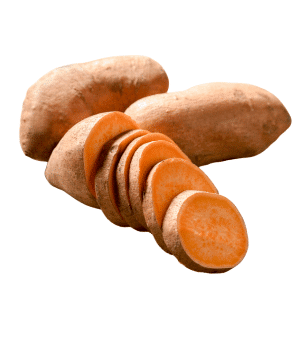
Sweet potato is a starchy storage root available in orange, white, yellow, purple, and cream-fleshed varieties. Orange-fleshed sweet potatoes are especially rich in beta-carotene, while the vegetable also provides dietary fiber, potassium, and carbohydrates. Its natural sweetness becomes stronger during roasting and baking. Sweet potatoes can be prepared as both savory and sweet dishes.
How to Cook: Sweet potatoes can be washed and baked, roasted, steamed, boiled, or cut into pieces for soups and stews. The cooked flesh can be mashed, added to casseroles, or cut into strips and roasted as fries.
24. Turnip
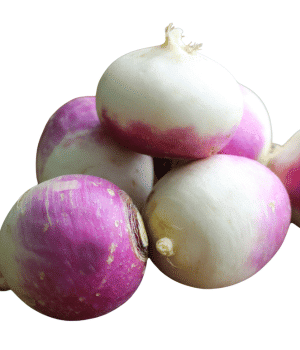
Turnip is a round or slightly elongated root vegetable belonging to the mustard family. Its white flesh has a mild peppery flavor, while the skin is often white with a purple upper portion. Turnips provide dietary fiber, vitamin C, and minerals. Both the root and young greens can be eaten, making turnips useful in soups, stews, roasted dishes, and mashed vegetable recipes.
How to Cook: Turnips can be washed, peeled if necessary, and cut into cubes or slices before being boiled, steamed, roasted, or sautéed. They can be mashed like potatoes or added to soups, stews, and mixed roasted vegetables.
25. Potato
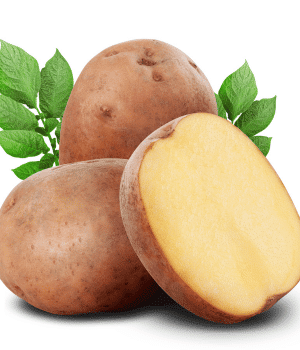
Potato is a starchy underground tuber produced by Solanum tuberosum. Although it is commonly included among root vegetables in everyday food discussions, it is botanically a tuber rather than a true root. Potatoes provide carbohydrates, potassium, vitamin C, and dietary fiber, especially when the skin is eaten. They are available in numerous varieties and can be prepared in many ways.
How to Cook: Potatoes can be washed, peeled if desired, and boiled, steamed, baked, roasted, or fried until fully cooked. They can then be mashed, served whole, added to soups and stews, or prepared as fries and other side dishes.
26. Oca
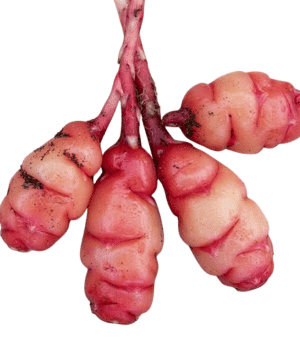
Oca is a colorful Andean tuber traditionally cultivated in South America. Its underground storage tubers may be yellow, pink, red, purple, or mixed in color. Oca has a firm texture and develops a sweeter flavor after appropriate exposure and cooking. It provides carbohydrates, dietary fiber, vitamin C, and other nutrients and is commonly prepared as a cooked tuber.
How to Cook: Oca can be washed and scrubbed before being boiled, steamed, roasted, baked, or sautéed with little preparation. Once tender, it can be served as a side dish or incorporated into soups and mixed vegetable recipes.
27. Ulluco
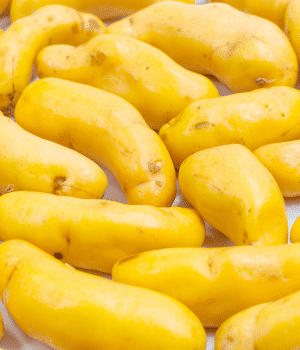
Ulluco is an Andean tuber grown for its colorful underground storage organs, which can be yellow, green, pink, orange, or purple. The tubers have smooth skin and a firm, slightly waxy texture. Ulluco provides carbohydrates and dietary fiber and remains somewhat firm after cooking. It is traditionally used in soups, stews, and other dishes of the Andean region.
How to Cook: Ulluco should be washed thoroughly and any damaged parts should be removed before cooking. The tubers can be boiled, steamed, roasted, or sautéed and then added to soups, stews, salads, or served as a side dish.
28. Mashua
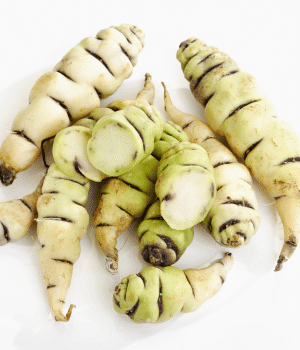
Mashua is an Andean tuber produced by Tropaeolum tuberosum, a plant related to nasturtiums. Its underground tubers can have yellow, orange, red, or dark-colored skin and contain starch, dietary fiber, and other plant nutrients. Mashua has a distinctive flavor that becomes milder and sweeter when cooked. It is traditionally grown in high-altitude farming systems alongside oca and ulluco.
How to Cook: Mashua can be washed and trimmed before being boiled, steamed, roasted, or baked until tender. The cooked tubers can be served as a side dish or incorporated into soups, stews, and traditional Andean tuber-based meals.
White Root Vegetables with Pictures
White root vegetables are underground vegetables with white or pale-colored roots and flesh. Common examples include parsnips, turnips, daikon, white radishes, and celeriac, which can be eaten raw, roasted, boiled, or added to soups and stews. Here is list of white root vegetable below:
- Parsnip
- Turnip
- Daikon Radish
- White Radish
- Celeriac
- Parsley Root
- Horseradish
- Salsify
- Black Salsify
- Arracacha
- Arrowroot
- Cassava
FAQs about Root Vegetables Names
No, a potato is not a true root vegetable. It is a tuber, an underground stem that stores nutrients and grows from the potato plant.
Twelve root vegetables include carrots, beets, radishes, turnips, parsnips, rutabagas, daikon, celeriac, jicama, horseradish, salsify, and burdock.
Is onion a root vegetable?
No, an onion is not a true root vegetable. It is a bulb, an underground plant structure made of enlarged leaf bases that store nutrients.
Yes, a carrot is a root vegetable. Its edible taproot grows underground and stores nutrients, giving the carrot its familiar long shape and crunchy texture.
No, ginger is not a true root vegetable. It is a rhizome, an underground stem that stores nutrients and produces new shoots.
Key Takeaway
Root vegetables include many edible underground crops, but their plant structures are not all the same. Carrots and radishes are true roots, sweet potatoes are tuberous roots, potatoes are stem tubers, and ginger is a rhizome. Learning these differences makes root vegetable names easier to classify and understand.
Read more