

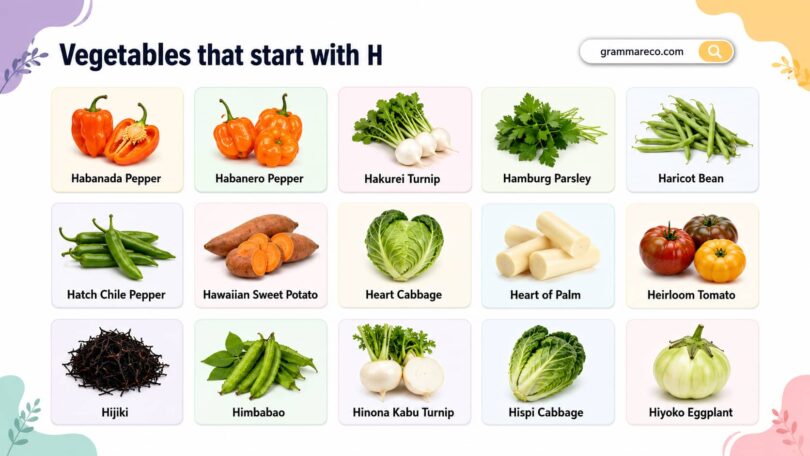
From leafy greens to flavorful roots, vegetables that start with H include several useful and interesting choices for everyday meals. This list covers common and lesser-known H vegetables, along with their names, flavors, and typical uses.
Some examples include habanero pepper, hakusai, hearts of palm, and horseradish, each offering a different taste and texture.
Whether you are learning vegetable names, building your food vocabulary, or looking for new ingredients, these H vegetables make a helpful addition to your list.
What Vegetables that Start with H?
Vegetables beginning from H come from several plant groups and include roots, leaves, peppers, legumes, and fruiting crops. Their names often describe a variety, growing region, plant part, or traditional food use. Some H vegetables are widely known, while others are regional varieties.
List of Vegetables that Starts with H
The names below cover common vegetables, edible plant parts, and recognized varieties beginning with H. The selection includes peppers, roots, legumes, leafy vegetables, squash, and other produce used in cooking.
- Habanada Pepper
- Habanero Pepper
- Hakurei Turnip
- Hamburg Parsley
- Haricot Bean
- Hatch Chile Pepper
- Hawaiian Sweet Potato
- Heart Cabbage
- Heart of Palm
- Heirloom Tomato
- Hijiki
- Himbabao
- Hinona Kabu Turnip
- Hispi Cabbage
- Hiyoko Eggplant
- Hokkaido Pumpkin
- Holland Chile Pepper
- Honey Bear Squash
- Honeynut Squash
- Hop Shoots
- Horse Gram
- Horseradish
- Hosta Shoots
- Hot Banana Pepper
- Huauzontle
- Hubbard Squash
- Hungarian Black Pepper
- Hungarian Wax Pepper
- Husk Tomato
- Huitlacoche
- Hmong Cucumber
- Hyacinth Bean
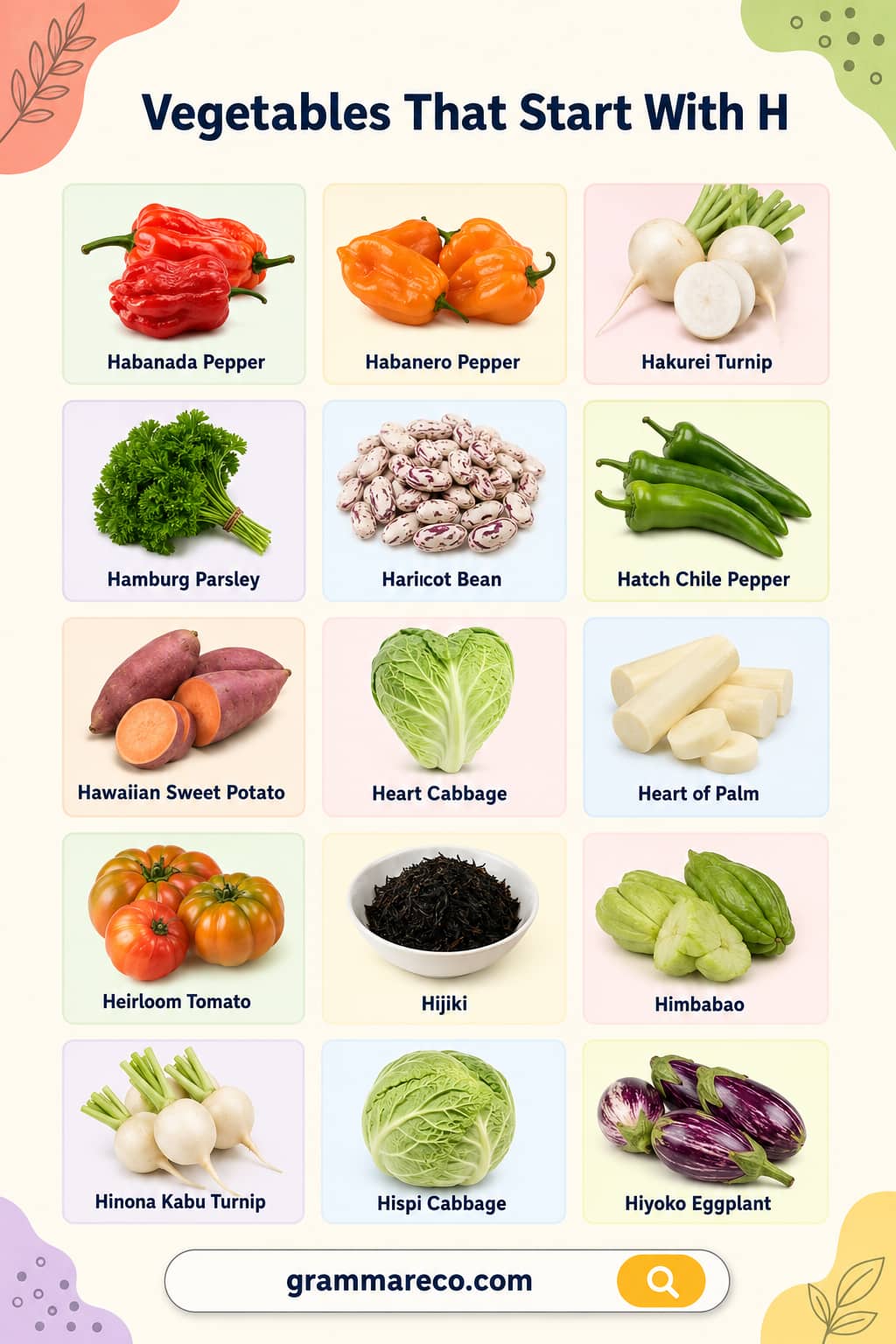
Vegetables that Start with H with Pictures
Pictures can make unfamiliar produce names easier to recognize. Comparing shape, color, leaves, roots, and edible parts gives each vegetables a more useful visual reference for learners.
Habanada Pepper
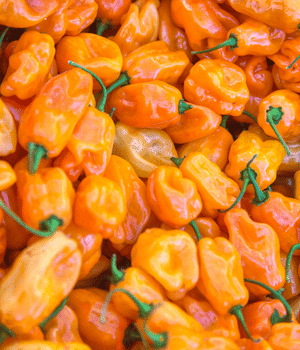
Habanada pepper is a sweet, heat-free chili bred to resemble a habanero. It produces small, wrinkled pods that turn green, orange, or red as they mature. Unlike habaneros, Habanada peppers deliver fruity, tropical notes without strong heat. Instead, cooks can use them in salads, salsas, sauces, and fresh dishes when they want sweet pepper flavor without intense spiciness.
Habanero Pepper
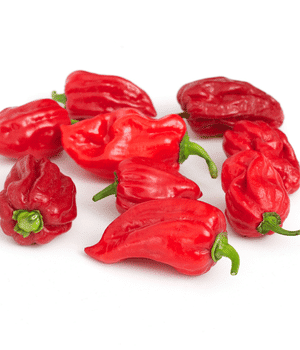
Habanero pepper is a small chili known for its intense heat and fruity flavor. Its wrinkled pods may turn orange, red, yellow, or brown as they mature. Because habaneros pack substantial heat, cooks often use them sparingly in hot sauces, salsas, marinades, and spicy dishes. Their thin walls soften quickly during cooking, while the distinctive fruity aroma remains noticeable.
Hakurei Turnip
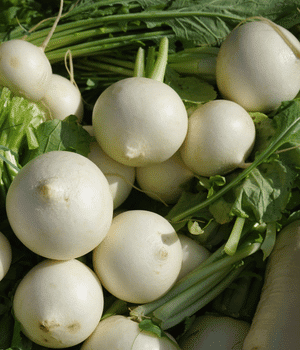
Hakurei turnip is a small Japanese turnip with smooth white skin and a naturally sweet, mild flavor. Its round roots have a crisp, juicy texture that works well in both raw and cooked dishes. In addition, the tender greens provide another edible part. You can slice Hakurei turnips into salads, roast them, pickle them, or lightly sauté them.
Hamburg Parsley

Hamburg parsley is a root vegetable related to ordinary parsley. It develops a long, cream-colored root with a mild, earthy flavor and a pleasant parsley aroma. Unlike common parsley, cooks mainly use Hamburg parsley for its root. They can roast, boil, mash, or add it to soups and stews. The leafy tops remain edible and can season dishes, too.
Haricot Bean
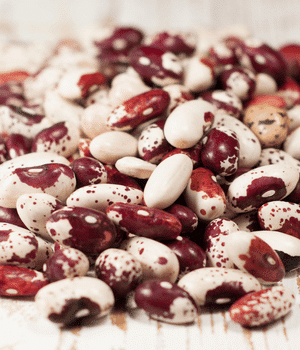
Haricot bean refers to small, pale beans, especially the white beans commonly used in soups and stews. These beans develop a mild flavor and creamy texture after cooking. For this reason, cooks add them to casseroles, salads, soups, and savory bean dishes. Dried haricot beans need soaking and thorough cooking, while canned beans require only draining and rinsing.
Hatch Chile Pepper
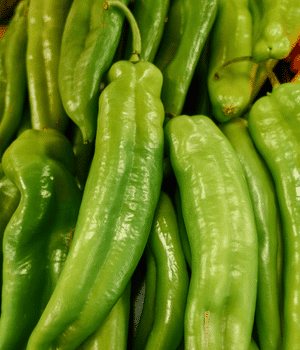
Hatch chile pepper refers to New Mexico-type chiles traditionally grown around Hatch, New Mexico. The peppers develop a grassy, slightly sweet flavor, while their heat level varies among varieties. Typically, cooks roast and peel fresh green Hatch chiles before adding them to eggs, burgers, stews, sauces, and other dishes. Red Hatch chiles also work well for drying and grinding.
Hawaiian Sweet Potato

Hawaiian sweet potato refers to sweet potato varieties traditionally grown and eaten in Hawaii. Different types produce purple, yellow, cream, or other colored flesh with a naturally sweet, starchy texture. When cooked, the roots become tender and creamy. People can bake, steam, boil, or mash them and add them to savory meals, desserts, and traditional Hawaiian dishes.
Heart Cabbage

Heart cabbage is a common name for cabbage varieties that develop compact, pointed, or heart-shaped heads. Its tender leaves have a mild flavor and delicate texture. As a result, cooks can use heart cabbage in both fresh and cooked recipes. It works well in slaws, salads, stir-fries, soups, braises, and other dishes that call for tender cabbage.
Heart of Palm
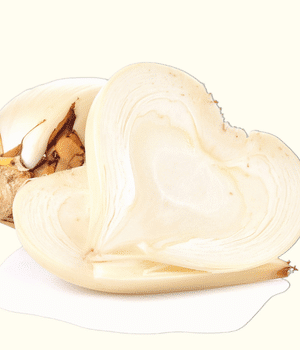
Heart of palm is the tender inner stem of certain palm plants. It has a pale appearance, crisp texture, and mild flavor with delicate artichoke-like notes. For convenience, many grocery stores sell it canned or jarred. You can slice heart of palm into salads, sandwiches, appetizers, and vegetable dishes, while fresh hearts require careful handling after harvest.
Heirloom Tomato
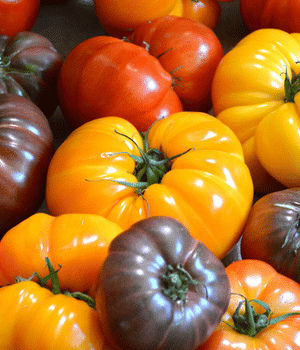
Heirloom tomato refers to tomato varieties that gardeners maintain through open-pollinated seeds rather than modern commercial hybrid breeding. These tomatoes come in many shapes, sizes, and colors, including red, pink, yellow, orange, and green. Depending on the variety, the flavor may taste sweet, tangy, rich, or fruity. People often eat heirloom tomatoes fresh, although cooking also works well.
Hijiki
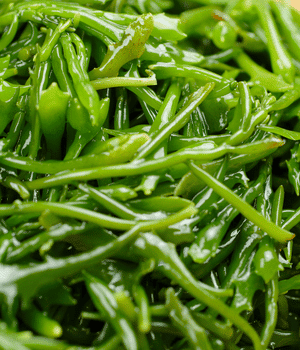
Hijiki is a brown edible sea vegetable that grows along rocky coastal areas of East Asia. It forms thin, branching strands and develops a dark color after processing. Before cooking, people usually soak dried hijiki to rehydrate it. The sea vegetable has a firm, slightly chewy texture and savory flavor, so cooks often combine it with vegetables, tofu, grains, and other ingredients.
Hinona Kabu Turnip
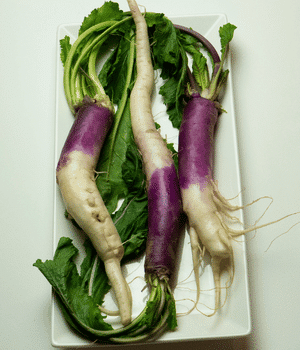
Hinona Kabu is a traditional Japanese turnip with a long, slender root and distinctive purple-and-white coloring. Its crisp flesh delivers a mild, fresh, slightly spicy taste. Most notably, cooks often pickle Hinona Kabu to preserve its flavor and texture. Young roots can also go into fresh dishes, while the tender greens work well in cooked vegetable preparations.
Hispi Cabbage
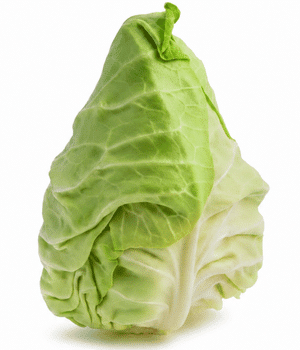
Hispi cabbage is a pointed cabbage variety with a narrow, cone-shaped head and tender leaves. It offers a mild, slightly sweet flavor and cooks faster than many dense cabbage varieties. Therefore, it works well for quick meals. You can slice Hispi cabbage for slaws and salads or steam, roast, stir-fry, and braise it for warm dishes.
Hokkaido Pumpkin
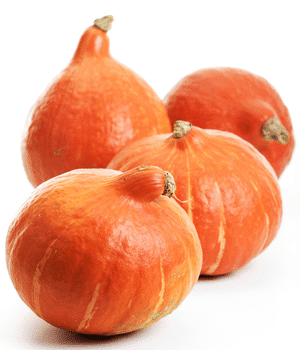
Hokkaido pumpkin is a compact winter squash with firm flesh and orange or reddish skin. Its cooked flesh tastes naturally sweet and nutty, while the texture becomes dense and creamy. Unlike many winter squashes, its thin skin can remain on the squash during cooking. You can roast, bake, puree, or add Hokkaido pumpkin to soups, curries, and seasonal dishes.
Holland Chile Pepper
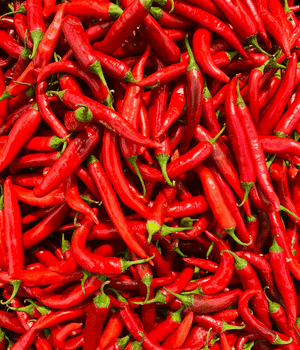
Holland chile pepper refers to slender chili peppers widely associated with Dutch greenhouse production. Depending on the variety and maturity, the fruits can appear green, yellow, orange, or red. Their heat level varies, although many provide noticeable medium heat and fresh pepper flavor. Because of their versatile flavor, cooks add them to sauces, stir-fries, salads, and other savory dishes.
Honey Bear Squash
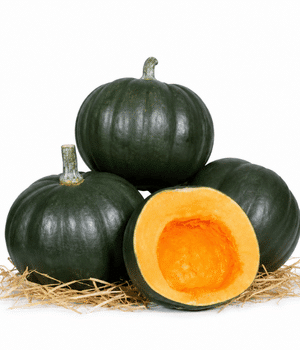
Honey Bear squash is a small acorn-type winter squash with dark green skin and orange flesh. Its compact size makes it convenient for individual servings. When roasted or baked, the flesh becomes tender, sweet, and slightly nutty. Cooks can halve the squash for stuffing or roasting, while chopped pieces work well in soups, side dishes, and other seasonal recipes.
Honeynut Squash
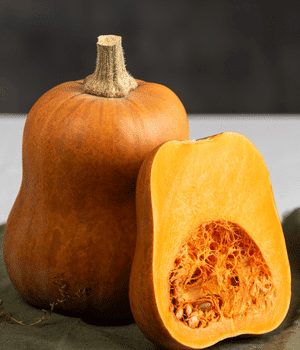
Honeynut squash is a small winter squash developed from butternut squash breeding lines. It has orange skin and deep orange flesh with a concentrated sweetness. When you roast it, the flesh becomes soft and caramelized, bringing out its rich flavor. Its compact size makes it easy to prepare. Honeynut squash also works well in soups, purees, grain bowls, and side dishes.
Hop Shoots
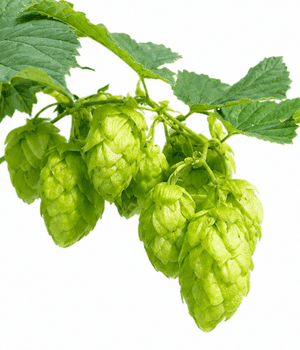
Hop shoots are the young, tender stems that grow from hop plants used in brewing. Harvesters collect them early, while the shoots still have a soft texture. At this stage, they offer a distinctive bitter flavor with delicate vegetable notes. Cooks can sauté, steam, or combine hop shoots with other ingredients. Older shoots become tougher and less suitable for eating.
Horse Gram
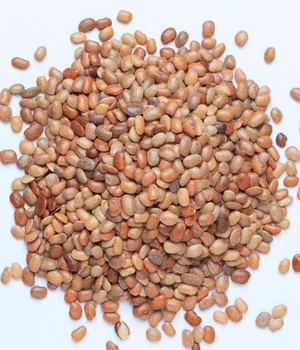
Horse gram is a small legume widely grown in South Asia and other warm regions. Its seeds often appear brown, reddish, or dark and develop a firm texture after cooking. Traditionally, cooks use horse gram in curries, soups, stews, sprouts, and pulse dishes. Dried seeds need soaking and thorough cooking before consumption to soften them and make them suitable for meals.
Horseradish
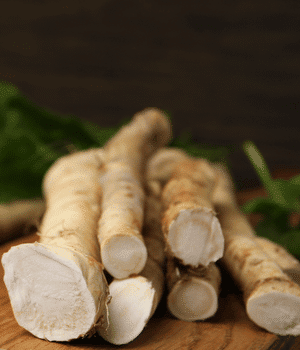
Horseradish is a perennial root vegetable that people grow mainly for its thick, pungent root. Grating or crushing the root releases compounds that create its sharp heat and strong aroma. However, the flavor gradually weakens after processing. Cooks commonly combine freshly grated horseradish with vinegar and serve it alongside meats, sandwiches, sauces, and other savory foods.
Hot Banana Pepper
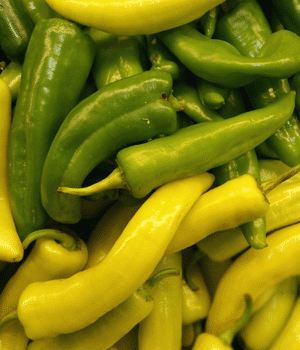
Hot banana pepper is a slender chili with a curved shape and smooth skin. Its color often changes from pale yellow to orange or red as the fruit matures. Although it resembles a mild banana pepper, this type can deliver moderate heat. Cooks frequently pickle, stuff, grill, or slice hot banana peppers for sandwiches, salads, sauces, and cooked dishes.
Huauzontle
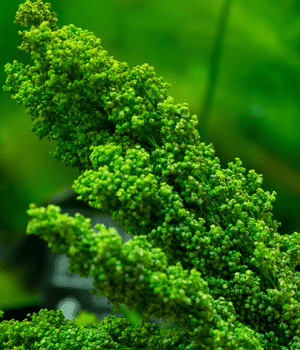
Huauzontle is a traditional Mexican leafy vegetable related to quinoa and amaranth. It produces clusters of small green flower-bearing structures that people harvest while young. When cooked, huauzontle develops a soft texture and earthy, grassy flavor. Mexican cooks commonly boil, batter, and fry the clusters before serving them with sauces, cheese, or other ingredients in regional dishes.
Hubbard Squash

Hubbard squash is a large winter squash with a hard rind and dense orange or yellow flesh. Its cooked flesh tastes sweet, rich, and slightly nutty, while the texture becomes soft and creamy. Because the rind is very tough, cooks usually cut it carefully before preparation. Hubbard squash works well when roasted, baked, mashed, pureed, or added to soups and stews.
Hungarian Wax Pepper
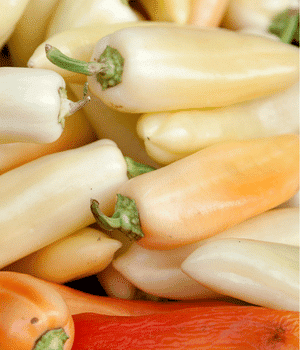
Hungarian Wax pepper is a medium-sized chili with smooth, waxy skin that changes from pale yellow toward orange or red as it matures. Its heat can range from mild to fairly hot, so individual peppers may differ. For this reason, tasting a small amount helps gauge the heat. Cooks commonly pickle, stuff, grill, or add Hungarian Wax peppers to sauces.
Husk Tomato
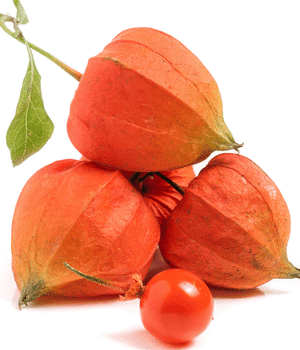
Husk tomato is a common name for the tomatillo, a small green fruit wrapped inside a papery husk. Its firm flesh has a bright, tart flavor that becomes richer during cooking. Before using it, cooks remove the husk and rinse away the slightly sticky coating. Husk tomatoes work especially well in green salsa, sauces, soups, stews, and Mexican-style dishes.
Huitlacoche
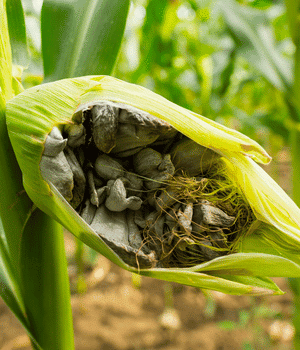
Huitlacoche is an edible fungus that grows as swollen gray or black galls on developing ears of corn. Instead of treating the growth as crop damage, Mexican cooks value it as a traditional ingredient. When cooked, huitlacoche develops a soft texture and earthy, savory flavor with mushroom-like notes. Cooks often combine it with onions, peppers, herbs, cheese, or tortillas.
Hyacinth Bean
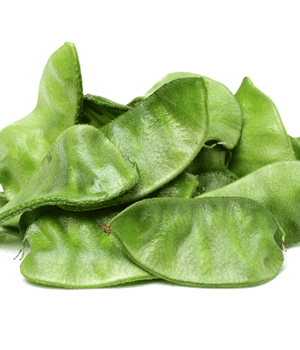
Hyacinth bean is a climbing legume grown for its young pods, mature seeds, and sometimes tender leaves. Depending on the variety, the pods may appear green, purple, or patterned. Young pods require cooking before eating, and people often steam, boil, or stir-fry them. Cooks also add hyacinth beans to curries and other vegetable dishes for their firm texture and mild flavor.
Leafy Vegetables Beginning With H
Vegetables that start with an H include edible greens and plant leaves used in regional cooking. Hijiki is commonly called a sea vegetable, while Himbabao provides edible young leaves in Southeast Asian cuisines.
- Himbabao: Himbabao produces edible young leaves and flower clusters that are used in Filipino cooking. The tender plant parts are often cooked with savory dishes.
- Hijiki: Hijiki is a dark brown edible seaweed traditionally used in Japanese cuisine. After preparation, it is commonly added to vegetable dishes, salads, and cooked foods.
Root Vegetables Beginning With H
Vegetables Start with H grow underground and provide edible roots or tubers. Their textures range from crisp turnips to starchy sweet potatoes and aromatic roots used for seasoning.
- Hakurei Turnip: Hakurei turnip is a small Japanese turnip with smooth white skin and a crisp texture. Its mild flavor allows it to be eaten raw or cooked.
- Hamburg Parsley: Hamburg parsley is grown mainly for its long, pale root rather than its leaves. The root has a parsley-like flavor and works well in soups and roasted dishes.
- Hinona Kabu Turnip: Hinona Kabu is a long, slender Japanese turnip with white skin and a purple-red upper portion. It is often pickled or cooked as a traditional vegetable.
- Hawaiian Sweet Potato: Hawaiian sweet potatoes include varieties traditionally grown and eaten in Hawaii. Depending on the cultivar, the flesh may range from pale yellow to purple with a naturally sweet taste.
- Horseradish: Horseradish is a pungent root vegetable commonly grated or processed into a sharp condiment. Its strong flavor becomes especially noticeable when the root is freshly cut.
Peppers that Begin With H
Vegetables that Begin With H peppers include sweet, mild, and hot chile varieties with different shapes and heat levels. Their culinary uses range from fresh salads and sauces to roasting, stuffing, and seasoning.
- Habanada Pepper: Habanada pepper resembles a habanero but has little to no heat. It provides a fruity pepper flavor for dishes that need sweetness without strong spiciness.
- Habanero Pepper: Habanero pepper is a small, highly hot chile known for its fruity aroma and intense heat. It commonly appears in hot sauces, salsas, marinades, and spicy dishes.
- Hatch Chile Pepper: Hatch chile refers to New Mexico chile peppers associated with the Hatch Valley area. Fresh peppers are often roasted, while dried versions add earthy heat to recipes.
- Holland Chile Pepper: Holland chile peppers are slender peppers commonly sold in red or green forms. Their moderate heat and crisp texture make them useful in sauces and cooked dishes.
- Hungarian Wax Pepper: Hungarian wax peppers are long, yellow peppers that become hotter as they mature. They can be pickled, stuffed, roasted, or sliced into cooked meals.
Beans and Legumes Beginning With H
Vegetables that start with H legumes include edible beans and pulse crops used in many traditional food systems. They provide plant-based protein and can appear as fresh pods, dried beans, leaves, or seeds.
- Haricot Bean: Haricot beans are small white beans commonly used in soups, stews, casseroles, and baked bean dishes. Their mild flavor pairs well with many savory ingredients.
- Horse Gram: Horse gram is a small legume widely used in South Asian cooking. The dried seeds are commonly cooked into soups, stews, curries, and other hearty dishes.
- Hyacinth Bean: Hyacinth bean produces edible young pods and seeds in some culinary traditions. Young pods are commonly cooked, while mature seeds require proper preparation before eating.
Fruiting Vegetables Beginning With H
Fruiting vegetables develop from flowers and contain seeds, although cooks often use them like vegetables. H examples include tomatoes, eggplants, peppers, and several types of squash.
- Heirloom Tomato: Heirloom tomatoes are traditional or open-pollinated tomato varieties maintained through generations. They come in many shapes and colors and are commonly eaten fresh or cooked.
- Hiyoko Eggplant: Hiyoko eggplant is a small eggplant variety with tender flesh and a mild taste. Its compact size makes it suitable for grilling, roasting, and stir-frying.
- Honeynut Squash: Honeynut squash is a small winter squash with deep orange flesh and naturally sweet flavor. It is often roasted because its compact size cooks quickly.
Cabbage Varieties Starting With H
Several cabbage varieties beginning with H have distinct shapes and leaf structures. Heart-shaped heads and pointed forms can differ in texture, size, and cooking time.
- Heart Cabbage: Heart cabbage has a compact head with leaves arranged in a shape resembling a heart. Its tender leaves work well in slaws, salads, stir-fries, and cooked dishes.
- Hispi Cabbage: Hispi cabbage is a pointed cabbage variety with a compact shape and tender leaves. It has a mild flavor and works well when roasted, steamed, sautéed, or shredded.
Squash and Pumpkin Vegetables Starting With H
Vegetables start with H also includes several winter squash and pumpkin varieties. These vegetables are valued for their firm flesh, natural sweetness, and ability to hold their shape during cooking.
- Hokkaido Pumpkin: Hokkaido pumpkin is a small winter squash with dense orange flesh and a mildly sweet, nutty flavor. It is commonly roasted, baked, steamed, or added to soups.
- Hubbard Squash: Hubbard squash is a large winter squash with firm flesh and a thick, hard rind. Its sweet orange or yellow flesh works well in soups, roasting, and mashing.
FAQs About Vegetables that Start with H
Squash and pumpkin vegetables starting with H include Hokkaido squash, Hubbard squash, Honey Bear squash, and Honeynut squash.
Fruiting vegetables beginning with H include habanero pepper, Hungarian wax pepper, husk tomato, and Hokkaido squash, which develop from flowers and contain seeds.
Root vegetables beginning with H include horseradish, Hamburg parsley, Hakurei turnip, and Hog peanut, which are grown for their edible roots.
Green vegetables beginning with H include hubbard squash, haricots verts, Hungarian wax peppers, and Hokkaido squash, often eaten fresh or cooked.
Takeaway
The H vegetable category includes much more than common peppers and turnips. Names such as Habanero, Hakurei turnip, Hispi cabbage, Hokkaido pumpkin, and Hubbard squash represent different plant types and edible parts. Regional foods also add less familiar choices such as Himbabao, Hijiki, and Horse Gram. Learning these names together makes the category easier to understand and recognize.
Read more
- Vegetables that Start with I
- Vegetables that Start with J
- Vegetables that Start with K
- 21+ Vegetables that Start with E
- Vegetables that Start with F
- Vegetables that Start with G