
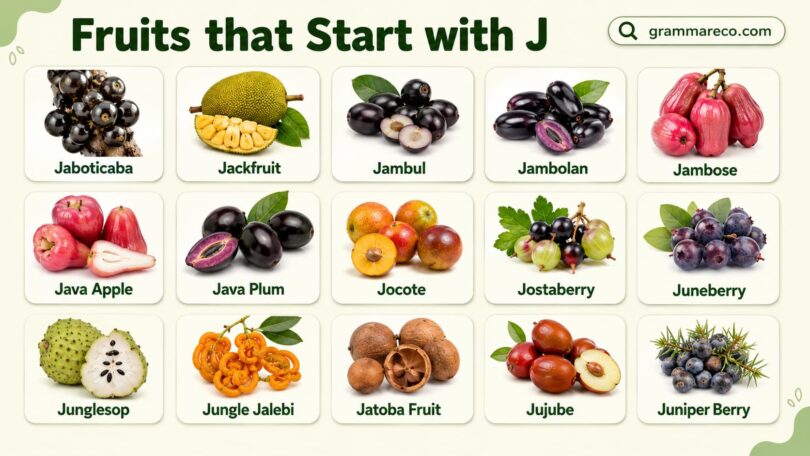
Fruits that start with j helps you recognize both familiar and uncommon fruit names beginning with the letter J. Some are popular tropical fruits, while others grow only in certain regions and may be new to many readers. By the end of this article, you’ll know fruit beginning j, identify many of them with pictures, and understand their basic features, flavors, and places where they commonly grow.
What Fruit Starts with J?
Fruits that start with j are fruits whose English names begin with the letter J. They include tropical fruits, berries, stone fruits, and regional varieties from different parts of the world. Common examples include Jackfruit, Java Plum, Jujube, Jabuticaba, Japanese Persimmon, and Jocote.
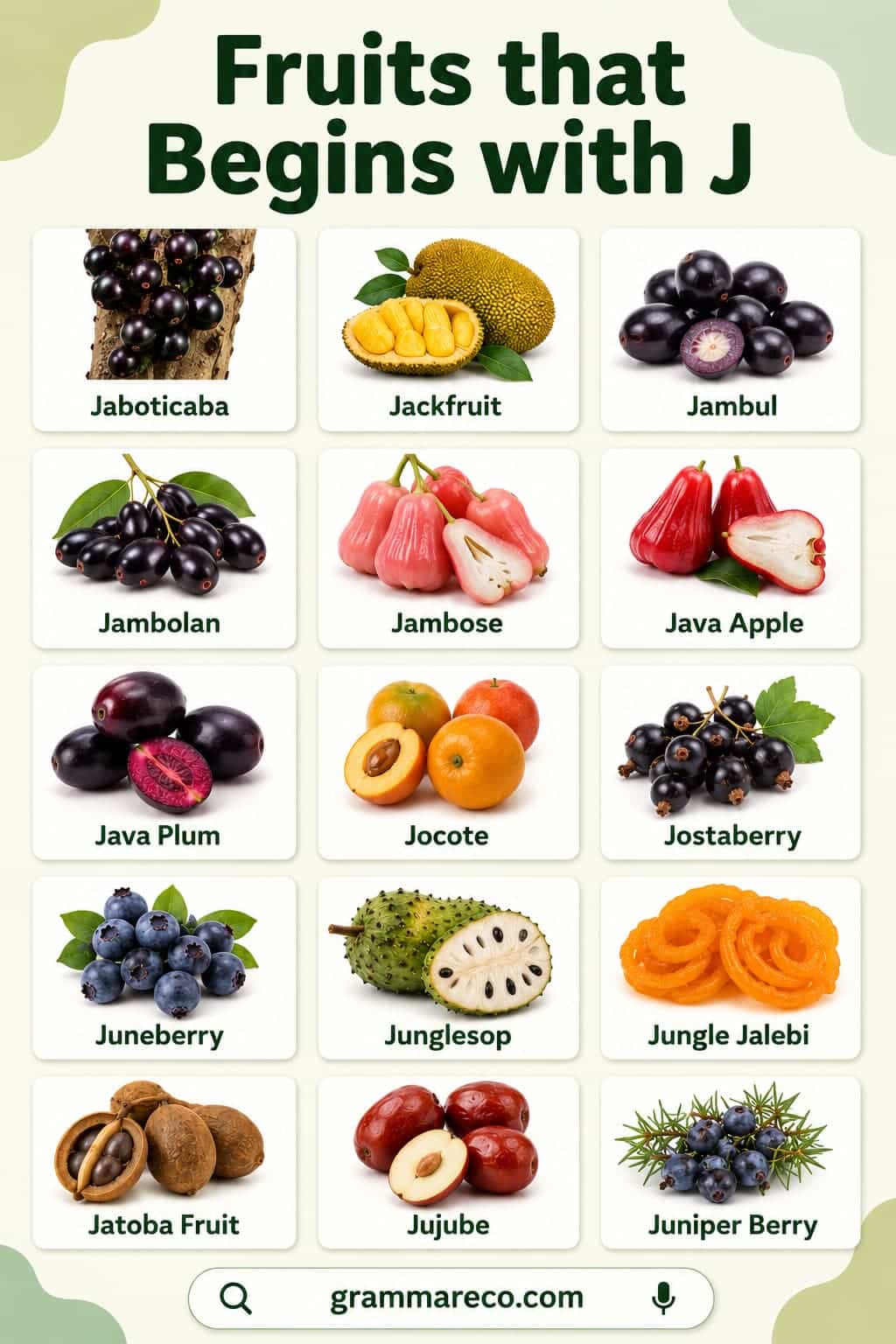
Complete List of Fruits That Start with J
Many fruits beginning with J are native to Asia, South America, Africa, and tropical regions. Some are common in local markets, while others are grown only in specific climates. Below is a comprehensive list of fruits that start with J.
- Jaboticaba
- Jackfruit
- Jambul (Java Plum)
- Jambolan
- Jambose (Rose Apple)
- Jamaican Cherry (Kerson)
- Japanese Persimmon (Kaki)
- Japanese Plum
- Java Apple (Wax Apple)
- Java Plum
- Jelly Palm Fruit
- Jocote
- Jostaberry
- Juneberry (Serviceberry)
- Junglesop
- Jungle Jalebi (Madras Thorn)
- Japanese Raisin Tree Fruit
- Jatoba Fruit
- Jujube
- Juniper Berry
Common Fruit Begins with J with Pictures and Properties
Some fruits beginning with J are widely recognized, while others are popular only in certain countries. Looking at their pictures along with their main characteristics makes it easier to identify each fruit and understand what makes it unique.
Jaboticaba
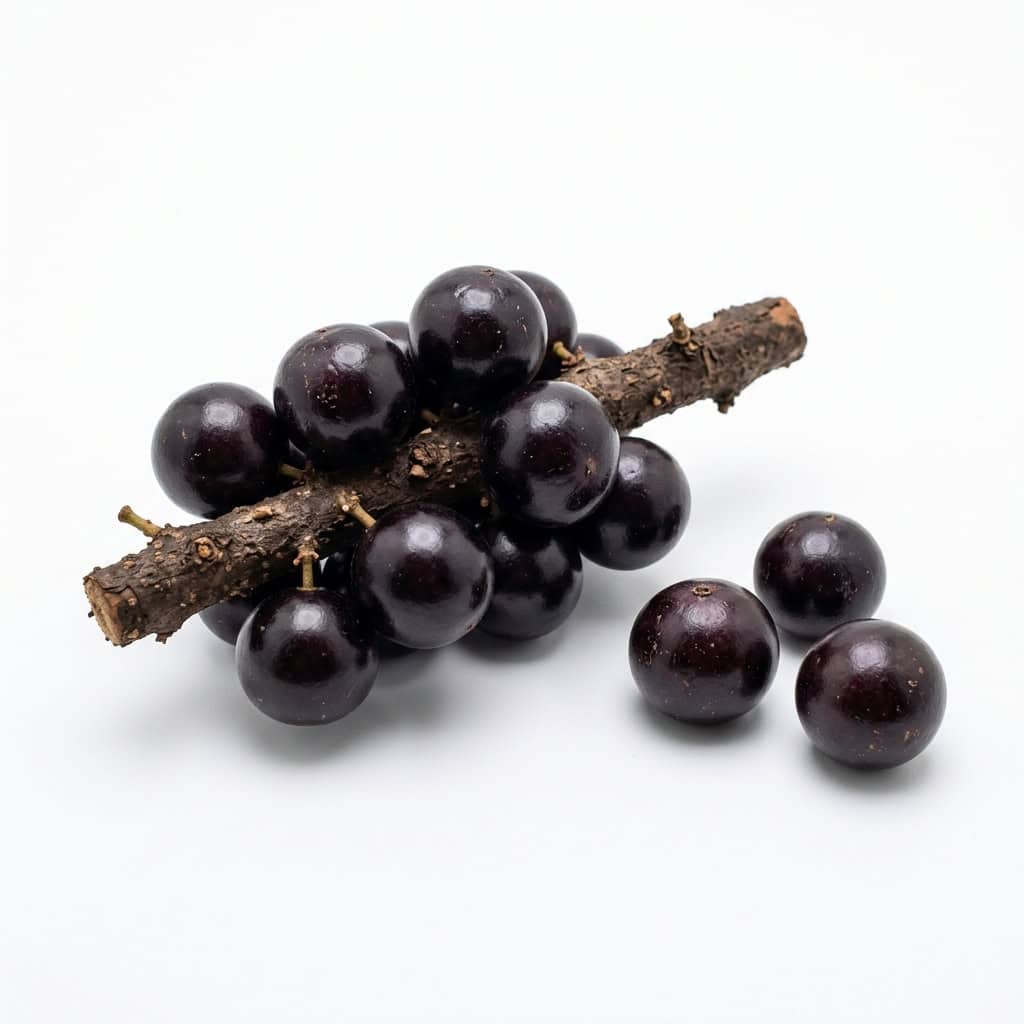
Jaboticaba is a unique Brazilian fruit that grows directly on the tree trunk instead of the branches. It has dark purple skin and juicy white flesh with a sweet, grape-like flavor. People enjoy it fresh or use it to make jams, juices, and desserts. Jaboticaba also provides vitamin C, antioxidants, and dietary fiber.
- Scientific Name: Plinia cauliflora
Jackfruit
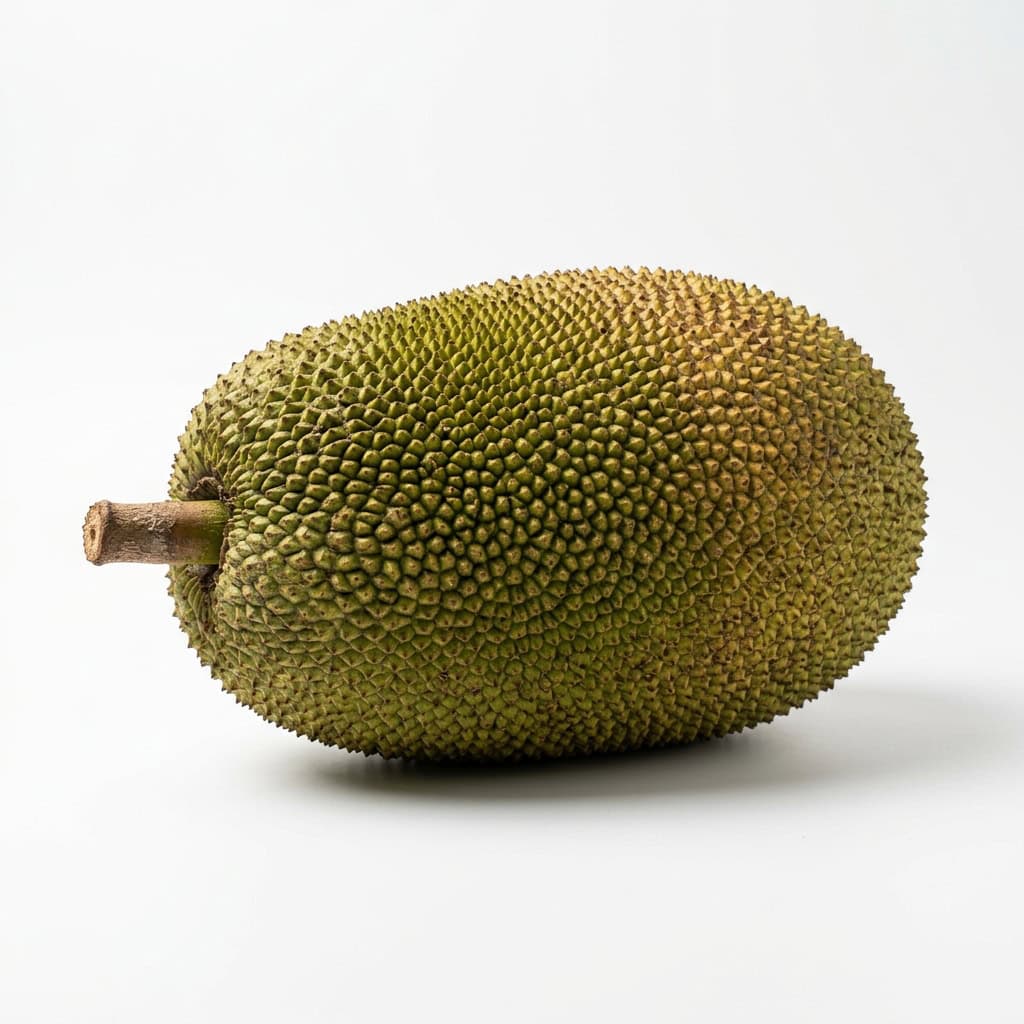
Jackfruit is the world’s largest tree-grown fruit and is native to South and Southeast Asia. Its ripe flesh is sweet and tropical, while the unripe fruit is commonly cooked as a vegetable or meat alternative. Jackfruit is rich in fiber, vitamin C, potassium, and natural antioxidants that support a balanced diet.
- Scientific Name: Artocarpus heterophyllus
Explore more: Jackfruit vs Durian Fruit with Pictures
Jambul (Java Plum)
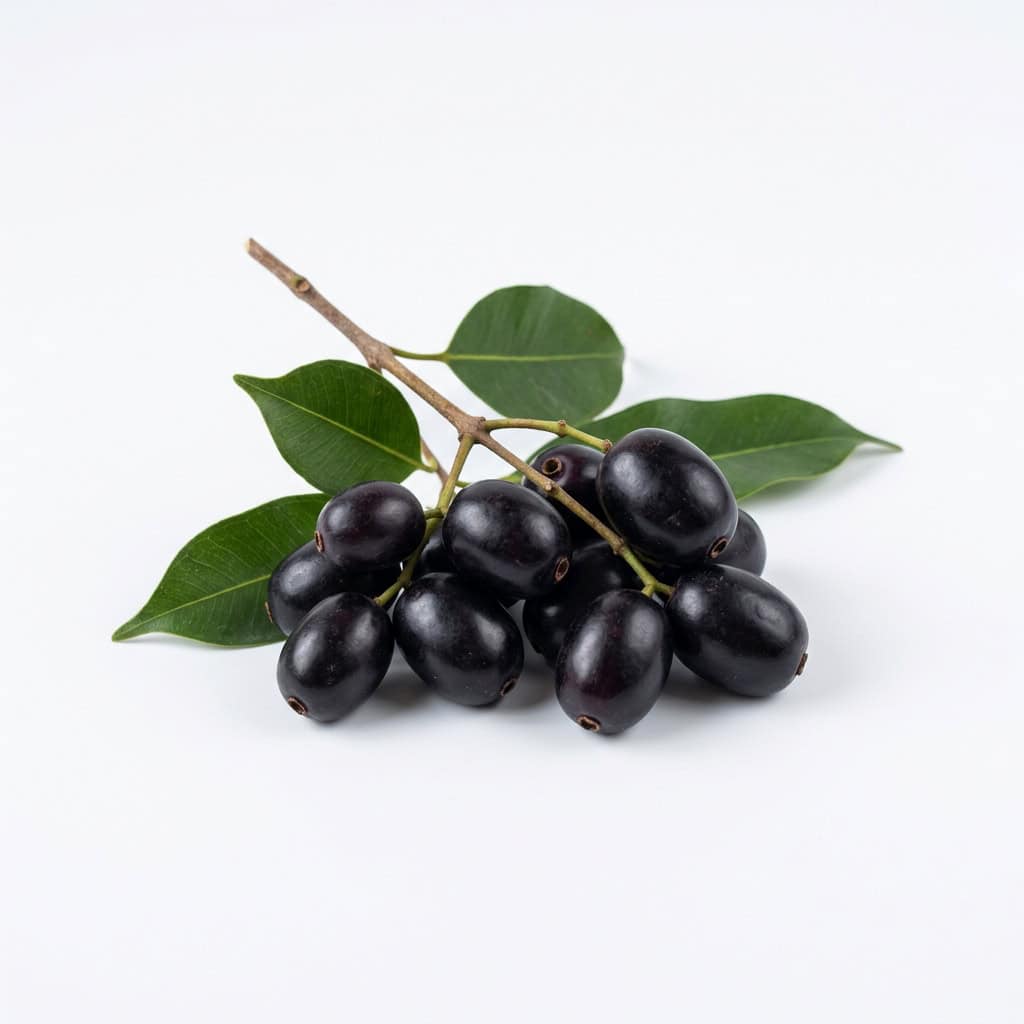
Jambul, also called Java Plum, is a tropical fruit with deep purple skin and juicy flesh that tastes sweet with a slight tartness. It is enjoyed fresh, in juices, or in traditional recipes. The fruit contains vitamin C, iron, antioxidants, and fiber, making it a nutritious seasonal fruit.
- Scientific Name: Syzygium cumini
Jambolan
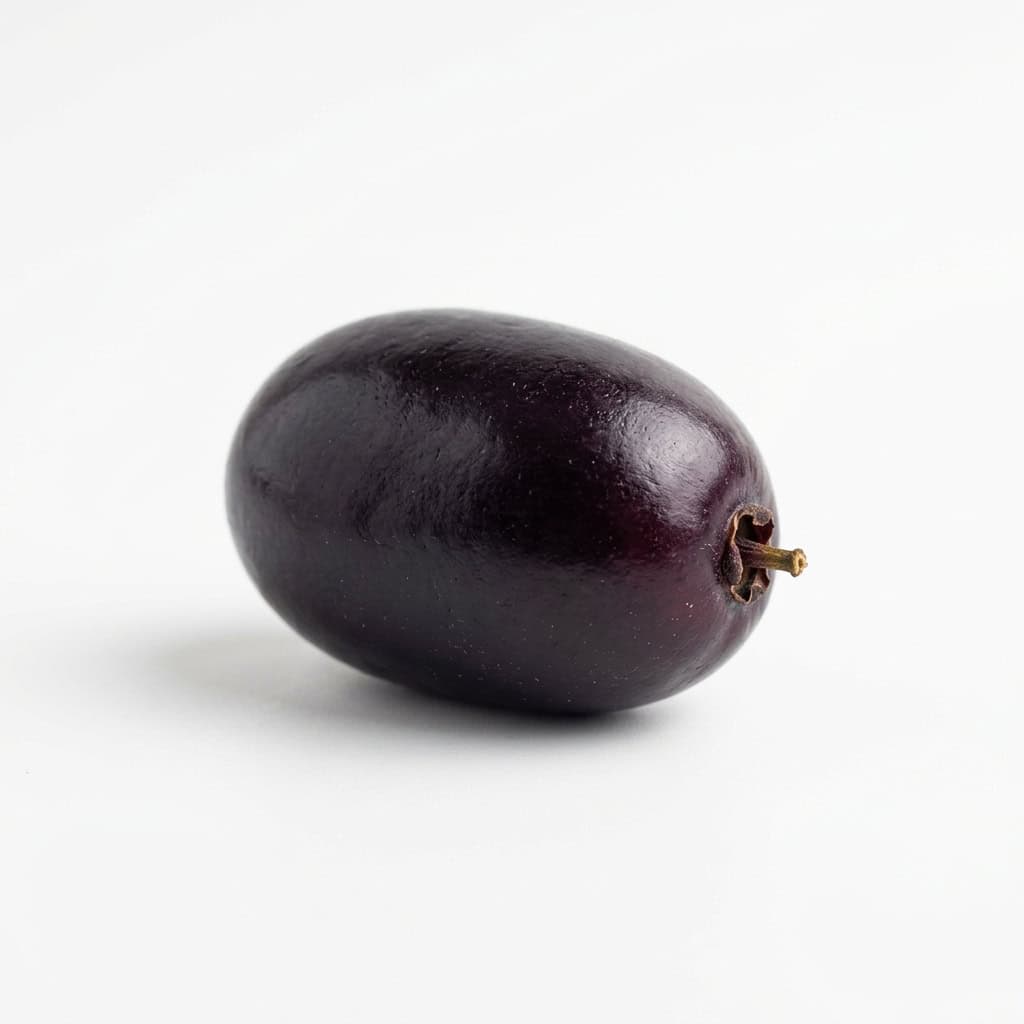
Jambolan is another common name for Java Plum, a glossy purple fruit known for its sweet and mildly astringent flavor. It grows on evergreen trees in tropical regions and is eaten fresh or made into drinks and preserves. Jambolan is a good source of vitamin C, antioxidants, and dietary fiber.
- Scientific Name: Syzygium cumini
Jambose (Rose Apple)
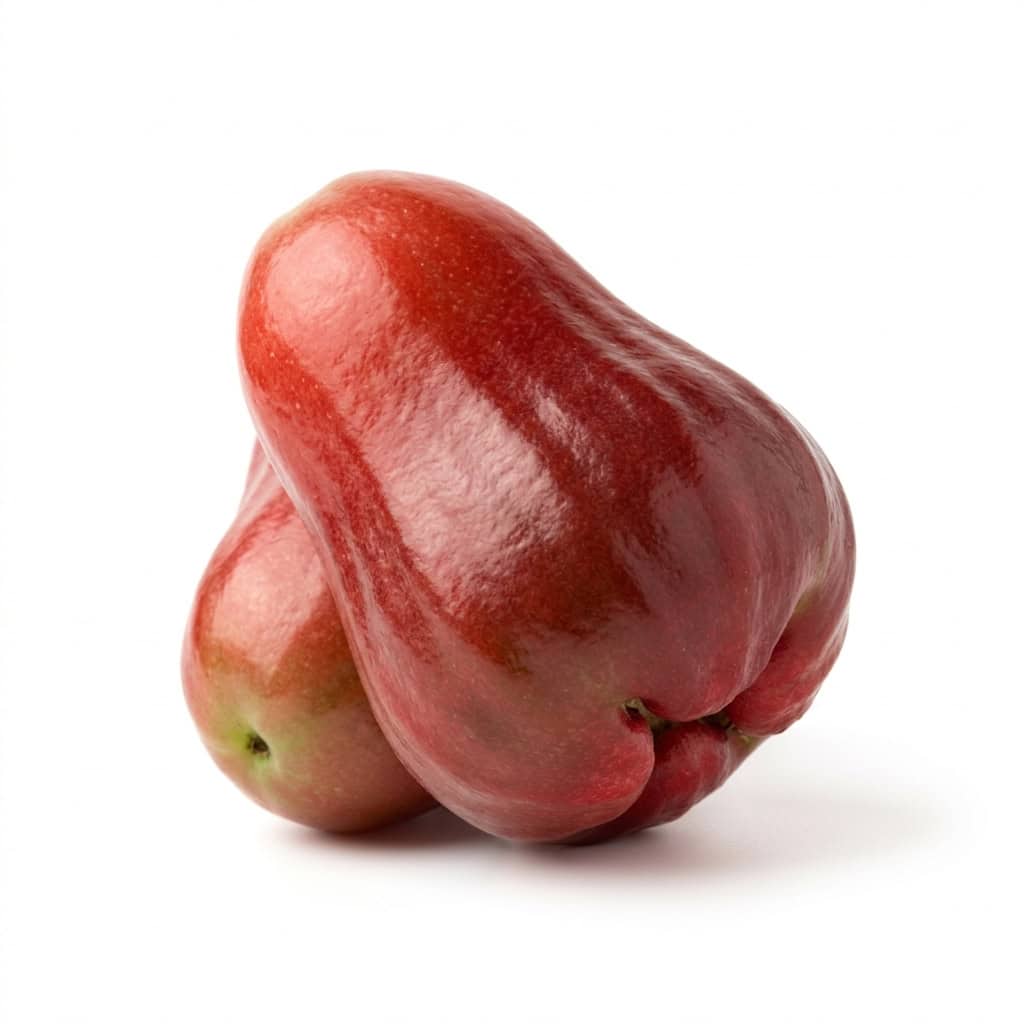
Jambose, also called Rose Apple, is a crisp fruit with pale green, yellow, or pink skin and a light floral fragrance. Its juicy flesh has a mild, refreshing sweetness that makes it enjoyable fresh. Rose Apple also provides vitamin C, fiber, and plenty of water for natural hydration.
- Scientific Name: Syzygium jambos
Jamaican Cherry (Kerson)
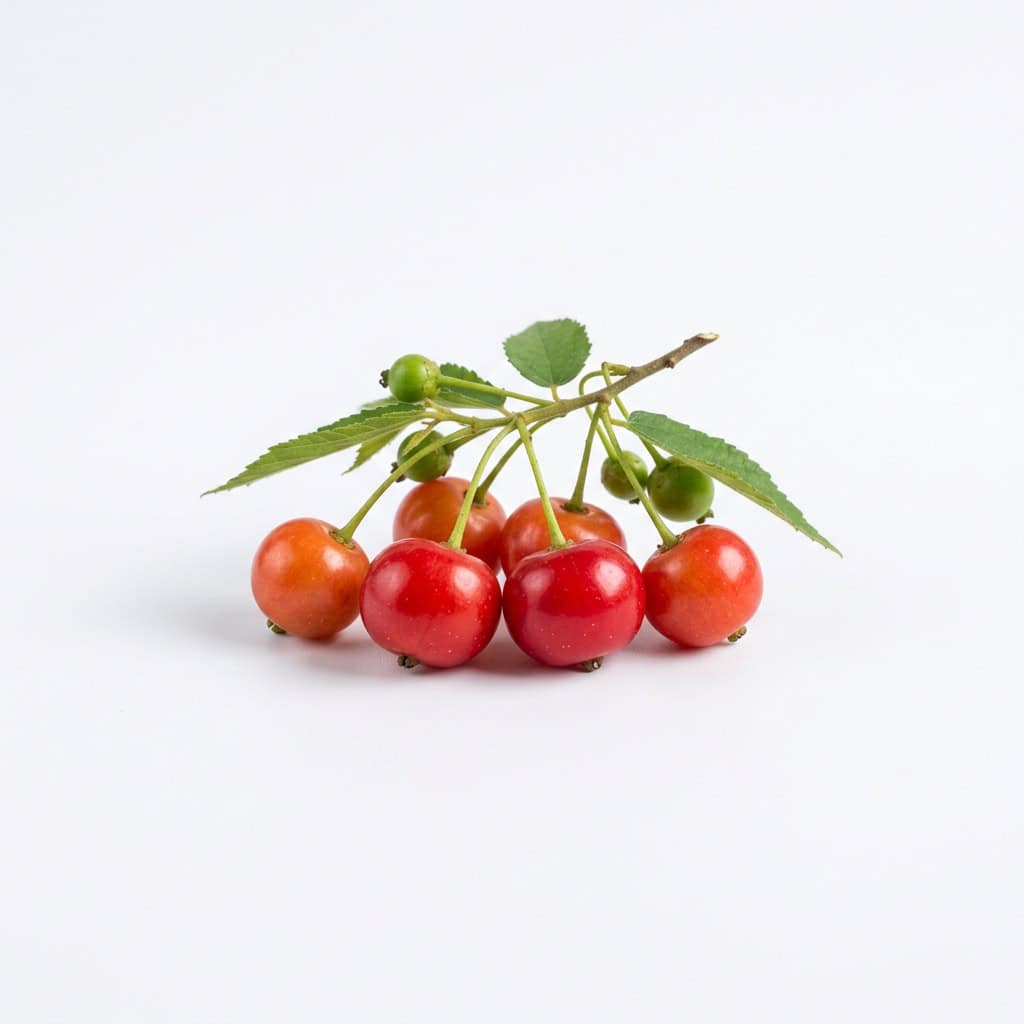
Jamaican Cherry, also known as Kerson, produces small bright red fruits with soft, sweet flesh. The fruit grows quickly in tropical climates and is commonly eaten fresh by both people and birds. Jamaican Cherry contains vitamin C, antioxidants, and fiber, making it a healthy and naturally sweet snack.
- Scientific Name: Muntingia calabura
Japanese Persimmon (Kaki)
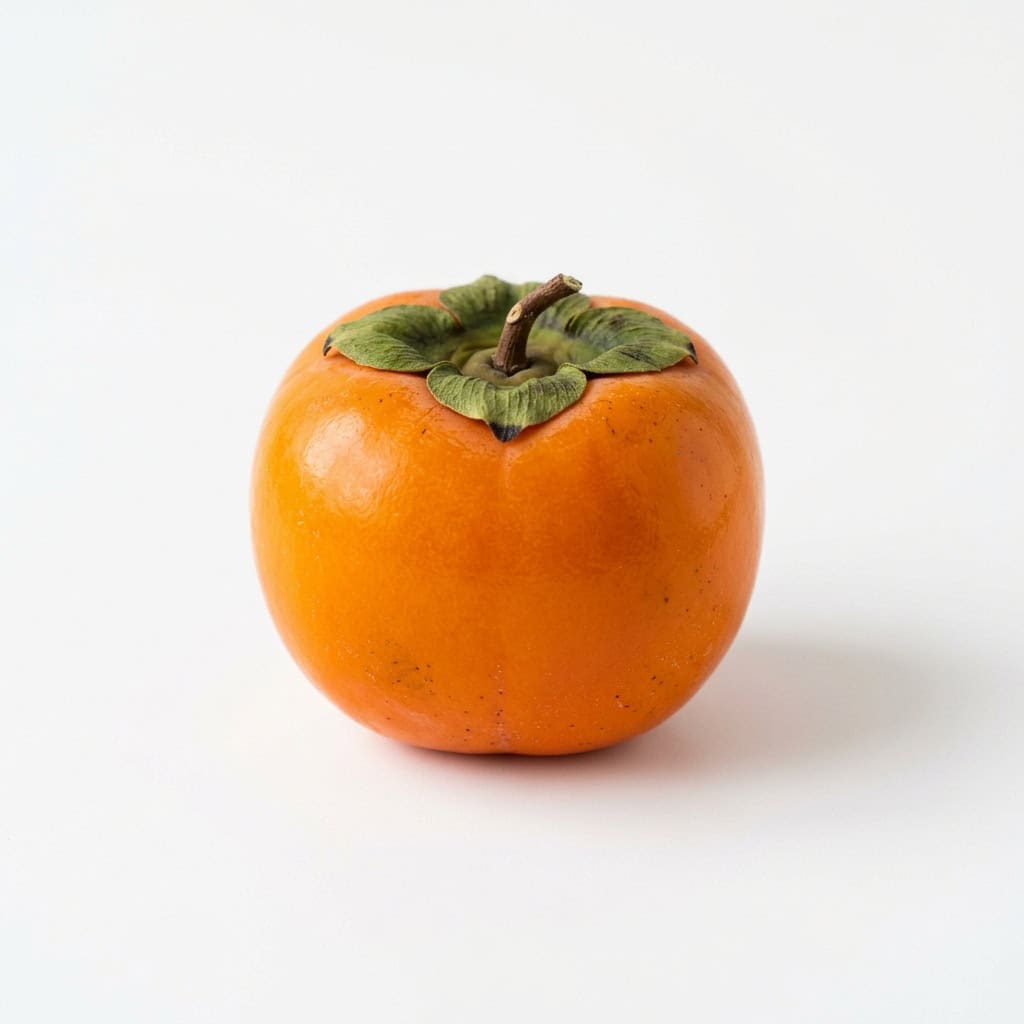
Japanese Persimmon, commonly called Kaki, is a bright orange fruit with smooth skin and sweet, honey-like flesh when fully ripe. It is enjoyed fresh, dried, or added to desserts and baked foods. The fruit is rich in fiber, vitamin A, vitamin C, and beneficial antioxidants.
- Scientific Name: Diospyros kaki
Japanese Plum
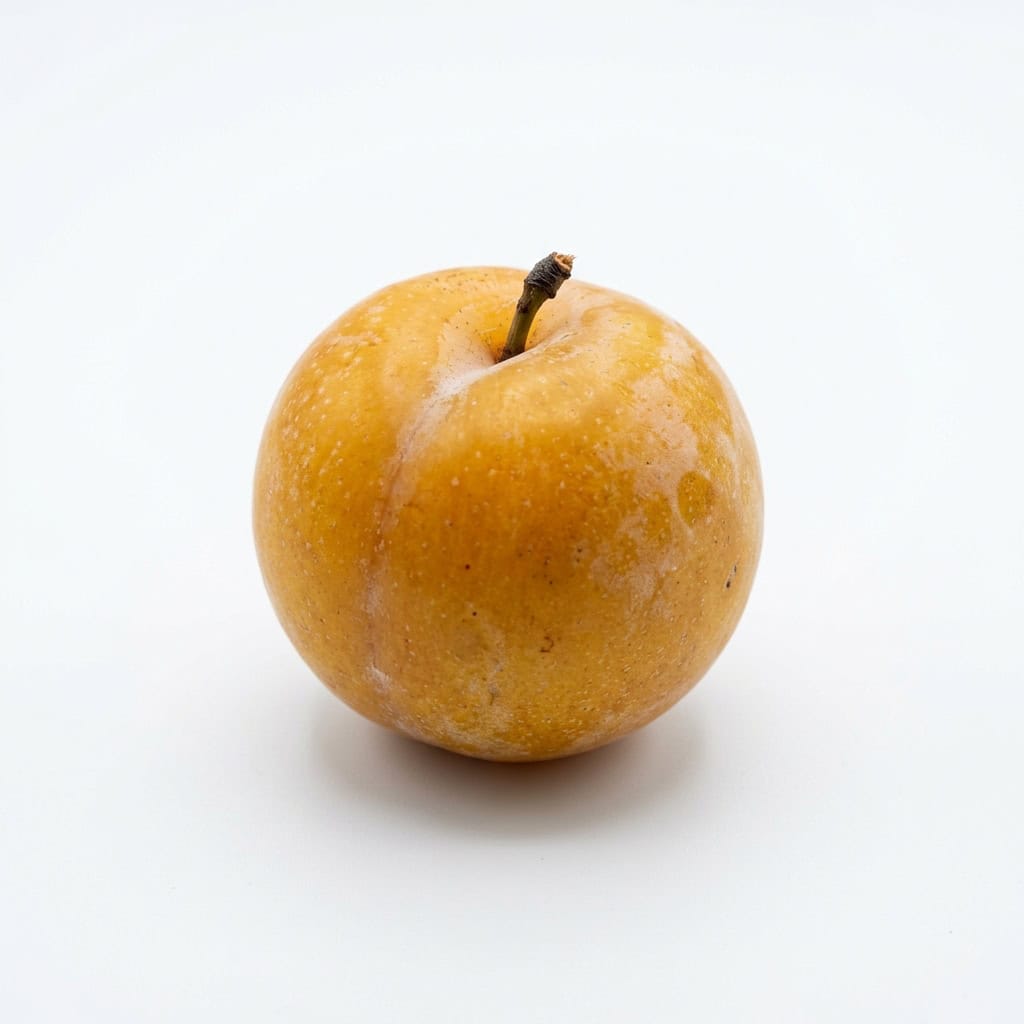
Japanese Plum is a smooth-skinned stone fruit with juicy flesh that ranges from yellow to deep red. Depending on the variety, its flavor can be sweet, tart, or both. It is widely eaten fresh and used in jams, desserts, and juices. Japanese Plum also provides vitamin C and fiber.
- Scientific Name: Prunus salicina
Jelly Palm Fruit
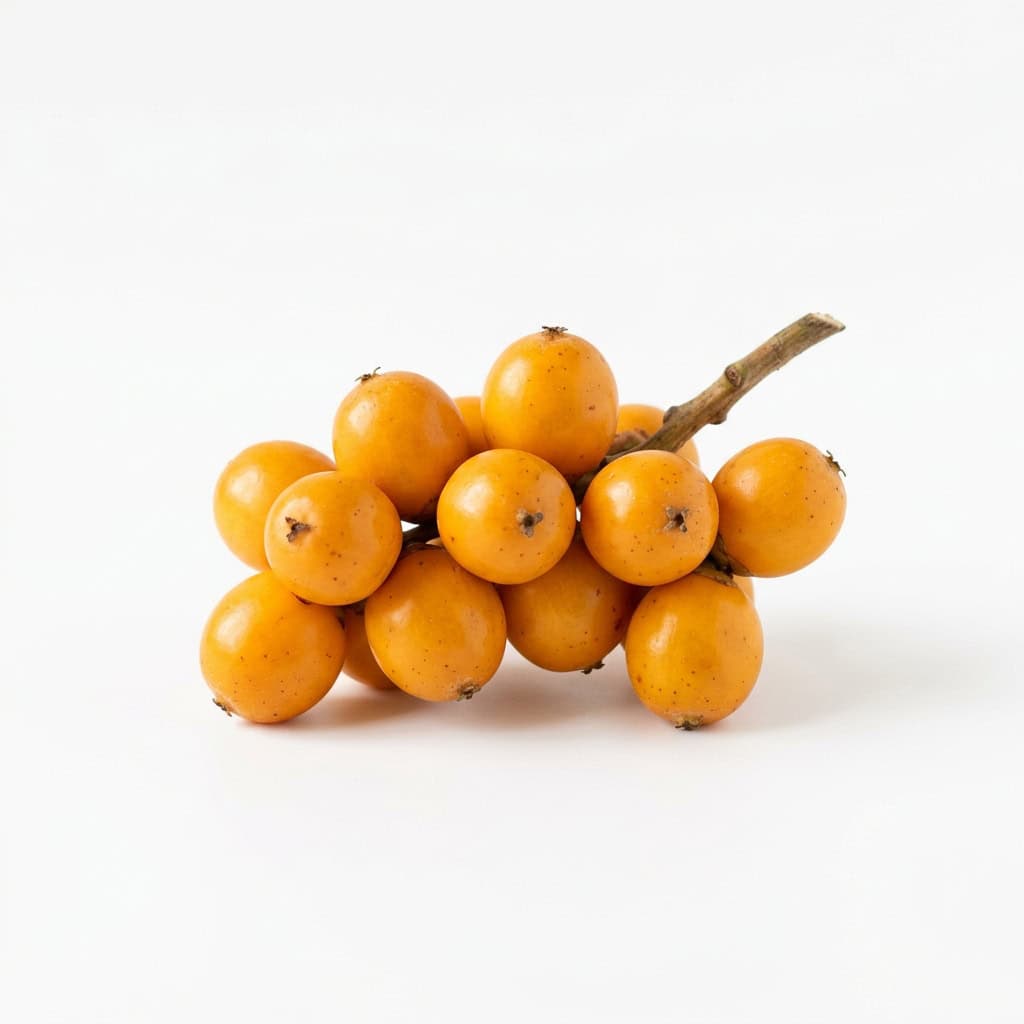
Jelly Palm Fruit grows on the Pindo Palm and is known for its sweet, tropical flavor with hints of pineapple and apricot. The small yellow-orange fruits are commonly used to make jelly, jam, wine, and fresh juice. They also contain vitamin C, fiber, and natural fruit sugars.
- Scientific Name: Butia odorata
Jocote
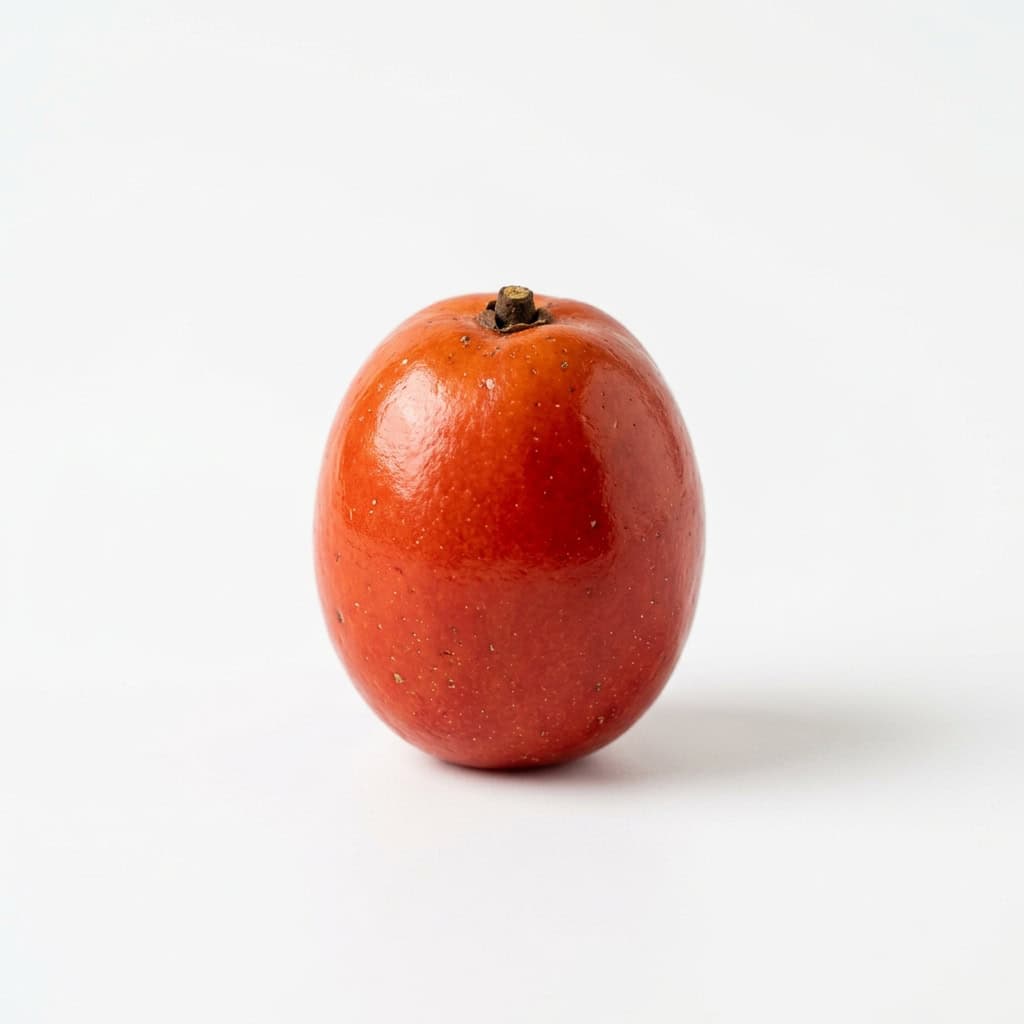
Jocote is a tropical fruit native to Central America with smooth skin that changes from green to yellow, red, or purple as it ripens. Its juicy flesh ranges from tart to sweet depending on maturity. Jocote is commonly enjoyed fresh and supplies vitamin C, fiber, and antioxidants.
- Scientific Name: Spondias purpurea
Jostaberry
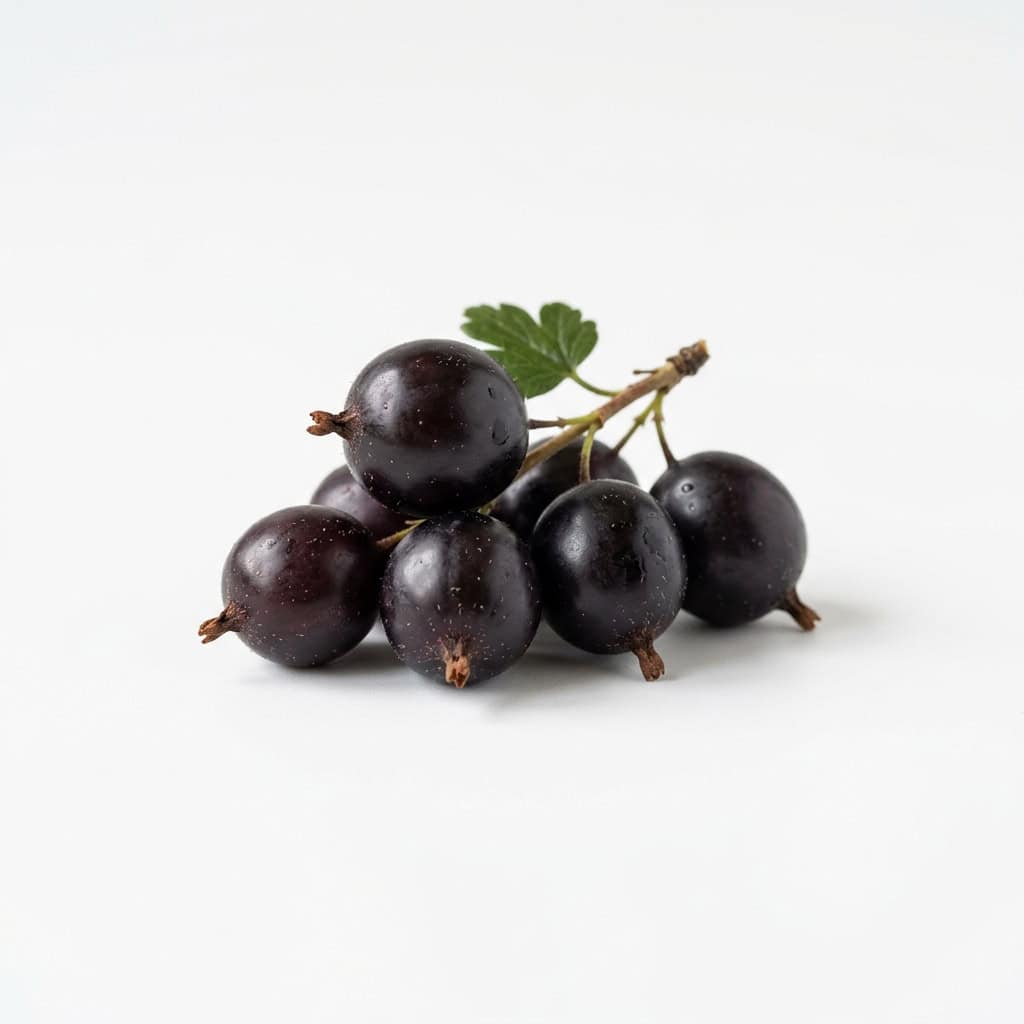
Jostaberry is a hybrid fruit developed by crossing a blackcurrant and a gooseberry. It has dark purple berries with a rich sweet and tangy flavor. The fruit is popular in jams, pies, juices, and fresh snacks. Jostaberry is also rich in vitamin C, antioxidants, and fiber.
- Scientific Name: Ribes × nidigrolaria
Juneberry (Serviceberry)
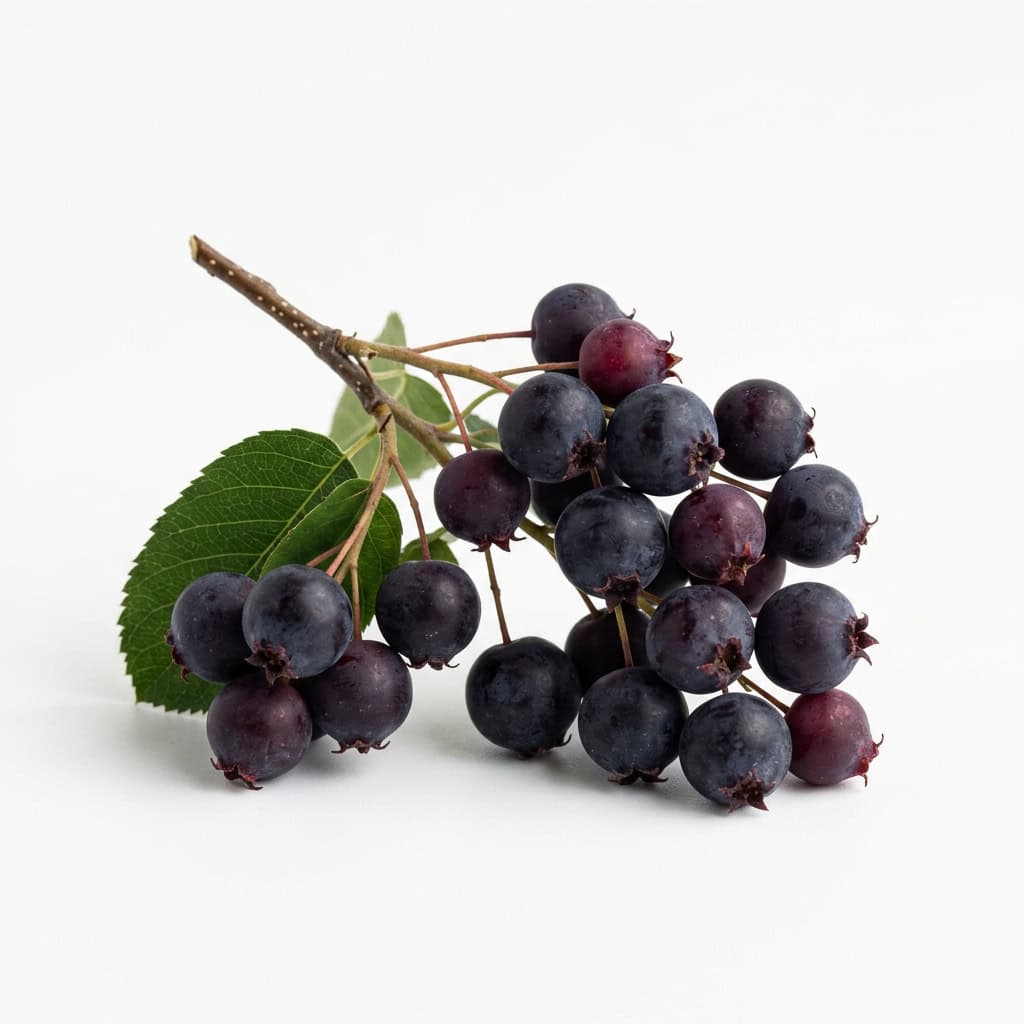
Juneberry, also called Serviceberry, is a small purple-blue fruit with a naturally sweet flavor similar to blueberries and almonds. It grows on shrubs and small trees across North America. Juneberries are enjoyed fresh or baked into pies and muffins while providing fiber, vitamin C, and antioxidants.
- Scientific Name: Amelanchier canadensis
Junglesop
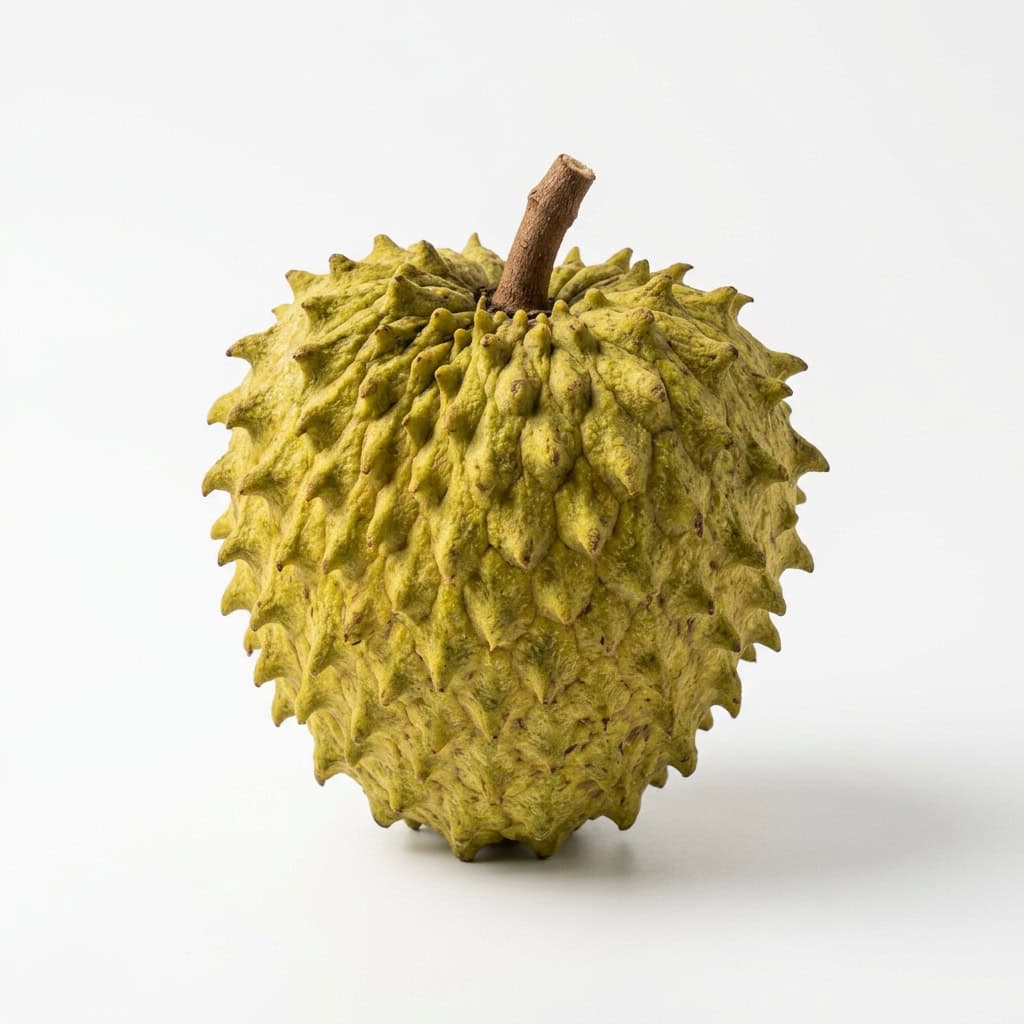
Junglesop is a rare tropical fruit from West and Central Africa. It has rough green skin and soft white flesh with a sweet and slightly tangy flavor. The fruit is usually eaten fresh and contains vitamin C, fiber, and natural antioxidants that make it a nutritious tropical fruit.
- Scientific Name: Anonidium mannii
Jungle Jalebi (Madras Thorn)
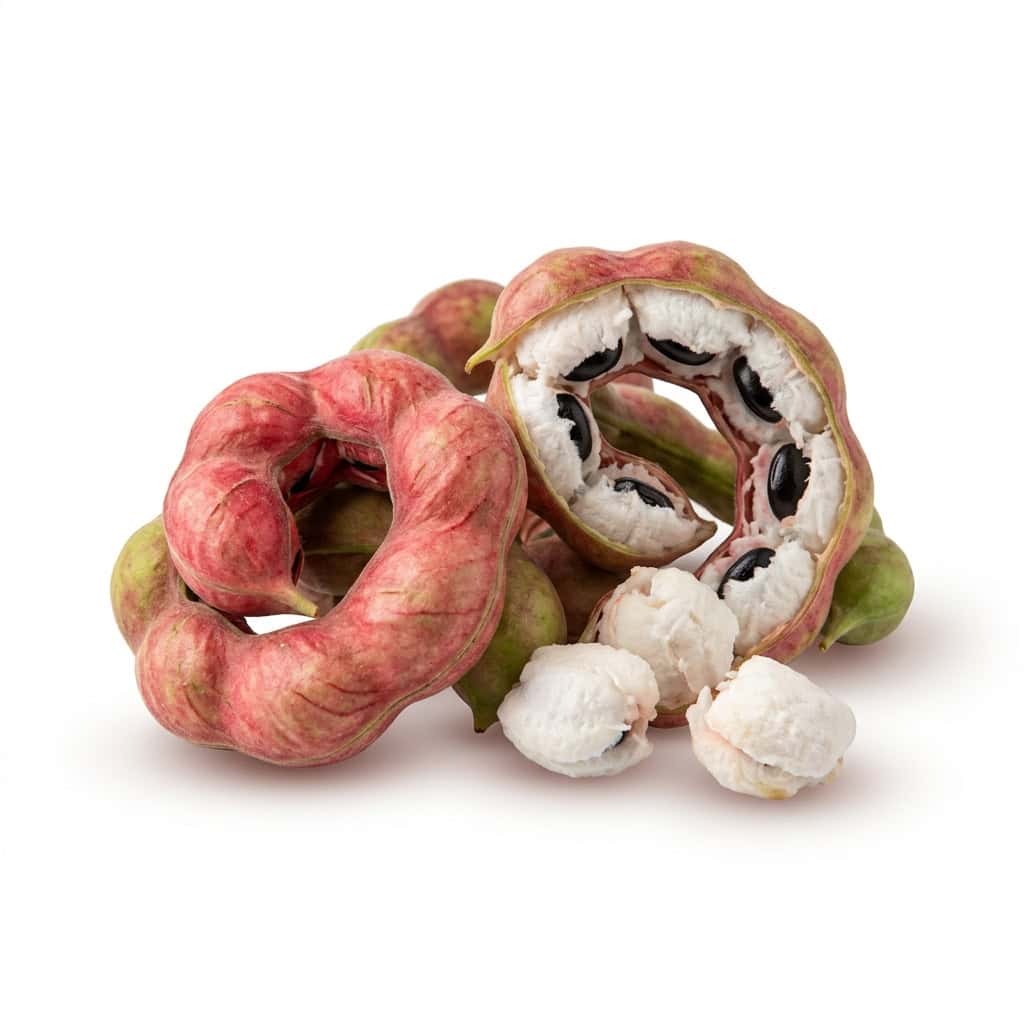
Jungle Jalebi, also called Madras Thorn, produces twisted pink seed pods with sweet edible pulp inside. The fruit has a pleasant sweet and slightly tangy taste and is enjoyed fresh in many tropical regions. It also contains fiber, vitamin C, and natural plant nutrients.
- Scientific Name: Pithecellobium dulce
Japanese Raisin Tree Fruit
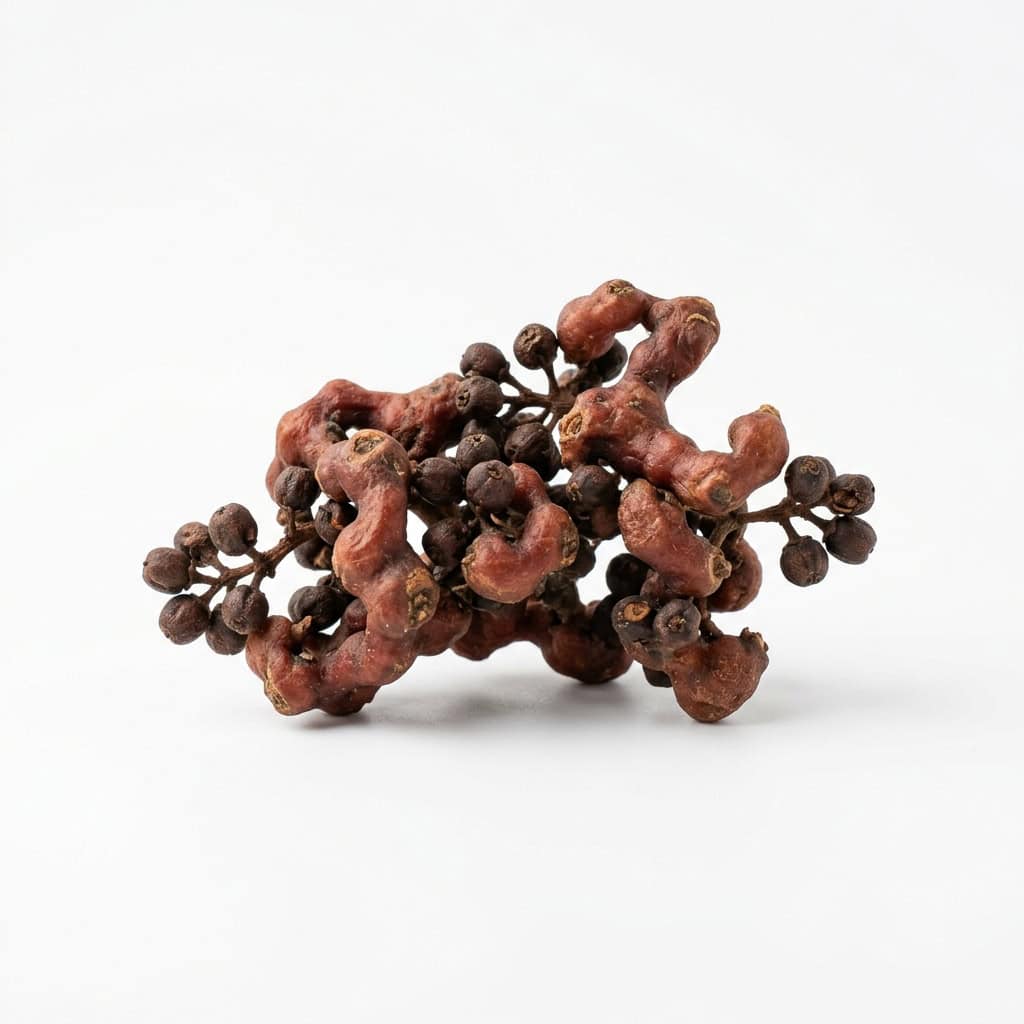
Japanese Raisin Tree Fruit comes from an East Asian tree whose swollen fruit stalk becomes sweet after ripening. Instead of the small fruit itself, the fleshy stalk is commonly eaten fresh or dried. It has a raisin-like sweetness and contains natural sugars, vitamins, and antioxidants.
- Scientific Name: Hovenia dulcis
Jatoba Fruit
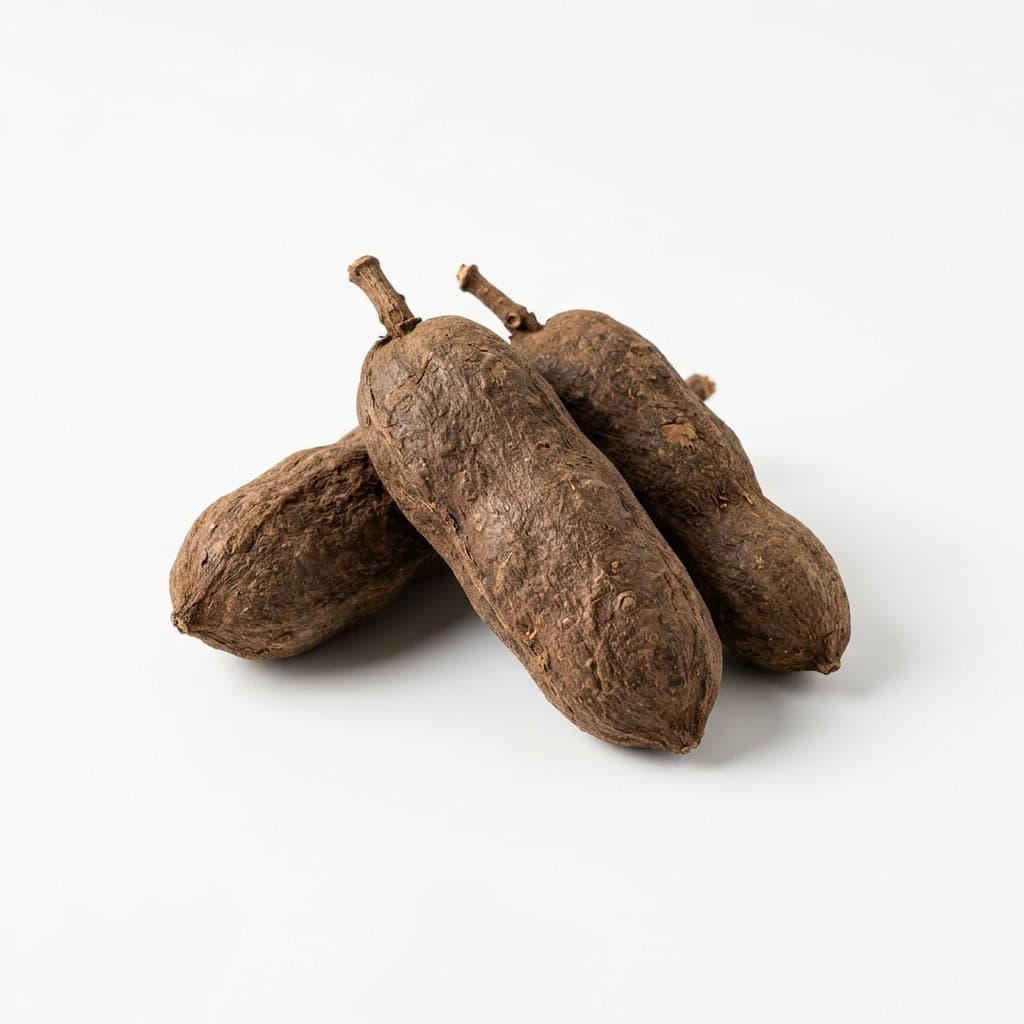
Jatoba Fruit grows on the large Jatoba tree in Central and South America. It has a hard shell with dry, naturally sweet pulp that is often ground into flour or eaten as a snack. The fruit provides fiber, calcium, iron, and other beneficial nutrients.
- Scientific Name: Hymenaea courbaril
Java Apple (Wax Apple)
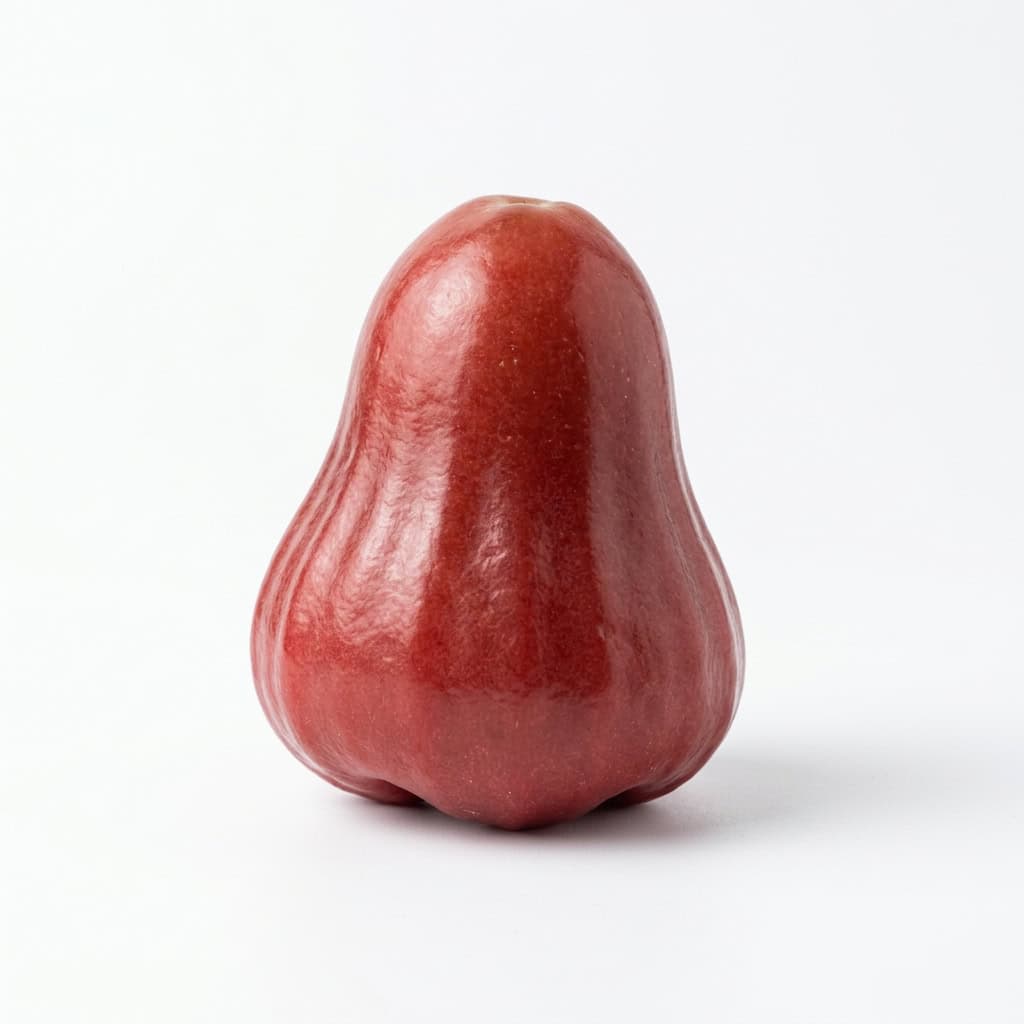
Java Apple, also called Wax Apple, is a bell-shaped tropical fruit with shiny red, pink, or green skin. It has crisp, watery flesh with a light sweet flavor that makes it refreshing in warm weather. Java Apple is low in calories and contains vitamin C, fiber, and plenty of water.
- Scientific Name: Syzygium samarangense
Jujube
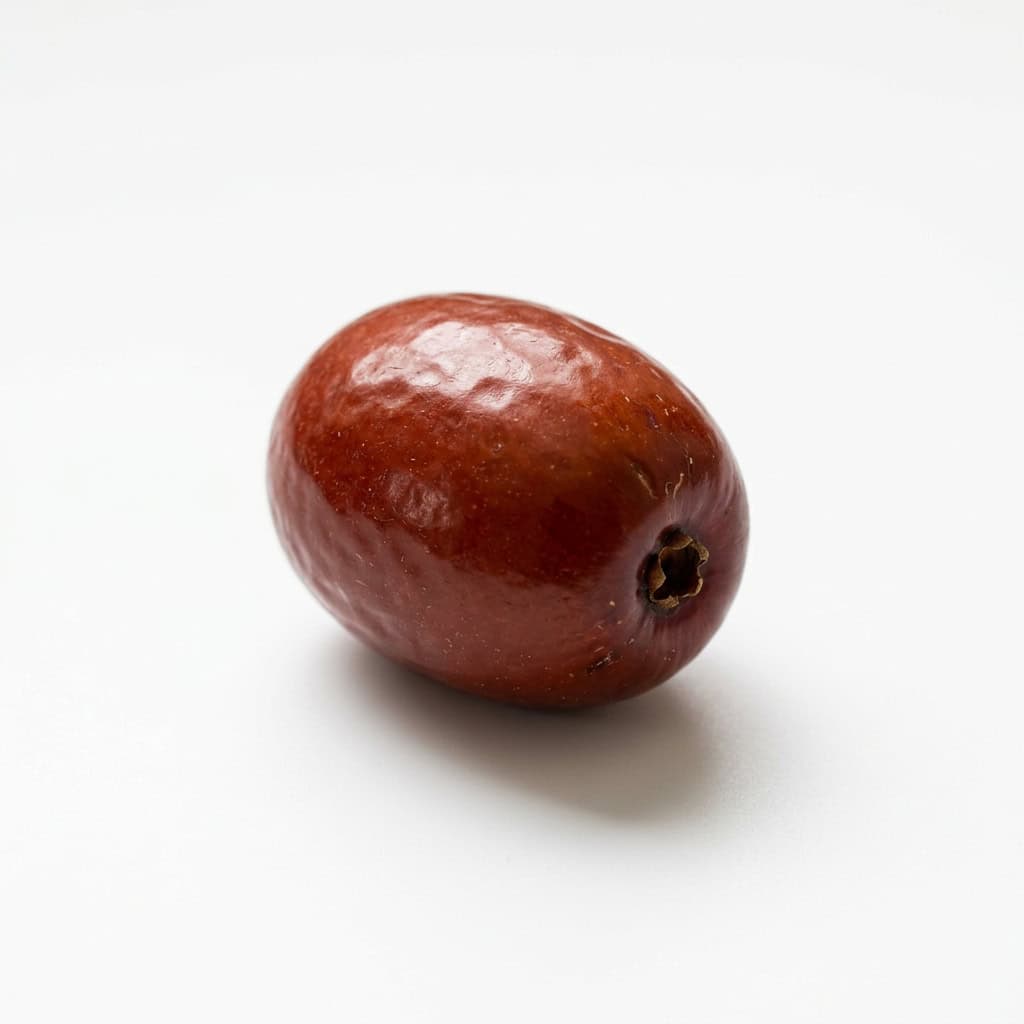
Jujube is a small fruit that looks similar to a date when dried. Fresh jujubes are crisp like apples, while dried ones become sweet and chewy. They are enjoyed as snacks, teas, and desserts. Jujube contains vitamin C, fiber, antioxidants, and natural fruit sugars.
- Scientific Name: Ziziphus jujuba
Juniper Berry
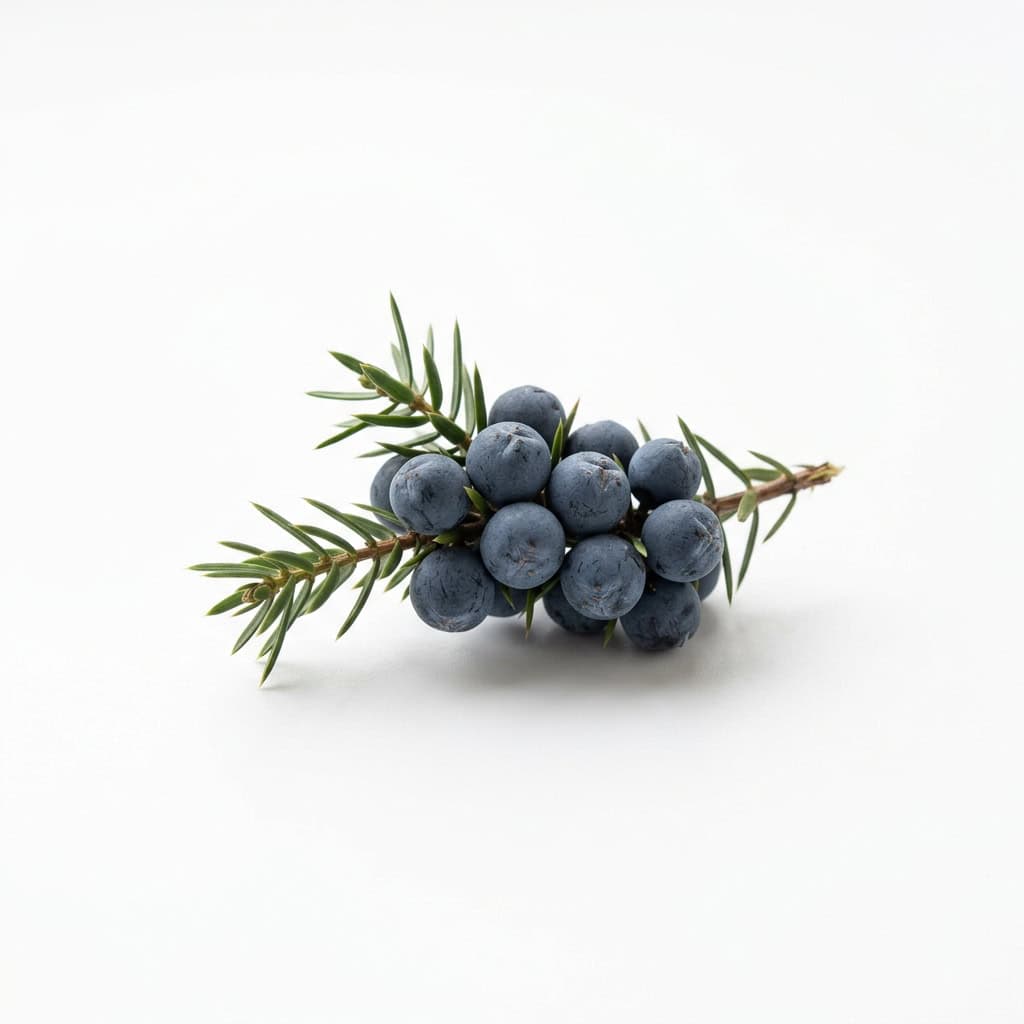
Juniper Berry is the small seed cone of the juniper plant and is commonly used as a culinary spice rather than eaten as a fresh fruit. It has a fresh pine-like flavor and is used to season meats, sauces, and beverages. Juniper berries also contain natural aromatic oils and antioxidants.
- Scientific Name: Juniperus communis
Wild Fruits Starting with J in English
Many wild J fruits grow naturally in forests, mountains, and tropical regions without commercial farming. They are often valued by local communities for their flavor and traditional uses.
- Junglesop: A large wild tropical fruit with creamy white flesh and a sweet, slightly tangy taste. It grows naturally in African rainforests.
- Jungle Jalebi (Madras Thorn): A twisted pink seed pod containing sweet edible pulp. It grows on thorny trees in tropical and subtropical regions.
- Jatoba Fruit: Produced by the Brazilian cherry tree, this wild fruit contains dry, naturally sweet pulp with a flavor similar to vanilla.
- Juniper Berry: Small blue-purple berry-like cones that grow on evergreen shrubs. They are mainly used as a spice rather than eaten fresh.
- Jelly Palm Fruit: Small yellow-orange fruits that grow on palm trees. Their sweet pulp is commonly made into jams and jellies.
- Japanese Raisin Tree Fruit: A unique wild fruit where the thickened fruit stalk becomes sweet and edible after ripening.
Easy Fruits Names That Starts with J for Kids
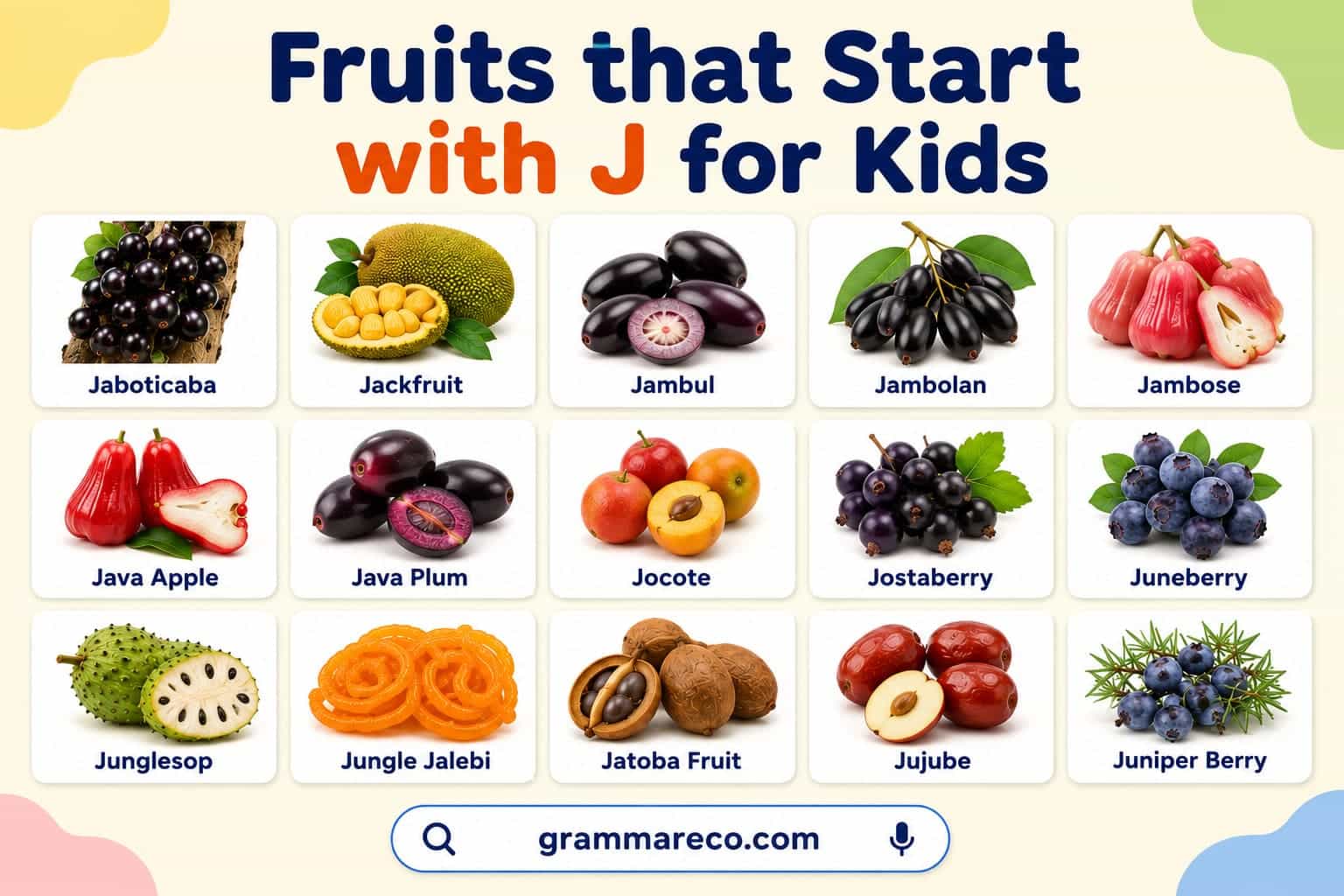
Young learners can begin with these easy fruit names before learning the less common varieties.
- Jackfruit: A very large tropical fruit with sweet yellow pieces inside.
- Jujube: A small fruit that tastes crisp when fresh and sweet when dried.
- Java Plum: A purple fruit with juicy flesh and one seed.
- Java Apple: A shiny bell-shaped fruit with crisp, watery flesh.
- Japanese Persimmon: A bright orange fruit that becomes soft and sweet when ripe.
- Japanese Plum: A juicy plum with smooth skin and sweet or tart flesh.
- Jaboticaba: A purple fruit that grows directly on the tree trunk.
- Jocote: A colorful tropical fruit that becomes sweeter as it ripens.
- Jamaican Cherry: A tiny red fruit with soft, sweet flesh.
- Jelly Palm Fruit: A small yellow fruit often used to make jelly.
Nutrition Facts of Fruits That Start with J
Different J fruits provide vitamins, minerals, fiber, and natural antioxidants. The table below highlights the main nutrients found in several popular fruits that start with J.
| Fruit | Key Nutrients | Main Benefit |
|---|---|---|
| Jackfruit | Vitamin C, Potassium, Fiber | Supports digestion and normal body functions |
| Jujube | Vitamin C, Fiber | Supports immune health |
| Jaboticaba | Vitamin C, Antioxidants | Helps protect body cells |
| Java Plum | Vitamin C, Iron | Provides natural antioxidants |
| Java Apple | Vitamin C, Water | Helps maintain hydration |
| Japanese Persimmon | Vitamin A, Fiber | Supports eye and digestive health |
| Japanese Plum | Vitamin C, Vitamin K | Provides essential nutrients |
| Jocote | Vitamin C, Fiber | Supports digestive health |
| Jostaberry | Vitamin C, Antioxidants | Helps protect cells from oxidative stress |
| Jelly Palm Fruit | Vitamin C, Fiber | Provides natural plant nutrients |
FAQs About Fruits That Start with J
The most common Fruits That Start with J include Jackfruit, Jujube, Java Plum, Java Apple, Japanese Persimmon, Japanese Plum, Jaboticaba, and Jocote. These fruits are grown in different regions and are enjoyed fresh or in recipes.
Jackfruit is the largest tree fruit in the world. A single fruit can weigh over 80 pounds (36 kilograms), making it much larger than most other fruits beginning with J.
Yes. Wild fruits that start with J include Junglesop, Jungle Jalebi, Juniper Berry, Jatoba Fruit, Jelly Palm Fruit, and Japanese Raisin Tree Fruit. Many grow naturally in forests and tropical regions.
No. Juniper Berry is actually a seed cone produced by juniper trees. It looks like a berry and is widely used as a spice and flavoring.
Several J fruits provide vitamin C, including Jujube, Jaboticaba, Jackfruit, and Jostaberry. Their exact vitamin C content varies by variety and growing conditions.
Takeaway
Fruits That Start with J include large tropical fruits, juicy berries, colorful stone fruits, and several uncommon wild varieties. Learning their names, appearance, properties, and nutrition helps you recognize them more easily in books, grocery stores, gardens, and educational materials. Pictures make it easier to tell similar fruits apart.
Read more