

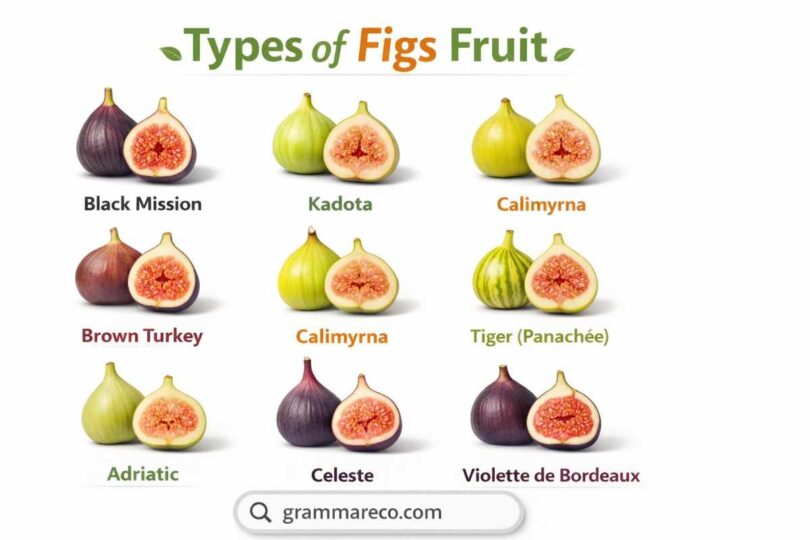
Fig fruits have been grown for thousands of years across the Mediterranean, the Middle East, and parts of Asia. Different fig types developed due to climate, soil, and cultivation needs, which is why fig fruits vary in skin color, flesh tone, sweetness, and size. Learning these types of figs fruit helps readers recognize figs correctly when buying or discussing them.
Types of Figs Fruit with Photos
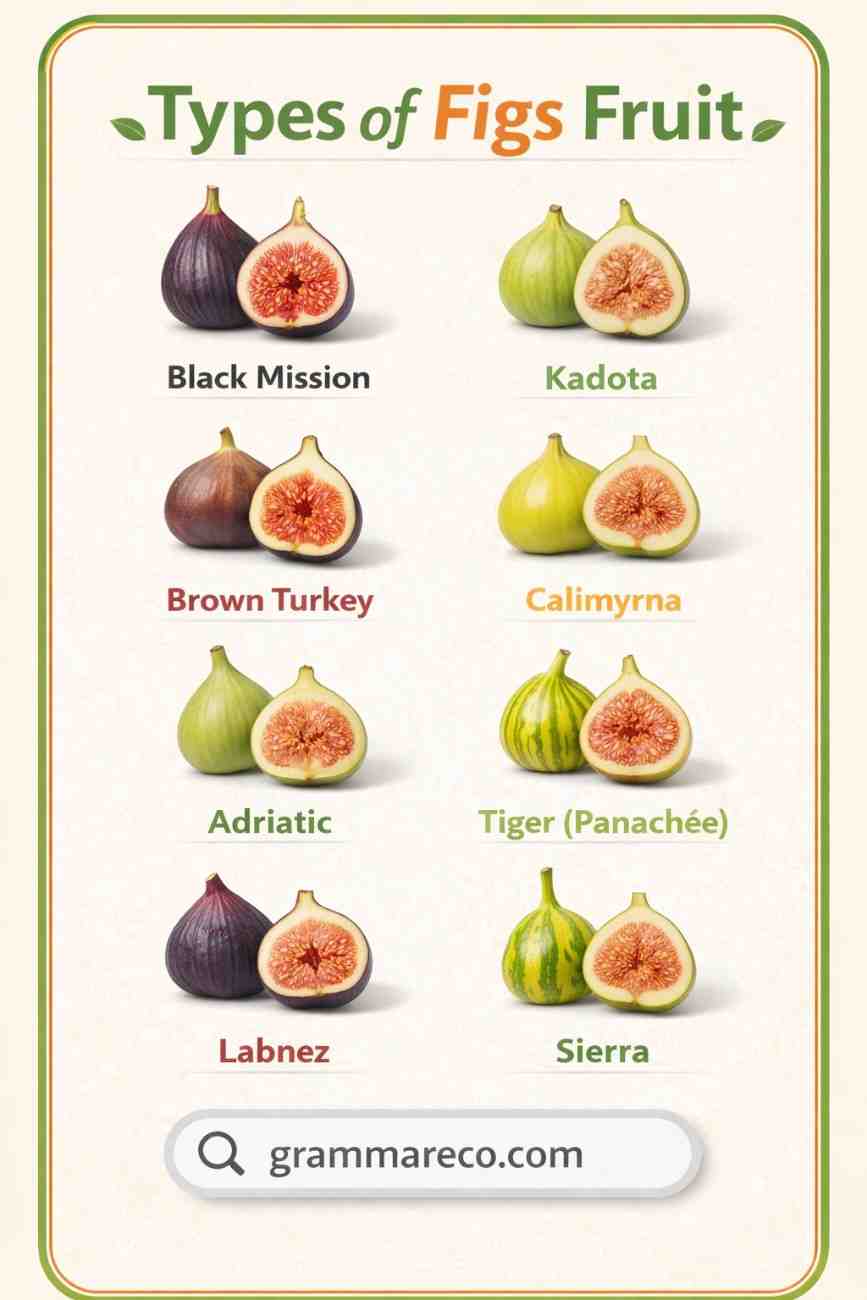
Today, fig varieties differ in appearance, sweetness, and texture due to regional growing conditions and selective cultivation. Below are the most widely recognized fig fruit types and clear attributes for accurate identification.
Black Mission Fig
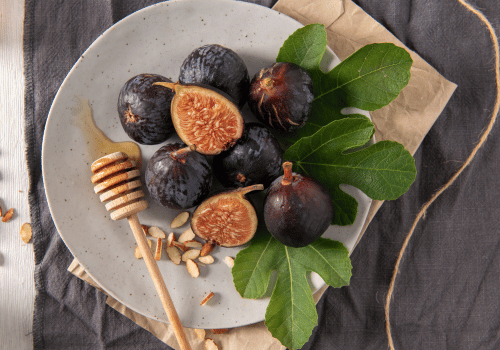
The Black Mission fig originated in Spain and was introduced to North America by Spanish missionaries during the 18th century. It quickly adapted to the climate of California, where it became a dominant commercial fig variety.
This fig is valued for both fresh consumption and drying. Its deep color signals high natural sugar levels.
- Common name: Black Mission
- Scientific Name: Ficus carica
- Shape: Pear-shaped
- Size: Medium
- Weight: 40–50 grams
- Skin color: Deep purple to nearly black
- Taste and Flavor Profile: Very sweet, rich, jam-like
Brown Turkey Fig
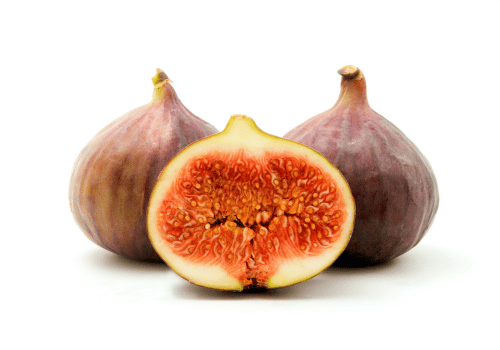
Brown Turkey figs are believed to have originated in the Eastern Mediterranean region. They gained popularity across Europe and the United States because of their hardiness and consistent fruiting.
This fig variety produces large yields and is commonly grown in home gardens. Its flavor is mild, making it suitable for fresh eating.
Attributes:
- Common name: Brown Turkey
- Scientific Name: Ficus carica
- Shape: Rounded with a short neck
- Size: Medium to large
- Weight: 45–55 grams
- Skin color: Brownish purple
- Taste and Flavor Profile: Mildly sweet, nutty
Calimyrna Fig
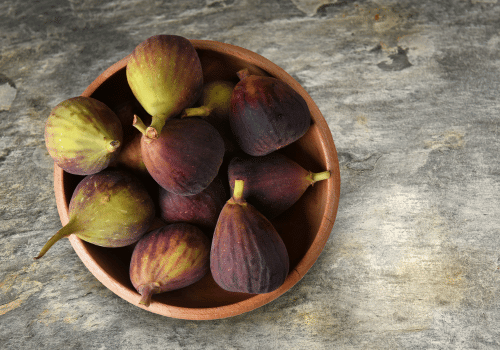
Calimyrna figs trace their roots to ancient Smyrna, located in modern-day Turkey. They were later cultivated in California under the name “Calimyrna.”
This fig requires pollination to develop properly and is most often dried. Its large size and golden interior make it distinct.
Attributes:
- Common name: Calimyrna
- Scientific Name: Ficus carica
- Shape: Flattened round
- Size: Large
- Weight: 55–65 grams
- Skin color: Greenish yellow
- Taste and Flavor Profile: Honey-like, nutty
Kadota Fig
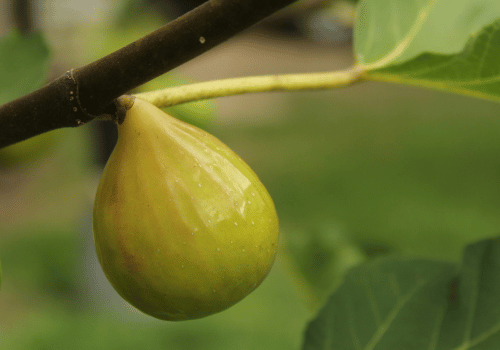
Kadota figs originated in the Mediterranean region and became widely grown in the United States during the early 1900s. They are commonly used in canning and fig-based products due to their firm texture. Kadota figs are usually harvested before full softness. Their flavor remains gentle and balanced.
Attributes:
- Common name: Kadota
- Scientific Name: Ficus carica
- Shape: Rounded
- Size: Medium
- Weight: 45–50 grams
- Skin color: Yellow-green
- Taste and Flavor Profile: Mild, lightly sweet
Adriatic Fig
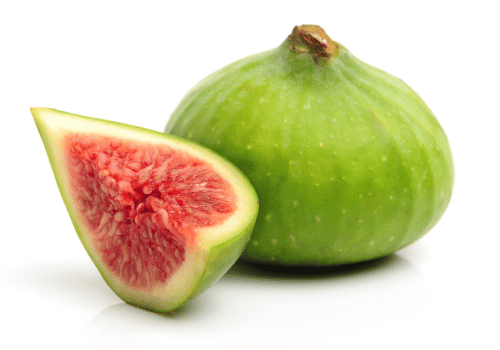
Adriatic figs developed along the coastal areas of Southern Europe. Despite their pale skin, they contain bright, sweet flesh. This fig variety is commonly used in dried fig production and bakery items. It is well known for its clean sweetness.
Attributes:
- Common name: Adriatic
- Scientific Name: Ficus carica
- Shape: Oval
- Size: Medium
- Weight: 40–50 grams
- Skin color: Light green
- Taste and Flavor Profile: Sweet, fruity
Celeste Fig
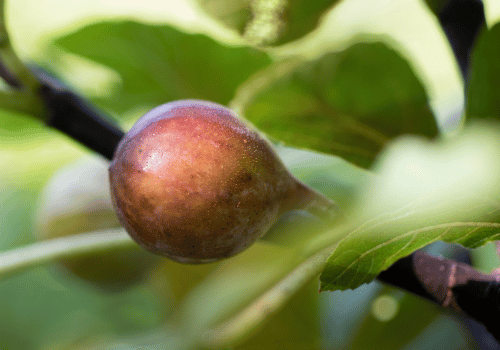
Celeste figs originated in the Mediterranean and later became popular in the southern United States. They are often referred to as “sugar figs” because of their high sweetness.
This variety ripens early and resists moisture-related damage. It is commonly eaten fresh.
Attributes:
- Common name: Celeste
- Scientific Name: Ficus carica
- Shape: Rounded
- Size: Small to medium
- Weight: 30–40 grams
- Skin color: Light brown to violet
- Taste and Flavor Profile: Very sweet, sugary
Brunswick Fig
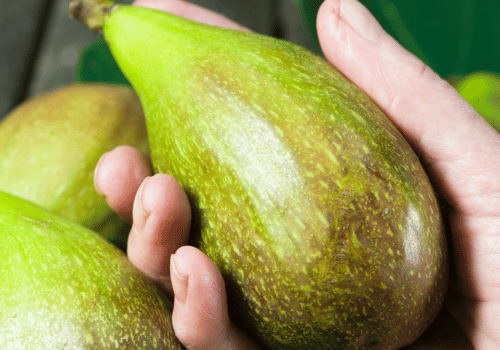
Brunswick figs were developed in Europe and later introduced to North America. They are known for their large fruit size and soft flesh. This fig type adapts well to slightly cooler climates. It is mostly consumed fresh due to its tender texture.
Attributes:
- Common name: Brunswick
- Scientific Name: Ficus carica
- Shape: Broad pear-shaped
- Size: Large
- Weight: 55–65 grams
- Skin color: Brownish purple
- Taste and Flavor Profile: Mildly sweet, soft
Violette de Bordeaux Fig
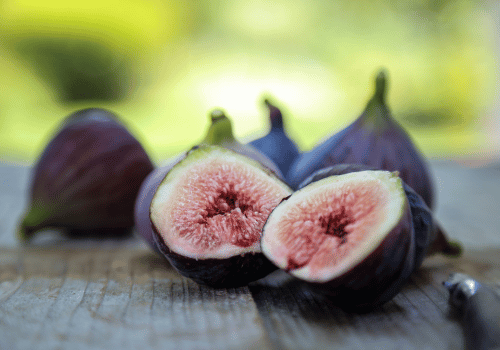
Violette de Bordeaux figs originated in France and are highly valued in gourmet markets. Although small in size, they offer intense sweetness and deep flavor. This fig variety is often grown in home gardens. Its dark skin protects the dense flesh inside.
Attributes:
- Common name: Violette de Bordeaux
- Scientific Name: Ficus carica
- Shape: Rounded
- Size: Small
- Weight: 30–35 grams
- Skin color: Dark purple to black
- Taste and Flavor Profile: Intense, berry-like sweetness
White Marseilles Fig
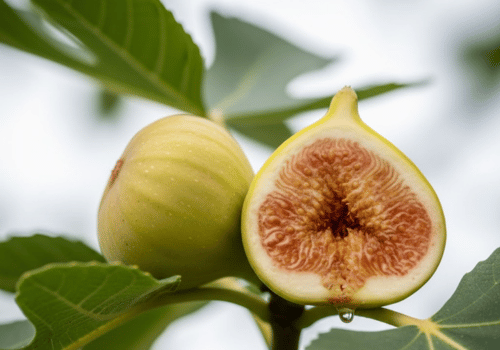
White Marseilles figs have a long history in French agriculture. They were traditionally grown for fresh consumption due to their thin skin. This variety prefers warm, dry conditions. Its flavor is balanced rather than overly sweet.
Attributes:
- Common name: White Marseilles
- Scientific Name: Ficus carica
- Shape: Rounded
- Size: Medium
- Weight: 40–45 grams
- Skin color: Pale yellow-green
- Taste and Flavor Profile: Mildly sweet, smooth
Tiger Fig (Panache Fig)
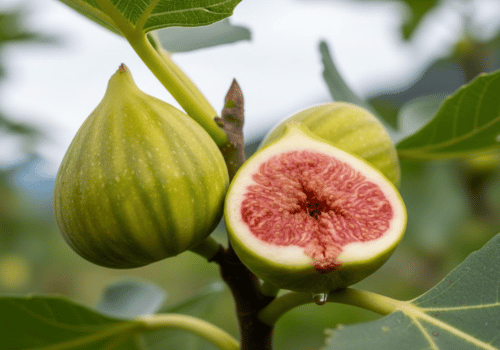
Tiger figs, also known as Panache figs, originated in France and are easily recognized by their striped skin. They are grown mainly for specialty markets and visual appeal. Despite their appearance, they offer a strong natural sweetness. The flesh is vibrant and aromatic.
Attributes:
- Common name: Tiger Fig, Panache
- Scientific Name: Ficus carica
- Shape: Oval
- Size: Medium
- Weight: 45–55 grams
- Skin color: Green with yellow stripes
- Taste and Flavor Profile: Sweet, fruity, slightly berry-like
Different Types of Figs Fruit by Flesh Color
Flesh color affects sweetness, texture, and how figs are used fresh or dried.
White Flesh Figs
Common names include Kadota and Calimyrna. These figs feel firm with gentle sweetness.
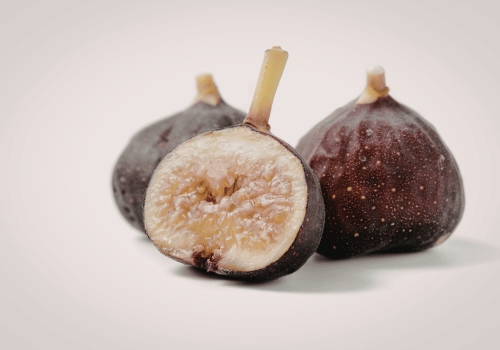
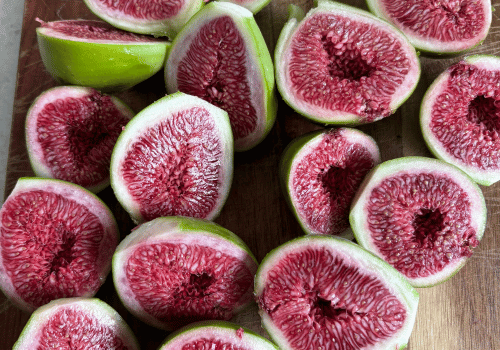
Pink Flesh Figs
Common names include Adriatic and Brunswick. These figs balance sweetness with soft texture.
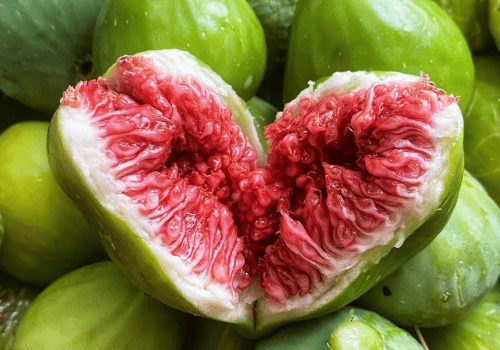
Red Flesh Figs
Common names include Brown Turkey and Celeste. These figs feel soft and mildly juicy.
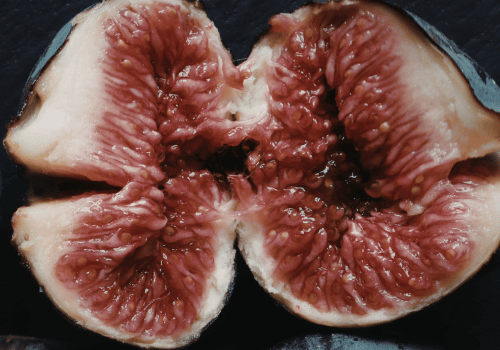
Amber Flesh Figs
Common names include Calimyrna and Kadota. These figs are often dried due to sugar content.
Types of Figs Fruit Commonly Eaten
Fresh figs are chosen based on softness, sweetness, and skin thickness.
- Dessert Figs: Common names include Black Mission and Adriatic. These figs are soft, juicy, and naturally sweet.
- Table Figs: Common names include Brown Turkey and Kadota. These figs are firm and easy to slice.
Fig Fruit Types Based on Taste Profile
Taste varies depending on sugar level, flesh color, and ripeness.
- Sweet Figs: Common names include Black Mission, Calimyrna, and Adriatic. These figs feel rich and dense when eaten.
- Mild Flavor Figs: Common names include Brown Turkey and Kadota. These figs suit people who prefer lighter sweetness.
A to Z List of Fig Fruits in English
Below is a list of figs fruits from a to z in English.
- Adriatic Fig
- Alma
- Azores Dark
- Black Mission
- Black Madeira
- Brown Turkey
- Brooklyn White
- Brunswick
- Calimyrna
- Celeste
- Chicago Hardy
- Conadria
- Col de Dame Blanc
- Col de Dame Noir
- Dauphine
- Desert King
- Early Violet
- Excel
- Flanders Fig
- Genoa Fig
- Green Adriatic
- Green Ischia
- Grise de Tarascon
- Honey Yellow Fig
- Ischia Black
- Ischia White
- Italian Honey
- Jerusalem Fig
- Kadota
- Kadota White
- King Fig
- Longue d’Aout
- LSU Gold
- LSU Purple
- LSU Tiger
- Malta Black
- Marabout
- Mission Fig
- Moroccan Black Fig
- Negronne
- Negro Largo
- Nordland
- Olympia
- Osborn Prolific
- Panachée (Tiger Fig)
- Pastiliere
- Peter’s Honey
- Paradiso
- Ronde de Bordeaux
- Rouge de Bordeaux
- San Piero
- Smyrna Fig
- Strawberry Verte
- Sultane
- Texas Blue Giant
- Turkish Black Fig
- Ventura
- Violette de Bordeaux
- White Adriatic
- White Marseilles
- White Texas Everbearing
- Yellow Long Neck
- Zidi Fig
FAQs about Figs Types
The main types of figs fruit include Black Mission, Brown Turkey, Calimyrna, Kadota, and Adriatic figs. These varieties differ in skin color, flesh color, sweetness level, and common culinary use.
There are more than 700 named fig varieties grown worldwide. However, only a small number of fig types are commercially popular and commonly eaten fresh or dried.
Black Mission and Calimyrna figs are considered the sweetest fig types. They contain high natural sugar levels and are often used for desserts and drying.
Green figs usually have a mild, honey-like flavor, while black figs tend to taste richer and sweeter. The difference comes from sugar concentration and flesh texture, not just skin color.
No, not all fig types are eaten fresh. Some figs, like Calimyrna, are more commonly dried, while others such as Brown Turkey and Black Mission are popular for fresh consumption.
Read more