
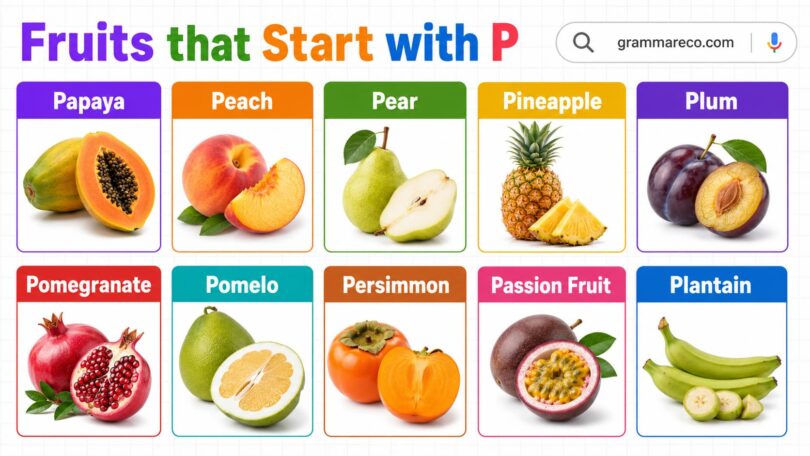
Fruits that start with P include a wide variety of tropical, citrus, stone, and exotic fruits found across the world. Some of the most popular examples include Papaya, Peach, Pear, Pineapple, and Plum. These fruits vary in taste, texture, and nutrition, making them an important part of global diets. This guide covers 50+ fruits that starts with P, including common, tropical, and rare varieties, along with their uses and health benefits.
What Fruit Starts with P?
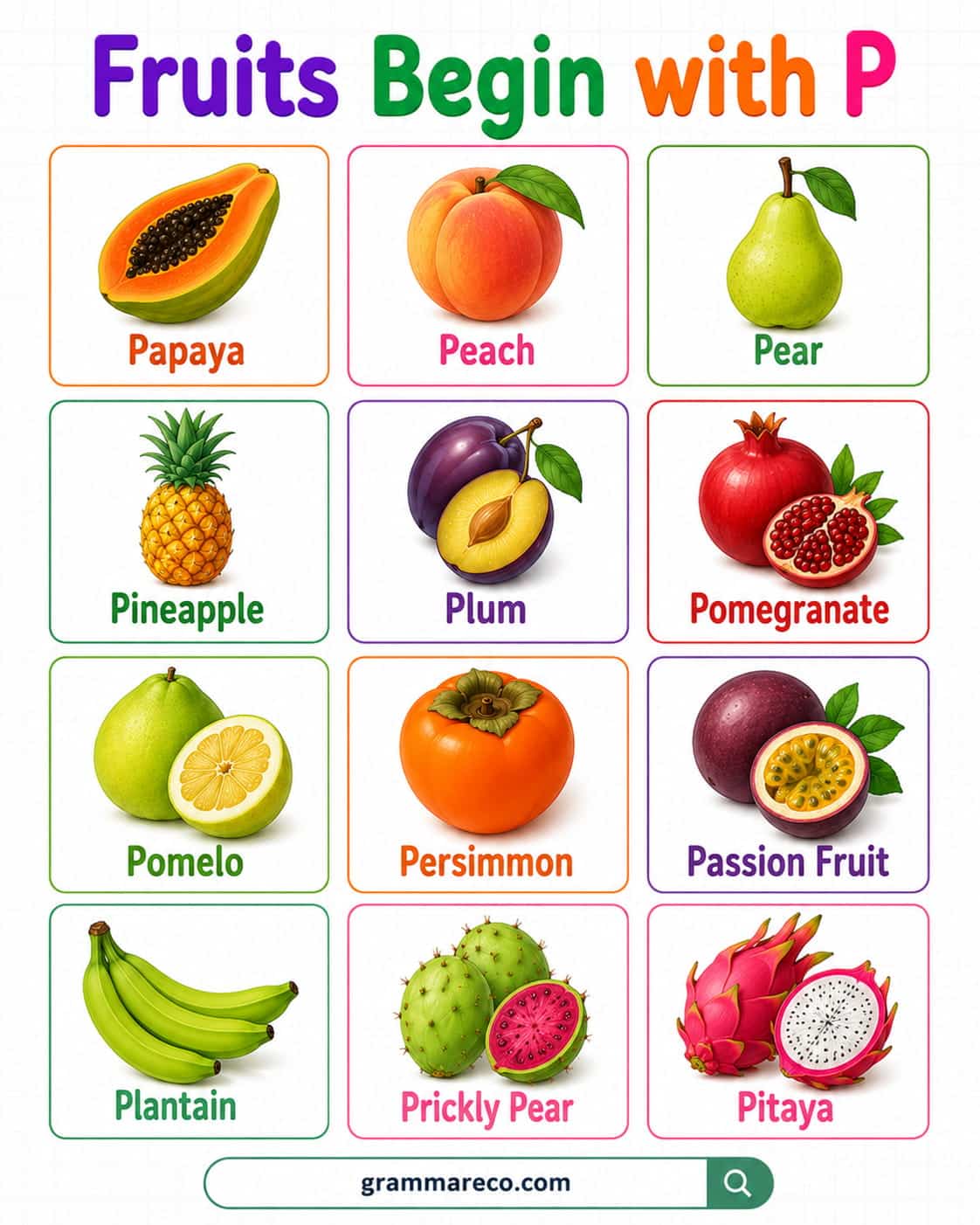
Fruits that begin with P include both widely consumed and exotic varieties. Common examples are: Papaya, Peach, Pear, Pineapple, Plum, Pomegranate, Pomelo, Persimmon, Passion Fruit, Plantain, Pitaya, and Prickly Pear. These fruits belong to different categories such as tropical fruits, citrus fruits, and cactus fruits.
Fruits That Start with P List
The letter P appears at the beginning of many fruit names from around the world. Some are widely cultivated crops, while others remain regional specialties. The chart below includes a broad collection of fruits beginning with P.
| Papaya | Peach | Pear |
| Pineapple | Plum | Pomegranate |
| Pomelo | Persimmon | Passion Fruit |
| Plantain | Prickly Pear | Pitaya |
| Pawpaw | Pulasan | Pepino |
| Physalis | Pitanga | Pineberry |
| Peach Palm Fruit | Pili Fruit | Pindo Palm Fruit |
| Pink Grapefruit | Pluot | Pequi |
Popular Fruits that Starts with P to Eat with Pictures
Many edible fruits begins with P are available fresh, dried, juiced, or cooked. Their pictures help readers recognize shape, color, skin texture, and interior appearance.
Papaya
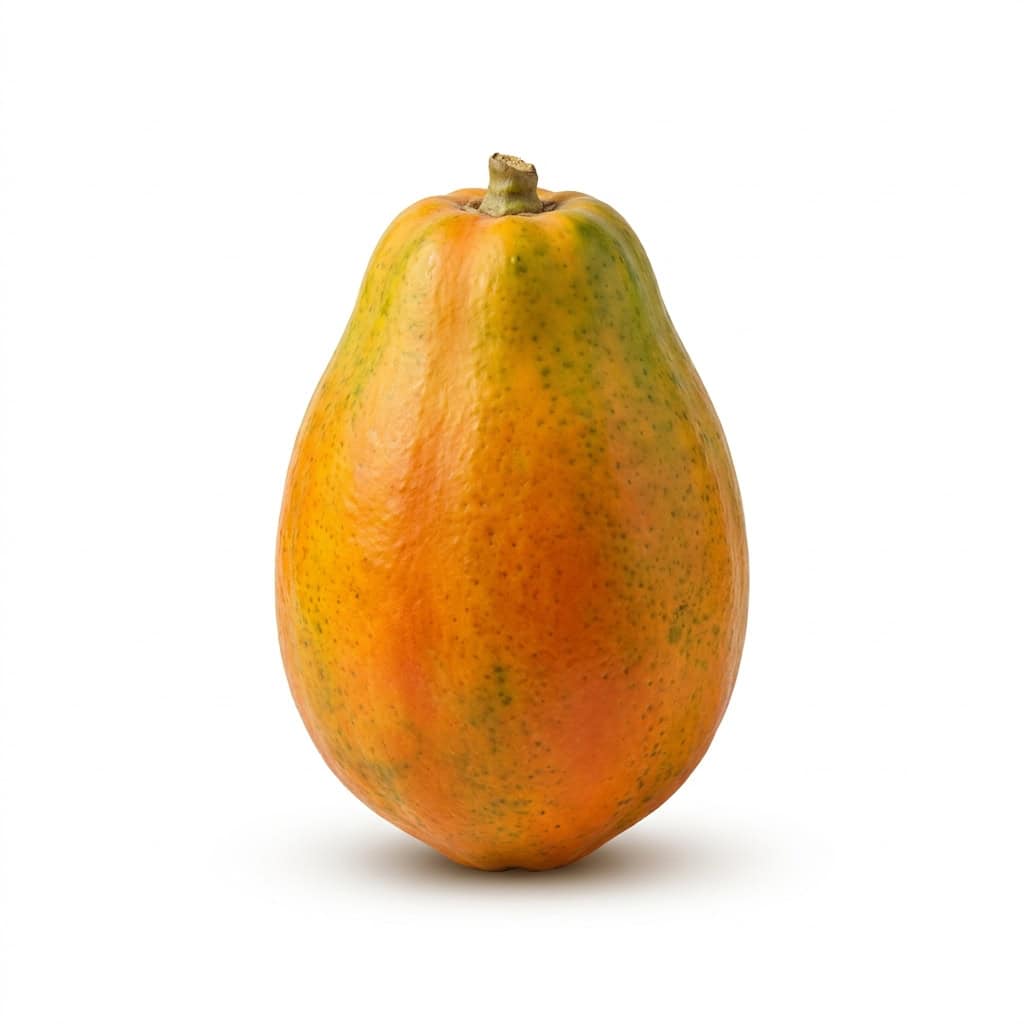
Papaya is a tropical fruit with soft orange flesh and a naturally sweet flavor. It contains digestive enzymes that help break down food efficiently. Rich in vitamin C and antioxidants, papaya supports immunity, skin glow, and digestive balance. It is widely eaten fresh or blended into smoothies in tropical regions around the world.
Peach
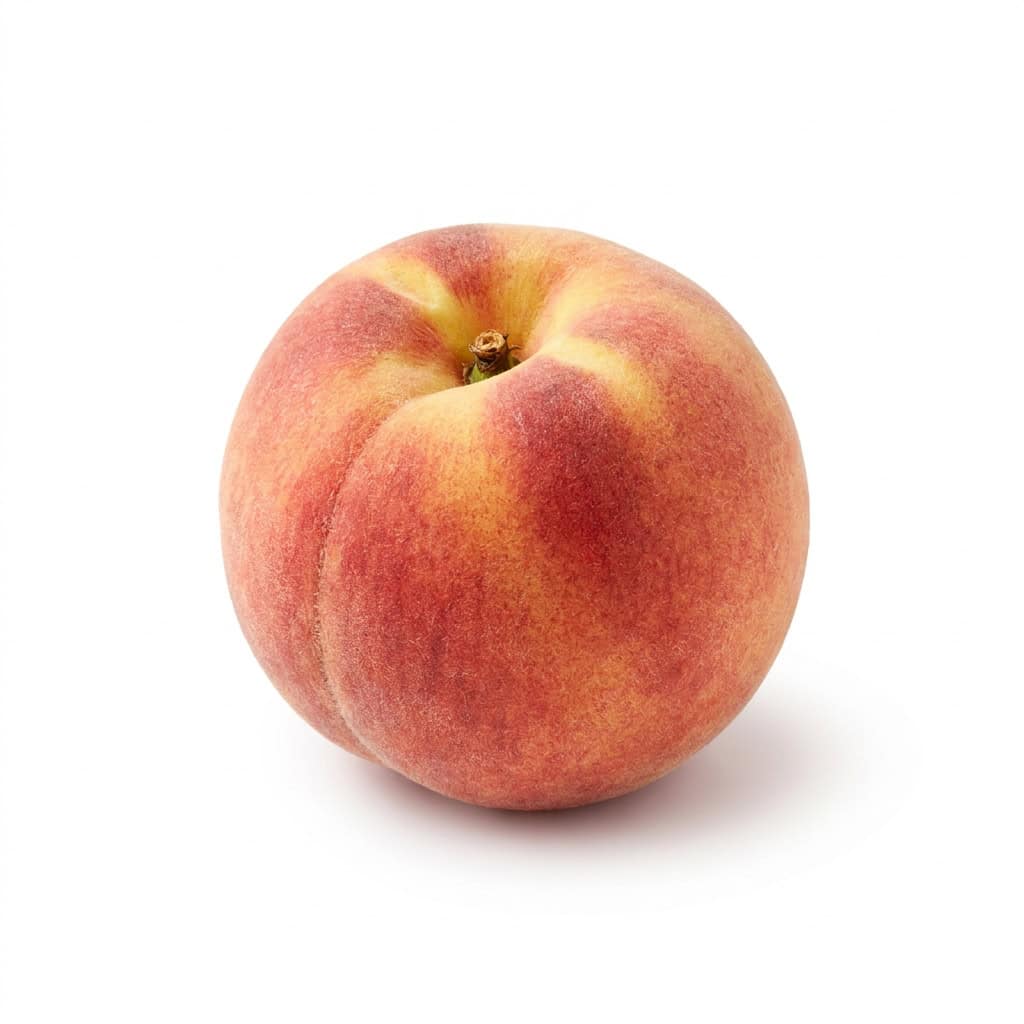
Peach is a juicy stone fruit with fragrant, soft flesh and slightly fuzzy skin. Its taste ranges from sweet to mildly tangy depending on ripeness. Peaches are rich in vitamins, fiber, and plant compounds that support skin health and hydration. They are commonly enjoyed fresh or used in desserts like pies and jams.
Pear
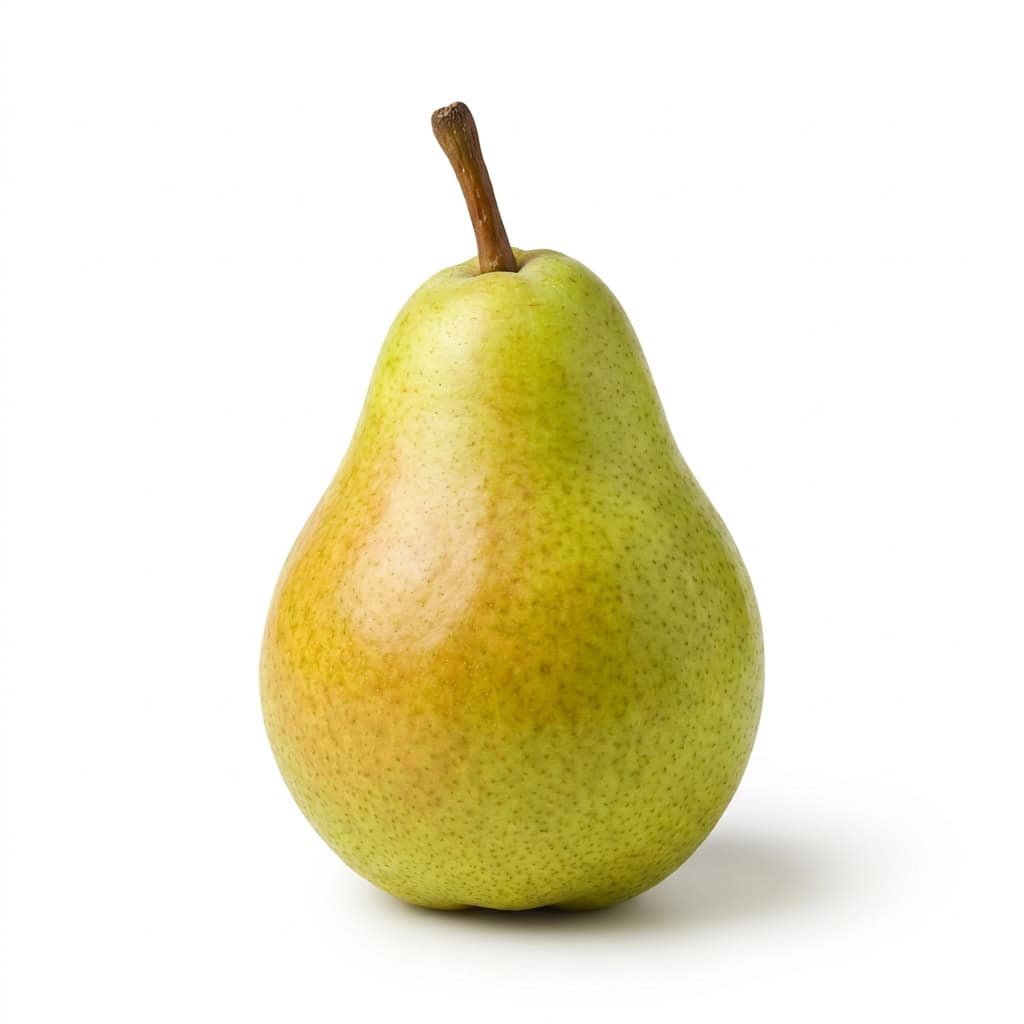
Pear is a mild, sweet fruit with a soft and juicy texture. It is high in dietary fiber, which supports healthy digestion and gut balance. Pears are gentle on the stomach and suitable for all age groups. They are eaten fresh, baked, or added to salads for a light, refreshing taste.
Pineapple
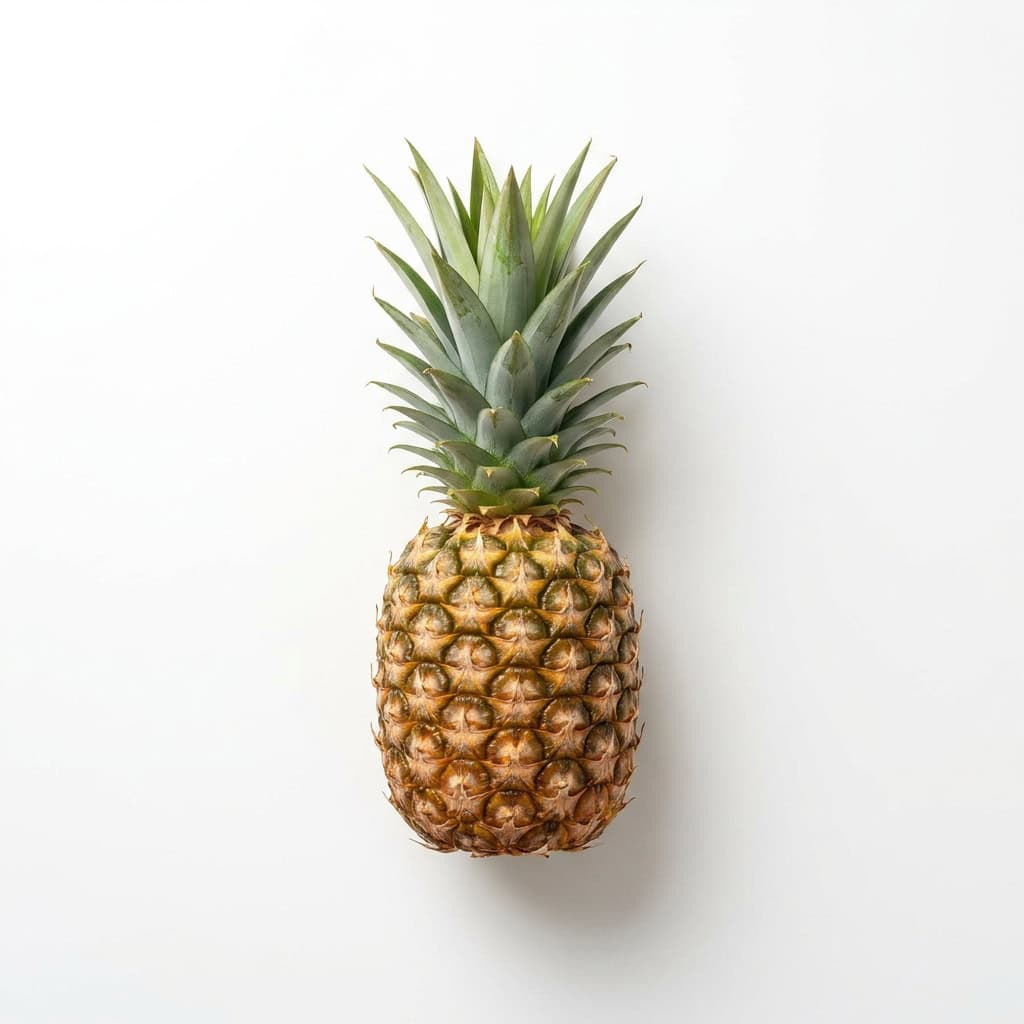
Pineapple is a tropical fruit known for its sweet and tangy flavor. It contains bromelain, a natural enzyme that supports digestion and reduces inflammation. Rich in vitamin C, pineapple strengthens immunity and provides hydration. It is widely used in juices, desserts, and savory dishes across global cuisines.
Plum
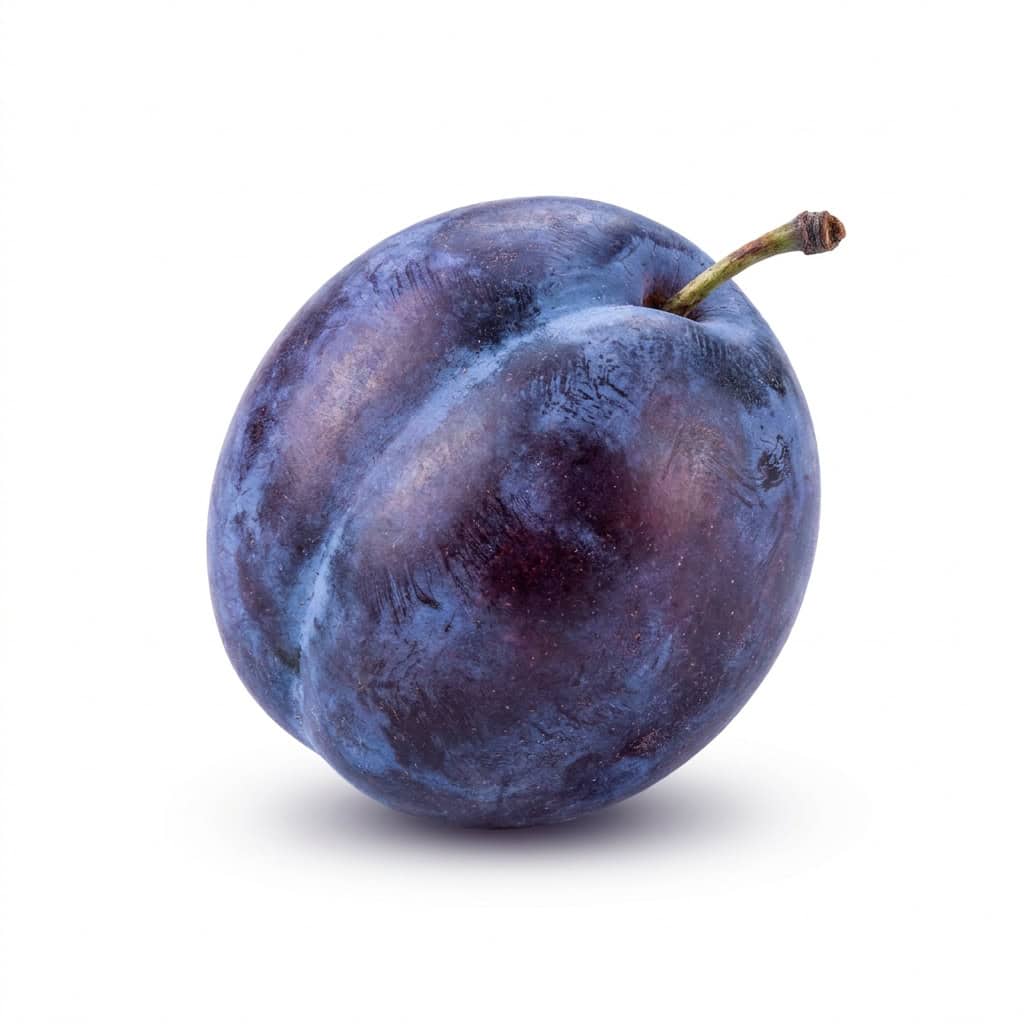
Plum is a small stone fruit with a balance of sweet and tart flavor. It is rich in antioxidants, fiber, and vitamins that support heart health and digestion. Plums are eaten fresh or dried into prunes and are commonly used in jams, sauces, and baked foods.
Pomegranate
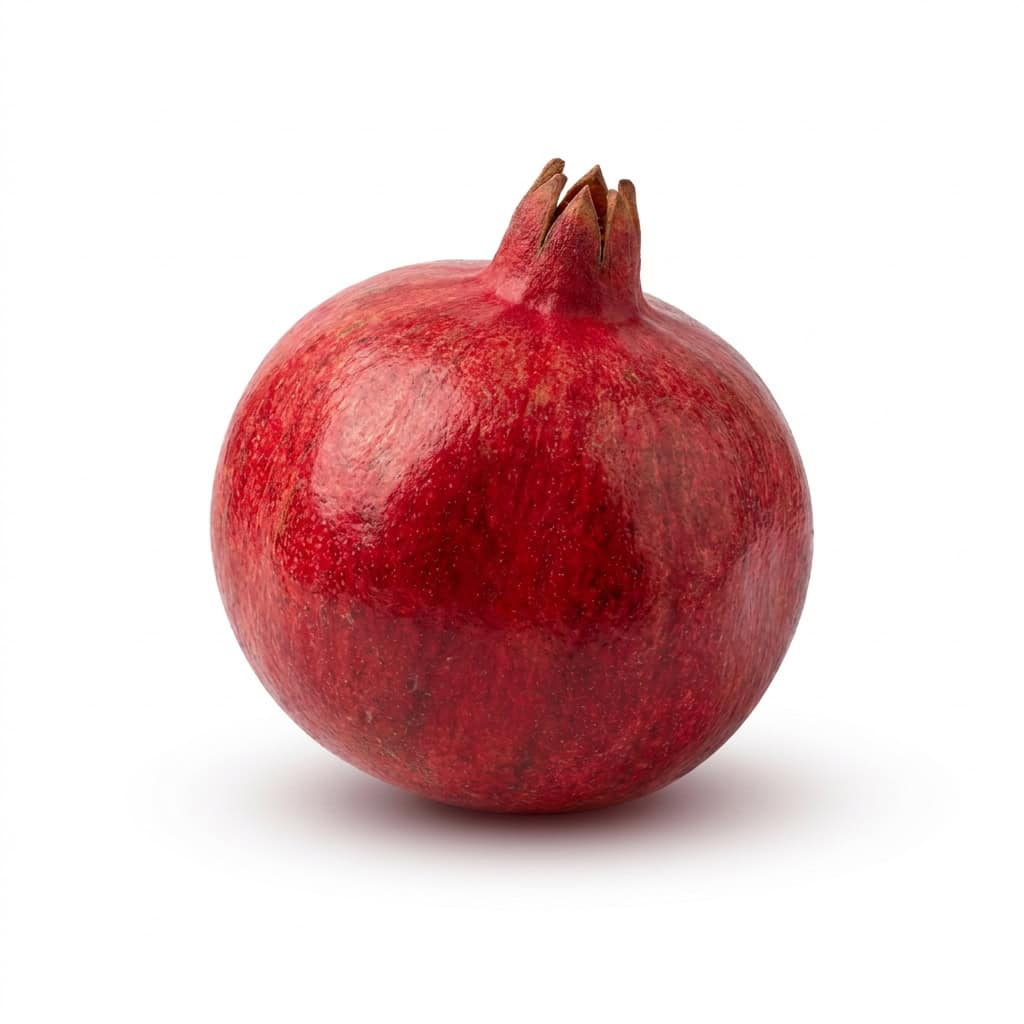
Pomegranate is a nutrient-dense fruit filled with juicy red seeds known as arils. It is packed with antioxidants that support heart health and reduce oxidative stress. Its sweet-tart flavor makes it popular in juices, salads, and desserts, especially in Middle Eastern and South Asian cuisines.
Pomelo
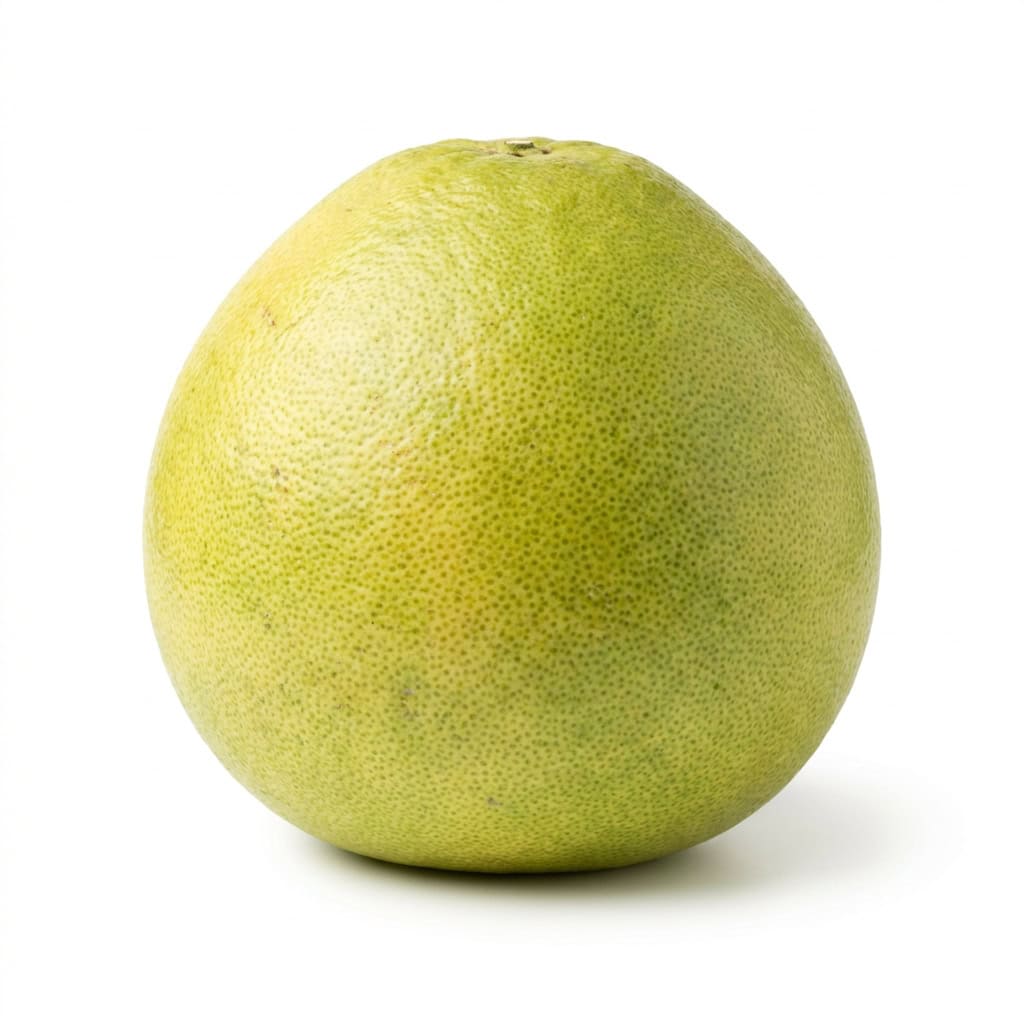
Pomelo is the largest citrus fruit with a mild, sweet flavor and less bitterness than grapefruit. It is rich in vitamin C and fiber, supporting immunity and digestion. Pomelo is commonly eaten fresh and is popular in Asian fruit salads due to its refreshing taste.
Persimmon
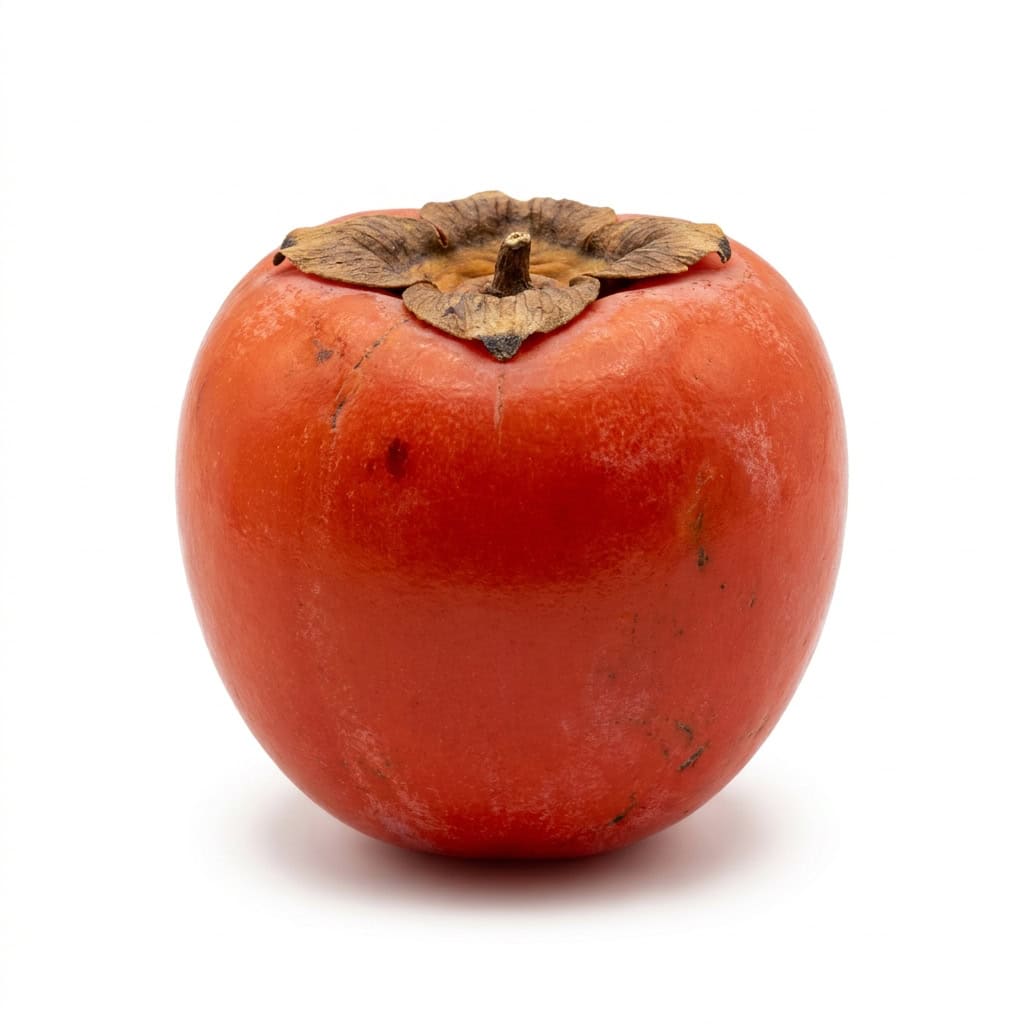
Persimmon is a sweet, honey-like fruit that becomes soft when fully ripe. It contains vitamins A and C along with antioxidants that support eye and skin health. Persimmons are eaten fresh, dried, or used in desserts, especially during autumn and winter seasons.
Passion Fruit
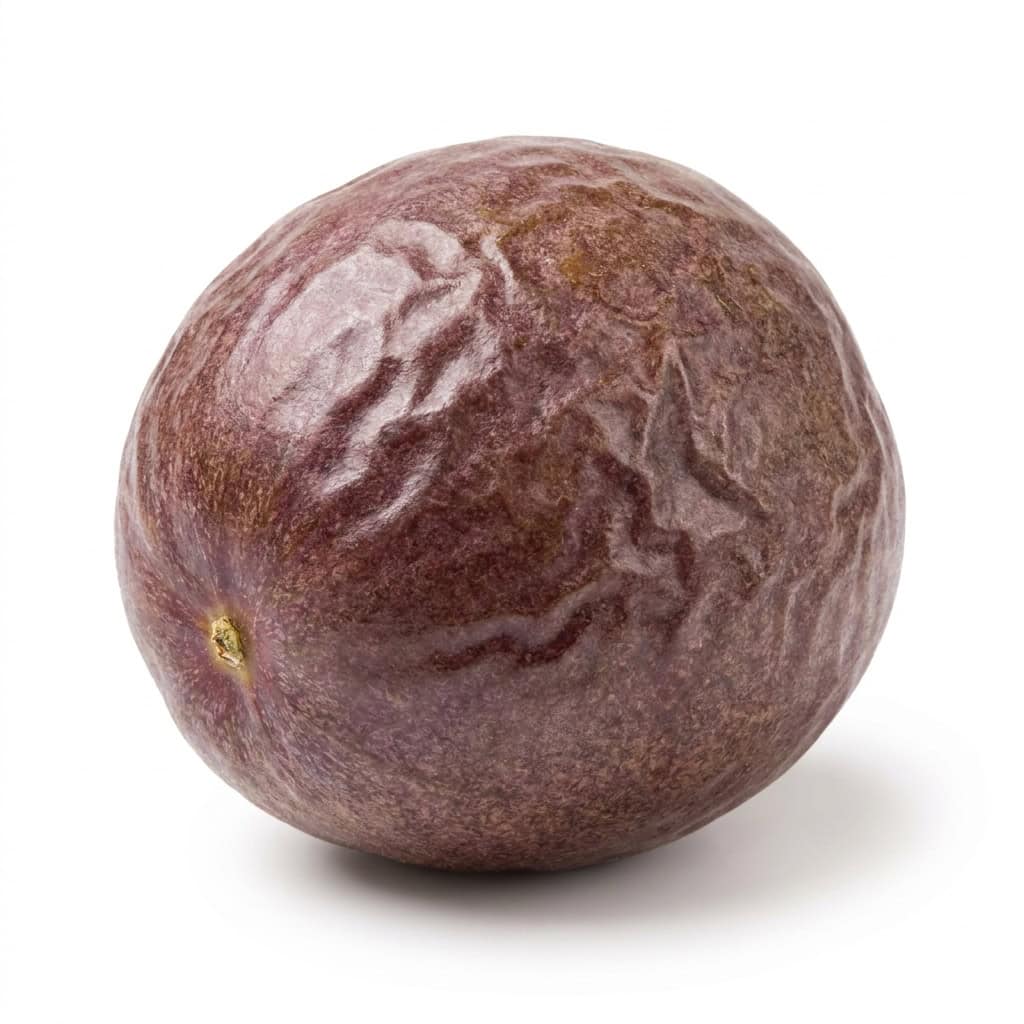
Passion fruit is a tropical fruit with aromatic, seed-filled pulp and a tangy-sweet taste. It is rich in vitamin C, fiber, and plant compounds that support immunity and digestion. It is widely used in juices, desserts, and sauces for its intense tropical flavor.
Plantain
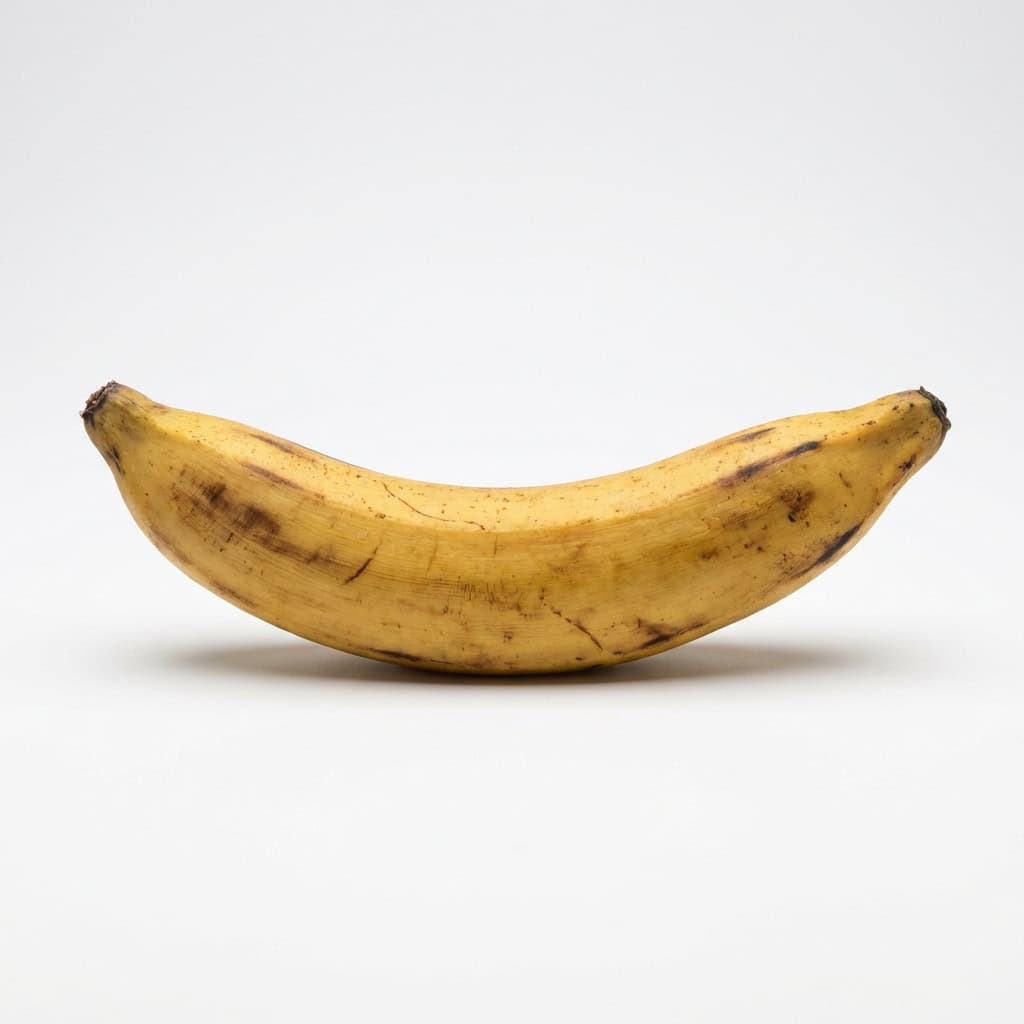
Plantain is a starchy fruit similar to banana but typically cooked before eating. It is a major staple food in many tropical countries. Rich in carbohydrates and potassium, plantains provide long-lasting energy and are commonly fried, boiled, or baked in savory dishes.
Rare and Exotic Fruits That Start With P
- Prickly Pear
Prickly pear is a cactus fruit with sweet, juicy pulp, rich in fiber and antioxidants, used in juices and jams. - Pitaya
Pitaya, or dragon fruit, has vibrant pink skin, speckled flesh, mild sweetness, rich in antioxidants and dietary fiber. - Pawpaw
North American fruit with creamy tropical flavor similar to banana and mango, rich in vitamins and natural nutrients. - Pulasan
Tropical fruit related to rambutan with sweet, juicy pulp, grape-like taste, native to Southeast Asia regions. - Pepino
Melon-like fruit with cucumber-melon taste, low in calories, highly hydrating, commonly used in healthy diets. - Physalis
Small orange berry inside papery husk, sweet-tart flavor, used in desserts, jams, and gourmet dishes. - Pitanga
Bright red Surinam cherry with tangy aroma, native to South America, used in juices and preserves. - Pineberry
Rare white strawberry with pineapple-like flavor, used in desserts and gourmet fruit platters for unique appearance. - Peach Palm Fruit
Starchy tropical fruit from South America, nutrient-rich, often boiled or processed into flour for traditional food use. - Pili Fruit
Produces nutrient-dense nuts high in healthy fats and protein, used in cooking, snacks, and cosmetic oils. - Pindo Palm Fruit
Small tropical fruit used for jellies and wines, known for tangy flavor and high natural pectin content. - Pink Grapefruit
Citrus fruit with sweet-bitter taste, rich in vitamin C and antioxidants, commonly eaten or juiced at breakfast. - Pluot
Hybrid fruit of plum and apricot with juicy sweet flesh, enjoyed fresh or used in desserts. - Pequi
Brazilian fruit with strong aroma and oily pulp, widely used in traditional regional cooking and cultural dishes.
Tropical Fruits Starting with P
Tropical fruits beginning with P thrive in warm climates with abundant sunlight. Their flavors range from sweet and floral to tangy and citrusy. The list below includes notable tropical fruits starting with P.
- Papaya
- Pineapple
- Passion Fruit
- Plantain
- Pitaya
- Pulasan
- Pepino
- Pequi
- Peach Palm Fruit
- Pandanus Fruit
- Panama Berry
- Pahutan
- Pacay
- Patawa Fruit
- Palm Fruit
- Purple Passion Fruit
- Philippine Mango
- Peanut Butter Fruit
- Pouteria Fruit
- Pindo Fruit
Fruits Starting with P 4 Letters
Some P fruits have short names that are easy to recognize. These four-letter fruit names appear in gardening, cooking, and nutrition discussions.
- Pear
- Plum
Fruits that Start with P 5 Letters
Fruit names beginning with P contain five letters. These fruits are commonly mentioned in food, agriculture, and nutrition topics.
- Peach
- Pomelo
- Pawpaw
- Pacay
- Pequi
List of Fruit that Starts with Pa
Different types of fruit names beginning with “Pa” come from tropical and subtropical regions. Some are common foods, while others remain less familiar outside their native habitats.
- Papaya
- Passion Fruit
- Pawpaw
- Pacay
- Pahutan
- Palm Fruit
- Panama Berry
- Pandanus Fruit
- Paradise Apple
- Patawa Fruit
Fruits That Start with P and Ends with S
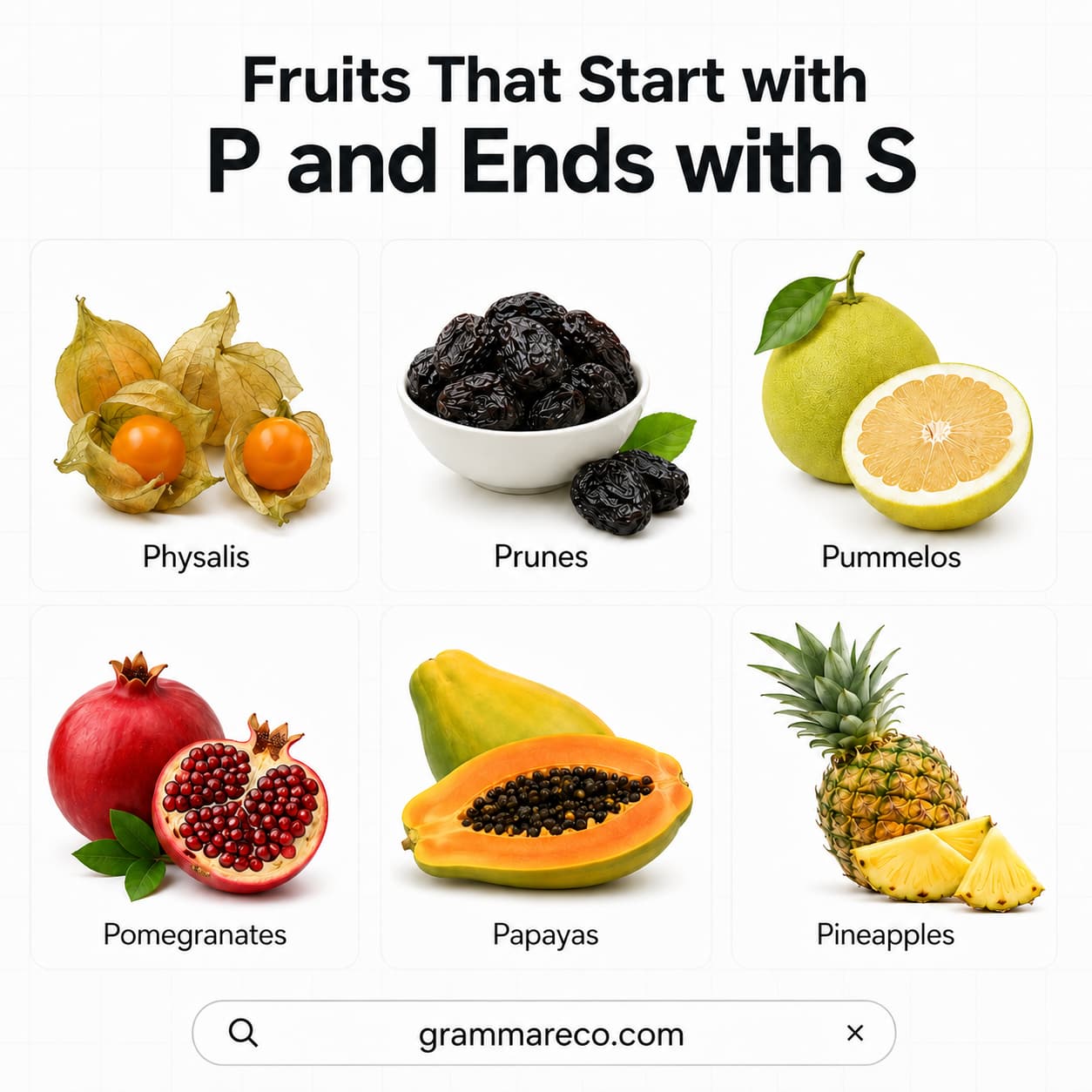
Only a small number of fruit names beginning with P also end with the letter S. Some are singular fruit names, while others are accepted plural fruit references commonly used in food discussions.
Physalis
Physalis belongs to the nightshade family and grows inside a papery husk. The fruit has a sweet and slightly tangy flavor. Golden-orange berries are commonly eaten fresh and used in desserts, sauces, and fruit arrangements.
Prunes
Prunes are dried forms of specific plum varieties. Their rich sweetness and chewy texture make them popular snacks. They are also used in baking, stews, and breakfast dishes throughout many regions.
Pummelos
Pummelos is a commonly accepted plural form referring to multiple pomelo fruits. These large citrus fruits have thick rinds and juicy flesh. Their sweet and mild flavor makes them popular fresh fruit choices in many countries.
Nutrition Benefits of Fruits Starting with P
Fruits that begin with P contain vitamins, minerals, fiber, and plant compounds. Their nutritional value varies by fruit type, but several benefits appear across many varieties.
- Papaya: Provides vitamin C, vitamin A, fiber, and antioxidants that contribute to healthy body functions.
- Peach: Contains vitamin C and beneficial plant compounds while remaining relatively low in calories.
- Pear: Offers dietary fiber that supports digestive health and promotes fullness after meals.
- Pineapple: Supplies vitamin C and manganese along with enzymes naturally present in the fruit.
- Plum: Contains antioxidants and nutrients that contribute to overall wellness.
- Pomegranate: Rich in polyphenols and antioxidants commonly studied in nutrition research.
- Pomelo: Provides vitamin C and hydration due to its high water content.
- Persimmon: Contains fiber, vitamins, and antioxidant compounds.
- Passion Fruit: Delivers fiber, vitamin C, and beneficial plant nutrients.
- Pitaya: Offers vitamin C, fiber, and naturally occurring antioxidants.
- Prickly Pear: Contains fiber and plant compounds associated with balanced nutrition.
Uses of Fruits that Start with P
Different P fruits serve different purposes in cooking, beverages, desserts, and food preparation. The table below summarizes common uses.
| Fruit Name | Uses |
|---|---|
| Papaya | Fresh fruit, smoothies, fruit salads, desserts |
| Peach | Baking, jams, pies, fresh snacks |
| Pear | Fresh eating, poaching, baking, preserves |
| Pineapple | Juices, grilling, desserts, fruit bowls |
| Plum | Fresh eating, drying, jams, sauces |
| Pomegranate | Juice, salads, garnishes, syrups |
| Pomelo | Fresh citrus snack, fruit platters |
| Persimmon | Desserts, baking, fresh consumption |
| Passion Fruit | Juices, yogurt toppings, desserts |
| Plantain | Frying, baking, boiling, mashing |
| Pitaya | Smoothie bowls, fruit salads, fresh eating |
| Prickly Pear | Jams, candies, beverages, fresh fruit |
| Pulasan | Fresh consumption |
| Pequi | Traditional dishes and sauces |
| Peach Palm Fruit | Boiled snacks and regional recipes |
| Peanut Butter Fruit | Fresh eating and fruit spreads |
| Panama Berry | Fresh snacks and homemade preserves |
| Pichuberry | Desserts, snacks, dried fruit products |
FAQs About P Fruits
Papaya, peach, pear, pineapple, plum, and pomegranate are among the most common fruits that start with P and are widely available in grocery stores.
Popular tropical fruits beginning with P include papaya, pineapple, passion fruit, pitaya, plantain, pulasan, and pequi.
Yes. Pitaya and dragon fruit are names commonly used for the same fruit produced by several cactus species.
Pomelo is the best-known citrus fruit starting with P. It is related to grapefruit and is the largest citrus fruit species.
Several fruits beginning with P can be red, including pomegranate, plum, pulasan, prickly pear, and Panama berry.
Summary
Fruits that start with P include familiar favorites such as papaya, peach, pear, pineapple, and plum, along with lesser-known varieties like pulasan, pequi, and pichuberry. These fruits come from many regions worldwide and offer different flavors, textures, and nutritional benefits. Learning their names and characteristics helps readers better understand fruit varieties used in food, gardening, and nutrition.
Read more