

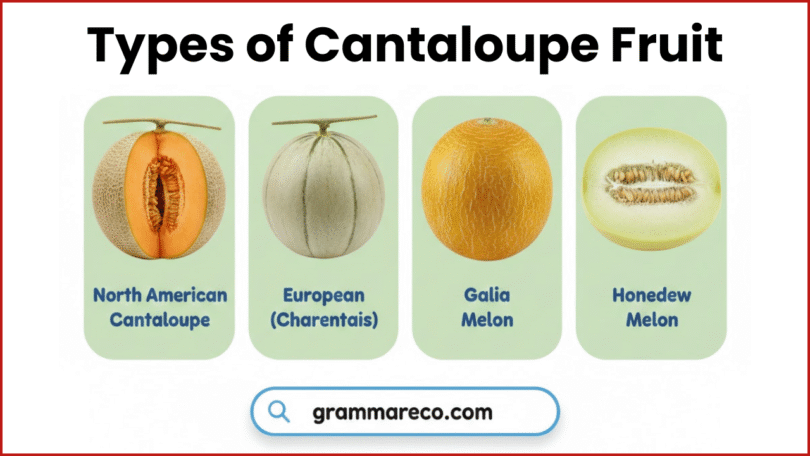

Cantaloupes are juicy, sweet fruits enjoyed around the world for their refreshing flavor and high nutritional value. They have been cultivated for centuries in Africa and Asia before spreading to Europe and the Americas. Their vibrant flesh and aromatic taste make them popular for fresh eating, smoothies, and desserts.
Learning the types of cantaloupe fruit helps you identify the right variety for your taste, cooking, or planting needs. This post includes pictures, names, and detailed attributes of the most popular cantaloupe types so you can recognize them easily.
What are Cantaloupe Fruits and How to Eat?
Cantaloupe fruits belong to the Cucumis melo species and are known for their sweet, orange, or green flesh inside a textured rind. They are rich in vitamins A and C, antioxidants, and natural sugars.
To eat, slice the cantaloupe in half, scoop out the seeds, and enjoy the pulp directly. They can also be added to salads, smoothies, or chilled desserts for a healthy treat.
Types of Cantaloupe Fruit and Pictures Around Worldwide
Cantaloupe fruits vary in size, rind texture, and sweetness. Below are widely recognized cantaloupe types, their historical background, and physical characteristics for easy identification.
Charentais Cantaloupe
Originating in France, Charentais cantaloupes are small, round fruits known for their fragrant aroma and juicy pulp. They became popular in Europe during the 18th century and are now grown worldwide.
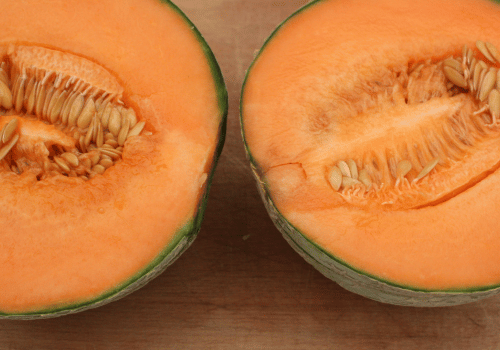
- Physical Appearance: Round, medium-sized
- Shape: Spherical
- Size: 4–6 inches in diameter
- Weight: 1–2 pounds
- Rind color: Pale orange with light netting
- Rind texture: Smooth with fine netting
- Flesh color: Deep orange
- Seed cavity: Small, central cavity
- Flavor: Sweet, aromatic, intensely flavorful
Galia Cantaloupe
Galia cantaloupes were first developed in Israel in the 1970s by hybridizing cantaloupe with honeydew. They are highly prized for their balanced sweetness and crisp texture.
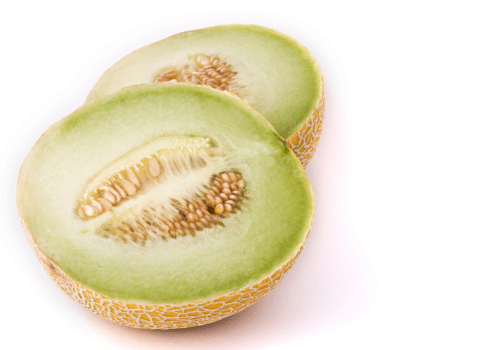
- Physical Appearance: Medium round fruit
- Shape: Round
- Size: 5–6 inches in diameter
- Weight: 2–3 pounds
- Rind color: Light green with yellow undertones
- Rind texture: Netted and smooth
- Flesh color: Pale green
- Seed cavity: Medium, central cavity
- Flavor: Sweet, refreshing, mild aroma
Honey Rock Cantaloupe
Honey Rock originated in the USA and is recognized for its large size and exceptionally sweet flavor. It is commonly grown in California and favored for fresh consumption.
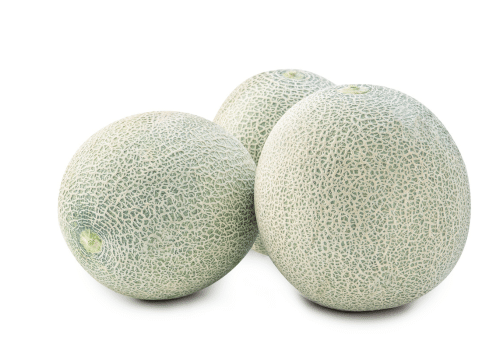
- Physical Appearance: Large, round
- Shape: Round
- Size: 6–8 inches in diameter
- Weight: 3–5 pounds
- Rind color: Light green with coarse netting
- Rind texture: Thick netted rind
- Flesh color: Deep orange
- Seed cavity: Small, central
- Flavor: Very sweet, juicy, aromatic
Spanish Cantaloupe Fruit and their Benefits
Spanish cantaloupes have been cultivated in Spain for centuries. They are valued for their tender, juicy flesh and aromatic sweetness. Rich in vitamin A, vitamin C, and potassium, they help support eye health, immunity, and hydration. Their pulp is perfect for fresh eating, juices, or chilled desserts.
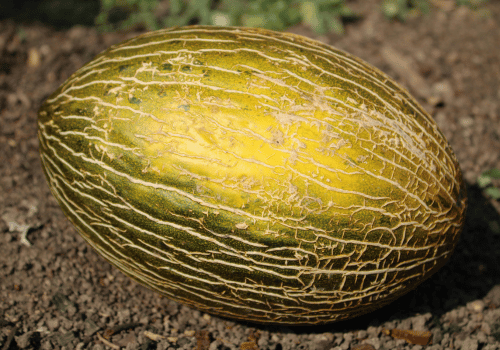
- Physical Appearance: Medium round
- Shape: Round to oval
- Size: 5–6 inches diameter
- Weight: 2–3 pounds
- Rind color: Light orange with fine netting
- Rind texture: Smooth to lightly netted
- Flesh color: Deep orange
- Seed cavity: Small, central
- Flavor: Sweet, mildly aromatic, juicy
Types of Cantaloupe Based on Colors
Cantaloupes can be categorized by rind and flesh color, which often indicates flavor and sweetness.
Yellow Cantaloupe Fruit and their Benefits
Yellow cantaloupes are often grown in warmer climates and are known for their strong, sweet aroma. They are high in antioxidants and vitamins, which promote hydration and skin health.
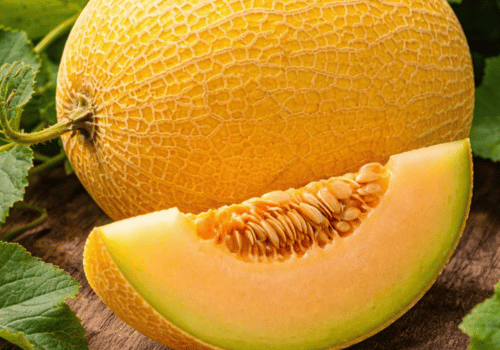
- Physical Appearance: Round, medium
- Shape: Round
- Size: 5–6 inches diameter
- Weight: 2–3 pounds
- Rind color: Golden yellow
- Rind texture: Smooth to lightly netted
- Flesh color: Light orange to yellow
- Seed cavity: Medium, central
- Flavor: Sweet, aromatic, juicy
Green Cantaloupe Fruit and their Benefits
Green cantaloupes, also called honeydew hybrids, have pale green flesh and a smooth rind. They are rich in vitamins and electrolytes, making them ideal for hydration and energy.
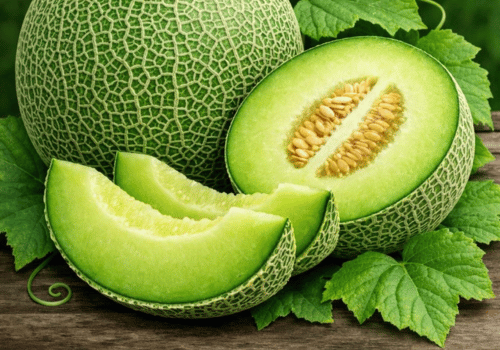
- Physical Appearance: Oval, medium
- Shape: Round to oval
- Size: 5–7 inches
- Weight: 2–4 pounds
- Rind color: Pale green
- Rind texture: Smooth, lightly netted
- Flesh color: Green
- Seed cavity: Medium
- Flavor: Sweet, subtle aroma, refreshing
Different Types of Cantaloupe Fruit A to Z
Here’s a comprehensive A to Z list of cantaloupe types:
- Charentais: Small, round, aromatic orange flesh
- Galia: Round, sweet, pale green flesh
- Honey Rock: Large, very sweet, deep orange flesh
- Spanish Cantaloupe: Medium, aromatic, tender orange pulp
- Golden Baby: Small, yellow-orange, sweet aroma
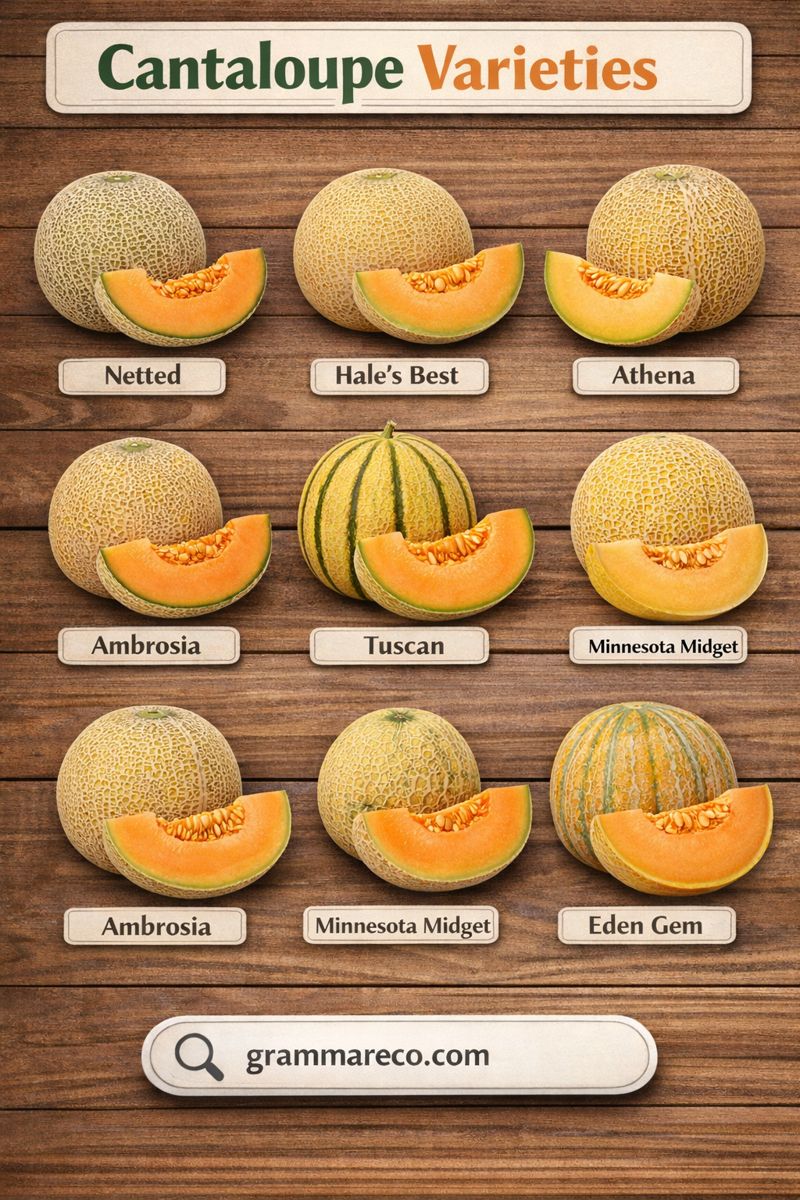
- Hale’s Best Jumbo: Large, netted, juicy orange flesh
- Athena Cantaloupe: Medium, smooth, sweet pulp
- Amarillo: Yellow rind, aromatic pulp, medium size
- Crenshaw: Large oval, sweet greenish-orange flesh
- Casaba Hybrid: Oval, yellow rind, mild flavor
Cantaloupe Varieties Visual Chart
FAQs About Cantaloupe Fruit Types
Yes, seeds are edible when roasted but are usually removed for fresh consumption.
Honey Rock and Charentais cantaloupes are widely regarded as the sweetest varieties.
Yes, they are best eaten raw, sliced, or in salads, smoothies, and chilled desserts.
Yellow and green flesh cantaloupes, like Galia and Spanish varieties, are ideal for juice due to sweet pulp.
Yes, cantaloupes contain over 85% water, making them excellent for hydration and cooling in summer.
Seven cantaloupe varieties are Charentais, Galia, Honeydew, Ambrosia, Athena, Sugar Cube, each offering distinct sweetness, aroma, and texture.
Read more