
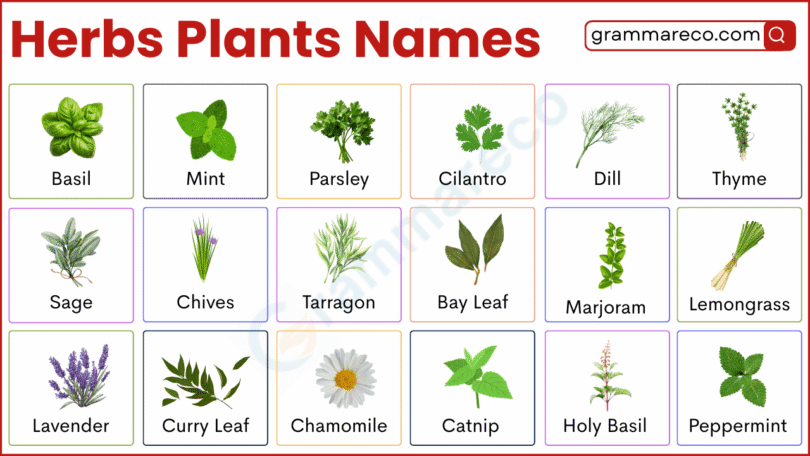

Herbs Plants Names often confuse learners because many look alike and carry overlapping labels in markets and cookbooks. Leaves, stems, and aromas shift by region, so remembering each plant can feel tricky at first. You’ll notice patterns as families repeat across kitchens and gardens.
By reading, you will understand how people talk about Herbs Plant Names in cooking, gardening, and shopping conversations. The pictures help connect plant identity with daily communication needs.
Herbs Plant List
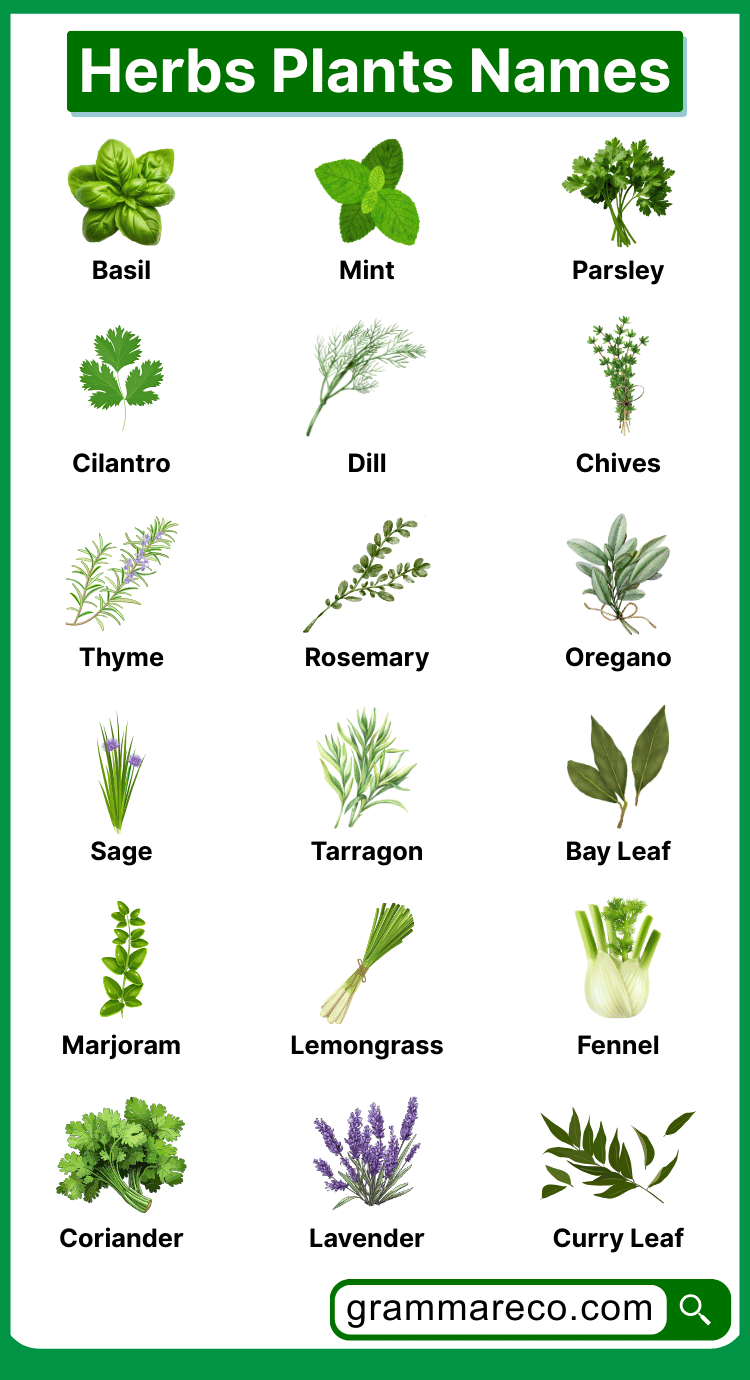
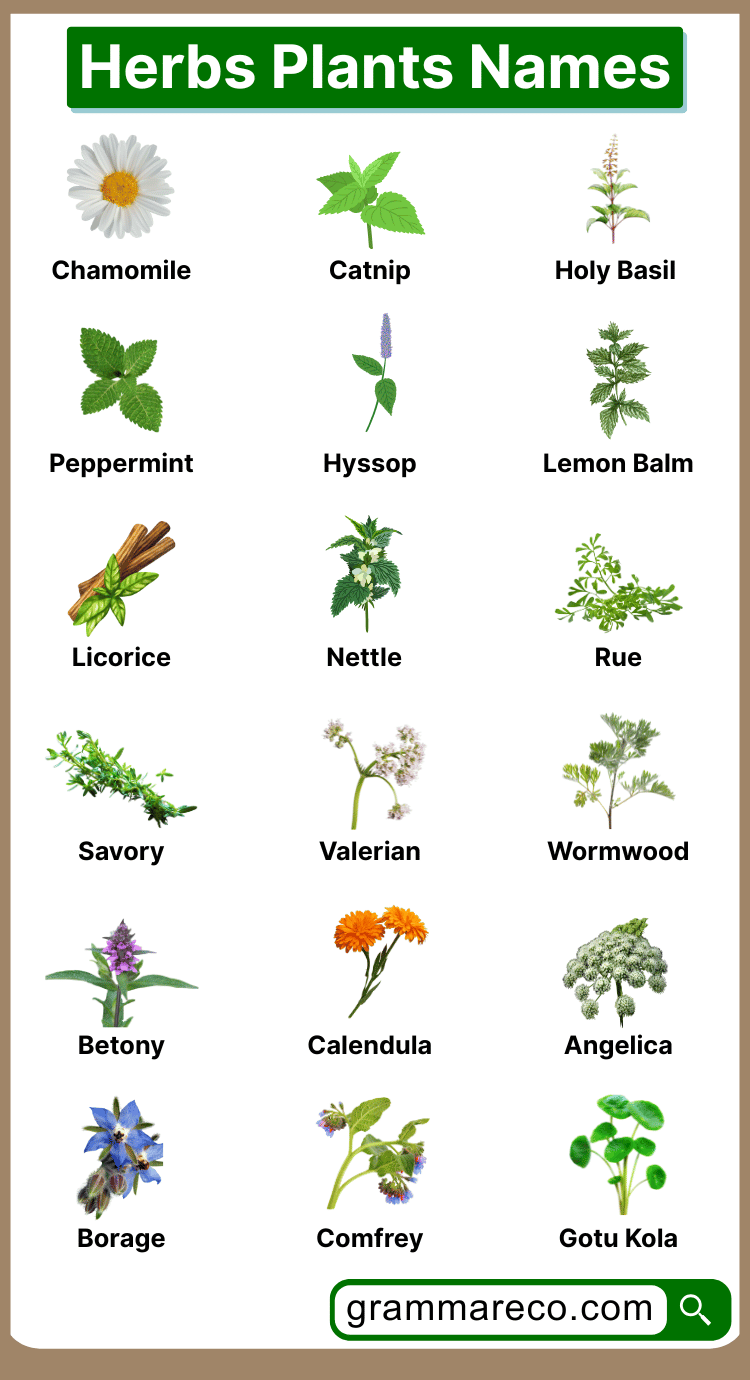
Below is a list of herbs plants names in English along with pictures:
- Basil
- Mint
- Parsley
- Cilantro
- Dill
- Chives
- Marjoram
- Lemongrass
- Fennel
- Coriander
- Lavender
- Curry Leaf
- Thyme
- Rosemary
- Oregano
- Sage
- Tarragon
- Bay Leaf
- Chamomile
- Catnip
- Holy Basil
- Peppermint
- Hyssop
- Lemon Balm
- Betony
- Calendula
- Angelica
- Borage
- Comfrey
- Gotu Kola
- Licorice
- Nettle
- Rue
- Savory
- Valerian
- Wormwood
20 Herbs Plants Names and their Uses with Images
Basil
Basil is a fragrant herb widely used in Mediterranean and Asian cuisines, known for its sweet aroma and vibrant green leaves. It pairs perfectly with tomatoes, pasta, and salads.
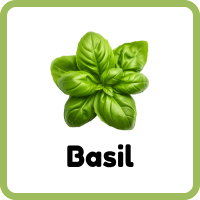
- Color: Bright green
- Fragrance: Sweet, aromatic
- Leaf Size: Medium, oval
- Growth Habit: Upright bush
- Height & Spread: 12–24 inches tall, 12–18 inches wide
- Flavor Profile: Sweet, slightly peppery
- Culinary Use: Pesto, sauces, salads
Mint
Mint is a refreshing herb recognized for its cool, invigorating taste. Commonly used in teas, desserts, and savory dishes, it also provides health benefits like digestion support.

- Color: Bright to dark green
- Fragrance: Strong, cooling
- Leaf Size: Small to medium
- Growth Habit: Spreading perennial
- Height & Spread: 12–36 inches, spreads aggressively
- Flavor Profile: Cool, fresh
- Culinary Use: Beverages, desserts, garnishes
Parsley
Parsley is a versatile herb often used as a garnish or flavor enhancer in soups, salads, and sauces. Its crisp leaves add freshness to any dish.
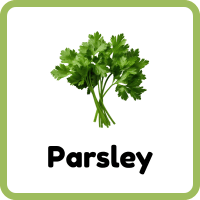
- Color: Vibrant green
- Fragrance: Mild, fresh
- Leaf Type: Curly or flat-leaf
- Growth Habit: Upright biennial
- Height & Spread: 12–24 inches
- Flavor Profile: Fresh, slightly peppery
- Culinary Use: Garnishes, salads, soups
Cilantro
Cilantro, also known as coriander leaves, is popular in Latin American, Indian, and Asian cuisines. Its bright flavor adds freshness to salsas, curries, and salads.
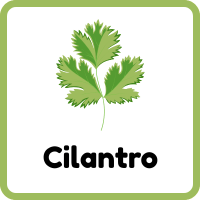
- Color: Light to medium green
- Fragrance: Citrusy, pungent
- Leaf Type: Lacy and delicate
- Growth Habit: Fast-growing annual
- Height & Spread: 12–20 inches
- Flavor Profile: Citrusy, fresh
- Culinary Use: Salsas, curries, garnishes
Dill Herb and Plant
Dill is an aromatic herb often paired with seafood, pickles, and salads. Its feathery leaves and seeds are both used for culinary and medicinal purposes.
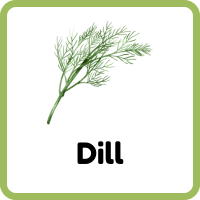
- Color: Pale green
- Fragrance: Fresh, slightly anise-like
- Leaf Type: Feathery, delicate
- Growth Habit: Upright annual
- Height & Spread: 18–36 inches
- Flavor Profile: Sweet, anise-like
- Culinary Use: Pickles, fish dishes, soups
Chives
Chives are a mild, onion-flavored herb ideal for garnishing soups, eggs, and salads. Their slender green stems add color and subtle flavor.
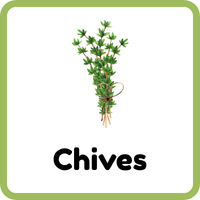
- Color: Bright green
- Fragrance: Mild onion-like
- Leaf Type: Tubular, slender
- Growth Habit: Clumping perennial
- Height & Spread: 12–24 inches tall, 6–12 inches wide
- Flavor Profile: Mild, oniony
- Culinary Use: Garnishes, omelets, dips
Marjoram
Marjoram is a sweet, aromatic herb used in Mediterranean cuisine. Its delicate leaves enhance meats, sauces, and soups with a subtle floral flavor.
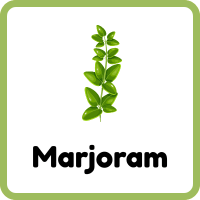
- Color: Pale to medium green
- Fragrance: Sweet, floral
- Leaf Size: Small, oval
- Growth Habit: Woody perennial
- Height & Spread: 12–24 inches
- Flavor Profile: Sweet, mild
- Culinary Use: Meat, soups, sauces
Lemongrass
Lemongrass is a tall, tropical herb known for its citrusy aroma. It is a key ingredient in Asian dishes, teas, and essential oils.
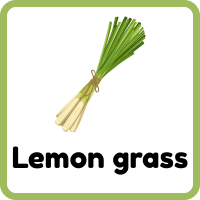
- Color: Light green
- Fragrance: Lemon-like, fresh
- Leaf Type: Long, narrow blades
- Growth Habit: Clumping perennial
- Height & Spread: 3–5 feet tall
- Flavor Profile: Citrusy, slightly sweet
- Culinary Use: Soups, teas, curries
Fennel
Fennel has feathery leaves and a bulbous base, offering a mild anise flavor. It is used in salads, sauces, and herbal remedies.
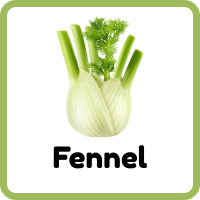
- Color: Pale to medium green
- Fragrance: Sweet, licorice-like
- Leaf Type: Feathery fronds
- Growth Habit: Upright perennial
- Height & Spread: 2–5 feet
- Flavor Profile: Sweet, licorice-like
- Culinary Use: Salads, fish dishes, soups
Coriander
Coriander seeds come from the same plant as cilantro and are widely used as a spice. It has a warm, citrusy flavor that complements many dishes.
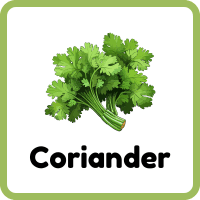
- Color: Light brown (seeds)
- Fragrance: Warm, citrusy
- Leaf Type: Broad and delicate (leaves)
- Growth Habit: Annual herb
- Height & Spread: 12–24 inches
- Flavor Profile: Citrusy, warm
- Culinary Use: Spice blends, curries, marinades
Lavender
Lavender is a fragrant herb with purple flowers, commonly used in aromatherapy, desserts, and teas. It adds a calming scent and subtle floral taste.

- Color: Purple flowers, gray-green foliage
- Fragrance: Floral, sweet
- Leaf Type: Narrow, gray-green
- Growth Habit: Woody perennial
- Height & Spread: 1–3 feet
- Flavor Profile: Floral, slightly sweet
- Culinary Use: Teas, desserts, garnishes
Curry Leaf
Curry leaf is a tropical herb essential in South Indian cuisine. Its aromatic leaves impart a distinct flavor to curries and rice dishes.

- Color: Dark green
- Fragrance: Strong, aromatic
- Leaf Type: Pinnate, glossy
- Growth Habit: Small tree/shrub
- Height & Spread: 4–6 feet
- Flavor Profile: Nutty, aromatic
- Culinary Use: Curries, rice, seasoning
Thyme
Thyme is a low-growing, aromatic herb with tiny leaves. It enhances roasted meats, soups, and stews with a subtle earthy flavor.
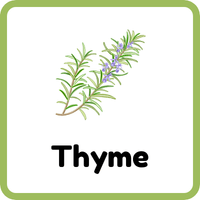
- Color: Gray-green
- Fragrance: Earthy, minty
- Leaf Type: Small, oval
- Growth Habit: Woody perennial
- Height & Spread: 6–12 inches, spreads wide
- Flavor Profile: Earthy, slightly minty
- Culinary Use: Meats, soups, sauces
Rosemary
Rosemary is a hardy herb with needle-like leaves and a strong piney aroma. It pairs well with roasted meats, potatoes, and bread.
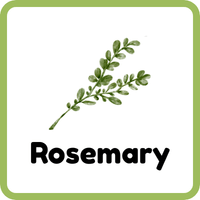
- Color: Dark green
- Fragrance: Pine-like, woody
- Leaf Type: Needle-like
- Growth Habit: Woody shrub
- Height & Spread: 2–5 feet tall
- Flavor Profile: Piney, aromatic
- Culinary Use: Roasts, bread, marinades
Oregano
Oregano is a robust herb with a peppery, earthy taste. Popular in Mediterranean and Mexican cuisines, it enhances sauces, pizzas, and grilled dishes.

- Color: Medium green
- Fragrance: Strong, aromatic
- Leaf Type: Small, oval
- Growth Habit: Woody perennial
- Height & Spread: 12–24 inches
- Flavor Profile: Earthy, slightly bitter
- Culinary Use: Sauces, pizza, marinades
Sage
Sage is a perennial herb with soft, gray-green leaves. It has a strong earthy flavor and is widely used in poultry, stuffing, and sauces.
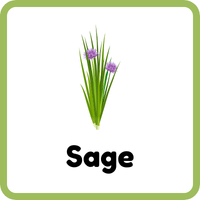
- Color: Gray-green
- Fragrance: Earthy, slightly peppery
- Leaf Type: Soft, velvety
- Growth Habit: Woody perennial
- Height & Spread: 2–3 feet
- Flavor Profile: Earthy, savory
- Culinary Use: Meats, stuffing, sauces
Tarragon
Tarragon is a delicate herb with narrow leaves and a subtle licorice flavor. It is a key ingredient in French cuisine and sauces like béarnaise.

- Color: Medium green
- Fragrance: Sweet, anise-like
- Leaf Type: Narrow, smooth
- Growth Habit: Perennial herb
- Height & Spread: 18–36 inches
- Flavor Profile: Sweet, licorice-like
- Culinary Use: Sauces, dressings, chicken dishes
Bay Leaf
Bay leaf is a fragrant herb with sturdy, aromatic leaves used to flavor soups, stews, and sauces. Leaves are removed before serving.

- Color: Dark green
- Fragrance: Strong, herbal
- Leaf Type: Oval, leathery
- Growth Habit: Evergreen shrub/tree
- Height & Spread: 10–40 feet (tree form)
- Flavor Profile: Aromatic, slightly bitter
- Culinary Use: Stews, soups, sauces
Names of Herbs Plants with Photos
- Chamomile: A calming herb with daisy-like flowers, commonly used in teas to relieve stress and improve sleep.

- Catnip: A mint-family herb known for stimulating cats and calming humans when brewed in teas.

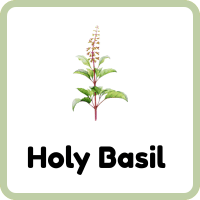
- Holy Basil: Sacred in Ayurvedic medicine, it supports immunity, reduces stress, and has a peppery, clove-like aroma.
- Peppermint: A refreshing herb with strong menthol flavor, widely used in teas, desserts, and digestive remedies.

- Hyssop: A fragrant herb used traditionally for respiratory support, teas, and flavoring liqueurs.

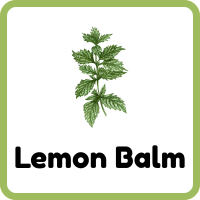
- Lemon Balm: Lemon-scented leaves that soothe nerves, improve sleep, and enhance teas and culinary dishes.
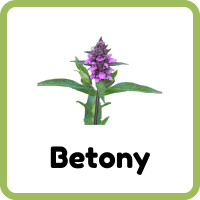
- Betony: A historic medicinal herb used for digestion, headaches, and calming anxiety.
- Calendula: Vibrant orange flowers used for skin care, teas, and natural healing remedies.

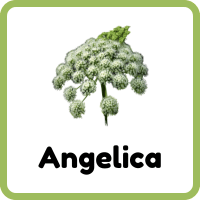
- Angelica: A tall herb with aromatic roots and stems, often used in herbal medicine and flavoring liqueurs.
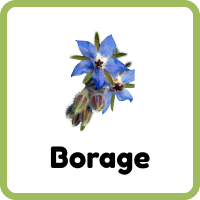
- Borage: Star-shaped blue flowers and leaves used for anti-inflammatory purposes and refreshing teas.
- Comfrey: A healing herb traditionally applied to wounds, bruises, and used in medicinal salves.

- Gotu Kola: A small leafy herb that supports cognitive function, circulation, and skin health.

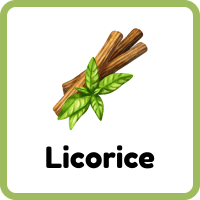
- Licorice: Sweet-tasting roots used for digestive health, cough relief, and flavoring teas or candies.
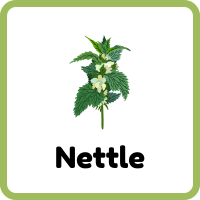
- Nettle: Nutrient-rich leaves often used in teas, soups, and herbal remedies for vitality and detox.
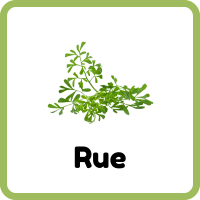
- Rue: A bitter herb traditionally used for digestive issues, insect repellents, and ceremonial purposes.
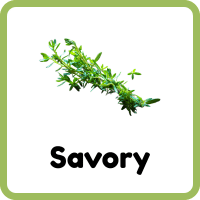
- Savory: Aromatic herb with peppery flavor, commonly used in cooking and for digestive support.
- Valerian: A root herb known for promoting relaxation, reducing anxiety, and improving sleep quality.

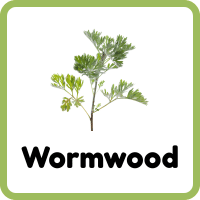
- Wormwood: A bitter herb used in herbal remedies and liqueurs, traditionally for digestive and ant parasitic uses.
Rare and Specialty Herbs and Their Pictures
Some herbs are less common but highly valued for their unique flavor or medicinal qualities:
Shiso Herbs
Shiso is an aromatic herb valued for its fresh, minty leaves used in Asian cooking.
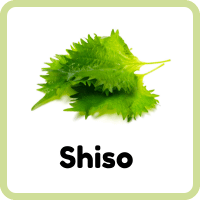
- Nutrients: Vitamin A, vitamin C, calcium, iron, antioxidants
- Health Benefits: Supports digestion, boosts immunity, and may reduce inflammation
- Taste: Minty, slightly spicy, with a citrus like freshness
- Uses: Sushi, salads, pickles, beverages, and garnishes
- Notes: Red and green varieties offer slightly different flavors
How to Grow: Plant in warm soil with full sun or partial shade, keep the soil lightly moist, and harvest leaves regularly.
Epazote
Epazote is a pungent culinary herb known for its strong aroma and traditional digestive uses.

- Nutrients: Folate, calcium, magnesium, vitamin A, antioxidants
- Health Benefits: Aids digestion, may reduce gas, and supports metabolic health
- Taste: Strong, earthy, and slightly medicinal
- Uses: Beans, soups, stews, quesadillas, and sauces
- Notes: Use in small amounts due to its bold flavor
How to Grow: Plant in full sun with dry to moderately moist soil and allow the plant to spread naturally.
Fenugreek Leaves Rare Herb Plant
Fenugreek leaves are flavorful greens widely used in South Asian dishes for their distinct aroma.
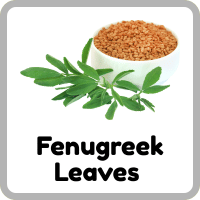
- Nutrients: Iron, vitamin K, fiber, folate, magnesium
- Health Benefits: Supports blood sugar balance, aids digestion, and improves appetite
- Taste: Bitter sweet with a warm herbal aroma
- Uses: Curries, flatbreads, stir fries, soups, and herbal blends
- Notes: Fresh leaves have a milder taste than dried versions
How to Grow: Grow in full sun with well drained soil, water regularly, and harvest young tender leaves for best flavor.
Borage Herb Plant
Borage is a leafy herb known for its cucumber like leaves and edible star shaped flowers.
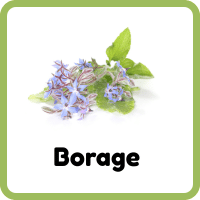
- Nutrients: Vitamin C, calcium, potassium, gamma linolenic acid
- Health Benefits: Supports skin health, improves mood, and may reduce inflammation
- Taste: Fresh and crisp with a mild cucumber flavor
- Uses: Salads, teas, beverages, garnishes, and herbal mixes
- Notes: Flowers attract pollinators and are also edible
How to Grow: Plant in full sun with fertile soil, water moderately, and allow plants to reseed naturally each season.
Chervil and Uses
Chervil is a delicate herb used for its light anise like flavor in refined culinary dishes.
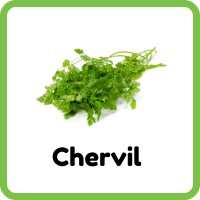
- Nutrients: Vitamin C, vitamin A, calcium, iron, antioxidants
- Health Benefits: Supports digestion, boosts immunity, and may aid respiratory health
- Taste: Mild, sweet, and reminiscent of anise
- Uses: Soups, salads, egg dishes, sauces, and seasoning blends
- Notes: Add at the end of cooking to preserve flavor
How to Grow: Grow in partial shade with moist, well drained soil, and harvest gently to avoid damaging tender leaves.
Sorrel
Sorrel is a leafy herb recognized for its bright, lemony flavor and zesty freshness.
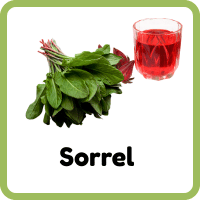
- Nutrients: Vitamin C, fiber, potassium, iron, antioxidants
- Health Benefits: Aids digestion, supports immunity, and promotes hydration
- Taste: Tart, lemon like, and sharp
- Uses: Soups, sauces, salads, and herbal mixes
- Notes: Younger leaves are less acidic and more tender
How to Grow: Plant in full sun or partial shade, keep soil moist, and harvest new leaves frequently to encourage growth.
Lovage
Lovage is a robust herb known for its celery like flavor and tall, aromatic foliage.
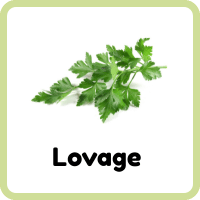
- Nutrients: Vitamin C, vitamin B complex, iron, fiber, antioxidants
- Health Benefits: Supports digestion, may reduce bloating, and promotes kidney health
- Taste: Strong, herbal, similar to celery with a hint of parsley
- Uses: Soups, stocks, stews, salads, and seasoning blends
- Notes: Both leaves and stems are useful in cooking
How to Grow: Plant in rich, well drained soil with full sun, water deeply, and divide plants every few years for better growth.
Types of Herbs Plants for Garden
- Perennial Herbs: Rosemary, Thyme, Sage, Lavender
- Annual Herbs: Basil, Cilantro, Dill, Chervil
- Biennial Herbs: Parsley, Caraway
- Ground Cover Herbs: Creeping Thyme, Chamomile
- Climbing Herbs: Hops, Vanilla Orchid
Medicinal Herbs and Plants with Benefits
- Lavender: A calming herb with purple blooms; used in oils and soaps. Requires full sunlight and dry soil conditions.
- Chamomile: Gentle herb for teas and relaxation; grows best in cool climates with moderate sunlight.
- Aloe Vera: Healing plant for skin care; thrives in warm, dry conditions. Water sparingly and keep in bright light.
- Peppermint: Stronger than regular mint; perfect for teas and digestion. Keep roots contained to prevent overgrowth.
- Fennel: A sweet, aromatic herb used for flavoring dishes. Prefers full sunlight and sandy, well-drained soil.
- Bay Laurel (Bay Leaf): Evergreen herb used in soups and stews; grows best in sunny spots with moderate watering.
- Chives: Mild onion-flavored herb; easy to grow in pots or beds. Cut leaves often to encourage fresh growth.
Kitchen Herb Plants Names and Their Uses
- Basil: For pesto, sauces, and pasta
- Cilantro: In salsa, curries, and garnishing
- Parsley: Garnishing, soups, and salads
- Thyme: Roasts, soups, and sauces
- Oregano: Pizza, pasta, and Mediterranean dishes
- Rosemary: Roasts, bread, and marinades
- Dill: Pickles, soups, and salads
- Chives: Omelets, salads, and garnishing
Herbs Plants for Garnishing and Presentation
- Parsley: Adds green freshness to dishes
- Mint: Bright leaves for desserts and drinks
- Cilantro: Finishing touch for Mexican or Indian meals
- Chives: Green strands for soups and salads
- Borage Flowers: Colorful edible blooms for decoration
- Lavender: Aromatic blossoms for sweet dishes
European Herbs Plants Names
- Thyme: Mediterranean, culinary and ornamental
- Oregano: Pizza and pasta dishes
- Marjoram: Soups and seasoning
- Sage: Stuffing, meats, and sauces
- Lavender: Aromatherapy and desserts
- Tarragon: French sauces and chicken recipes
American Herbs and Plants Names
- Echinacea: Medicinal herb for immune support
- Bee Balm: Attracts pollinators, edible leaves
- Sage: Culinary and medicinal uses
- Stevia: Natural sweetener from leaves
- Yerba Mate: Traditional tea leaves
- Wild Bergamot: Aromatic flowers for teas and oils
FAQs About Herb Plants
Common herbs plants include Basil, Mint, Parsley, Cilantro, Dill, Chives, Rosemary, Thyme, Oregano, Sage, Tarragon, Marjoram, and Lemongrass.
The banana plant is classified as a large herb, not a shrub or tree. Its stem is made of tightly packed leaf bases, not woody tissue, which makes it an herbaceous plant. Despite its size, it behaves like an herb and dies back after fruiting, with new shoots growing from the base.
Herbs are best planted in spring after the last frost when soil is warm. Choose well-drained soil and a sunny spot. Sow seeds or transplant seedlings, spacing them according to the herb type. Water gently, keep soil moist but not soggy, and trim regularly to encourage healthy growth and prevent flowering too early.
Read more