
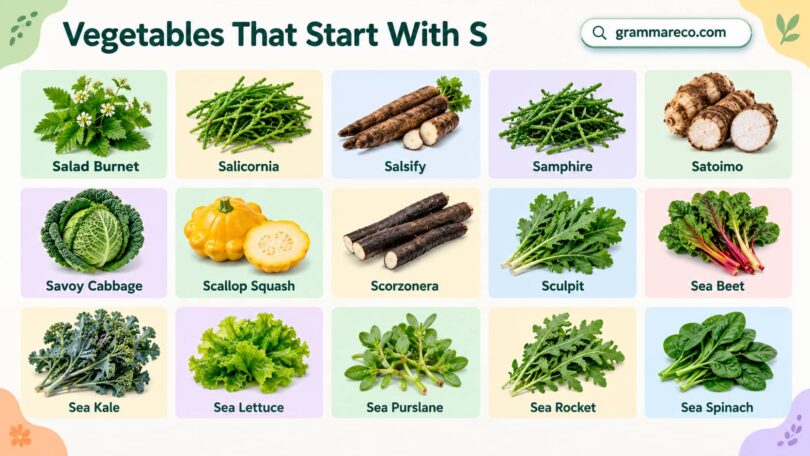
Sea beet, salsify, spinach, snap peas, and shallots are among the many vegetables beginning with S. These names cover leafy greens, roots, legumes, squash, and members of the onion family. Some are familiar grocery store vegetables, while others come from regional food traditions. Learning these plant names also helps readers recognize different edible parts, such as leaves, roots, pods, bulbs, and fruits. The Vegetables That Start With S below include familiar and less common choices.
What Vegetables that Start with S?
Vegetables beginning with S come from several plant groups and include leaves, roots, pods, bulbs, and squash. Their names range from everyday produce such as spinach and scallions to less common vegetables such as skirret and scorzonera.
Knowing these names gives learners a broader understanding of edible plants and their different forms. Pictures included throughout the article make it easier to connect each vegetable name with its appearance.
List of Vegetables that Start with S
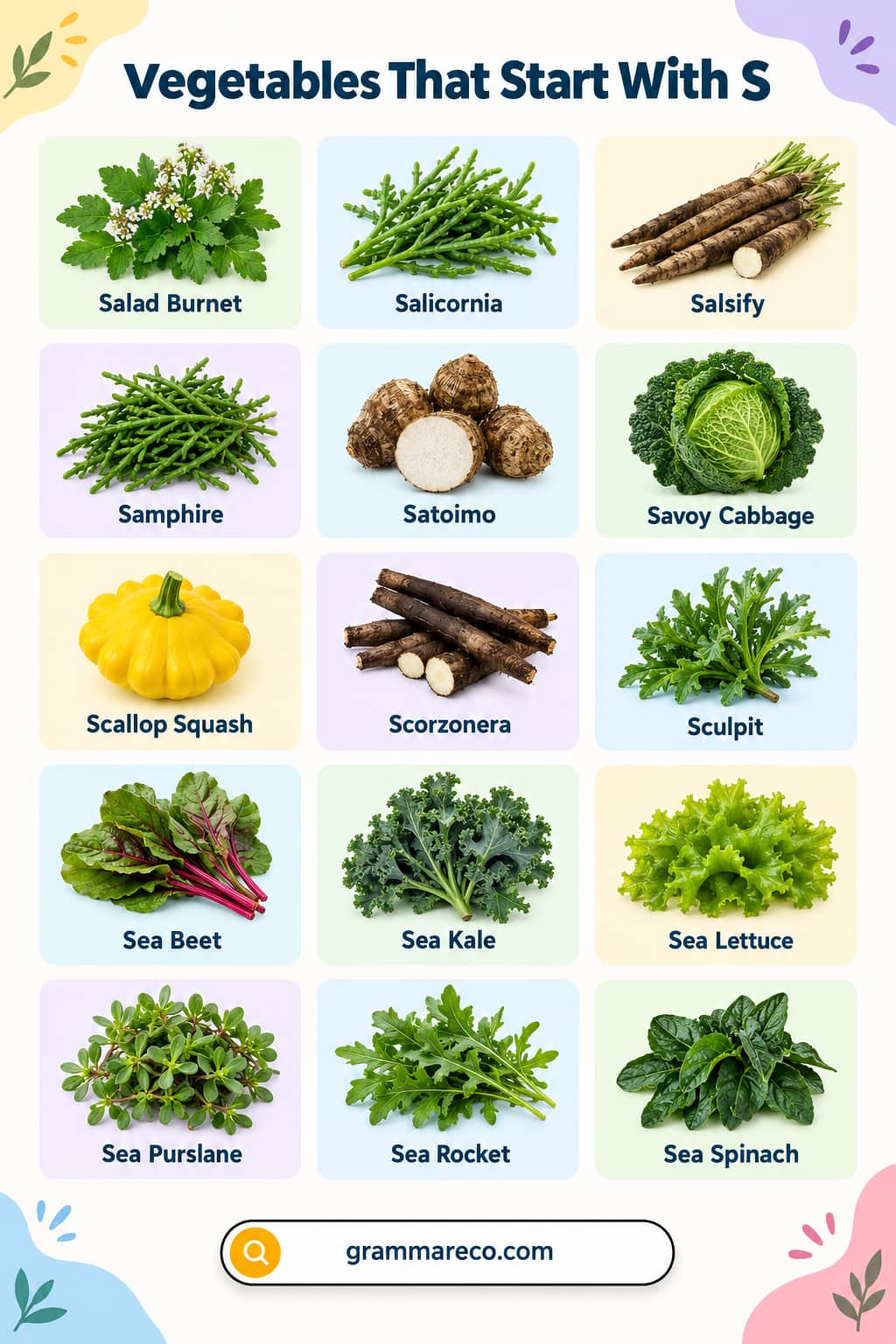
Vegetables starting with S below cover common produce and lesser-known vegetables from different food traditions. Some names refer to specific plants, while others describe closely related cultivated forms.
- Salad Burnet
- Salicornia
- Salsify
- Samphire
- Satoimo
- Savoy Cabbage
- Scallop Squash
- Scorzonera
- Sculpit
- Sea Beet
- Sea Kale
- Sea Lettuce
- Sea Purslane
- Sea Rocket
- Sea Spinach
- Serrano Pepper
- Sesbania Flowers
- Shallot
- Shepherd’s Purse
- Shimonita Leek
- Shishito Pepper
- Shiso
- Shungiku
- Sierra Leone Bologi
- Siling Haba
- Skirret
- Snake Bean
- Snake Gourd
- Snap Pea
- Snow Pea
- Soko
- Sorrel
- Soybean
- Soybean Leaves
- Spaghetti Squash
- Spinach
- Spine Gourd
- Spiny Amaranth
- Sponge Gourd
- Spring Greens
- Spring Garlic
- Sprouting Broccoli
- Stridolo
- Sugar Kelp
- Sunchoke
- Surinam Spinach
- Swede
- Sweet Corn
- Sweet Potato
- Sweet Potato Leaves
- Sweetheart Cabbage
- Swiss Chard
Vegetables that Start with S with Pictures and Explanation
Salad Burnet
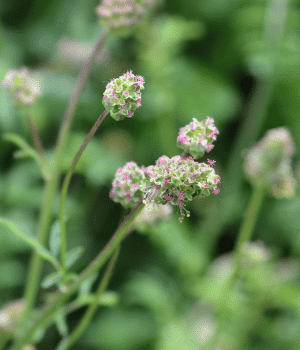
Salad burnet is a perennial herb with small, rounded leaves and a fresh cucumber-like flavor. Its tender foliage adds a light, crisp note to salads, sandwiches, cold soups, and herb mixes. In addition, gardeners can harvest young leaves throughout the growing season. People usually eat salad burnet raw, but cooks can also add it to sauces and cooked vegetable dishes for extra flavor.
Salicornia
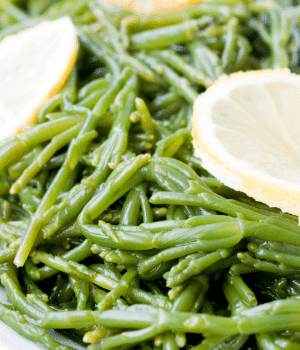
Salicornia is a succulent coastal plant that people also call glasswort or sea asparagus. Its crisp green stems carry a naturally salty, slightly mineral flavor. For that reason, cooks often pair young shoots with seafood, salads, and grilled dishes. Salicornia grows in salt marshes and coastal areas, where it tolerates salty soil. You can steam, blanch, sauté, or eat tender shoots fresh.
Salsify
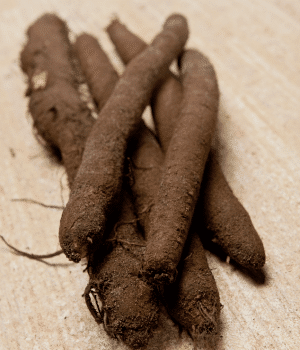
Salsify is a long, slender root vegetable that grows underground and belongs to the same plant family as some familiar root crops. Its pale flesh offers a mild, earthy flavor with subtle artichoke-like notes. First, cooks peel the root before preparation. Then, they can boil, roast, fry, or mash it. The young shoots and flowers also have culinary uses in some traditional dishes.
Samphire
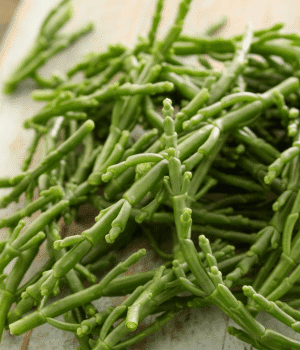
Samphire refers to several salt-tolerant coastal plants, especially edible glasswort species. Young stems have a crisp texture and naturally briny flavor, which makes them a useful match for fish and shellfish. In addition, samphire works well in salads and vegetable dishes. Cooks can steam, blanch, sauté, or serve tender shoots raw. Because the plant naturally contains salt, dishes often need little extra seasoning.
Satoimo
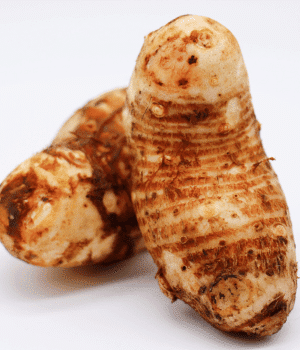
Satoimo is the Japanese name for small taro varieties that produce rounded underground corms. Cooked satoimo has a soft, slightly sticky texture and a mild earthy flavor. Japanese cooks commonly add it to soups, stews, simmered dishes, and hot pots. Before eating, cooks must thoroughly cook the corms. As a result, boiling or simmering remains a common preparation method for this vegetable.
Savoy Cabbage
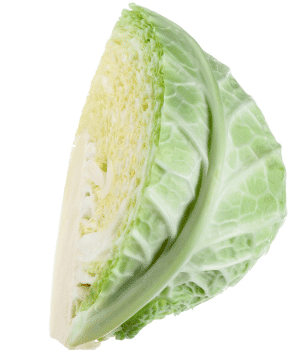
Savoy cabbage is a leafy cabbage variety with loose, deeply wrinkled green leaves. Compared with dense cabbage varieties, it has a softer texture and mild, slightly sweet flavor. You can slice it into slaws, add it to soups, or stir-fry it with other vegetables. In addition, its flexible leaves work well for stuffed cabbage recipes. Both raw and cooked preparations bring out its useful texture.
Scallop Squash
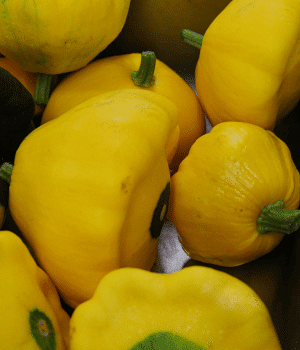
Scallop squash is a round summer squash with distinctive scalloped edges around its flattened body. People also know it as pattypan squash. Depending on the variety, its skin may appear white, yellow, green, or striped. Young squash develops tender flesh with a mild, slightly sweet flavor. Cooks can grill, roast, sauté, steam, or stuff it. The edible skin adds useful texture to many recipes.
Sea Rocket
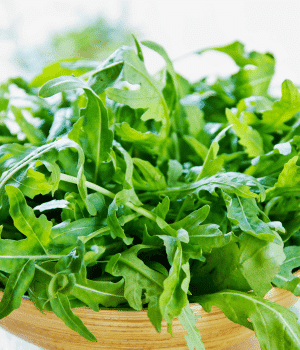
Sea rocket is a coastal plant with fleshy leaves, small flowers, and edible young shoots. It commonly grows along sandy beaches and produces a peppery flavor with a slight bitter edge. Because of this taste, cooks can use tender leaves like a seasoning green. They work well in salads, seafood dishes, soups, and sautéed vegetables. Cooking softens the stronger flavor and produces a gentler taste.
Scorzonera
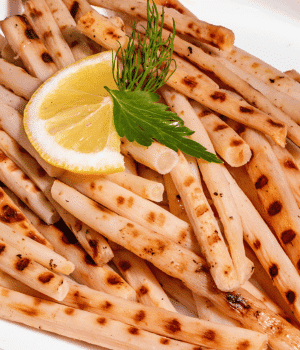
Scorzonera is a root vegetable with dark outer skin and pale flesh, so people often call it black salsify. Underneath the rough skin, the root develops a tender texture and mild earthy flavor. First, cooks peel or scrub the roots carefully. Then, they can boil, roast, fry, or add them to soups. Scorzonera also works well as a creamy vegetable side dish.
Sculpit
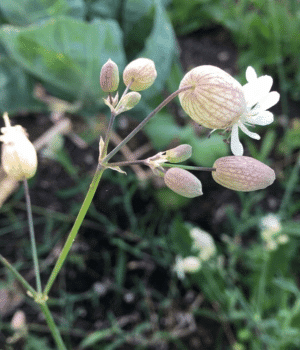
Sculpit is an edible wild herb known botanically as Silene vulgaris. Italian cooks have traditionally gathered its young leaves and shoots as seasonal spring greens. The tender foliage has a mild flavor with a gentle bitter note. Therefore, cooks often add sculpit to omelets, risottos, soups, and vegetable fillings. Young growth works best because mature leaves can become tougher and more strongly flavored.
Sea Beet
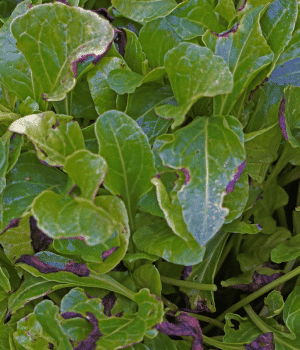
Sea beet is a wild leafy vegetable related to cultivated beets and Swiss chard. It grows naturally along European coastlines and develops thick green leaves with an earthy, mild flavor. Young leaves can add freshness to salads, while mature leaves work better in cooked dishes. In addition, cooks can sauté, steam, or simmer sea beet. Its coastal growing habit gives this vegetable a distinctive place among wild greens.
Sea Kale
Sea kale is a perennial coastal vegetable with broad bluish-green leaves, thick shoots, and edible flower buds. Its young stems have a mild flavor that resembles a combination of cabbage and asparagus. Traditionally, cooks blanch or steam the tender shoots before serving them. They can also cook the leaves and flower buds. Furthermore, sea kale works well as a seasonal side dish or vegetable ingredient.
Sea Lettuce
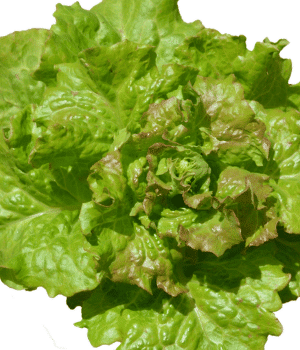
Sea lettuce is an edible green seaweed that mainly belongs to the genus Ulva. Its thin, leafy blades usually grow in marine and coastal waters. The fresh seaweed has a mild, salty flavor and delicate texture. People can add it to salads, soups, seafood dishes, and seasoning mixes. In addition, drying preserves sea lettuce for later use. Cooks can also incorporate rehydrated pieces into savory recipes.
Sea Purslane
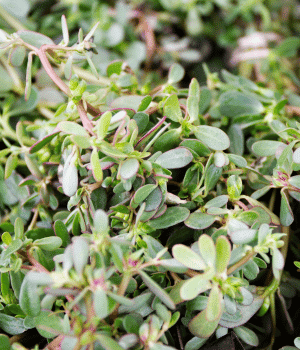
Sea purslane is a coastal plant with fleshy leaves and stems that people use as an edible green. Its succulent texture creates a pleasant crunch, while its flavor carries mild salty and mineral notes. Young shoots generally taste best and work well in salads. Meanwhile, cooks can steam or sauté mature portions. Sea purslane also pairs naturally with fish, shellfish, and other coastal ingredients.
Serrano Pepper
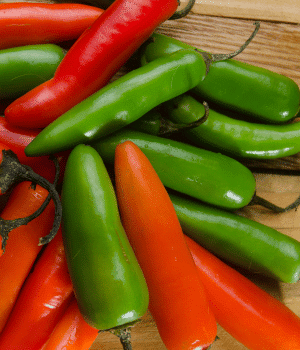
Serrano pepper is a small chili pepper from Mexico that delivers crisp texture and noticeable heat. Green serranos remain especially popular, although mature peppers can turn red, orange, yellow, or brown. Cooks commonly chop them into salsa, sauces, soups, tacos, and other savory dishes. They can also roast or grill whole peppers. Compared with milder chilies, serranos provide a brighter and sharper heat.
Sea Spinach
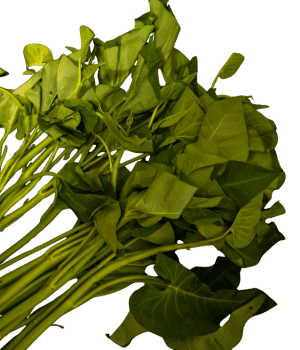
Sea spinach describes certain edible coastal greens that people prepare much like spinach. These salt-tolerant plants produce tender leaves with mild, earthy flavors and subtle coastal notes. Young leaves can work in salads, while mature foliage benefits from cooking. For example, cooks can sauté, steam, or simmer the greens with other vegetables. Regional names vary, so the exact plant can differ between locations.
Sesbania Flowers
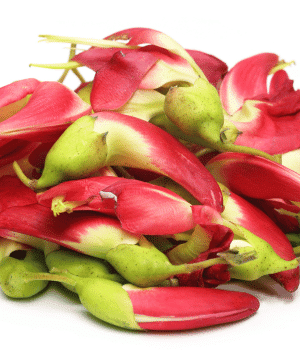
Sesbania flowers are edible blossoms produced by several Sesbania species, particularly Sesbania grandiflora. People use these flowers as a vegetable in parts of South and Southeast Asia. The blossoms have a delicate texture and mildly bitter flavor. Therefore, cooks often balance them with spices and savory ingredients. They can fry, steam, or add the flowers to curries. Young blossoms generally provide the most tender texture.
Shallot
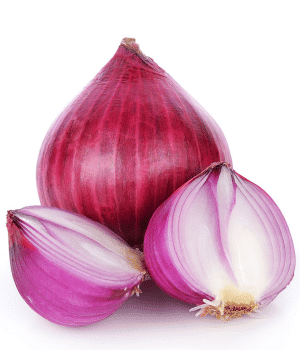
Shallot is a small bulb vegetable closely related to onions and garlic. It provides a mild, sweet, and aromatic flavor that works especially well in delicate dishes. Cooks can mince shallots for dressings and sauces or slice them for soups, stir-fries, and roasted vegetables. In addition, people can eat them raw or cooked. Their gentle flavor makes shallots useful when regular onions taste too strong.
Shimonita Leek
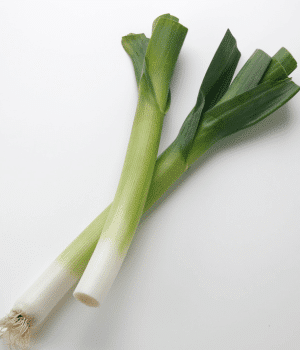
Shimonita leek is a traditional Japanese leek variety associated with Shimonita in Gunma Prefecture. It develops thick, short stalks with a tender texture and rich onion-like sweetness. The flavor often becomes sweeter during colder weather, which makes the vegetable popular in winter cooking. Cooks can grill, steam, simmer, or add Shimonita leek to soups, hot pots, and other Japanese dishes.
Shishito Pepper
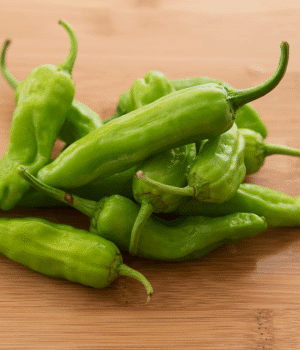
Shishito pepper is a small Japanese pepper with thin green skin, a wrinkled shape, and generally mild heat. Most peppers taste gentle, although an occasional pod can deliver noticeably more spice. Cooks commonly blister, grill, roast, or pan-fry whole shishito peppers. Their tender skin and seeds remain edible. In addition, they work well as appetizers, side dishes, or toppings for savory meals.
Shiso
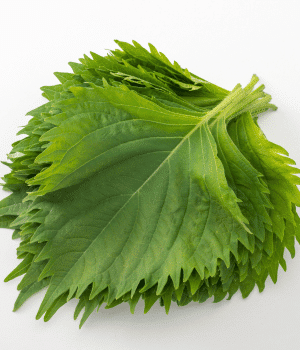
Shiso is an aromatic herb from the mint family that plays an important role in Japanese and other East Asian cuisines. Its leaves can appear green, red, or purple and carry herbal, citrusy, minty, and slightly spicy notes. Cooks use shiso with sushi, noodles, salads, rice dishes, pickles, and garnishes. Fresh leaves provide a strong aroma, while cooking creates a softer and more integrated flavor.
Shungiku
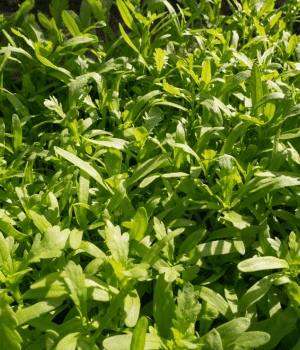
Shungiku is an edible chrysanthemum green commonly used in Japanese cuisine. Its tender leaves and young stems provide a fresh herbal taste with mild bitterness. Cooks often add shungiku to hot pots, soups, salads, and stir-fries. Because the greens cook quickly, they usually need only a short cooking time. As a result, the leaves retain much of their aroma and delicate texture.
Siling Haba
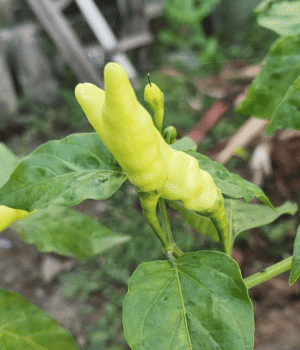
Siling haba is a Filipino chili pepper with long, slender green pods and moderate heat. Filipino cooks use it to add fresh chili flavor to soups, stews, sauces, stir-fries, and vinegar-based condiments. The pepper offers more heat than many sweet peppers but usually remains milder than very hot chilies. Cooks can slice, chop, or cook the pods whole depending on the recipe.
Skirret
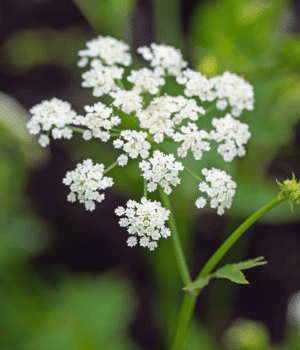
Skirret is an old root vegetable that grows clusters of small white roots beneath the soil. Its flesh has a naturally sweet flavor with hints of parsnip and carrot. Cooks can scrub or peel the roots before boiling, roasting, frying, or adding them to stews. Once common in parts of Europe, skirret now appears mainly in heritage gardens and traditional vegetable collections.
Snake Bean
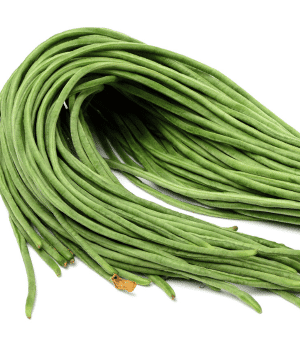
Snake bean is a long, slender legume that people also call yardlong bean or asparagus bean. Farmers usually harvest the pods while they remain young and tender. Their crisp texture and mild bean flavor suit stir-fries, curries, salads, and steamed dishes. Cooks normally trim the ends before using the pods whole or cut into pieces. Mature plants can also produce edible seeds.
Snake Gourd
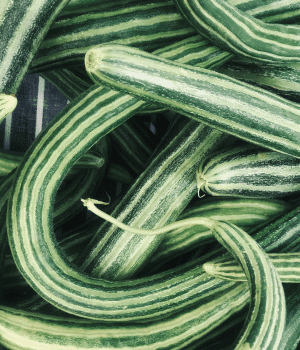
Snake gourd is a long tropical gourd that can develop a curved, snake-like shape. Young fruits have pale green skin and tender flesh with a mild flavor similar to cucumber. Cooks commonly use snake gourd in curries, soups, stir-fries, and stuffed vegetable dishes. They can also steam or simmer it with spices. Young fruits work best because they provide softer flesh and fewer tough fibers.
Snap Pea
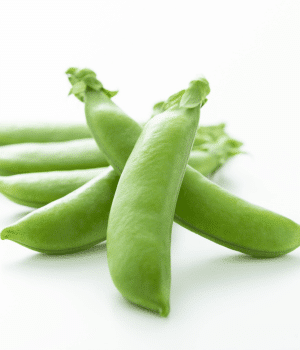
Snap pea is an edible-pod pea with a crisp, juicy texture and naturally sweet flavor. It combines characteristics of garden peas and edible-pod peas, so people eat both the pod and developing peas inside. Cooks can serve snap peas raw or prepare them by steaming, roasting, stir-frying, or sautéing. Their crunchy texture works particularly well in salads, grain bowls, noodle dishes, and vegetable mixes.
Snow Pea
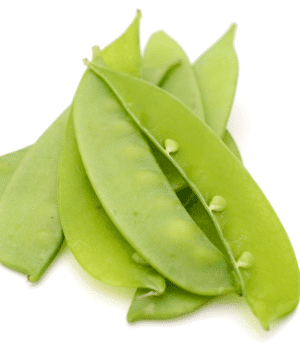
Snow pea is a flat edible-pod pea that farmers harvest while its inner seeds remain small. Its tender pod has a crisp texture and mild sweetness. Cooks commonly add snow peas to stir-fries, salads, noodle dishes, soups, and mixed vegetable recipes. They can eat the entire young pod after trimming the stem and string when needed. Brief cooking helps retain their characteristic crunch.
Leafy Greens Vegetables starting with S
Leafy vegetables beginning with S include familiar greens and several less common coastal or Asian plants. Their edible parts are mainly leaves, tender shoots, or young stems.
- Sea Beet: A coastal leafy green related to spinach and cultivated beet varieties.
- Sea Kale: A cabbage family vegetable with broad leaves and edible young shoots.
- Shepherd’s Purse: An edible leafy plant with distinctive heart shaped seed pods.
- Shungiku: Japanese chrysanthemum greens with tender leaves and a noticeable herbal flavor.
- Sorrel: A tangy leafy green recognized by its pointed leaves and fresh green color.
- Spinach: A widely known leafy vegetable with soft green leaves and many common varieties.
- Swiss Chard: A leafy beet relative with broad leaves and thick edible stems.
- Senposai: A Japanese green with large tender leaves developed from a cabbage type.
Root Vegetables that Begin with S
Root vegetables beginning with S grow underground and store nutrients in their edible roots. Salsify, scorzonera, skirret, sweet potato, and swede differ greatly in shape and color.
- Salsify: A long pale root vegetable with a creamy interior and mild traditional flavor.
- Scorzonera: A dark skinned root with pale flesh, closely related to salsify.
- Skirret: A sweet root vegetable that forms clusters of small edible roots underground.
- Sweet Potato: A starchy root with many skin and flesh colors, including orange and purple.
- Swede: A round yellow fleshed root also known as rutabaga in the United States.
Peas and Beans Vegetables Beginning With S
Veggies that start with S also include several legumes, which produce edible seeds inside pods. Scarlet runner beans, snow peas, snap peas, and soybeans have different pod and seed forms.
- Scarlet Runner Bean: A climbing bean that produces long pods and vivid flowers on vigorous vines.
- Snow Pea: A flat pod eaten whole while its developing peas remain small.
- Snap Pea: A crisp, juicy pod containing mature peas that can be eaten together.
- Soybean: A round seeded legume commonly eaten young as edamame or processed into many foods.
Gourds and Squash Vegetable that Starts with S
Gourds and squash beginning with S vary in shape, size, texture, and maturity. Some are harvested young, while others develop firm flesh and hard outer skin.
- Snake Gourd: A long, narrow gourd that can grow into a curved or twisted shape.
- Sponge Gourd: A green gourd eaten while young before its internal fibers become tough.
- Squash: A broad vegetable category containing many summer and winter varieties.
- Summer Squash: A tender squash group harvested young, including familiar zucchini and yellow squash.
- Spaghetti Squash: A winter squash known for flesh that separates into long strands after cooking.
Allium Vegetables that Start with S
Allium vegetables beginning with S include mild onion relatives and small bulb vegetables. Scallions, shallots, and spring onions differ mainly in plant form and maturity.
- Scallion: A mild green onion with long leaves and a small white base.
- Shallot: A small clustered bulb with a mild onion flavor and thin outer layers.
- Spring Onion: A young onion with green leaves and a slender edible bulb.
- Sunchoke: Despite its name, sunchoke is a tuber rather than an allium and belongs with underground vegetables.
FAQs About Vegetables that Start with S
Common vegetables that start with S include spinach, sweet potato, squash, snow pea, snap pea, scallion, shallot, sorrel, and Swiss chard.
Spinach is one of the most common vegetables beginning with S, widely available fresh or frozen in grocery stores across the United States.
Root vegetables beginning with S include salsify, scorzonera, skirret, sweet potato, and swede, also called rutabaga in the United States.
Leafy vegetables beginning with S include spinach, sorrel, Swiss chard, sea beet, sea kale, shungiku, senposai, and shepherd’s purse.
Vegetables beginning with S include sweet potato, squash, salsify, snow pea, snap pea, soybean, scallion, shallot, and snake gourd.
Takeaway
Vegetables beginning with S cover a surprisingly broad range of plant types. Spinach, sorrel, and Swiss chard provide leafy greens, while salsify, scorzonera, and sweet potato are root vegetables. Snow peas, snap peas, and soybeans belong to the legume group. Snake gourd, sponge gourd, squash, scallions, shallots, and spring onions add still more variety to the S vegetable list.
Read more
- Vegetables that Start with P
- Vegetables that Start with Q
- Vegetables that Start with R
- Vegetables that Start with T
- Vegetables that Start with U
- Vegetables that Start with V