
Grapes are one of the most widely consumed fruits in the world, but the different types of grapes vary greatly in taste, color, and use. From sweet table grapes to complex wine grapes and wild species, grape varieties offer surprising diversity. Have you ever tasted Concord, Muscat, or Cabernet? Each tells a different story of flavor, climate, and cultivation.
Different Types of Grapes include table grapes, wine grapes, and wild hybrids grown across continents for eating, juicing, and winemaking. These grape varieties differ in sweetness, texture, and seed structure, making them unique in every bite. If you think grapes are simple fruits, this guide will completely change your perspective and keep you exploring further.
Names of 77 Grapes Varieties Around the World
Different Types of Grapes include table grapes, wine grapes, hybrid grapes, and wild species cultivated worldwide.
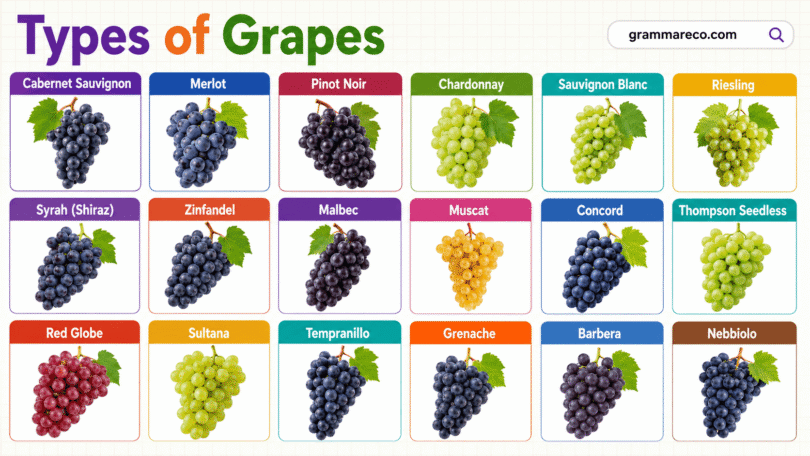
Common names of grapes include Thompson Seedless, Concord, Cabernet Sauvignon, and Muscat varieties, each differing in flavor, use, and growing climate adaptability. Below are 77 grapes list are as given:
- Thompson Seedless (Sultana)
- Crimson Seedless
- Flame Seedless
- Red Globe
- Italia
- Victoria
- Muscat of Alexandria
- Muscat Hamburg
- Perlette
- Sugraone (Superior Seedless)
- Centennial Seedless
- Black Monukka
- Ruby Seedless
- Ribier (Alphonse Lavallée)
- Emperor
- Autumn Royal
- Autumn Crisp
- Sweet Jubilee
- Princess Seedless
- Scarlotta Seedless
- Kyoho
- Delaware
- Himrod
- Concord (fresh consumption in some regions)
- Cabernet Sauvignon
- Merlot
- Pinot Noir
- Syrah (Shiraz)
- Malbec
- Grenache
- Tempranillo
- Sangiovese
- Nebbiolo
- Barbera
- Mourvèdre
- Petit Verdot
- Carmenère
- Pinot Meunier
- Zinfandel
- Chardonnay
- Sauvignon Blanc
- Riesling
- Pinot Grigio (Pinot Gris)
- Chenin Blanc
- Viognier
- Semillon
- Gewürztraminer
- Muscat Blanc à Petits Grains
- Trebbiano
- Albariño
- Verdejo
- Grüner Veltliner
- Fiano
- Garganega
- Concord
- Niagara
- Catawba
- Isabella
- Delaware
- Beta
- Scuppernong
- Carlos
- Noble
- Fry
- Summit
- Seyval Blanc
- Vidal Blanc
- Marquette
- Frontenac
- Chambourcin
- Baco Noir
- Traminette
- Vitis vinifera subsp. sylvestris (wild Eurasian grape)
- Vitis riparia
- Vitis rupestris
- Vitis amurensis
- Vitis berlandieri
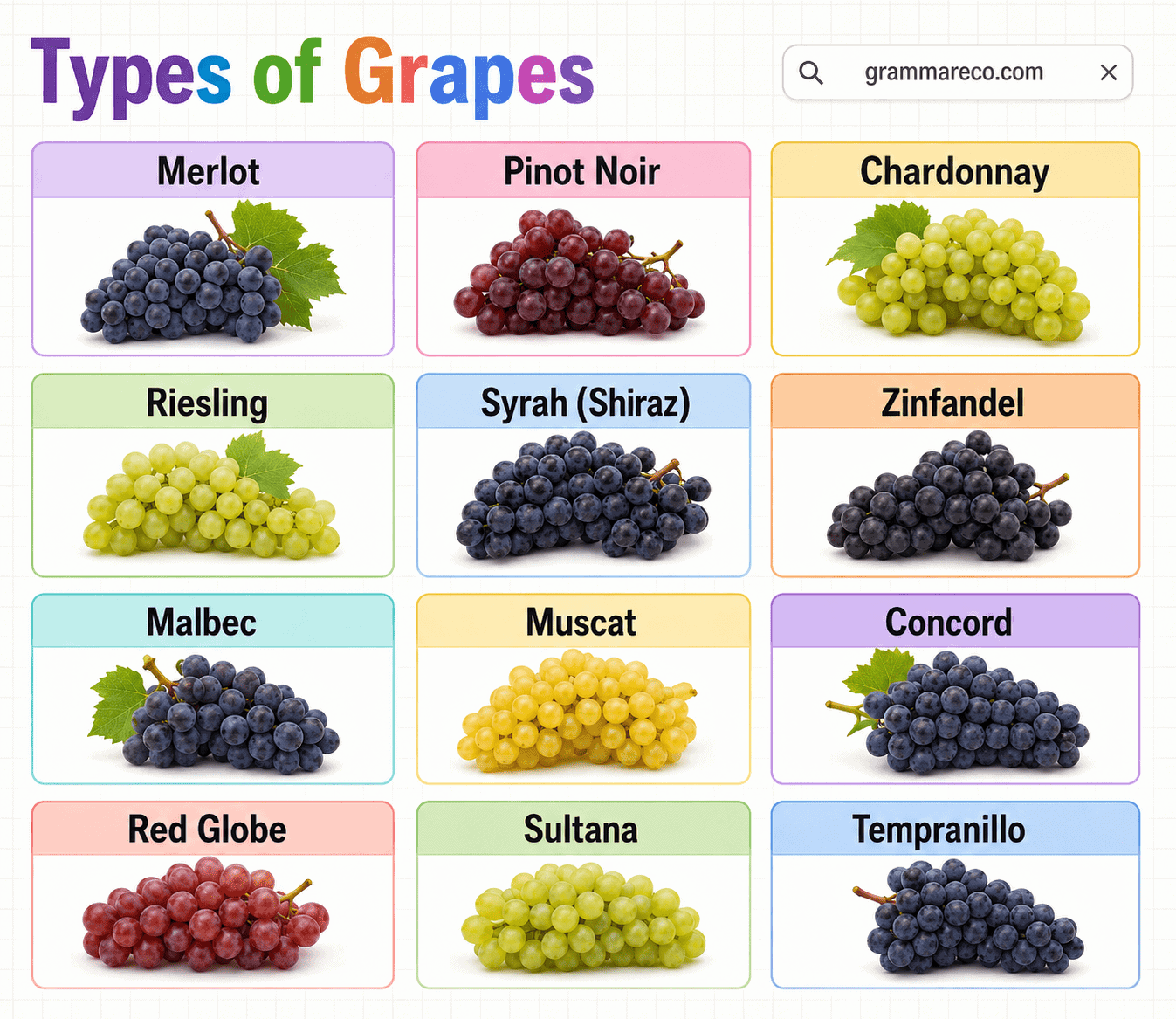
Different Types of Grapes with Uses and Facts
Grapes are categorized based on usage, genetics, and cultivation purpose, including table grapes, wine grapes, and wild hybrids with distinct characteristics and growing conditions.
Explore grape fruit classification, botanical traits, and cultivation diversity. It helps you understand how grape varieties adapt to climate, soil, and human use while maintaining unique taste profiles and textures.
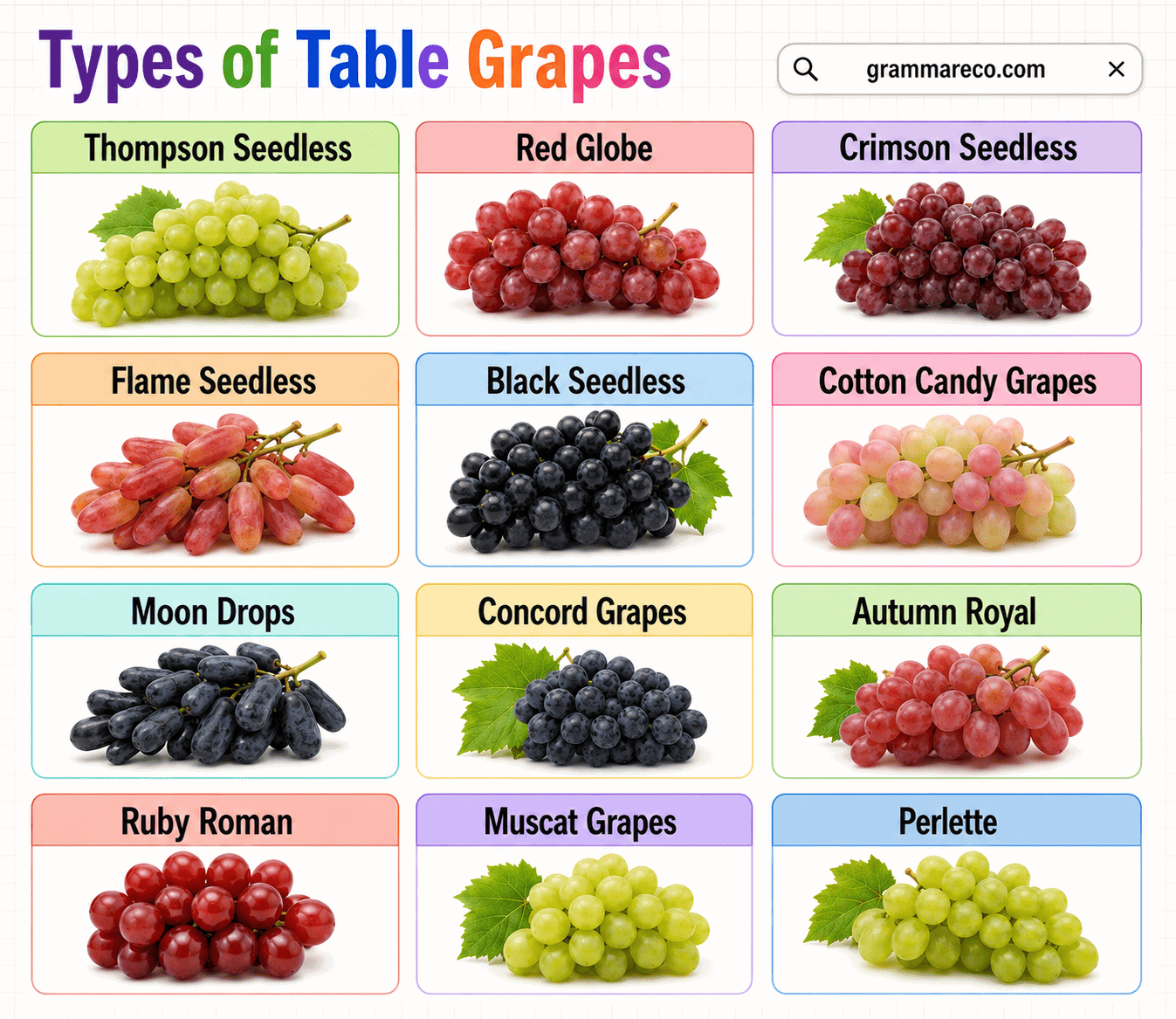
Different Types of Table Grapes and Properties with Pictures
Table grapes are fresh-eating varieties known for sweetness, crisp texture, and thin skin, widely cultivated for direct consumption rather than fermentation or processing.
They are rich in water content, easy to eat, and come in seedless or seeded forms, making them highly popular in global fruit markets and household diets.
Thompson Seedless
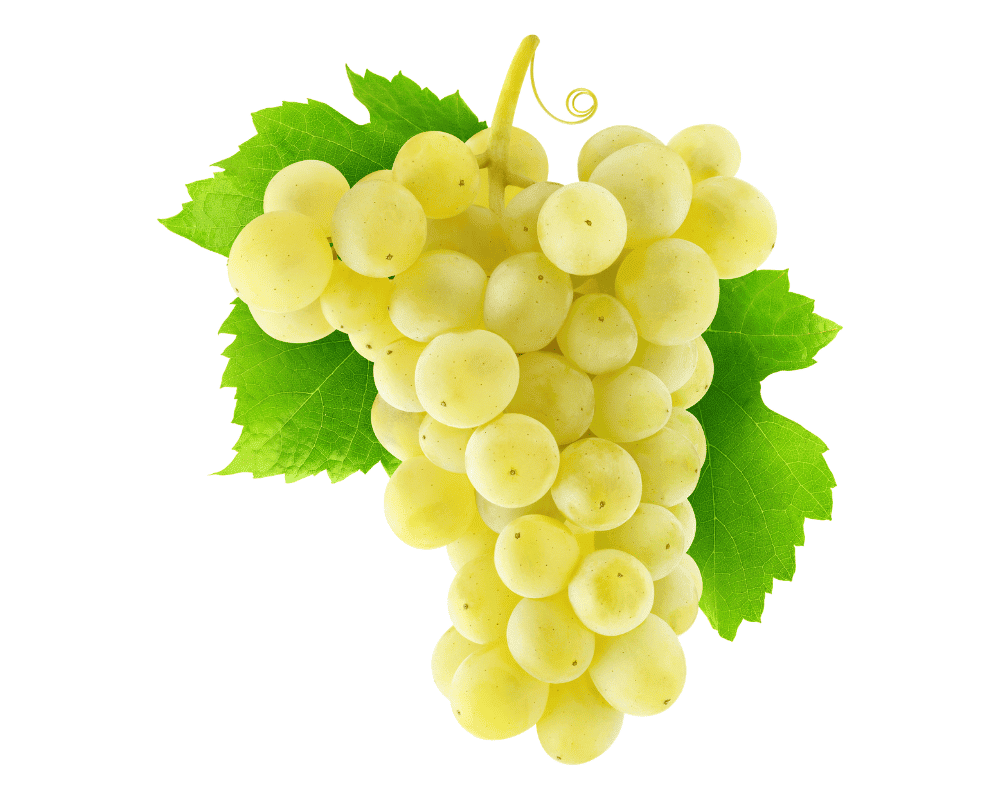
Thompson Seedless is a widely grown green grape known for its seedless texture, high yield, and excellent adaptability across warm climates worldwide.
Light, sweet, and mildly tangy flavor with crisp juiciness, commonly used for fresh eating, raisins, juices, and desserts in global markets.
Facts about Thompson Seedless:
- Botanical name: Vitis vinifera ‘Thompson Seedless’
- Synonyms: Sultanina, Sultana, Kishmish, Lady de Coverly
- Fruit Origin: Persia/Asia Minor; introduced to California by William Thompson (1870s)
- Peak harvest season: Mid- to late summer (varies by region)
- Color: Green-yellow when ripe
Crimson Seedless Grape
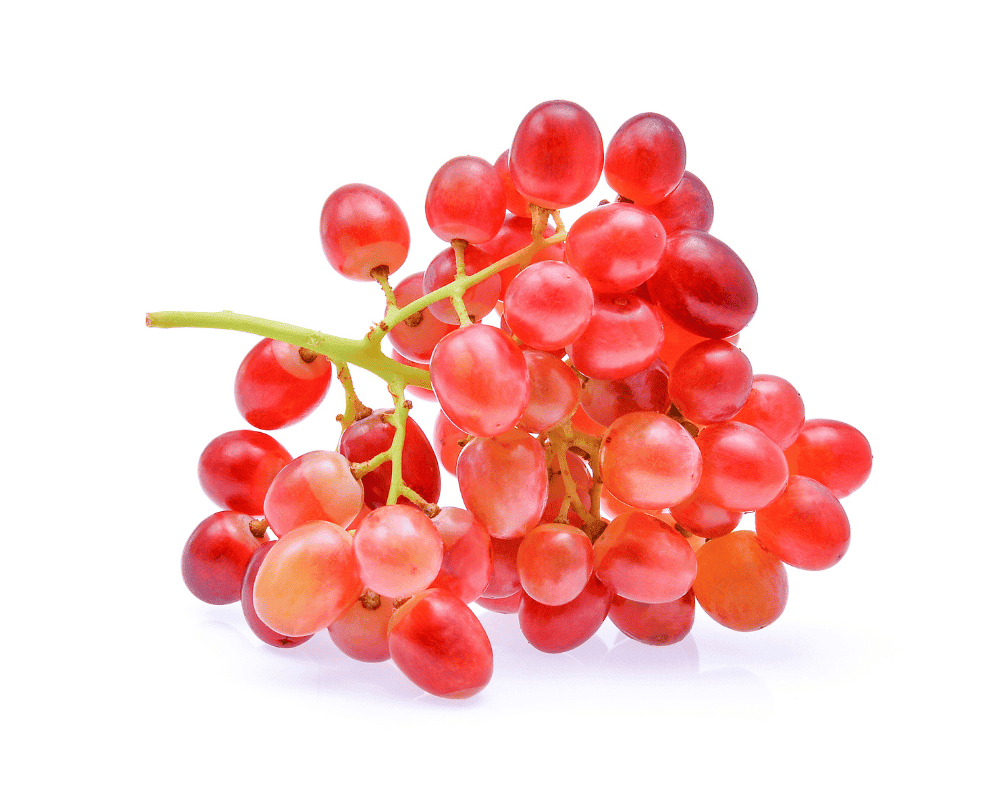
Crimson Seedless is a popular red table grape valued for its firm texture, long shelf life, and attractive elongated berry clusters.
Sweet, mildly tart flavor with a satisfying crunch, often enjoyed fresh, in fruit salads, and as a healthy snack option.
Facts about Crimson Seedless Grapes:
- Botanical name: Vitis vinifera ‘Crimson Seedless’
- Synonyms: Crimson Red
- Fruit Origin: United States breeding program
- Peak harvest season: Late summer to early fall
- Color: Deep red
Flame Seedless
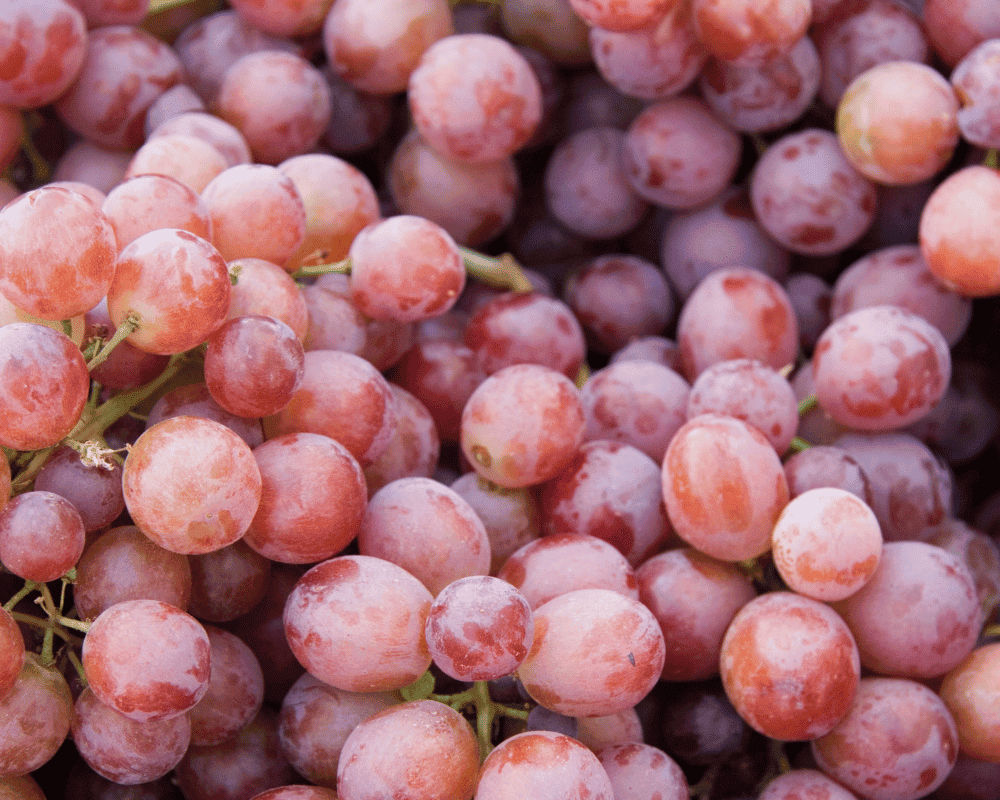
Flame Seedless is an early-ripening red grape known for its small round berries, vibrant color, and reliable commercial production quality.
Sweet, mild flavor with light crispness and low acidity, commonly eaten fresh or used in desserts, snacks, and lunchboxes worldwide.
Facts about Flame Seedless:
- Botanical name: Vitis vinifera ‘Flame Seedless’
- Synonyms: Flame Tokay (related usage varies)
- Fruit Origin: United States (California breeding)
- Peak harvest season: Early to mid-summer
- Color: Bright red
Red Globe Grapes
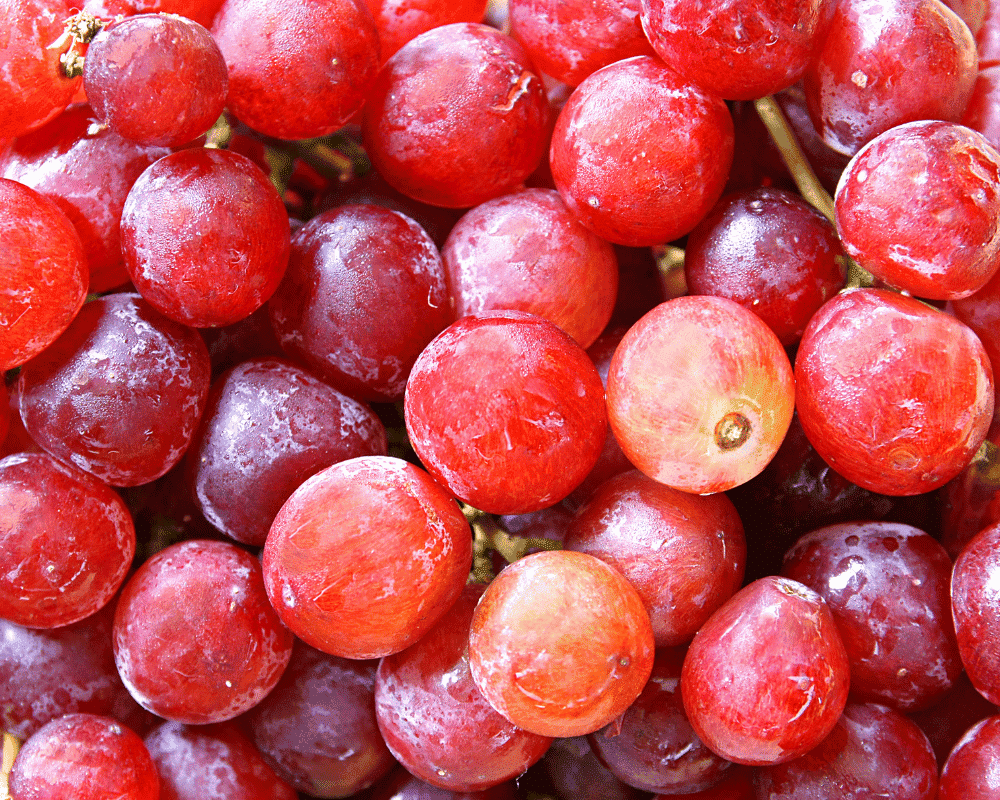
Red Globe is a large-sized table grape known for its thick skin, juicy pulp, and visually striking oversized berry clusters.
Very sweet and mildly tart flavor with a chewy bite, often consumed fresh or used for decorative fruit platters.
Facts about Red Globe:
- Botanical name: Vitis vinifera ‘Red Globe’
- Synonyms: Globe Grape
- Fruit Origin: United States breeding selections
- Peak harvest season: Late summer to fall
- Color: Red to reddish-purple
Read more: 100+ Red Fruits Names and Pictures
Italia Grape
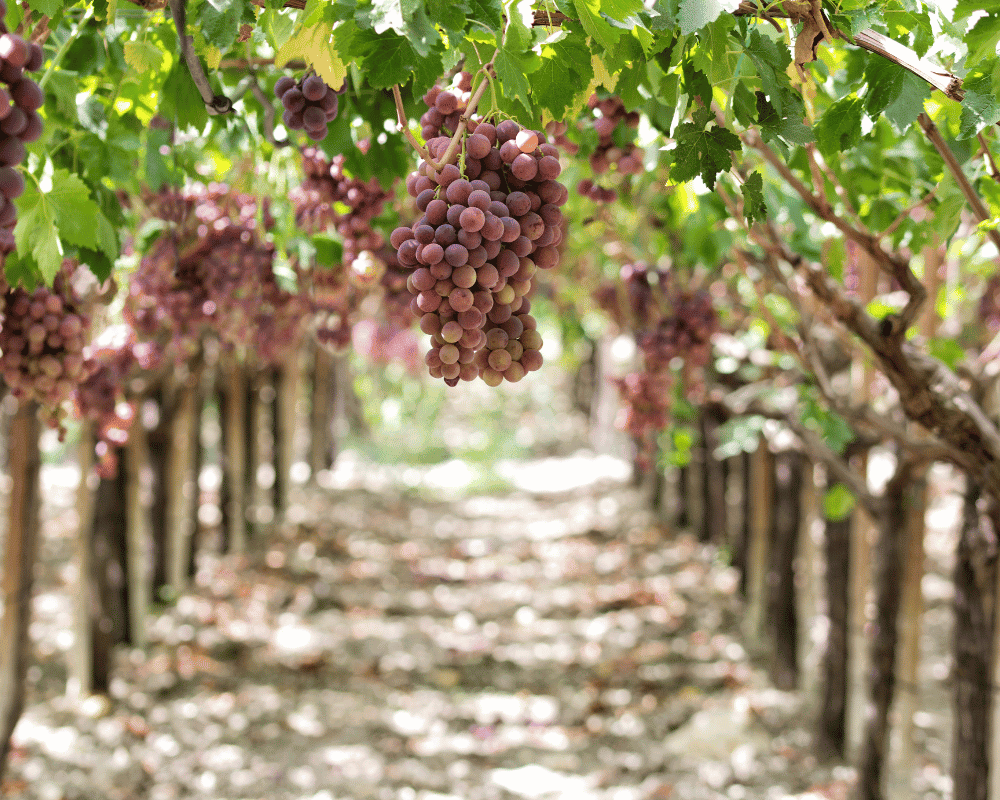
Italia is an aromatic yellow-green grape variety known for its large berries, muscat fragrance, and premium dessert quality worldwide.
Rich muscat flavor with floral sweetness and juicy texture, widely enjoyed fresh and in premium dessert presentations.
Facts about Italia:
- Botanical name: Vitis vinifera ‘Italia’
- Synonyms: Muscat Italia
- Fruit Origin: Italy
- Peak harvest season: Late summer
- Color: Yellow-green
Victoria Grape
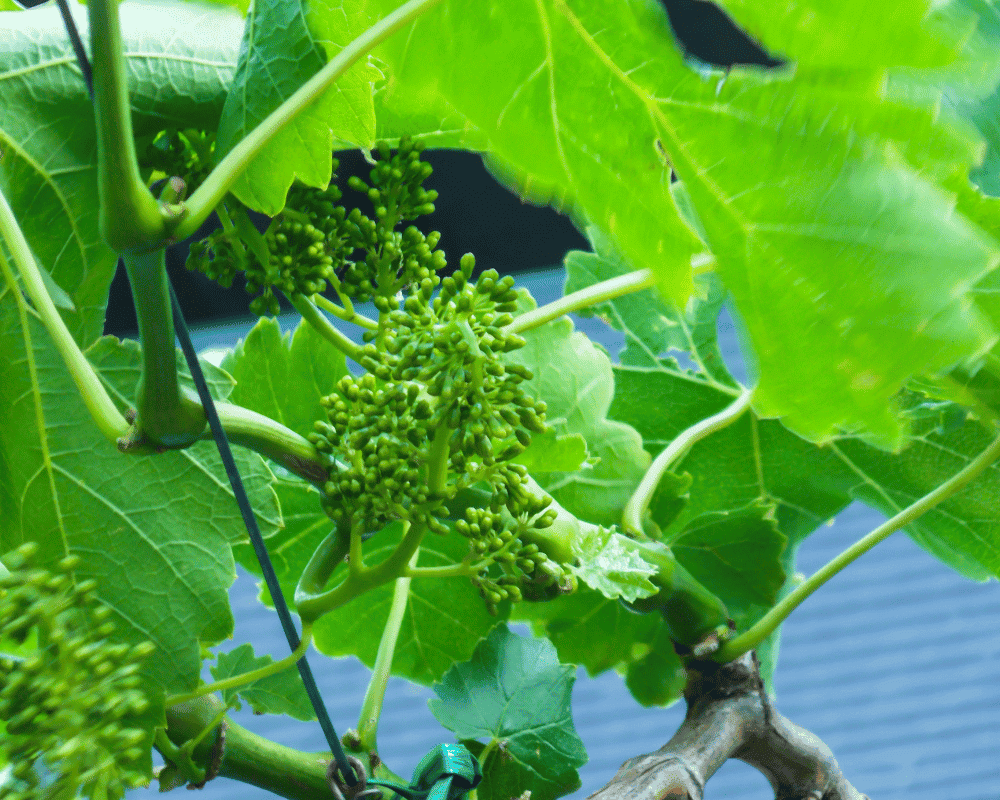
Victoria grape is a large, elongated green table grape known for its crisp texture, balanced sweetness, and attractive appearance.
Sweet, refreshing flavor with mild acidity and juicy bite, commonly consumed fresh or used in fruit salads and desserts.
Facts about Victoria Grape:
- Botanical name: Vitis vinifera ‘Victoria’
- Synonyms: Victoria Seeded Table Grape
- Fruit Origin: Romania/Bulgaria breeding regions
- Peak harvest season: Mid-summer
- Color: Green-yellow
Muscat Hamburg
Muscat Hamburg is a dark purple-black grape known for its strong aroma, soft pulp, and dual use as table and wine grape.
Intensely sweet muscat flavor with floral and spicy notes, often enjoyed fresh or used in juice and desserts.
Facts about Muscat Hamburg:
- Botanical name: Vitis vinifera ‘Muscat Hamburg’
- Synonyms: Black Muscat
- Fruit Origin: Europe (heritage variety)
- Peak harvest season: Late summer
- Color: Dark purple-black
Perlette Grapes
Perlette is an early-ripening green seedless grape known for its small berries, crisp bite, and reliable yield in warm climates.
Lightly sweet flavor with refreshing acidity and crunchy texture, often consumed fresh or used in fruit mixes.
Facts about Perlette:
- Botanical name: Vitis vinifera ‘Perlette’
- Synonyms: Early White Seedless
- Fruit Origin: United States breeding selection
- Peak harvest season: Early summer
- Color: Pale green
Sugraone (Superior Seedless)
Sugraone is a premium green seedless grape prized for its large berries, crisp texture, and early market availability.
Sweet, mildly tangy flavor with juicy crunch and refreshing finish, commonly enjoyed fresh in premium fruit trays.
Facts about Sugraone:
- Botanical name: Vitis vinifera ‘Sugraone’
- Synonyms: Superior Seedless
- Fruit Origin: United States (California breeding)
- Peak harvest season: Early summer
- Color: Light green
Centennial Seedless
Centennial Seedless is a golden-green grape variety known for its large berries, crisp texture, and excellent eating quality.
Sweet honey-like flavor with juicy bite and low acidity, often enjoyed fresh as a premium table grape.
Facts about Centennial Seedless:
- Botanical name: Vitis vinifera ‘Centennial Seedless’
- Synonyms: Golden Seedless
- Fruit Origin: United States breeding program
- Peak harvest season: Mid to late summer
- Color: Golden green
Black Monukka
Black Monukka is a dark seedless grape variety known for its rich color, firm texture, and suitability for raisins and fresh eating.
Deeply sweet flavor with chewy skin and concentrated juice, commonly used for snacking and dried fruit production.
Facts about Black Monukka:
- Botanical name: Vitis vinifera ‘Black Monukka’
- Synonyms: Monukka Grape
- Fruit Origin: Central Asia
- Peak harvest season: Late summer
- Color: Dark purple-black
Read more: 33+ Black Fruits Names
Ruby Seedless
Ruby Seedless is a red grape variety known for its medium-sized berries, attractive color, and consistent seedless quality.
Sweet, mildly tart flavor with crisp texture and refreshing juice, commonly eaten fresh or used in fruit salads.
Facts about Ruby Seedless:
- Botanical name: Vitis vinifera ‘Ruby Seedless’
- Synonyms: Ruby Red Seedless
- Fruit Origin: United States breeding program
- Peak harvest season: Mid to late summer
- Color: Ruby red
Ribier (Alphonse Lavallée)
Ribier is a large dark purple table grape known for its thick skin, juicy pulp, and visually striking appearance.
Rich sweet flavor with moderate acidity and dense texture, often enjoyed fresh or used in fruit platters.
Facts about Ribier:
- Botanical name: Vitis vinifera ‘Alphonse Lavallée’
- Synonyms: Ribier Grape
- Fruit Origin: France
- Peak harvest season: Late summer
- Color: Dark purple
Emperor Grapes
Emperor is a large red seedless grape known for its firm texture, mild sweetness, and late-season availability.
Lightly sweet flavor with crisp bite and low acidity, commonly eaten fresh or used for juice and table display.
Facts about Emperor:
- Botanical name: Vitis vinifera ‘Emperor’
- Synonyms: Emperor Grape
- Fruit Origin: United States
- Peak harvest season: Late season
- Color: Red
Sweet Grapes Jubilee
Sweet Jubilee is a premium black grape known for its large berries, firm texture, and high sugar content.
Very sweet rich flavor with crisp bite and juicy flesh, often enjoyed fresh as a dessert-quality grape.
Facts about Sweet Jubilee:
- Botanical name: Vitis vinifera ‘Sweet Jubilee’
- Synonyms: Jubilee Black
- Fruit Origin: United States breeding program
- Peak harvest season: Mid to late summer
- Color: Black
Princess Seedless
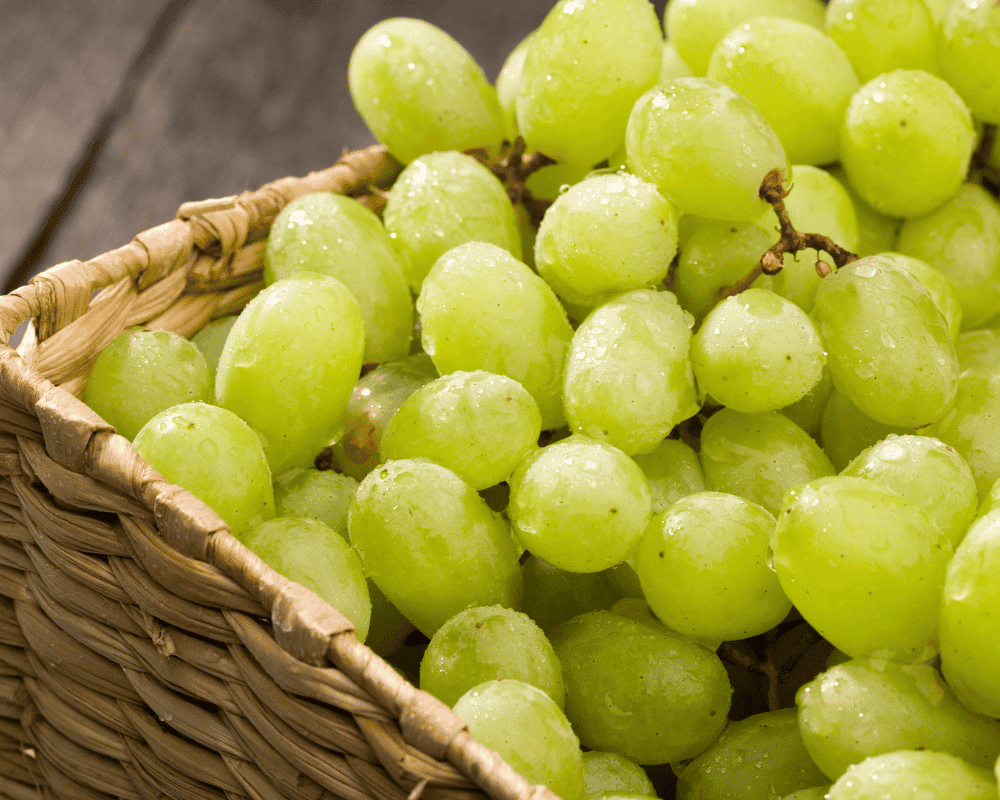
Princess Seedless is a green table grape variety known for its crisp texture, balanced sweetness, and attractive clusters.
Sweet refreshing flavor with mild acidity and crunchy bite, commonly eaten fresh or used in fruit salads.
Facts about Princess Seedless:
- Botanical name: Vitis vinifera ‘Princess Seedless’
- Synonyms: Princess Green Seedless
- Fruit Origin: United States breeding program
- Peak harvest season: Early to mid-summer
- Color: Light green
Kyoho Grapes
Kyoho is a large black-purple grape variety known for its thick skin, juicy pulp, and strong aromatic flavor.
Intensely sweet flavor with rich aroma and soft flesh, commonly eaten fresh or used in Japanese desserts.
Facts about Kyoho:
- Botanical name: Vitis vinifera × labruscana ‘Kyoho’
- Synonyms: Giant Grape
- Fruit Origin: Japan
- Peak harvest season: Late summer
- Color: Black-purple
Delaware Grapes
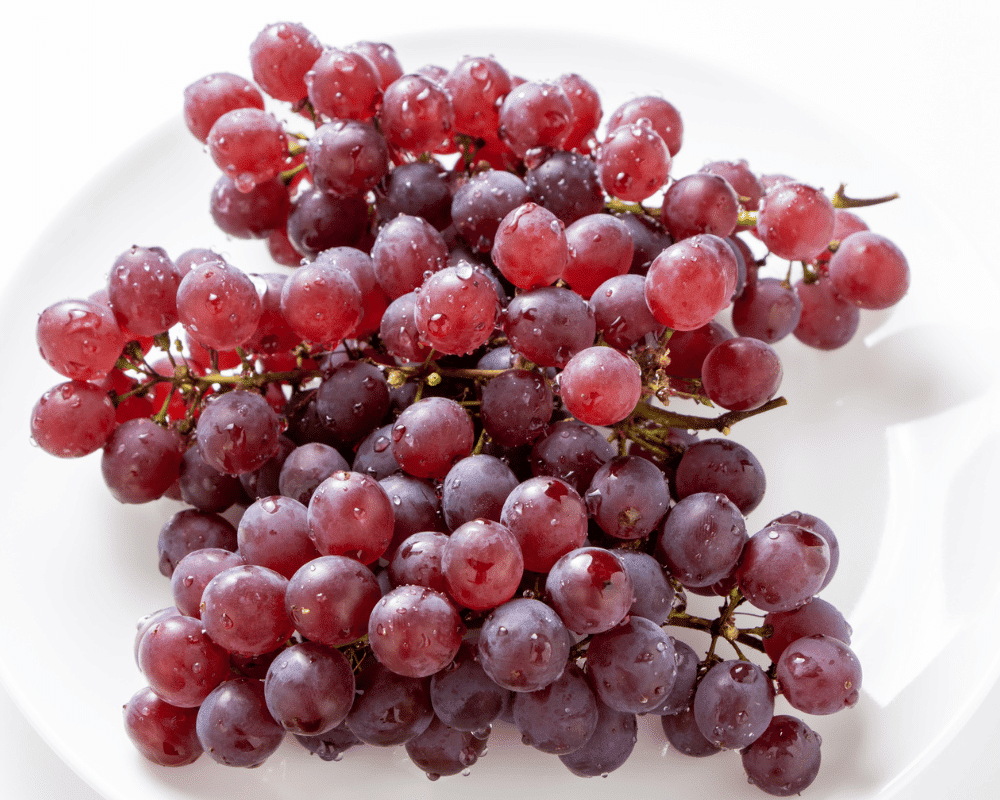
Delaware is a small red grape variety known for its sweet juice, thin skin, and traditional cultivation in Asia.
Very sweet slightly tangy flavor with soft pulp, commonly used for juice, jelly, and fresh eating.
Facts about Delaware:
- Botanical name: Vitis labrusca ‘Delaware’
- Synonyms: Delaware Grape
- Fruit Origin: United States (popular in Asia)
- Peak harvest season: Mid summer
- Color: Light red
Himrod Grapes
Himrod grape is a green seedless grape variety known for its early ripening, sweet flavor, and cold-climate adaptability.
Light honey-like sweetness with crisp texture and refreshing taste, often enjoyed fresh or in fruit salads.
Facts about Himrod grape:
- Botanical name: Vitis labrusca × vinifera ‘Himrod’
- Synonyms: Early Seedless White
- Fruit Origin: United States breeding program
- Peak harvest season: Early summer
- Color: Pale green
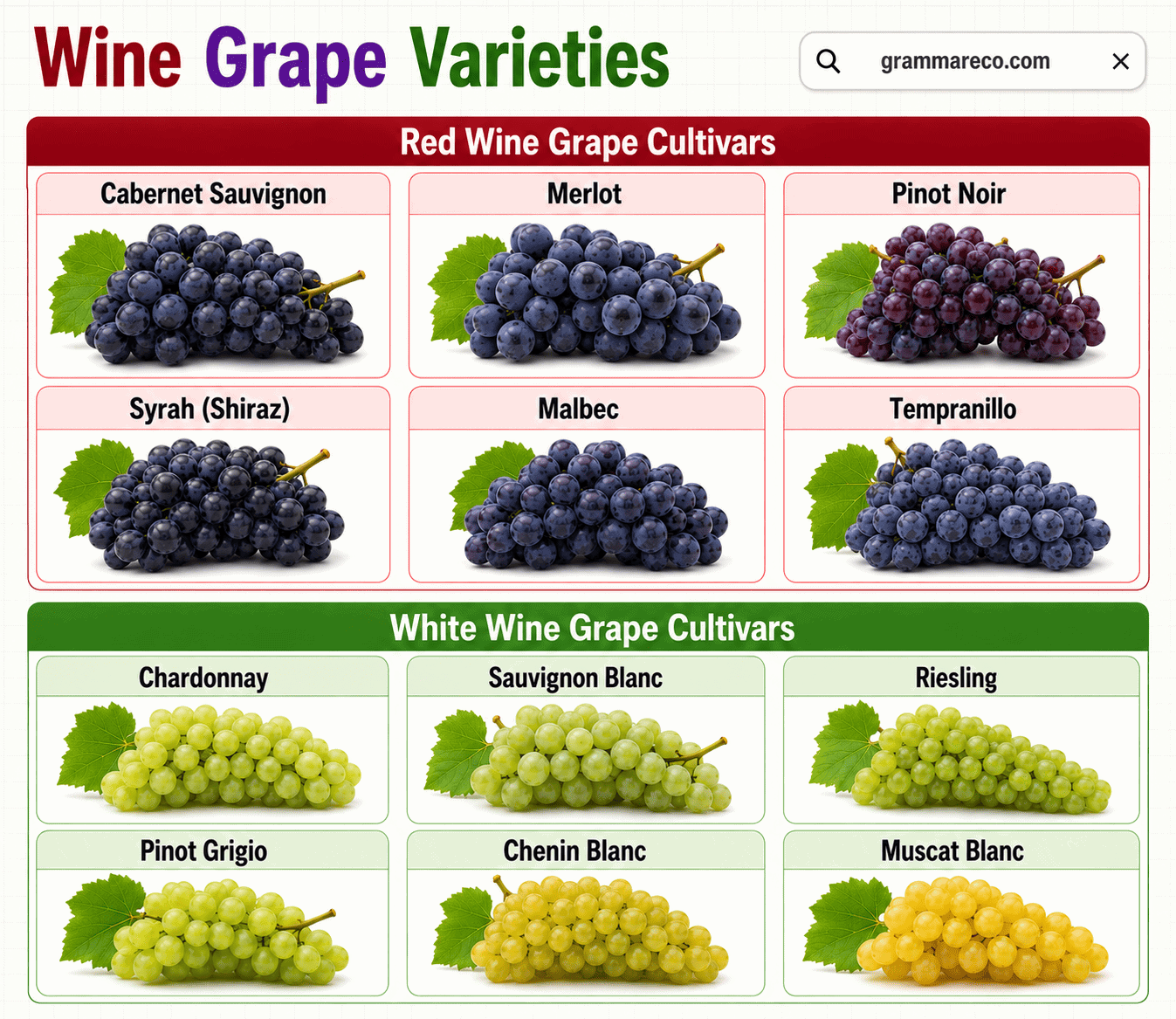
Wine Grape Cultivars (Vitis vinifera Types)
Wine grapes are specialized cultivars of Vitis vinifera used for fermentation, producing red, white, and sparkling wines globally.
They contain balanced sugar and acidity, making them ideal for controlled fermentation and premium wine production across diverse climates.
Types of Red Wine Grapes
Cabernet Sauvignon
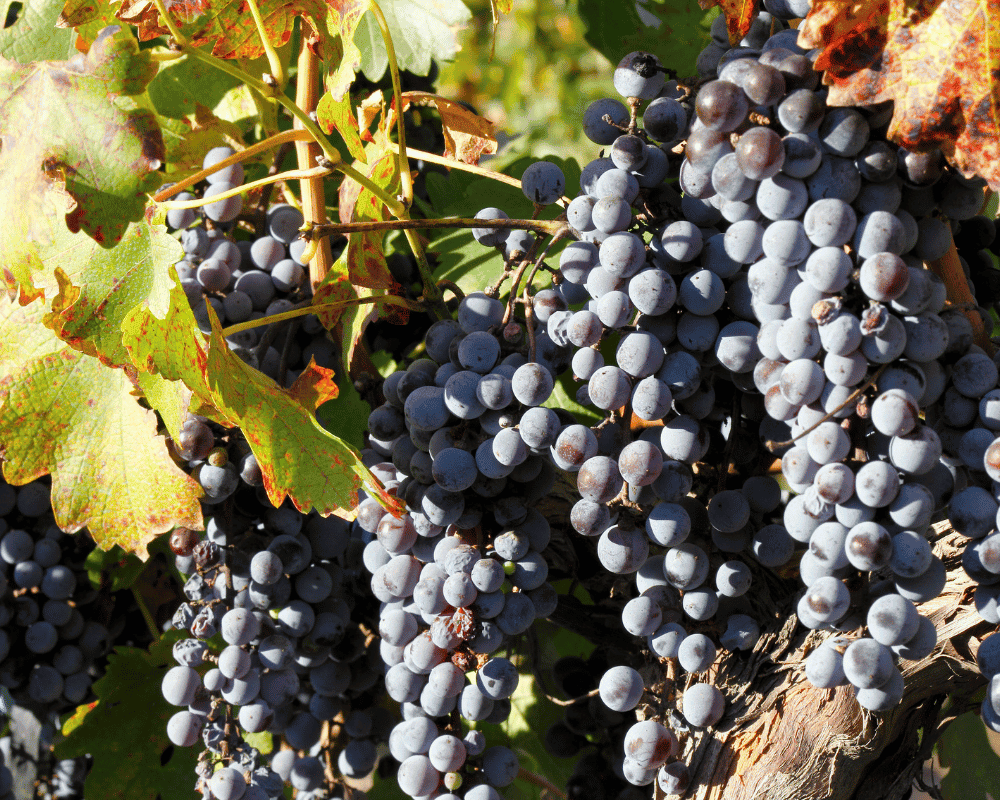
Cabernet Sauvignon is a globally renowned red wine grape known for thick skin, deep color, and strong tannic structure used in premium wines.
Rich full-bodied flavor with blackcurrant, plum, and cedar notes, firm tannins, and balanced acidity making it ideal for aging in oak barrels.
Facts about Cabernet Sauvignon:
- Botanical name: Vitis vinifera ‘Cabernet Sauvignon’
- Synonyms: Cab Sauv
- Origin: France (Bordeaux region)
- Harvest season: Late season
- Color: Deep red
Merlot
Merlot is a smooth red wine grape known for soft tannins, early ripening, and popularity in easy-drinking blended wines worldwide.
Soft velvety flavor with plum, cherry, and chocolate notes, low tannins, and round mouthfeel making it highly approachable for beginners.
Facts about Merlot
- Botanical name: Vitis vinifera ‘Merlot’
- Synonyms: Merlot Noir
- Origin: France (Bordeaux)
- Harvest season: Mid-season
- Color: Dark red
Pinot Noir
Pinot Noir is a delicate red wine grape known for thin skin, light color, and complex aromas requiring cool-climate growing conditions.
Elegant light-bodied taste with red berries, cherry, and earthy notes, soft tannins, and silky texture often expressing terroir strongly clearly.
Facts about Pinot Noir:
- Botanical name: Vitis vinifera ‘Pinot Noir’
- Synonyms: Noirien
- Origin: France (Burgundy)
- Harvest season: Early to mid-season
- Color: Light red
Syrah (Shiraz)
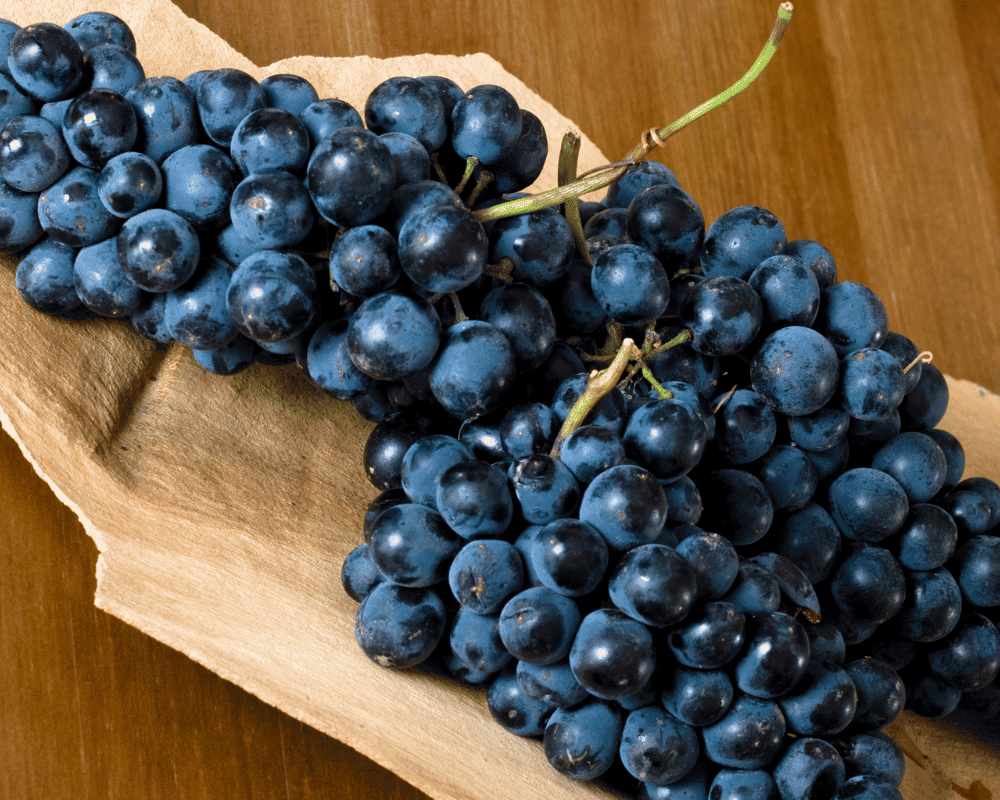
Syrah is a bold red wine grape known for deep color, spicy profile, and excellent performance in warm climates worldwide vineyards.
Intense dark fruit flavor with blackberry, pepper, and smoky spice notes, full body, and strong tannins suited for aging wines.
Facts about Syrah:
- Botanical name: Vitis vinifera ‘Syrah’
- Synonyms: Shiraz
- Origin: France (Rhône Valley)
- Harvest season: Late season
- Color: Deep purple-red
Malbec
Malbec is a dark-skinned red wine grape known for rich color, soft tannins, and popularity in Argentine wine production regions.
Juicy bold flavor with plum, blackberry, and cocoa notes, smooth texture, and medium tannins making it ideal for grilled foods.
Facts about Malbec:
- Botanical name: Vitis vinifera ‘Malbec’
- Synonyms: Côt
- Origin: France (widely grown in Argentina)
- Harvest season: Mid to late season
- Color: Dark purple
Grenache
Grenache is a heat-tolerant red wine grape known for high sugar content, fruity profile, and use in blends and rosé wines.
Sweet red fruit flavor with strawberry, raspberry, and spice notes, soft tannins, and warm finish ideal for Mediterranean-style wines.
Facts about Grenache:
- Botanical name: Vitis vinifera ‘Grenache’
- Synonyms: Garnacha
- Origin: Spain (widely grown in France)
- Harvest season: Late season
- Color: Red
White Wine Type of Grapes
Chardonnay
Chardonnay is a highly versatile white wine grape known for global cultivation, adaptability, and styles ranging from crisp to oaked wines.
Rich flavor with apple, pear, citrus, and vanilla notes, medium acidity, and creamy texture when oak-aged making it widely popular.
Facts about Chardonnay:
- Botanical name: Vitis vinifera ‘Chardonnay’
- Synonyms: Beaunois
- Origin: France (Burgundy)
- Harvest season: Mid-season
- Color: Green-gold
Sauvignon Blanc
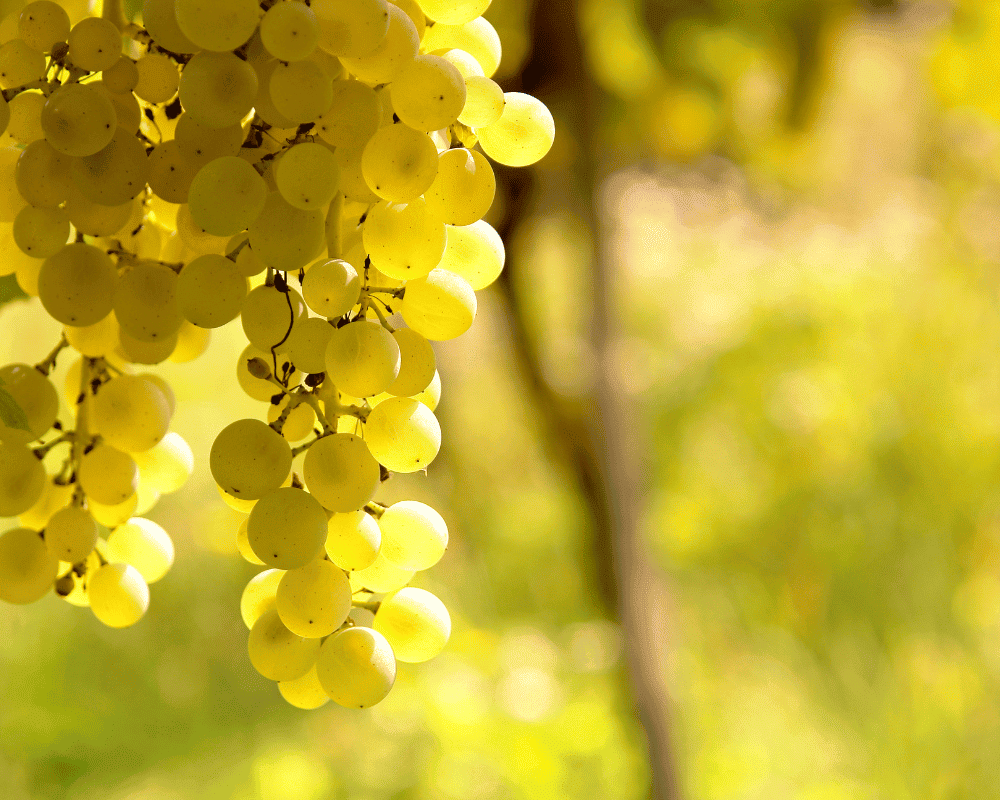
Sauvignon Blanc is a crisp white wine grape known for high acidity, aromatic intensity, and refreshing style in cool climates.
Zesty flavor with citrus, green apple, and grassy notes, sharp acidity, and clean finish making it ideal for seafood dishes.
Facts about Sauvignon Blanc:
- Botanical name: Vitis vinifera ‘Sauvignon Blanc’
- Synonyms: Fumé Blanc
- Origin: France (Loire Valley)
- Harvest season: Early to mid-season
- Color: Pale green
Riesling
Riesling is an aromatic white wine grape known for high acidity, floral notes, and ability to produce dry to sweet wines.
Fragrant flavor with apple, peach, honey, and floral tones, crisp acidity, and refreshing sweetness making it highly food-friendly and versatile.
Facts about Riesling:
- Botanical name: Vitis vinifera ‘Riesling’
- Synonyms: White Riesling
- Origin: Germany
- Harvest season: Late season
- Color: Light green
Pinot Grigio (Pinot Gris)
Pinot Grigio is a light white wine grape known for crisp acidity, subtle fruit flavors, and easy-drinking style worldwide popularity.
Light citrus flavor with pear, lemon, and almond notes, crisp acidity, and clean refreshing finish making it perfect for summer meals.
Facts about Pinot Grigio:
- Botanical name: Vitis vinifera ‘Pinot Gris’
- Synonyms: Pinot Grigio
- Origin: France (widely grown in Italy)
- Harvest season: Early season
- Color: Pale yellow
Chenin Blanc
Chenin Blanc is a highly adaptable white wine grape known for producing dry, sparkling, and sweet wine styles with high acidity.
Bright flavor with apple, quince, honey, and floral notes, high acidity, and balanced sweetness making it suitable for many wine styles.
Facts about Chenin Blanc:
- Botanical name: Vitis vinifera ‘Chenin Blanc’
- Synonyms: Steen
- Origin: France (Loire Valley)
- Harvest season: Mid to late season
- Color: Light green
Viognier
Viognier is an aromatic white wine grape known for low acidity, floral bouquet, and rich texture in warm climate wines.
Perfumed flavor with apricot, peach, and floral notes, soft acidity, and creamy mouthfeel making it ideal for aromatic white wines.
Facts about Viognier:
- Botanical name: Vitis vinifera ‘Viognier’
- Synonyms: None widely used
- Origin: France (Rhône Valley)
- Harvest season: Late season
- Color: Golden green
Semillon
Semillon is a versatile white wine grape known for blending potential, especially with Sauvignon Blanc, and dessert wine production.
Soft honeyed flavor with lemon, wax, and nutty notes, low acidity, and smooth texture often developing richness with aging.
Facts about Semillon:
- Botanical name: Vitis vinifera ‘Semillon’
- Synonyms: Semillon Blanc
- Origin: France (Bordeaux)
- Harvest season: Mid to late season
- Color: Golden yellow
Wild and Ancestral Grape Species
These are wild or ancestral grape species that form the genetic foundation of modern grapes.
- Vitis vinifera subsp. sylvestris (wild Eurasian grape)
- Vitis riparia
- Vitis rupestris
- Vitis amurensis
- Vitis berlandieri
FAQs about Types of Grapes
Table grapes, wine grapes, muscadine grapes, hybrid grapes, and wild species.
Thompson Seedless and Crimson Seedless are popular sweet seedless varieties.
Cabernet Sauvignon, Merlot, Chardonnay, and Riesling are widely used.
Concord grapes are widely preferred for juice production.
Types of wine grapes include Cabernet Sauvignon, Merlot, and Pinot Noir for red wine, and Chardonnay, Sauvignon Blanc, and Riesling for white wine. These grapes are used in winemaking due to their flavor, sugar, and aroma.
Conclusion
Different Types of Grapes show the incredible diversity within a single fruit family. From sweet table grapes to complex wine varieties and wild species, each type offers unique flavor, texture, and use. Understanding grape classifications helps in choosing the right variety for eating, cooking, or winemaking. This guide highlights global grape richness, making it easier to explore and appreciate this versatile fruit in everyday life.
Read more