
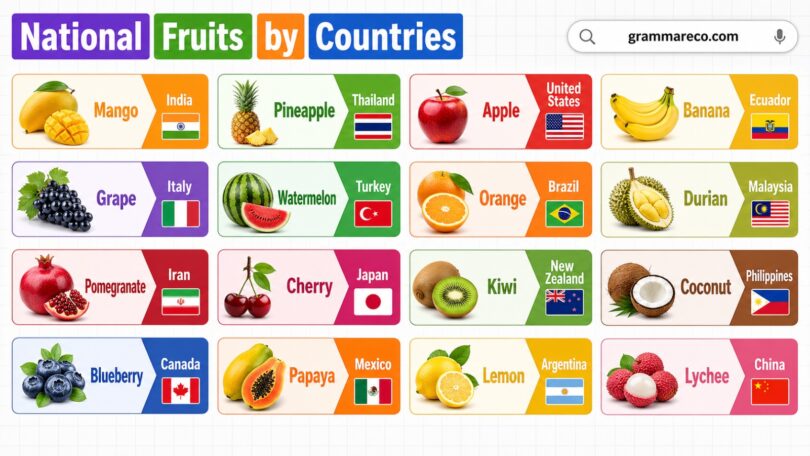
Ever wondered why certain fruits represent entire nations? National Fruits reflect culture, climate, and heritage. From mango in South Asia to apple in Europe and coconut in tropical regions, each symbol tells a story. These edible emblems highlight identity and tradition.
Curious to explore global fruit symbols and their meanings? Let’s dive into this fascinating list.
What are National Fruits with Examples?
National Fruits are symbolic fruits chosen by countries to represent culture, agriculture, and identity. These fruits often reflect local climate, traditions, and economic value. Understanding these symbols helps connect geography with food heritage. Let’s explore some clear examples to build curiosity further.
- Mango: tropical fruit symbolizing richness and sweetness
- Apple: represents health, freshness, and abundance
- Banana: indicates fertility and staple nutrition
- Cherry: reflects beauty and seasonal change
- Coconut: symbolizes versatility and coastal life
National Fruits by Continent
National fruits vary across continents based on climate zones, traditions, and agricultural strengths. From tropical varieties to temperate favorites, each region highlights unique produce.
Exploring continent-wise fruits helps understand global diversity. Let’s break it down region by region.
Asia’s National Fruits
India National Fruit Mango
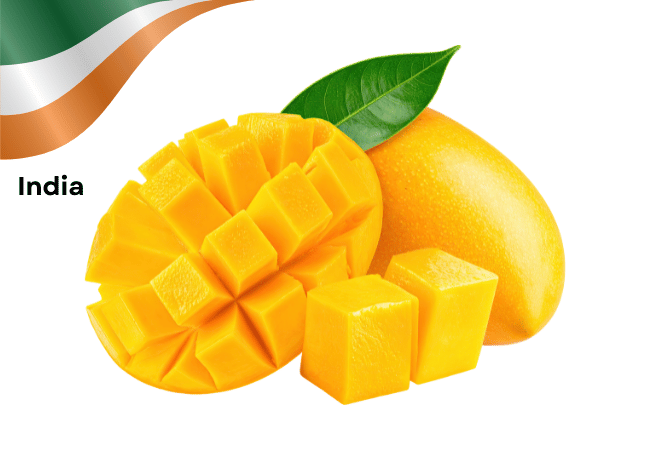
The mango is the national fruit of India and represents abundance, sweetness, and cultural heritage. It is deeply connected to Indian traditions, festivals, and cuisine. Mango leaves are often used in decorations during religious events. The fruit also supports a large agricultural economy through exports. Its rich flavor and varieties make it a global favorite. Mango symbolizes prosperity and is often called the “king of fruits” in the region.
Read more: Types of Mangoes
Pakistan National Fruit Mango
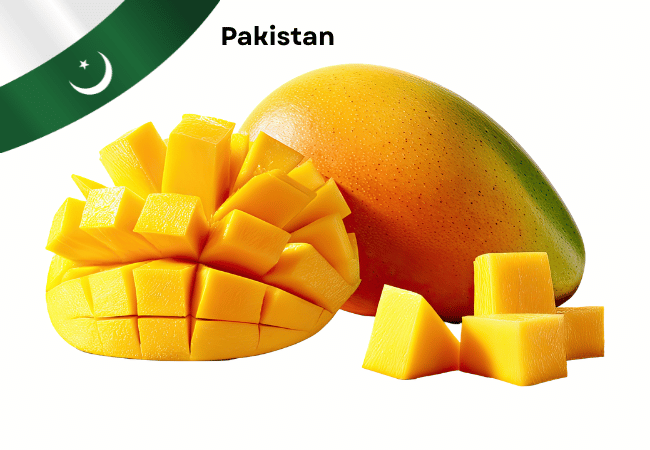
The mango is the national fruit of Pakistan and is a symbol of pride and agricultural strength. Pakistan produces some of the world’s finest mango varieties, known for their sweetness and aroma. Mango season is widely celebrated with festivals and exports. It reflects the country’s fertile land and farming traditions. The fruit also plays an important role in the economy. It represents hospitality and cultural richness.
Japan National Fruit Persimmon
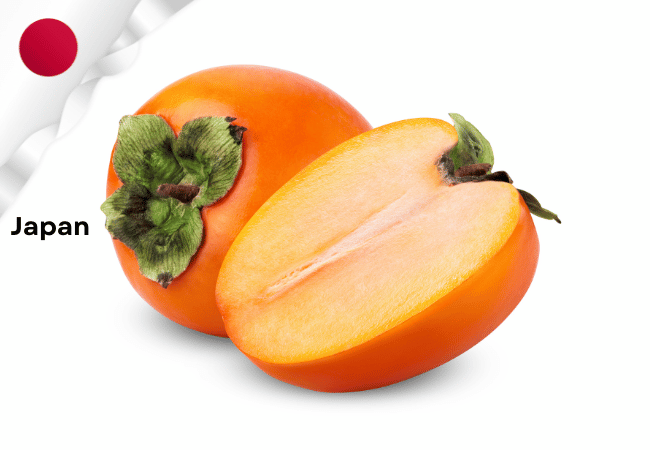
The persimmon is associated with Japan as a traditional national fruit. It symbolizes longevity, peace, and good fortune in Japanese culture. Persimmons are commonly enjoyed fresh or dried during autumn. The fruit appears in art, poetry, and seasonal traditions. It is also valued for its health benefits and natural sweetness. Persimmon reflects Japan’s appreciation for seasonal foods.
Thailand National Fruit Mangosteen
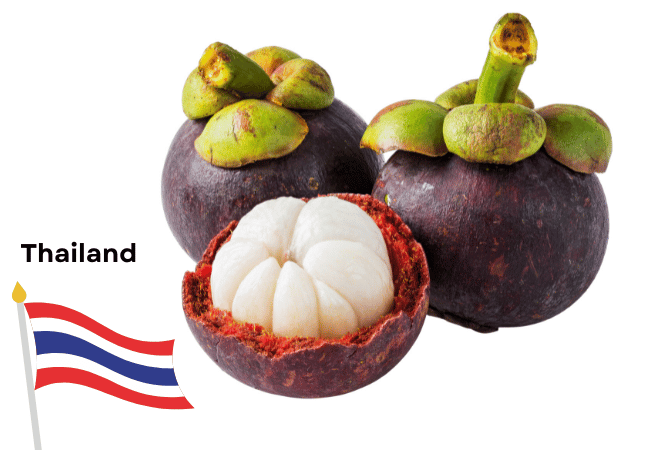
The mangosteen is the national fruit of Thailand and is known as the “queen of fruits.” It symbolizes purity and natural richness. Mangosteen is widely loved for its juicy, sweet, and slightly tangy taste. It grows well in Thailand’s tropical climate and is a major export product. The fruit is also linked to traditional medicine. It reflects the country’s biodiversity and tropical identity.
National Fruit of Europe Countries
France National Fruit Apple
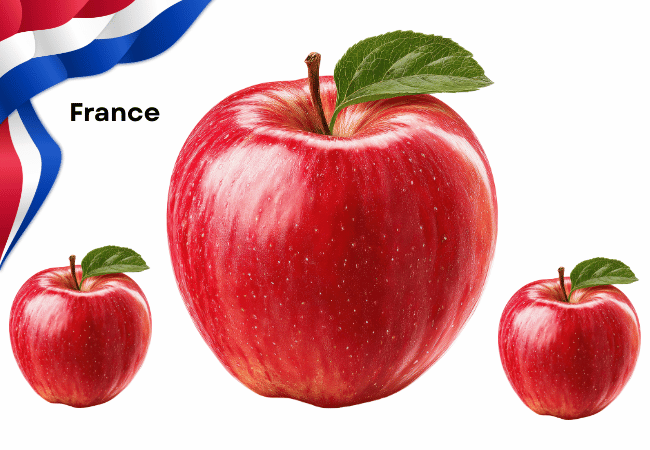
The apple is widely associated with France and represents health and rural tradition. Apples are used in many French foods, including cider and desserts. The fruit symbolizes simplicity and natural living. It is grown in various regions across the country. Apples also reflect France’s agricultural diversity. They remain an important part of daily diet and culture.
Albania National Fruit Cherry
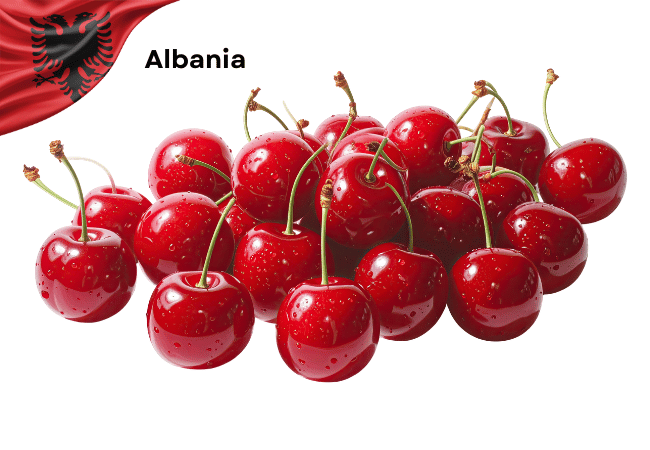
The cherry is the national fruit of Albania and symbolizes sweetness and natural beauty. Albania is known for its high-quality cherry production. The fruit is widely enjoyed fresh and in local recipes. It reflects the country’s favorable climate for fruit farming. Cherries also represent seasonal joy and freshness. They are an important part of local agriculture.
Read more: National Fruit of Albania
Germany National Fruit Apple

The apple is commonly linked with Germany as a national fruit. It symbolizes health, tradition, and sustainability. Apples are used in juices, desserts, and famous dishes like apple strudel. Germany has many apple orchards across its regions. The fruit plays a key role in both diet and farming. It reflects a strong connection to nature and rural life.
Africa’s Fruits by Nation
Nigeria National Fruit Pineapple
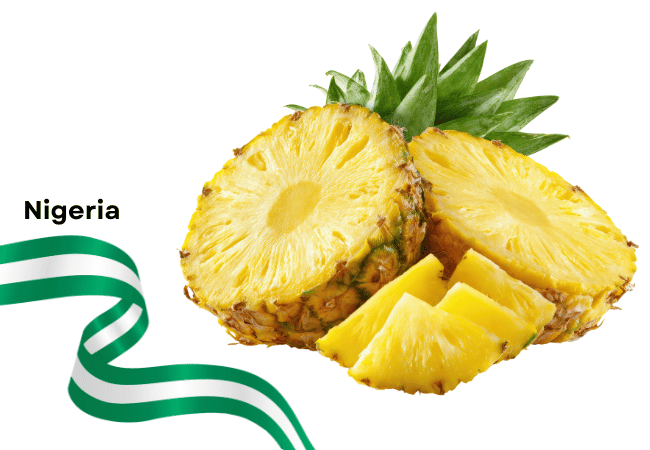
The pineapple is associated with Nigeria and symbolizes hospitality and warmth. It is widely grown and consumed across the country. Pineapples are used in juices, desserts, and fresh meals. The fruit reflects tropical abundance and natural sweetness. It also contributes to local agriculture and trade. Pineapple represents a welcoming and vibrant culture.
Kenya National Fruit Mango
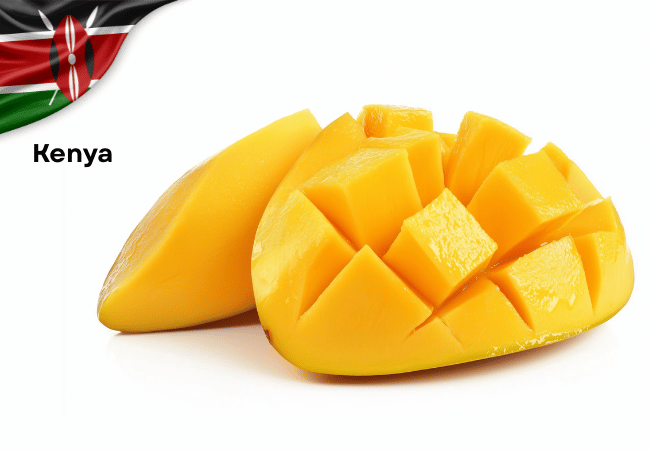
The mango is recognized in Kenya as an important national fruit. It symbolizes nourishment and economic value. Mangoes grow in abundance due to Kenya’s warm climate. The fruit is consumed fresh and processed into juices and products. It supports farmers and local markets. Mango represents growth and sustainability.
Morocco National Fruit Date

The date is the national fruit of Morocco and holds deep cultural and religious significance. Dates are especially important during Ramadan. They symbolize hospitality, energy, and tradition. Morocco produces high-quality dates in desert regions. The fruit is used in sweets and daily meals. It reflects the country’s desert heritage and resilience.
Read more: Types of Dates fruit
National Fruit North America Countries
United States National Fruit Blueberry

The blueberry is recognized as a national fruit of the United States. It symbolizes health, nutrition, and natural abundance. Blueberries are rich in antioxidants and widely consumed. They are grown in many states across the country. The fruit is used in desserts, juices, and breakfast foods. It reflects a focus on healthy living and agriculture.
Read more: Types of Berries
Mexico National Fruit Avocado
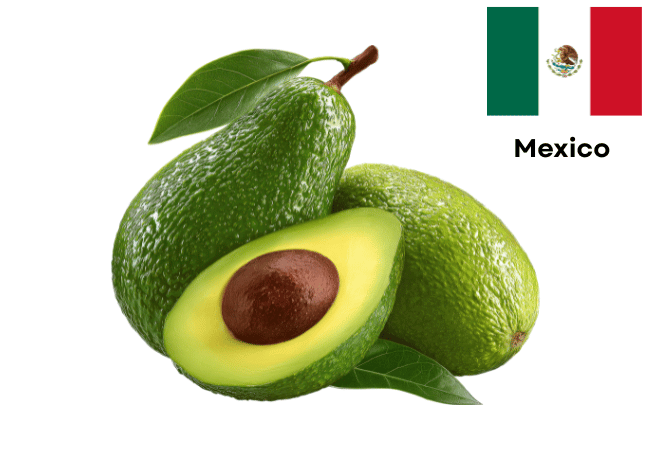
The avocado is the national fruit of Mexico and represents richness and heritage. Mexico is one of the largest producers of avocados in the world. The fruit is a key ingredient in traditional dishes like guacamole. It symbolizes nutrition and cultural identity. Avocados are also a major export product. They reflect the country’s agricultural strength.
Read more: Mexico National Fruit
South America’s National Fruits
Brazil National Fruit Acai Berry
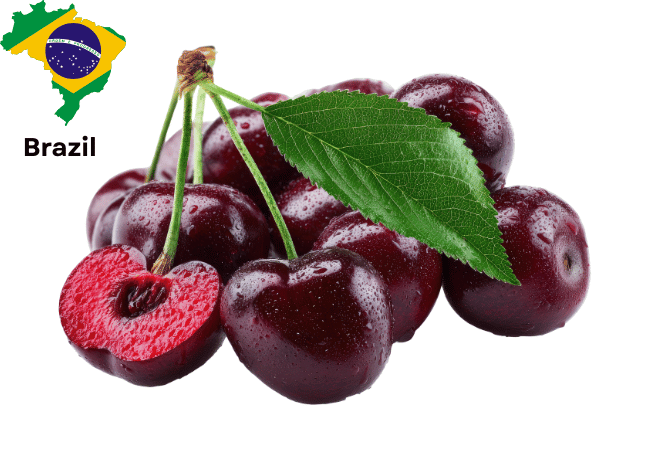
The açaí berry is the national fruit of Brazil and symbolizes energy and rainforest richness. It grows in the Amazon region and is known for its health benefits. Açaí is commonly consumed as a smoothie or bowl. The fruit supports local communities and biodiversity. It represents natural vitality and sustainability. It is also popular worldwide as a superfood.
Chile National Fruit Grape
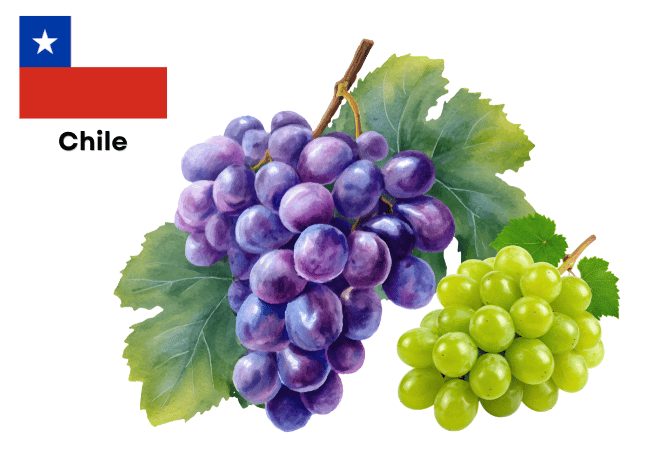
The grape is the national fruit of Chile and symbolizes prosperity and agriculture. Chile is famous for its vineyards and wine production. Grapes are grown in ideal climatic conditions. The fruit is used both fresh and in winemaking. It plays a major role in exports and economy. Grapes reflect tradition and global trade.
Oceania
Australia National Fruit Finger Lime
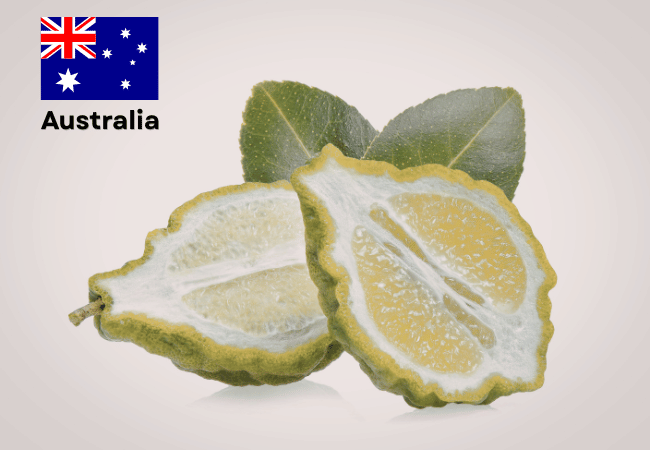
The finger lime is associated with Australia as a unique native fruit. It symbolizes biodiversity and indigenous heritage. The fruit is known for its citrus flavor and pearl-like texture. It is widely used in modern cuisine and gourmet dishes. Finger lime reflects Australia’s rich natural environment. It is gaining popularity in global markets.
New Zealand National Fruit Kiwifruit

The kiwifruit is the national fruit of New Zealand and symbolizes freshness and innovation. It is one of the country’s most important export fruits. Kiwifruit is rich in vitamins and widely consumed worldwide. It reflects New Zealand’s clean and green image. The fruit is also linked to the country’s identity and branding. It represents quality and natural goodness.
Read more: 50+ Types of Kiwi Fruits
Most Popular National Fruits in the World
Some National Fruits are globally recognized due to taste, availability, and cultural significance. These fruits dominate international markets and cuisines. Let’s explore the most popular ones.
Mango – India and Pakistan
Mango is one of the most loved National Fruits worldwide. It symbolizes sweetness, abundance, and tropical richness. Countries like India and Pakistan highlight its cultural importance. Its global demand makes it a leading fruit in exports and cuisine.
Apple – Kazakhstan
The apple is widely associated with Kazakhstan, where it is considered the national fruit and even believed to have originated. The city of Almaty’s name means “father of apples,” highlighting its historical significance. Apples symbolize health, knowledge, and natural beauty in many cultures. In Kazakhstan, wild apple forests still grow naturally, connecting the fruit to the country’s heritage. It also plays an important role in local diets and agricultural identity. Globally, apples are seen as a symbol of vitality and nourishment.
Banana – Cambodia National Fruit
The banana is recognized as a national fruit in countries like Cambodia and is widely associated with tropical nations. It represents fertility, simplicity, and everyday sustenance. In Cambodia, bananas are used in traditional dishes, desserts, and religious offerings. The plant itself is valued because every part, from fruit to leaves, is useful. Bananas grow abundantly in warm climates, making them a symbol of natural wealth. Their global popularity also reflects their importance as a staple food.
Coconut – National Fruit of Maldives
The coconut is the national fruit of Maldives and holds cultural and economic importance in many coastal nations. It symbolizes life, sustainability, and resilience due to its many uses. In the Maldives, coconuts are essential for food, oil, shelter materials, and daily living. The tree is often called the “tree of life” because every part serves a purpose. It also reflects the tropical island lifestyle and dependence on natural resources. Coconuts are deeply tied to tradition, especially in coastal and island communities.
List of A to Z National Fruits of All Countries
This section provides a quick reference list of National Fruits by country from a to z (alphabetically). It helps users find specific fruits easily and supports search intent.
| Fruit (A–Z) | Country Association | Short Description |
|---|---|---|
| Apple | France / Germany | A crisp, nutritious fruit widely used in juices, desserts, and healthy diets. |
| Banana | India | A soft, energy-rich fruit commonly eaten fresh or in smoothies worldwide. |
| Cherry | Albania | A small, juicy fruit known for its bright color and sweet-tart flavor. |
| Date | Morocco | A naturally sweet fruit grown in deserts, rich in energy and tradition. |
| Elderberry | United Kingdom | A dark berry often used in syrups and known for immune benefits. |
| Fig | Turkey | A soft fruit with tiny seeds, valued for its sweetness and fiber content. |
| Grape | Chile | A versatile fruit used for fresh eating, juice, and wine production. |
| Honeydew | USA | A sweet, juicy melon with pale green flesh and refreshing taste. |
| Indian Fig (Prickly Pear) | Mexico | A cactus fruit with vibrant color and mildly sweet flavor. |
| Jackfruit | Bangladesh | A large tropical fruit with a unique texture, often used as a meat substitute. |
| Kiwi | New Zealand | A small fruit rich in vitamin C with a tangy-sweet taste. |
| Lemon | Italy | A citrus fruit known for its sour taste and high vitamin C content. |
| Mango | India / Pakistan | A tropical fruit loved for its sweetness, aroma, and rich cultural value. |
| Nectarine | China | A smooth-skinned fruit similar to peach, juicy and slightly tangy. |
| Orange | Spain | A popular citrus fruit known for its refreshing juice and health benefits. |
| Papaya | Thailand | A soft, tropical fruit rich in enzymes and digestion-friendly nutrients. |
| Quince | Iran | A fragrant fruit often cooked into jams and traditional dishes. |
| Raspberry | Scotland | A delicate berry known for its vibrant color and sweet flavor. |
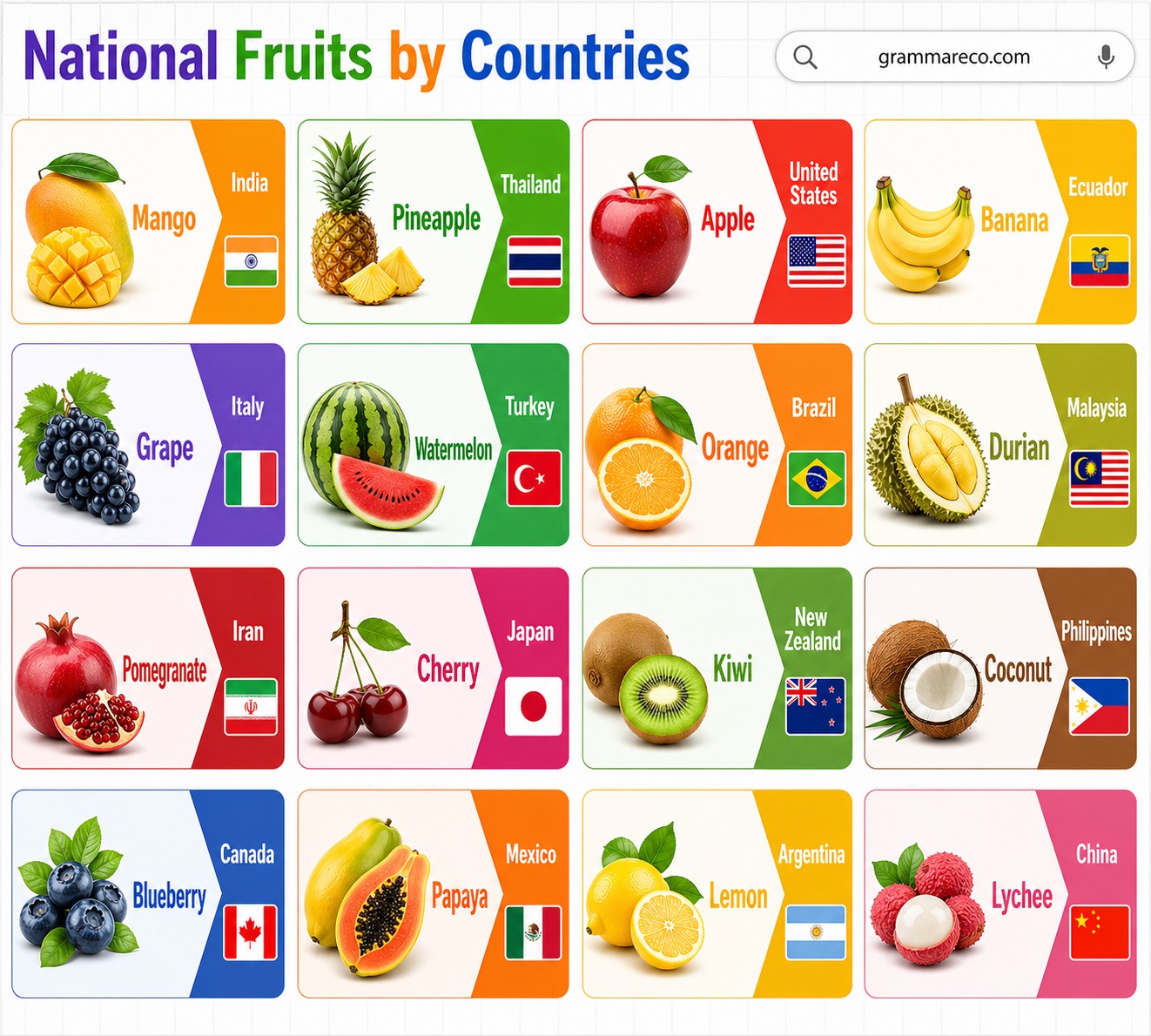
FAQs about National Fruits by Countries
A national fruit is a symbolic fruit chosen to represent a country’s culture, agriculture, and identity.
They highlight local produce, traditions, and economic importance of specific fruits.
India, Pakistan, and the Philippines recognize mango as a national fruit.
Mango and apple are among the most widely recognized national fruits.
The United States does not have an official national fruit. However, fruits like blueberry, apple, and cranberry are widely recognized due to their cultural importance and agricultural value.
Yes, avocado is widely considered the national fruit of Mexico. It is native to Mexico and commonly used in foods like guacamole, tacos, and traditional dishes.
The national fruit of India is mango. It is popular for its sweet taste, varieties like Alphonso, and cultural importance in festivals, traditions, and traditional Indian foods.
Read more