

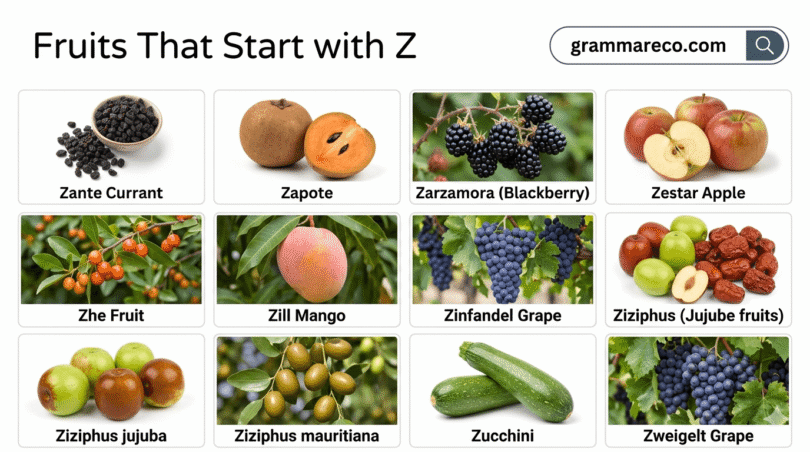
Fruits that start with Z are rare, which often makes them hard to recall. One known example is Ziziphus, also called jujube, a small fruit that is crisp when fresh and chewy when dried. Another fruit starting with z is Zucchini, used as a vegetable but botanically a fruit, adding variety to these unique fruits.
Learning fruits that starts with Z helps you grow your vocabulary for daily talks, quizzes, and food topics. It lets you name rare fruits and describe their taste in simple English at home, in class, or during conversations.
A List of Fruits that Start with Z
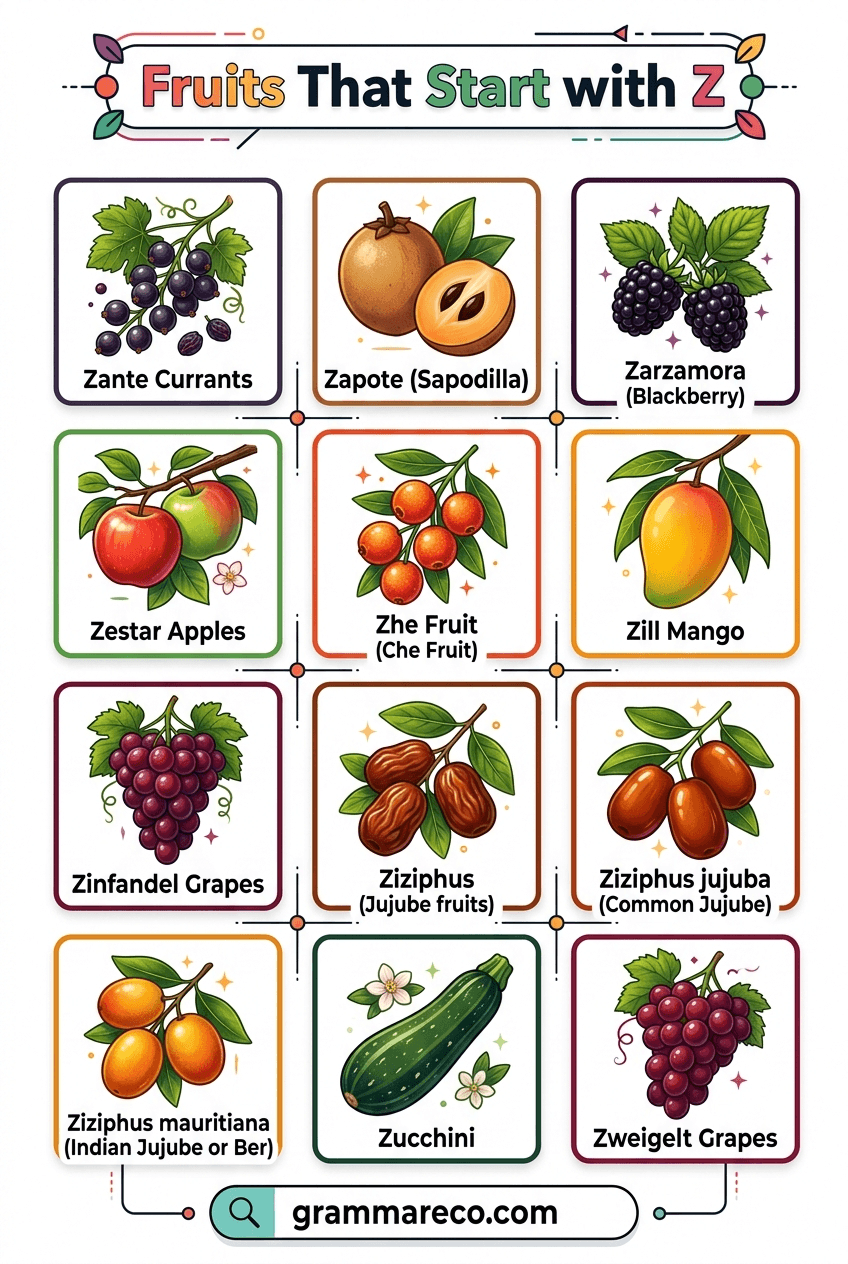
Here are the full list of fruit that start with z, you don’t know how these fruits are rare and difficult to remember, so learn and remember these z fruits for challenges:
- Zante Currant
- Zapote
- Zarzamora (Blackberry)
- Zestar Apple
- Zhe Fruit
- Zill Mango
- Zinfandel Grape
- Ziziphus (Jujube fruits)
- Ziziphus jujuba
- Ziziphus mauritiana
- Zucchini
- Zweigelt Grape
- Zwetschge
Pictures and Fun Facts of Fruit that Start with Z
Explore how these fruits look and learn short, interesting facts that make them easier to remember. Discover fruits that begin with z and improve your vocabulary.
Zante Currant
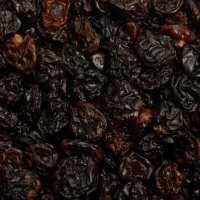
Scientific Name: Vitis vinifera (Black Corinth grape)
Zante currants are tiny, dark, seedless grapes that are dried into currants. They have a sweet, slightly tangy taste with a rich, concentrated flavor.
Uses and Benefits: Used in baking (cakes, buns) and salads; rich in antioxidants, fiber, and iron, helping digestion and boosting energy.
Zapote

Scientific Name: Pouteria sapota (Mamey sapote)
Zapote is a tropical fruit with soft orange flesh and a creamy, sweet taste similar to pumpkin and sweet potato. Its texture is smooth and dessert-like.
Uses and Benefits: Used in smoothies, desserts, and ice creams; high in vitamins A and C, supports immunity and healthy skin.
Zarzamora (Blackberry)
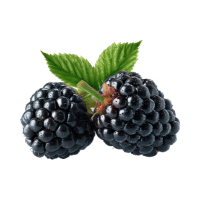
Scientific Name: Rubus fruticosus
Zarzamora, or blackberry, is a juicy berry with a sweet yet slightly tart flavor. It has a soft texture with tiny edible seeds.
Uses and Benefits: Used in jams, juices, and desserts; rich in antioxidants and vitamin C, supports heart health and fights inflammation.
Zestar Apple
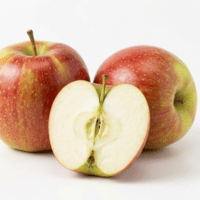
Scientific Name: Malus domestica
Zestar apples are crisp and juicy with a balanced sweet-tart taste and a hint of brown sugar flavor. They are refreshing and aromatic.
Uses and Benefits: Great for fresh eating and baking; provides fiber and vitamin C, aiding digestion and boosting immunity.
Zhe Fruit
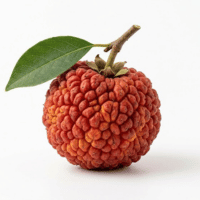
Scientific Name: Cudrania tricuspidata
Zhe fruit is a small, red fruit with a soft texture and mildly sweet flavor, somewhat like a mix of fig and mulberry.
Uses and Benefits: Eaten fresh or used in traditional remedies; contains antioxidants and may support blood circulation and overall wellness.
Zill Mango
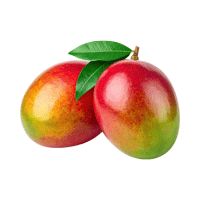
Scientific Name: Mangifera indica
Zill mango is a juicy, tropical mango variety known for its rich sweetness and slight tanginess. Its flesh is smooth and fiberless.
Uses and Benefits: Used in juices, desserts, and fresh slices; high in vitamin A and C, promotes eye health and immunity.
Zinfandel Grape
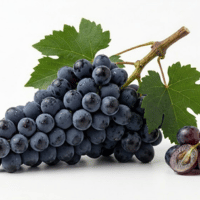
Scientific Name: Vitis vinifera
Zinfandel grapes are medium-sized with a sweet, slightly spicy flavor. They are juicy and often used in winemaking.
Uses and Benefits: Used for fresh eating and wine production; contains antioxidants like resveratrol, supporting heart health.
Ziziphus (Jujube Fruits)

Scientific Name: Ziziphus spp.
Jujube fruits are small and round with a crisp apple-like texture when fresh and a chewy, date-like sweetness when dried.
Uses and Benefits: Used in teas and snacks; rich in vitamin C and natural sugars, helps improve sleep and digestion.
Ziziphus jujuba
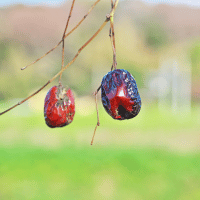
Scientific Name: Ziziphus jujuba
Also called Chinese jujube, this fruit has a mild sweetness with a crunchy texture when fresh and chewy when dried.
Uses and Benefits: Used in herbal medicine and teas; supports immunity, reduces stress, and improves sleep quality.
Ziziphus Mauritiana
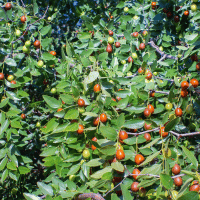
Scientific Name: Ziziphus mauritiana
Known as Indian jujube (ber), it has a sweet-sour taste with a crisp or slightly spongy texture depending on ripeness.
Uses and Benefits: Eaten fresh or dried; rich in vitamin C, aids digestion and strengthens the immune system.
Zucchini

Scientific Name: Cucurbita pepo
Zucchini is a mild-flavored, slightly sweet vegetable often treated as a fruit botanically. It has a soft texture when cooked.
Uses and Benefits: Used in cooking (stir-fries, baking); low in calories, high in water and fiber, supports weight management and hydration.
Zweigelt Grape
Scientific Name: Vitis vinifera
Zweigelt grapes are dark and juicy with a fruity, slightly tart taste. They are mainly known for wine production.
Uses and Benefits: Used in red wines; contains antioxidants that support heart health and reduce oxidative stress.
Zwetschge

Scientific Name: Prunus domestica (European plum)
Zwetschge is a type of plum with firm flesh and a sweet-tart flavor. It is less juicy than regular plums but very aromatic.
Uses and Benefits: Used in baking and jams; rich in fiber and vitamins, supports digestion and overall gut health.
FAQs about Fruits with Z
Fruits that start with Z include zucchini, which is often used as a vegetable, and ziziphus, also called jujube. These fruits are less common but still used in cooking and healthy diets.
Zucchini is a fruit because it grows from the flower of the plant and contains seeds. In cooking, people use it as a vegetable in dishes like curries or salads.
Read more