
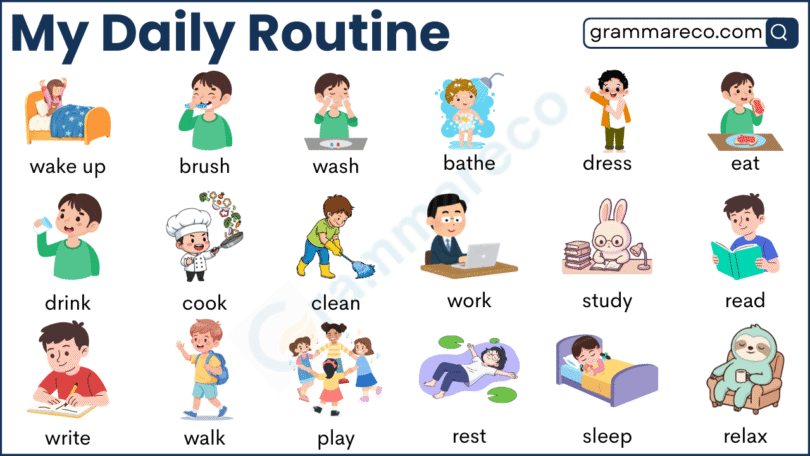
Every day is made up of repeated activities that shape how we manage our time. Tasks like waking up, brushing teeth, eating meals, commuting, studying, and working form the backbone of daily life. Understanding the daily routine vocabulary words helps identify these actions clearly and makes it easier to describe what people do throughout their day in a structured way.
Learning these words with pictures allows you to talk naturally about your daily routine vocabulary. It improves your ability to explain schedules, habits, or tasks in school, work, or casual conversations, making your communication precise and confident.
List of Daily Routine Words for Students
Below is a list of daily routine vocabulary words for kids to learn easily and adopt there routine for better daily life cycle:
- Get up from bed
- Stretch the body
- Wash the face
- Brush the teeth
- Comb the hair
- Tie the hair
- Shave the beard
- Apply makeup
- Put on the shoes
- Wear the school uniform
- Pack the school bag
- Read the news
- Watch television programs
- Meditate for a few minutes
- Say the morning prayer
My Daily Routines Words with Images
- Wake up
Coming out of sleep to start the day.
Example: I wake up at 6:30 a.m. every morning.
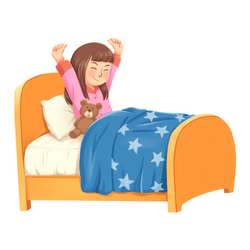
- Get up from bed
Leaving the bed to start the day and begin morning activities.
Example: I get up from bed at 7 a.m. to start my school day.
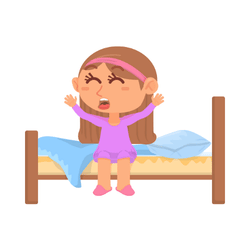
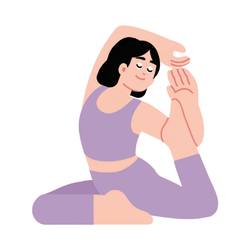
- Stretch the body
Extending muscles and limbs to relieve stiffness and improve flexibility.
Example: I stretch my body before doing exercises.
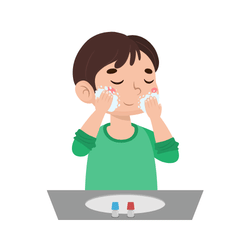
- Wash the face
Cleaning the face with water or soap to feel fresh and awake.
Example: I wash my face after getting up.
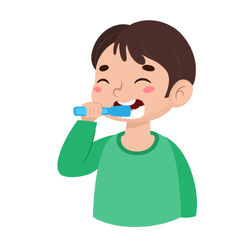
- Brush the teeth
Cleaning teeth to maintain oral hygiene and a bright smile.
Example: I brush my teeth every morning and night.
- Comb the hair
Grooming hair to remove tangles and look neat.
Example: I comb my hair before leaving for school.

- Tie the hair
Securing hair with a band or clip for convenience or style.
Example: I tie my hair into a ponytail before class.

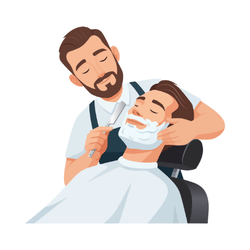
- Shave the beard
Removing facial hair using a razor for hygiene (adults).
Example: Dad shaves his beard every morning.
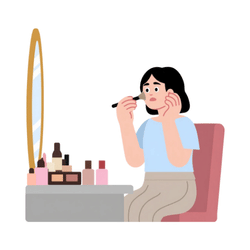
- Apply makeup
Using cosmetic products to enhance facial features.
Example: Mom applies makeup for the school meeting.
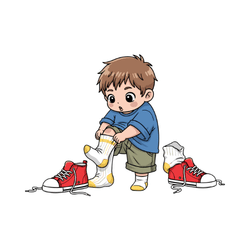
- Put on the shoes
Wearing footwear to protect feet and be ready to go out.
Example: I put on my shoes before going to school.
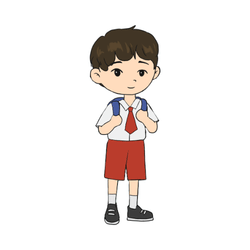
- Wear the school uniform
Dressing in the assigned outfit for school or work.
Example: I wear my school uniform every weekday.
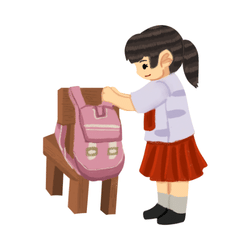
- Pack the school bag
Organizing books, lunch, and supplies in the school bag.
Example: I pack my school bag before leaving the house.
- Read the news
Reviewing current events to stay informed.
Example: Grandpa reads the news while having tea.

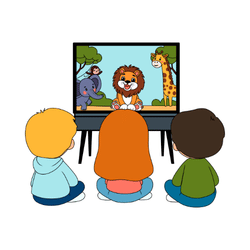
- Watch television programs
Observing TV shows for learning, fun, or relaxation.
Example: I watch television programs after breakfast.
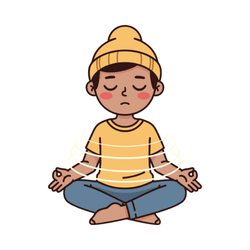
- Meditate for a few minutes
Practicing mindfulness to calm the mind and focus.
Example: I meditate for a few minutes before studying.
- Say the morning prayer
Communicating with God or reflecting spiritually for peace.
Example: I say the morning prayer before breakfast.

Daily Routine Words List
- Do morning exercises
- Go for a run
- Go for a jog
- Ride a bicycle
- Go for a swim
- Do yoga exercises
- Eat the breakfast meal
- Eat the lunch meal
- Eat the dinner meal
- Drink a cup of coffee
- Cook the dinner meal
- Bake a cake
Daily Routine Vocabulary for Physical Activity and Meals
Here is a daily routine words for physical and meals activity along with their pictures for better understanding for students:
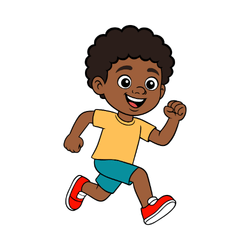
- Go for a run
Running quickly on foot to stay fit and healthy.
Example: I go for a run around the school playground.
- Go for a jog
Running at a slow, steady pace for fitness and endurance.
Example: I go for a jog with my dad in the evening.

- Ride a bicycle
Cycling for travel, fun, or exercise.
Example: I ride a bicycle to my friend’s house.

- Go for a swim
Moving through water for exercise or recreation.
Example: I go for a swim in the pool every summer.

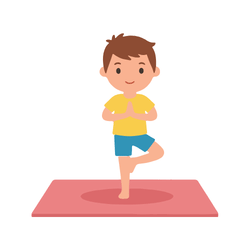
- Do yoga exercises
Practicing poses, breathing, and stretches to improve balance and calmness.
Example: I do yoga exercises with my mother every morning.
- Eat the breakfast meal
Consuming the first meal to gain energy for the day.
Example: I eat the breakfast meal before going to school.
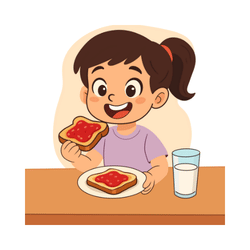
- Eat the lunch meal
Having the midday meal to maintain energy and focus.
Example: I eat the lunch meal in the school cafeteria.

- Eat the dinner meal
Taking the evening meal to nourish the body and spend time with family.
Example: I eat the dinner meal with my family at 7 p.m.

- Drink a cup of coffee
Consuming coffee for alertness or enjoyment (usually adults).
Example: Mom drinks a cup of coffee before work.

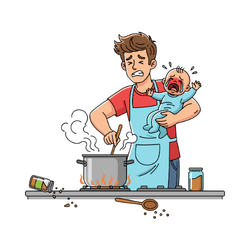
- Cook the dinner meal
Preparing the evening meal using ingredients and heat.
Example: Dad cooks the dinner meal for the family.
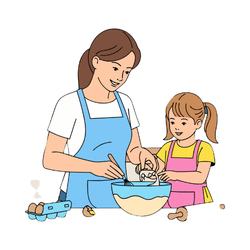
- Bake a cake
Making a sweet baked dessert for fun or celebrations.
Example: I bake a cake for my friend’s birthday.

Household Chores and Leisure Daily Routine Vocabulary
Daily routines are the regular activities we perform every day, including both household chores and leisure activities. Below are daily routine vocabulary words with their pictures:
- Sweep the floor
- Wash the dishes
- Mop the floor
- Serve the food
- Feed the pets
- Clean the kitchen
- Wipe the table
- Water the plants
- Write the notes
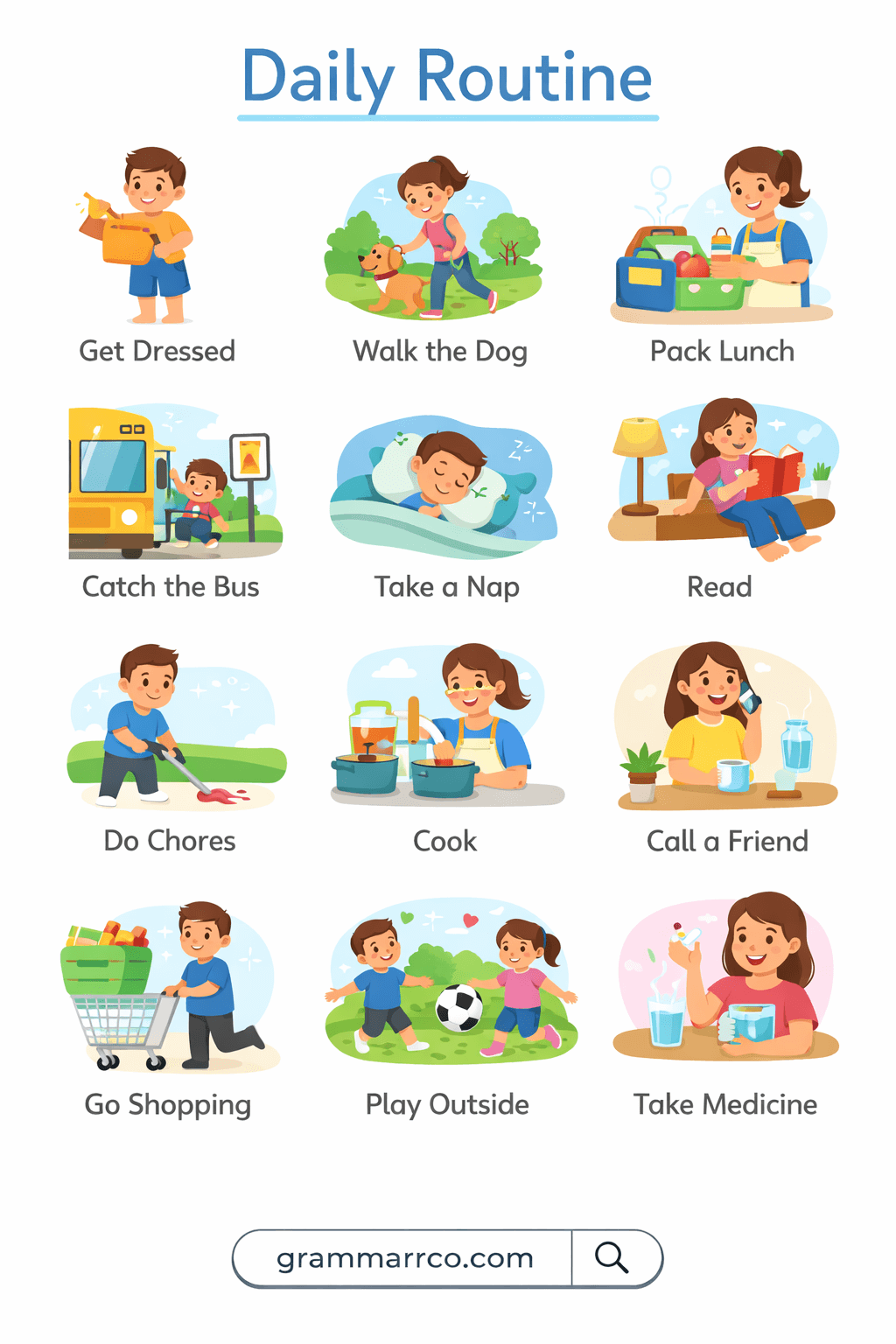
- Walk the dog
- Vacuum the carpet
- Draw a picture
- Paint a picture
- Sing a song
- Dance to music
- Meet the friends
- Do the laundry
- Take a bath
- Relax after school
- Sleep at night
Daily Routines Vocabulary for Household Chores and Leisure
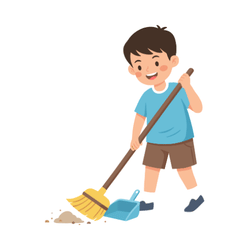
- Sweep the floor
Removing dust and dirt from the floor using a broom.
Example: I sweep the floor after breakfast.
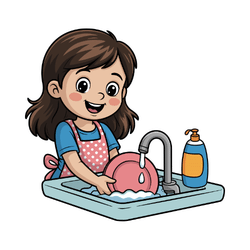
- Wash the dishes
Cleaning plates, cups, and utensils after meals.
Example: Mom washes the dishes after dinner.
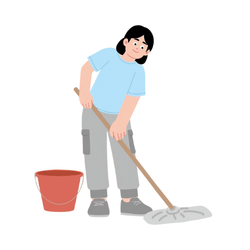
- Mop the floor
Cleaning the floor with water and a mop to remove dirt.
Example: I mop the floor in the kitchen.
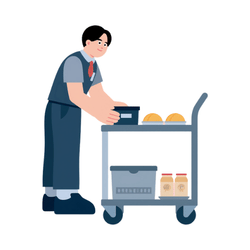
- Serve the food
Presenting meals to family or guests.
Example: I serve the food to my family.
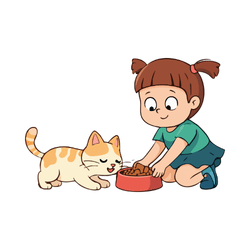
- Feed the pets
Giving food and water to domestic animals.
Example: I feed the pets every morning.
- Clean the kitchen
Organizing and sanitizing kitchen surfaces, utensils, and appliances.
Example: I clean the kitchen after cooking.
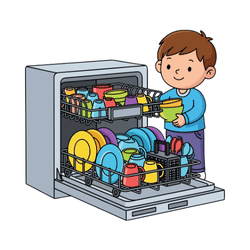
- Wipe the table
Cleaning the table surface to remove crumbs or spills.
Example: I wipe the table before breakfast.
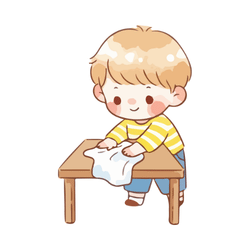
- Water the plants
Giving water to indoor or outdoor plants to help them grow.
Example: I water the plants in my garden.
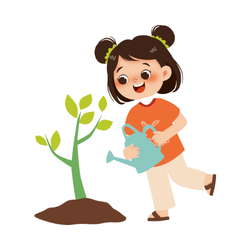
- Write the notes
Recording information, reminders, or lessons in a notebook.
Example: I write the notes from my teacher’s lesson.

- Walk the dog
Taking the dog outside for exercise and fun.
Example: I walk the dog in the evening.
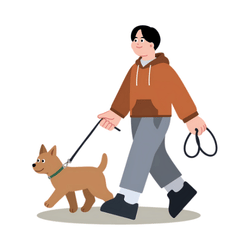
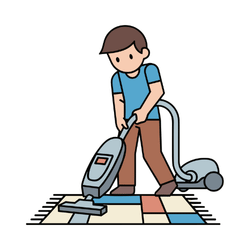
- Vacuum the carpet
Cleaning the carpet using a vacuum cleaner to remove dust.
Example: I vacuum the carpet before guests arrive.
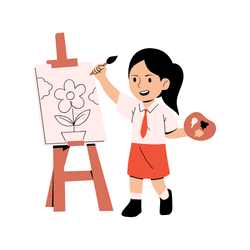
- Draw a picture
Creating images using pencils, crayons, or pens.
Example: I draw a picture of my house.
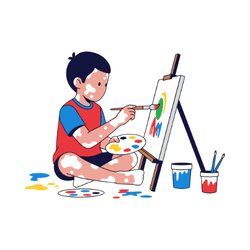
- Paint a picture
Applying colors to paper or canvas to make artwork.
Example: I paint a picture of flowers.
- Sing a song
Producing music with the voice for fun or learning.
Example: I sing a song during music class.

- Dance to music
Moving the body rhythmically to enjoy music or exercise.
Example: We dance to music in the school talent show.

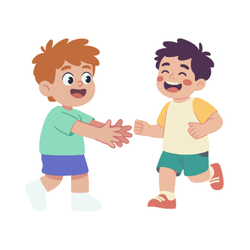
- Meet the friends
Spending time with friends for fun, play, or learning.
Example: I meet the friends at the park after school.
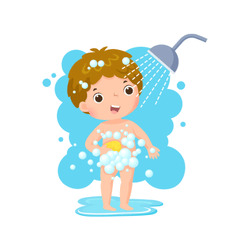
- Take a bath
Cleaning the body with water and soap.
Example: I take a bath before dinner.
- Relax after school
Resting or enjoying calm activities to recover energy.
Example: I relax after school by reading a book.

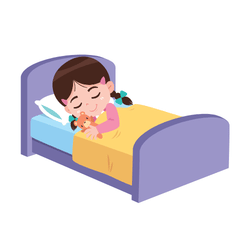
- Sleep at night
Resting the body and mind to recharge for the next day.
Example: I sleep at night for eight hours.
FAQs about Daily Routine
A daily routine organizes time, builds habits, reduces stress, and keeps mind and body balanced for productivity.
Good habits include waking up early, exercising, eating healthy, studying regularly, reading, and sleeping on time.
Wake up, brush, eat, study, work, exercise, sleep.
List your tasks, set priorities, assign time for each, include breaks, and follow it consistently every day.
Read more