

Learning the Types of Lychee helps you understand the different varieties of this tropical fruit that are grown worldwide. Lychee fruits vary in size, color, sweetness, and texture, making them popular in desserts, fresh fruit salads, and drinks across Asia and other tropical regions.
In this post, you will learn the names, characteristics, and uses of Types of Lychee with pictures, helping you talk confidently about them in food, gardening, and culinary discussions.
What are Lychee Fruits?
Lychee is a tropical fruit native to China, known for its rough red skin and juicy, sweet pulp inside. The fruit has a single large seed and is enjoyed fresh or processed into juices, desserts, and preserves.
How to eat Lychee Fruit?
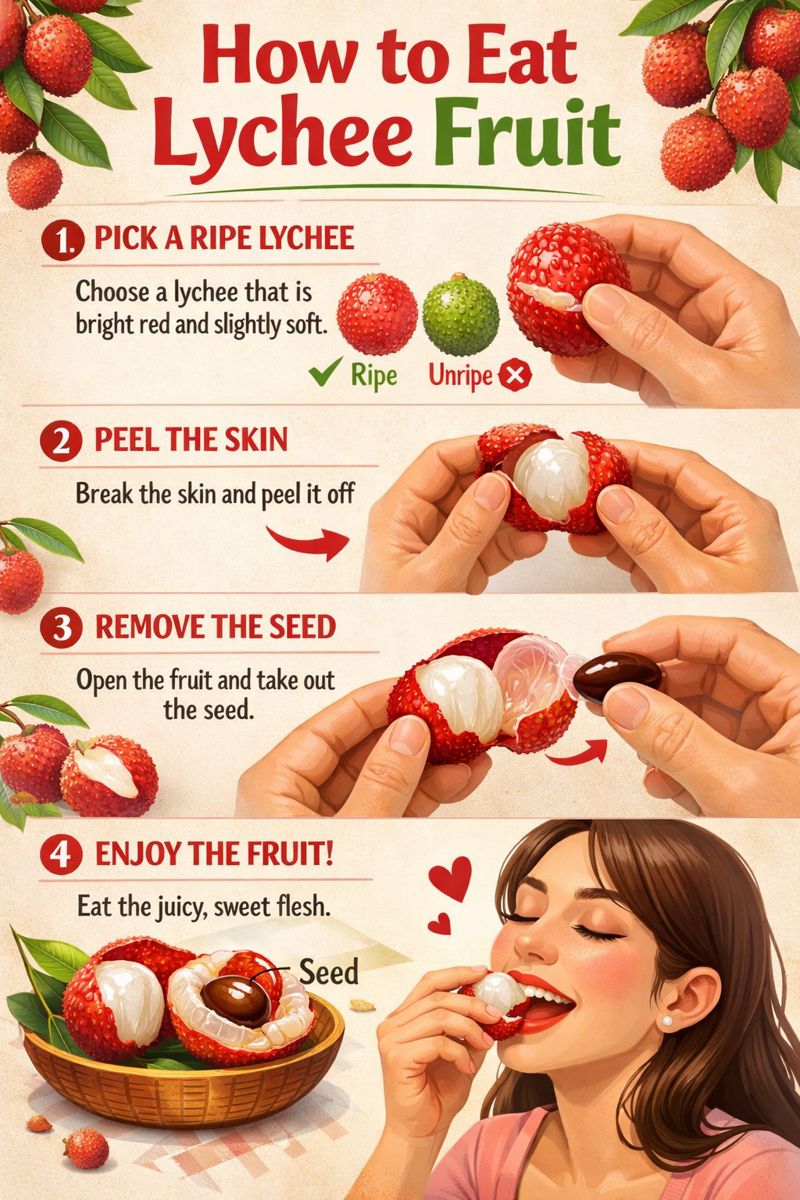
Below is a step by step guide of how to eat lychee?
- Wash the lychee fruit thoroughly under running water.
- Gently squeeze or prick the skin to crack it.
- Peel off the rough red skin completely with your fingers.
- Remove the large seed from the center carefully.
- Eat the juicy white flesh directly or add it to fruit salads, desserts, or drinks.
Different Types of Lychee Fruit Varieties and Pictures
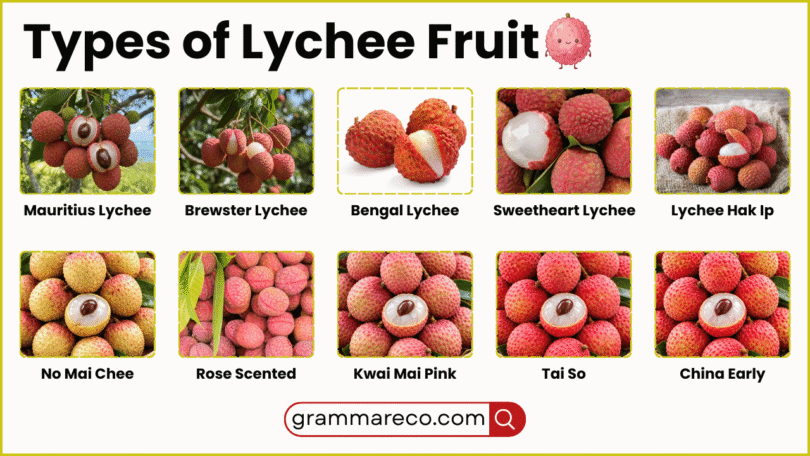
Lychee varieties differ in sweetness, fruit size, skin texture, and seed size. Below are the most popular types, their features, and common uses.
Mauritius Lychee Fruits
Mauritius lychee is one of the most widely grown commercial varieties in the world. It is popular in Florida and California orchards because it grows reliably and produces heavy crops. The fruit is medium to large and easy to peel, making it a favorite for fresh markets.
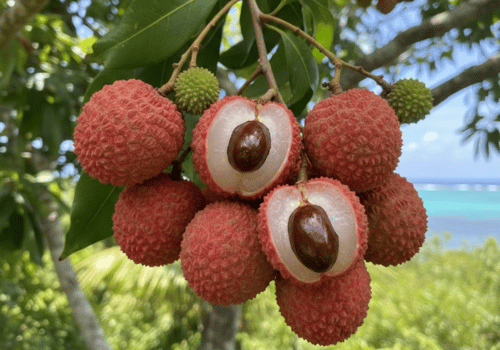
- Appearance: Bright red skin with a slightly bumpy surface and round shape
- Taste and Flavor: Sweet with a light floral note and mild acidity
- Nutritional Attributes: Rich in vitamin C, antioxidants, and natural sugars
- Cultivation Aspects: Grows well in warm, humid climates with good drainage
- Culinary Uses: Fresh eating, fruit cups, smoothies, and desserts
- Common uses: Market fruit, home gardens, and export trade
Brewster Lychee
Brewster lychee is one of the oldest lychee varieties grown in the United States. It was introduced from China and became popular in Florida. The fruit is known for its reliable harvest and classic lychee taste.
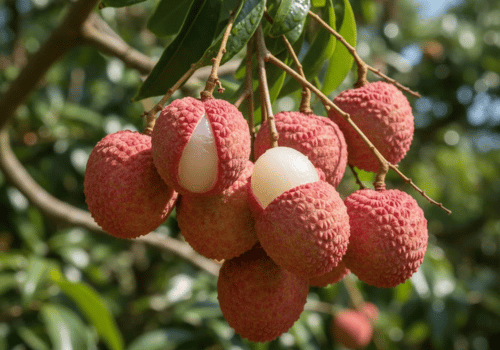
- Appearance: Deep red skin with small pointed bumps and oval shape
- Taste and Flavor: Sweet and juicy with a gentle tart finish
- Nutritional Attributes: High in vitamin C, fiber, and potassium
- Cultivation Aspects: Needs warm summers and cool winters to flower well
- Culinary Uses: Fresh fruit, juices, and fruit salads
- Common uses: Backyard trees and commercial orchards
Bengal Lychee
Bengal lychee is a famous Indian variety known for its large size and rich sweetness. It is grown widely in Bihar and West Bengal. This variety is prized in Asian markets for its soft, juicy flesh.
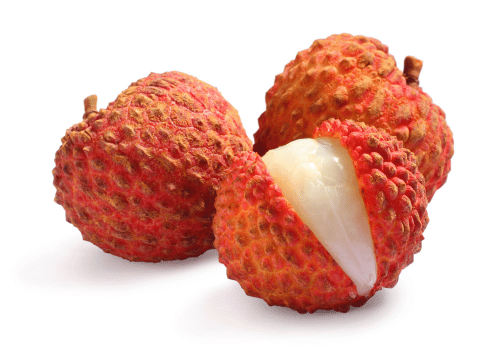
- Appearance: Large round fruit with bright red skin
- Taste and Flavor: Very sweet with a honey-like flavor
- Nutritional Attributes: Vitamin C, polyphenols, and natural energy sugars
- Cultivation Aspects: Thrives in hot summers and mild winters
- Culinary Uses: Fresh eating and traditional desserts
- Common uses: Local markets and festival fruit baskets
Sweetheart Lychee
Sweetheart lychee is known for its heart-shaped fruit and small seed. It produces a high flesh-to-seed ratio, which makes it very popular with growers and buyers in the United States.
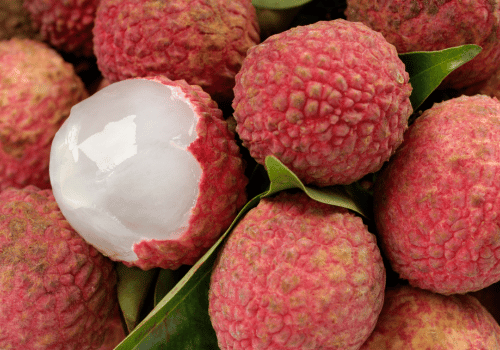
- Appearance: Heart-shaped fruit with bright red skin
- Taste and Flavor: Extra sweet and very juicy
- Nutritional Attributes: Vitamin C, magnesium, and antioxidants
- Cultivation Aspects: Performs well in Florida and subtropical regions
- Culinary Uses: Fresh snacks and fruit platters
- Common uses: Premium market fruit and home gardens
Lychee Hak Ip
Hak Ip lychee is a premium Chinese variety famous for its dark red skin and rich sweetness. It is often called one of the best tasting lychees in the world.
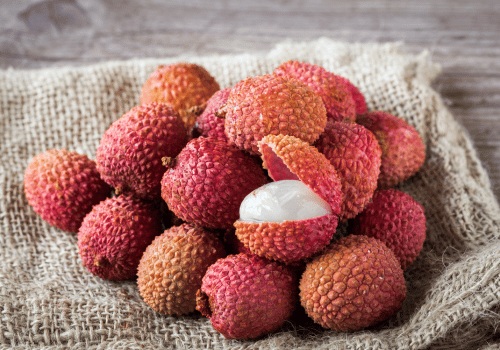
- Appearance: Dark red to purple skin with smooth bumps
- Taste and Flavor: Very sweet with a strong floral aroma
- Nutritional Attributes: Vitamin C, iron, and antioxidant compounds
- Cultivation Aspects: Needs warm days and cool nights to develop flavor
- Culinary Uses: Fresh eating and high-end desserts
- Common uses: Gift fruit and specialty markets
No Mai Chee
No Mai Chee is a classic Chinese variety known for its crisp texture and balanced sweetness. The fruit stores well and ships easily, making it popular for export.
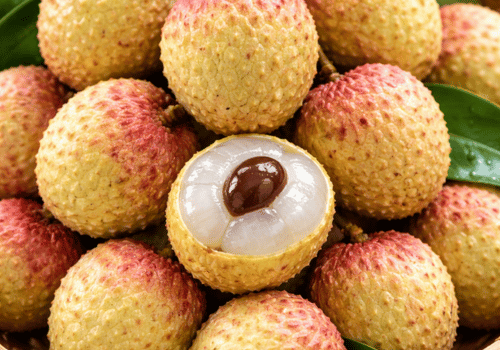
- Appearance: Medium size with red skin and pointed bumps
- Taste and Flavor: Sweet with a light tart touch
- Nutritional Attributes: Vitamin C, fiber, and natural sugars
- Cultivation Aspects: Grows best in humid subtropical climates
- Culinary Uses: Fresh fruit and chilled desserts
- Common uses: Export fruit and orchard production
Rose Scented Lychee
Rose scented lychee gets its name from its strong floral aroma. This variety is especially popular in India for its fragrance and soft flesh.
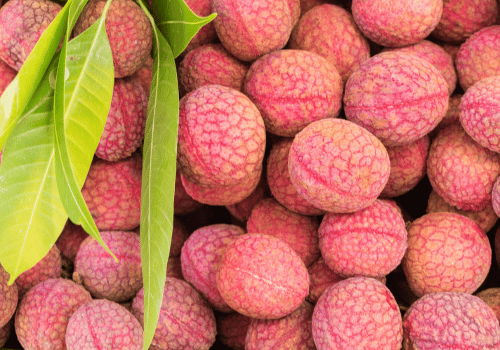
- Appearance: Bright red skin with a smooth texture
- Taste and Flavor: Sweet with a rose-like fragrance
- Nutritional Attributes: Vitamin C and plant antioxidants
- Cultivation Aspects: Grows well in northern India and warm regions
- Culinary Uses: Fresh eating and flavored drinks
- Common uses: Juice production and dessert flavoring
Kwai Mai Pink
Kwai Mai Pink is a late season Chinese variety that stays pink even when fully ripe. It is known for its crisp flesh and refreshing taste.
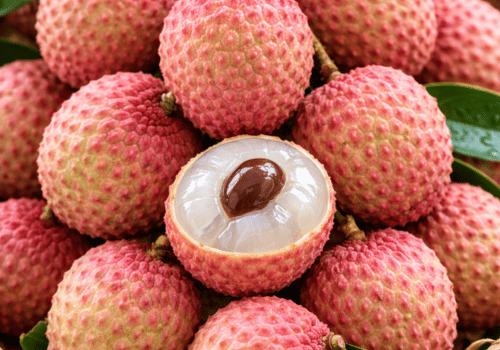
- Appearance: Pink skin with rounded shape
- Taste and Flavor: Sweet and lightly tangy
- Nutritional Attributes: Vitamin C and hydration minerals
- Cultivation Aspects: Late harvest variety for extended season
- Culinary Uses: Fresh fruit and chilled snacks
- Common uses: Seasonal market fruit
Tai So
Tai So lychee is widely grown in China and Thailand for its dependable harvest and good flavor. It is often used for fresh markets and canning.
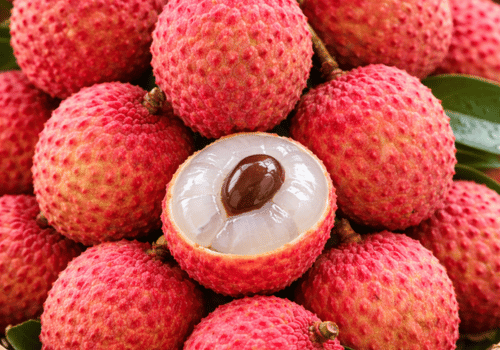
- Appearance: Red skin with medium sized fruit
- Taste and Flavor: Sweet and juicy with mild floral notes
- Nutritional Attributes: Vitamin C and natural sugars
- Cultivation Aspects: Productive trees with heavy fruit sets
- Culinary Uses: Fresh fruit and canned lychee
- Common uses: Commercial orchards and export
China Early
China Early is valued because it ripens before most other lychee varieties. Farmers grow it to supply markets at the start of the lychee season.
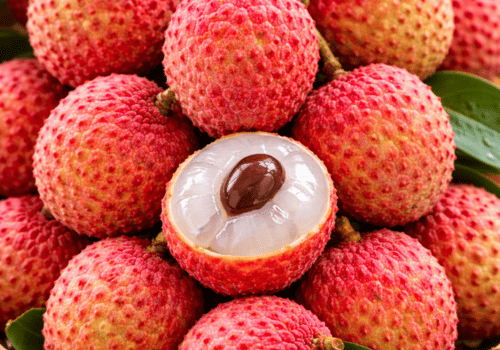
- Appearance: Small to medium fruit with bright red skin
- Taste and Flavor: Sweet with light acidity
- Nutritional Attributes: Vitamin C and antioxidants
- Cultivation Aspects: Early flowering and early harvest
- Culinary Uses: Fresh eating and fruit cups
- Common uses: Early season market supply
Emperor Litchis
Emperor lychee produces very large fruit with thick, juicy flesh. It is often grown for premium fresh markets because of its impressive size.
- Appearance: Extra large fruit with red skin and wide bumps
- Taste and Flavor: Sweet and mild
- Nutritional Attributes: Vitamin C and hydration benefits
- Cultivation Aspects: Needs warm climate and good irrigation
- Culinary Uses: Fresh fruit displays and desserts
- Common uses: Luxury fruit sales
Late Seedless
Late Seedless is famous for its tiny seed and high flesh content. It ripens late in the season, which helps extend lychee availability.
- Appearance: Medium fruit with red skin and small seed
- Taste and Flavor: Sweet and rich
- Nutritional Attributes: Vitamin C and polyphenols
- Cultivation Aspects: Late harvest variety for longer season
- Culinary Uses: Fresh eating and fruit platters
- Common uses: Premium orchards
Dehradun Lychees
Dehradun lychee is a famous Indian variety known for its sweetness and aroma. It is grown in the Himalayan foothills and shipped across India.
- Appearance: Bright red skin with smooth bumps
- Taste and Flavor: Sweet with a floral finish
- Nutritional Attributes: Vitamin C and antioxidants
- Cultivation Aspects: Cool winter and warm summer climate
- Culinary Uses: Fresh fruit and desserts
- Common uses: Regional specialty markets
Shahi Lychee
Shahi lychee is called the king of Indian lychees because of its rich sweetness. It is widely grown in Bihar and exported across Asia.
- Appearance: Medium to large red fruit
- Taste and Flavor: Very sweet and juicy
- Nutritional Attributes: Vitamin C and natural sugars
- Cultivation Aspects: Hot summers and fertile soil
- Culinary Uses: Fresh eating and juices
- Common uses: Export and festival fruit
Brewster Improved
Brewster Improved is a newer selection with better yield and fruit quality than the original Brewster. It is popular with US growers.
- Appearance: Deep red skin with uniform shape
- Taste and Flavor: Sweet with mild acidity
- Nutritional Attributes: Vitamin C and fiber
- Cultivation Aspects: Productive trees with strong growth
- Culinary Uses: Fresh fruit and desserts
- Common uses: Commercial orchards
Regional Lychee Varieties
Lychee varieties are often grouped by region. China, India, and Thailand are major lychee producers, each with unique types.
Chinese Lychee Types
China has over 200 lychee varieties. Popular Chinese types differ in sweetness, skin texture, and harvest season.
- Hak Ip: Sweet, small fruit, black leaf variant
- Kwai Mai Pink: Medium size, pink skin, firm flesh
- Tai So: Early harvest, medium-sized, sweet pulp
- China Early: Early season, light sweetness, tender flesh
- Emperor Lychee: Large, firm, very sweet
Indian Lychee Types
India produces varieties mainly in Bihar, West Bengal, and Dehradun.
- Bengal Lychee: Large, juicy, slightly tangy
- Shahi Lychee: Very sweet, large, tender flesh
- Dehradun Lychee: Premium, large, juicy
- Late Seedless: Convenient, seedless, sweet
- Mauritius Lychee: Medium size, sweet, export-friendly
Thai Lychee Types
Thailand grows lychees mostly for local consumption and export.
- Sweetheart Lychee: Elongated, very sweet
- No Mai Chee: Small-medium, delicate sweetness
- Rose Scented Lychee: Floral aroma, medium-sized
- Brewster Improved: Medium, sweet, firm pulp
- Peruvian Lychee: Exported, medium-sized, sweet
Lychee Taste Based Varieties
Lychee fruits are often classified by taste: sweet or tart.
Sweet Lychee Varieties
Sweet varieties are popular for fresh consumption.
- Emperor Lychee: Very sweet, large, firm
- Sweetheart Lychee: Very sweet, small seed
- Shahi Lychee: Rich sweetness, tender pulp
- Dehradun Lychee: Premium sweetness, juicy
- Bengal Lychee: Sweet with mild tang
Tart Lychee Varieties
Tart varieties are suitable for preserves and juices.
- China Early: Lightly sweet with tang
- Tai So: Mild sweetness, slightly tart
- No Mai Chee: Subtle tartness, aromatic
- Rose Scented Lychee: Sweet-tart, floral
- Mauritius Lychee: Sweet with mild tart
How to Identify Lychee Varieties by Appearance
Lychee varieties can be identified by fruit size, shape, skin texture, color, and seed size. Large fruits often indicate Indian premium varieties, while small-medium fruits are Chinese or Thai types. Pink or red skin helps recognize export-ready varieties.
Frequently Asked Questions About Lychee Fruit
Yes, most lychee varieties are safe to eat fresh, but check for ripeness.
To eat lychee, start by peeling off its rough, pinkish-red skin to reveal the juicy white flesh inside. Hold the fruit gently and bite into the flesh, avoiding the large seed in the center. You can eat it fresh, add it to fruit salads, desserts, or smoothies.
Lychee season varies by region: early May to July in Asia and summer in Florida.
Sweetheart, Emperor, Shahi, and Dehradun lychees are among the sweetest.
Almost all lychee fruits contain a single seed, except some late seedless varieties.
Store fresh lychee in the fridge for up to one week or freeze peeled pulp.
To peel lychee, gently squeeze the fruit to crack the rough red skin, then use your fingers to remove it completely. Once peeled, you will see the juicy white flesh ready to eat, while the seed in the center should be discarded.
Read more