
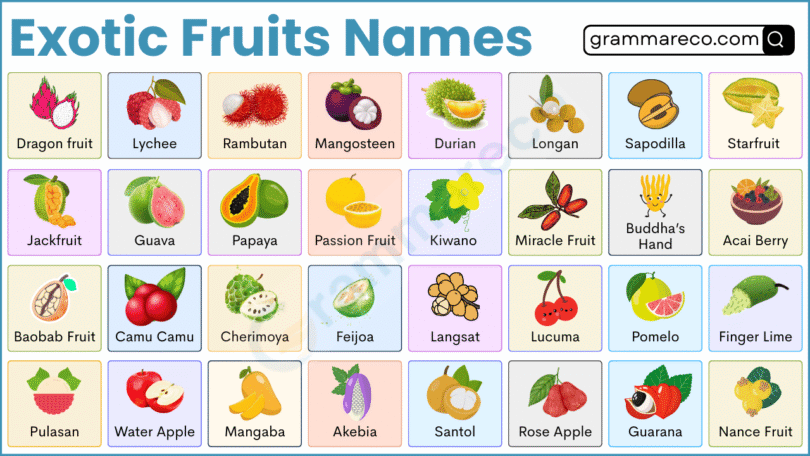

Learning the names and features of exotic fruits can be a bit tricky for many learners because they often look different and are grown far away. These fruits have unusual shapes, colors, and tastes, making them interesting to study. Exotic fruits list is helpful for anyone curious about tropical foods or rare fruits grown in specific regions.
By reading this article, you will learn how to identify, talk about, and remember many exotic fruits list items. Understanding their names and characteristics makes conversations about food, nutrition, and gardening easier and more engaging in daily life.
What are Exotic Fruits?
Exotic fruits are fruits that grow in tropical, subtropical, or specific climates far from your home region. They usually have unique shapes, textures, and flavors. Many are not commonly found in supermarkets or grocery stores and are often grown in smaller farms or wild areas.
Why the Fruits are Rare and Uncommon?
These fruits are rare because they grow in specific climates and are not widely cultivated. Some have short shelf lives or are delicate to transport. Limited production and local consumption also make them less common globally.
Where to Find Exotic Fruit?
You can find exotic fruits in tropical regions, specialty markets, farmers’ markets, or online specialty stores. Some fruits grow in the wild and are harvested locally. Knowing where fruits come from helps learners connect their names to countries, climates, or ecosystems where they thrive.
Popular Exotic Fruits List
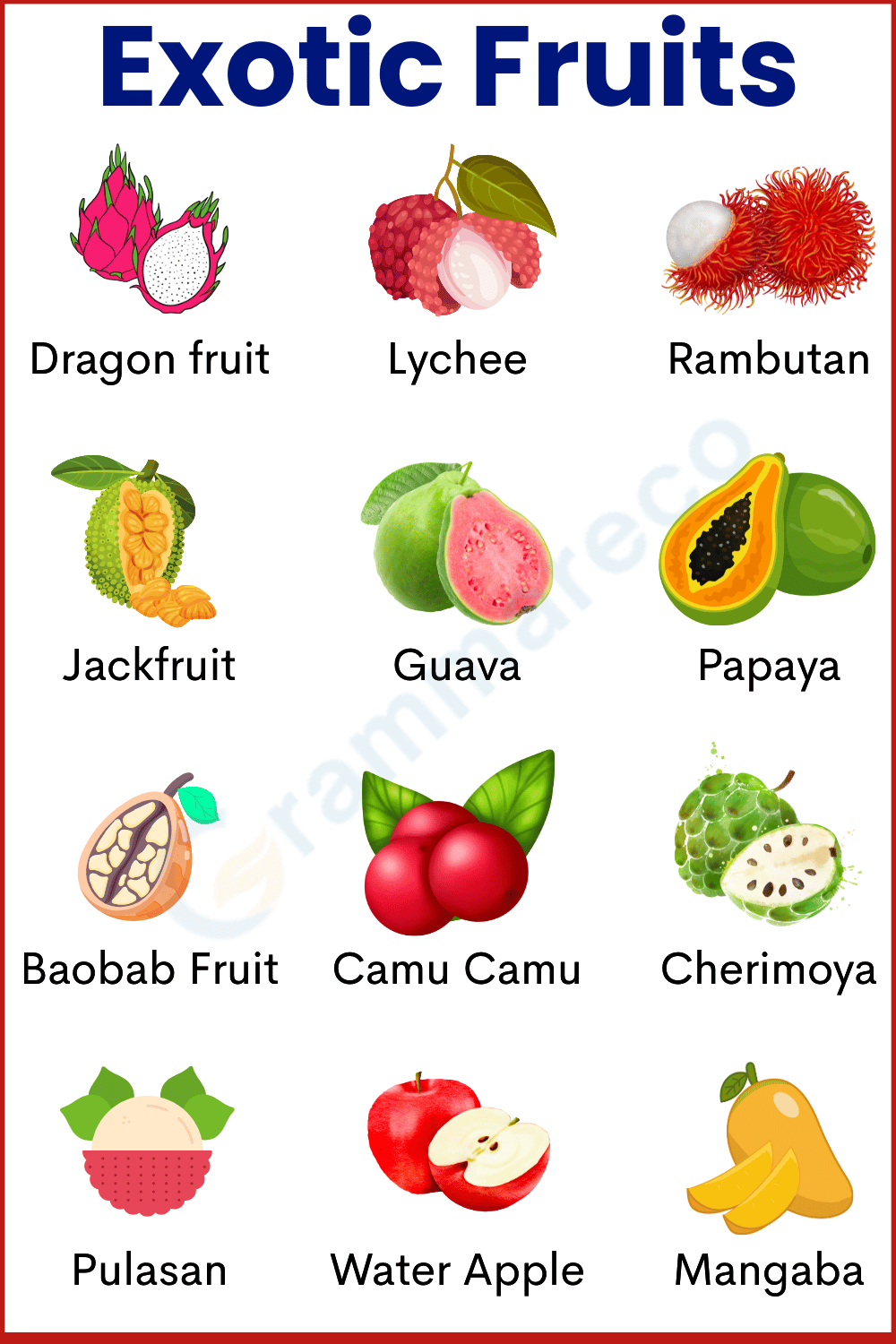
Exotic fruits come in many varieties and each has unique taste and texture. Some of the most popular include. Below are the names list of popular exotic fruits around the world:
- Jackfruit
- Guavas
- Dragon fruit
- Lychee
- Rambutan
- Papaya
- Baobab Fruit
- Camu Camu
- Cherimoya
- Pulasan
- Water Apple
- Mangaba
- Pomelo
- Sapodilla
- Buddha’s Hand
- Guarana
Exotic Fruit Names and Photos
Perfect for discovering fruits you may have never seen before. Know these exotic fruits with their information and photos:
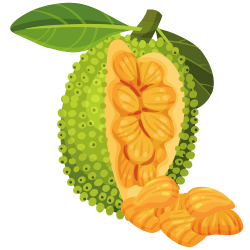
- Jackfruit
Large tropical fruit with spiky green skin and sweet, fibrous, yellow flesh, often eaten fresh or cooked.
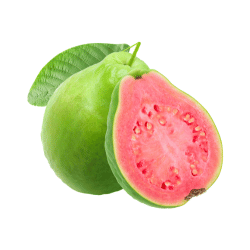
- Guava
Round or oval fruit with sweet, aromatic flesh, eaten fresh, in juices, jams, or desserts.
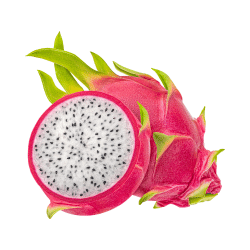
- Dragon Fruit (Pitaya)
Bright pink or yellow-skinned fruit with white or red speckled flesh and tiny edible seeds.
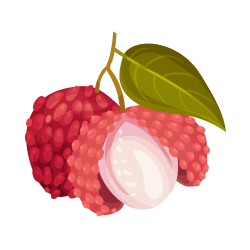
- Lychee
Small red fruit with bumpy skin and juicy, fragrant, sweet-white flesh, popular in Asia.
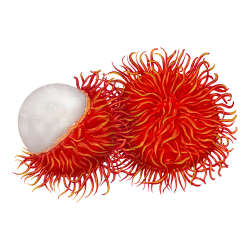
- Rambutan
Hairy red or yellow fruit with translucent, juicy, sweet flesh surrounding a seed, native to Southeast Asia.
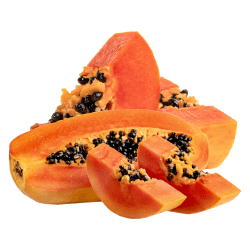
- Exotic Papaya Fruits
Orange-fleshed tropical fruit with sweet taste and soft texture, eaten fresh, in smoothies, or salads.
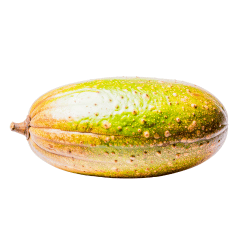
- Baobab Fruit
Hard-shelled African fruit with tangy, powdery pulp, rich in vitamin C and antioxidants.
- Camu Camu
Small Amazonian berry with sour flavor, extremely high in vitamin C, used in powders and juices.

- Cherimoya
Heart-shaped fruit with creamy, sweet pulp, native to South America, often eaten fresh or in desserts.
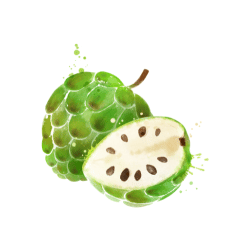
- Pulasan
Red, spiky fruit similar to rambutan, with sweet, juicy, white flesh, eaten fresh.

- Water Apple
Bell-shaped tropical fruit with crisp, watery, mildly sweet flesh, eaten fresh or in salads.
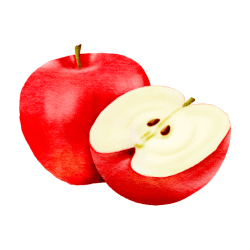
- Mangaba
Small, soft tropical fruit with sweet-sour pulp, native to Brazil, eaten fresh or in desserts.

- Pomelo
Large citrus fruit with thick rind and sweet-tart, juicy segments, often eaten fresh or in salads.
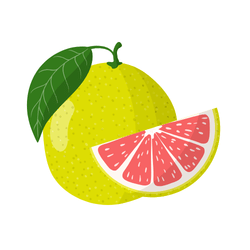
- Sapodilla
Brown-skinned fruit with sweet, grainy, caramel-like flesh, eaten fresh or in desserts.
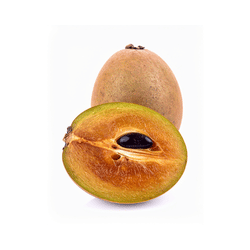
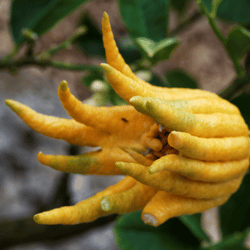
- Buddha’s Hand
Fragrant, finger-shaped citrus fruit, used mainly for zest, flavoring, or decorative purposes.
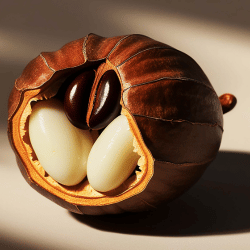
- Guarana
Small red fruit with black seeds, high in caffeine, commonly used in energy drinks and supplements.
List of Unusual Fruits of the World
Some fruits are extremely unusual and rarely found outside their native regions:
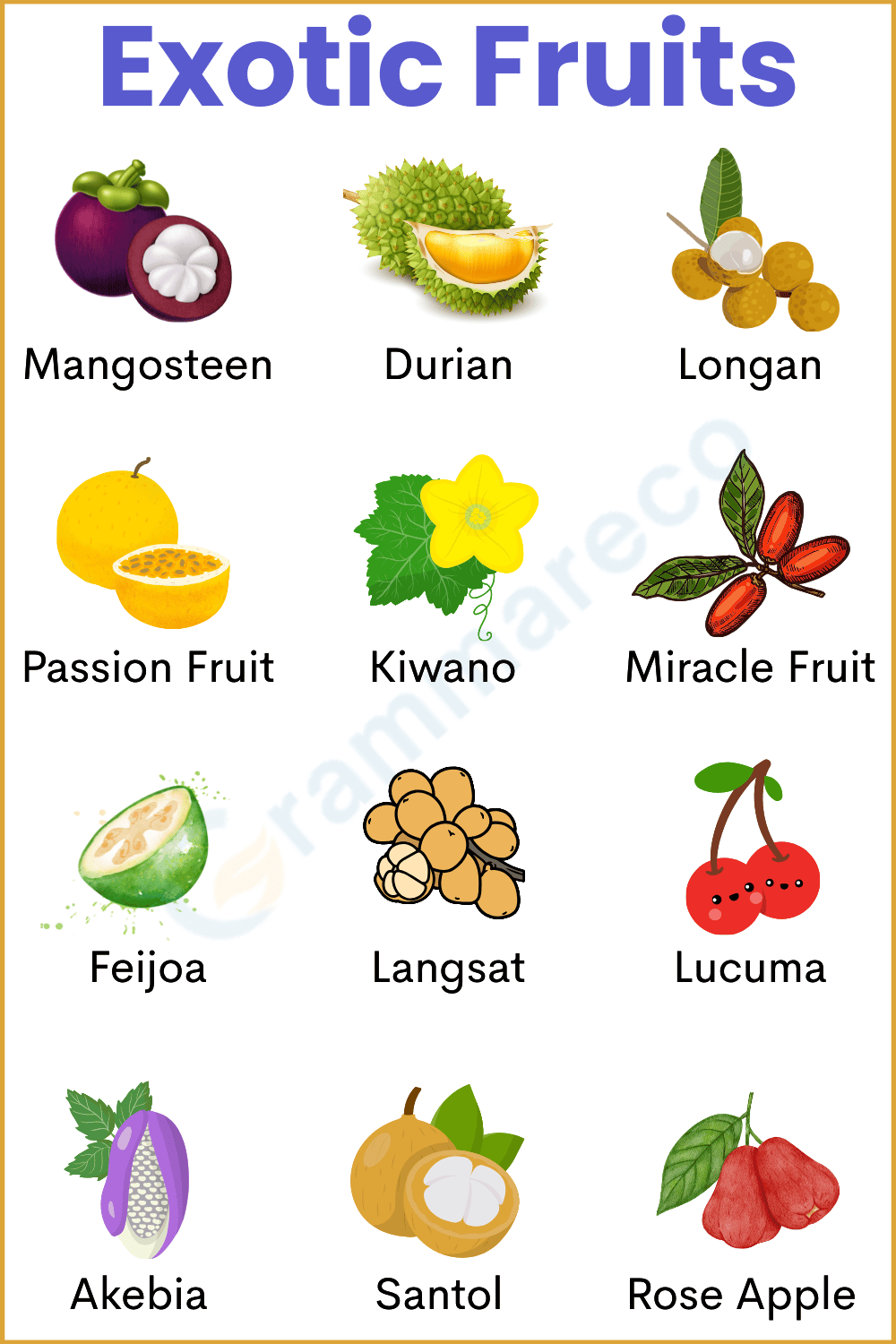
- Mangosteen
- Durian
- Longan
- Passion Fruit
- Kiwano
- Miracle Fruit
- Feijoa
- Langsat
- Lucuma
- Akebia
- Santol
- Rose Apple
- Finger Lime
- Starfruit
- Acai Berry
- Nance Fruit
Rare Exotic Fruits and Their Pictures with Information
Some rare exotic fruits are extremely hard to find outside their regions:
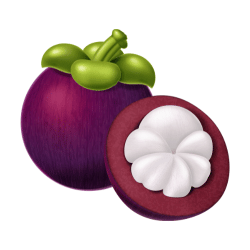
- Mangosteen
Purple tropical fruit with sweet, juicy, slightly tangy white flesh, known as “queen of fruits.”
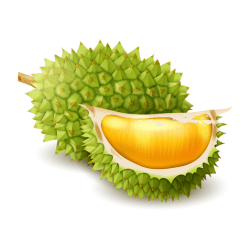
- Durian
Large spiky fruit with strong aroma, creamy sweet flesh, often called “king of fruits” in Southeast Asia.
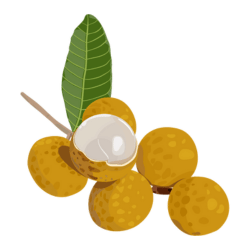
- Longan
Small brown fruit with translucent, juicy flesh and sweet flavor, similar to lychee, native to Asia.
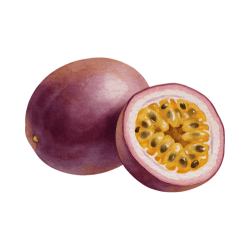
- Passion Fruit
Round or oval fruit with tough rind, aromatic, tangy-sweet, seedy pulp used in drinks and desserts.
- Kiwano (Horned Melon)
Orange, spiky fruit with green jelly-like, mildly sweet and tart pulp, eaten raw or in salads.

- Miracle Fruit
Small red berry that temporarily makes sour foods taste sweet, native to West Africa.
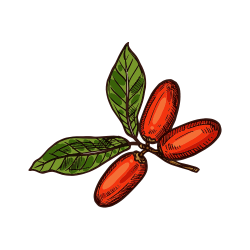
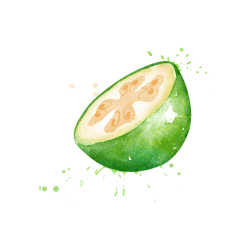
- Feijoa
Green, egg-shaped fruit with aromatic, sweet-tart flesh, native to South America, eaten fresh or in jams.
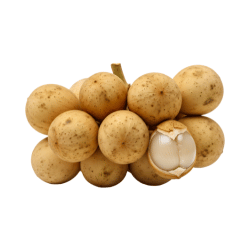
- Langsat
Small yellowish fruit with translucent, sweet-sour pulp, popular in Southeast Asia, eaten fresh or in desserts.
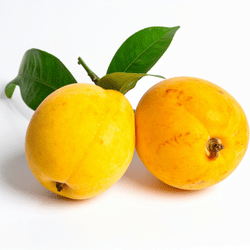
- Lucuma
Yellow-orange fruit with dry, sweet, maple-like flesh, native to Peru, used in desserts and smoothies.
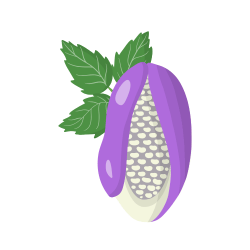
- Akebia
Purple-brown fruit with soft, sweet pulp and edible seeds, grown in East Asia, sometimes eaten fresh.
- Santol
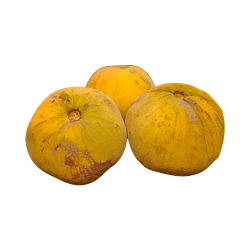
Round tropical fruit with thick rind and sweet-sour, juicy pulp, eaten fresh or in jams and preserves.
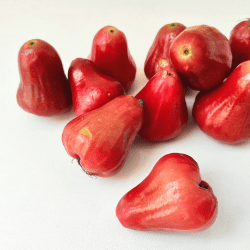
- Rose Apple
Bell-shaped, crisp fruit with mild, sweet, slightly floral flavor, native to Southeast Asia.
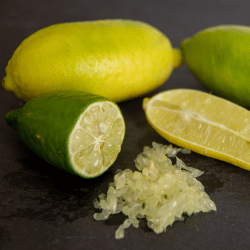
- Finger Lime
Cylindrical citrus fruit with caviar-like tangy pulp, native to Australia, used in garnishes or desserts.
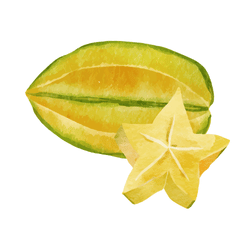
- Starfruit (Carambola)
Yellow, star-shaped fruit with juicy, tangy-sweet flesh, eaten fresh or in juices and salads.
- Acai Berry
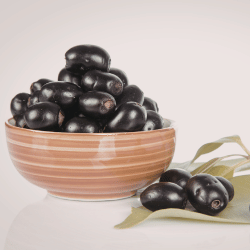
Small dark-purple berry, rich in antioxidants, used in smoothies, bowls, or dietary supplements.
- Nance Fruit
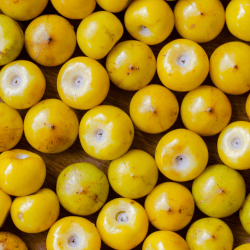
Small yellow-orange fruit with sweet, tangy pulp, popular in Central and South America for eating or preserves.
Most Exotic Fruits List with Images
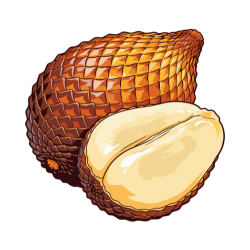
- Salak (Snake Fruit)
Reddish-brown scaly fruit with sweet, tangy flesh, native to Indonesia.
- Mabolo (Velvet Apple)
Velvety-skinned fruit with creamy, sweet flesh and fragrant aroma, commonly grown in the Philippines.
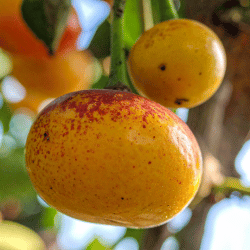
- Cupuaçu Fruit
Amazonian tropical fruit with tangy, creamy pulp, often used in smoothies, desserts, and chocolate-like spreads.
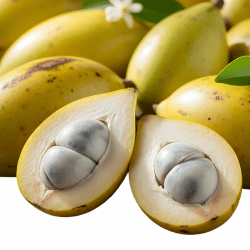
- Bignay Berries
Small red or dark-purple berries with tart-sweet flavor, often made into jams, wine, or eaten fresh.
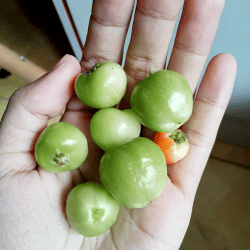
- Canistel (Eggfruit)
Yellow-orange, egg-shaped fruit with sweet, custard-like flesh, eaten raw or in desserts and smoothies.
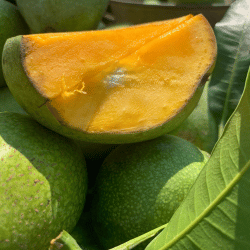
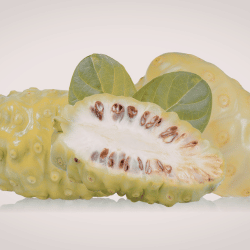
- Monstera Deliciosa Fruit
Large green fruit with scaly skin and sweet pineapple-banana flavored flesh, native to Central America.
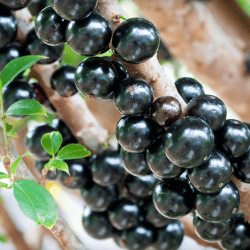
- Jabuticaba
Grape-like dark fruit growing on trunks, with sweet, juicy pulp, used in jellies, wines, or eaten fresh.
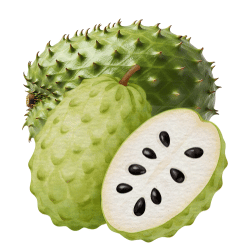
- Soursop (Graviola)
Green, spiky fruit with soft, tangy-sweet pulp, rich in nutrients, often used in beverages or desserts.
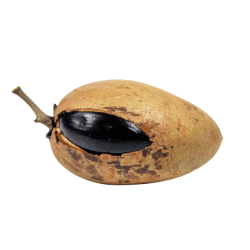
- Black Sapote (Exotic)
Chocolate pudding fruit with dark, creamy, sweet flesh, native to Central America, eaten fresh or in desserts.
- Biribá (Annona mucosa)
Soft, custard-like tropical fruit with sweet flavor, eaten fresh, in shakes, or desserts.
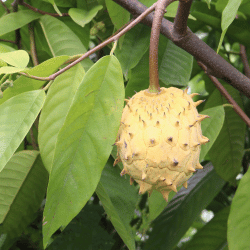
- Wild Sweetsop (Rare)
Knobby-skinned fruit with creamy, sweet pulp, related to custard apple, eaten fresh or in desserts.
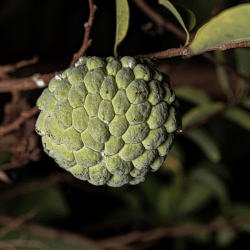
- White Sapote
Greenish-yellow fruit with creamy, sweet flesh, native to Mexico, eaten fresh or in smoothies.
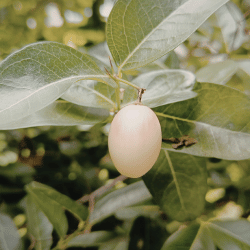
- Cocona (Solanum sessiliflorum)
Small orange fruit with tangy pulp, native to Amazon, used in sauces, jams, or drinks.
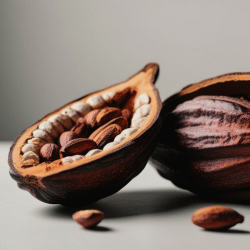
- Hog Plum (Ambarella)
Tart green or yellow fruit with crisp flesh, eaten raw, pickled, or in tropical juices.
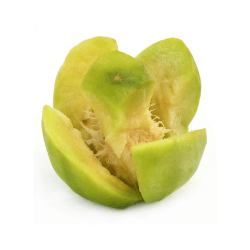
- Pawpaw (Asimina triloba)
North American fruit with soft, custard-like sweet flesh, rich in nutrients.
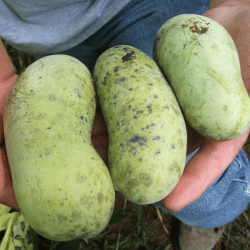
- Wild Custard Apple (Exotic)
Rare tropical fruit with creamy, sweet pulp, similar to cherimoya, eaten fresh or in smoothies.
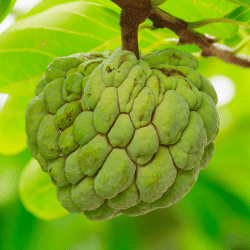
- African Cucumber (Cucumis metuliferus)
Spiky green fruit with juicy, mildly sweet flesh, also called kiwano, eaten raw or in salads.
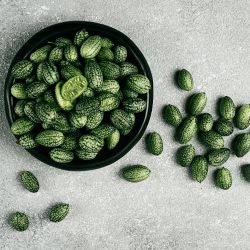
Exotic Fruits Health Benefits Chart
Below is a chart listing exotic fruits and their main health benefits:
| Name | Health Benefits |
|---|---|
| Jackfruit | High in vitamin C, boosts immunity, aids digestion |
| Dragon Fruit | Rich in antioxidants, supports heart health |
| Lychee | Contains vitamin C, improves skin health |
| Rambutan | Rich in fiber, supports digestion, boosts energy |
| Mangosteen | Anti-inflammatory, supports immune system |
| Durian | High in calories, vitamins, helps maintain energy |
| Papaya | Rich in vitamin C, aids digestion |
| Passion Fruit | Contains antioxidants, supports eye health |
| Kiwano | Low-calorie, high in vitamin C and magnesium |
| Miracle Fruit | Temporarily alters taste perception |
| Buddha’s Hand | Fragrant, high in vitamin C |
| Acai Berry | Antioxidant-rich, supports heart and skin health |
| Baobab Fruit | High vitamin C, fiber, boosts immunity |
| Camu Camu | Extremely high vitamin C content |
| Cherimoya | Contains vitamins B6 and C, supports digestion |
| Feijoa | Rich in vitamin C and fiber |
| Langsat | Contains antioxidants and vitamins, improves health |
| Lucuma | Rich in beta-carotene, supports immunity |
| Pulasan | High in vitamins, supports digestion |
| Water Apple | Low-calorie, hydrating, high in vitamin C |
| Mangaba | Contains antioxidants, supports immunity |
| Akebia | Sweet pulp, contains nutrients |
| Santol | Rich in vitamin C, aids digestion |
| Rose Apple | Contains vitamins, hydrating, boosts energy |
| Guarana | Natural caffeine source, boosts alertness |
| Nance Fruit | Rich in vitamin C, supports immunity |
FAQs About Exotic Fruits
Fruits like Durian, Mangosteen, Rambutan, Dragon Fruit, and Jackfruit are considered truly exotic globally.
Albanese exotic fruits include rare and unusual varieties grown in Albania, such as figs, medlar, pomegranates, mulberries, and cornelian cherries.
Exotic fruits are rare because they grow in specific climates and are hard to transport long distances.
Some tropical fruits like Papaya and Passion Fruit can be grown at home in greenhouses or warm climates.
Fruits like Acai Berry, Camu Camu, and Baobab Fruit are highly nutritious with antioxidants and vitamin C.
Exotic fruits are available in specialty markets, online stores, or farmers’ markets in tropical or metropolitan areas.
Read more