
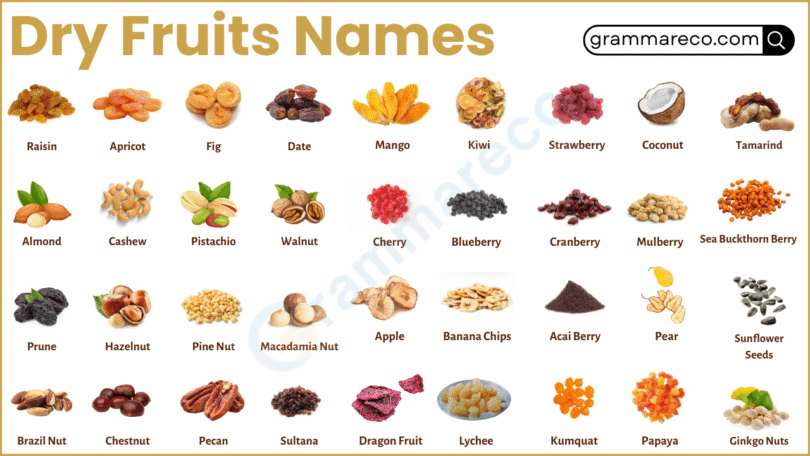

Dried fruits names refer to fruits that are naturally or artificially dried to remove water while keeping taste and nutrients. Common dried options include raisins, dates, apricots, and figs, each with a chewy texture and rich sweetness. These fruits last longer and are often used in snacks, desserts, and traditional dishes.
Learning dried fruits names helps you build food vocabulary for daily talks, cooking, and shopping. It allows you to describe taste and texture in simple English at home, in markets, or while discussing meals.
What is Dry Fruit?
Dry fruits refer to fruits whose water content has been reduced to increase shelf life and concentrate flavor. This process changes texture, taste, and storage behavior while keeping the fruit recognizable.
Below is an explanation of how dry fruits fit into food use and naming.
List Popular Dried Fruits Names
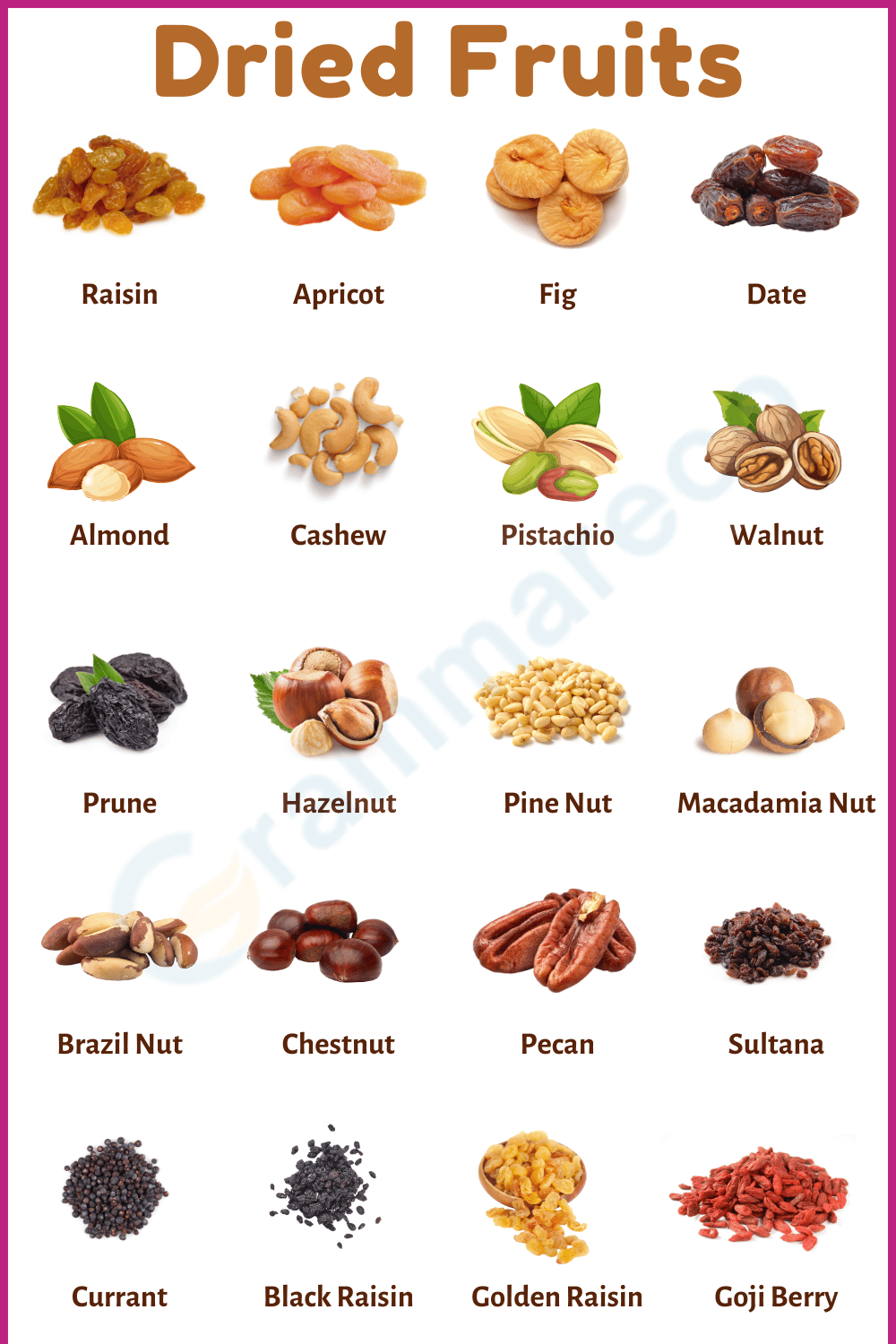
Popular dried fruits appear often in grocery stores, snack mixes, and baked foods. These names are widely recognized and frequently used in recipes. Below is a list covering commonly known dried fruit names.
- Almond
- Cashew
- Pistachio
- Walnut
- Prune
- Hazelnut
- Pine Nut
- Macadamia Nut
- Brazil Nut
- Chestnut
- Pecan
- Sultana
- Currant
- Black Raisin
- Golden Raisin
- Goji Berry
- Raisin
- Apricot
- Fig
- Date
20 Dried Fruit and Images with Explanation
Below is a list of commonly used dried fruit with short explanations.
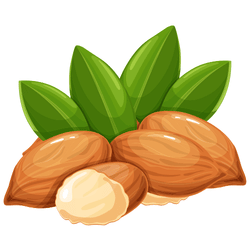
- Almond
A crunchy dry fruit rich in healthy fats, protein, and vitamin E, commonly eaten raw or roasted.
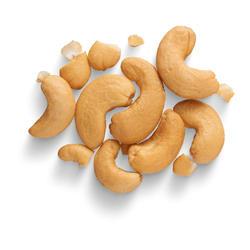
- Cashew
A creamy-textured nut with mild sweetness, widely used in snacks, curries, and desserts.
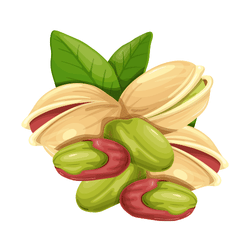
- Pistachio
A small green nut with slightly sweet flavor, popular for snacking and sweet dishes.
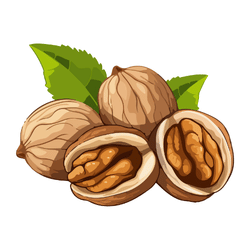
- Walnut
A brain-shaped nut with earthy taste, high in omega-3 fats and antioxidants.
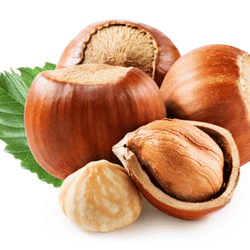
- Hazelnut
A round nut with rich, nutty flavor, commonly used in chocolates and spreads.
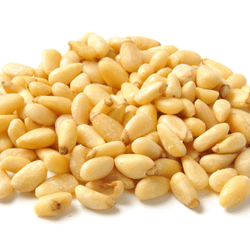
- Pine Nut
A small edible seed from pine cones, buttery flavor, used in pesto and cooking.
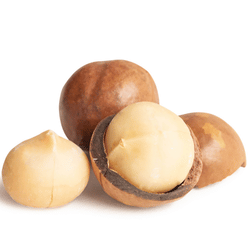
- Macadamia Nut
A smooth, rich nut with buttery taste, often eaten roasted or used in desserts.
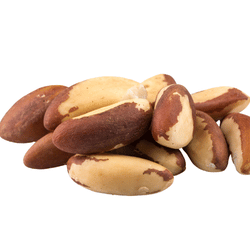
- Brazil Nut
A large crunchy nut, very high in selenium, supporting thyroid and immune health.
- Chestnut
A mildly sweet nut with soft texture when cooked, often roasted or boiled.
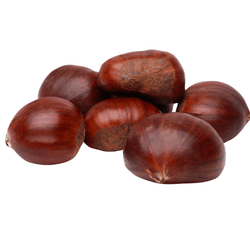
- Pecan
A sweet, buttery nut commonly used in pies, desserts, and baking recipes.

- Sultana
A light-colored dried grape, sweet and juicy, widely used in baking and cereals.
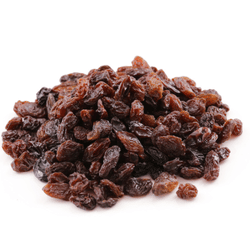
- Currant
Small dried grapes with deep flavor, often used in baked goods and snacks.
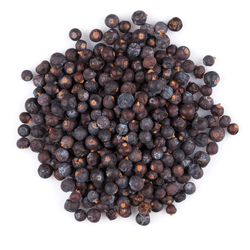
- Black Raisin
Dried black grapes with chewy texture, natural sweetness, and energy-boosting benefits.
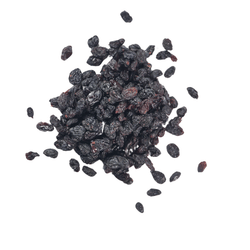
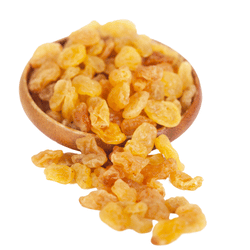
- Golden Raisin
Light-colored dried grapes, mildly sweet flavor, commonly used in desserts and rice dishes.
Dried Fruits List with Names
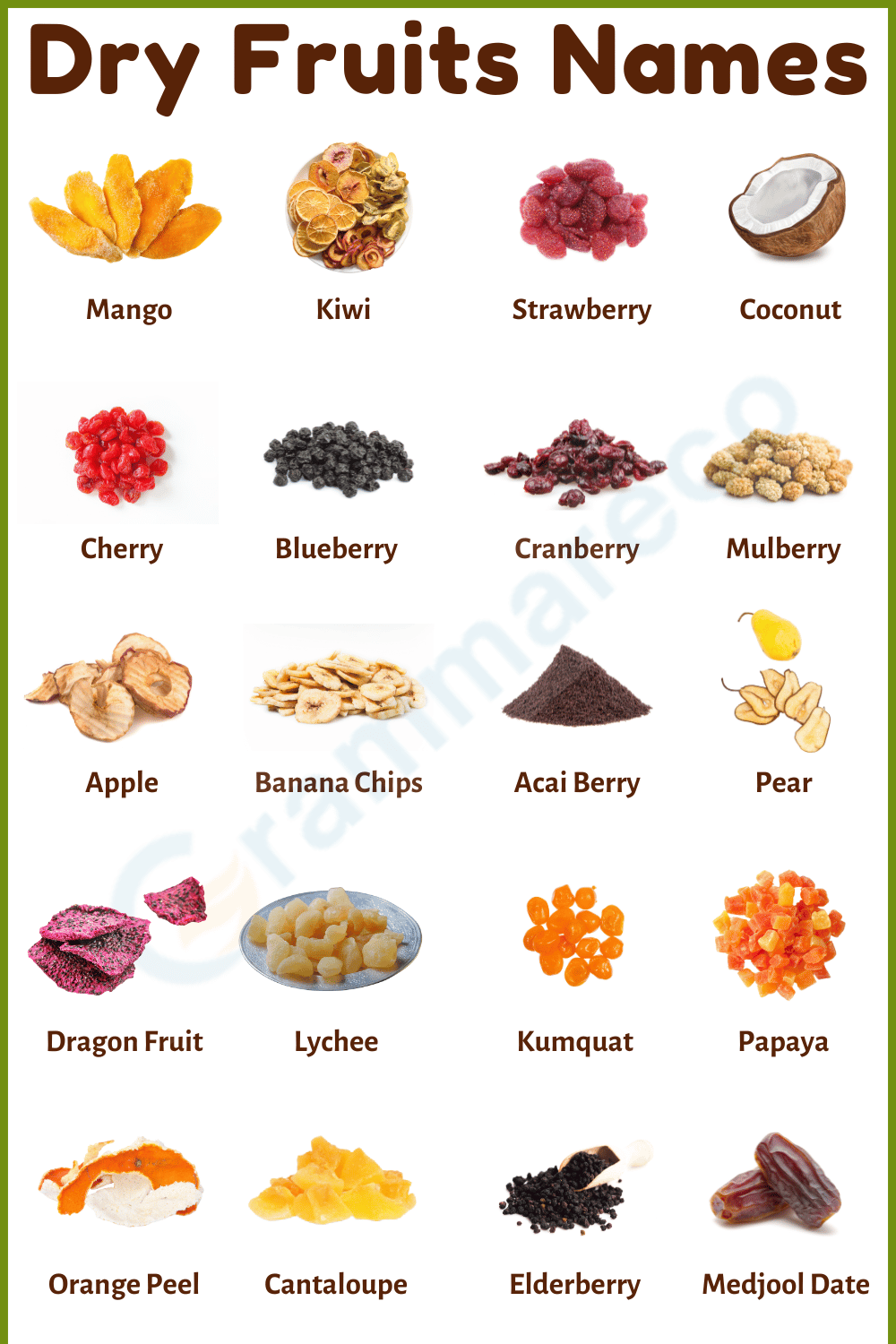
Learn a list of dry fruits with their names and images are given below for better learning:
- Kiwi
- Mango
- Coconut
- Banana Chips
- Apple
- Pear
- Lychee
- Dragon Fruit
- Papaya
- Cantaloupe
- Orange Peel
- Medjool Date
- Strawberry
- Acai Berry
- Kumquat
- Elderberry
- Blueberry
- Cherry
- Mulberry
- Cranberry
List of Types of Dry Fruits with Pictures
Below is a list emphasizing commonly known dry fruits.
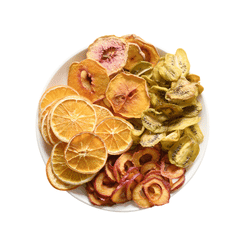
- Dry Kiwi Fruit
A small green fruit with fuzzy skin, tangy-sweet flavor, rich in vitamin C and fiber.
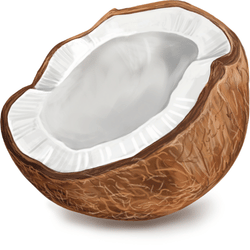
- Coconut
A large tropical fruit with hard shell, white flesh, and refreshing water inside.
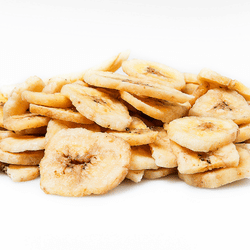
- Banana Chips
Sliced and dried or fried bananas, crunchy, sweet or savory, popular snack worldwide.
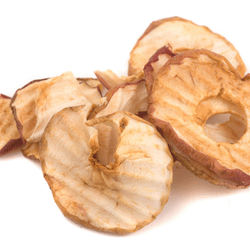
- Apple
Crisp, sweet-tart fruit eaten fresh, in desserts, juices, and salads, rich in fiber.
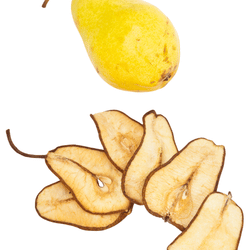
- Pear
Juicy fruit with soft flesh, sweet taste, often eaten fresh or in desserts.
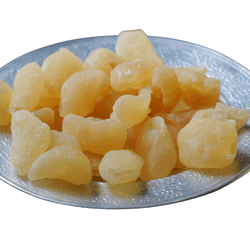
- Lychee
Small tropical fruit with rough red skin, juicy translucent flesh, sweet and fragrant flavor.
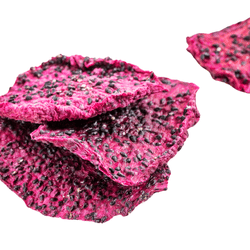
- Dry Dragon Fruit
Rare fruit with vibrant pink or white flesh, tiny black seeds, mild sweet taste.
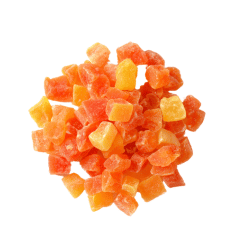
- Dried Papaya Fruit
Soft, tropical orange fruit, sweet flavor, rich in enzymes and vitamins for digestion.
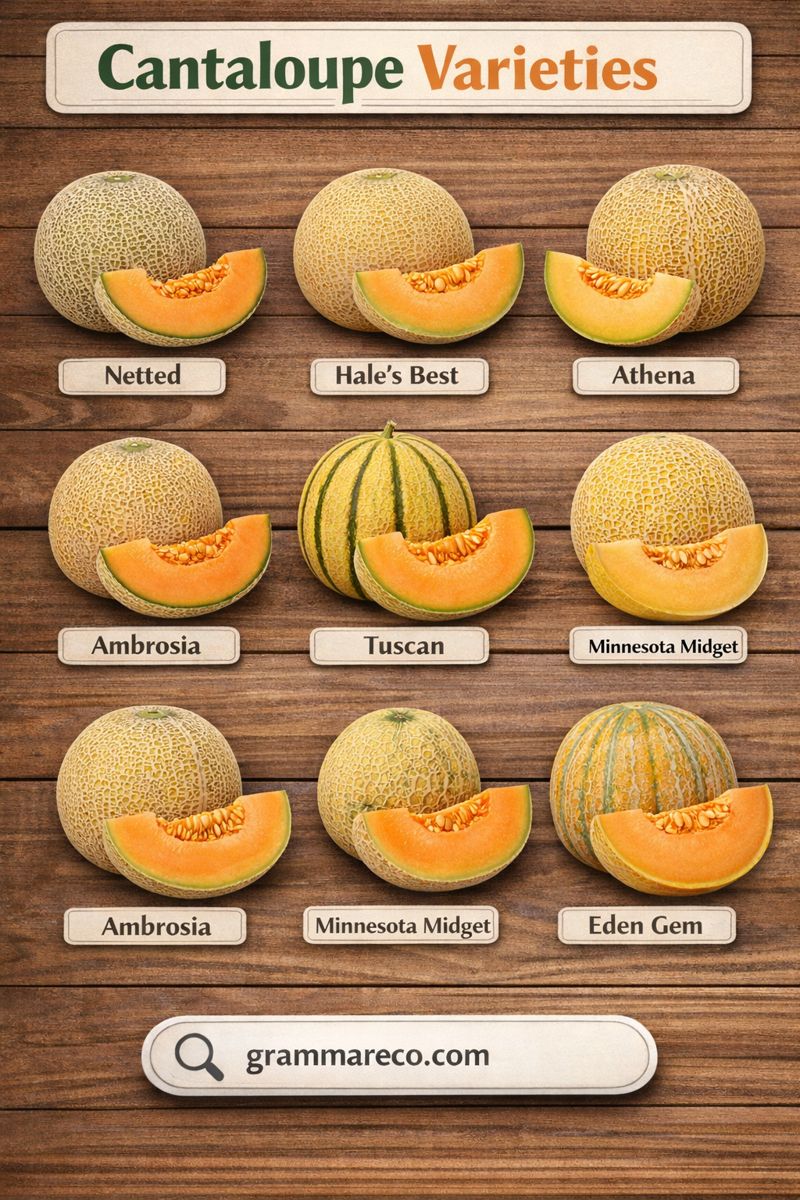
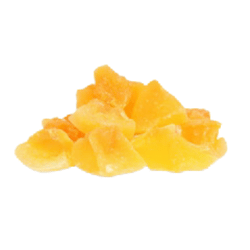
- Dried Cantaloupe
Dried Cantaloupes are sweet orange melons, juicy texture, commonly eaten fresh or in fruit salads.
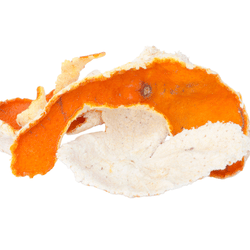
- Orange Peel
The outer skin of an orange, aromatic, used in zesting, cooking, or herbal remedies.
- Medjool Date
Large, sweet, soft dried date, high in natural sugars and energy.
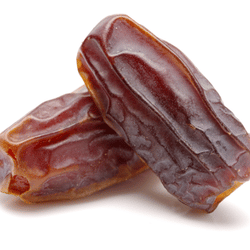
- Dried Strawberry Fruit
Small red fruit, juicy and sweet, commonly eaten fresh, in desserts, or smoothies.
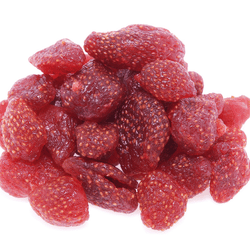
- Acai Berry Dried
Dark purple berry from the Amazon, slightly tart, known for antioxidants and health benefits.
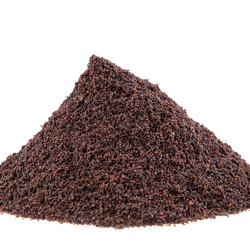
- Kumquat
Tiny citrus fruit eaten whole, sweet peel with tart flesh, rich in vitamin C.
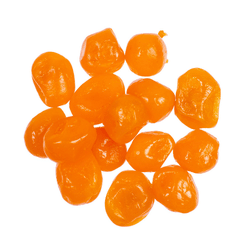
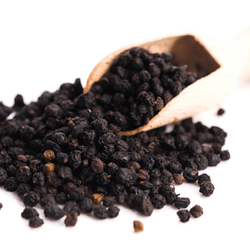
- Dried Elderberry
Small dark berries with tart flavor, often cooked into syrups, jams, or medicinal remedies.
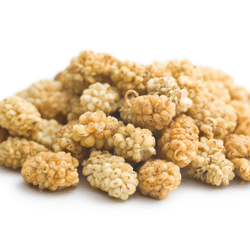
- Mulberry
Sweet, elongated berries, purple-black or red, eaten fresh or dried, rich in nutrients.
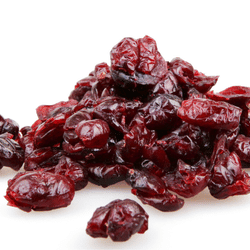
- Cranberry
Small red tart berries, used in juices, sauces, dried snacks, and baking.
All Types of Dry Fruits
Dry fruits can also be grouped by type, origin, or drying style. This helps learners connect names with categories. Below is a list of all types of dried fruits are given:
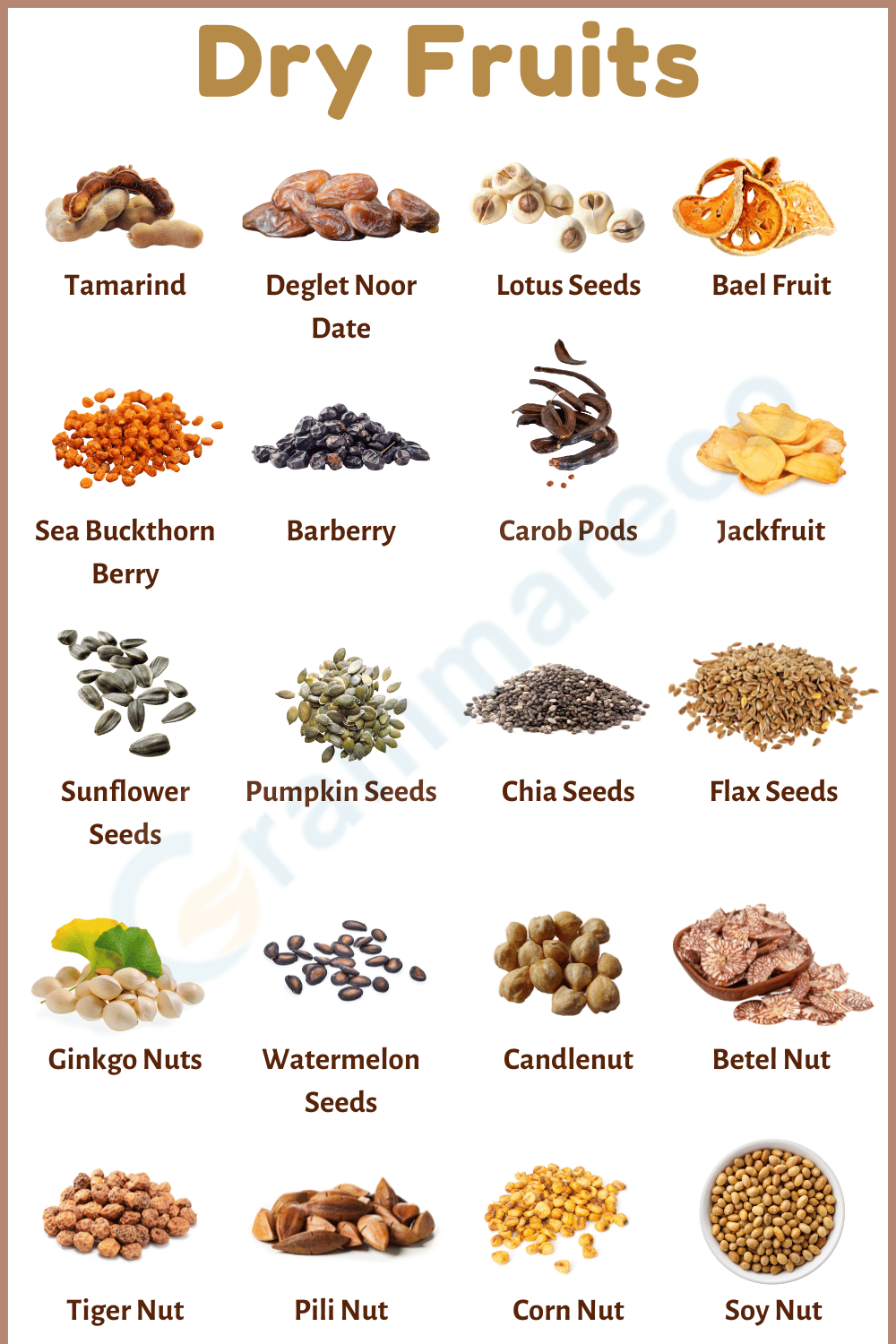
- Tamarind
- Bael Fruit
- Sea Buckthorn Berry
- Jackfruit
- Sunflower Seeds
- Flax Seeds
- Ginkgo Nuts
- Betel Nut
- Tiger Nut
- Soy Nut
- Deglet Noor Date
- Barberry
- Pumpkin Seeds
- Watermelon Seeds
- Pili Nut
- Lotus Seeds
- Carob Pods
- Chia Seeds
- Candlenut
- Corn Nut
Some dry fruits are sun dried, while others are mechanically dehydrated or freeze dried. Names remain consistent, but texture and appearance change slightly.
Dry Fruits Names and their Photos with Information
Below is a detailed list of dried fruits names with short explanations.
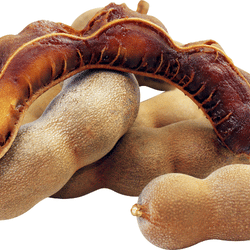
- Tamarind
Tangy brown pod fruit, used in sauces, drinks, cooking, and traditional remedies.
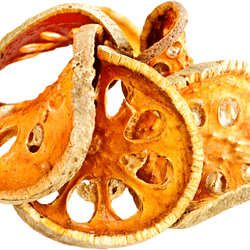
- Bael Fruit
Hard-shelled tropical fruit with sweet pulp, eaten fresh or in drinks.
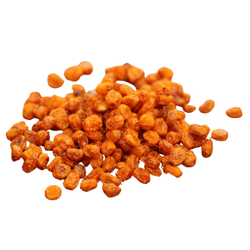
- Sea Buckthorn Berry
Bright orange tart berries, rich in vitamin C and antioxidants, used in juices.
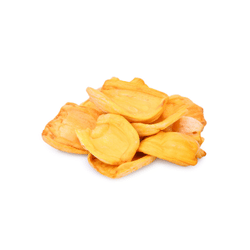
- Dried Jackfruit Fruits
Large tropical fruit, sweet when ripe, eaten fresh or cooked unripe as vegetable.
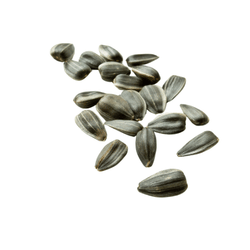
- Sunflower Seeds
Nutty edible seeds, eaten raw, roasted, or used in baking and snacks.
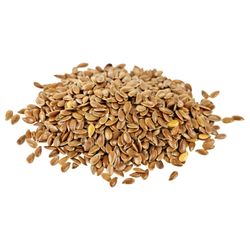
- Flax Seeds
Tiny seeds rich in omega-3 and fiber, used in cereals or baking.
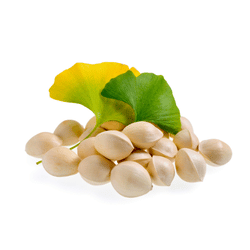
- Ginkgo Nuts
Seeds from ginkgo tree, mildly bitter, used in Asian cooking and medicine.
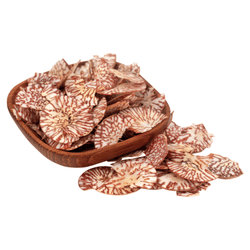
- Betel Nut
Seed of areca palm, chewed traditionally, mild stimulant, culturally used in Asia.
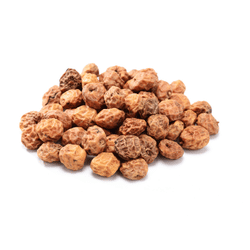
- Tiger Nut
Small sweet tuber, high in fiber, eaten raw, roasted, or as milk.
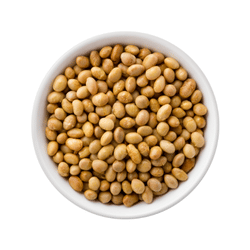
- Soy Nut
Roasted soybean snack, crunchy, high protein, eaten as healthy alternative to peanuts.
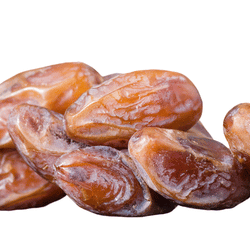
- Deglet Noor Date
Soft golden date, sweet flavor, eaten fresh or used in baking recipes.
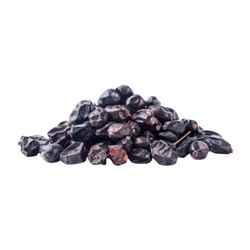
- Barberry
Small red tart berries, used in cooking, sauces, and herbal remedies.
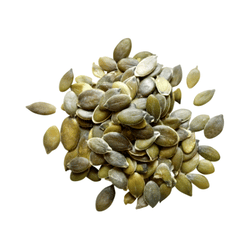
- Pumpkin Seeds
Green flat seeds, roasted or raw, rich in protein, zinc, and healthy fats.
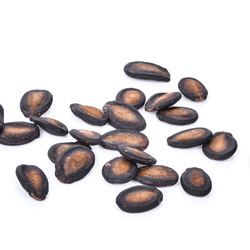
- Watermelon Seeds
Edible seeds, roasted or raw, crunchy snack, nutrient-rich and high in protein.
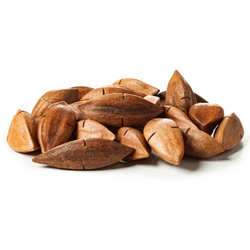
- Pili Nut
Buttery nut, rare and nutrient-rich, used in snacks and desserts.
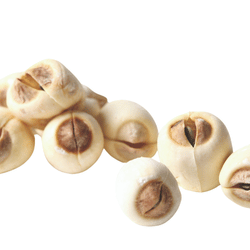
- Lotus Seeds
Nutty seeds from lotus pods, eaten raw, roasted, or in traditional desserts.
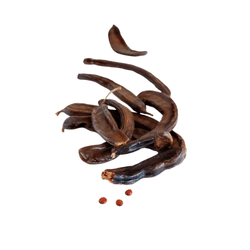
- Carob Pods
Sweet brown pods, chocolate substitute, eaten directly or powdered in recipes.
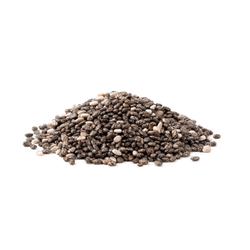
- Chia Seeds
Tiny nutrient-rich seeds, high in fiber, omega-3, and antioxidants, used in foods.
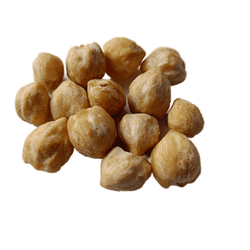
- Candlenut
Oil-rich nut, used in cooking as spice or thickening ingredient.
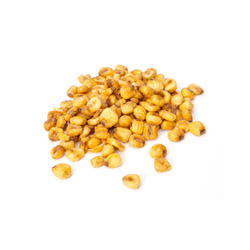
- Corn Nut
Crunchy roasted or fried corn kernels, eaten as snack or flavor enhancer.
Unsweetened Dried Fruits with Names
Unsweetened dried fruits are fruits that have been dehydrated naturally or through low-heat processes without the addition of sugar, syrups, or artificial sweeteners. They retain most of their natural nutrients, fiber, and flavors, making them a healthy, concentrated snack or ingredient for cooking, baking, and cereals.
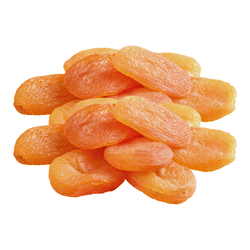
- Dried Apricots: Soft and naturally tangy dried fruit, rich in vitamin A, potassium, and dietary fiber; supports eye health and digestion.
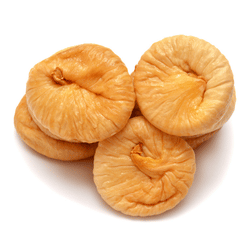
- Fig Dried Fruit: Naturally sweet with a chewy texture, high in fiber, calcium, and iron; helps maintain digestive health and strong bones.
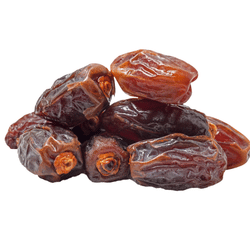
- Dried Dates: Sticky, naturally sweet fruit with a caramel-like taste, packed with potassium, magnesium, and antioxidants; boosts energy and heart health.
- Dried Raisins: Sweet, small dried grapes rich in iron, potassium, and natural sugars; aid digestion and provide quick energy.
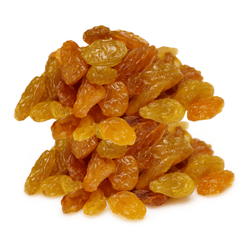
- Dried Fruit Mango: Tropical, naturally sweet fruit with a chewy texture; rich in vitamin A, vitamin C, and antioxidants to support immunity and eye health.
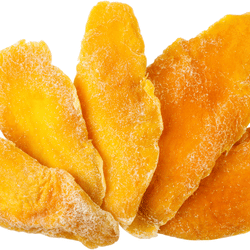
- Dried Blueberries: Tiny, sweet-tart berries high in antioxidants, vitamin C, and fiber; known for supporting brain function and heart health.
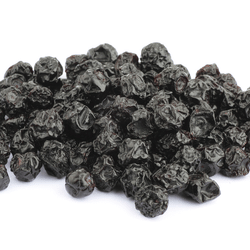
- Dried Cherries: Sweet-tart, chewy fruit packed with antioxidants and anthocyanins; helps reduce inflammation and improve cardiovascular health.
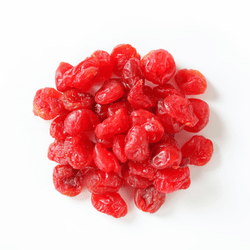
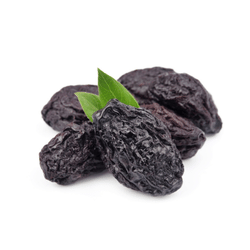
- Dried Prunes: Chewy dried plums known for their digestive benefits; high in fiber, potassium, and antioxidants, promoting gut health and bone strength.
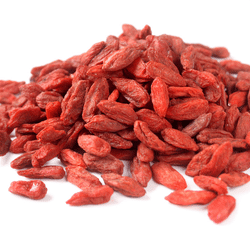
- Dried Goji Berries: Bright red dried berries rich in antioxidants, vitamin C, and beta-carotene; promotes immunity, eye health, and longevity.
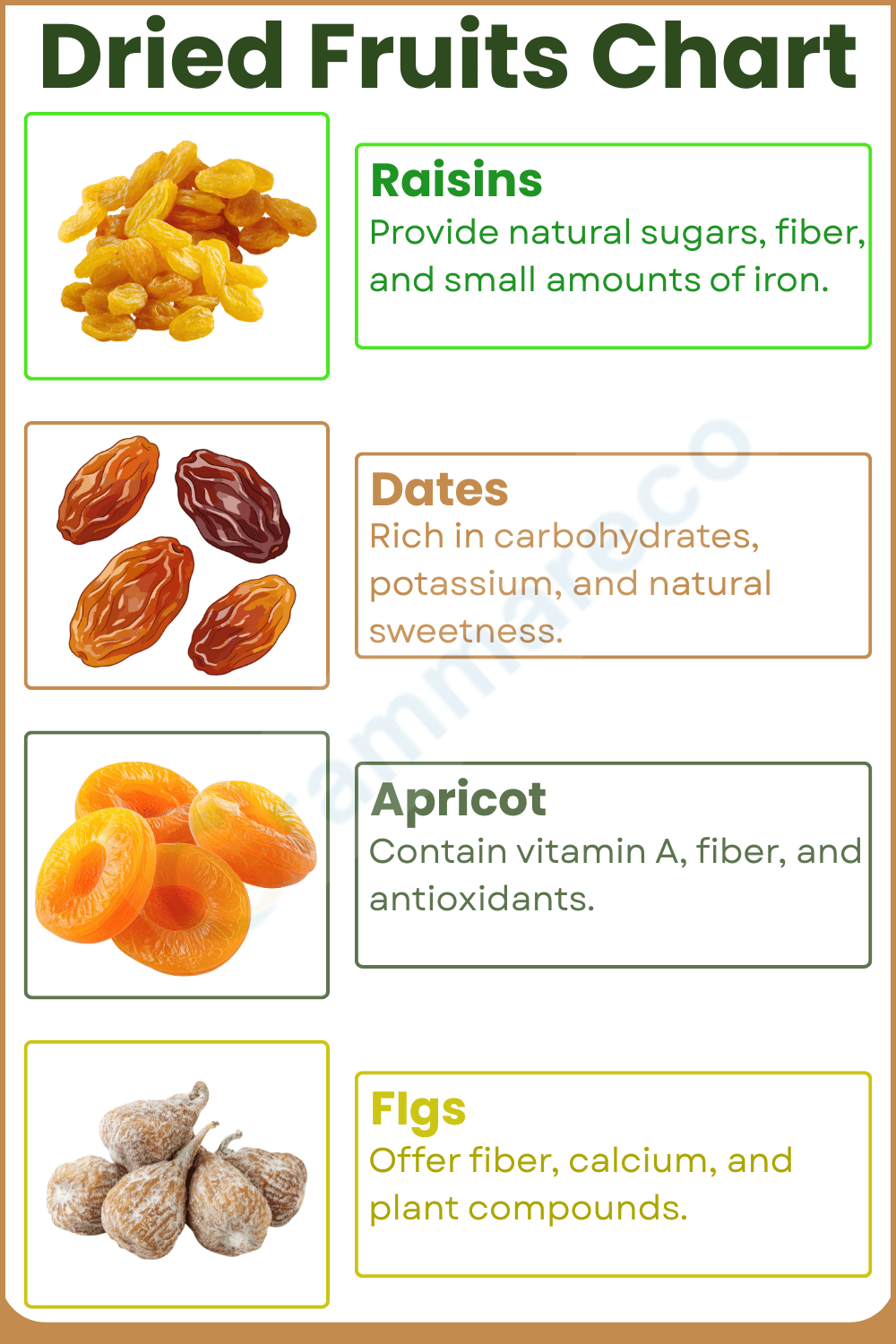
Dried Fruits Key Benefits Chart and Nutritional Value
Below is a table explaining names and nutritional value of dried fruits.
| Name | Nutritional Value of Dry Fruits and benefits of eating |
|---|---|
| Raisins | Provide natural sugars, fiber, and small amounts of iron. |
| Dates | Rich in carbohydrates, potassium, and natural sweetness. |
| Apricots | Contain vitamin A, fiber, and antioxidants. |
| Figs | Offer fiber, calcium, and plant compounds. |
| Prunes | Known for fiber content and digestive support. |
| Cranberries | Supply antioxidants and vitamin C. |
| Mango | Provide vitamin A and natural energy. |
| Apples | Offer fiber and mild natural sugars. |
| Bananas | Contain potassium and carbohydrates. |
| Blueberries | Provide antioxidants and plant nutrients. |
How to freeze dry fruits for future use?
Freeze drying removes moisture by freezing fruit first, then reducing surrounding pressure. This allows frozen water to change directly into vapor without heating. Below is an explanation of how freeze drying affects fruit texture and storage.
Freeze dried fruits stay lightweight and crisp while keeping original shape and color. They last longer than air dried fruits and rehydrate quickly. This method is often used for berries, apples, and tropical fruits.
How to dry a fruit?
Drying a fruit can be done using sunlight, ovens, or dehydrators. Each method removes moisture slowly to prevent spoilage. Below is a brief explanation of fruit drying basics.
Fruits are washed, sliced evenly, and dried at low temperatures. Proper airflow matters because trapped moisture can cause mold. Drying time depends on fruit thickness and sugar level.
How long does dried fruit last?
Shelf life depends on drying method and storage conditions. Below is a simple explanation to help understand storage timelines.
Most dried fruits last several months in airtight containers. Freeze dried fruits can last years when sealed properly. Heat, light, and moisture reduce storage life.
FAQs About Dry Fruits Names
Yes, freeze dried fruit is healthy. It keeps most of its vitamins, minerals, and fiber because water is removed without heat. It has no added sugar if plain and tastes like fresh fruit.
Some of the healthiest dried fruits include dates, raisins, dried apricots, dried figs, and prunes. They provide natural energy, fiber, iron, and antioxidants. These fruits support digestion and overall health when eaten in small portions.
Freeze dried fruit is considered healthy because it preserves natural nutrients and flavor. It is lightweight, long-lasting, and usually free from preservatives. However, portion control is important since it is easy to eat more than fresh fruit.
Yes, a date is a dried fruit. Dates are naturally dried on the date palm tree or further dried after harvesting. They are sweet, chewy, and rich in fiber, potassium, and natural sugars, making them a popular energy-boosting fruit.
You can make dried fruit at home by slicing fresh fruit and drying it using sunlight, an oven, or a food dehydrator. Keep the temperature low and dry slowly until moisture is removed. Store the dried fruit in airtight containers.
Yes, dried fruit can go bad over time. If exposed to air, heat, or moisture, it may spoil or grow mold. Proper storage in a cool, dry place and sealed container helps dried fruit last longer and stay safe to eat.
Read more