

Types of bikes vary according to their design, wheel size, riding position, and intended use. Some bicycles are built for paved roads, while others handle rough trails, steep hills, or daily travel. Electric bicycles add a motor to assist pedaling, and children’s bikes use smaller frames to suit growing riders. Knowing the main bicycle types helps readers understand their differences, features, and common uses.
Understanding the different types of bikes also makes it easier to discuss bicycle choices, sports, transportation, and children’s cycling. The following sections explain common bike names and their defining features.
What Are Types of Bikes With Examples?
Bike types are categories of bicycles names designed for different riding conditions and purposes. Their frames, tires, gears, handlebars, and braking systems vary depending on how each bicycle is used.
For instance, road bikes are built for paved surfaces, while mountain bikes handle rough trails. Hybrid bikes combine features of road and mountain bicycles, making them suitable for several everyday activities.
A Handy List of Types of Bikes With Names
Bicycles come in many designs, from lightweight racing models to sturdy off-road options. Below is a list of common bike types and related bicycle styles.
- Road Bike
- Mountain Bike
- Hybrid Bike
- Gravel Bike
- Cyclocross Bike
- Touring Bike
- Commuter Bike
- City Bike
- Cruiser Bike
- Folding Bike
- Electric Bike
- Fat Bike
- BMX Bike
- Track Bike
- Fixed-Gear Bike
- Single-Speed Bike
- Tandem Bike
- Recumbent Bike
- Cargo Bike
- Utility Bike
- Adventure Bike
- Endurance Road Bike
- Racing Bike
- Triathlon Bike
- Time-Trial Bike
- Cross-Country Bike
- Trail Bike
- Enduro Mountain Bike
- Downhill Bike
- Dirt Jump Bike
- Slopestyle Bike
- Bikepacking Bike
- Belt-Drive Bike
- Step-Through Bike
- Balance Bike
- Kids’ Bike
- Tricycle
- Handcycle
- Adaptive Bike
- Pedicab
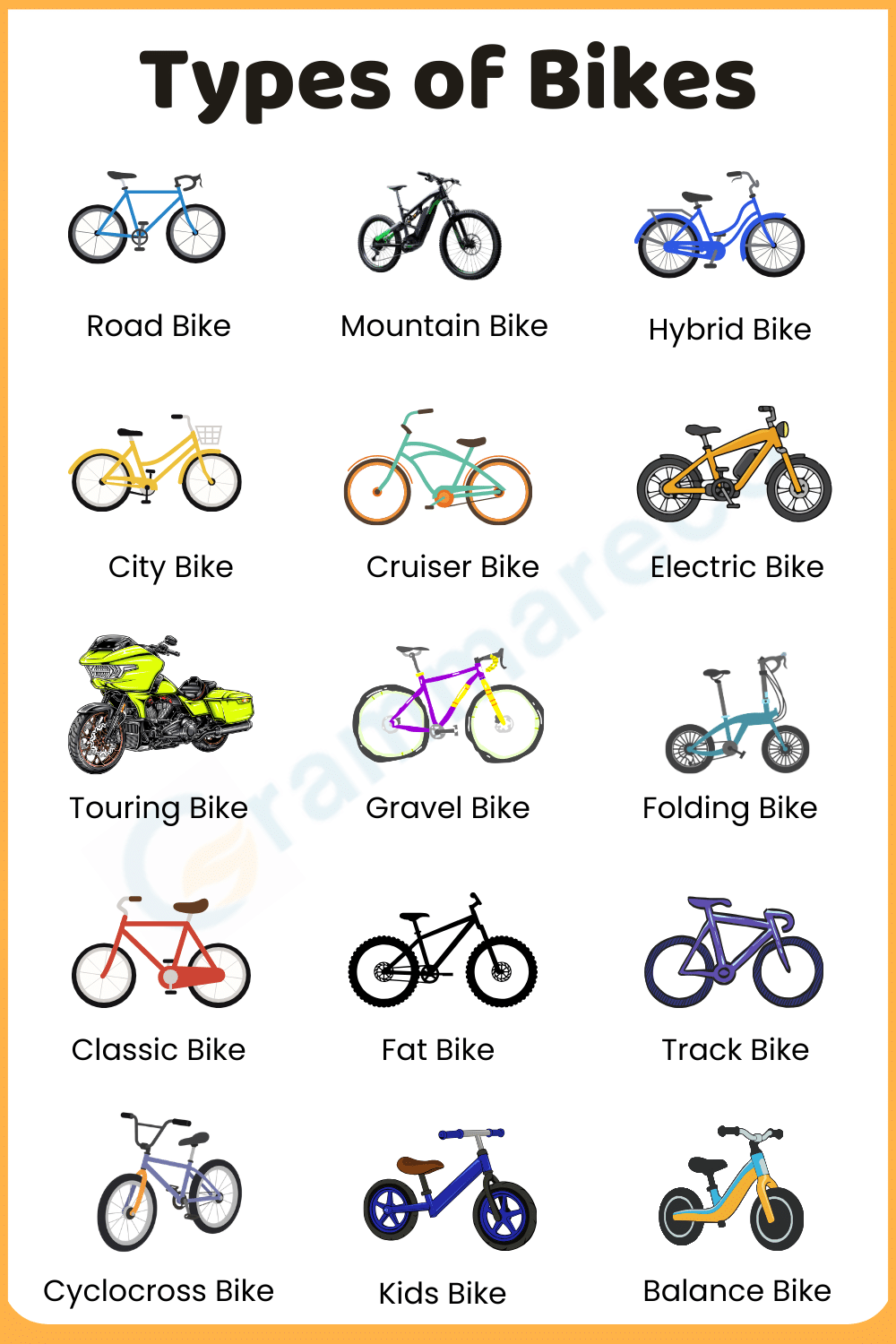
Types of Bikes with Names and Pictures
Different bicycle categories have distinct designs that suit specific riding conditions. Understanding their main features helps distinguish similar-looking bikes and explains why riders choose particular models.
Names of Road and Racing Bikes
Road and everyday bikes are designed for commuting, paved roads, and regular transportation. Depending on the model, they may prioritize speed, comfort, fuel efficiency, or ease of handling.
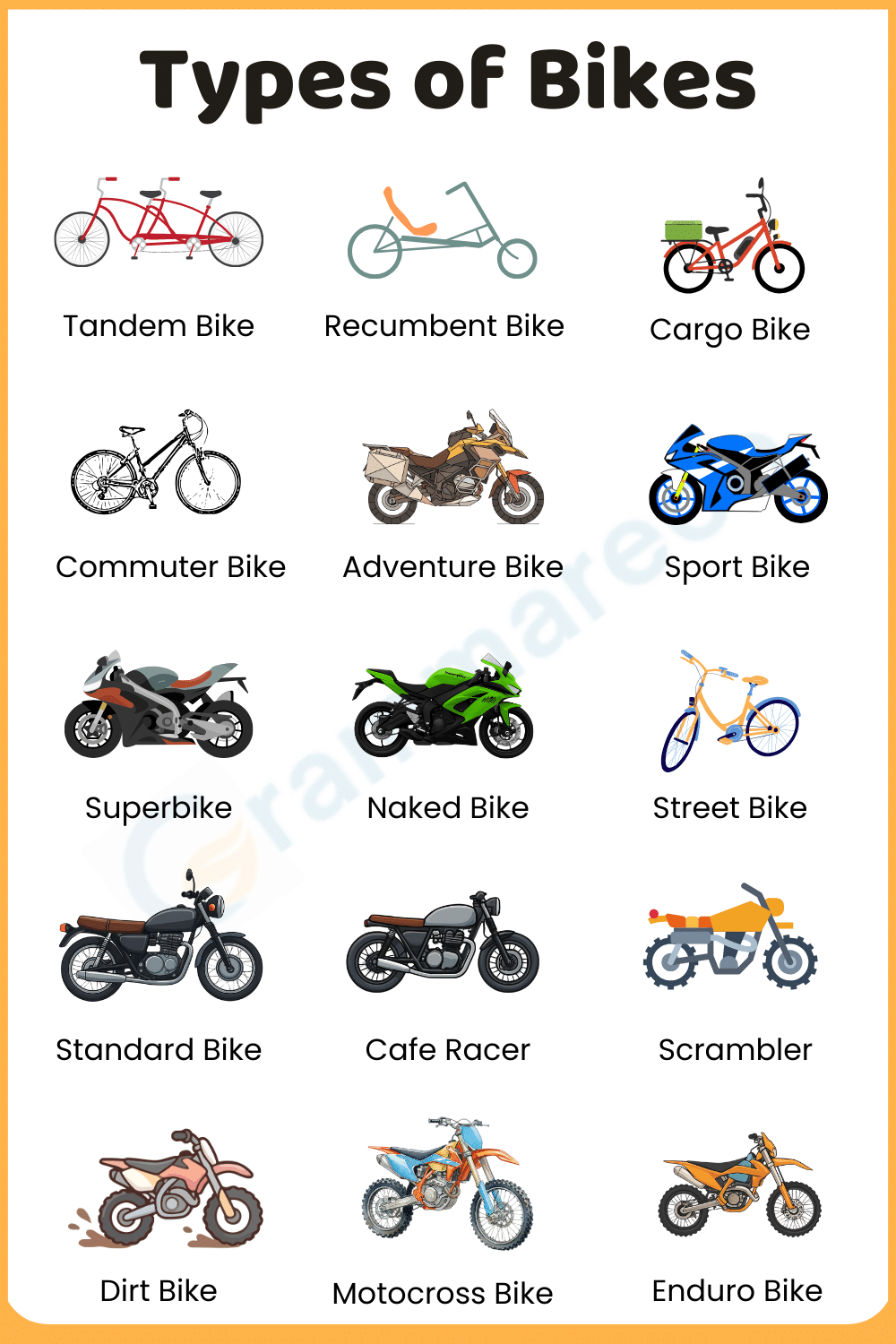
- Road Bike: A road bike features lightweight construction, narrow tires, and drop handlebars, making it suitable for fast cycling, fitness training, and long-distance rides on paved roads.
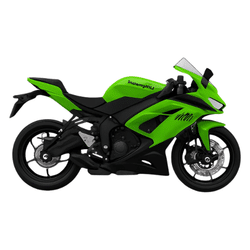
- Sport Bike: A sport bike is designed for speed, sharp handling, and responsive performance. Its aerodynamic bodywork and forward-leaning riding position suit performance-focused motorcycle riders.
- Superbike: A superbike is a high-performance motorcycle with a powerful engine, advanced braking systems, and sporty handling, making it suitable for track racing and fast road riding.
- Track Bike: A track bike is built for velodrome racing and typically features a fixed-gear drivetrain, lightweight frame, and simple design for controlled, competitive cycling.
- Cafe Racer: A cafe racer is a retro-styled motorcycle with a slim profile, minimalist bodywork, and sporty riding position, appealing to riders who appreciate classic design and road performance.
Names of Types of Mountain Bikes
Mountain and off-road bikes are built for uneven terrain, dirt tracks, rocky paths, and other surfaces that require additional traction or durability. Their designs vary according to speed, suspension, and the difficulty of the terrain.
- Mountain Bike: A mountain bike features durable construction, wide tires, and often suspension to handle rocky trails, forest paths, steep climbs, and challenging off-road terrain.
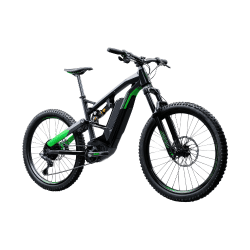
- Fat Bike: A fat bike uses extra-wide tires that provide improved traction and stability on sand, snow, loose gravel, and other soft or uneven surfaces.
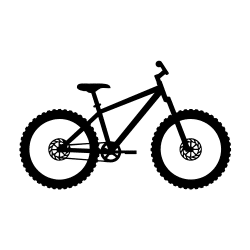
- Dirt Bike: A dirt bike is a lightweight off-road motorcycle with knobby tires, long-travel suspension, and high ground clearance for riding on dirt tracks and rugged trails.
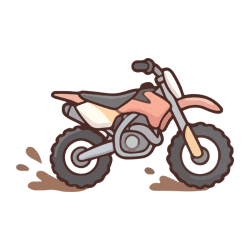
- Enduro Bike: An enduro bike is designed for demanding off-road riding, combining suspension travel, durable components, and controlled handling for steep descents and technical trails.
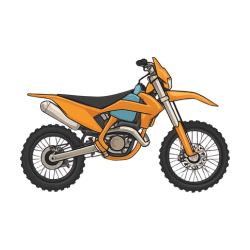
- Motocross Bike: A motocross bike is built for closed-course racing on dirt tracks with jumps, berms, and uneven surfaces. It features strong suspension and a lightweight frame.
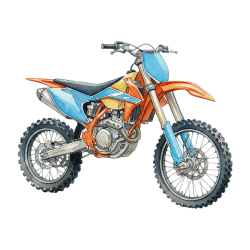
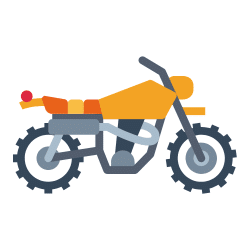
- Scrambler: A scrambler is a motorcycle with retro styling, raised exhausts on some models, and off-road-inspired tires, making it suitable for paved roads and light trails.
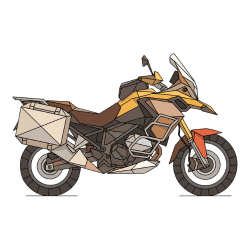
- Adventure Bike: An adventure bike is designed for long journeys across paved roads and rough terrain, offering comfortable ergonomics, durable construction, and luggage-carrying options for touring.
City and Commuting Bikes Names
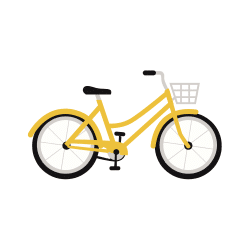
- City Bike: A city bike offers an upright riding position, practical features, and comfortable handling for everyday travel, shopping trips, and short journeys through urban streets.
- Commuter Bike: A commuter bike is designed for regular travel between home and work, often featuring reliable components, comfortable geometry, and accessories such as lights, fenders, and racks.
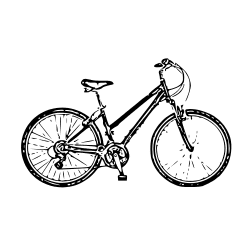
- Hybrid Bike: A hybrid bike combines features of road and mountain bikes, offering versatile tires, comfortable handlebars, and practical performance for commuting, fitness rides, and recreational cycling.
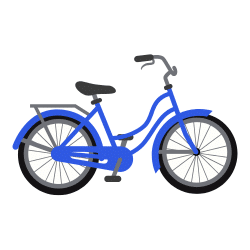
- Street Bike: A street bike is a motorcycle intended mainly for public roads, offering practical handling, road-ready tires, and a design suited to everyday transportation and leisure rides.
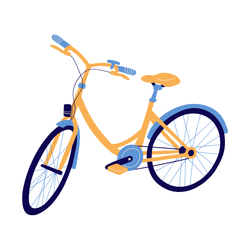
- Folding Bike: A folding bike has a collapsible frame or folding components that make storage and transportation easier, especially for commuters using trains, buses, or compact living spaces.
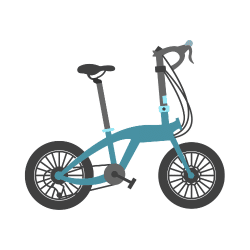
- Electric Bike: An electric bike uses a battery-powered motor to assist pedaling or provide propulsion, depending on its design, helping riders manage hills, longer commutes, and daily journeys.
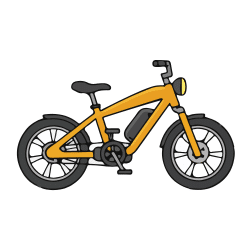
Comfort and Leisure Bikes
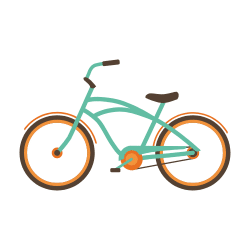
- Cruiser Bike: A cruiser bike features wide tires, swept-back handlebars, and a comfortable seat, making it ideal for relaxed rides along beaches, paved paths, and flat neighborhood streets.
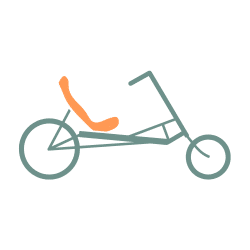
- Recumbent Bike: A recumbent bike places the rider in a reclined position with forward-mounted pedals, providing back support and a relaxed riding posture for recreational cycling and longer journeys.
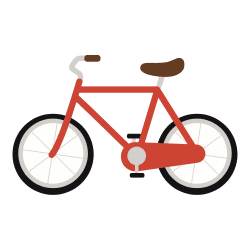
- Classic Bike: A classic bike features traditional styling, simple lines, and vintage-inspired details. It may be an older bicycle or motorcycle or a modern retro-style model.
- Standard Bike: A standard bike, commonly referring to a standard motorcycle, features an upright riding position, balanced ergonomics, and straightforward design for commuting, casual trips, and general road use.
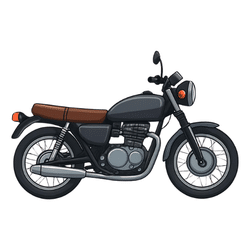
- Naked Bike: A naked bike is a motorcycle with minimal bodywork, an exposed engine, and an upright riding position, offering versatile road performance and a simple, muscular appearance.
Kids’ Bikes Names with Pictures
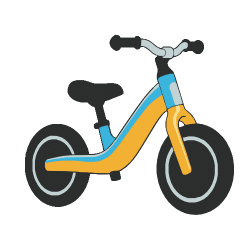
- Balance Bike: A balance bike is a pedal-free bicycle for young children. Kids push along with their feet to develop balance, steering, and coordination before learning to pedal.
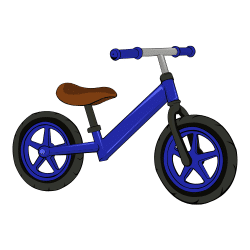
- Kids Bike: A kids bike is designed for children’s size and abilities, featuring a smaller frame, suitable wheel size, and manageable controls to support safe, comfortable learning and recreational riding.
Utility and Transport Bikes
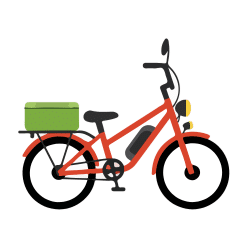
- Cargo Bike: A cargo bike is designed to carry groceries, packages, equipment, or children using sturdy racks, extended frames, or cargo boxes, making it useful for transport and deliveries.
- Touring Bike: A touring bike is built for long-distance cycling with a durable frame, comfortable geometry, and luggage mounts, allowing riders to carry supplies on extended trips.
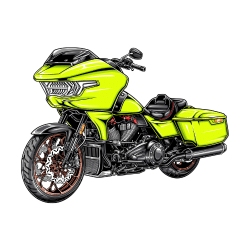
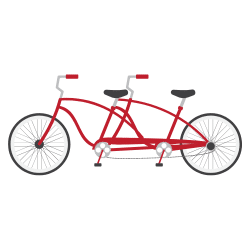
- Tandem Bike: A tandem bike accommodates two or more riders on one bicycle, with multiple seating positions and pedal sets, making it suitable for shared rides and cycling adventures.
Gravel and Mixed-Terrain Bikes
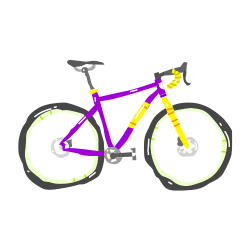
- Gravel Bike: A gravel bike combines drop handlebars, wider tires, and stable geometry to handle paved roads, gravel tracks, and light trails, making it ideal for adventure cycling.
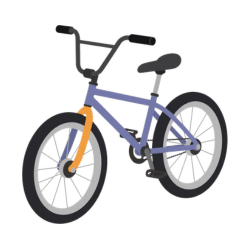
- Cyclocross Bike: A cyclocross bike is designed for competitive racing on muddy, grassy, and uneven courses, featuring knobby tires, responsive handling, and a lightweight frame for quick maneuvering.
Types of Electric Bikes With Names
Electric bikes use a battery-powered motor to assist the rider, usually while pedaling. Some models also provide a throttle, depending on their design and local regulations. Below are common types of electric bicycles.
- Electric Mountain Bike: Combines mountain bike features with motor assistance for climbing hills and riding trails.
- Electric Road Bike: Uses a lightweight frame and motor assistance for road cycling and longer paved rides.
- Electric Hybrid Bike: Combines everyday comfort with motor assistance for commuting and recreational cycling.
- Electric Commuter Bike: Designed for regular travel to work, school, or other nearby destinations.
- Electric City Bike: Provides motor assistance for urban travel, often with an upright riding position.
- Electric Cruiser Bike: Offers a relaxed riding position and motor assistance for casual rides.
- Electric Folding Bike: Folds for easier storage and transport while providing battery-powered assistance.
- Electric Cargo Bike: Carries groceries, packages, or children with assistance from an electric motor.
- Electric Fat Bike: Uses wide tires and motor assistance for sand, snow, and loose surfaces.
- Electric Gravel Bike: Combines gravel-ready tires with motor assistance for mixed-surface rides.
- Electric Trekking Bike: Designed for longer recreational journeys, often with racks, lights, and practical accessories.
- Electric Touring Bike: Provides motor assistance for long rides, including trips with luggage.
- Electric Tandem Bike: Allows two riders to travel together with electric assistance.
- Electric Tricycle: Uses three wheels and a motor to provide assisted riding with a different balance design.
FAQs About Types of Bikes
The main types of bikes include road bikes, mountain bikes, hybrid bikes, gravel bikes, cruiser bikes, BMX bikes, folding bikes, and electric bikes.
A hybrid bike is a practical choice for everyday riding because it offers comfortable handling on paved roads, neighborhood streets, and light trails.
Road bikes have narrow tires and lightweight frames for paved surfaces. Mountain bikes have wider tires, stronger frames, and designs suited to rough trails.
An electric bike uses a battery-powered motor to assist pedaling. A regular bicycle relies on the rider’s physical effort to move forward.
Balance bikes suit young beginners who are learning to balance. Older children can use pedal bikes, BMX bikes, or mountain bikes, depending on their size and riding ability.
Summary of Bike Types
Bikes differ in frame design, tire width, riding position, drivetrain, and intended use. Road bikes suit paved routes, mountain bikes handle trails, and hybrid bikes combine features for everyday riding. Electric bikes add motor assistance, while children’s bikes are designed around smaller riders and their developing skills.
Read more