
Winter brings a variety of fresh fruits that thrive in colder climates and offer unique flavors. Many of these fruits are rich in vitamins, antioxidants, and natural sweetness that can brighten your winter meals. Seasonal fruits like oranges, pomegranates, and kiwis are commonly enjoyed during this time. Learning about winter fruits helps you recognize them in stores, markets, or home gardens.
In this post, you will learn about the main types of winter fruits, their seasonal availability, nutritional benefits, and how to select the freshest ones.
What are winter fruits?
Winter fruits are those that grow and ripen in cold months. They are adapted to shorter daylight and lower temperatures. Many are citrus fruits, berries, and stone fruits. They often provide concentrated nutrients because their growth is slower during the colder season.
These fruits are commonly found in supermarkets and local markets during winter. They include popular items like oranges, persimmons, and kiwis. Learning what qualifies as a winter fruit can help you choose healthier snacks all season.
What fruits are in winter season?
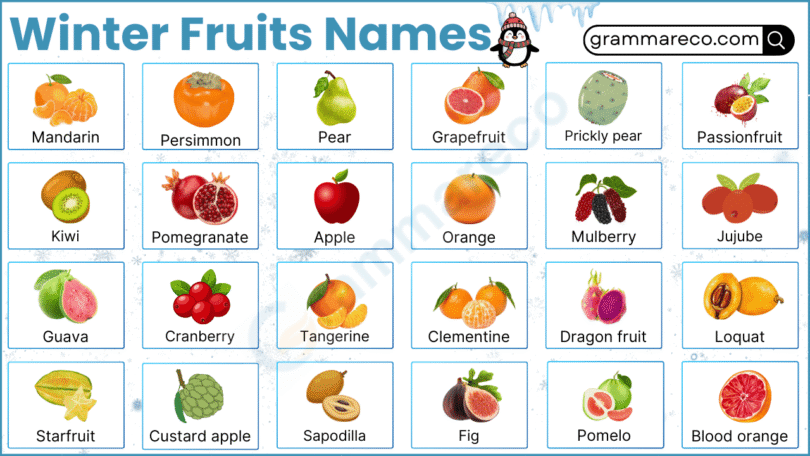
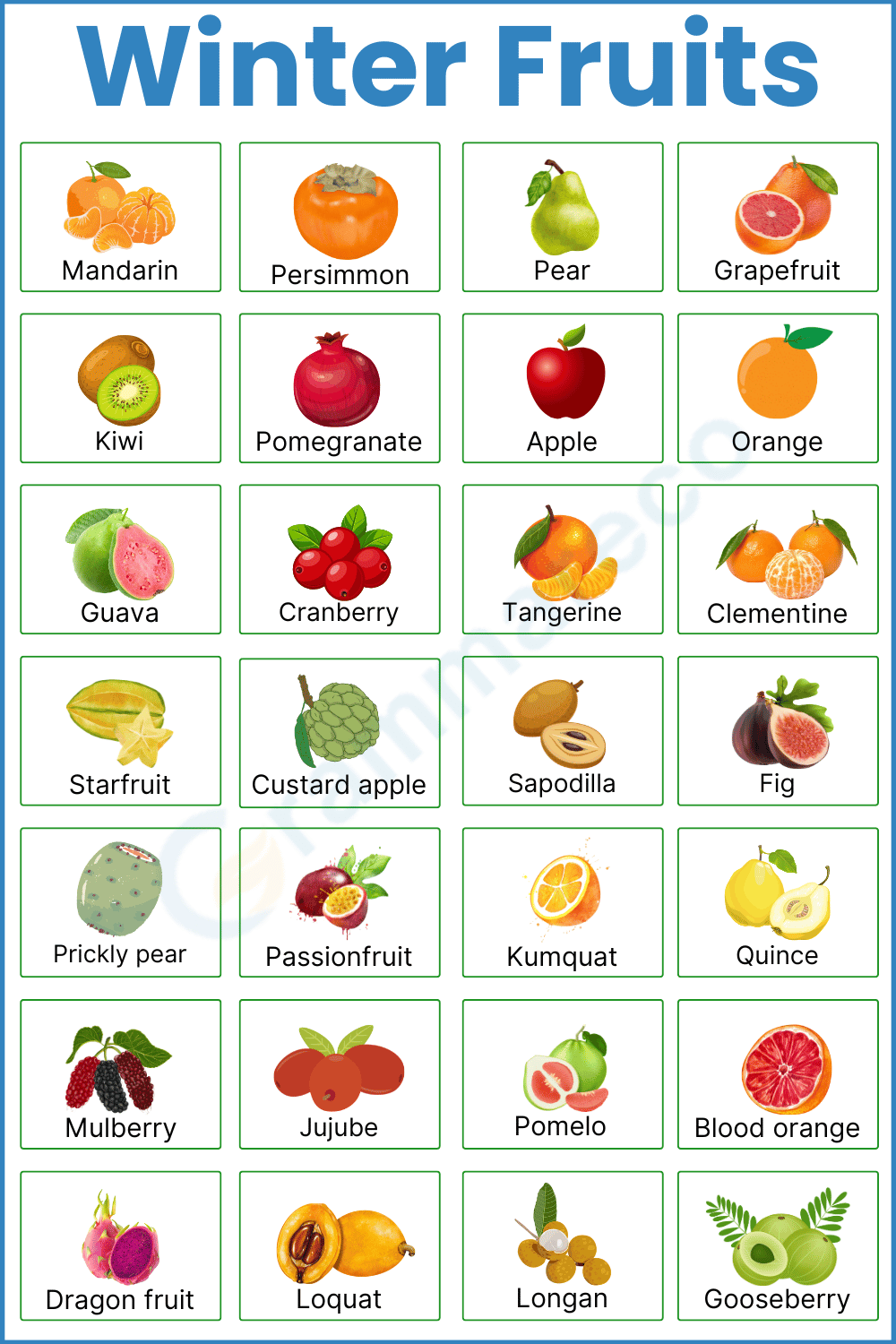
Winter fruits vary by region, but several appear worldwide. Many are rich in vitamin C and fiber, making them ideal for immunity and digestion. Seasonal fruits include Oranges, Grapefruits, Tangerines, Pears, Kiwis, Pomegranates, Guavas and many more. Below are winter fruits names explained each with information and pictures.
Popular Winter Fruit Around the World
Many winter fruits are enjoyed globally. Countries with colder climates produce specific fruits, while tropical regions provide others. Learning their names helps understand local cuisine and culture.
- Pomelo
- Sapodilla
- Kumquat
- Custard apple
- Passionfruit
- Tangerine
- Cranberry
- Loquat
- Jujube
- Longan
- Pears
- Persimmon
- Grapefruit
- Starfruit
- Prickly pear
- Guava
- Mulberry
- Clementine
These fruits are perfect for fresh snacks, juices, or winter desserts, and many can be stored for weeks if kept properly.
Winter Fruits and Photos with Facts
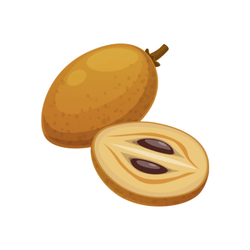
- Sapodilla
Sweet, brown tropical fruit with grainy texture, packed with energy, fiber, and antioxidants.
- Kumquat
Tiny oval citrus eaten whole, tangy-sweet flavor, high in vitamin C and immunity-boosting properties.

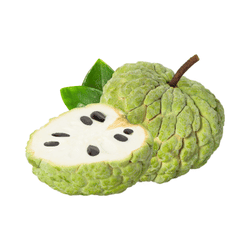
- Custard Apple
Creamy-textured fruit with sweet pulp, rich in vitamins, antioxidants, and ideal for winter diets.
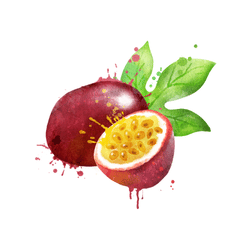
- Winter Passionfruit
Round tropical fruit with seedy, aromatic pulp, tangy-sweet taste, high in vitamins and minerals.
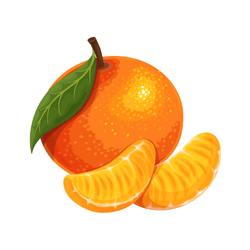
- Tangerine
Small citrus fruit, juicy and sweet, loaded with vitamin C and ideal for immune support.
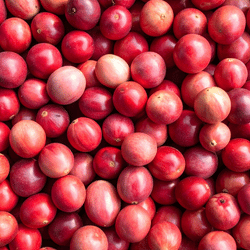
- Cranberry
Tart red berry, antioxidant-rich, supports urinary tract health, perfect in winter diets.
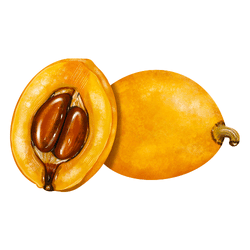
- Loquat
Yellow-orange fruit, sweet-tart flavor, high in fiber, vitamin A, and beneficial for digestion.
- Jujube
Small reddish-brown fruit, sweet and chewy, packed with vitamins, antioxidants, and natural energy.
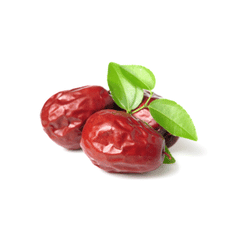
- Longan
Tropical brown fruit with translucent pulp, sweet, rich in vitamin C and immune-supporting nutrients.
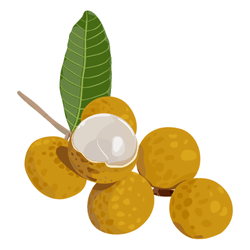
- Pears
Juicy, sweet, and crisp fruit, rich in fiber and vitamins, ideal for winter snacking.
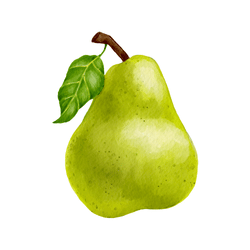
- Persimmon
Bright orange fruit, honey-sweet taste, rich in fiber, antioxidants, and seasonal health benefits.
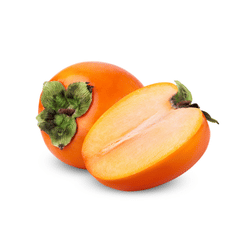
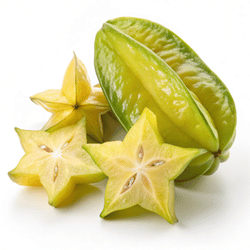
- Starfruit
Rare tropical fruit with star-shaped slices, juicy, tangy-sweet, and packed with antioxidants.
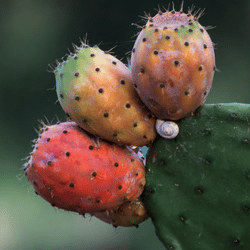
- Prickly Pear
Cactus fruit with sweet, juicy flesh, rich in fiber, vitamin C, and natural hydration.
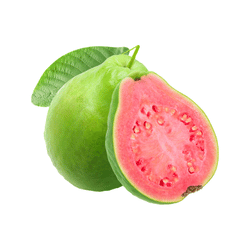
- Guava
Green or pink tropical fruit, aromatic, high in vitamin C, fiber, and immune-boosting compounds.
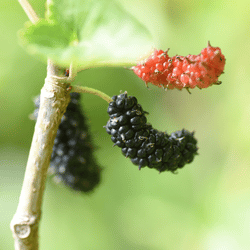
- Mulberry
Sweet, dark berries, rich in antioxidants, iron, and vitamin C, perfect for winter nutrition.
These fruits are often shown in charts or images to make recognition easier for learners and food enthusiasts.
Winter Fruit List with Pictures
Winter fruits can be grouped by type and benefits. Visual learning helps remember them better. Below is a comprehensive list:
- Fig
- Quince
- Blood orange
- Mandarin
- Gooseberry
- Dragon fruit
- Oranges
- Apple
- Pomegranate
- Kiwi
- Chokeberry
- Miracle fruit
- Wampee
- Lucuma
- Che fruit
- Red grapefruit
- Winter melon
- Sugar apple
- Soursop
- Buddha’s hand
Winter Season Fruits with Information and Benefits
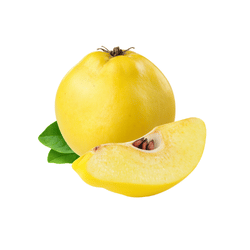
- Quince Winter Fruit
Hard, aromatic fruit with tart flavor, high in vitamin C, often cooked in winter dishes.
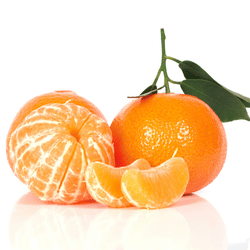
- Mandarin Fruit
Small, easy-to-peel citrus fruit, sweet and juicy, ideal for winter immunity support.
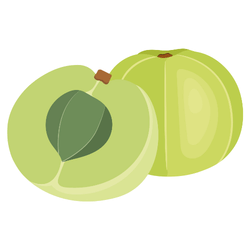
- Gooseberry
Tangy green fruit packed with vitamin C, antioxidants, and traditional winter wellness uses.
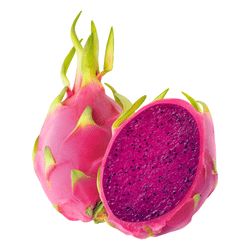
- Dragon Fruit
Bright tropical fruit with mild sweetness, rich in fiber, antioxidants, and hydration.
- Apple
Crisp and sweet fruit, rich in fiber and antioxidants, widely consumed during winter months.

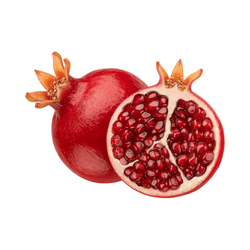
- Pomegranate
Ruby-red fruit with juicy seeds, rich in antioxidants, vitamin C, and heart-healthy compounds.
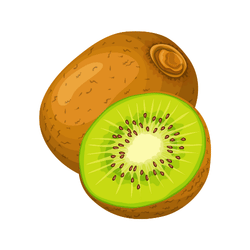
- Kiwi
Small fuzzy fruit with tangy-sweet taste, high in vitamin C and digestive enzymes.
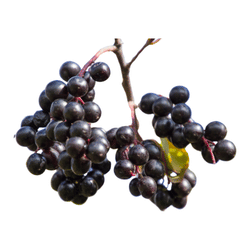
- Chokeberry
Dark purple berries with tart flavor, extremely rich in antioxidants and polyphenols.
- Miracle Fruit
Unique berry that temporarily alters taste perception, making sour foods taste sweet.

- Wampee
Small yellow fruit with sweet-tart flavor, rich in vitamin C and traditional medicinal value.
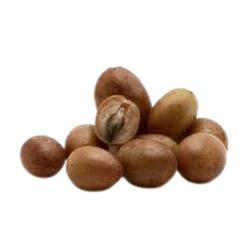
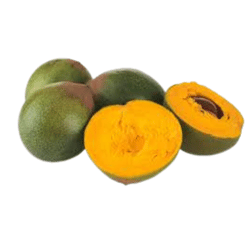
- Lucuma
Creamy, sweet Peruvian fruit, rich in antioxidants, fiber, and natural sweetness.
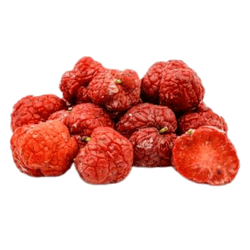
- Che Fruit
Red berry-like fruit with mild sweetness, rich in vitamin C and traditional uses.
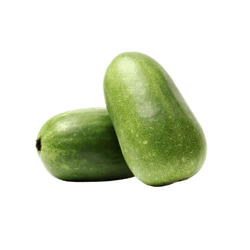
- Winter Melon
Large mild-flavored fruit, commonly used in winter soups, rich in water and nutrients.
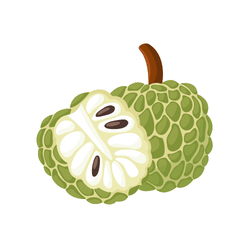
- Sugar Apple
Sweet tropical fruit with creamy pulp, rich in natural sugars and essential nutrients.
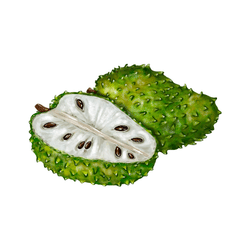
- Soursop
Large green fruit with tangy-sweet pulp, rich in antioxidants and immune-supporting compounds.
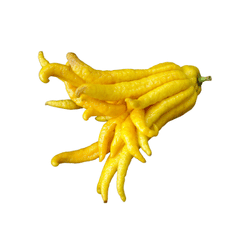
- Buddha’s Hand
Fragrant citrus fruit with finger-like segments, used for zest, aroma, and winter remedies.
This list covers most commonly eaten winter fruits worldwide. Each fruit offers unique health benefits and can be used in cooking or eaten raw.
Best Names of of Winter Fruit
Some winter fruits are considered top choices because of taste, nutrition, and availability.
- Sorb apple
- Rose apple
- Bael
- Mabolo
- Cape gooseberry
- Cloudberry
- Camu camu
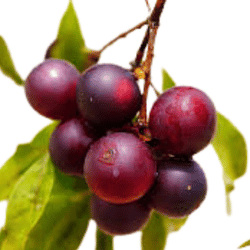
- Feijoa
- Red banana
- Langsat
- Satsuma
- Envy apple
- Indian gooseberry
- Cactus pear
- Acerola
- Salak
- Tamarillo
- Medlar
Fruits in Winter Season with Images
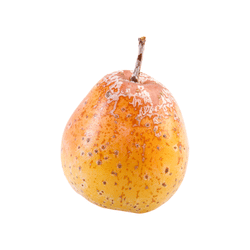
- Sorb Apple
Small tart fruit related to rowan, rich in antioxidants and traditionally used in winter preserves.
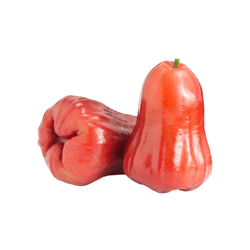
- Rose Apple
Bell-shaped fruit with crisp texture, mild sweetness, and refreshing floral aroma.
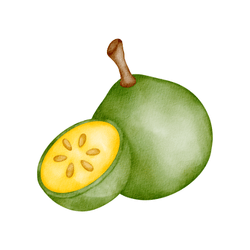
- Bael
Hard-shelled fruit with aromatic pulp, valued for digestion and traditional winter remedies.
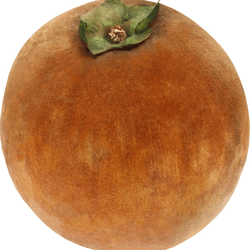
- Mabolo
Velvet-skinned fruit with creamy texture, mild sweetness, and distinctive aroma when ripe.
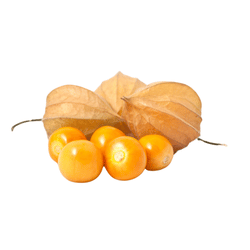
- Cape Gooseberry
Golden berry with sweet-tart flavor, rich in vitamin C and protective antioxidants.
- Cloudberry
Rare amber berry from cold regions, high in vitamin C and powerful antioxidants.
- Camu Camu
Small Amazonian berry extremely rich in vitamin C and immune-supporting compounds.
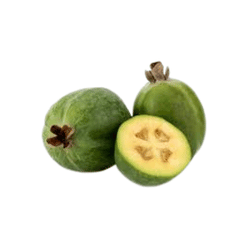
- Feijoa
Green aromatic fruit with sweet-tart flavor, rich in fiber and vitamin C.
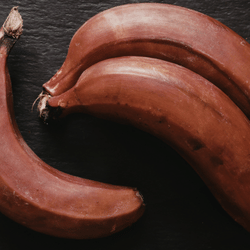
- Red Banana
Short, reddish banana variety with creamy texture, sweeter flavor, and high antioxidant content.
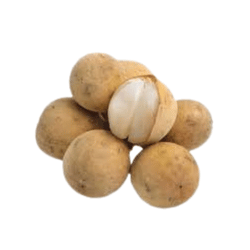
- Langsat
Small tropical fruit with translucent pulp, sweet-tangy taste, and refreshing winter appeal.
- Envy Apple
Premium apple variety, crisp and naturally sweet, bred for flavor and slow browning.
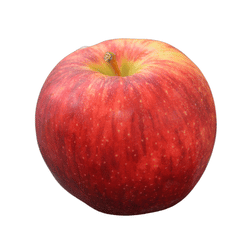
- Indian Gooseberry
Small green fruit, extremely rich in vitamin C, widely used in traditional winter tonics.
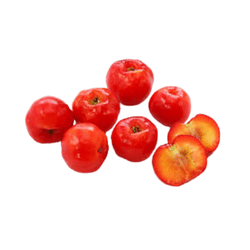
- Acerola
Bright red cherry-like fruit, exceptionally high in vitamin C and antioxidants.
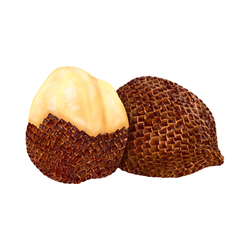
- Salak Fruit
Scaly-skinned fruit with crunchy texture, sweet-tart flavor, and nutty undertones.
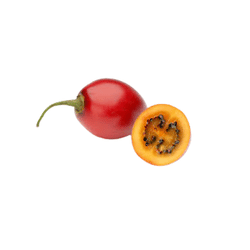
- Tamarillo
Egg-shaped fruit with tangy flavor, rich in vitamins, antioxidants, and culinary versatility.
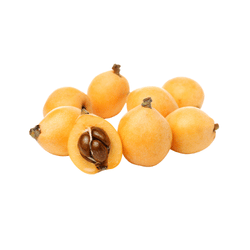
- Medlar
Ancient fruit with soft flesh when ripe, mildly sweet taste, and traditional winter use.
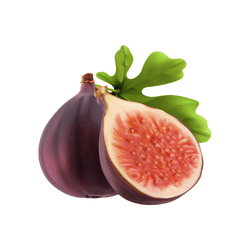
- Fig
Soft, sweet fruit with tiny seeds, rich in fiber, antioxidants, and winter digestive benefits.
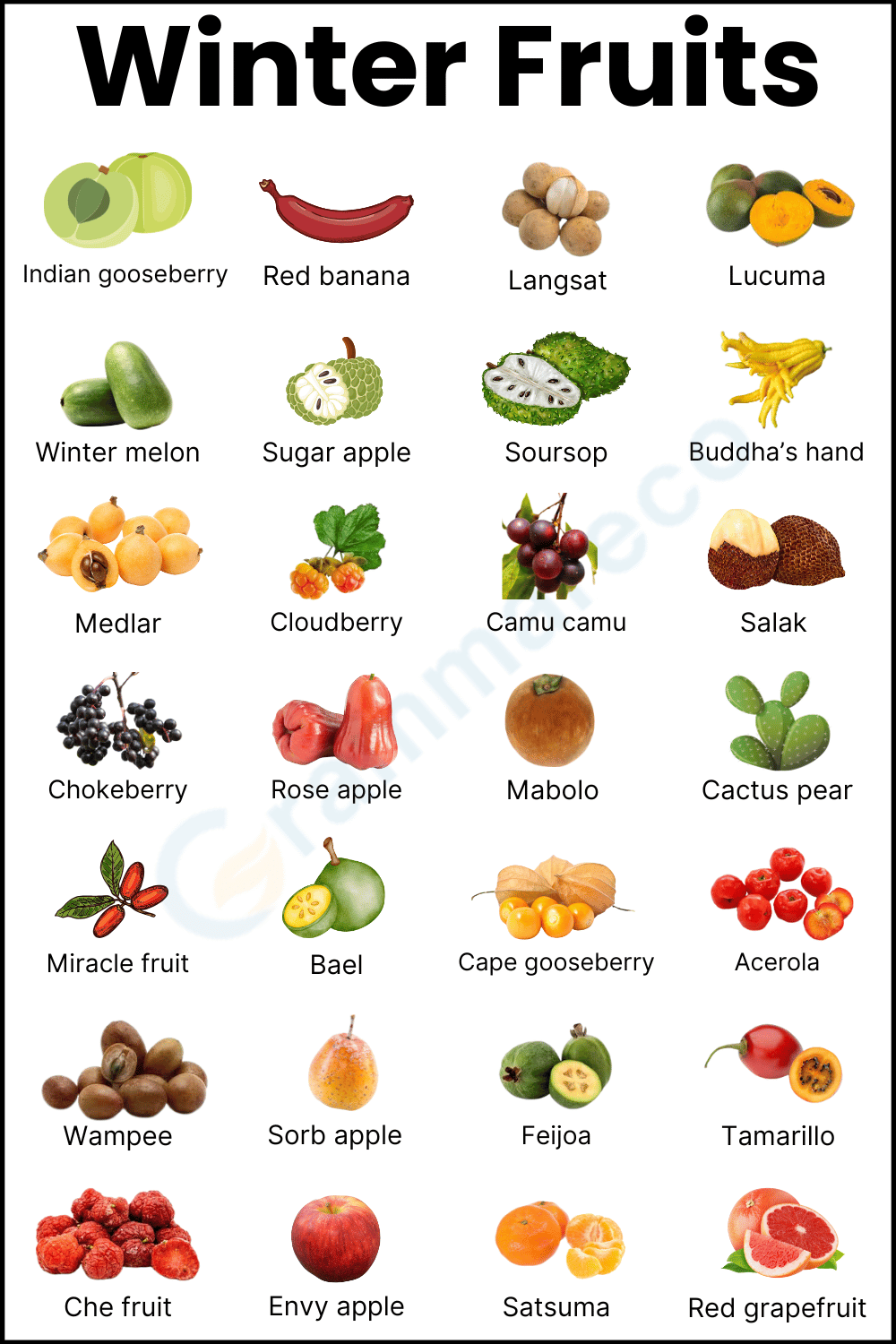
Selecting these fruits ensures a nutritious and flavorful winter diet. Pictures help learners easily identify and choose them.
10 Winter Citrus Fruits with Photos
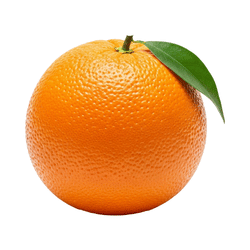
- Best Winter Fruit Oranges
Juicy winter citrus fruit rich in vitamin C, antioxidants, and natural immune-boosting compounds.
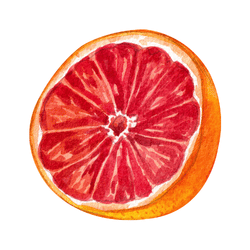
- Blood Orange
Red-fleshed citrus with berry-like flavor, high in anthocyanins and vitamin C.
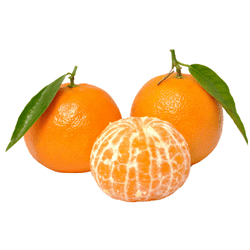
- Mandarin
Small, sweet citrus fruit with loose peel, ideal for winter snacking.
- Clementine
Seedless mandarin variety, very sweet and juicy, rich in vitamin C.
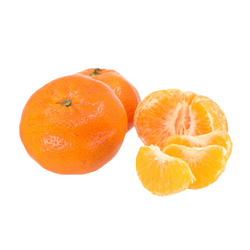
- Tangerine
Bright orange citrus with tangy-sweet flavor, supports immunity in winter.
- Satsuma
Cold-tolerant mandarin, seedless, extremely juicy, harvested during winter months.
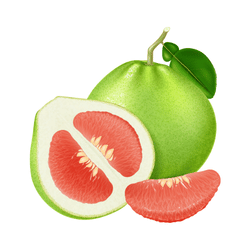
- Pomelo
Largest citrus fruit with thick rind, mildly sweet flesh, rich in fiber.
- Grapefruit
Large citrus with sweet-bitter taste, high in vitamin C and antioxidants.
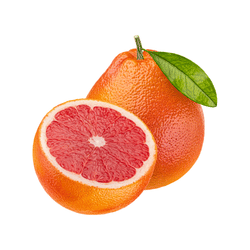
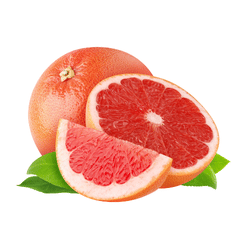
- Red Grapefruit
Pink-fleshed grapefruit, sweeter than white varieties, rich in lycopene.
How to Select Fresh Winter Fruits
Choosing fresh fruits is important for taste and nutrients. Look for:
- Firm texture without soft spots
- Bright color typical of the fruit
- No signs of mold or bruising
- Fresh aroma, especially for citrus fruits
- Heaviness: heavier fruits often have more juice
Fresh selection ensures maximum vitamins and better flavor. Store in a cool, dry place or refrigerate for longer life.
Nutritional Benefits of Seasonal Winter Fruits
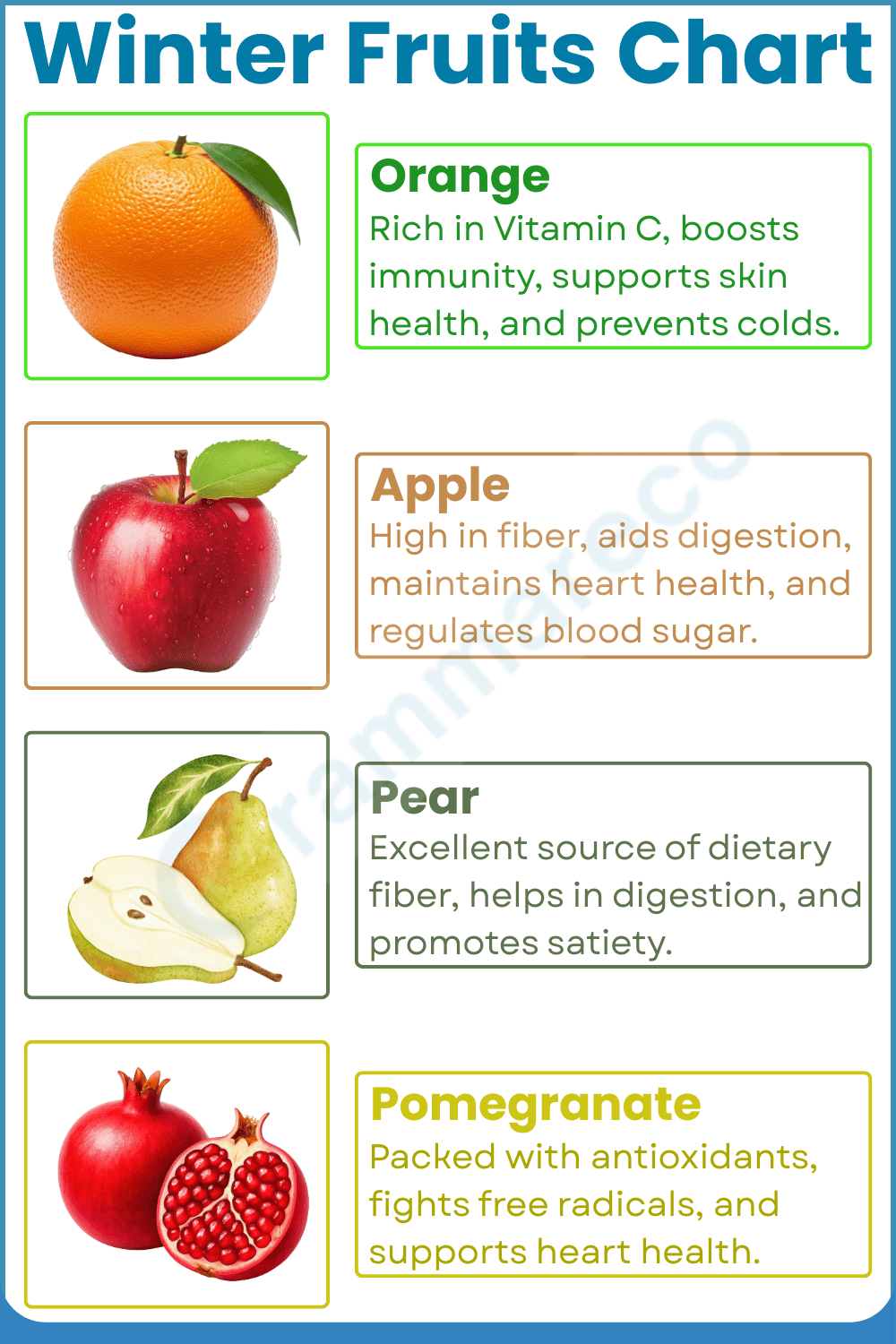
Winter fruits are rich in vitamins, minerals, and antioxidants. They strengthen immunity, aid digestion, and maintain skin health. Vitamin C in citrus fruits prevents colds, while fiber in apples and pears supports digestion. Antioxidants in pomegranates, cranberries, and kiwis help fight free radicals. Regular consumption of seasonal fruits improves overall health and adds natural sweetness to your meals.
| Winter Fruit | Nutritional Benefits |
|---|---|
| Orange | Rich in Vitamin C, boosts immunity, supports skin health, and prevents colds. |
| Apple | High in fiber, aids digestion, maintains heart health, and regulates blood sugar. |
| Pear | Excellent source of dietary fiber, helps in digestion, and promotes satiety. |
| Pomegranate | Packed with antioxidants, fights free radicals, and supports heart health. |
| Kiwi | Loaded with Vitamin C and E, enhances immunity, and improves skin health. |
| Grapefruit | Low-calorie fruit, aids in weight management, improves metabolism, and boosts immunity. |
| Guava | High in Vitamin C and fiber, strengthens immunity, and supports healthy digestion. |
| Cranberry | Contains antioxidants and Vitamin C, promotes urinary tract health, and boosts immunity. |
| Clementine | Sweet and vitamin-rich, strengthens immunity, and helps in detoxification. |
| Persimmon | Full of Vitamin A and fiber, improves eye health, and aids digestion naturally. |
FAQs About Winter Fruits
Winter fruits include oranges, pomegranates, apples, pears, kiwis, and grapes. These fruits thrive in cooler temperatures and are often juicier and sweeter during winter months. For example, navel oranges and red apples are commonly harvested in this season.
Fruit trees do not die from winter dewdrops. Most fruit trees are dormant in winter and can handle cold and moisture. Dew helps keep the soil hydrated, but trees survive frost by slowing growth and conserving energy.
In winter, fruits like oranges, tangerines, pomegranates, pears, and persimmons are in season. These fruits are harvested when fully ripe and are rich in vitamins, making them ideal for cold months.
Thirteen common winter fruits are oranges, tangerines, lemons, grapefruits, pomegranates, apples, pears, kiwis, persimmons, grapes, cranberries, figs, and guavas. These fruits are fresh, nutritious, and easily available during winter.
Winter fruits include oranges, lemons, tangerines, pomegranates, apples, pears, kiwis, persimmons, grapes, cranberries, figs, guavas, and mandarins.
Read more