

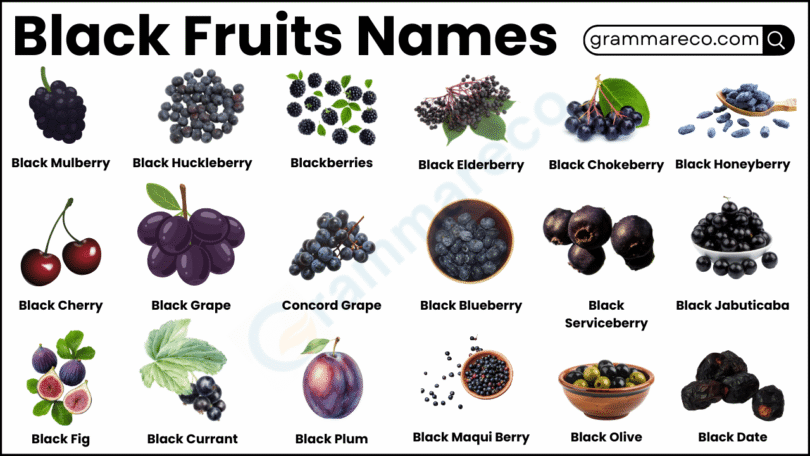
Some fruits have very dark colors, often deep purple or black because of natural pigments. Blackberries, black grapes, and black currants are common examples. Learning black fruits names helps identify fruits by their color and know how they are eaten fresh or used in desserts and drinks.
These names help learners talk about fruits in daily life. Using black fruits names is helpful when buying fruit at markets, cooking meals, or describing fruit colors and flavors at home or school.
What are Black Fruits?
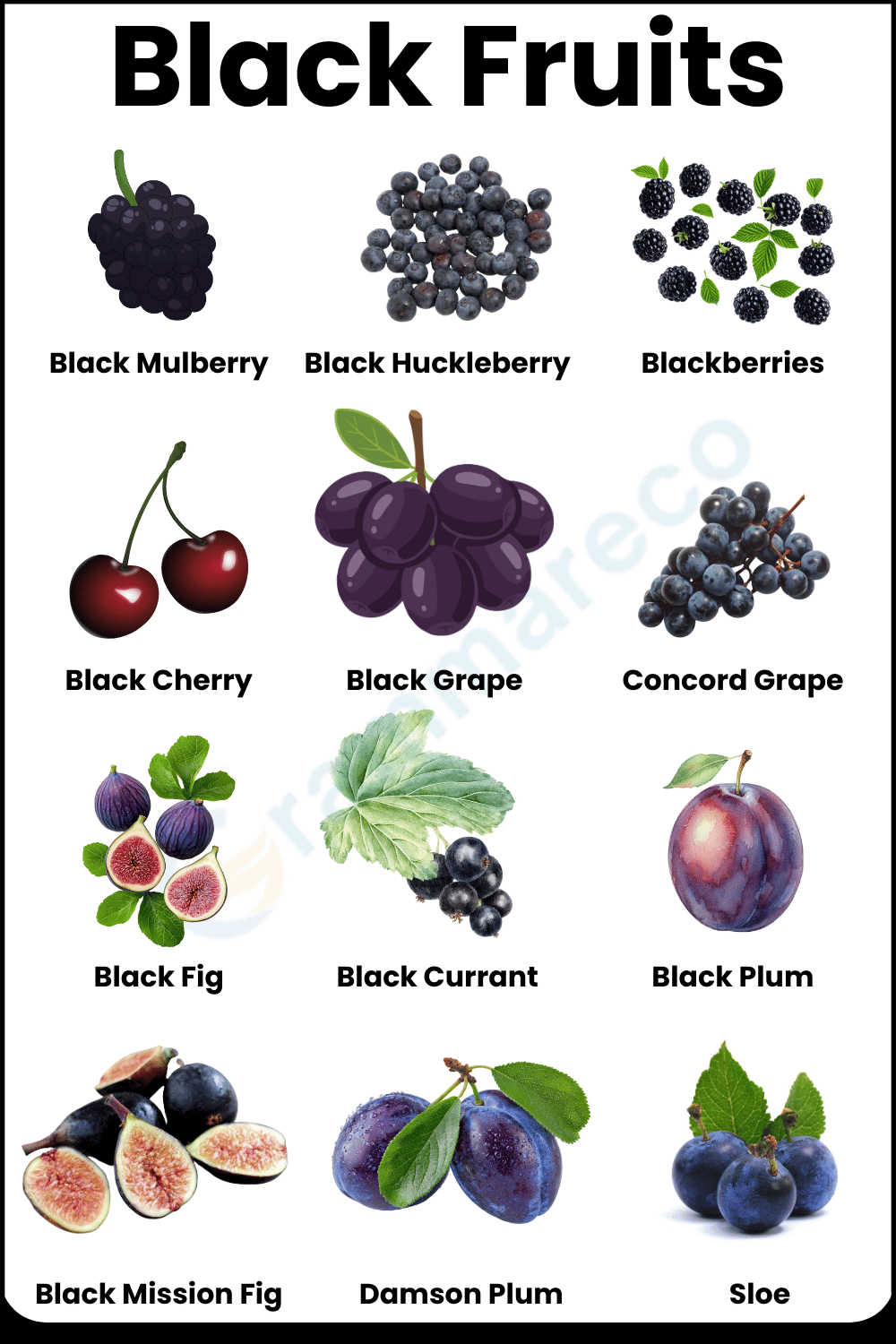
Black fruits are fruits that have dark purple to black skin or flesh. Examples include blackberries, black grapes, black currants, black figs, black plums, black mulberries, and black jabuticaba.
They are rich in antioxidants, vitamins, and minerals, and often have a sweet or tart flavor.
Common Black Fruits List with Names
Black fruits are often seen in grocery stores, farmers markets, and packaged foods. Some are widely known, while others are seasonal.
Below is a list of commonly known black fruits:
- Black Blue Honeysuckle
- Black Bilberry
- Boysenberries
- Black Loganberry
- Black Dewberry
- Concord Grape
- Black Fig
- Black Grape
- Black Cherry
- Black Plum
- Black Mission Fig
- Black Currant
- Damson Plum
- Sloe
These fruits are usually eaten fresh, dried, or used in juices, jams, and desserts.
Black Fruit Names with Images and Information
Below are popular black fruits names with short descriptions to help identify them through pictures.
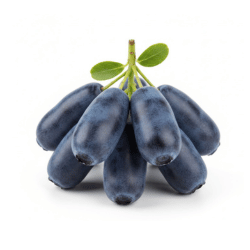
- Black Blue Honeysuckle
A deep-colored honeysuckle berry, sweet-tart flavor, soft skin, valued for antioxidants and early seasonal harvest.
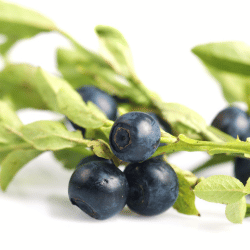
- Black Bilberry
A wild European berry with very dark skin and flesh, intense flavor, traditionally used in desserts and preserves.
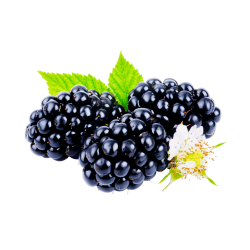
- Boysenberries
A hybrid berry with dark purple-black color, juicy texture, sweet-tart flavor, popular in pies, jams, and syrups.
- Black Loganberry
A darker loganberry variety, firm texture, sharp tangy taste, often used for juices and cooked desserts.
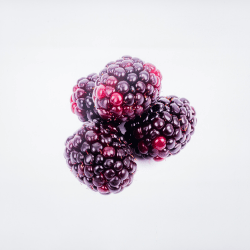
- Black Dewberry
A trailing blackberry relative with deep black color, sweet flavor, commonly found growing wild in fields.
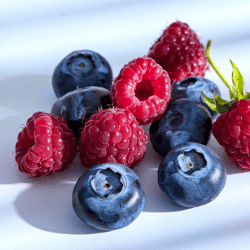
- Concord Grape
A dark blue-black grape with bold sweetness, thick skin, famous for grape juice, jelly, and wine products.
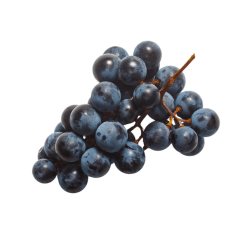
- Black Fig
A fig variety with dark skin, soft pink flesh, honey-like sweetness, enjoyed fresh or dried.
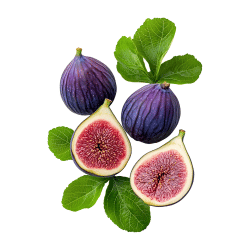
- Black Grape
Grapes with deep purple-black skin, juicy pulp, sweet flavor, eaten fresh or used in juices and wines.
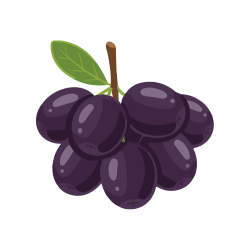
- Black Cherry
A small dark cherry with rich sweet-tart taste, commonly used in desserts, syrups, and flavorings.
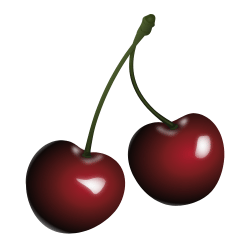
- Black Plum
A plum with dark skin, juicy flesh, sweet and slightly tart taste, eaten fresh or cooked.
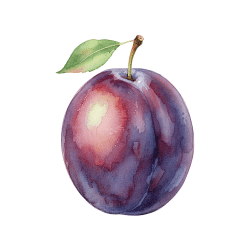
- Black Mission Fig
A popular fig variety with deep purple-black skin, soft interior, rich sweetness, often eaten fresh or dried.
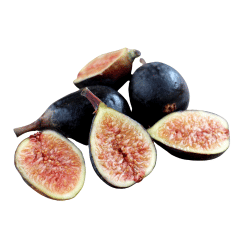
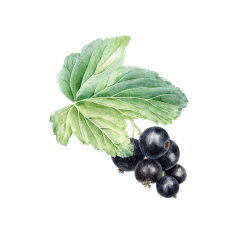
- Black Currant
Small black berries with strong tart flavor, widely used in juices, jams, syrups, and herbal preparations.
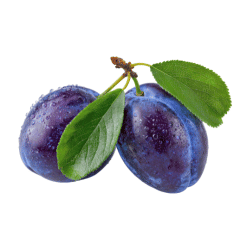
- Damson Plum
A small dark plum with firm flesh, sharp tartness, traditionally used for jams, sauces, and baking.
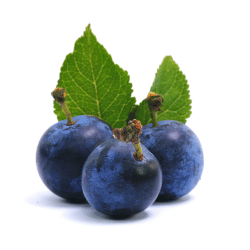
- Sloe
The dark blue-black fruit of the blackthorn plant, very astringent raw, traditionally used in sloe gin.
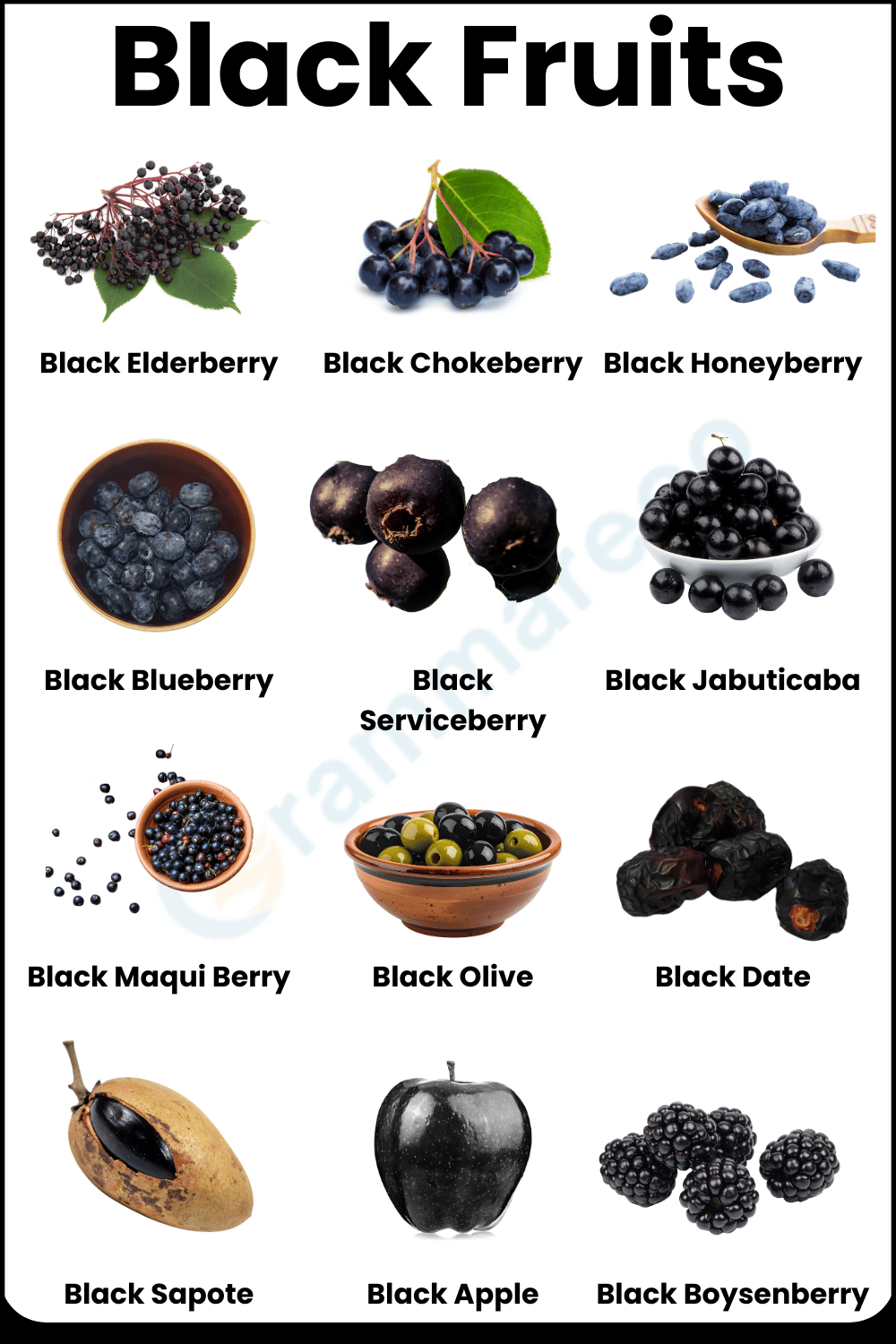
List of 20 Naturally Black Fruits Around the World
only names in bullets
- Black Camu Camu
- Blackberries
- Black Mulberry
- Black Huckleberry
- Black Jabuticaba
- Black Maqui Berry
- Black Serviceberry
- Black Blueberry
- Black Dates
- Black Sapote
- Black Olive
- Black Apple
- Black Boysenberry
- Black Honeyberry
- Black Elderberry
- Black Chokeberry
- Black Fruits
- Black Jamun
- Black Raisin
- Black Velvet Tamarind
This list includes cultivated, wild, and regional fruits.
Different Black Fruits and Pictures
Black fruits vary in size, taste, and growing conditions. Some are soft berries, while others have firm flesh or seeds.
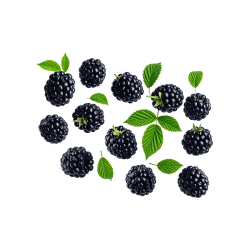
- Blackberries
Juicy black berries with sweet-tart flavor, eaten fresh, baked into desserts, or blended into smoothies.
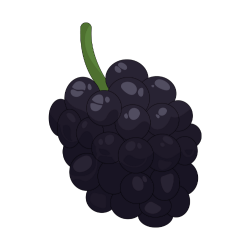
- Black Mulberry
A soft, juicy berry with deep black color, rich sweetness, commonly eaten fresh or dried.
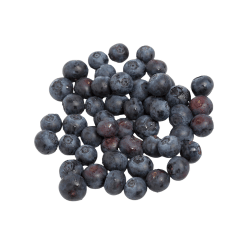
- Black Huckleberry
A wild dark berry with sweet earthy flavor, found in forests, similar to blueberries but more intense.
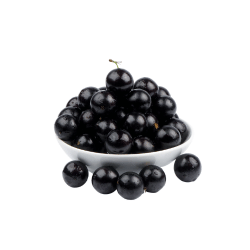
- Black Jabuticaba
A Brazilian fruit growing directly on tree trunks, black skin, juicy sweet pulp, grape-like taste.
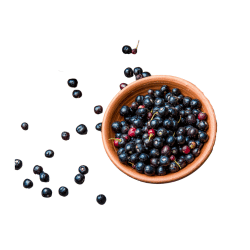
- Black Maqui Berry
A very dark purple berry from Chile, tart flavor, highly valued for powerful antioxidant content.
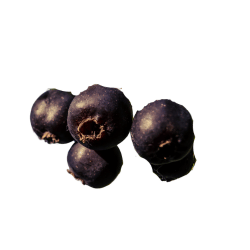
- Black Serviceberry
A dark-colored serviceberry with sweet nutty flavor, eaten fresh, dried, or baked into foods.
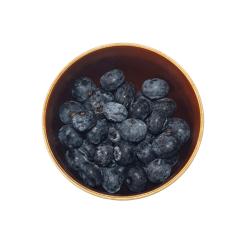
- Black Blueberry
A blueberry variety with deeper blackish tone, rich sweetness, juicy texture, and high antioxidant levels.
Read also: Berries Names
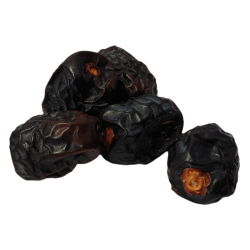
- Black Date
A very dark date variety, soft and chewy texture, naturally sweet flavor, commonly eaten dried.
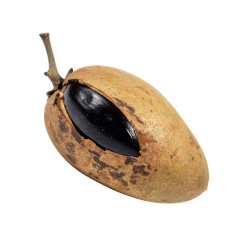
- Black Sapote
Known as chocolate pudding fruit, with green skin and dark soft flesh, sweet and custard-like taste.
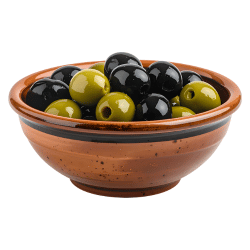
- Black Olive
Ripe olives with dark skin, firm texture, savory taste, commonly cured and used in cooking.
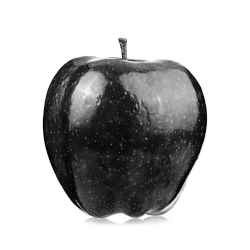
- Black Apple
A rare apple variety with very dark purple skin, crisp texture, mildly sweet flavor, grown in limited regions.
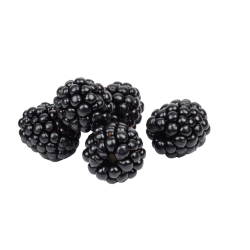
- Black Boysenberry
A darker boysenberry type with rich sweetness, juicy flesh, commonly used in jams and dessert fillings.
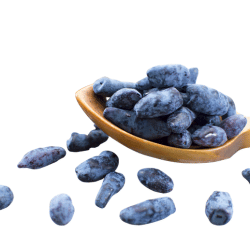
- Black Honeyberry
A deep-colored honeyberry with sweet-tart taste, thin skin, early ripening, and high antioxidant value.
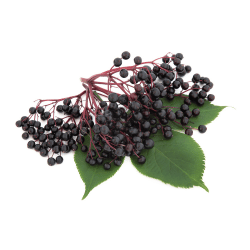
- Black Elderberry
Small dark berries with tart flavor, usually cooked into syrups, teas, and traditional remedies.
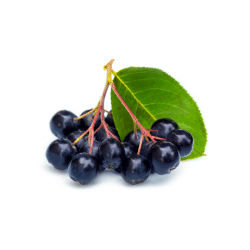
- Black Chokeberry
Also called aronia, very dark berries with strong astringency, valued for nutrition and antioxidant richness.
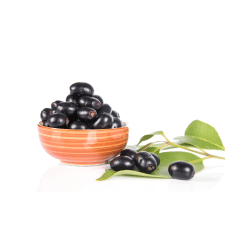
- Black Jamun
A deep purple-black tropical fruit with juicy flesh, sweet and tangy taste, commonly eaten fresh or used in drinks.
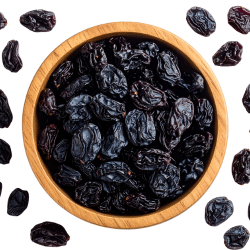
- Black Raisin
Dried black grapes with concentrated sweetness, chewy texture, widely used in baking, snacks, and traditional remedies.
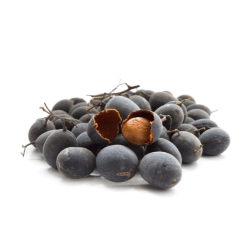
- Black Velvet Tamarind
A rare tamarind variety with dark pods, sweet pulp, and mild tang, popular in Southeast Asian regions.
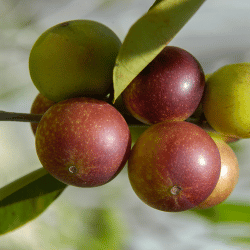
- Black Camu Camu
A darker camu camu type, extremely rich in vitamin C, sour taste, mostly used in powders and juices.
Nutritional Value of Black Fruits Chart
Below is a chart of black fruits names and their main nutritional value and benefits.
| Black Fruit Name | Nutritional Value and Benefits |
|---|---|
| Blackberry | High in fiber, vitamin C, and antioxidants |
| Black Grape | Contains resveratrol, supports heart health |
| Black Cherry | Rich in antioxidants and anti-inflammatory compounds |
| Black Plum | Provides fiber, vitamin A, and potassium |
| Black Fig | High in calcium, iron, and natural sugars |
| Black Currant | Excellent source of vitamin C |
| Black Mulberry | Contains iron, vitamin C, and antioxidants |
| Black Raspberry | High in anthocyanins and fiber |
| Black Elderberry | Supports immune health when cooked |
| Black Jamun | Contains minerals and plant compounds |
Wild and Less-Known Black Fruits
Some black fruits grow in the wild or are known only in specific regions.
- Sloe (Blackthorn Berry): Wild fruit used in traditional drinks.
- Black Huckleberry: Grows in forests and mountainous areas.
- Black Maqui Berry: Native to South America, harvested from wild plants.
- Black Serviceberry: Found on wild shrubs and small trees.
- Black Velvet Tamarind: Grows in tropical forests with hard outer shells.
These fruits are less common in stores but important for regional diets.
FAQs About Black Fruits Names
Blackberries, black grapes, black cherries, black plums, and black figs are the most commonly known black fruits.
Some black fruits are very dark purple, but true black fruits appear almost black when ripe.
Blackberry, black raspberry, black currant, and black elderberry are true berries.
Yes, dried black fruits like black raisins and dried figs still contain fiber and minerals.
Yes, a black olive is a fruit. It grows on olive trees and is classified as a drupe, which means it has a single seed inside. Black olives are harvested when fully ripe and are rich in healthy fats and antioxidants.
Yes, black peppers are fruits. They come from the pepper plant and are actually small berries that turn black when dried. They contain seeds inside and are used as a spice in cooking.
Read more