


Oranges are a fascinating group of fruits with vibrant colors and unique flavors that vary around the world. Learning the different types of orange fruit helps you recognize each variety’s characteristics like taste, flesh color, and size. These fruits are widely enjoyed fresh, juiced, or in cooking, and each type has its own story and origin.
In this post, you will learn about the main types of orange fruit with names, attributes, and historical details. Knowing these varieties allows you to identify them at grocery stores, markets, or in culinary discussions. You’ll also understand their distinct flavors and features through pictures and structured descriptions.
What is an Orange Fruit?
An orange is a citrus fruit known for its juicy segments and bright skin. It belongs to the genus Citrus and is widely cultivated for fresh eating and juice production. Oranges vary in sweetness, acidity, and color, making them versatile in flavor and use.
They are a rich source of vitamin C and antioxidants. By learning about different types of orange fruit, you can identify each variety by its taste, color, and size. This helps in markets, recipes, and science education related to fruits.
Types of Orange Fruit With Names and Images
Oranges are grouped by genetic background, sweetness level, and physical traits. These groupings help learners understand why some oranges taste sweet, others bitter, and some appear red inside. Below is a detailed breakdown of orange fruit categories with real varieties and learning-focused descriptions.

Types of Sweet Orange Fruit
Sweet oranges are the most widely eaten oranges in the United States and many other countries. They are usually eaten fresh or juiced and have balanced sweetness with mild acidity. Below is a list of globally recognized sweet orange varieties with learning-based descriptions and attributes.
Washington Navel Orange
Washington Navel oranges originated in Brazil and became popular in California during the nineteenth century. They are known for their seedless nature and easy peeling. This variety helped shape modern fresh orange markets in the US.
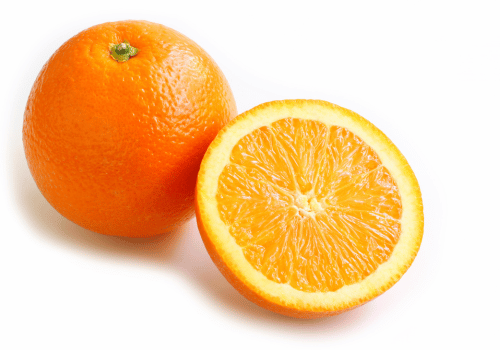
- Common name: Washington Navel Orange
- Scientific name: Citrus sinensis
- Shape: Round with a small navel
- Size: Medium to large
- Average weight: 180 to 300 grams
- Water amount: High
- Skin color: Bright orange
- Flesh color: Deep orange
- Seed type and quantity: Seedless
- Taste and flavor profile: Sweet with mild acidity
- Texture: Firm and juicy
- Calories: About 62 per medium fruit
- Region: Brazil origin, widely grown in California, USA
Hamlin Orange
Hamlin oranges were first recorded in Florida and are widely grown for juice production. They mature early in the season and maintain steady sweetness even when processed. Their thin peel makes them less ideal for long storage.
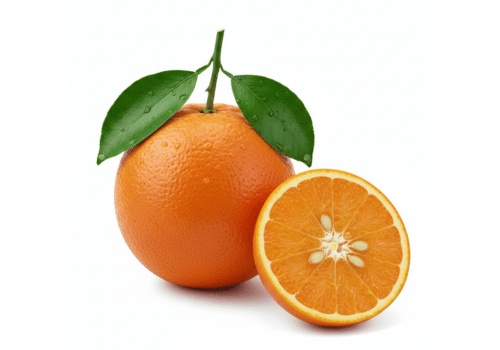
- Common name: Hamlin Orange
- Scientific name: Citrus sinensis
- Shape: Round
- Size: Medium
- Average weight: 160 to 220 grams
- Water amount: Very high
- Skin color: Light orange
- Flesh color: Pale orange
- Seed type and quantity: Few seeds
- Taste and flavor profile: Mildly sweet and refreshing
- Texture: Soft and very juicy
- Calories: About 60 per fruit
- Region: Florida, USA
Pineapple Orange
Pineapple oranges gained their name from a slightly tropical aroma rather than actual pineapple flavor. They became popular in Florida during the early juice industry era. This variety balances sweetness and acidity well.
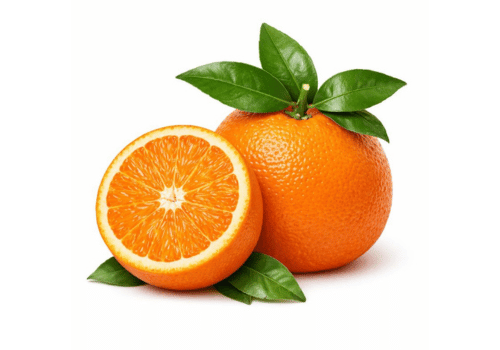
- Common name: Pineapple Orange
- Scientific name: Citrus sinensis
- Shape: Round
- Size: Medium
- Average weight: 170 to 240 grams
- Water amount: High
- Skin color: Orange with slight roughness
- Flesh color: Orange
- Seed type and quantity: Several seeds
- Taste and flavor profile: Sweet with noticeable tang
- Texture: Juicy with soft segments
- Calories: About 65 per fruit
- Region: Florida, USA
Jaffa Orange
Jaffa oranges originated in the Mediterranean region and became famous through export trade. They have thick peels, which helped them travel long distances without damage. This trait made them important in early global fruit markets.
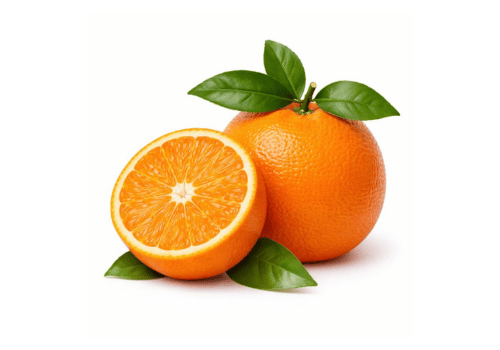
- Common name: Jaffa Orange
- Scientific name: Citrus sinensis
- Shape: Oval to round
- Size: Medium
- Average weight: 180 to 260 grams
- Water amount: Moderate to high
- Skin color: Deep orange
- Flesh color: Bright orange
- Seed type and quantity: Few seeds
- Taste and flavor profile: Sweet and balanced
- Texture: Firm with juicy pulp
- Calories: About 64 per fruit
- Region: Mediterranean, Israel
Maltaise Sweet Orange
Maltaise oranges are known for their smooth texture and fragrant flesh. They are traditionally grown in North Africa and southern Europe. This variety is often eaten fresh due to its pleasant sweetness.
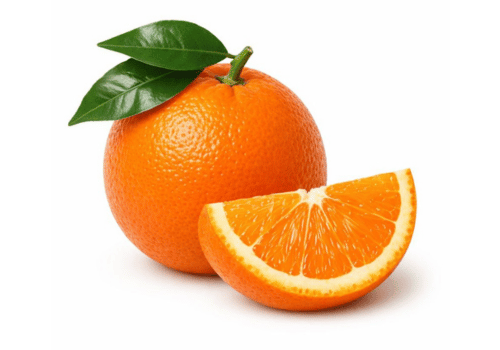
- Common name: Maltaise Sweet Orange
- Scientific name: Citrus sinensis
- Shape: Round
- Size: Medium
- Average weight: 160 to 230 grams
- Water amount: High
- Skin color: Orange with light sheen
- Flesh color: Orange
- Seed type and quantity: Few to moderate seeds
- Taste and flavor profile: Rich sweetness
- Texture: Tender and juicy
- Calories: About 63 per fruit
- Region: North Africa, Southern Europe
Bitter Orange Varieties
Bitter oranges are mainly valued for cooking, marmalade, medicine, and fragrance rather than fresh eating. Their sharp taste comes from higher natural acidity and aromatic oils in the peel. These oranges played an important role in early citrus history and plant breeding. Below is a learning-focused list of well-known bitter orange varieties.
Seville Orange
Seville oranges trace back to Southeast Asia and later spread through Spain during early citrus cultivation. They became famous in European kitchens for marmalade making. Their intense bitterness limits fresh consumption.

- Common name: Seville Orange
- Scientific name: Citrus aurantium
- Shape: Round to slightly flattened
- Size: Medium
- Average weight: 150 to 220 grams
- Water amount: Moderate
- Skin color: Deep orange
- Flesh color: Orange
- Seed type and quantity: Many seeds
- Taste and flavor profile: Strongly bitter and acidic
- Texture: Firm with dry pulp
- Calories: About 65 per fruit
- Region: Spain
Bergamot Orange
Bergamot oranges are best known for their aromatic peel oil. They originated in southern Italy and are closely linked to tea flavoring and perfumes. The fruit itself is rarely eaten fresh.
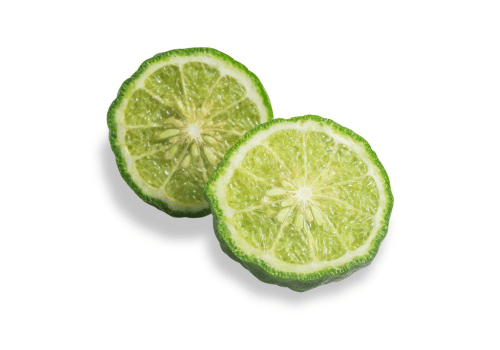
- Common name: Bergamot Orange
- Scientific name: Citrus bergamia
- Shape: Round to pear-like
- Size: Small to medium
- Average weight: 120 to 200 grams
- Water amount: Moderate
- Skin color: Yellow-orange
- Flesh color: Pale orange
- Seed type and quantity: Few seeds
- Taste and flavor profile: Bitter with strong citrus aroma
- Texture: Slightly dry
- Calories: About 50 per fruit
- Region: Southern Italy
Bigarade Orange
Bigarade oranges were widely grown in Europe before sweet oranges became common. They are an ancestor of many modern citrus types. Their sharp taste makes them unsuitable for fresh eating.
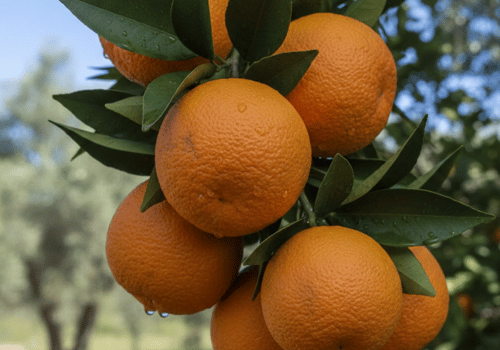
- Common name: Bigarade Orange
- Scientific name: Citrus aurantium
- Shape: Round
- Size: Medium
- Average weight: 160 to 240 grams
- Water amount: Moderate
- Skin color: Orange with rough texture
- Flesh color: Orange
- Seed type and quantity: Many seeds
- Taste and flavor profile: Bitter and sour
- Texture: Dense pulp
- Calories: About 62 per fruit
- Region: Europe
Blood Orange Varieties
Blood oranges are a natural mutation of sweet oranges and are known for their red or maroon flesh. This color comes from anthocyanins, pigments uncommon in most citrus fruits. These varieties developed in Mediterranean climates with cool nights. Below is a detailed learning-based list.
Moro Blood Orange
Moro blood oranges originated in Sicily and are among the darkest-fleshed blood oranges. Their flavor is bold and slightly berry-like. This variety is widely grown for fresh eating.
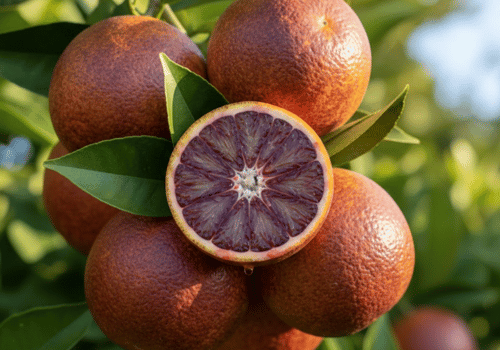
- Common name: Moro Blood Orange
- Scientific name: Citrus sinensis
- Shape: Round
- Size: Medium
- Average weight: 170 to 250 grams
- Water amount: High
- Skin color: Orange with red blush
- Flesh color: Deep red
- Seed type and quantity: Few seeds
- Taste and flavor profile: Sweet with tart undertones
- Texture: Juicy and tender
- Calories: About 70 per fruit
- Region: Sicily, Italy
Tarocco Blood Orange
Tarocco oranges are considered one of the sweetest blood oranges. They are less pigmented but very juicy. This variety is popular in Italy and increasingly in the US.

- Common name: Tarocco Blood Orange
- Scientific name: Citrus sinensis
- Shape: Round
- Size: Medium to large
- Average weight: 180 to 260 grams
- Water amount: Very high
- Skin color: Orange with light red streaks
- Flesh color: Orange-red
- Seed type and quantity: Few or none
- Taste and flavor profile: Sweet and balanced
- Texture: Very juicy
- Calories: About 65 per fruit
- Region: Italy
Sanguinello Blood Orange
Sanguinello oranges ripen later than other blood oranges. They have smoother skin and lighter red flesh. This variety is often used in salads and desserts.
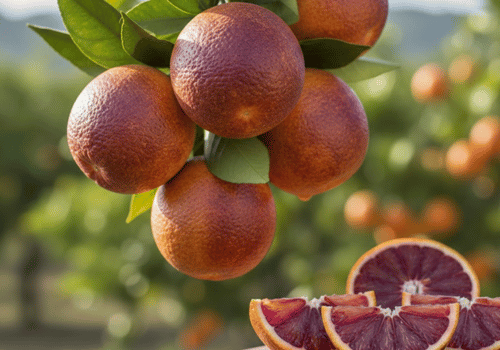
- Common name: Sanguinello Blood Orange
- Scientific name: Citrus sinensis
- Shape: Round
- Size: Medium
- Average weight: 160 to 230 grams
- Water amount: High
- Skin color: Orange with reddish hue
- Flesh color: Red-orange
- Seed type and quantity: Few seeds
- Taste and flavor profile: Mildly sweet
- Texture: Soft and juicy
- Calories: About 60 per fruit
- Region: Spain
Types of Navel Orange Fruit
Navel oranges are easily recognized by the small navel-like structure opposite the stem. They are seedless and preferred for fresh eating. These oranges developed through natural mutation and became widely cultivated. Below is a focused learning list.
Cara Cara Navel Orange
Cara Cara oranges were discovered in Venezuela as a natural mutation. Their pinkish flesh sets them apart from standard navels. They are sweet and low in acidity.
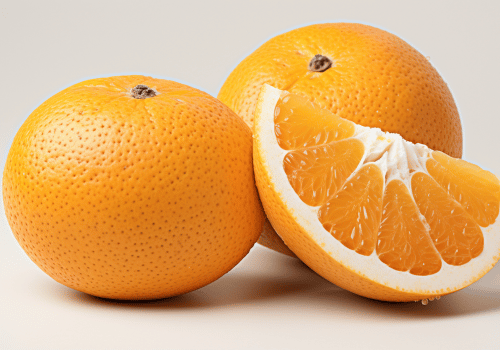
- Common name: Cara Cara Orange
- Scientific name: Citrus sinensis
- Shape: Round with navel
- Size: Medium
- Average weight: 180 to 260 grams
- Water amount: High
- Skin color: Orange
- Flesh color: Pink to red
- Seed type and quantity: Seedless
- Taste and flavor profile: Sweet with subtle berry notes
- Texture: Juicy and smooth
- Calories: About 70 per fruit
- Region: Venezuela origin, widely grown in California, USA
Lane Late Navel Orange
Lane Late oranges mature later in the season and maintain sweetness longer. They are widely grown in California and Australia. This makes them useful for extended fresh markets.
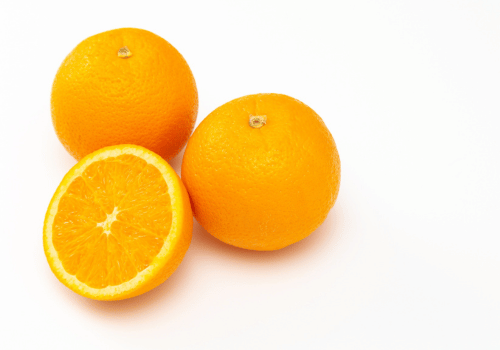
- Common name: Lane Late Orange
- Scientific name: Citrus sinensis
- Shape: Round
- Size: Medium to large
- Average weight: 200 to 280 grams
- Water amount: High
- Skin color: Bright orange
- Flesh color: Orange
- Seed type and quantity: Seedless
- Taste and flavor profile: Sweet and mild
- Texture: Firm and juicy
- Calories: About 68 per fruit
- Region: California, USA and Australia
Valencia Orange Varieties
Valencia oranges are mainly grown for juice due to their high juice content. They ripen later and store well on trees. These oranges became central to the juice industry in the United States. Below is a learning-focused breakdown.
Valencia Late Orange
Valencia Late oranges are the most common juice oranges in the US. They originated in Europe and were later refined in Florida and California. Their juice remains sweet even when fully ripe.

- Common name: Valencia Late Orange
- Scientific name: Citrus sinensis
- Shape: Round
- Size: Medium
- Average weight: 170 to 240 grams
- Water amount: Very high
- Skin color: Orange with thin peel
- Flesh color: Orange
- Seed type and quantity: Few seeds
- Taste and flavor profile: Sweet and refreshing
- Texture: Extremely juicy
- Calories: About 65 per fruit
- Region: Europe origin, grown in Florida and California, USA
Delta Valencia Orange
Delta Valencia oranges are a newer selection developed for improved yield. They maintain sweetness even in warmer climates. This variety supports modern commercial juice production.
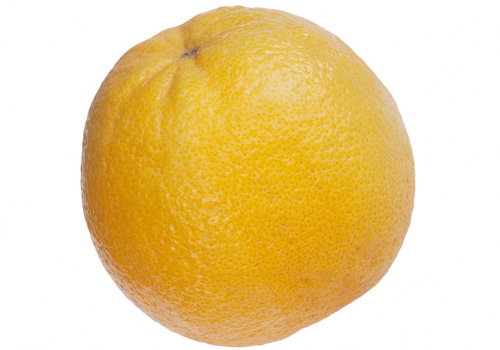
- Common name: Delta Valencia Orange
- Scientific name: Citrus sinensis
- Shape: Round
- Size: Medium
- Average weight: 180 to 250 grams
- Water amount: Very high
- Skin color: Bright orange
- Flesh color: Orange
- Seed type and quantity: Few seeds
- Taste and flavor profile: Sweet with low acidity
- Texture: Juicy and soft
- Calories: About 66 per fruit
- Region: Florida, USA
Citrus Types Commonly Called Oranges
Some citrus fruits are often referred to as oranges even though they belong to different species or are hybrids. Learning about these varieties helps identify their taste, uses, and cultivation methods. Many of these citrus fruits are sweeter, easier to peel, or have unique flavors, making them ideal for snacks, juices, or desserts.
Mandarin Type Oranges
Mandarins are small, easy-to-peel citrus fruits with a sweet flavor. They are often eaten fresh, in fruit salads, or used for garnishes. Mandarins are distinguished from standard oranges by their thinner skin, higher sweetness, and fewer seeds, making them perfect for children and quick snacks.
Clementine Orange with Pictures
Clementines are a popular mandarin variety that originated in Algeria. They gained global popularity due to their easy-to-peel skin and sweet, seedless segments. Often sold in small cartons, Clementines are widely consumed during winter months and are known for their bright orange color and high vitamin C content.
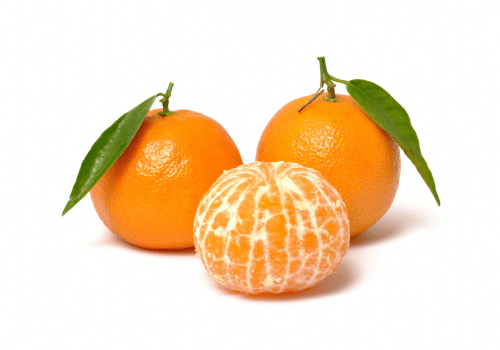
- Common name: Clementine
- Scientific name: Citrus reticulata
- Shape: Small, round
- Size: Small
- Average weight: 90 g
- Water amount: High
- Skin color: Deep orange
- Flesh color: Orange
- Seed type and quantity: Few or none
- Taste and Flavor Profile: Sweet, mild
- Texture: Tender, juicy
- Calories: 45 per 100 g
- Region: Algeria, widely cultivated in Spain and Morocco
Satsuma Orange with Pictures
Satsuma mandarins are native to Japan and are valued for their sweet, seedless flesh and loose skin, making them extremely easy to peel. They are typically harvested in late autumn and are popular in Asia, Europe, and North America. Their bright, delicate aroma and soft segments make them a favorite for snacking and festive occasions.
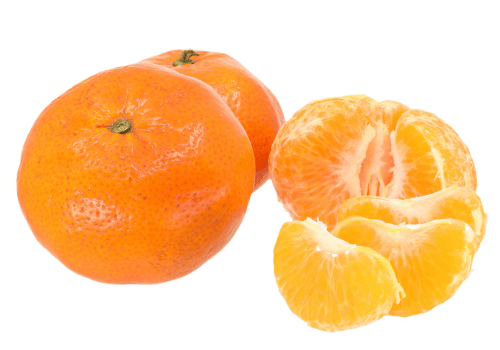
- Common name: Satsuma
- Scientific name: Citrus reticulata
- Shape: Small, round
- Size: Small
- Average weight: 100 g
- Water amount: High
- Skin color: Light orange
- Flesh color: Orange
- Seed type and quantity: None
- Taste and Flavor Profile: Sweet, low acidity
- Texture: Juicy and tender
- Calories: 45 per 100 g
- Region: Japan, cultivated in Spain, USA, and South Africa
Hybrid Orange Varieties
Hybrid oranges are created by crossbreeding different citrus species, such as tangerines, grapefruits, and pomelos, to combine the best traits—like sweetness, juice content, aroma, and easy peeling. These hybrids are popular for both fresh consumption and juicing, offering unique flavors not found in standard oranges.
Tangelo with their Benefits
Tangelos are a hybrid of tangerines and either grapefruits or pomelos. They are known for their juicy, tangy-sweet flavor and attractive deep orange peel. Tangelos are easy to segment and often used in salads, desserts, and juice blends. They also contain high vitamin C and antioxidants, making them a healthy snack option.
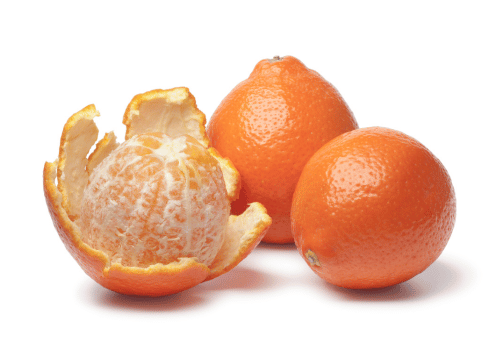
- Common name: Tangelo
- Scientific name: Citrus reticulata × Citrus paradisi
- Shape: Round to slightly oval
- Size: Medium
- Average weight: 150–200 g
- Water amount: High
- Skin color: Orange
- Flesh color: Orange
- Seed type and quantity: Few
- Taste and Flavor Profile: Sweet-tart
- Texture: Juicy, tender
- Calories: 55 per 100 g
- Region: United States, especially Florida
Minneola Orange with Facts
Minneola oranges, also called Honeybells due to their bell shape, are a hybrid between tangerines and grapefruits. They are prized for their tangy-sweet taste, bright orange-red peel, and easy-to-peel skin. Minneolas are especially popular during winter months and are often served as fresh snacks or used in desserts and juice blends. Their balance of sweetness and slight tartness makes them versatile for culinary uses.
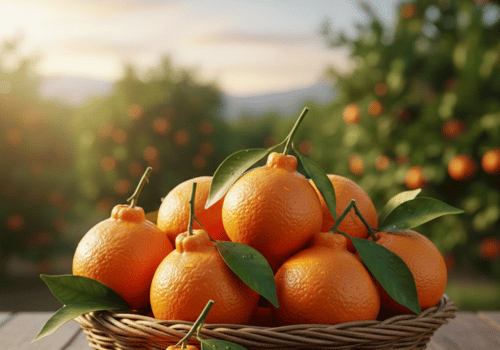
- Common name: Minneola
- Scientific name: Citrus reticulata × Citrus paradisi
- Shape: Bell-shaped
- Size: Medium
- Average weight: 180 g
- Water amount: High
- Skin color: Bright orange-red
- Flesh color: Orange
- Seed type and quantity: Few
- Taste and Flavor Profile: Sweet, tangy
- Texture: Juicy and soft
- Calories: 60 per 100 g
- Region: Florida, USA and cultivated in California
Orange Fruits List from A to Z with Images
- Bahia Orange
- Bergamot Orange
- Blood Orange
- Cara Cara Orange
- Hamlin Orange
- Jaffa Orange
- Marrs Orange
- Moro Orange
- Navel Orange
- Parson Brown Orange
- Pineapple Orange
- Salustiana Orange
- Seville Orange
- Shamouti Orange
- Tarocco Orange
- Valencia Orange
- Washington Navel Orange
FAQs about Types of Orange Fruit
Valencia and Hamlin oranges are ideal for juicing because they are very juicy with sweet, mild flavor.
Ten types of orange fruits are Navel, Valencia, Blood Orange, Cara Cara, Seville, Hamlin, Jaffa, Pineapple Orange, Tangerine, and Bergamot, each with unique flavor and color.
Navel oranges are seedless and best for eating, while Valencia oranges are juicier and mainly for juice production.
Blood oranges are sweeter and have a slightly tart flavor with deep red flesh.
Blood orange is a citrus fruit with deep red flesh, sweet-tart flavor, and high antioxidants, commonly eaten fresh or used in juices, salads, and desserts.
Eating peeled orange fruit boosts immunity, improves skin health, aids digestion, supports heart health, and provides vitamin C, fiber, and natural hydration for daily energy.
Read more